At least 10 people dead in Western NC from Helene, 200 rescued from floods
READ MORE
Hurricane Helene Aftermath
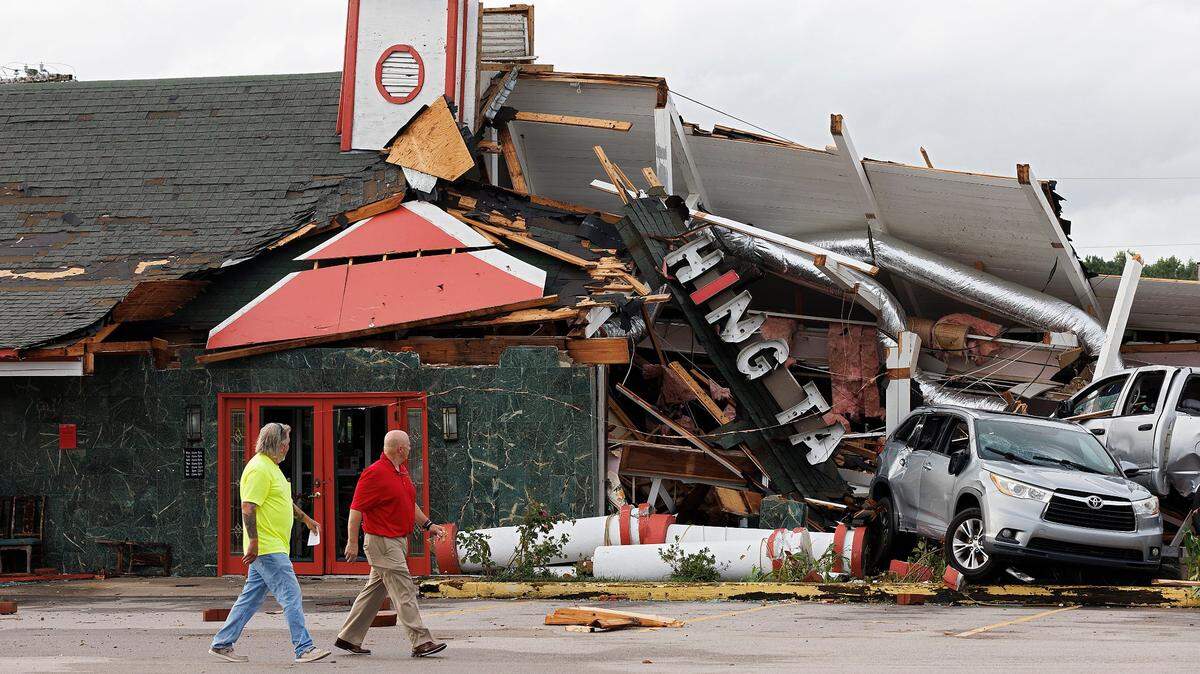
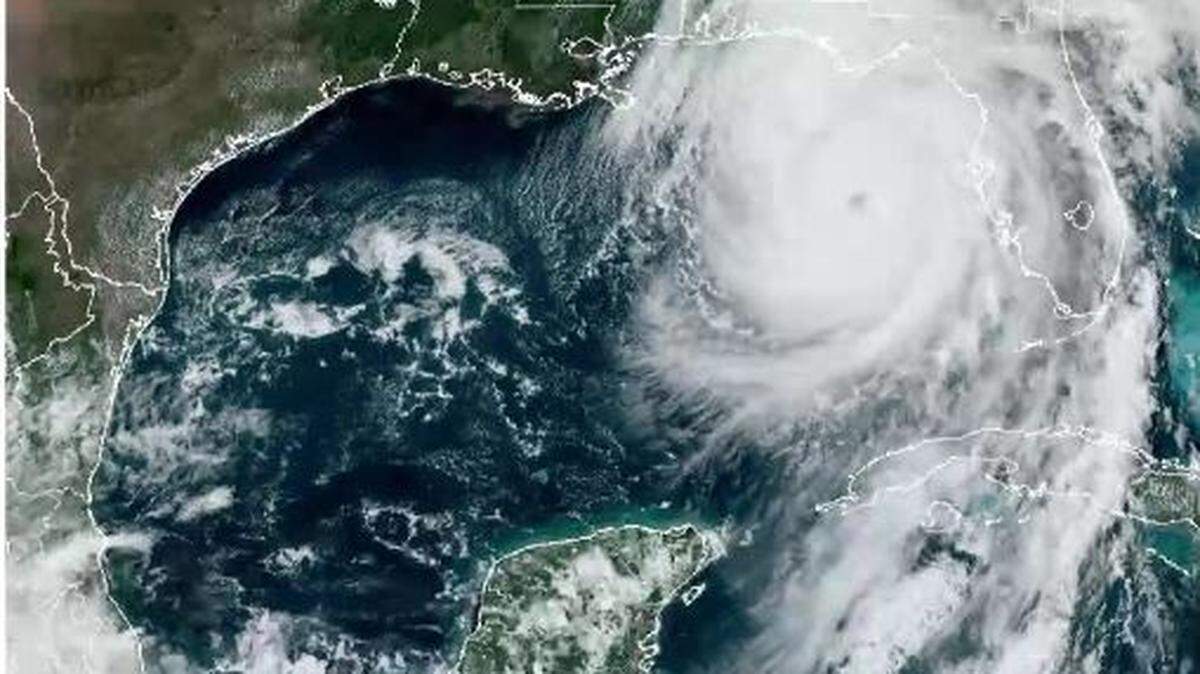
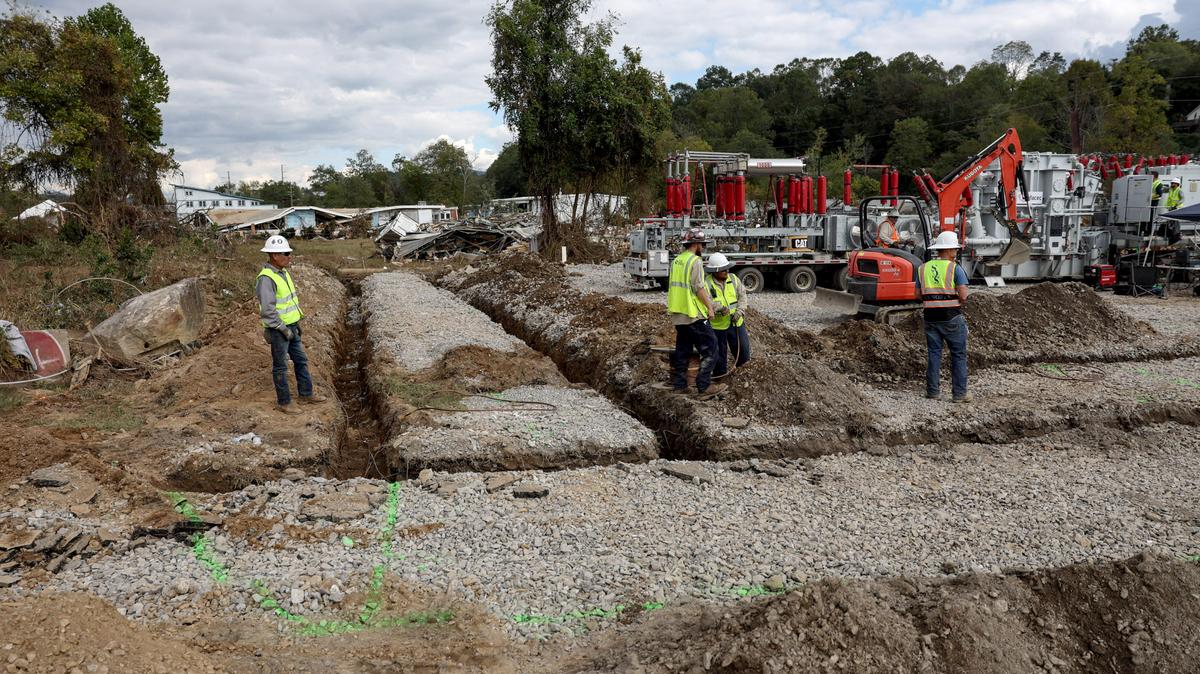
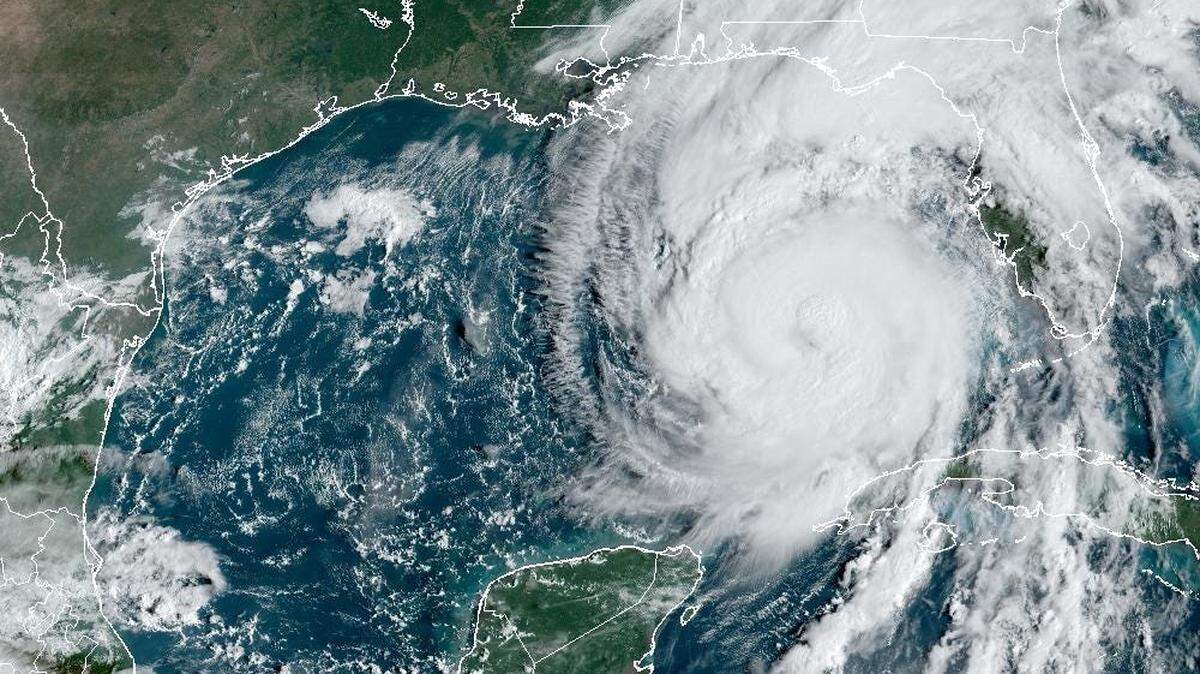
Hurricane Helene swept across the Southeast, causing major flooding and destruction throughout North Carolina. Here is ongoing coverage from The News & Observer and The Charlotte Observer about Hurricane Helene and the aftermath, particularly in Western North Carolina.
Expand All
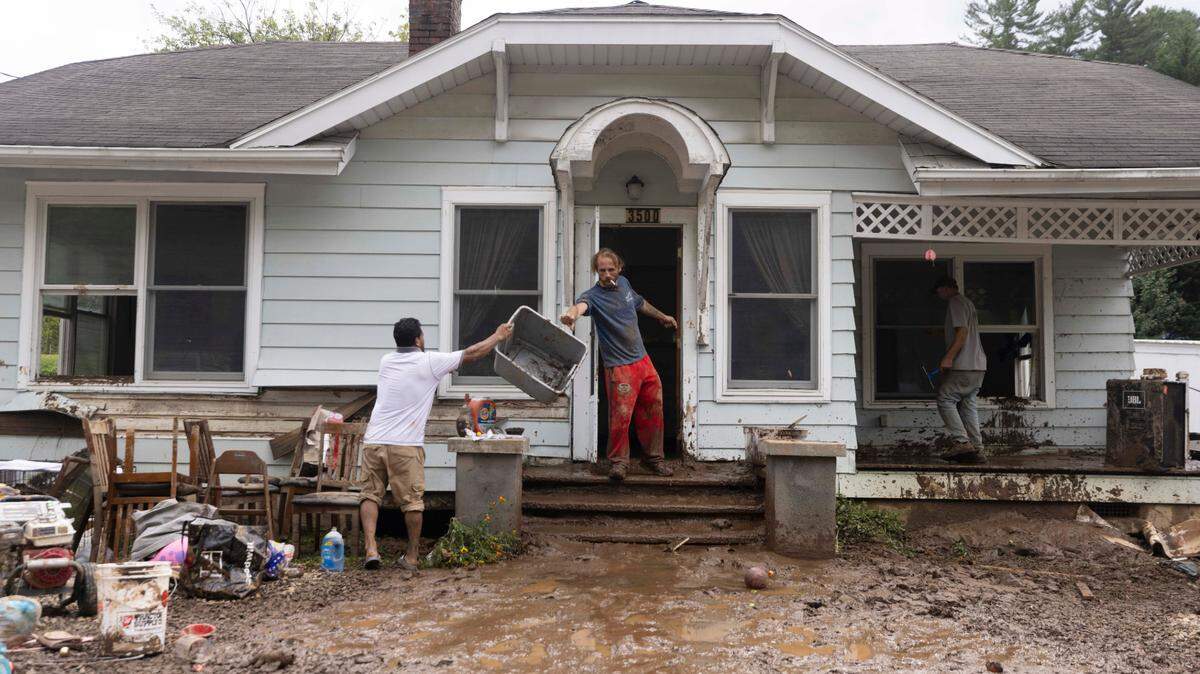
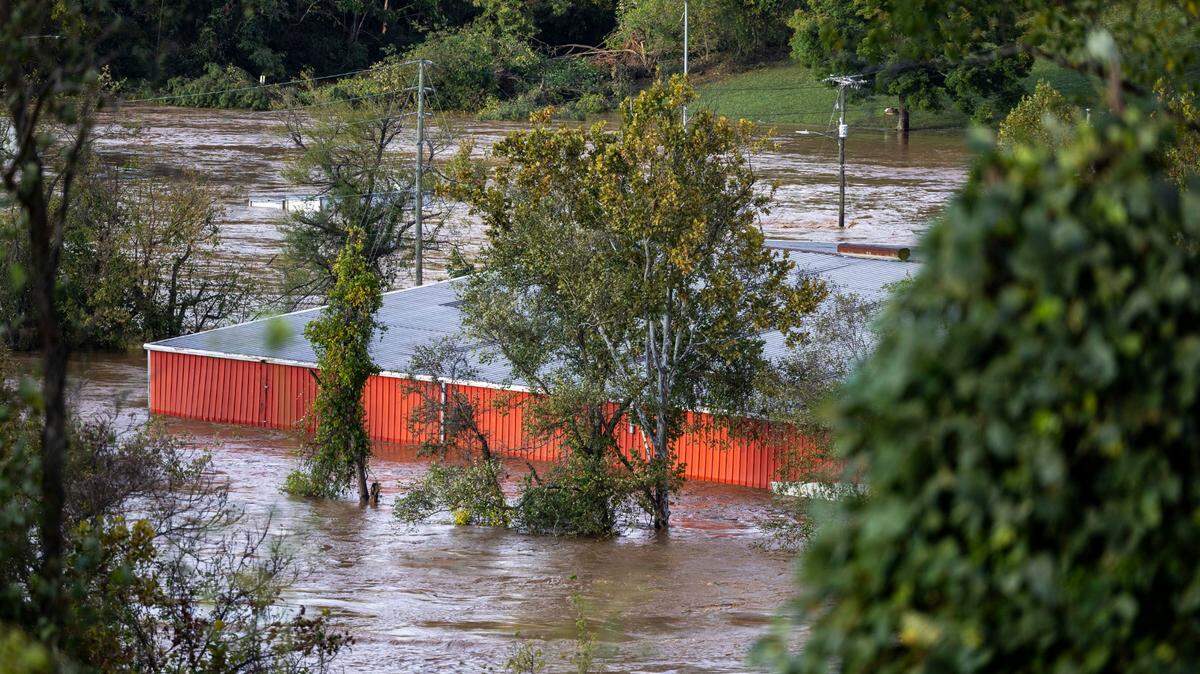
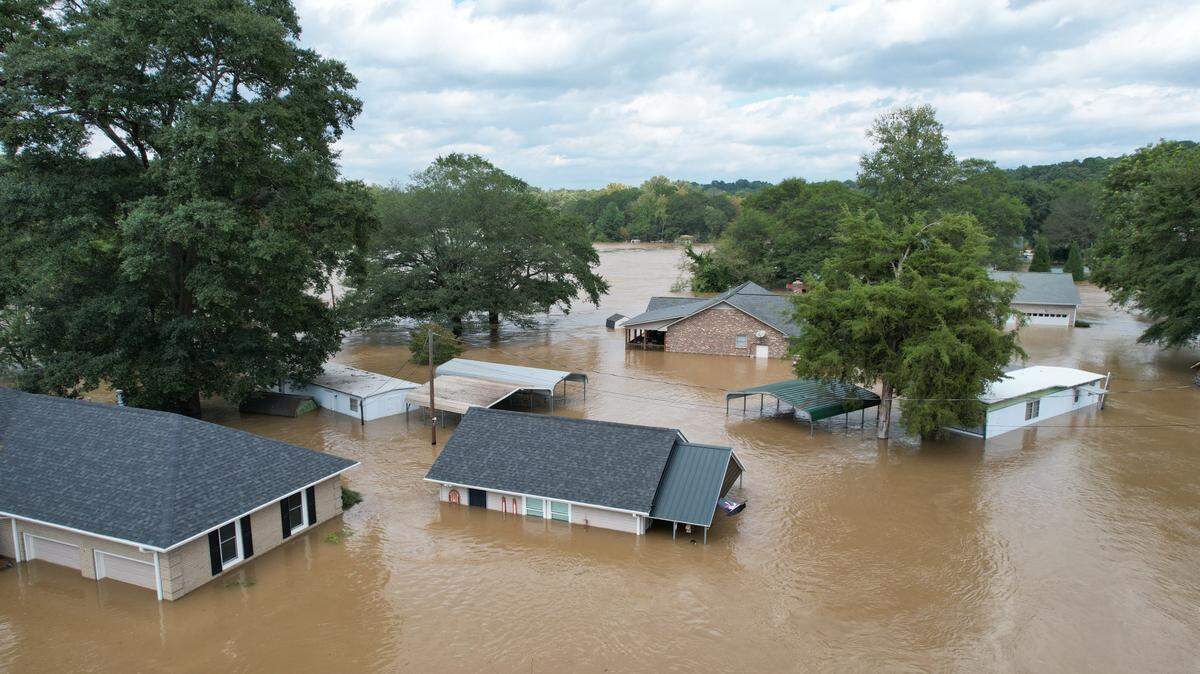
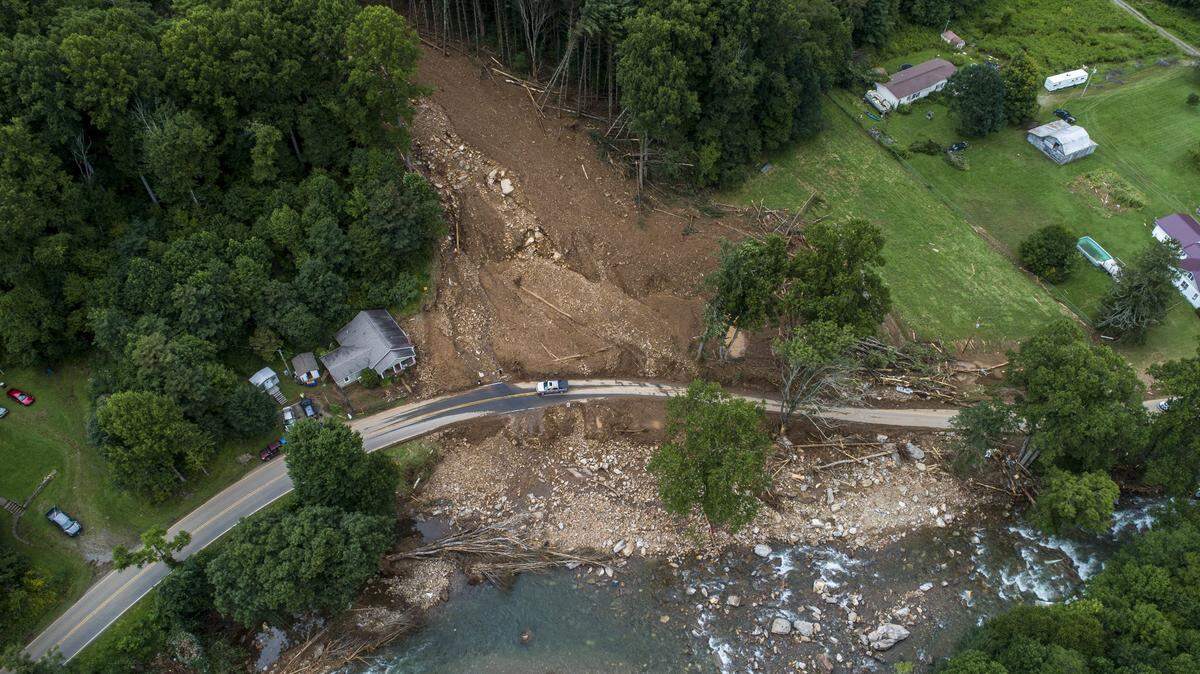
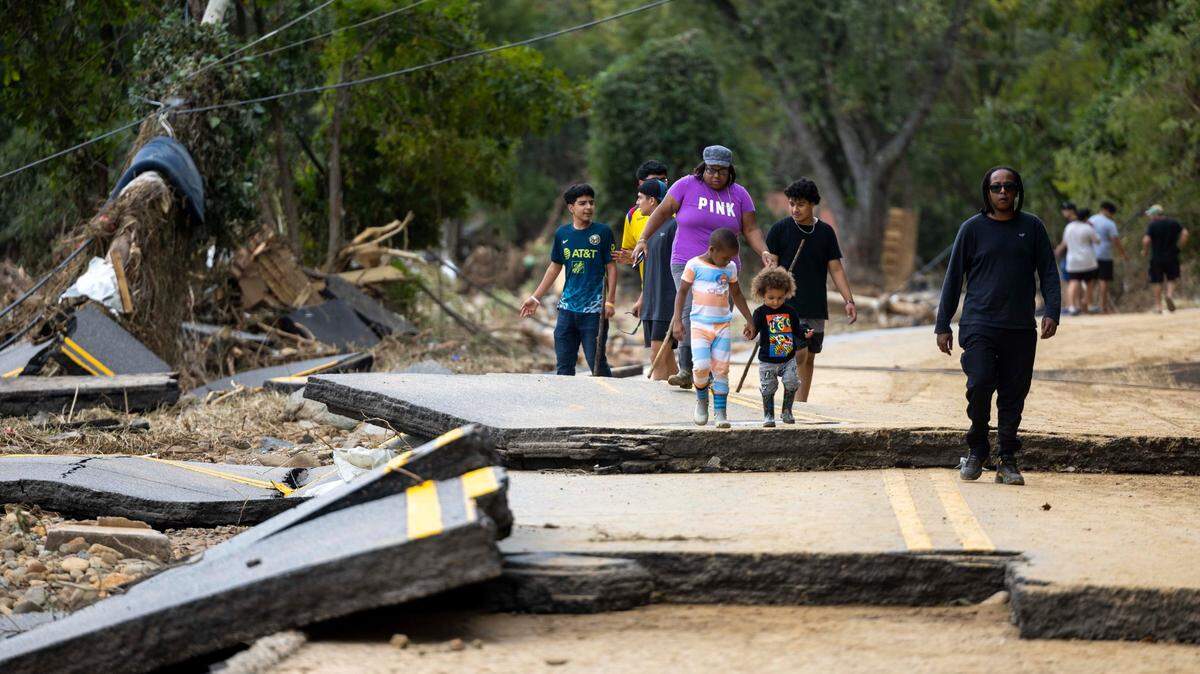
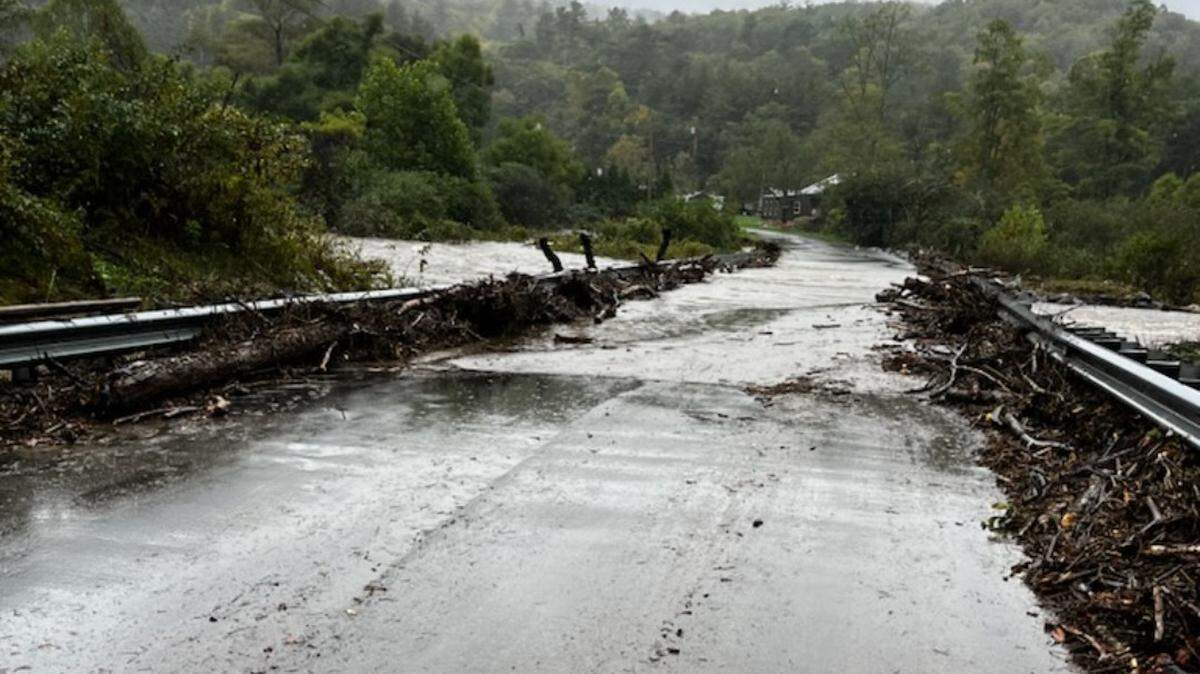
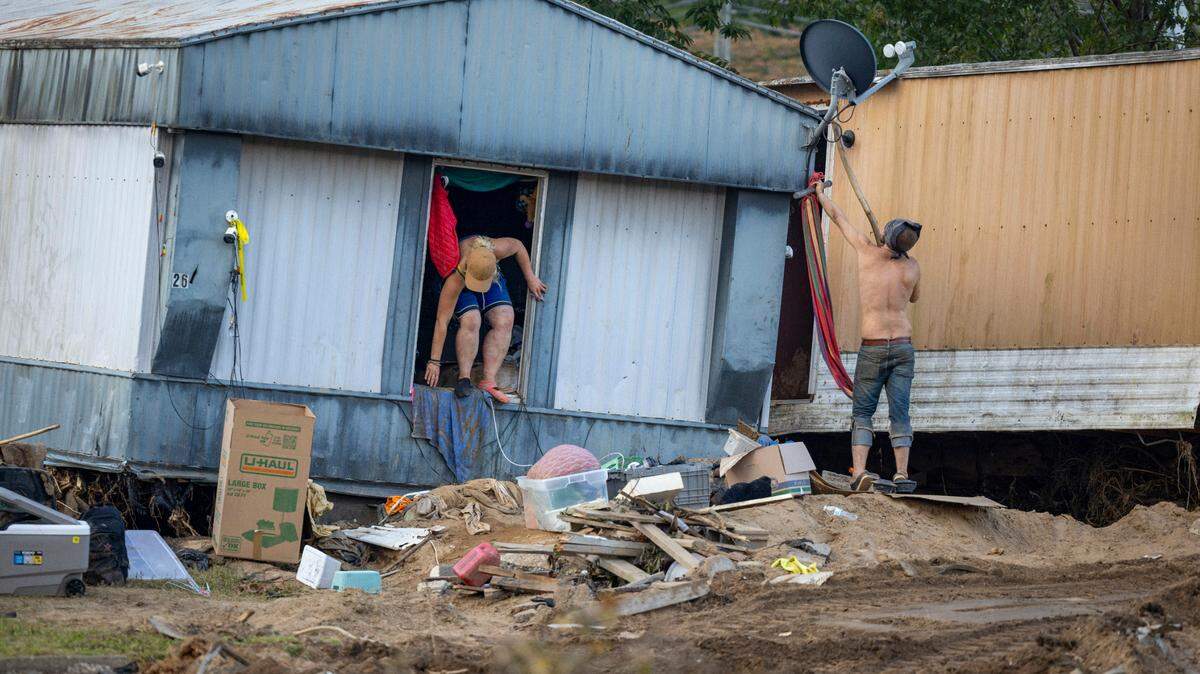
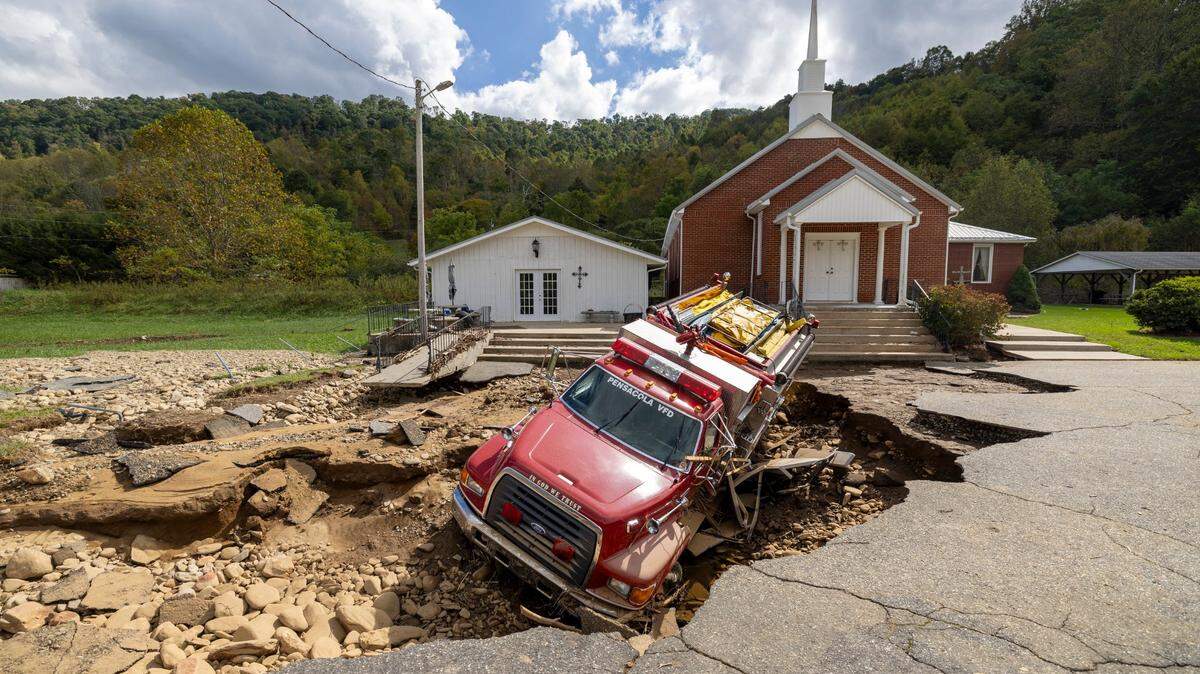
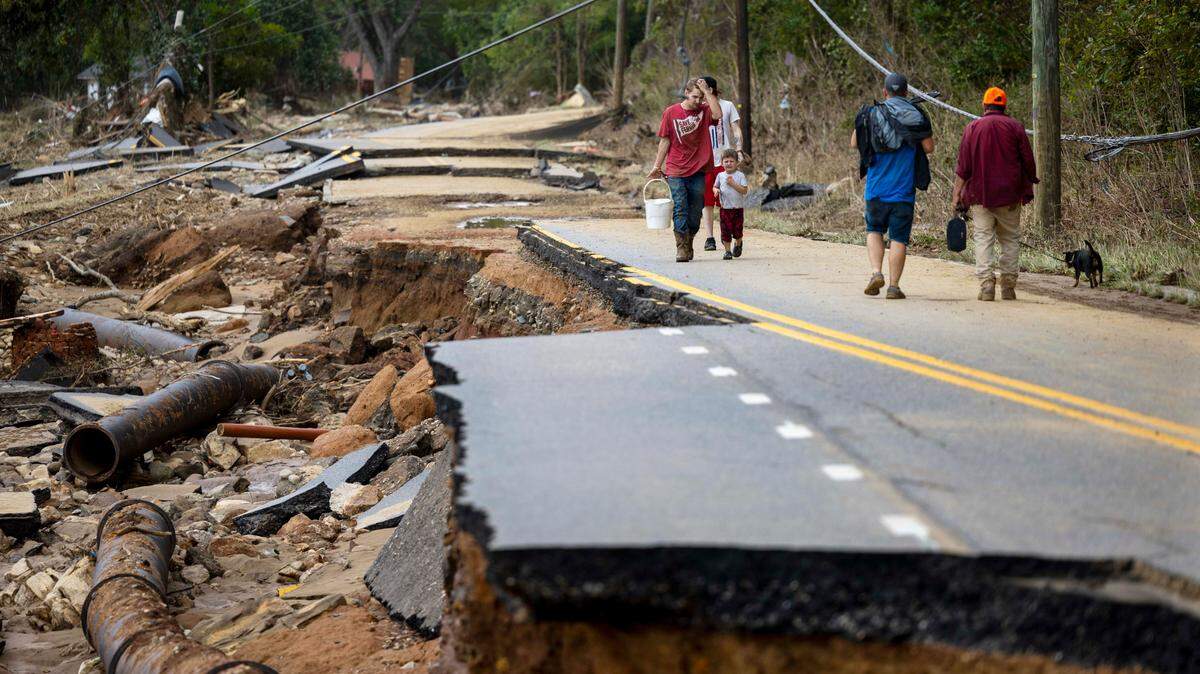
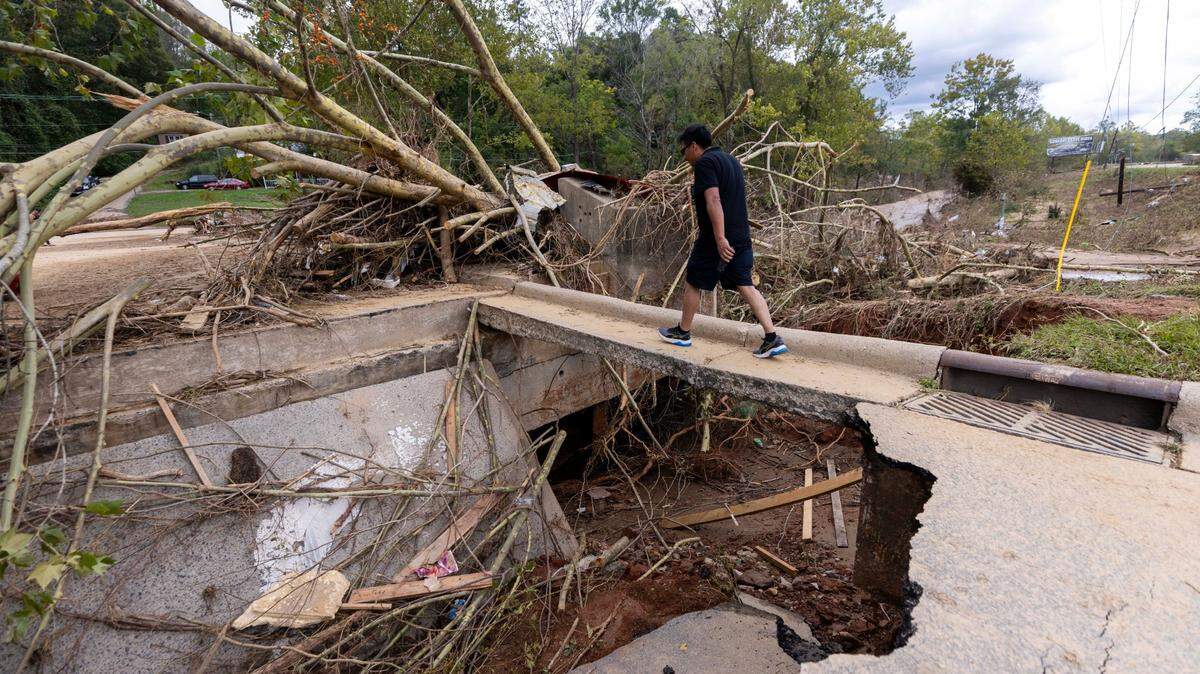
At least 10 people died in western North Carolina after extreme rain from remnants of Hurricane Helene raised floods, gouged roadways and toppled trees, Gov. Roy Cooper revealed Saturday.
The death toll will very likely increase, Cooper told Spectrum News in a recorded interview. “This is catastrophic,” he stressed.
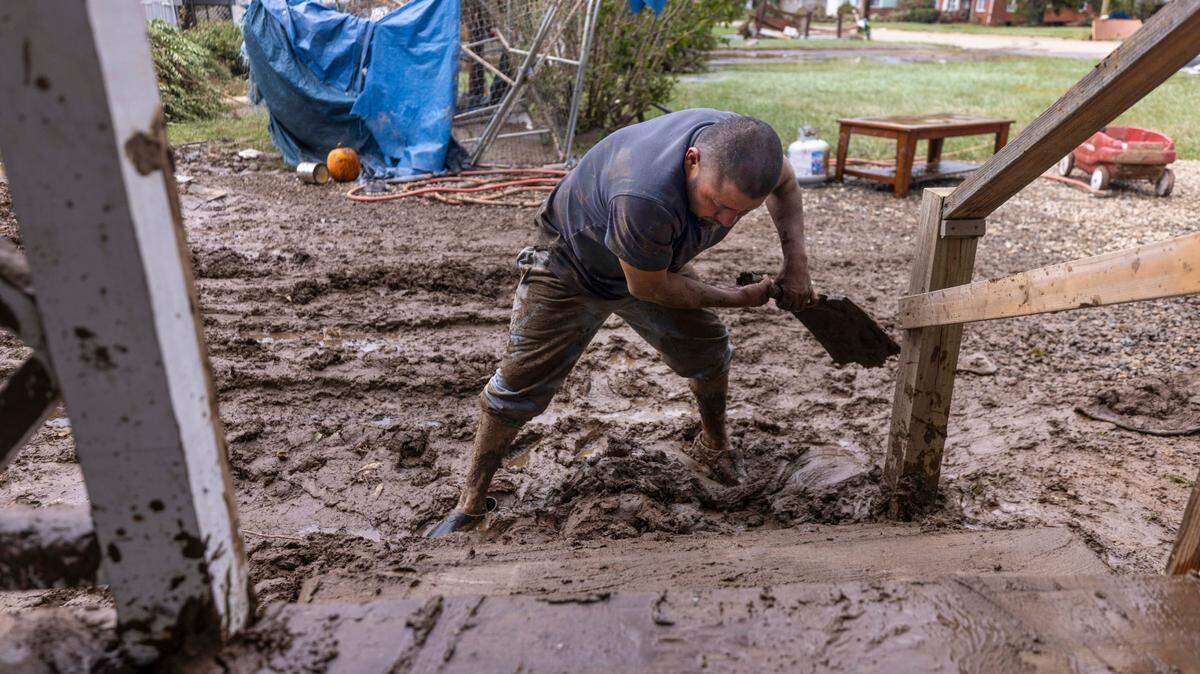
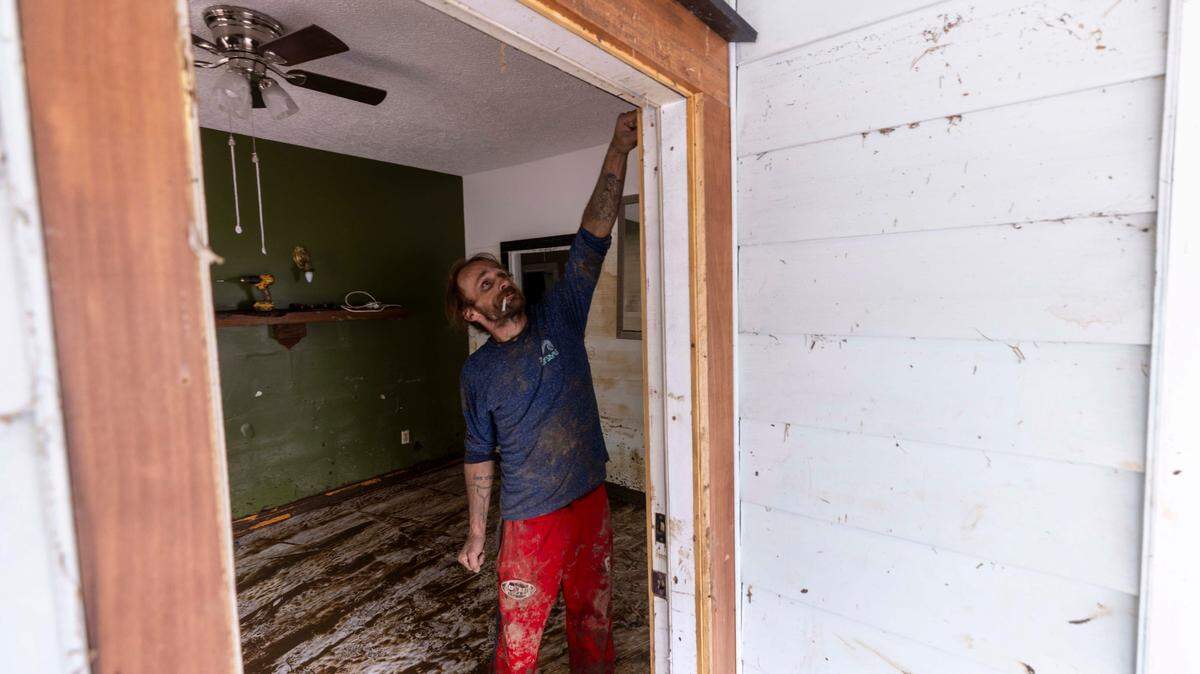
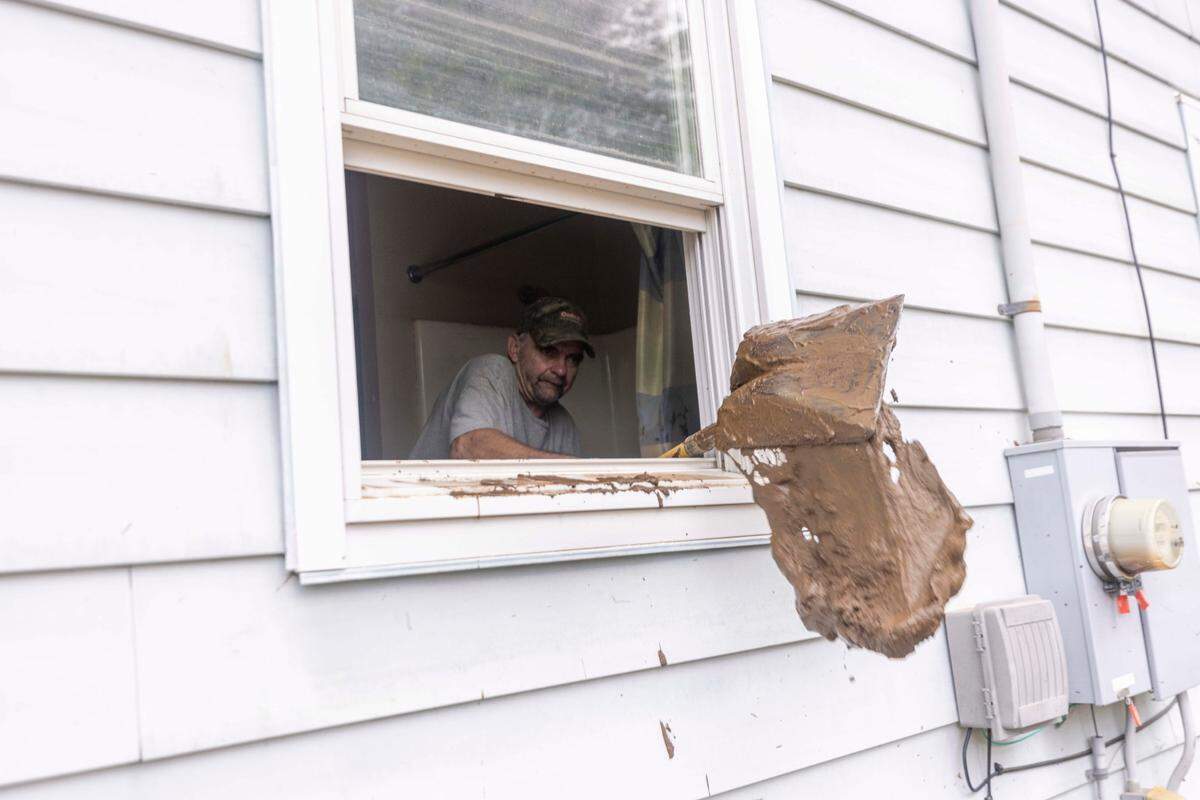
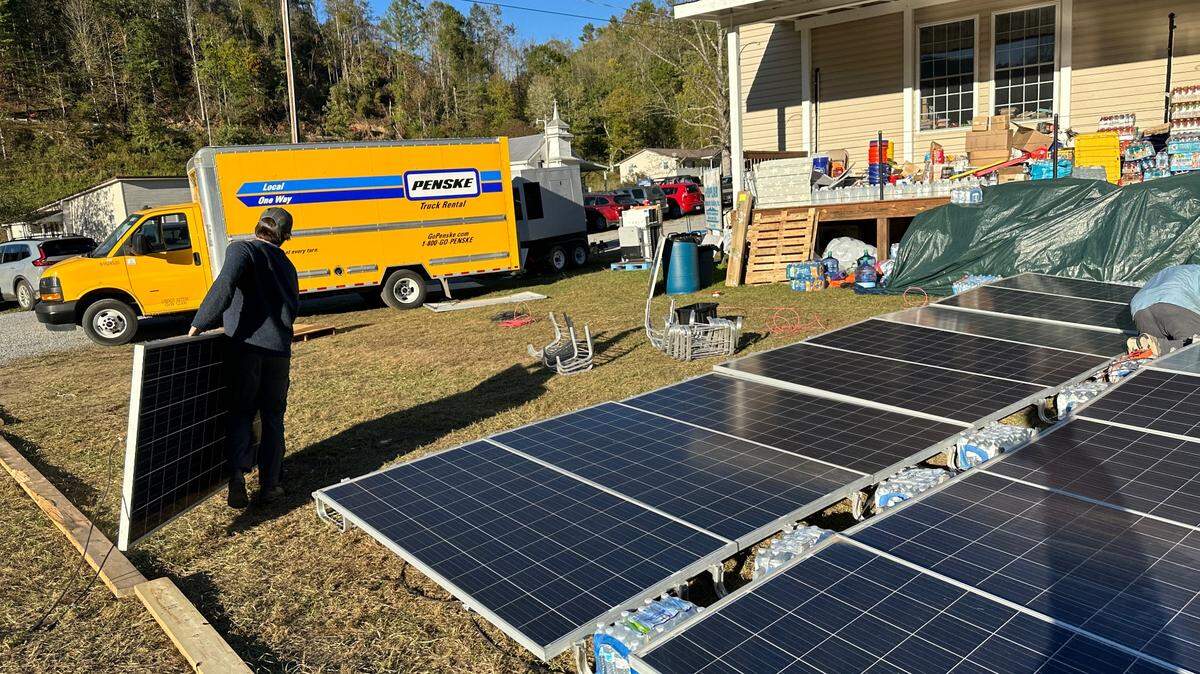
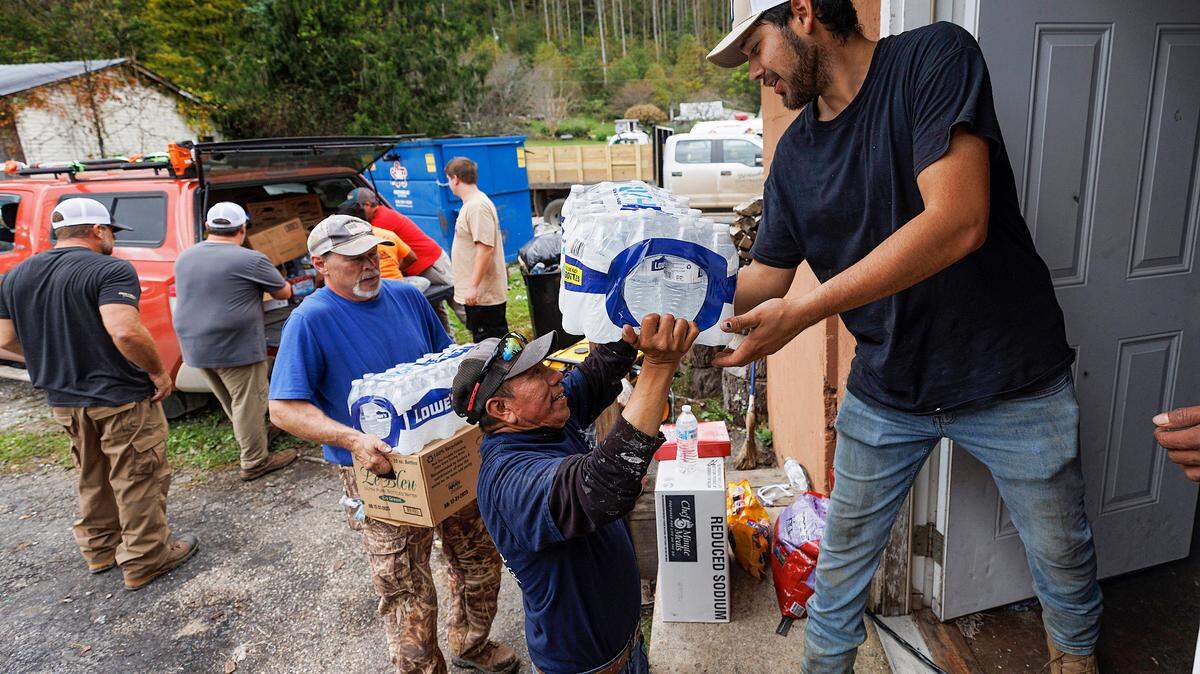
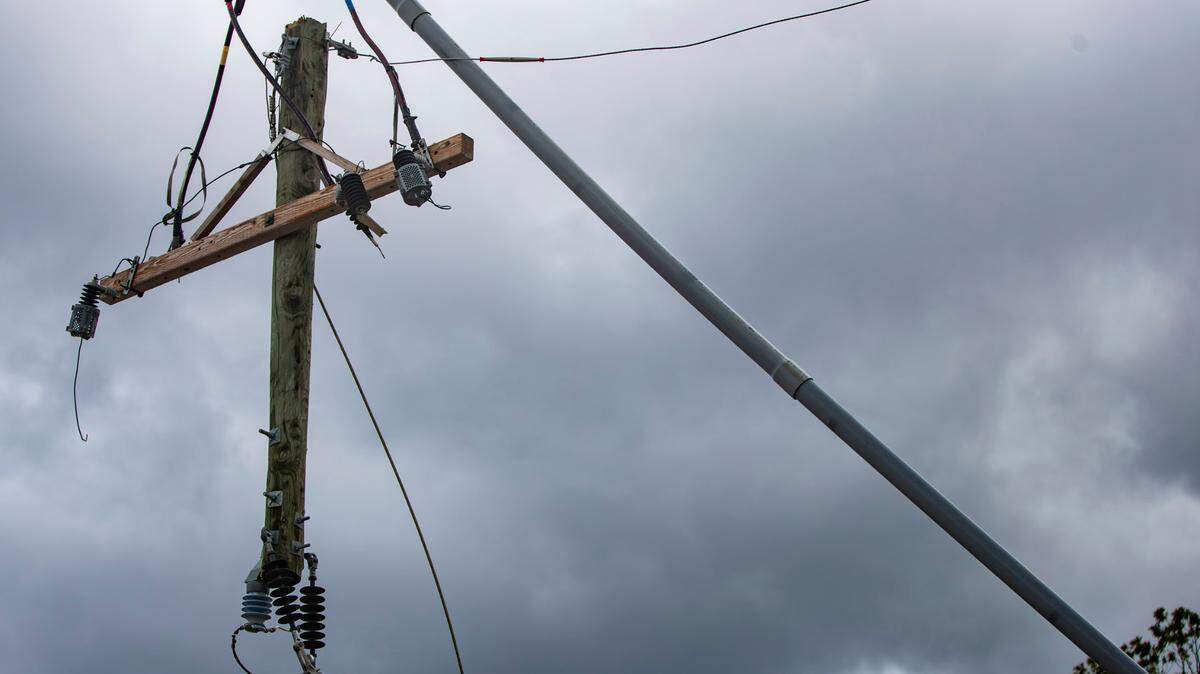
Many badly pummeled communities in the western part of the state have been isolated since heavy rains struck, due to power outages, missing cell phone signals and absent internet connections.
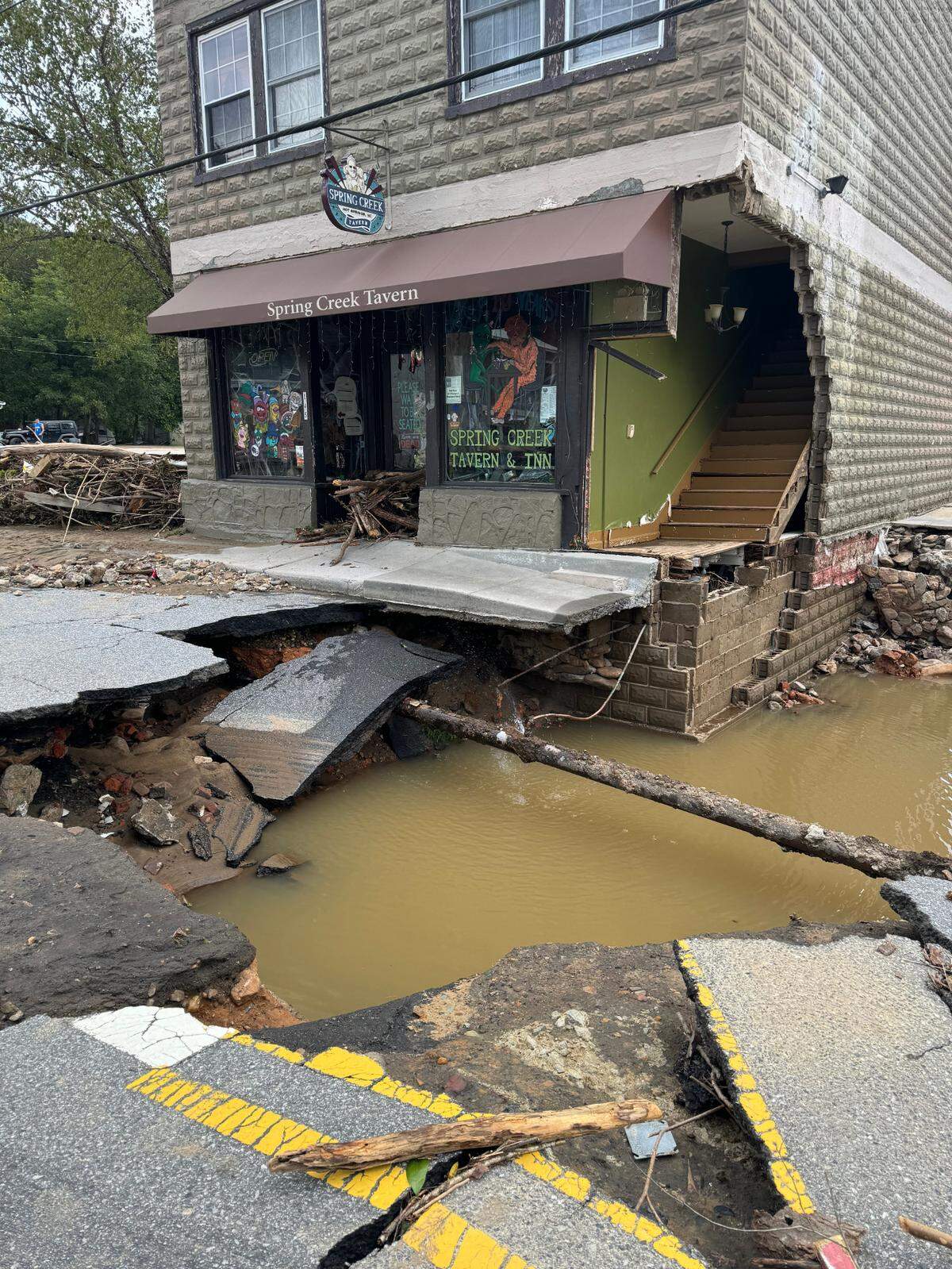
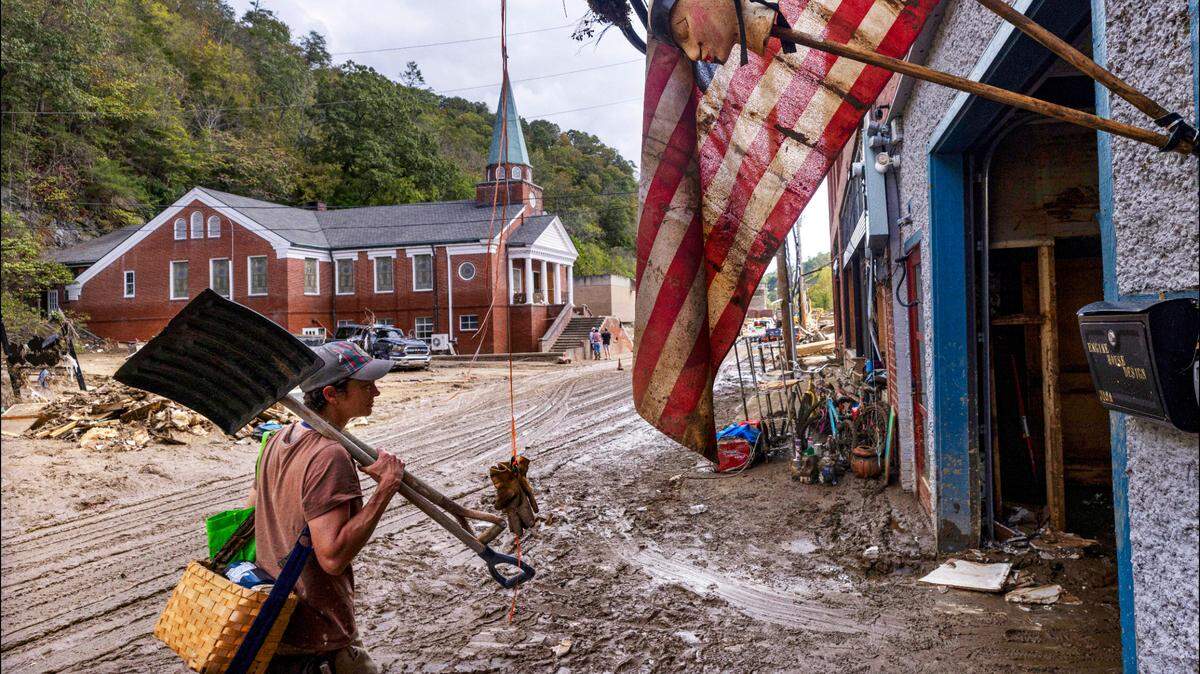
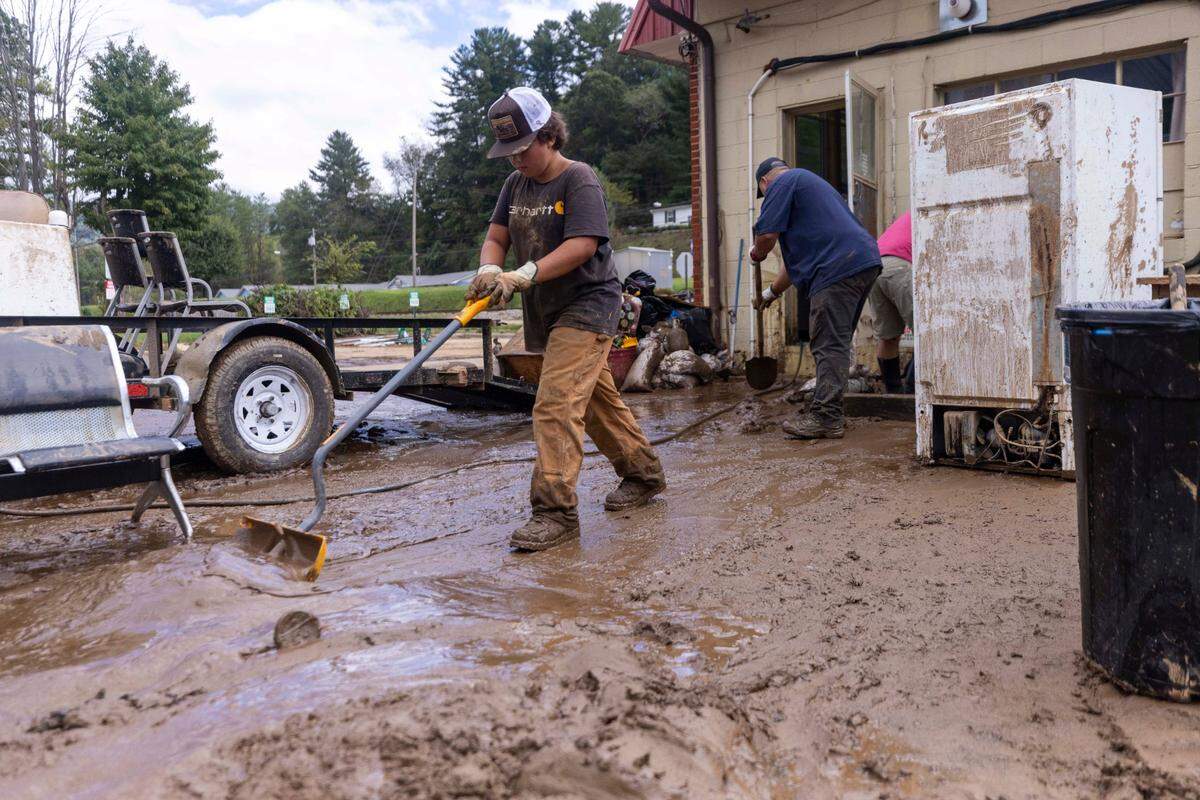
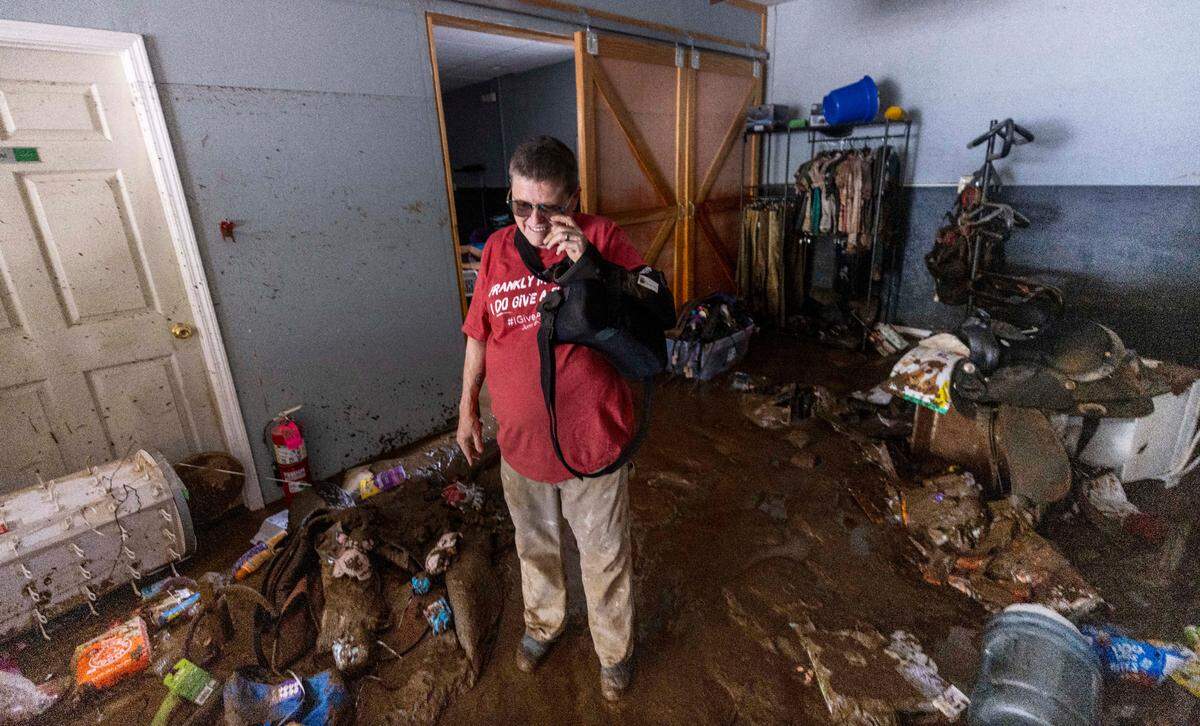
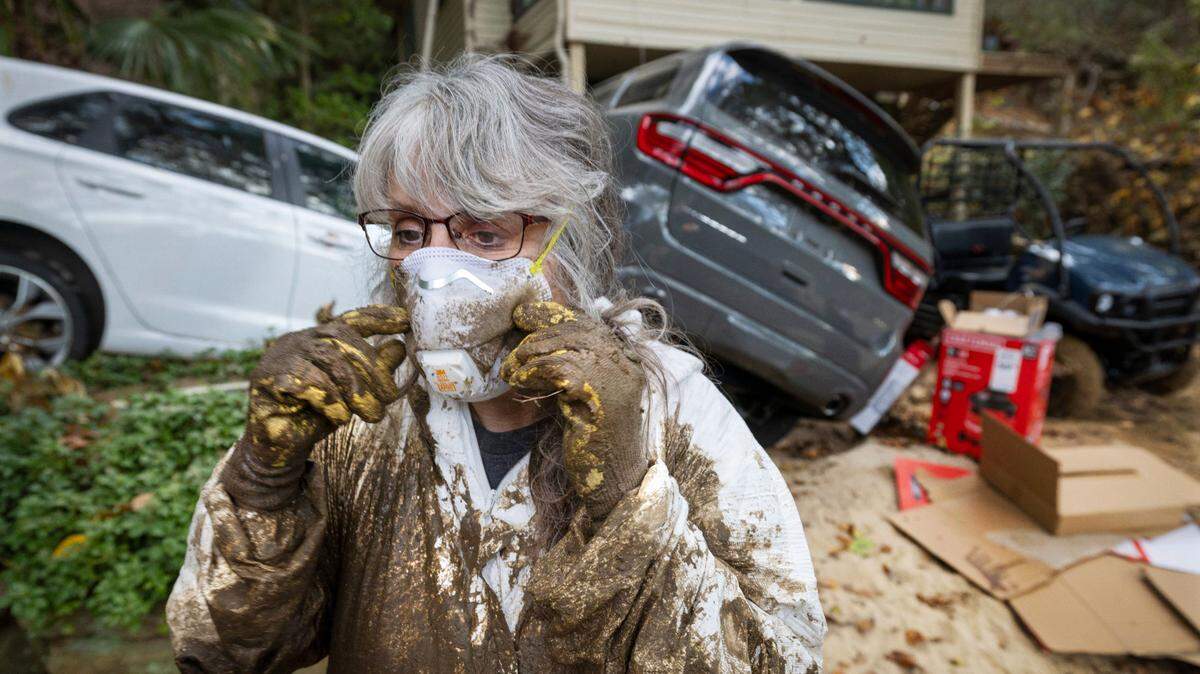
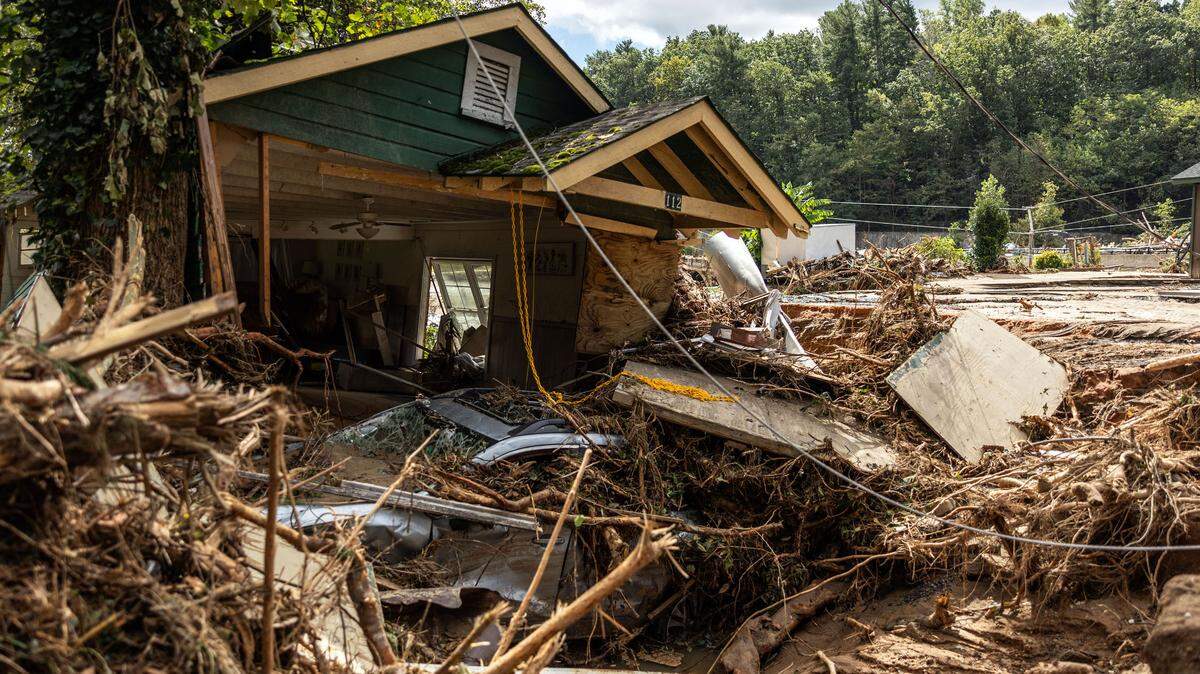
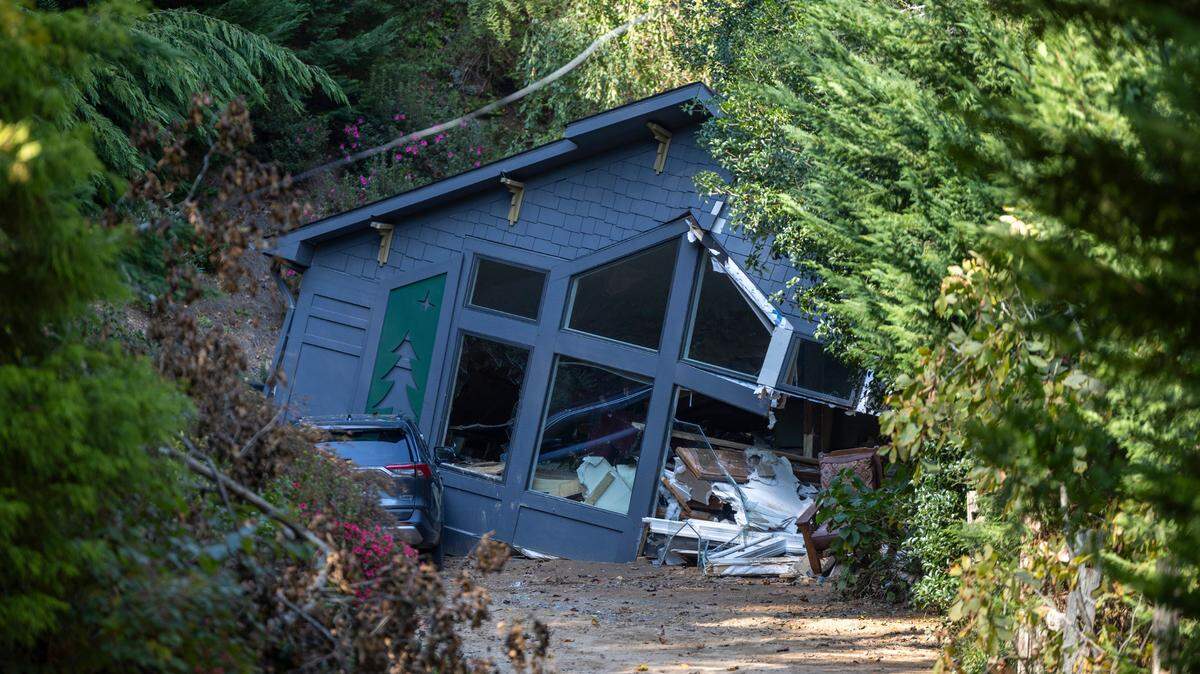
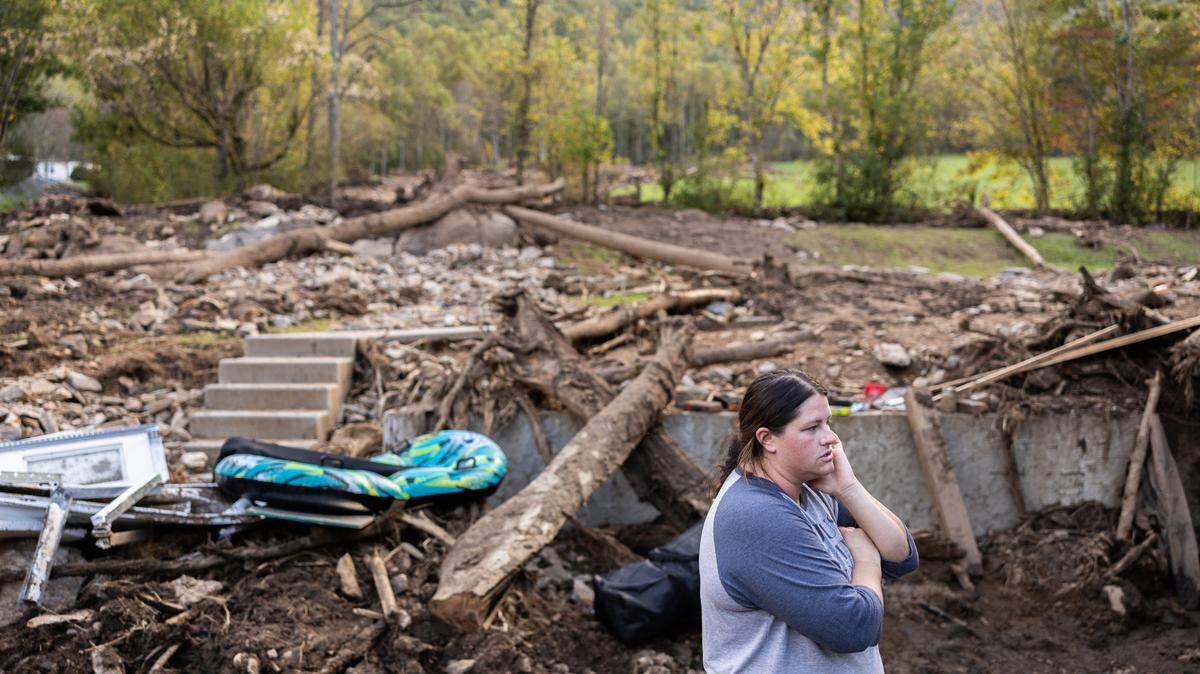
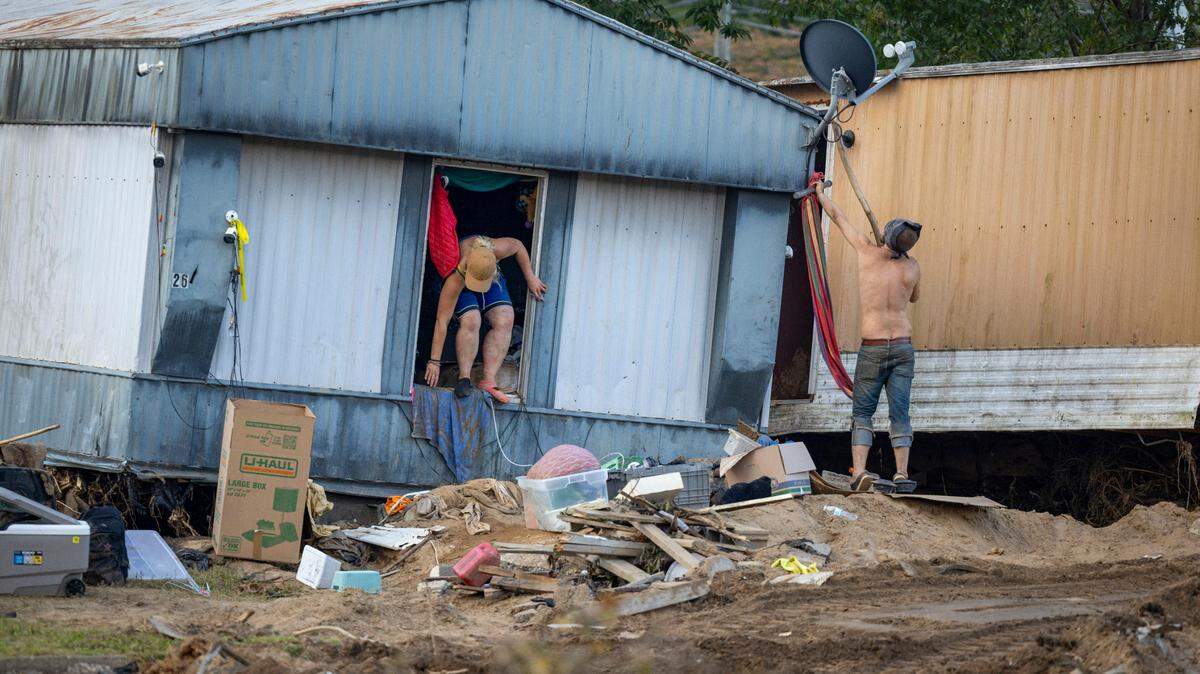
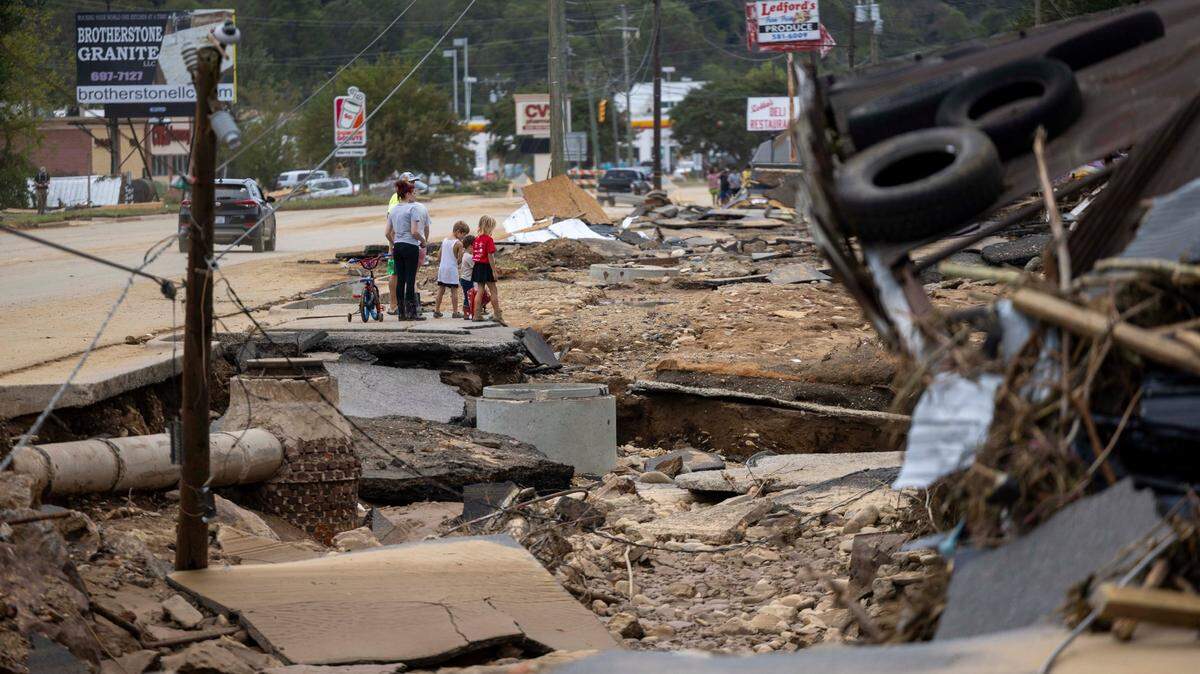
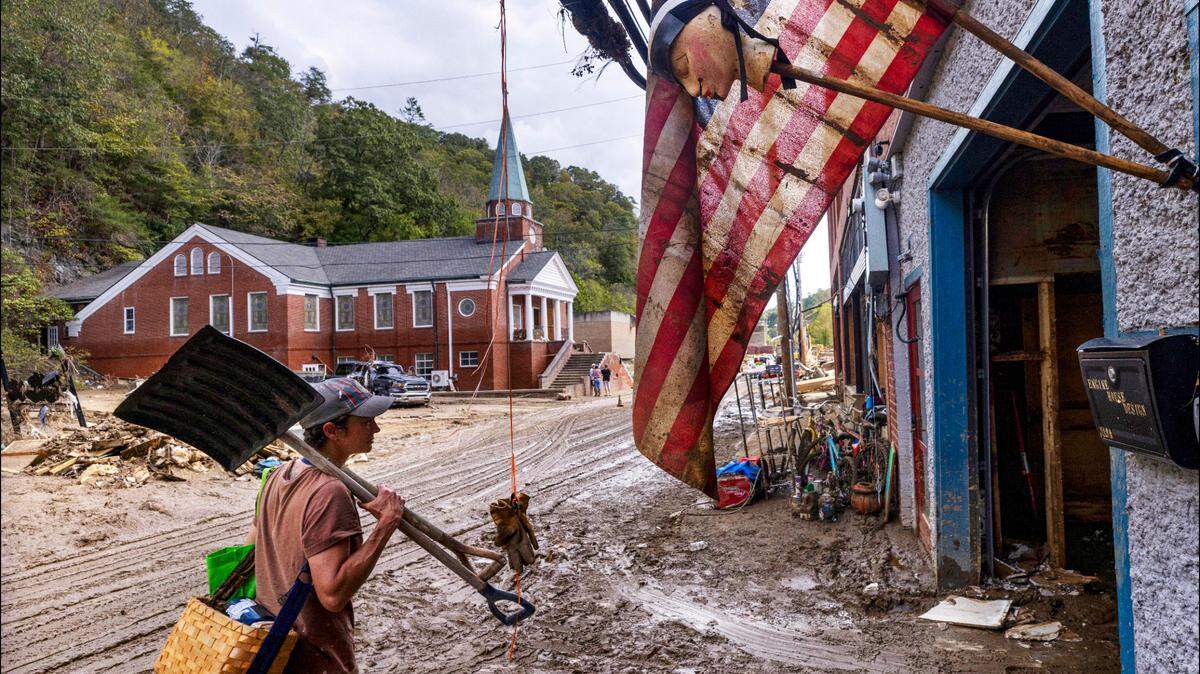
In a state familiar with the power of hurricanes along its long coast, the level of devastation seen so far in North Carolina’s mountains, hundreds of miles inland, is sobering.
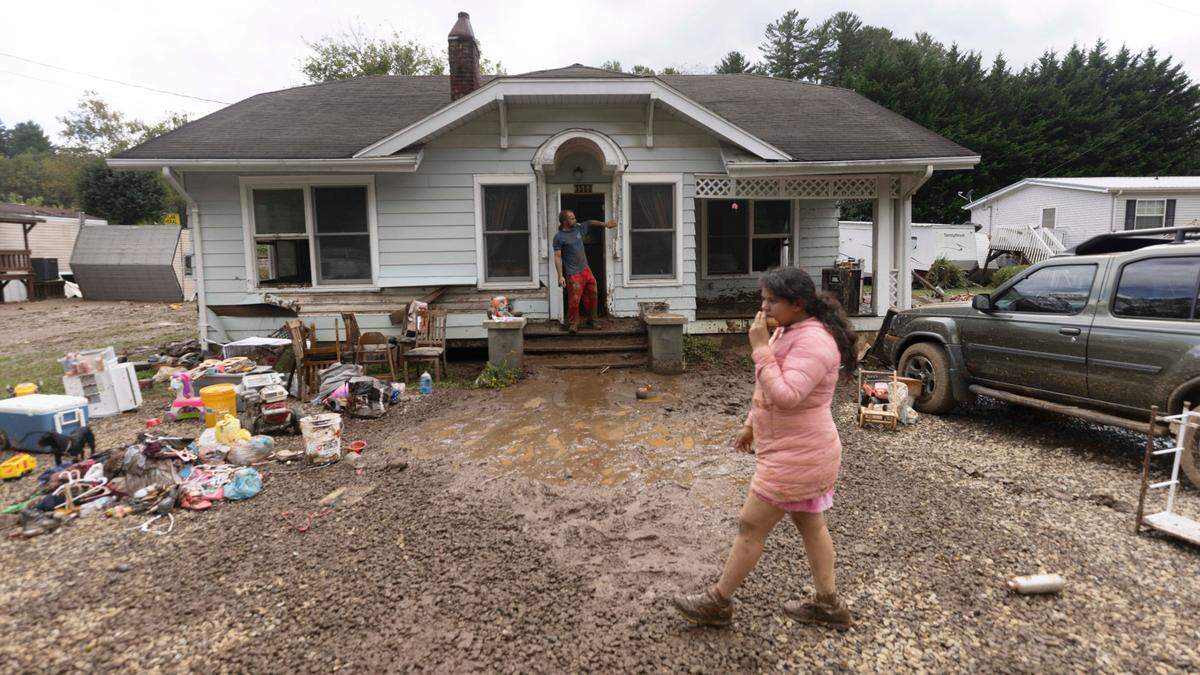
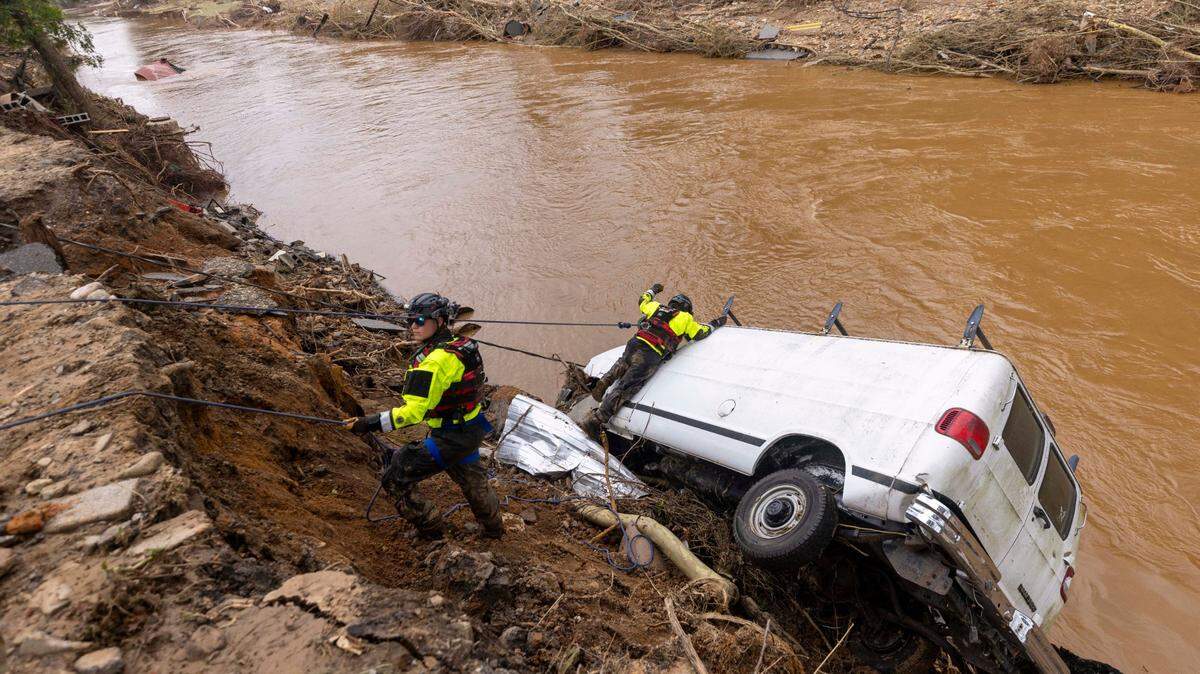
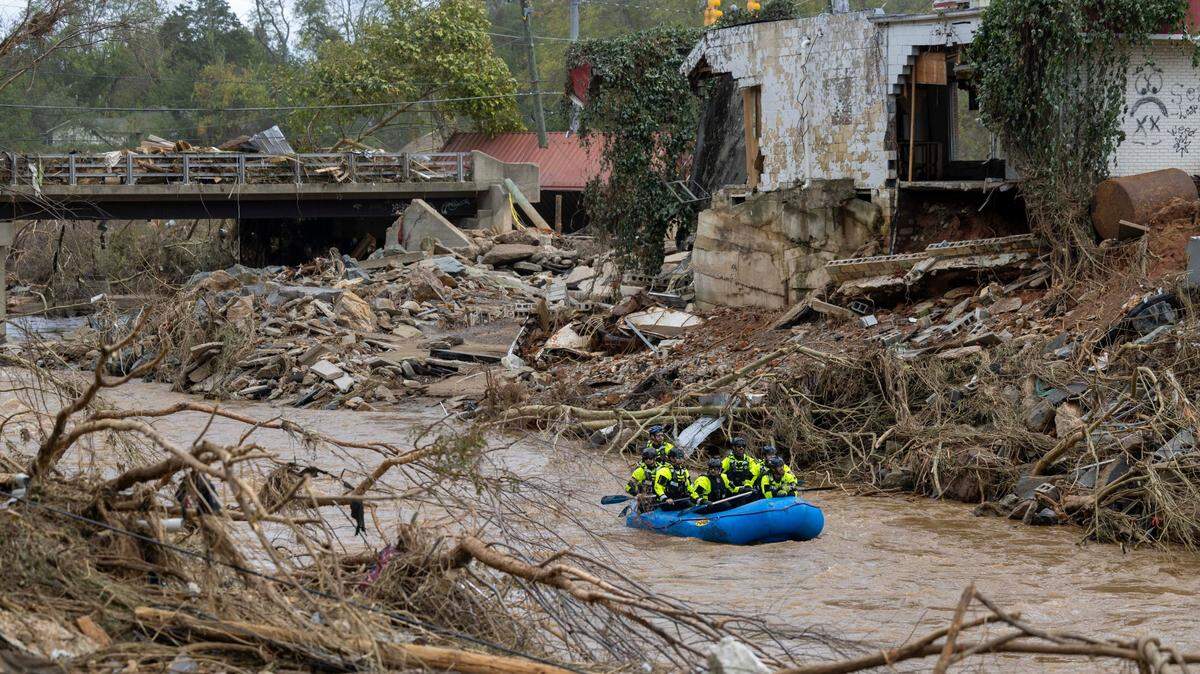
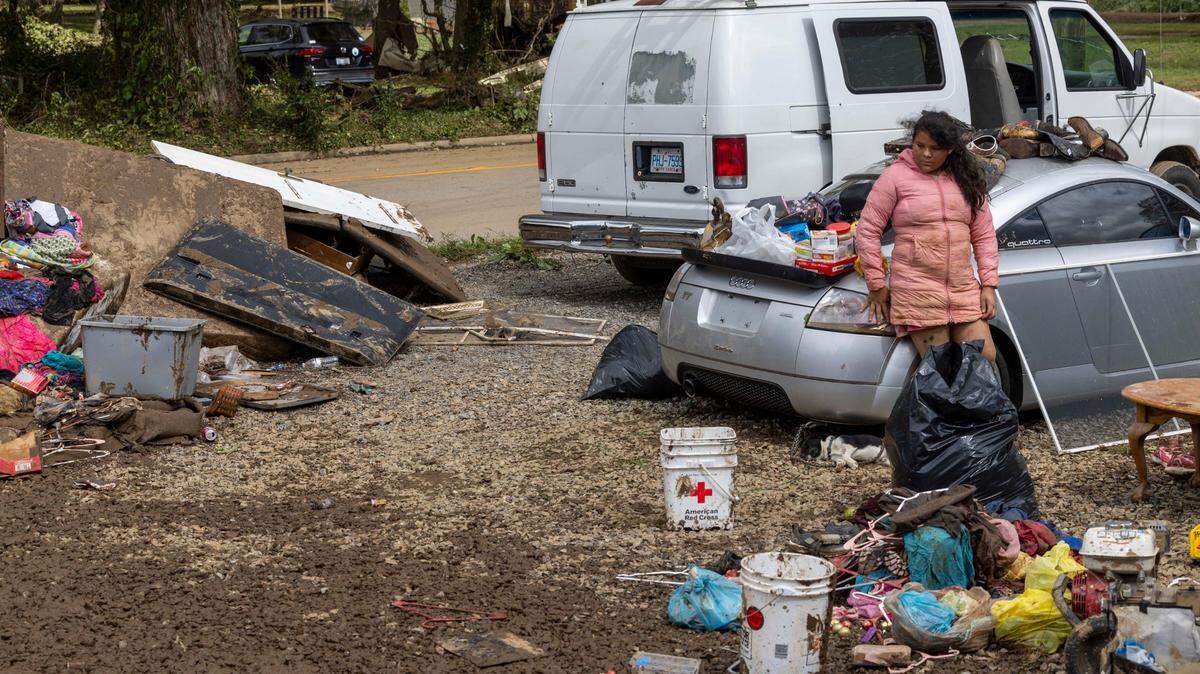
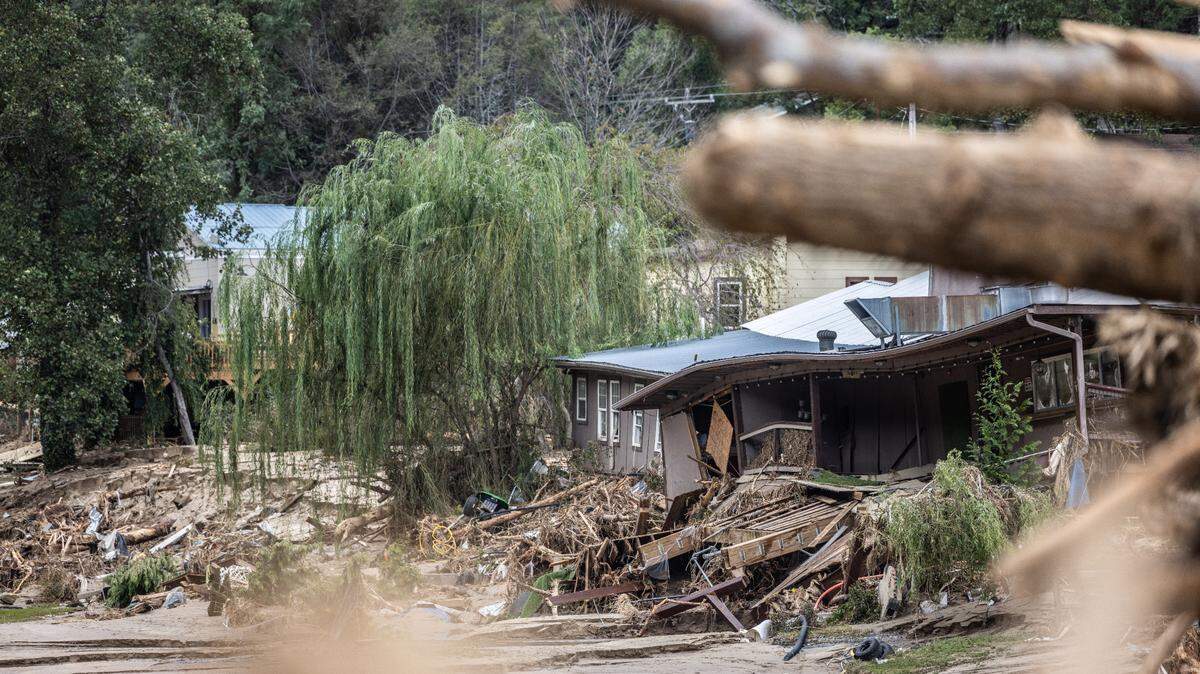
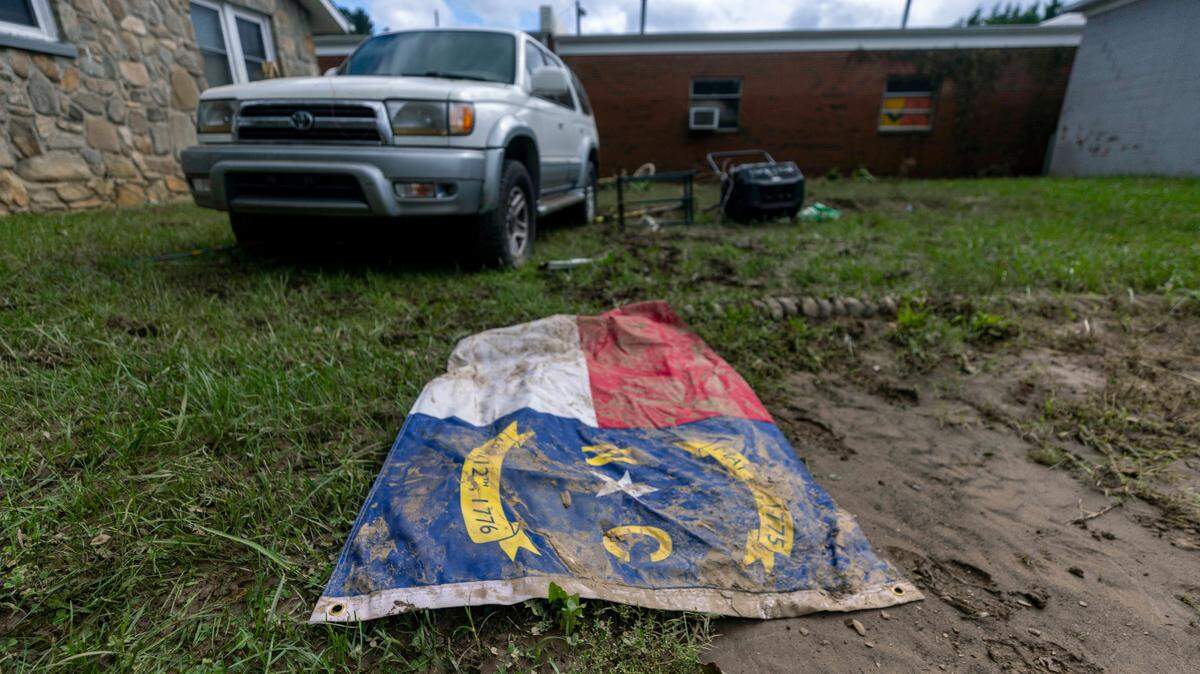
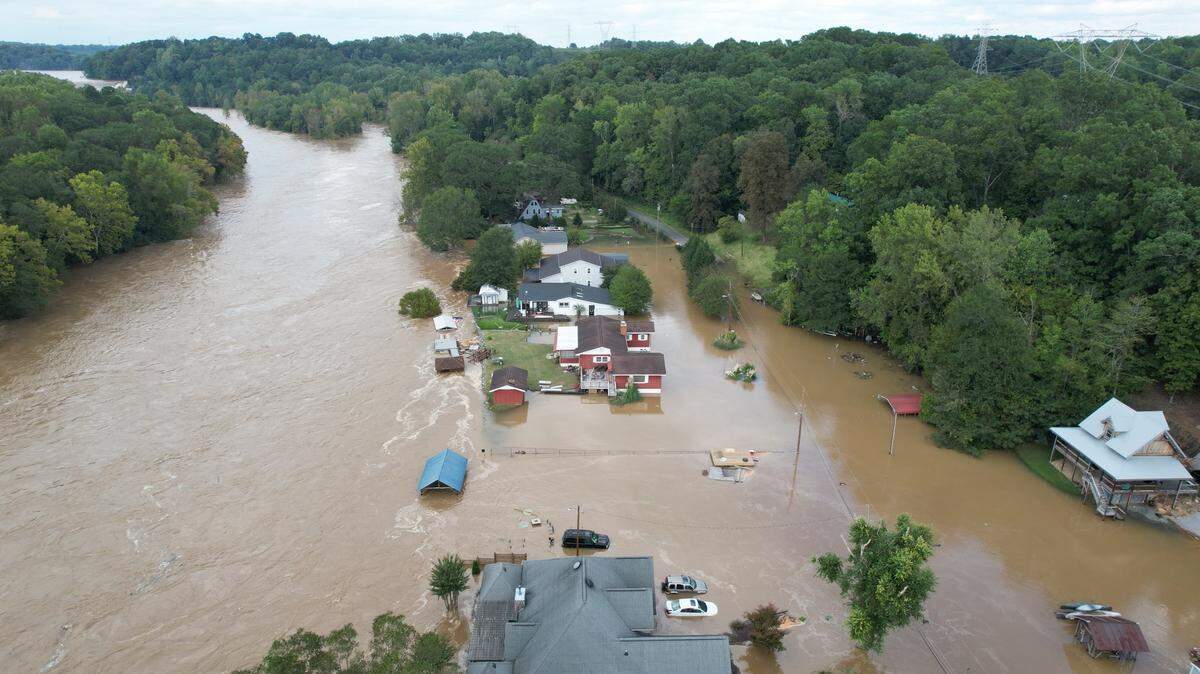
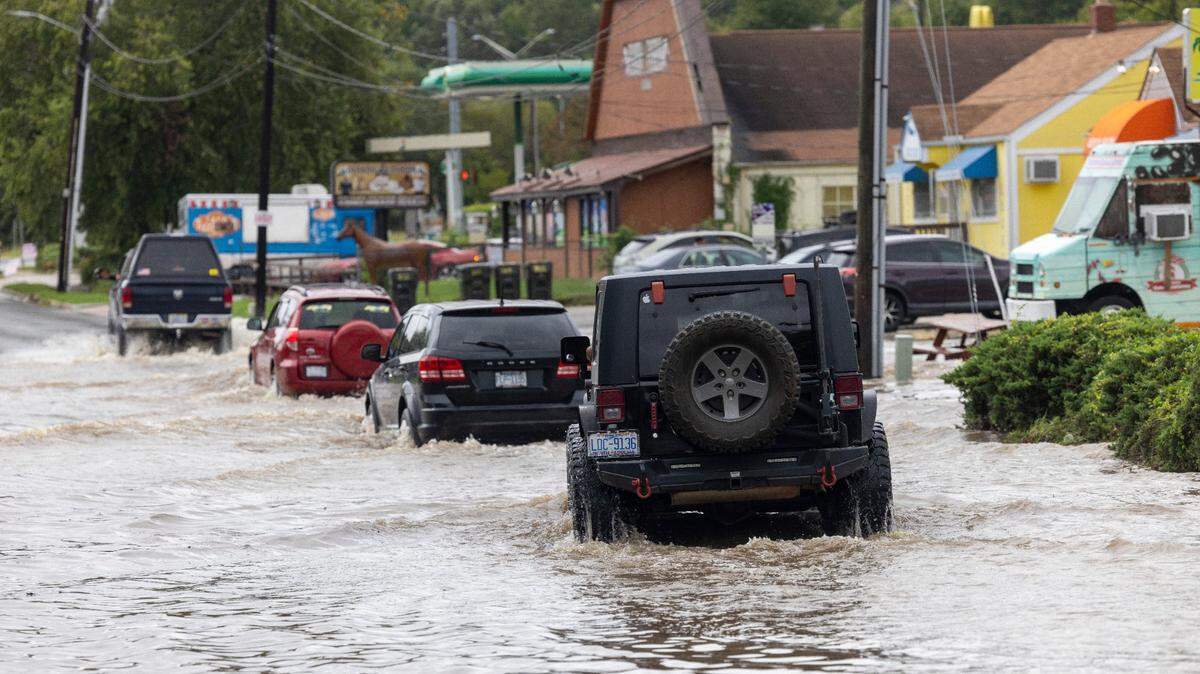
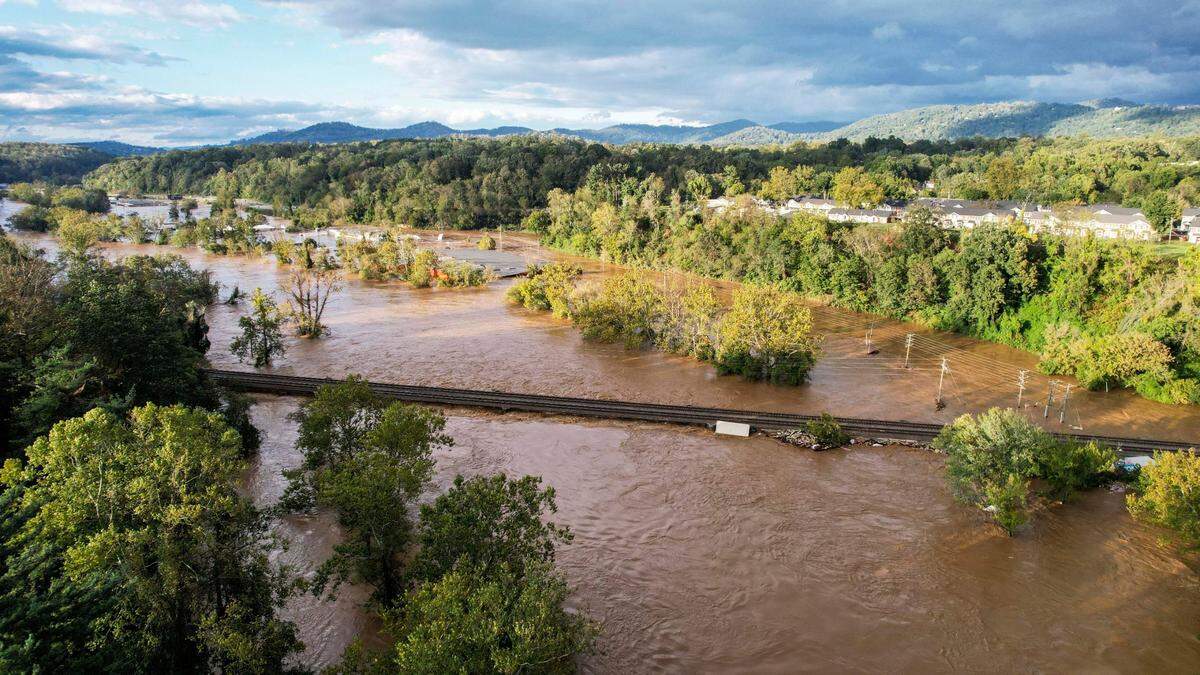
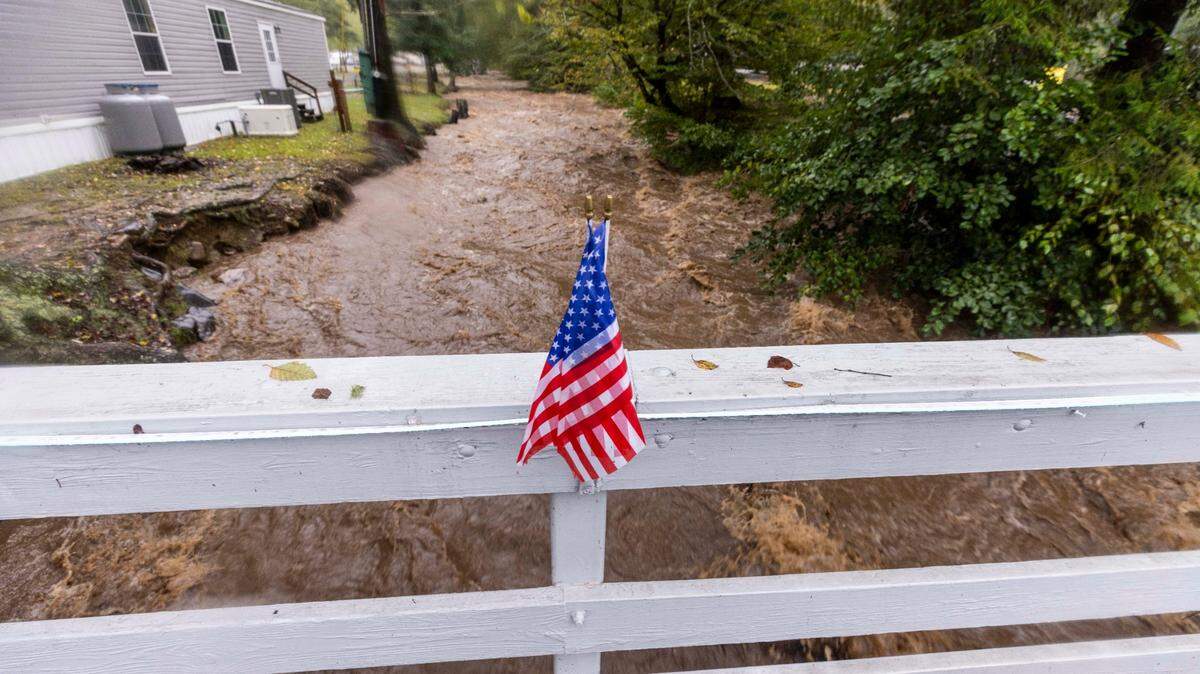
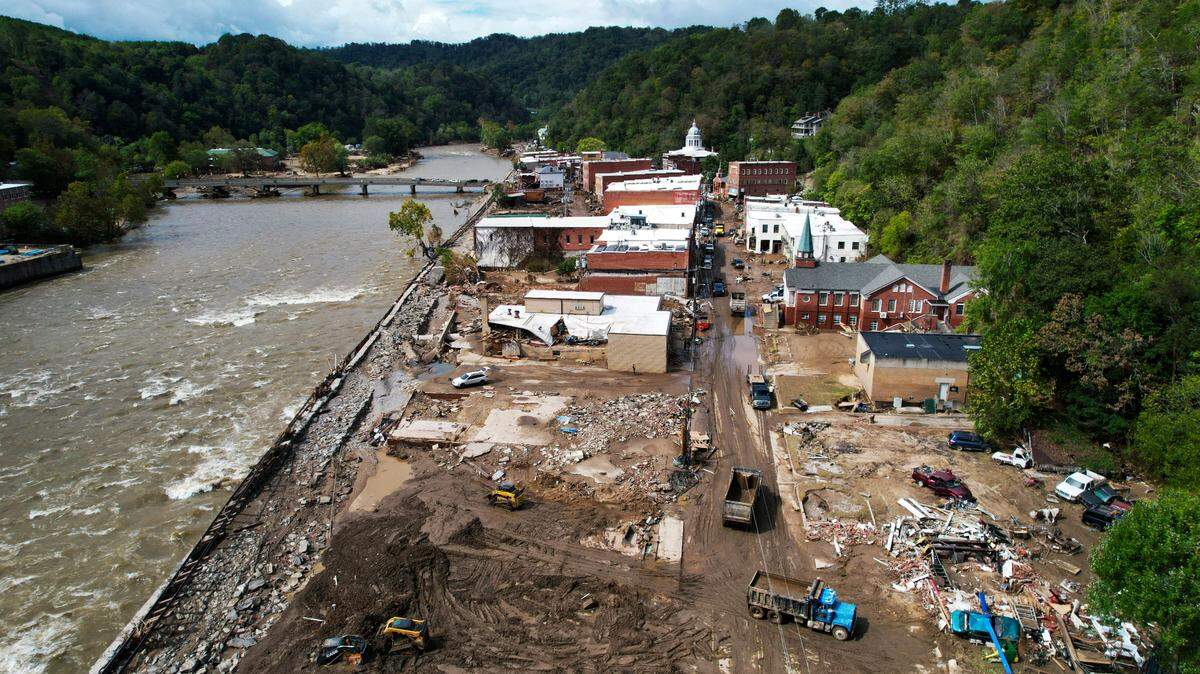
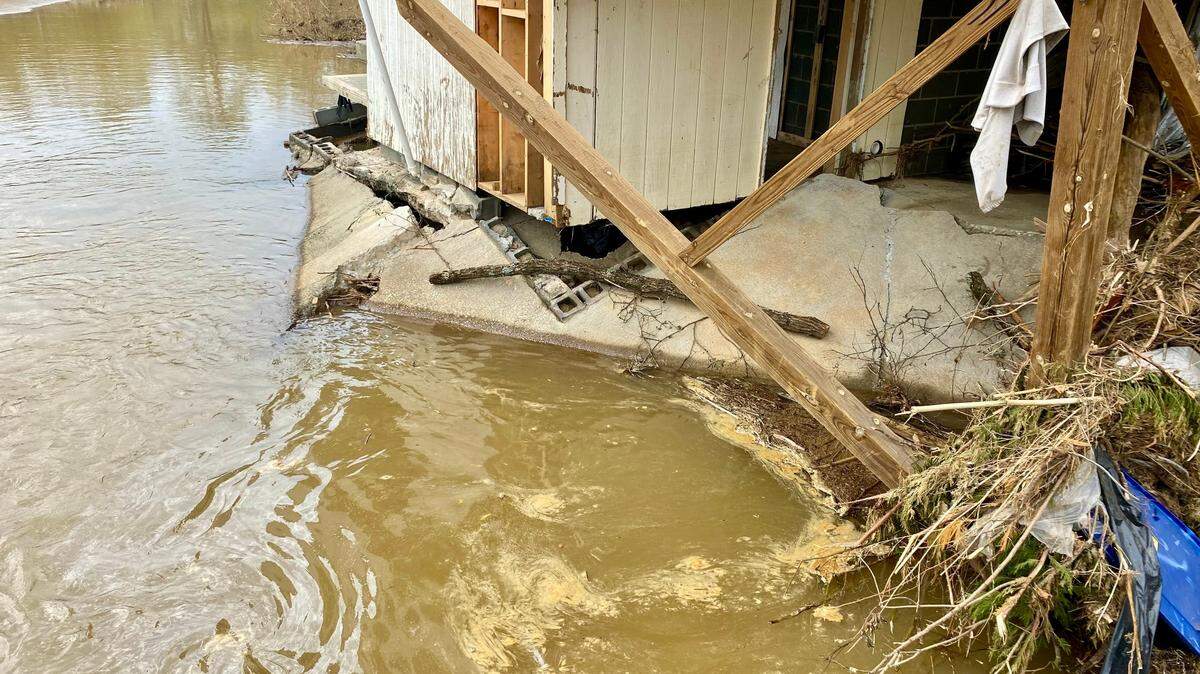
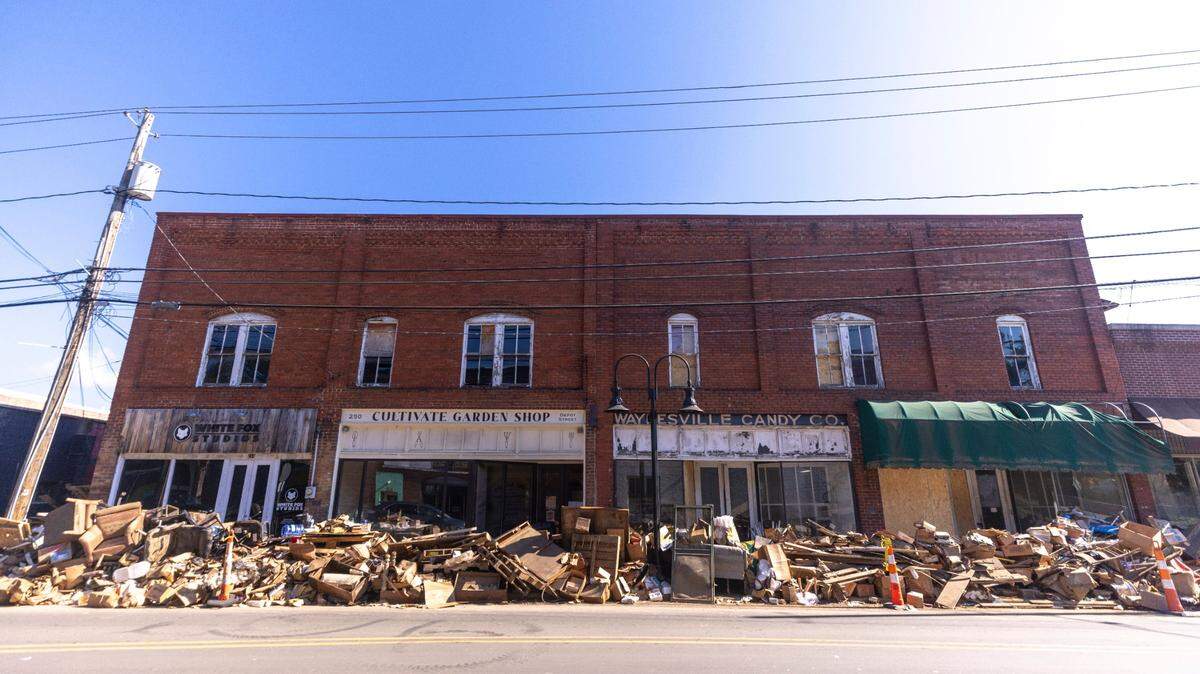
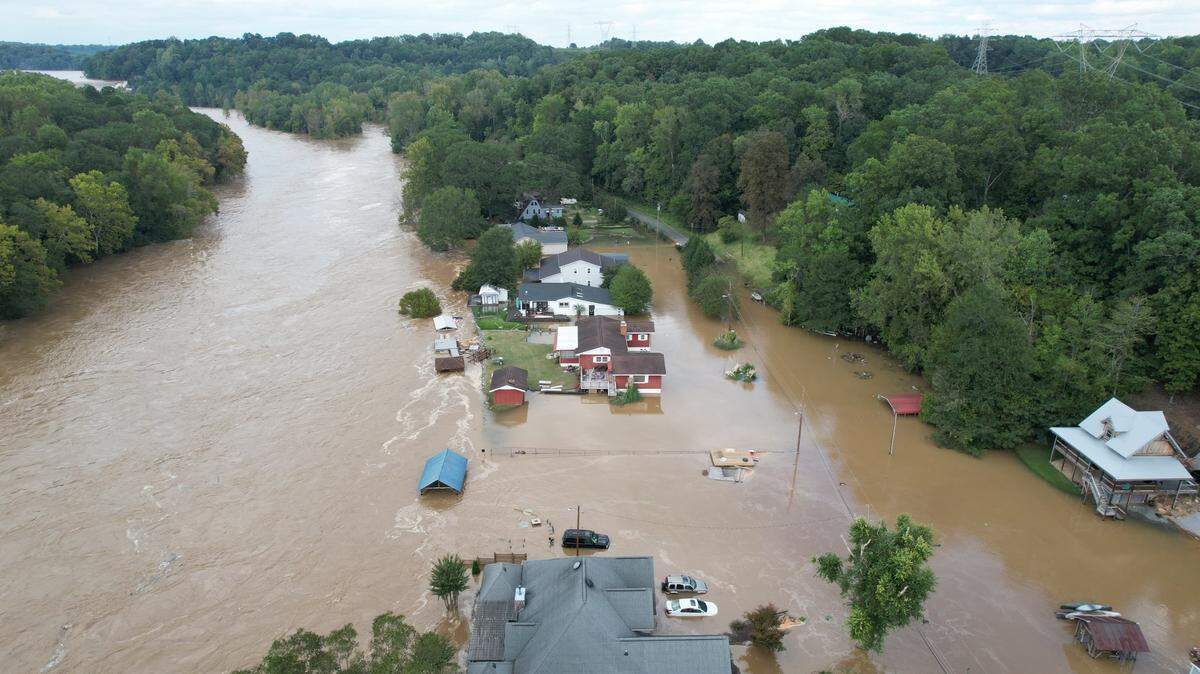
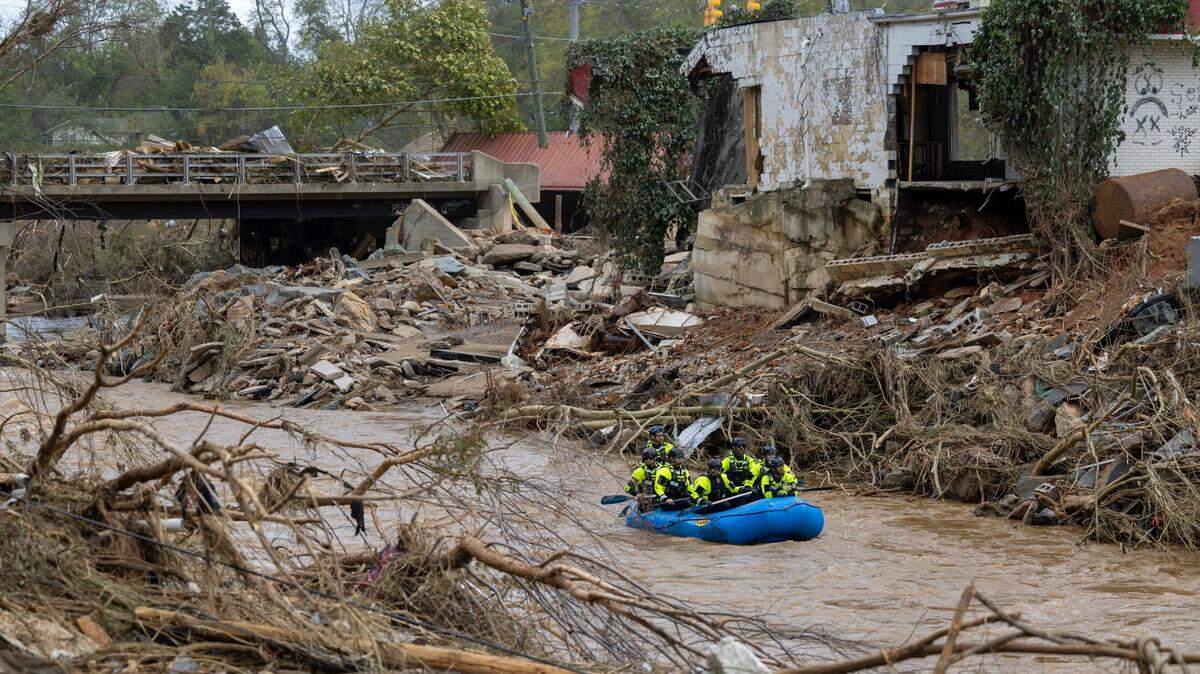
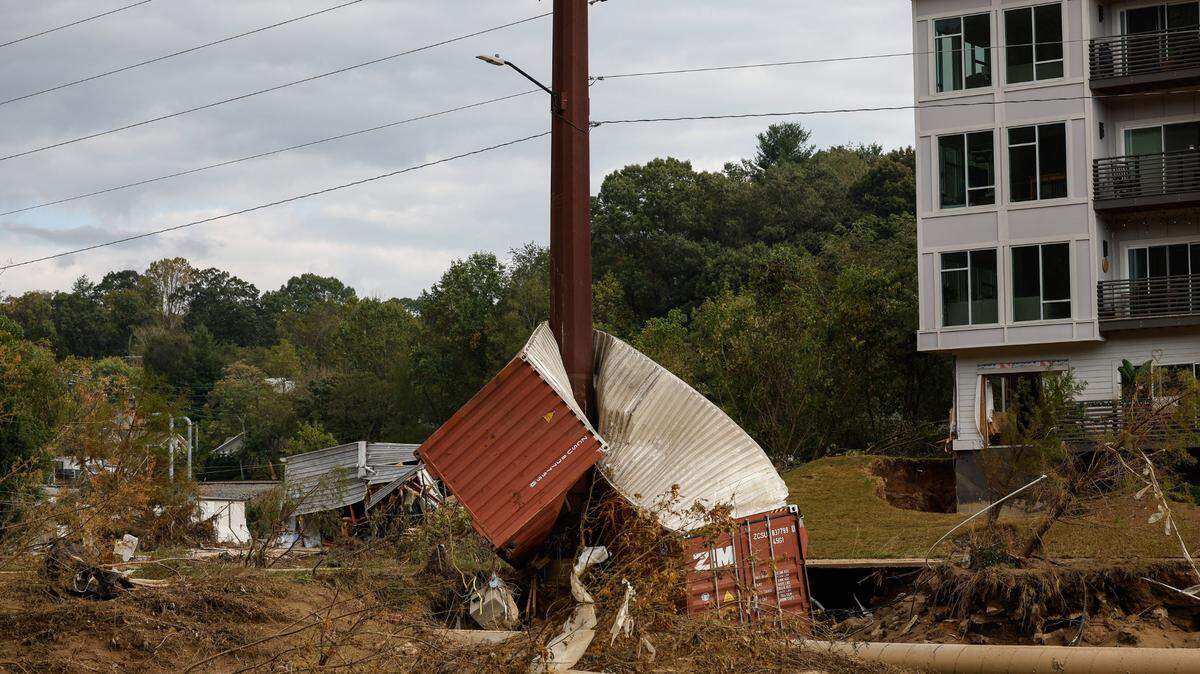
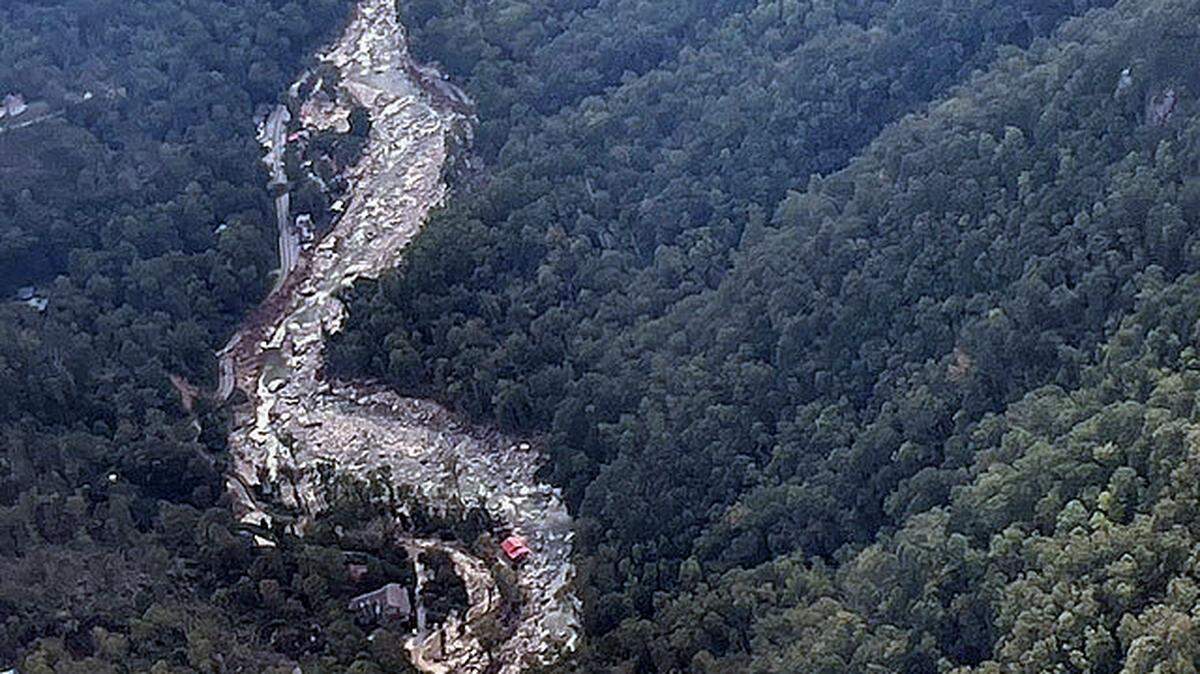
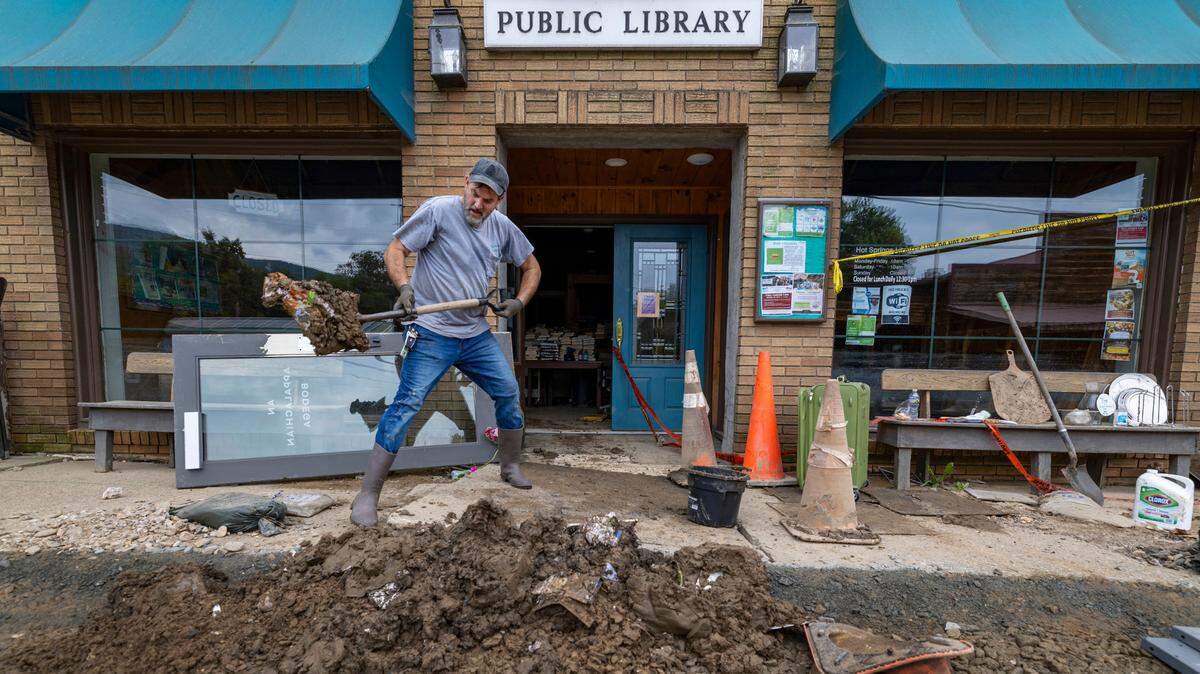
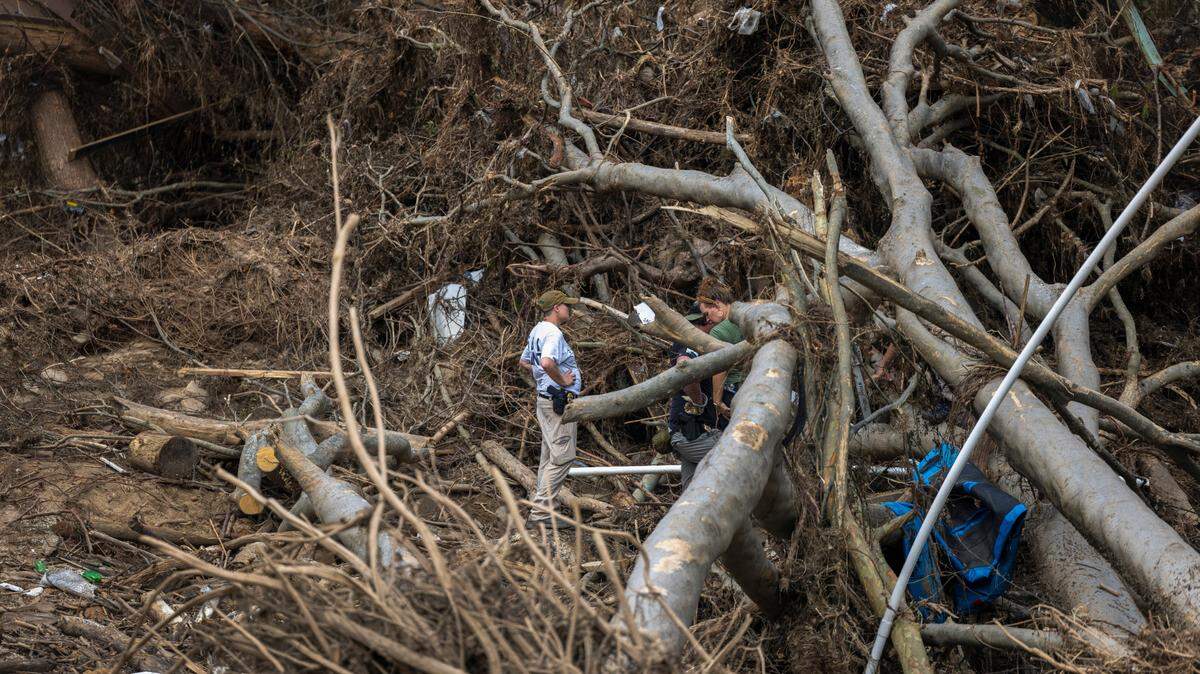
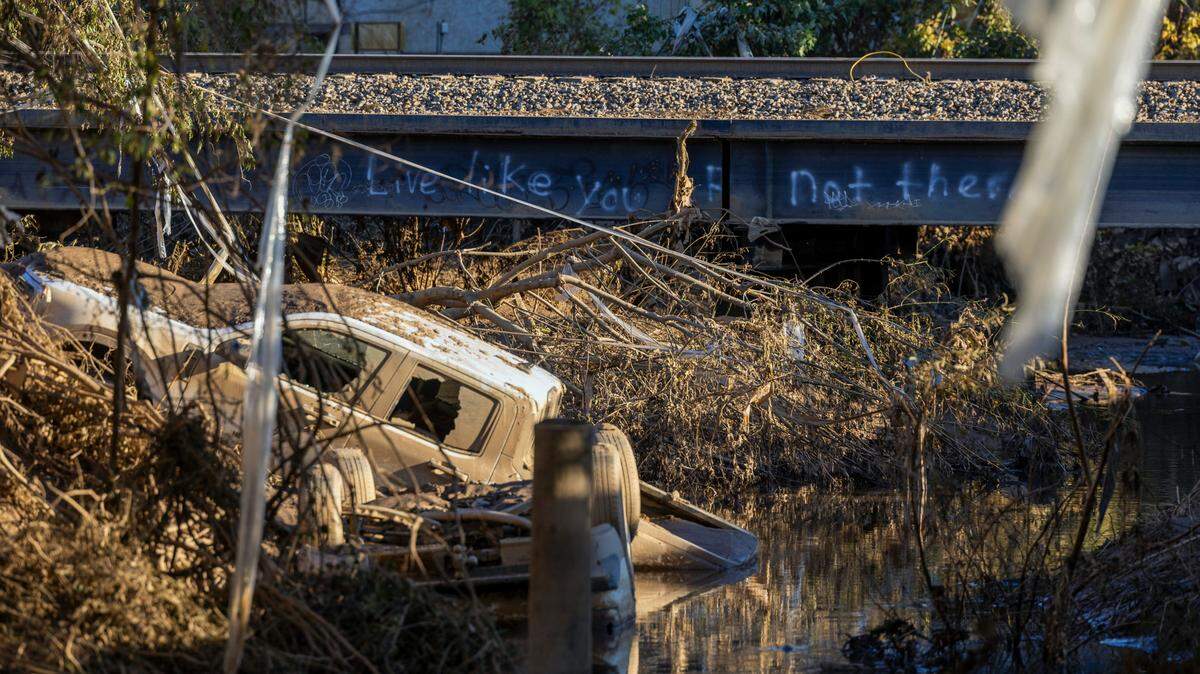
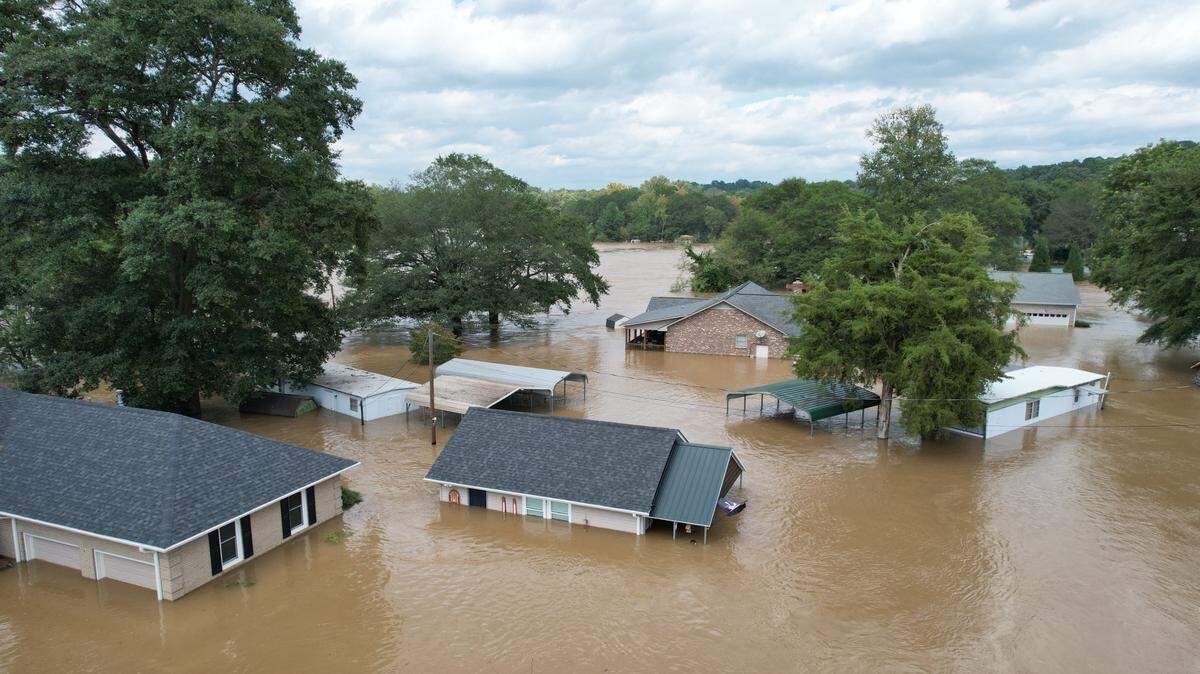
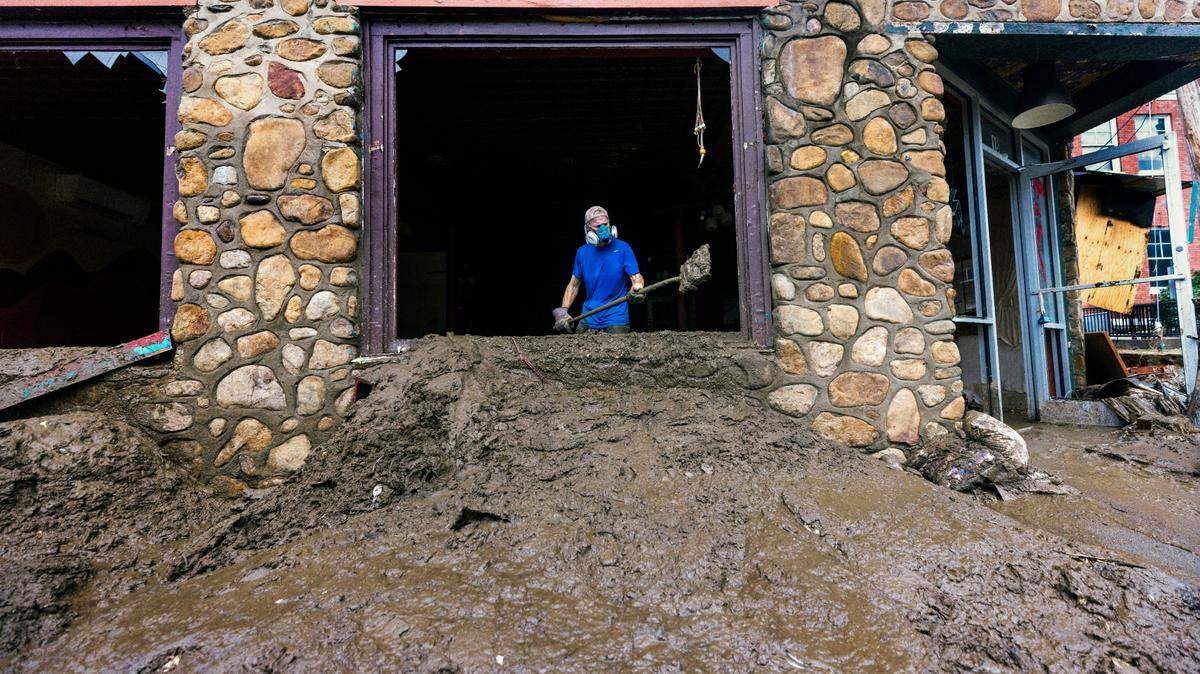
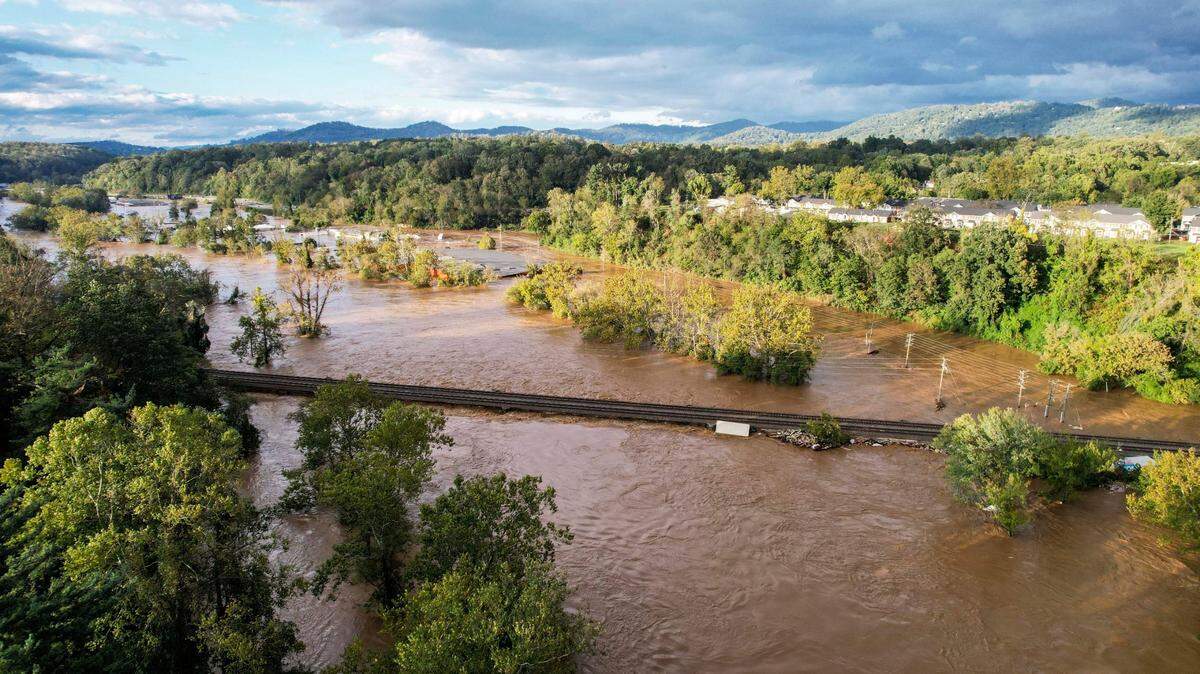
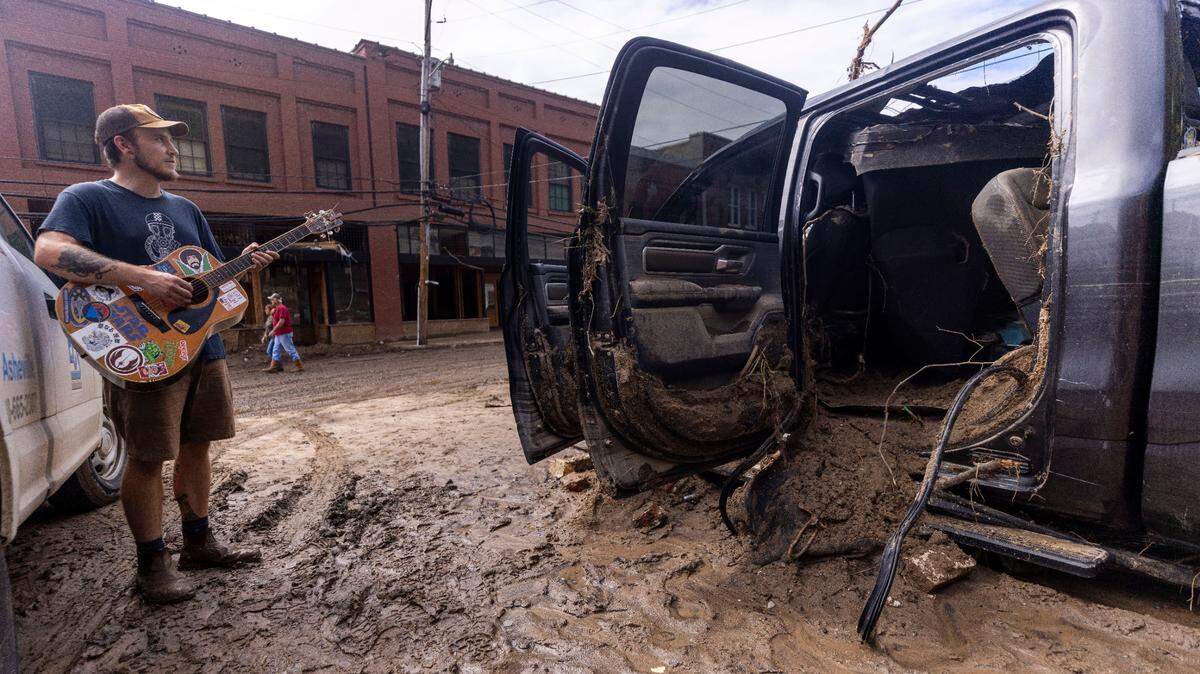
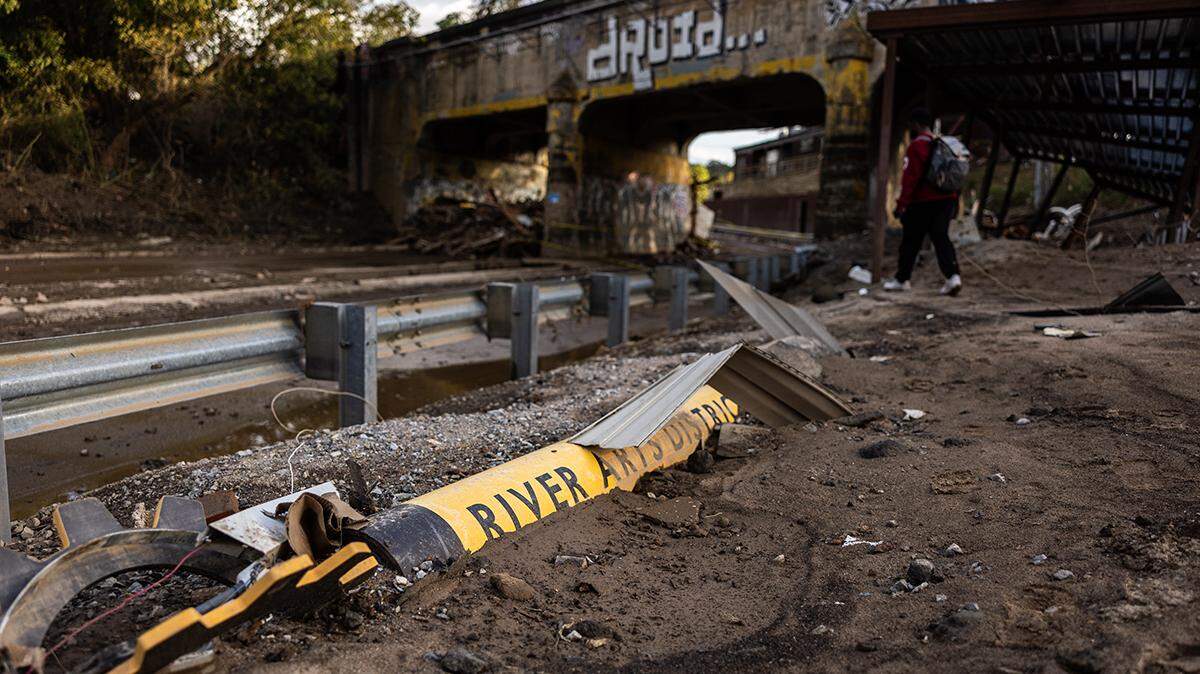
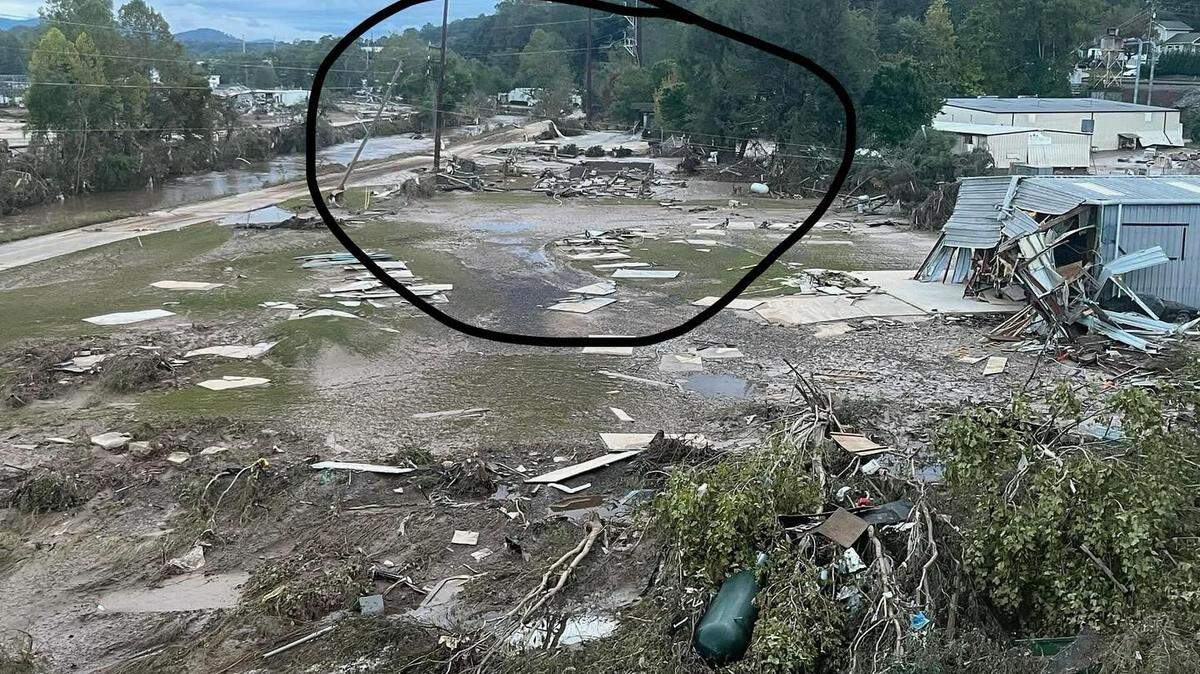
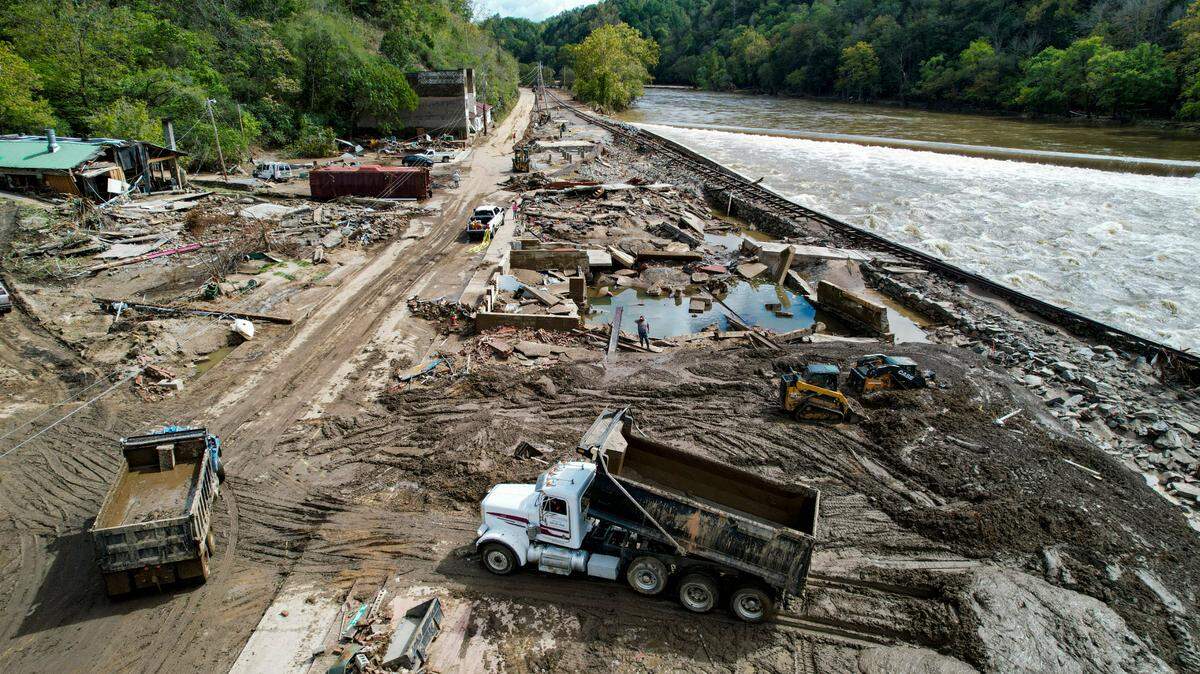
Images from newsrooms and social media show houses floating down a muddied French Broad River, submerged cars and the town of Chimney Rock seemingly erased by a mudslide.
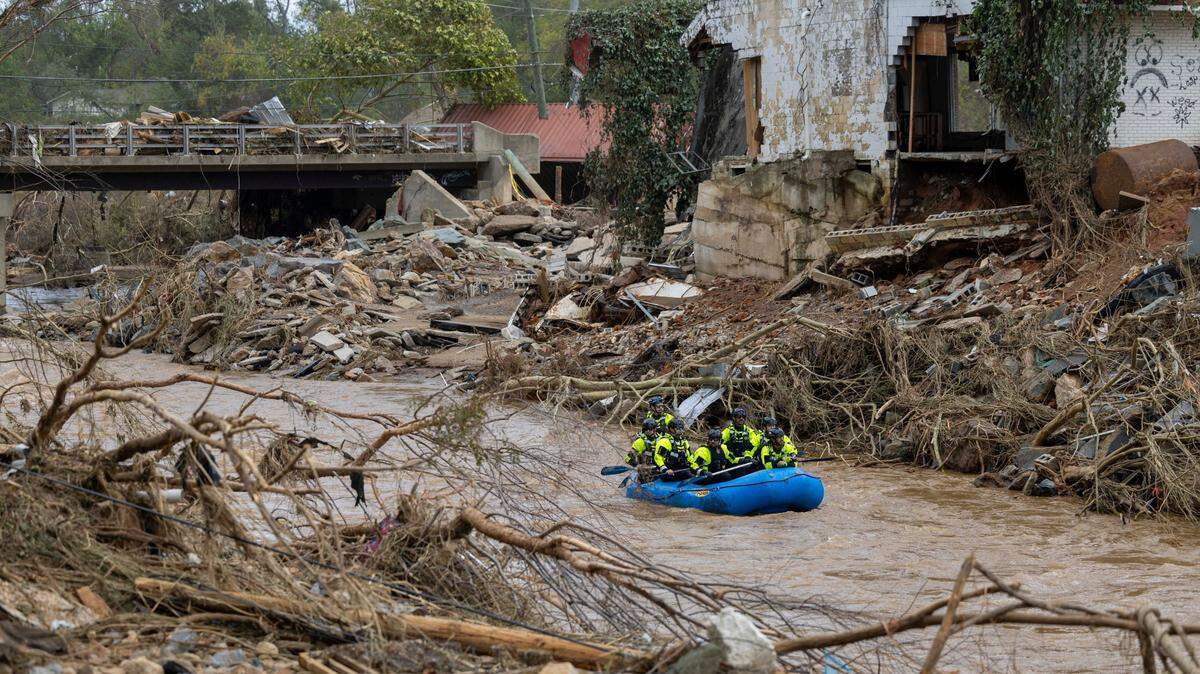
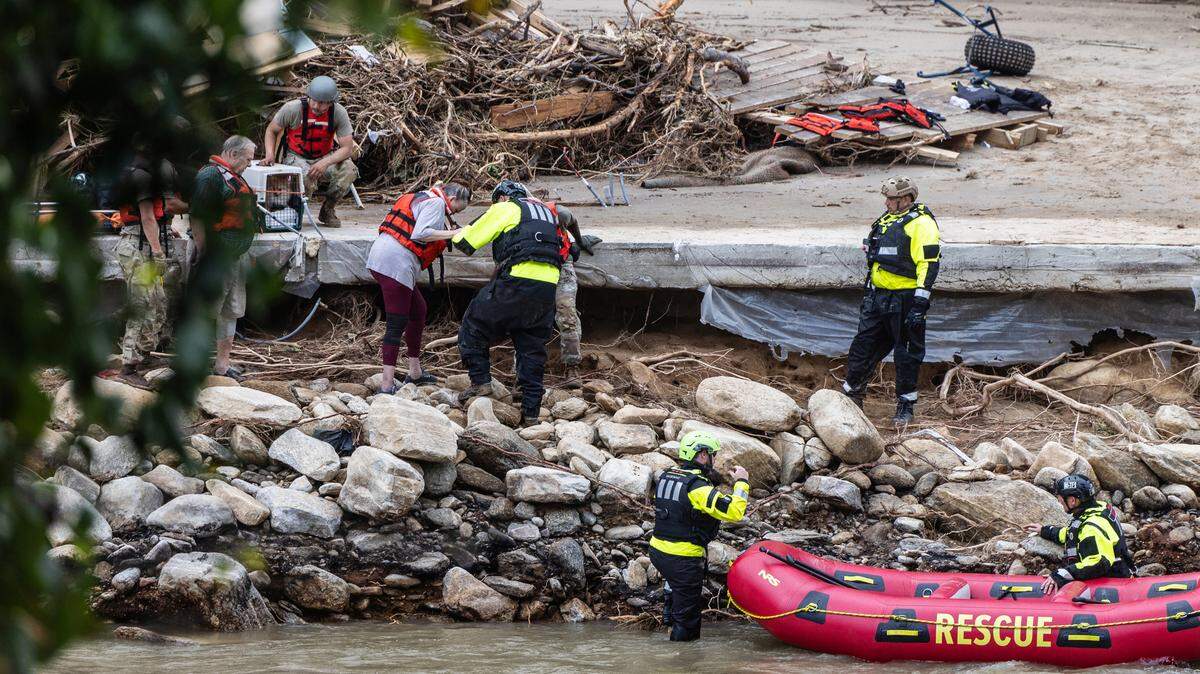
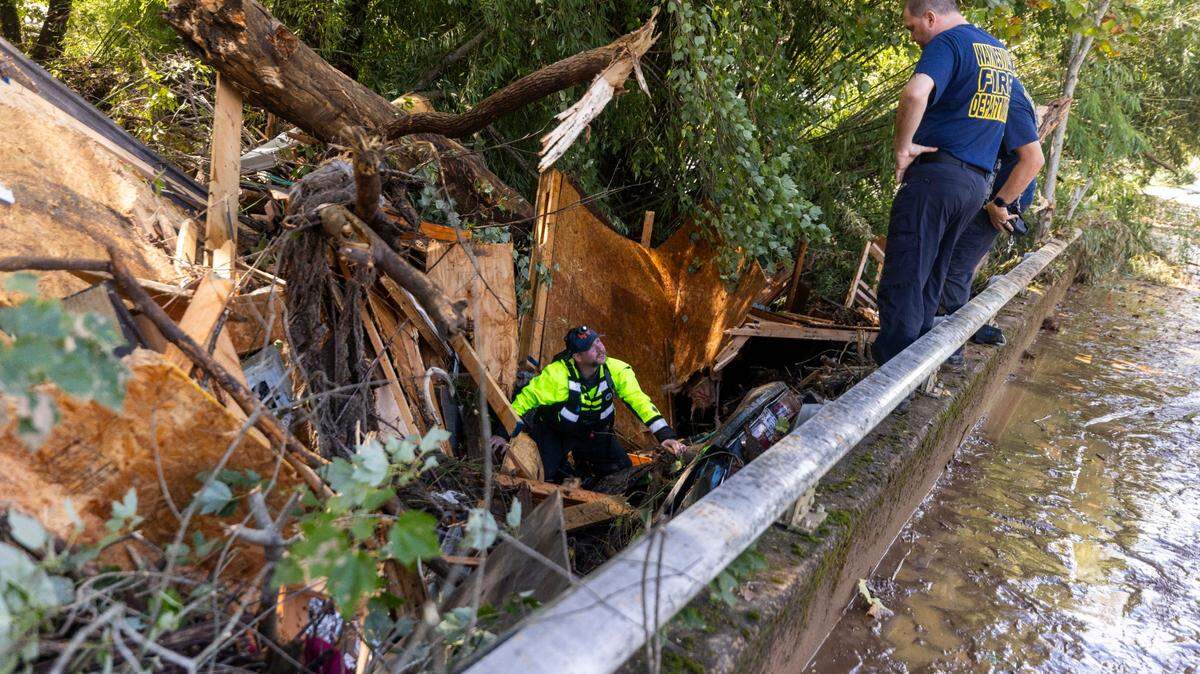
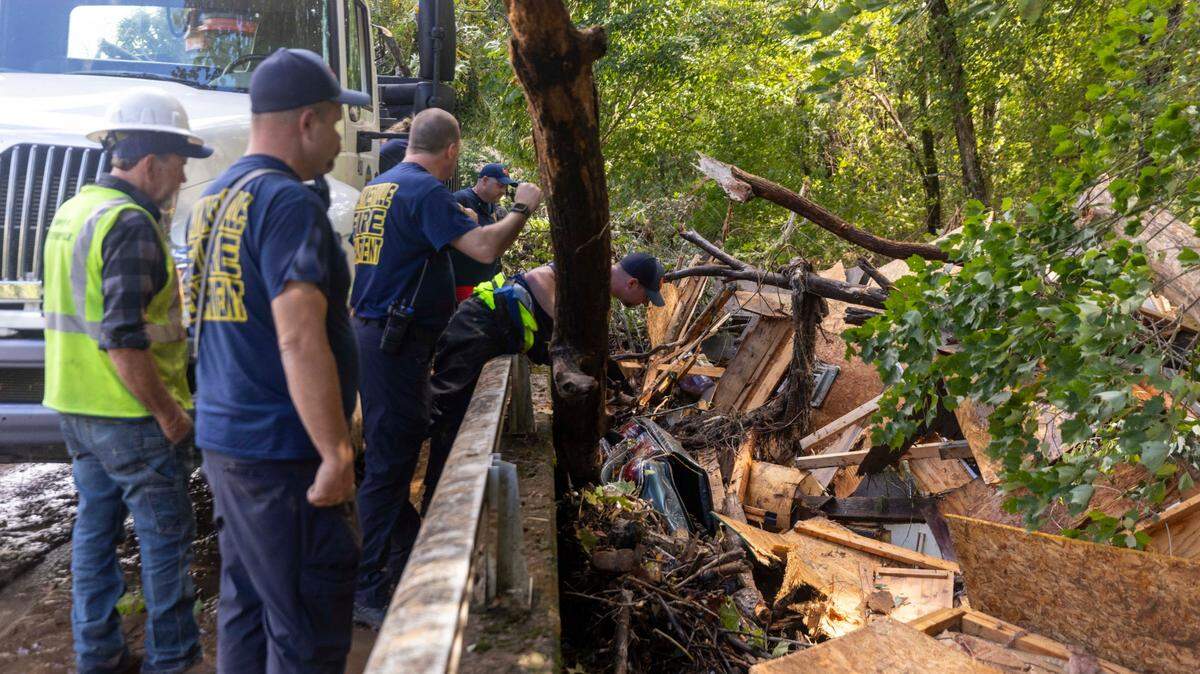
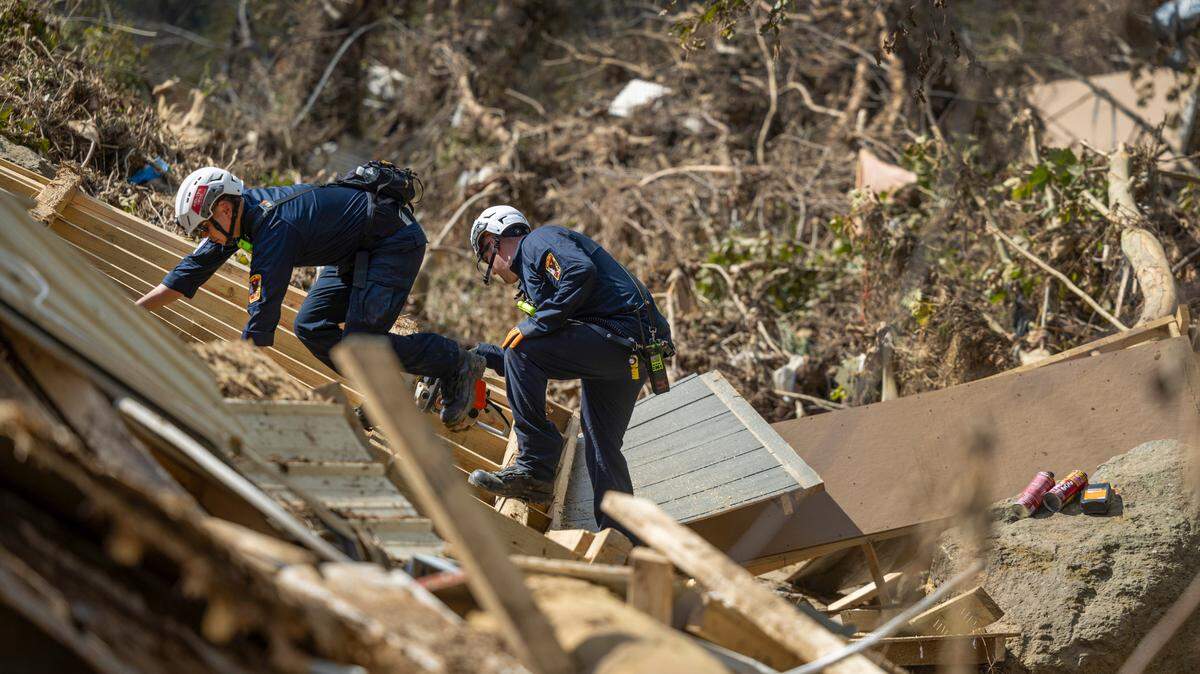
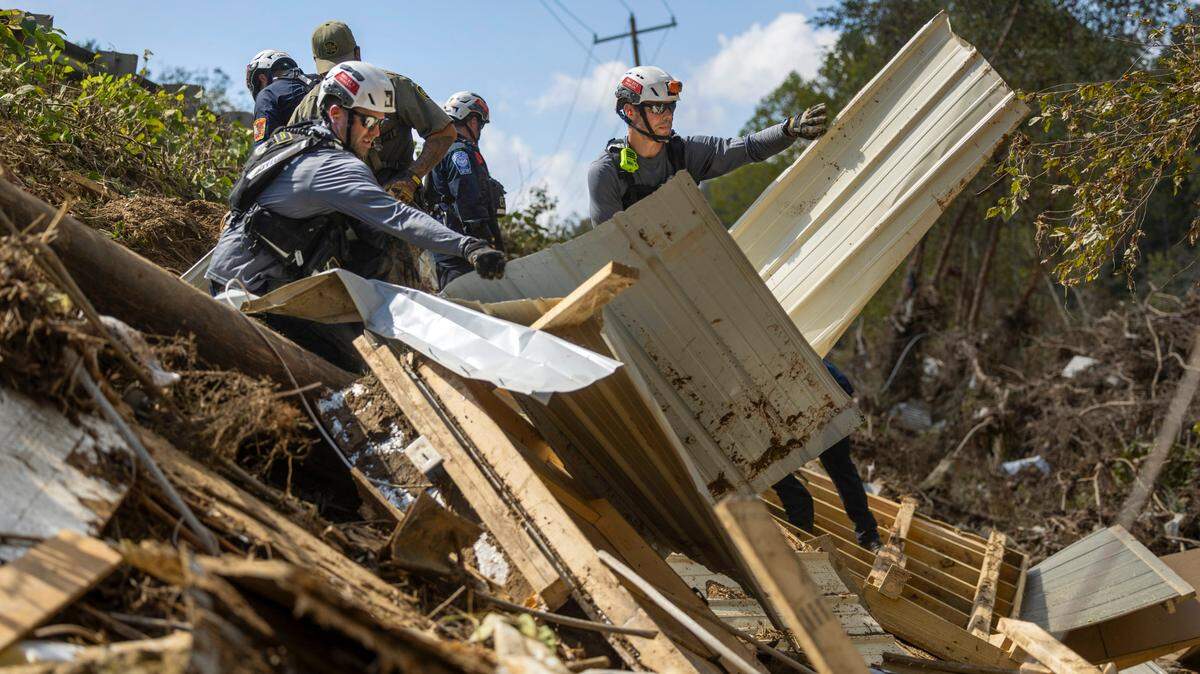
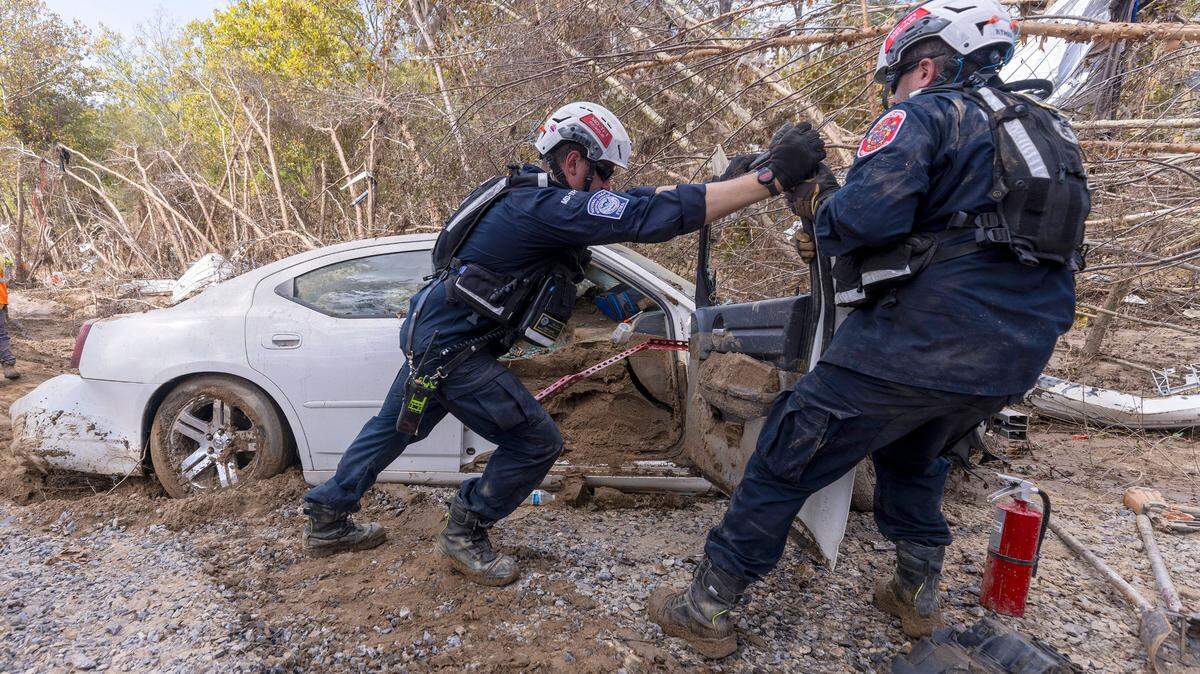
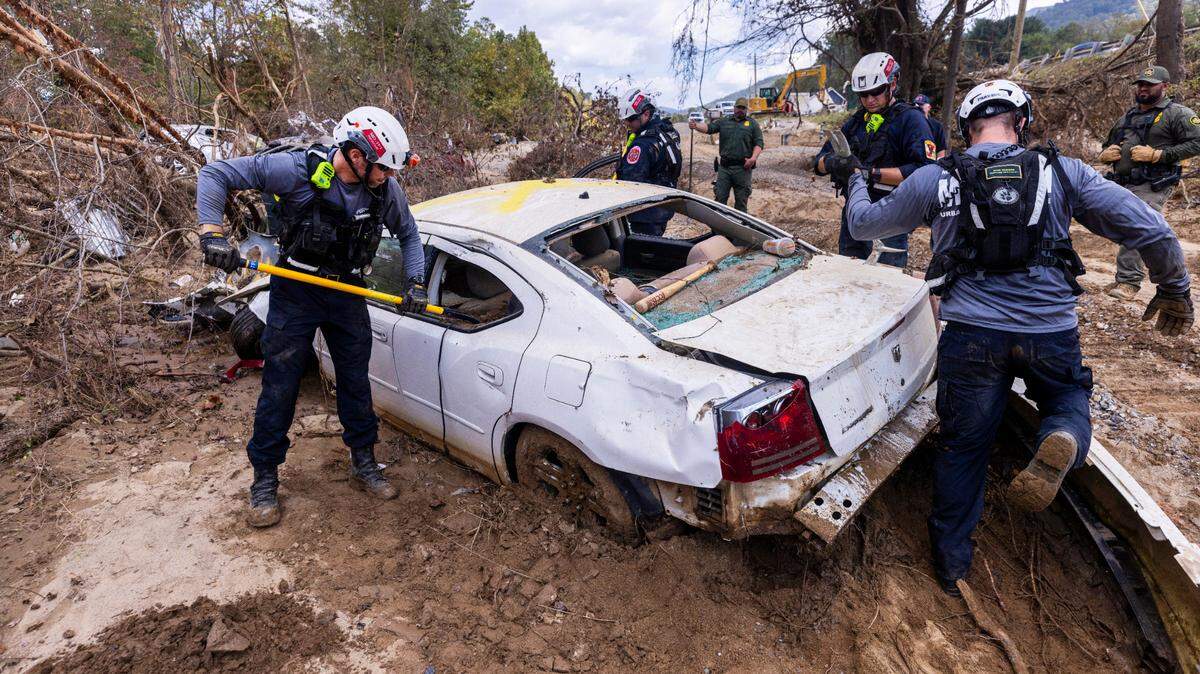
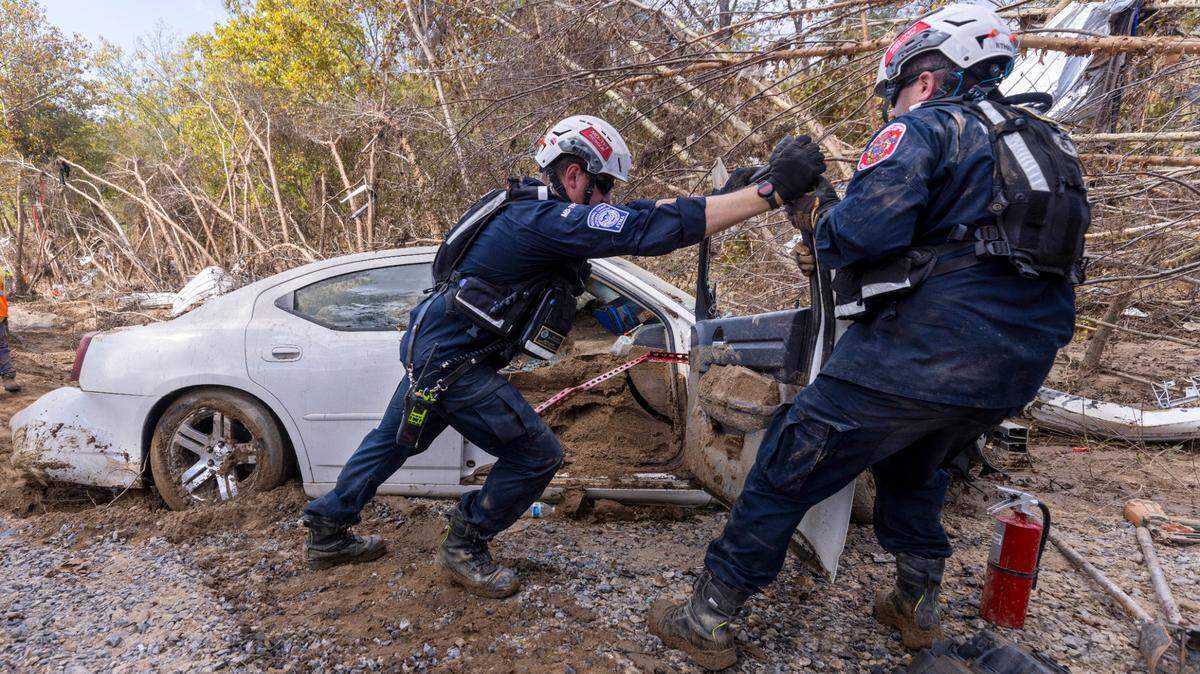
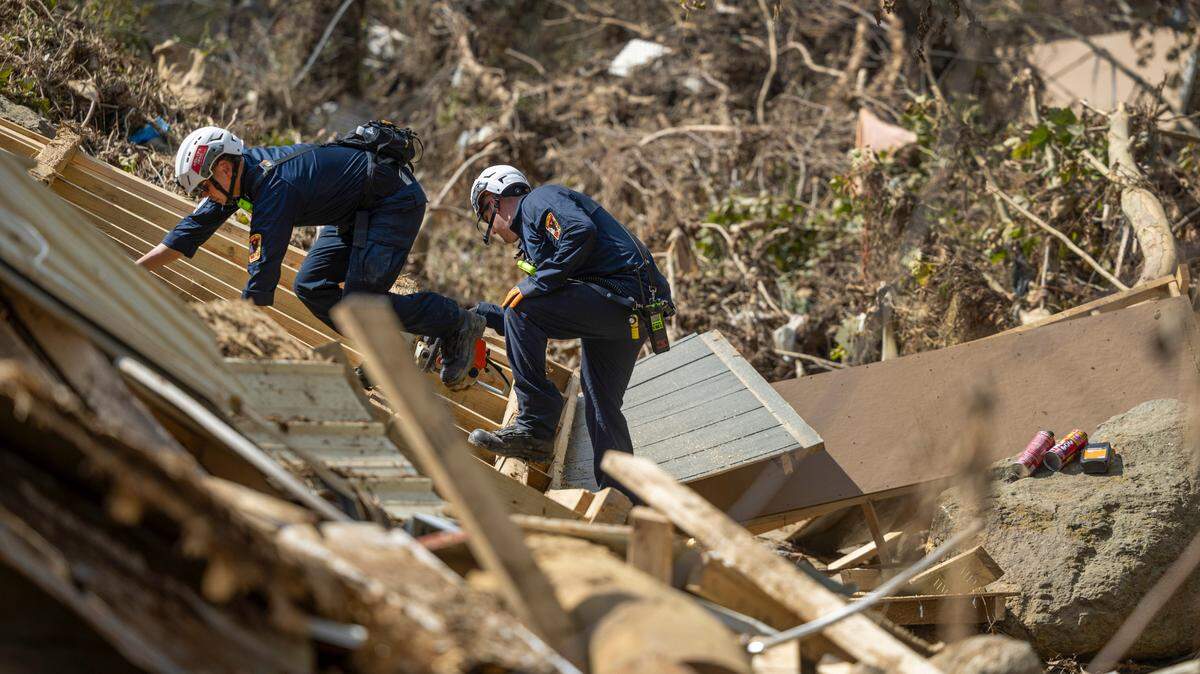
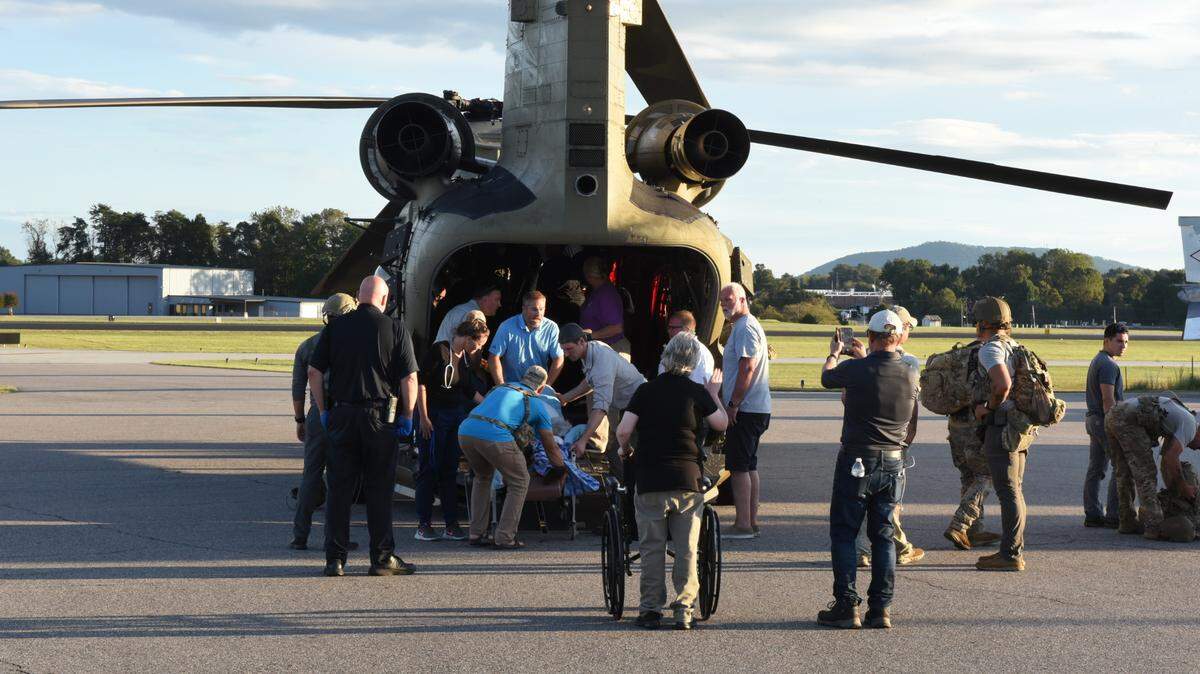
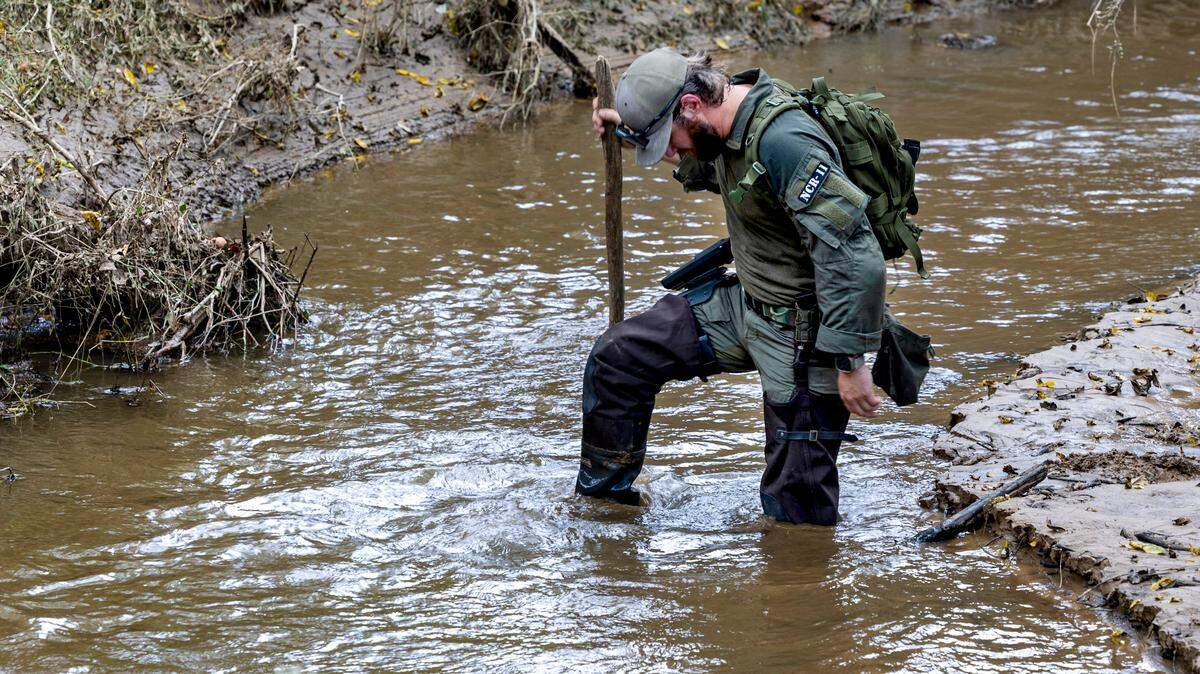
More than 200 people were rescued from flood waters, according to Cooper’s office, with North Carolina’s search and rescue teams helped by 19 federal and out-of-state teams.
Many mountain locations were pelted with rain totaling more than 10 inches, some as much as 29 inches. That brought catastrophic flooding, Cooper’s office said, with winds that gusted up to hurricane strength.
More than 320,000 homes in North Carolina — and about 550,000 in South Carolina — remained without without electricity Sunday morning in the aftermath of a tropical storm that started as Hurricane Helene, according to Duke Energy’s outage map.
There’s still no timeline for when power will be restored to many of those homes.
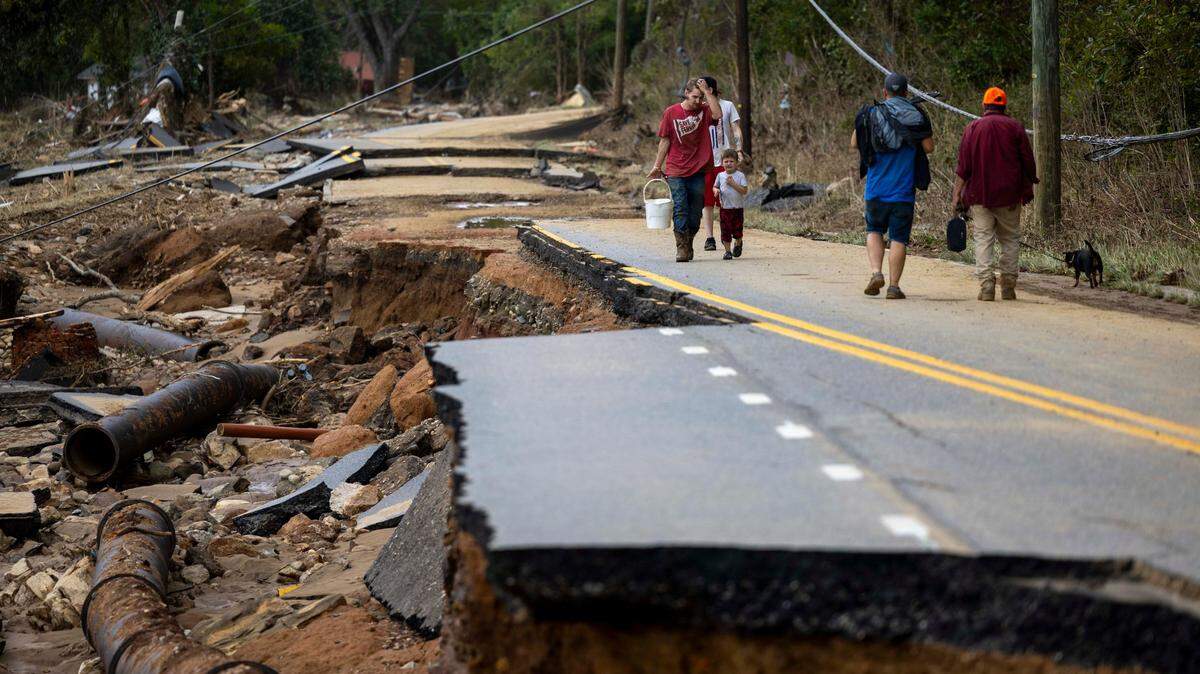
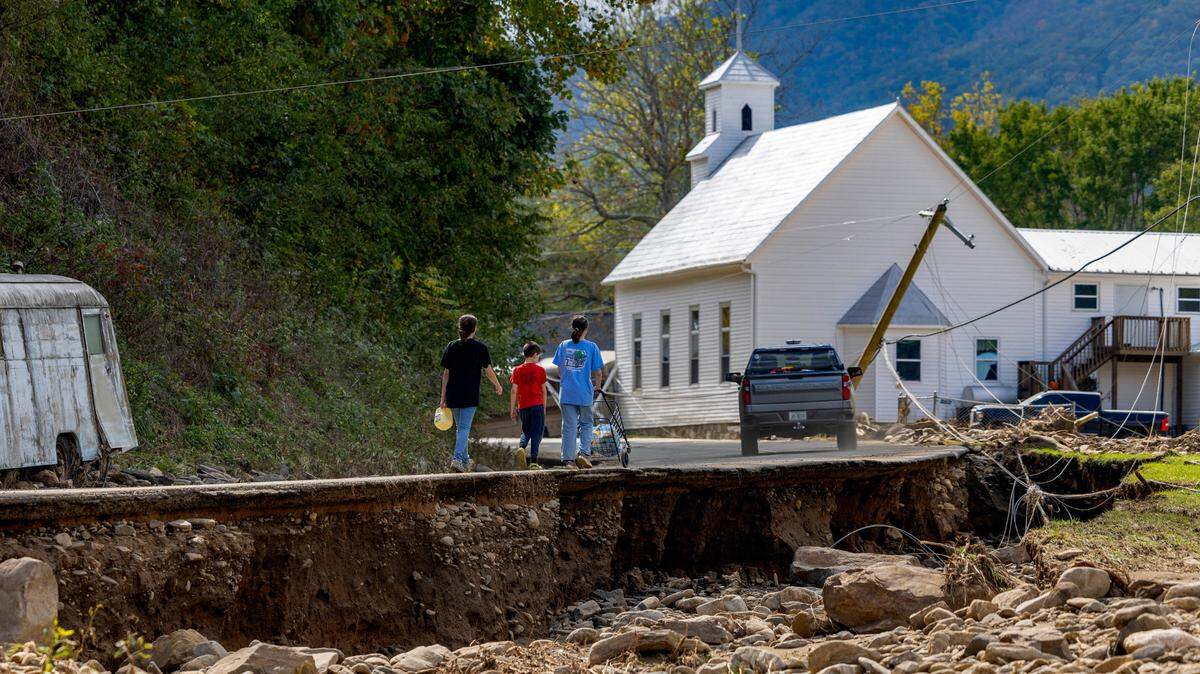
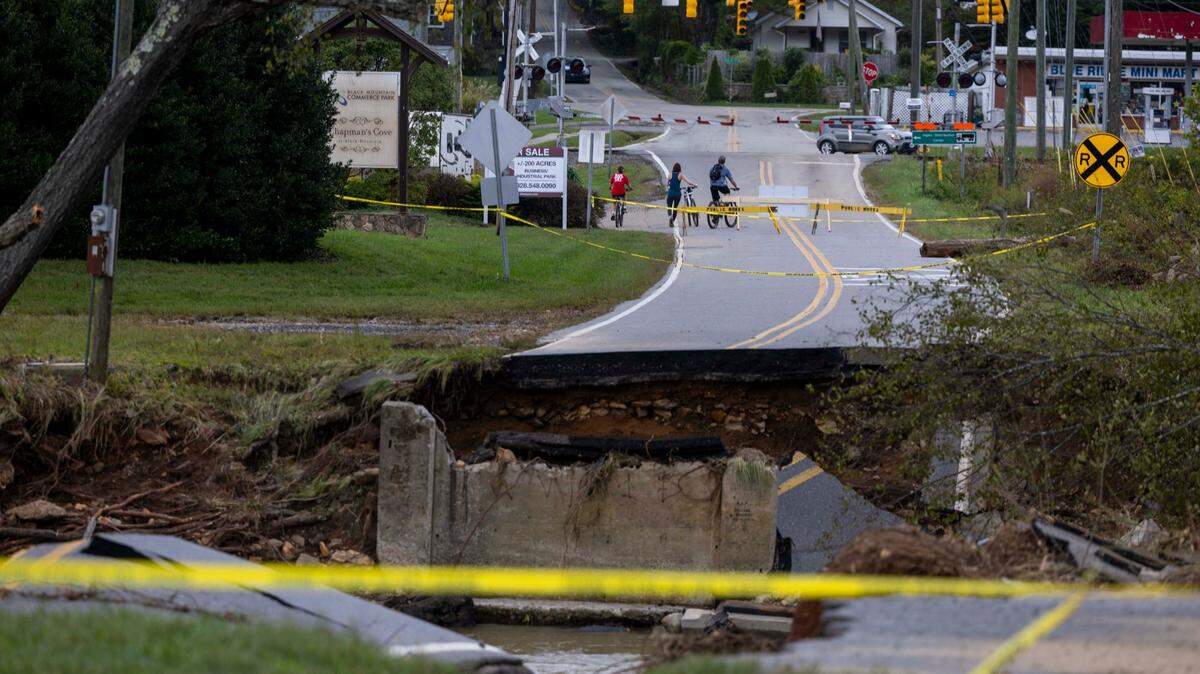
According to the Department of Transportation map drivers use to check road conditions, the entire western third of the state appeared closed for business Saturday.
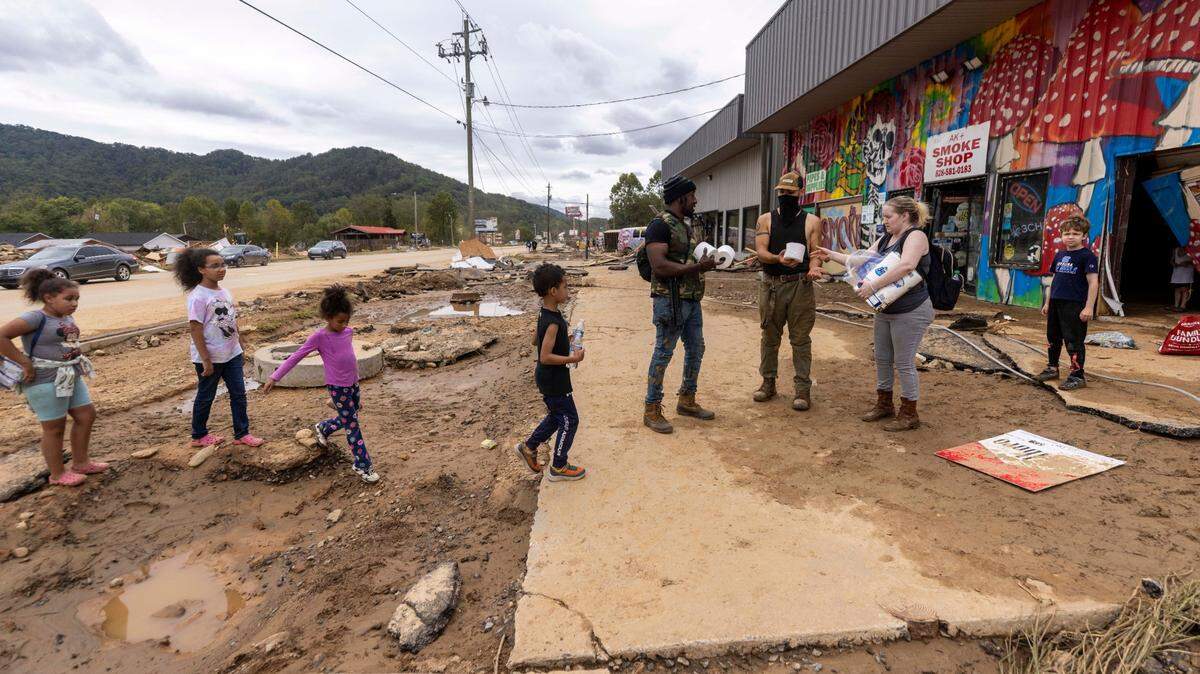
People scramble for necessities
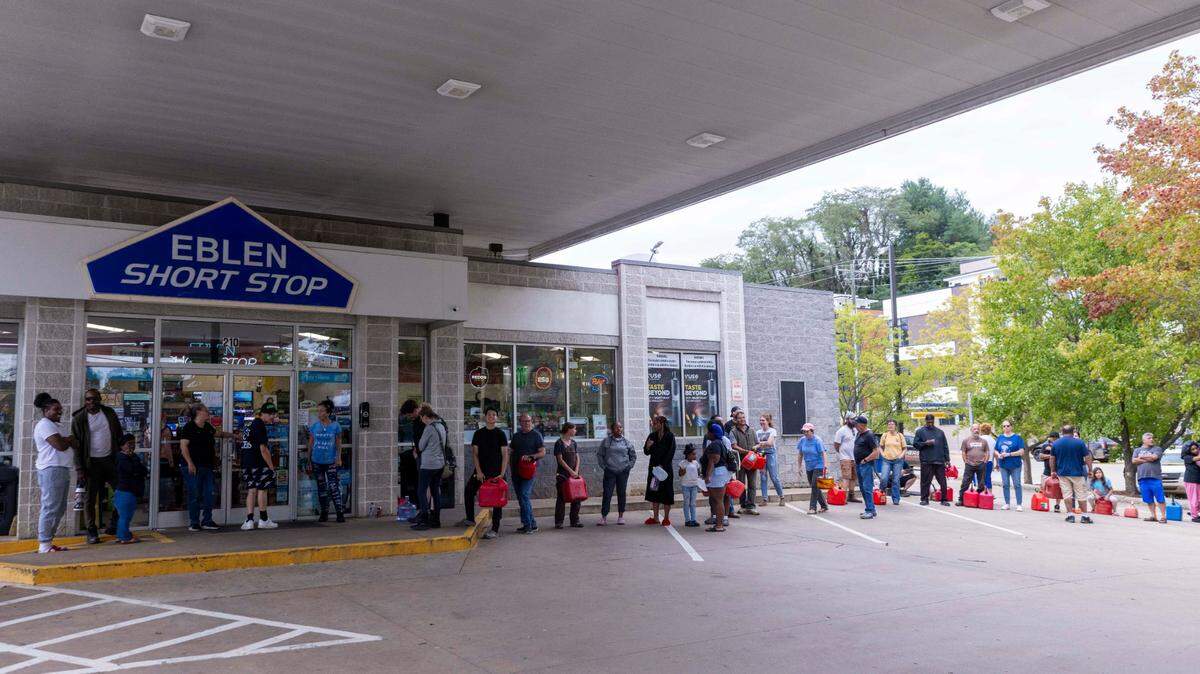
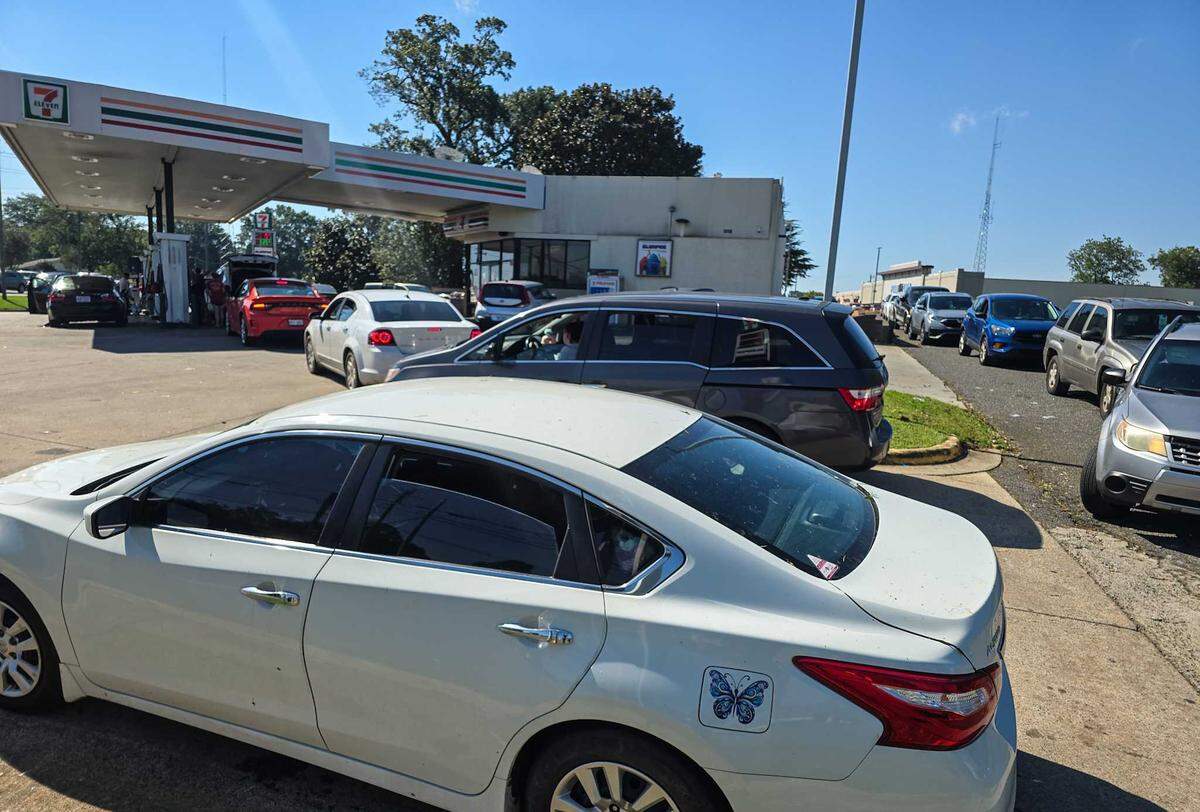
Traveling west from Charlotte, problems got visible around Shelby, where power was spotty and the few places that had it were overrun with customers trying to buy gas, ice and beer.
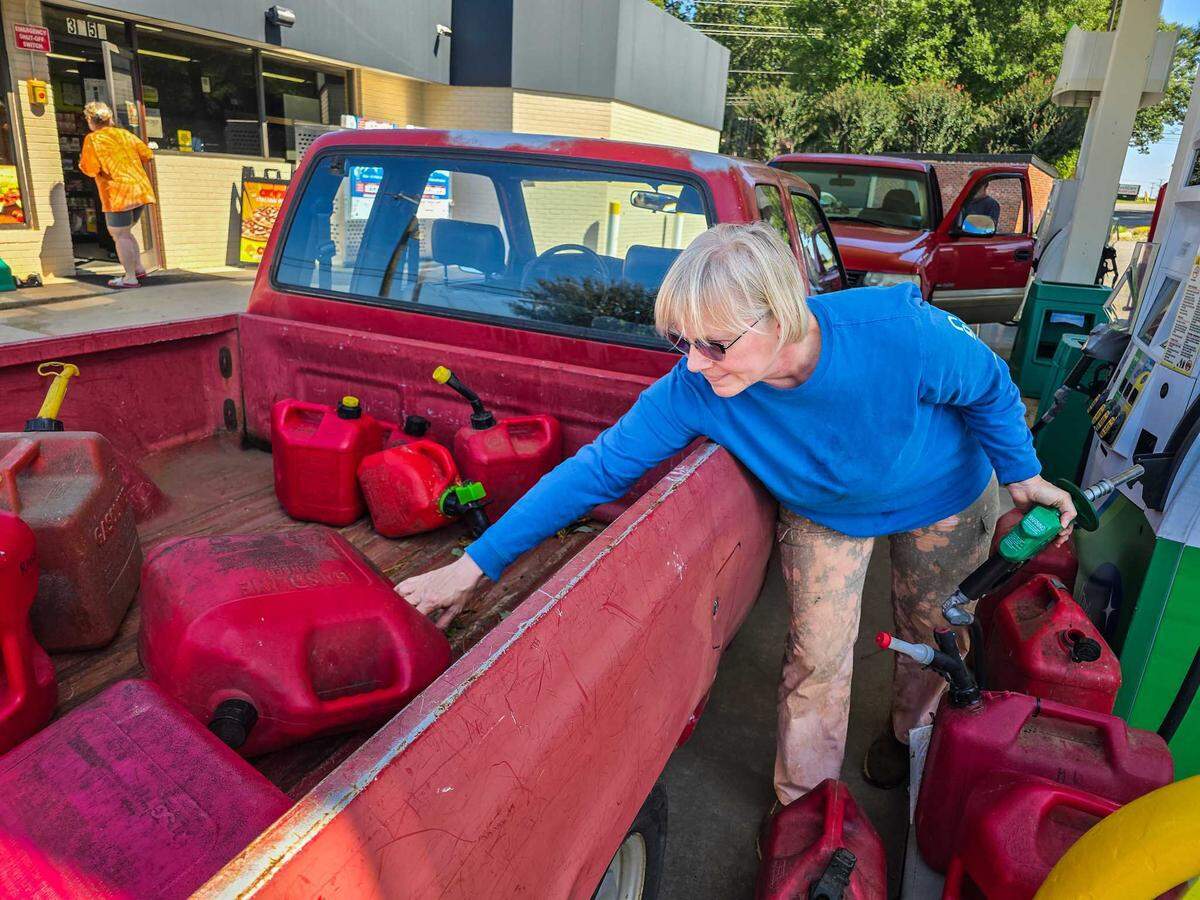
Terri Morrin had already driven more than 30 miles from her home in Columbus, near Tryon, zooming by the queues of traffic that reached all the way down the exit ramps to the travel lanes of Interstate 85, and decided to skip Shelby. She want further east to Gastonia to fill 13 portable gas tanks for herself, friends and family.
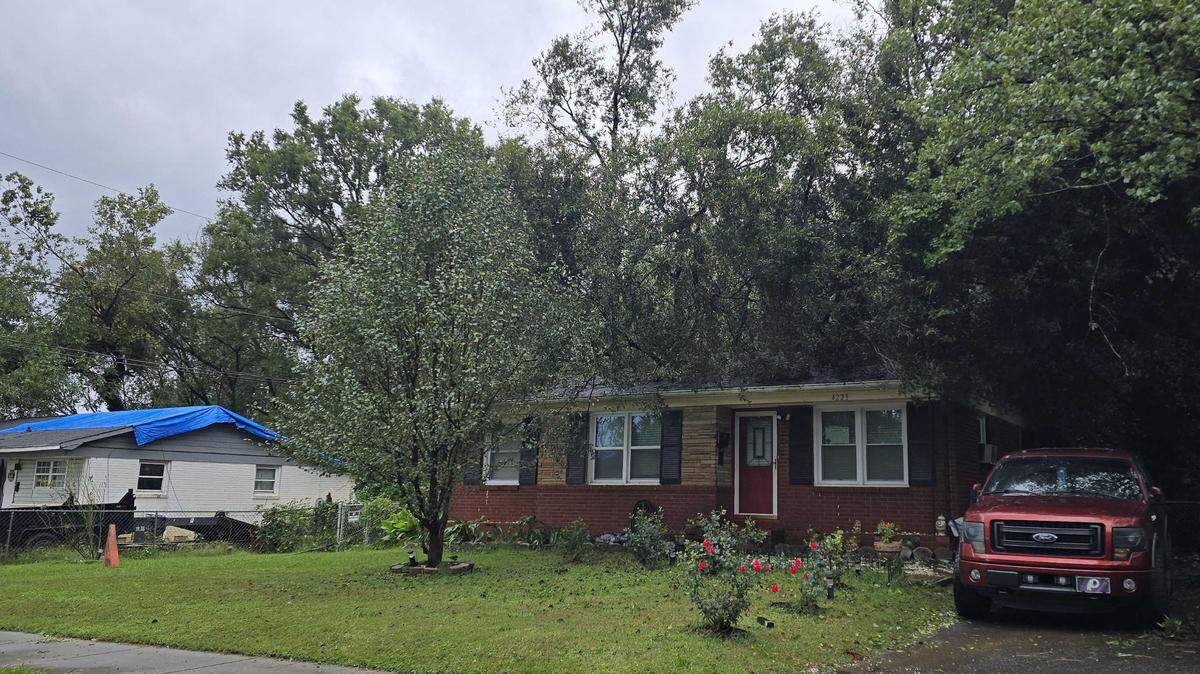
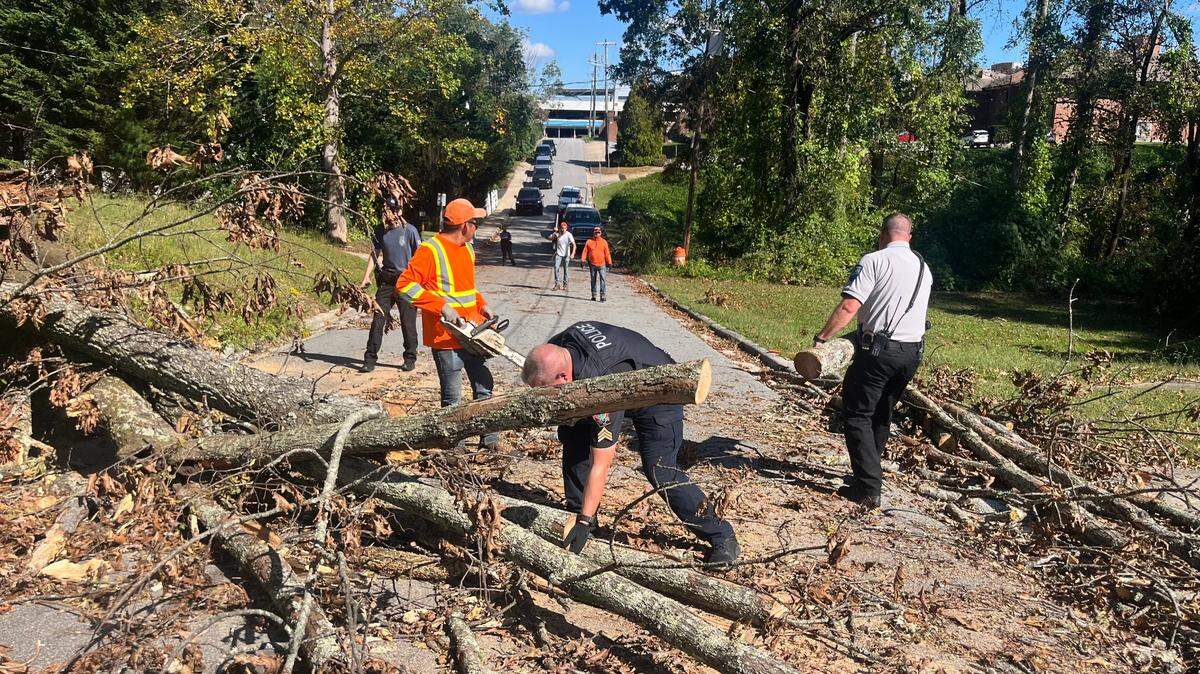
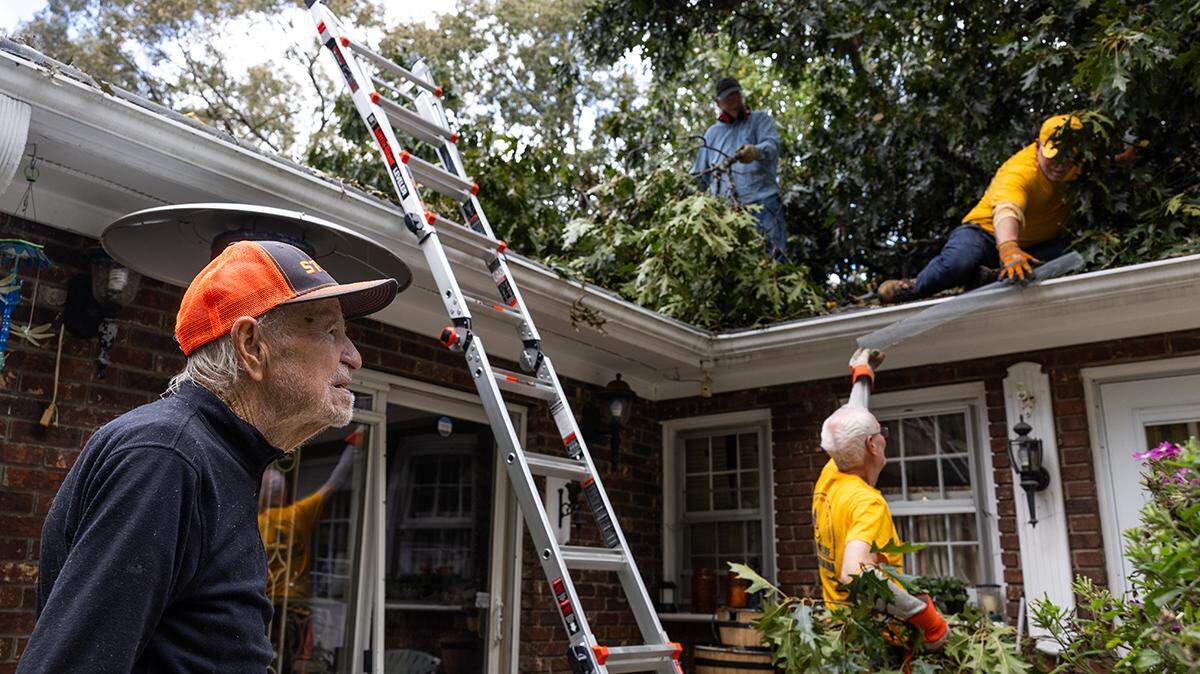
“One neighbor had five trees fall on their house,” Morrin said, and some of the gas she was taking back would fill the chain saws needed to cut those into pieces.
Some of the gas would also power generators to run fans to dry out that neighbor’s house, or someone’s refrigerator or CPAP machine until the power comes back on.
“Duke Power is saying it will be at least a week.”
Governor seeks more help
Gov. Roy Cooper has asked the federal government for a major disaster declaration for 38 North Carolina counties and the Eastern Band of Cherokee Indians that would expand access to assistance to governments, some nonprofits, and individuals.
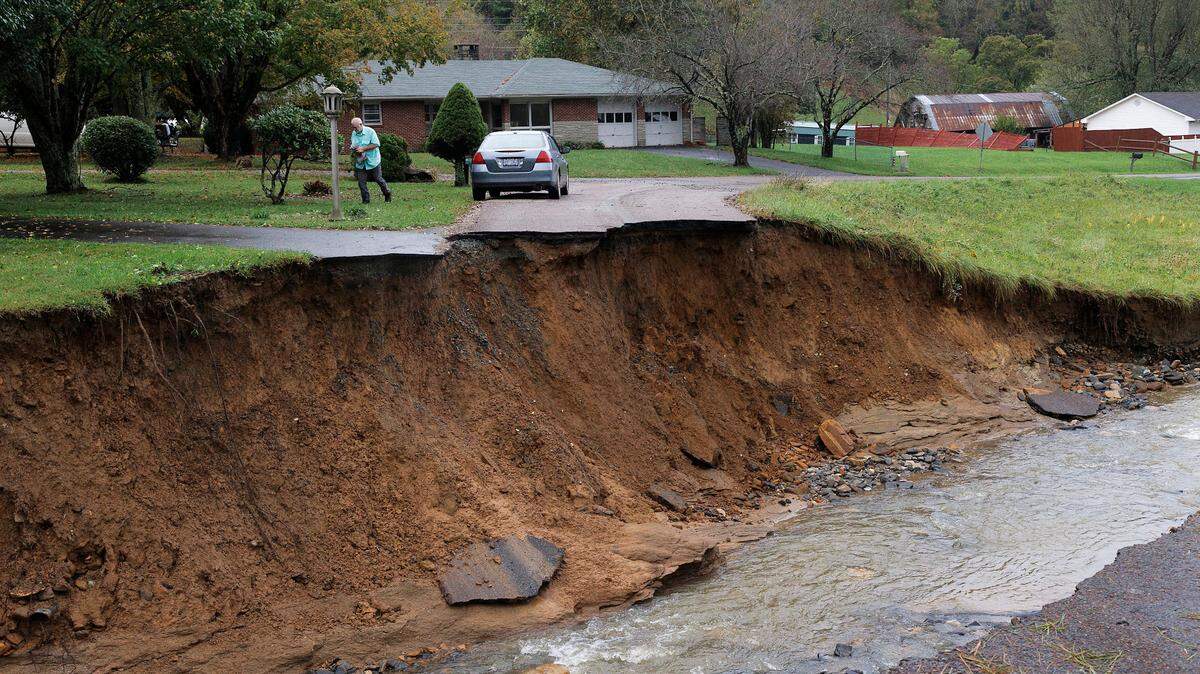
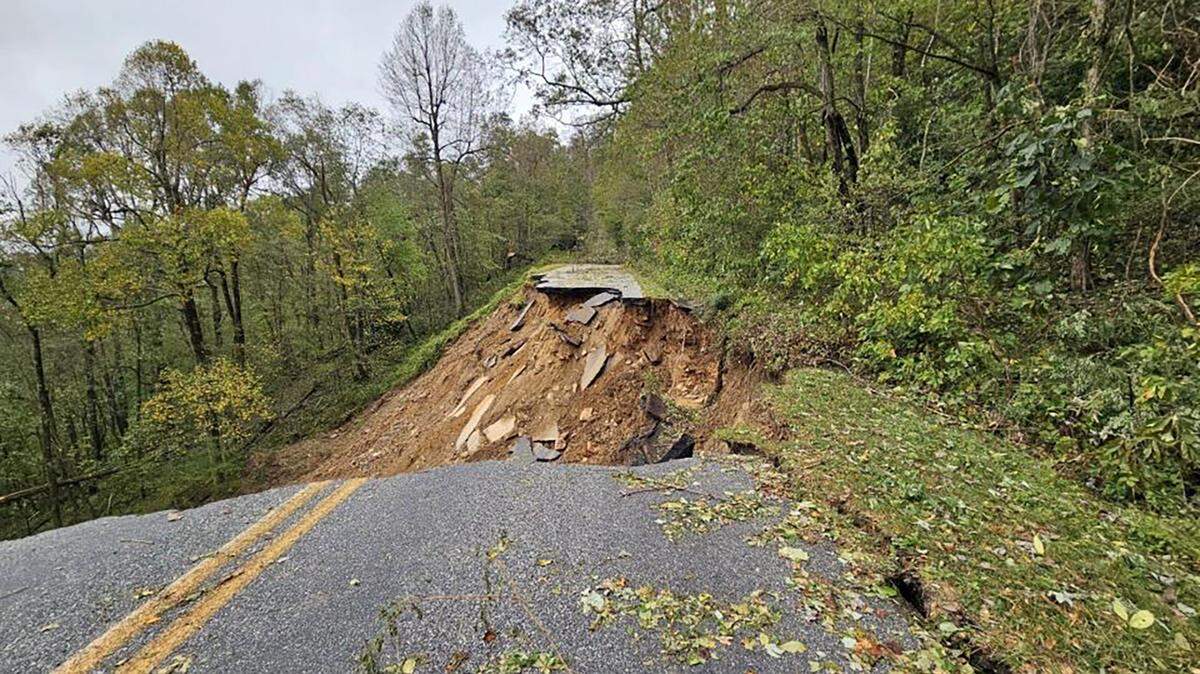
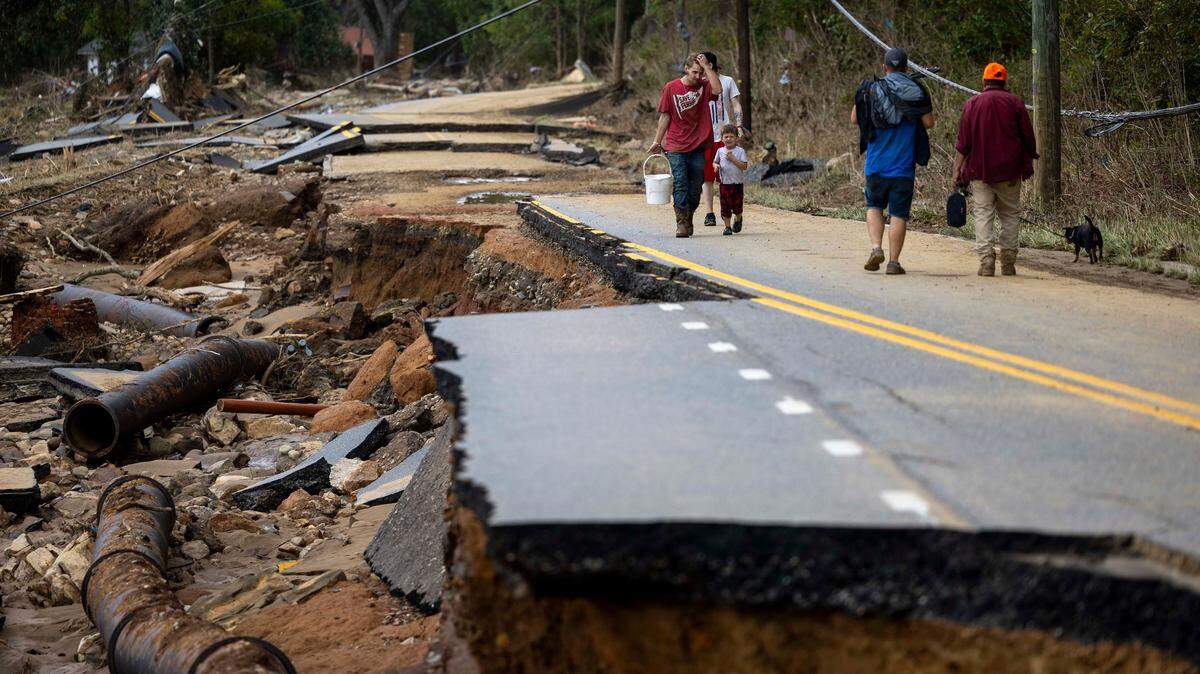
There were more than 400 closed roads across the state Saturday, according to the North Carolina Department of Transportation, which expects closures to hinder efforts to help those harmed.
“The entire emergency response effort will be hampered by the damage to roads and powerlines,” said said NCDOT spokesman Jamie Kritzer.
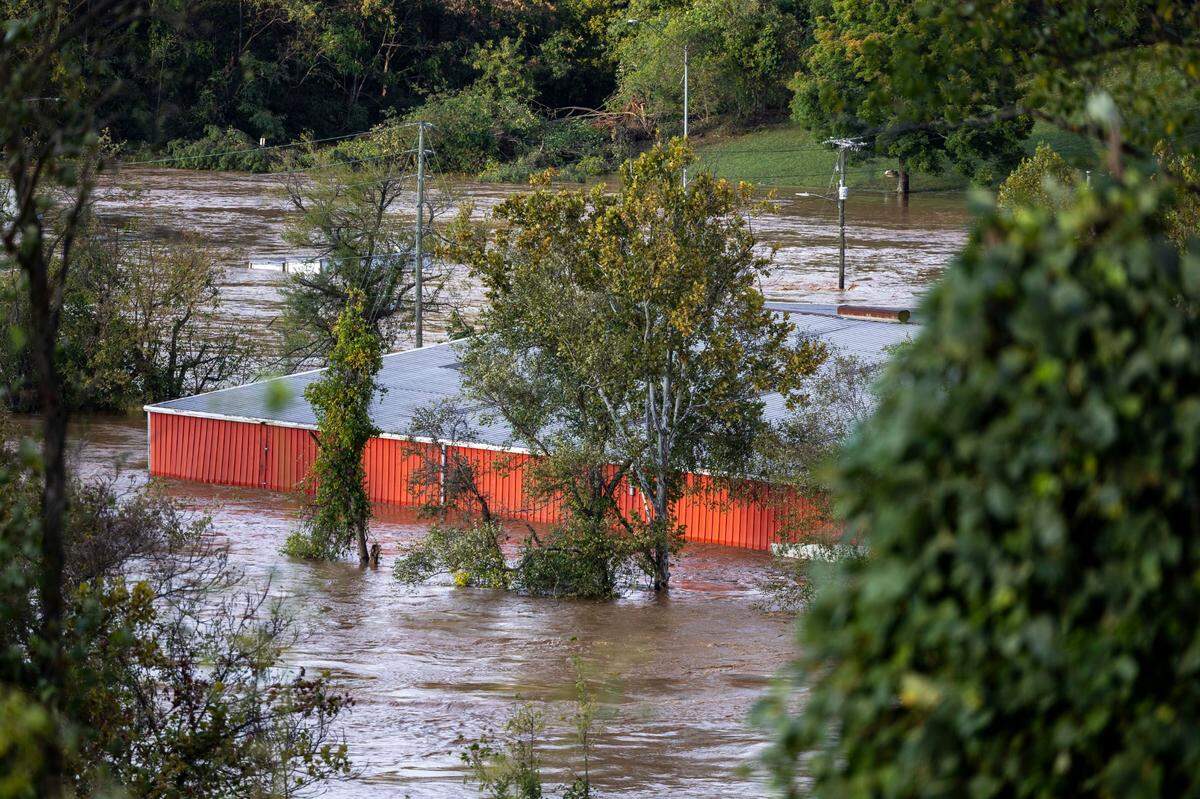
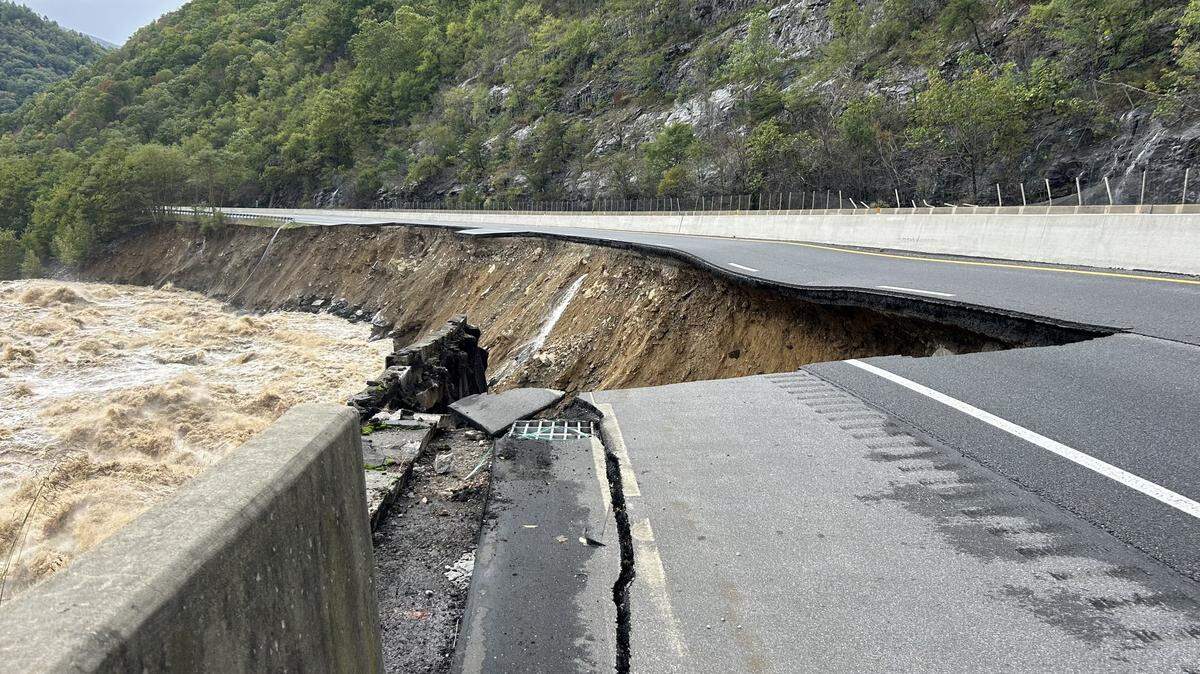
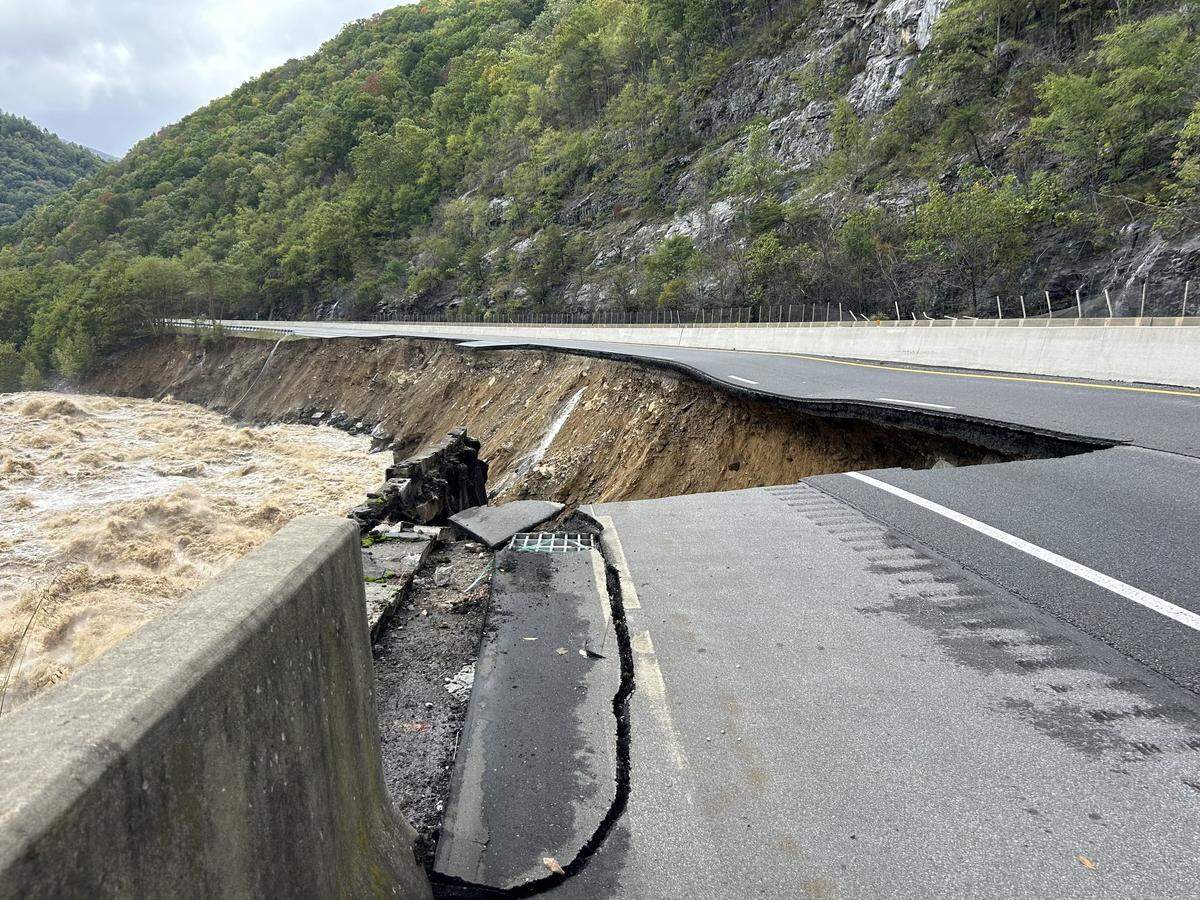
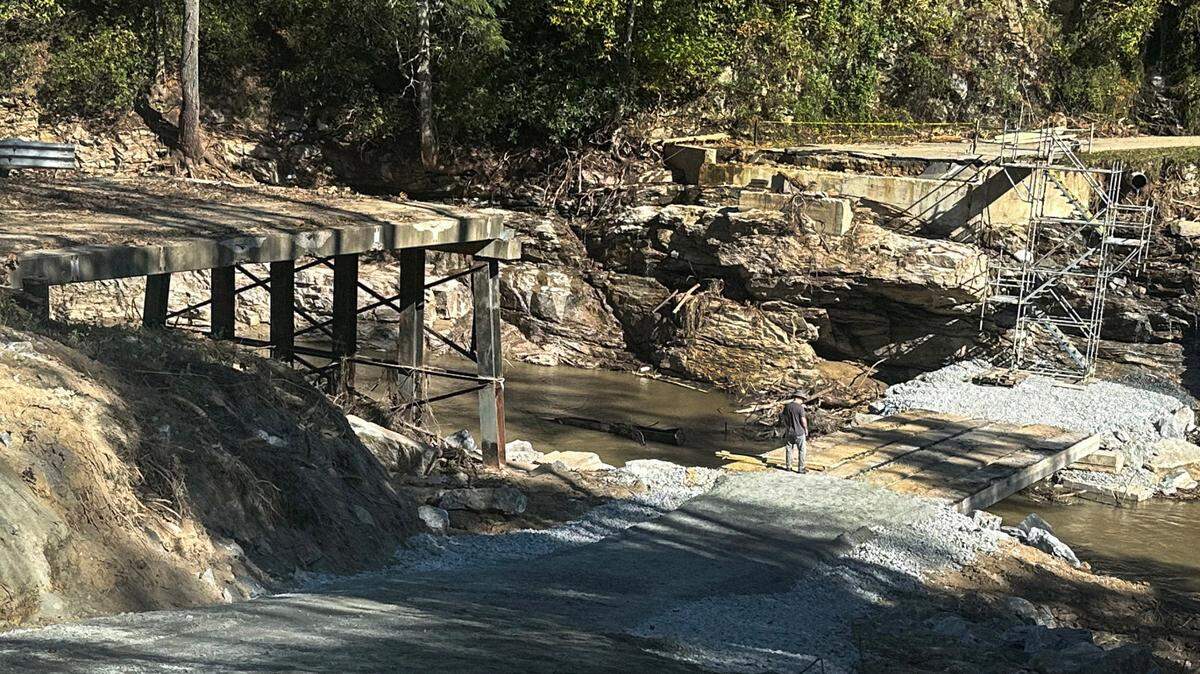
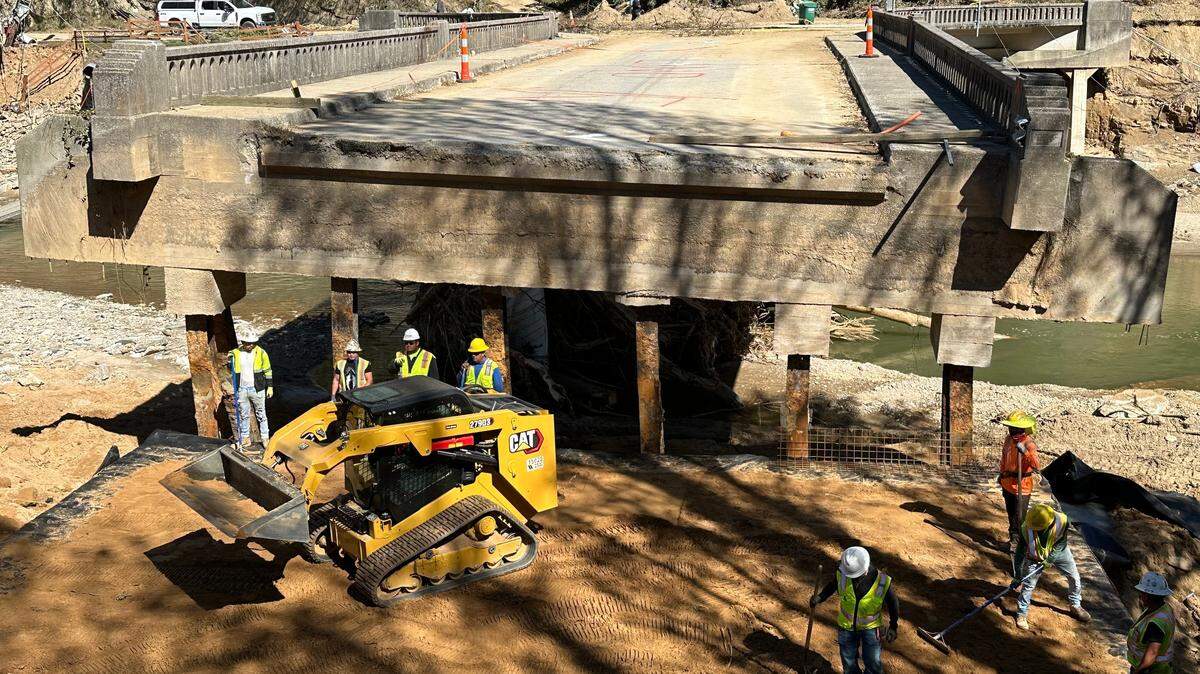
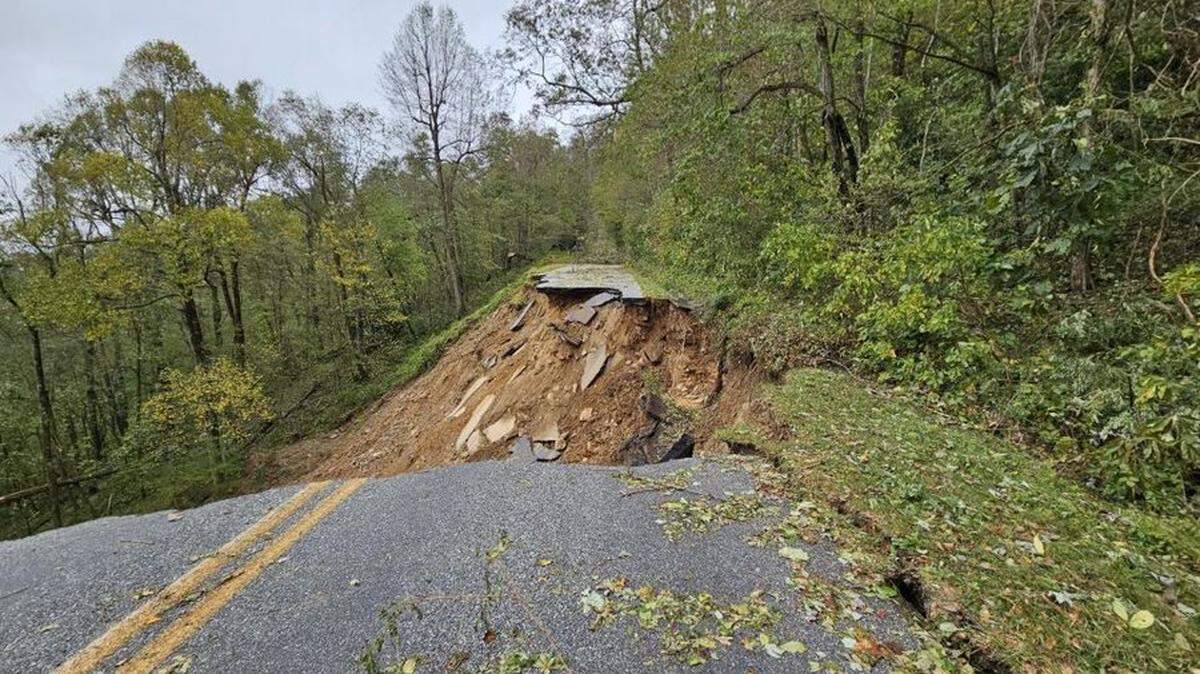
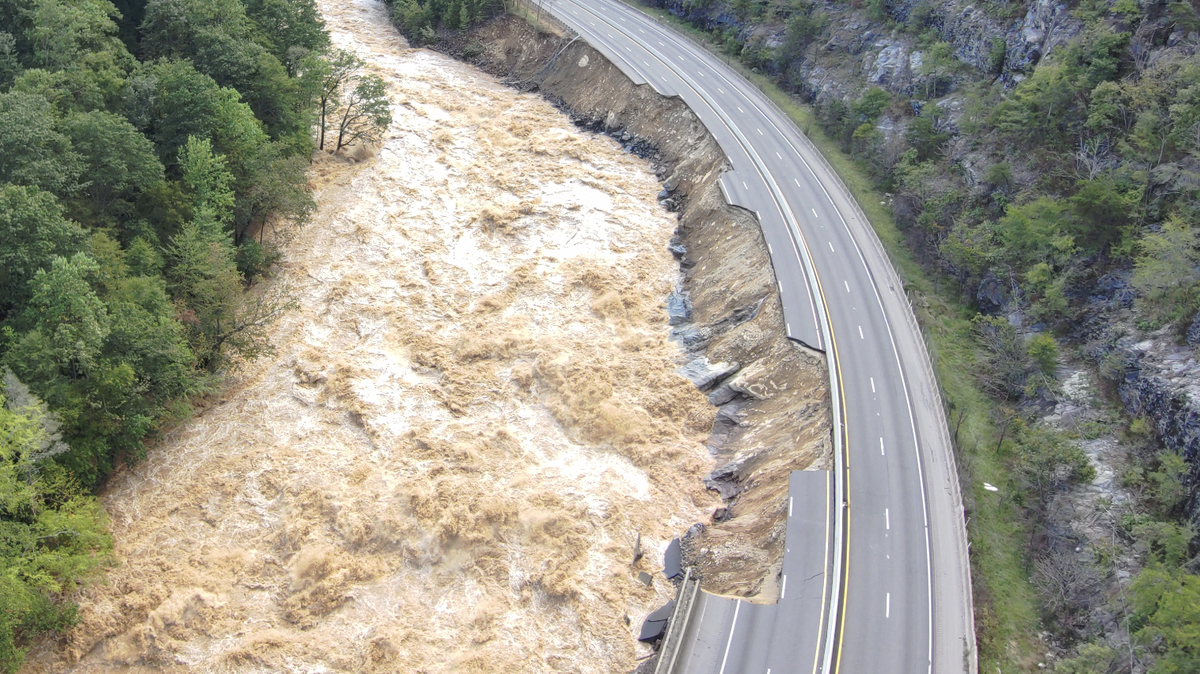
Those closures include multiple sections of Interstates 40 and 26 around Asheville, the main arteries for traveling through the mountainous region. One section of the eastbound lane of I-40, three miles from the Tennessee border, washed out and fell into the Pigeon River.
“At this point, we’re still advising people not to travel in Western North Carolina,” said NCDOT spokesman Jamie Kritzer. “We’re still assessing what the damage looks like but in many spots, the recovery effort will be long term and labor intensive.”
Of the 400 closed roads, Kritzer said 64 were primary roads, the state’s designation for significant roadways, including highways and interstates. Those closures could impact recovery efforts.
Water supply down, outages widespread
In Buncombe County, I-40 and I-26 were impassable in multiple locations, emergency officials said at a news conference Saturday morning.
A boil-water advisory continues for Asheville. The county also has no cellular coverage, with no estimated restoration time.
Jessica O’Brien has lived in the Asheville area for 25 years, and what she saw this week was “much worse” than the flooding she saw in 2004 after Hurricane Frances, she said.
She doesn’t expect to get running water back until next week. And when her boss in another state questioned why she couldn’t open the store she manages, she drove to Marshall to prove a point.
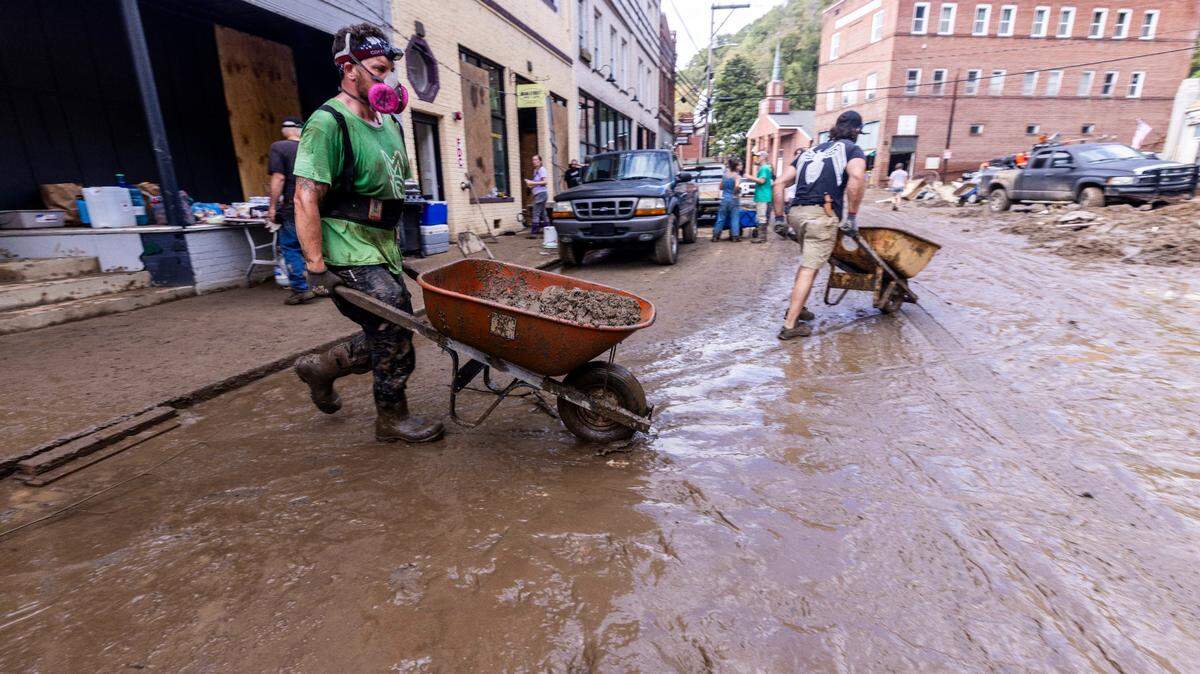
She took videos and pictures — the courthouse flooded, businesses flooded, everything flooded.
“It was fully engulfed,” she said.
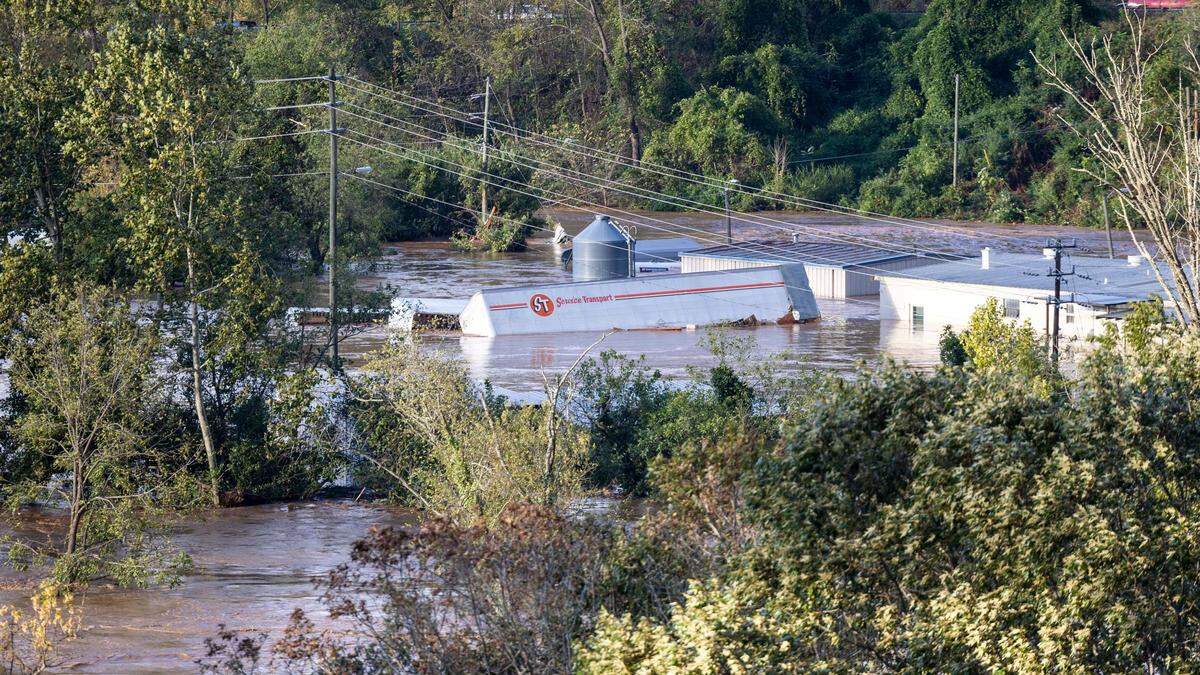
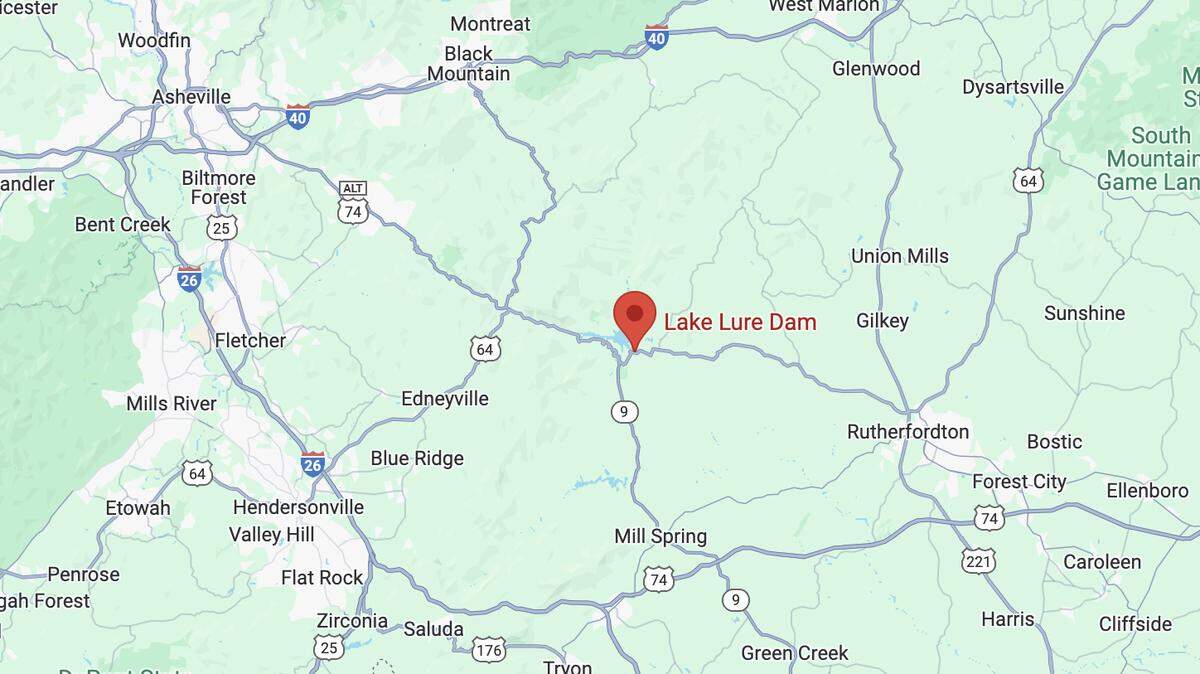
In one of Friday’s most harrowing moments in western North Carolina, an alert was sent out Friday afternoon that the Lake Lure Dam in Rutherford County was set to fail at any moment, with residents below the 100 foot structure ordered to evacuate.
Hours later the Lake Lure Dam continued to hold.
Water levels throughout the Western region reached historic levels of flooding. The Pigeon River crested at more than 25 feet near the Canton station.
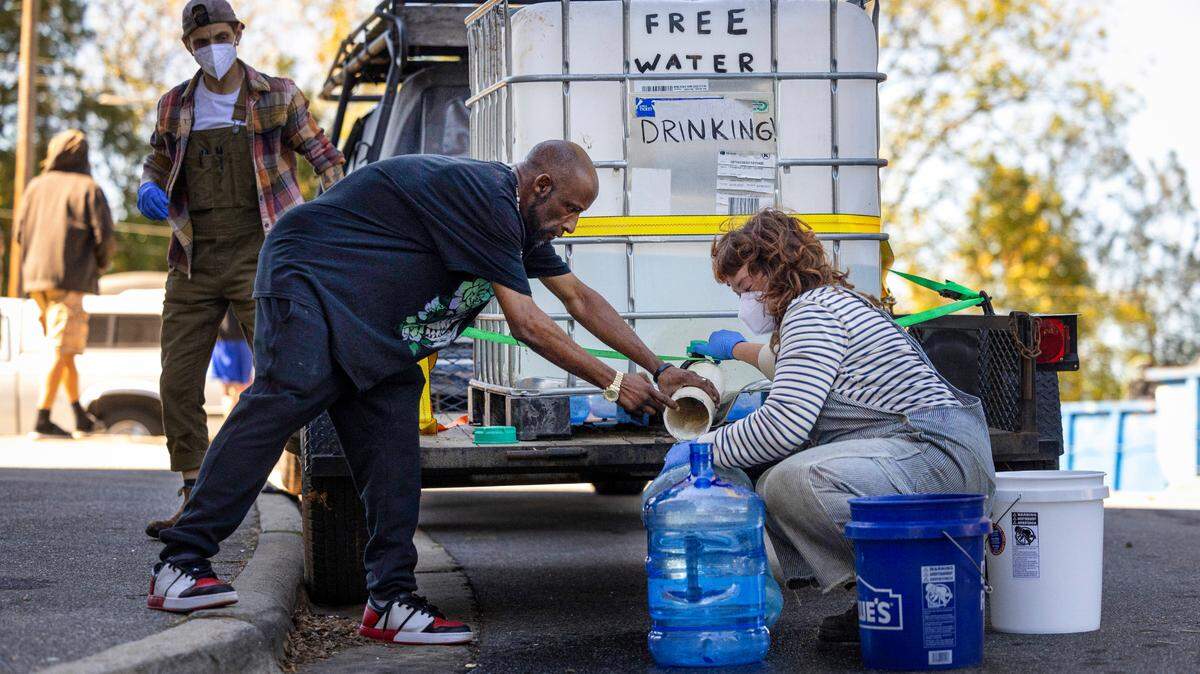
People living through the chaos on Saturday were doing what they could to cope.
In the town of Hot Springs, where the swollen French Broad river had closed the Bridge Street Bridge, residents met at Sara Joe’s Gas Station Saturday morning to try and figure out a way around the road closures. The gas station had posted on its Facebook page Friday afternoon that there was free ice in the cooler and that people could take some if they needed it.
A few hours after that message the French Broad River rose to more than 20 feet, reaching major flood level, according to a water data station in Hot Springs. On Saturday afternoon, the river remained at 15 feet deep.
At the Asheville station, the French Broad peaked at 24.67 feet Friday evening, a level surpassing the Great Flood of 1916, which the city says crested at 21 feet and killed 80 people.
An eye on getting to work
With interstate highways, local routes and even favored back roads closed by fallen trees or errant rivers, working people in Western North Carolina who need to be on the job on Monday were like bees in flight on Saturday.
Billie Bradley said she planned to stay in or near Shelby until the power comes back on at her house near Fletcher a week from now. Or two weeks. Who even knows, Bradley said.
She and her neighbors chainsawed their way out of the neighborhood and lit out for the homes of friends or family with spare rooms and city water. Rural wells need pumps and pumps need electricity.
Bradley had to piece together a route to her job in Asheville at the Department of Motor Vehicles.
”We’re going to make a test run tomorrow,” said said, pondering a map with her husband outside the Taco Bell in Shelby Saturday afternoon.
”It’ll be fine, she said, relieved that no one in her neighborhood was hurt.
”We’ll figure it out.”
Charlotte Observer Staff Writer Ames Alexander contributed.
This story was originally published September 28, 2024 at 11:41 AM.









.jpg)

.jpeg)

.JPG)



















.JPG)