Tillis and Budd say active duty military leader should be assigned to Helene response
READ MORE
Hurricane Helene Aftermath
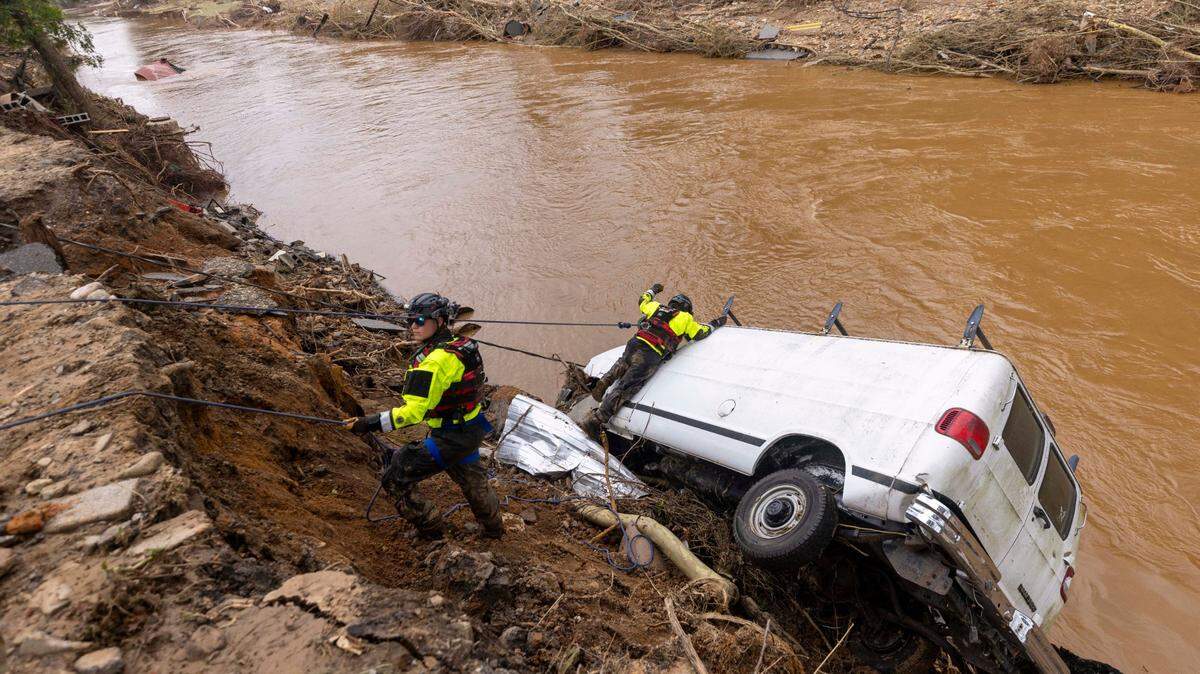
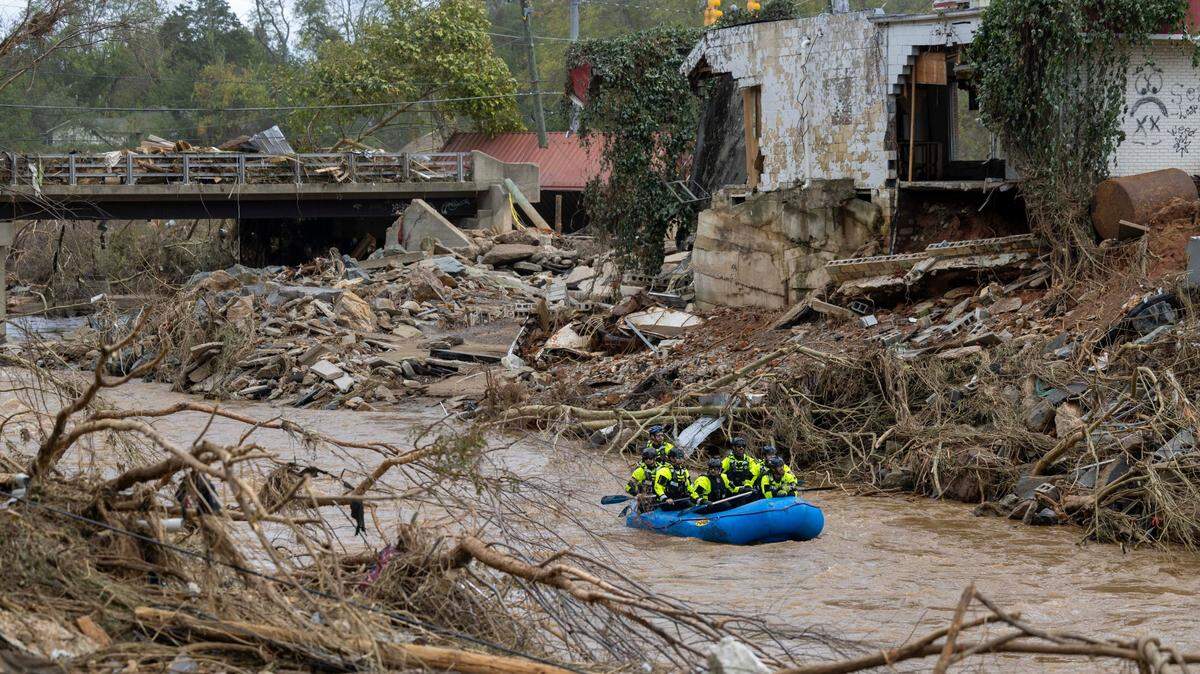
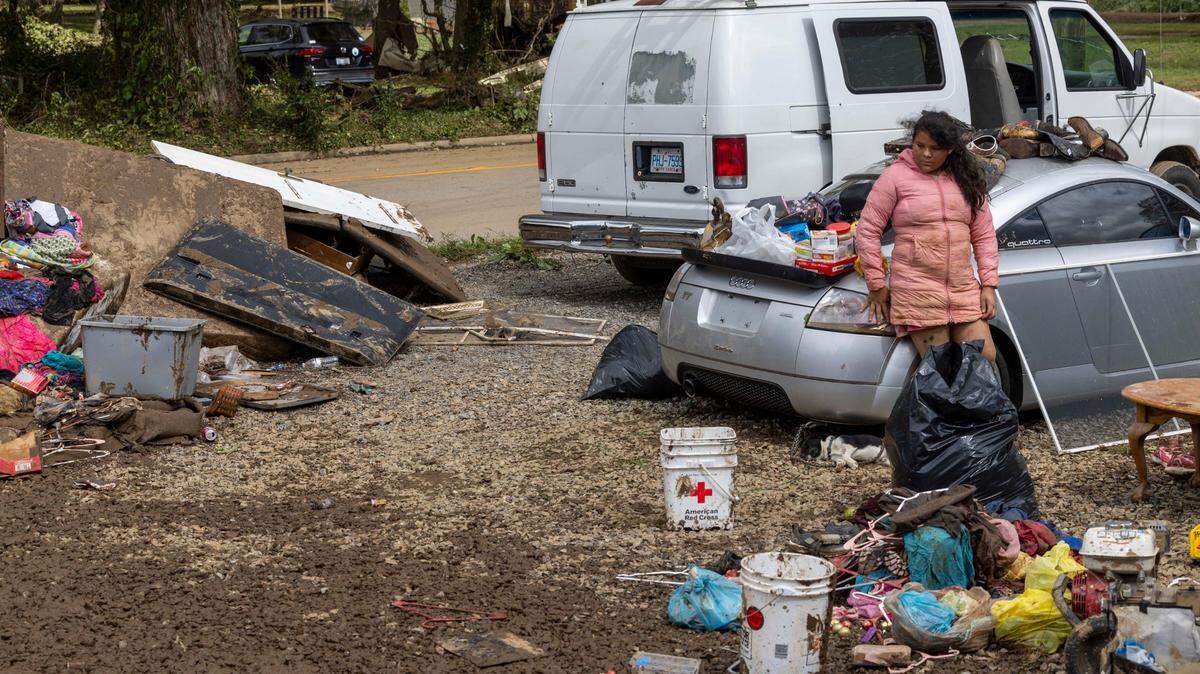
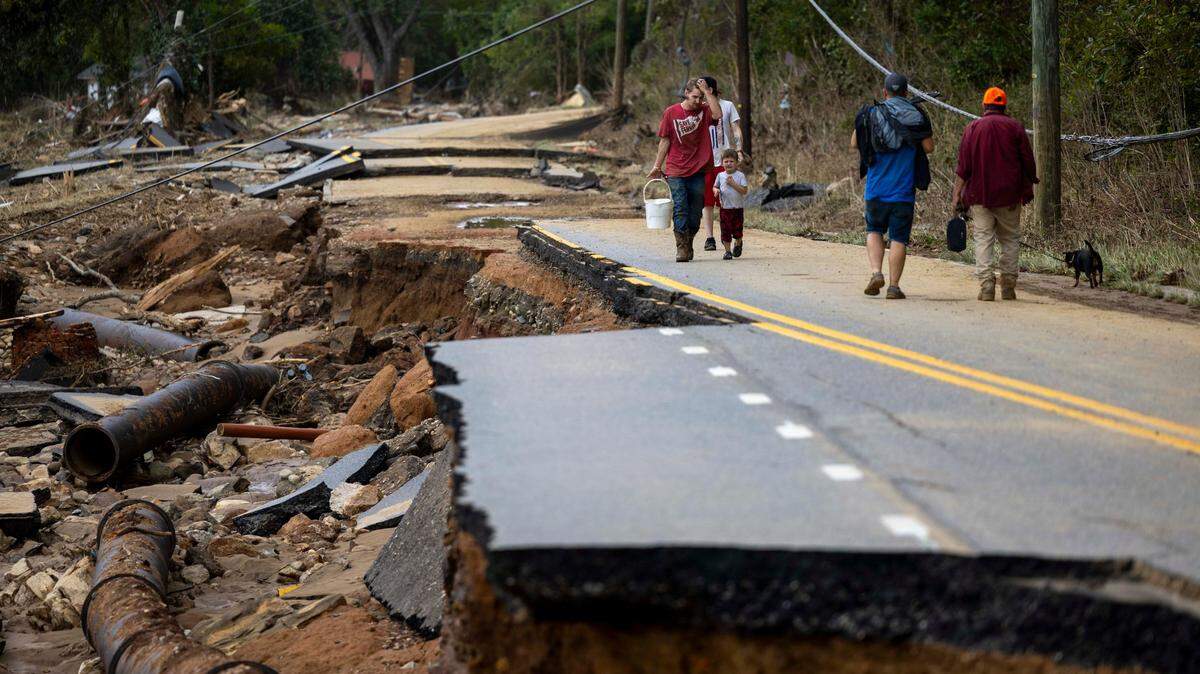
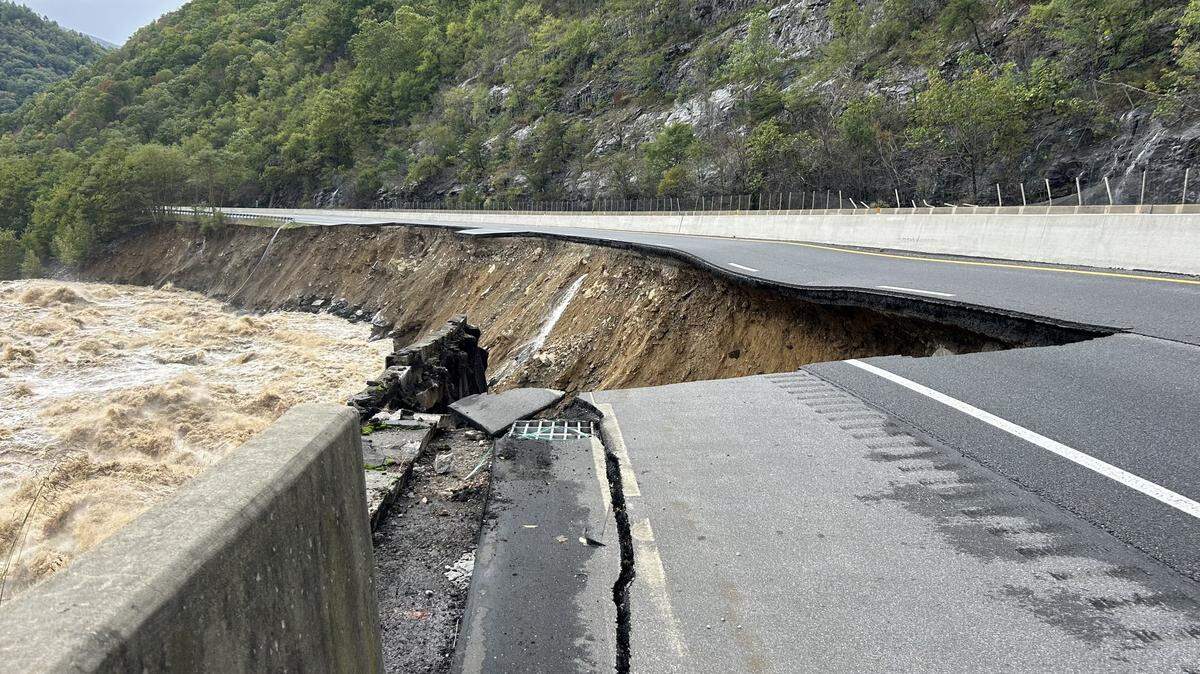
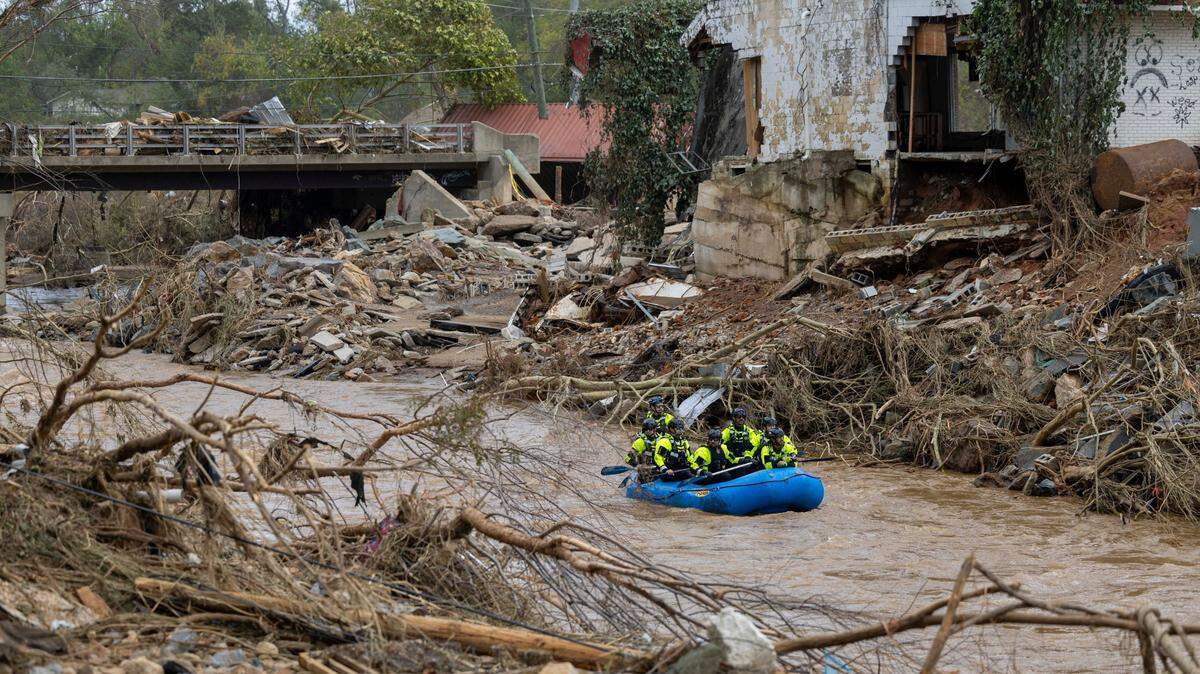
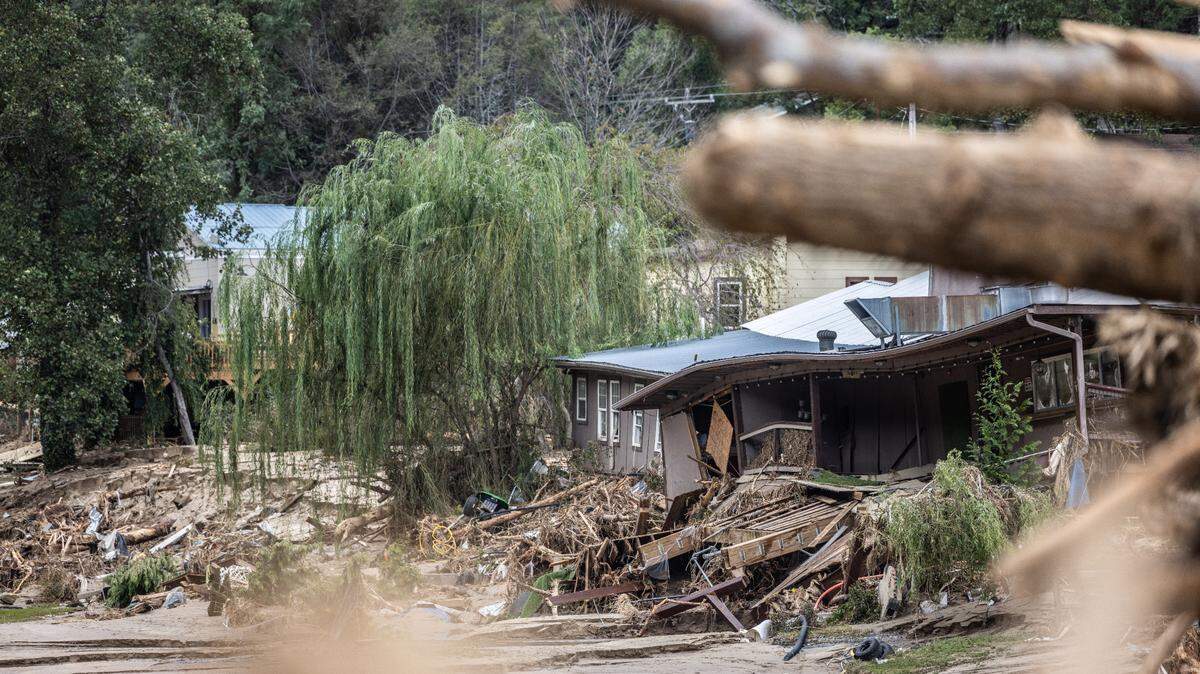
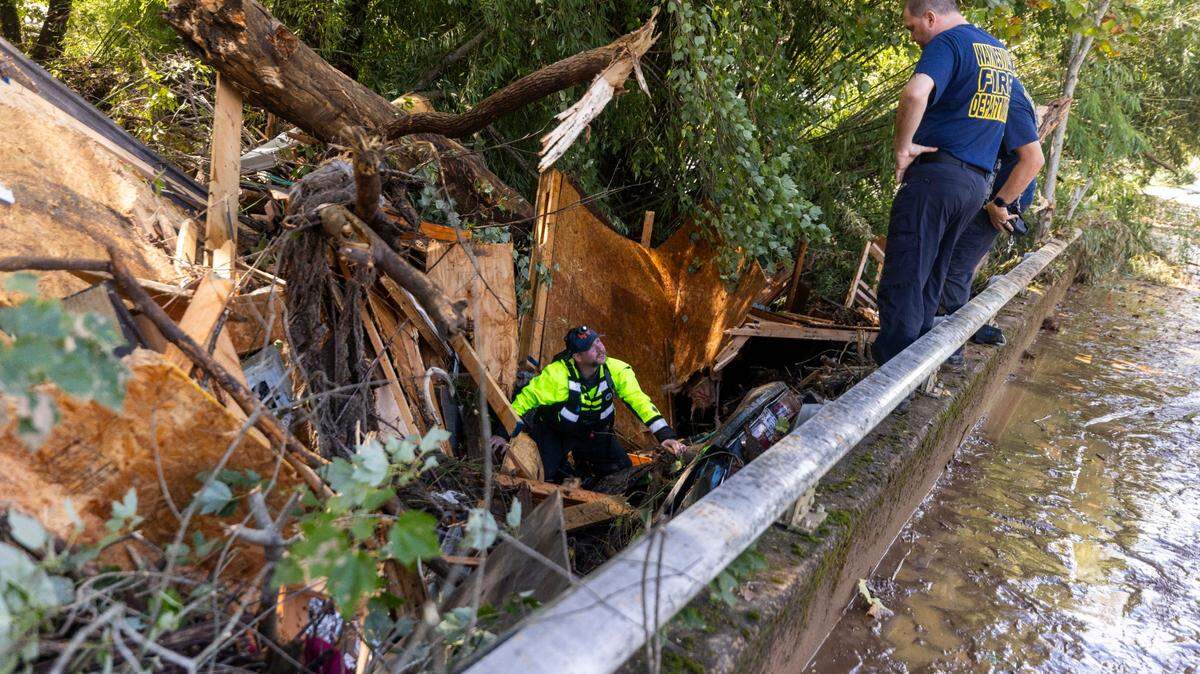
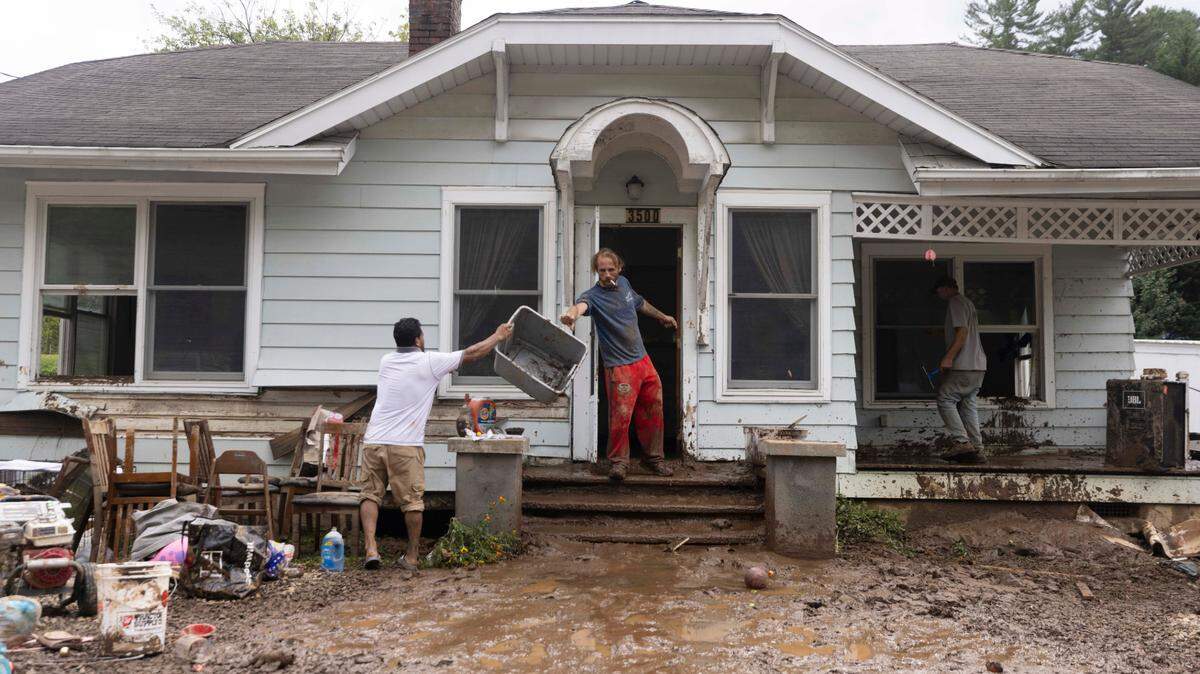
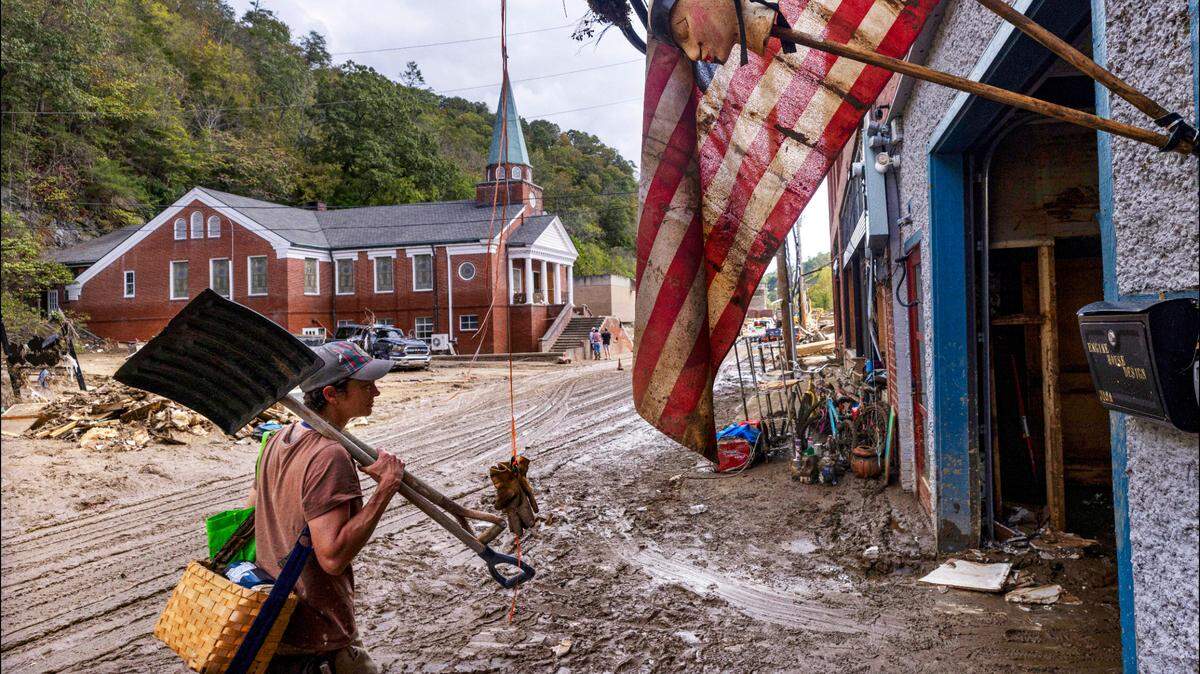
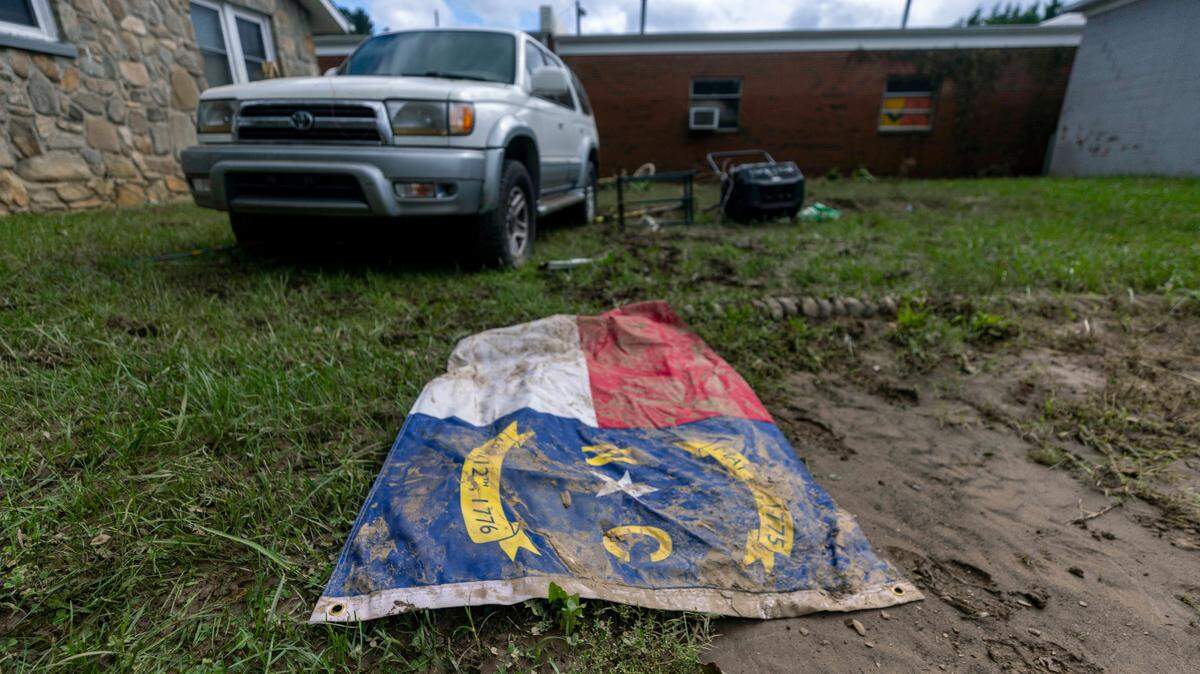
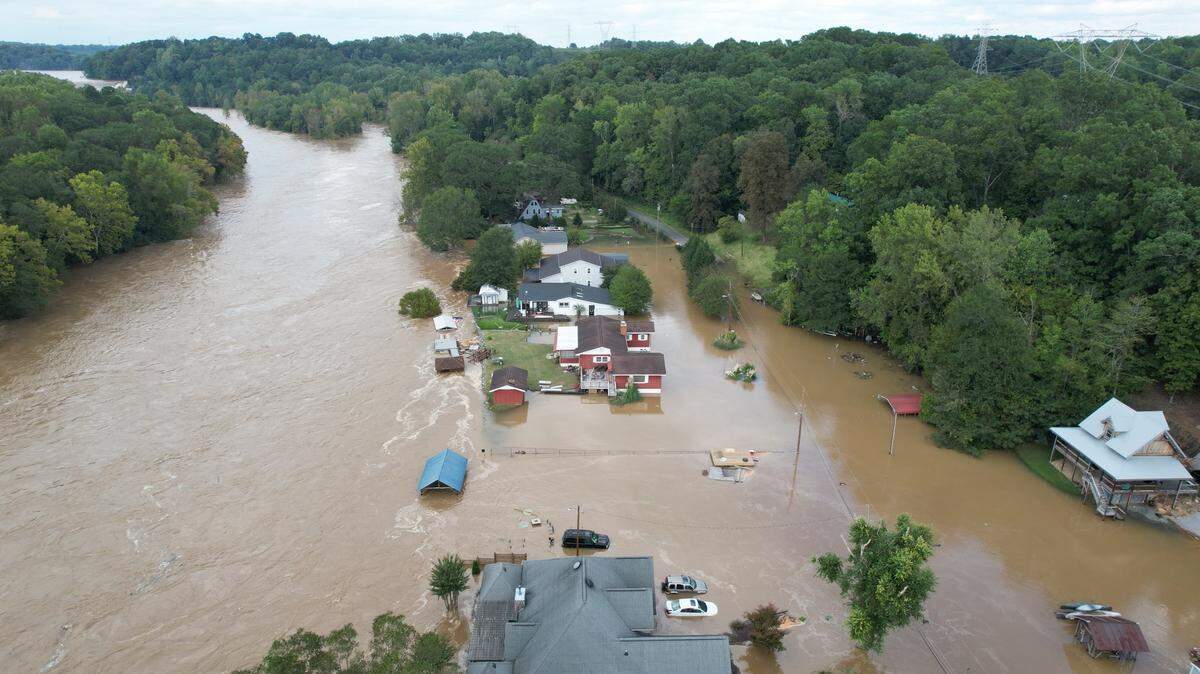
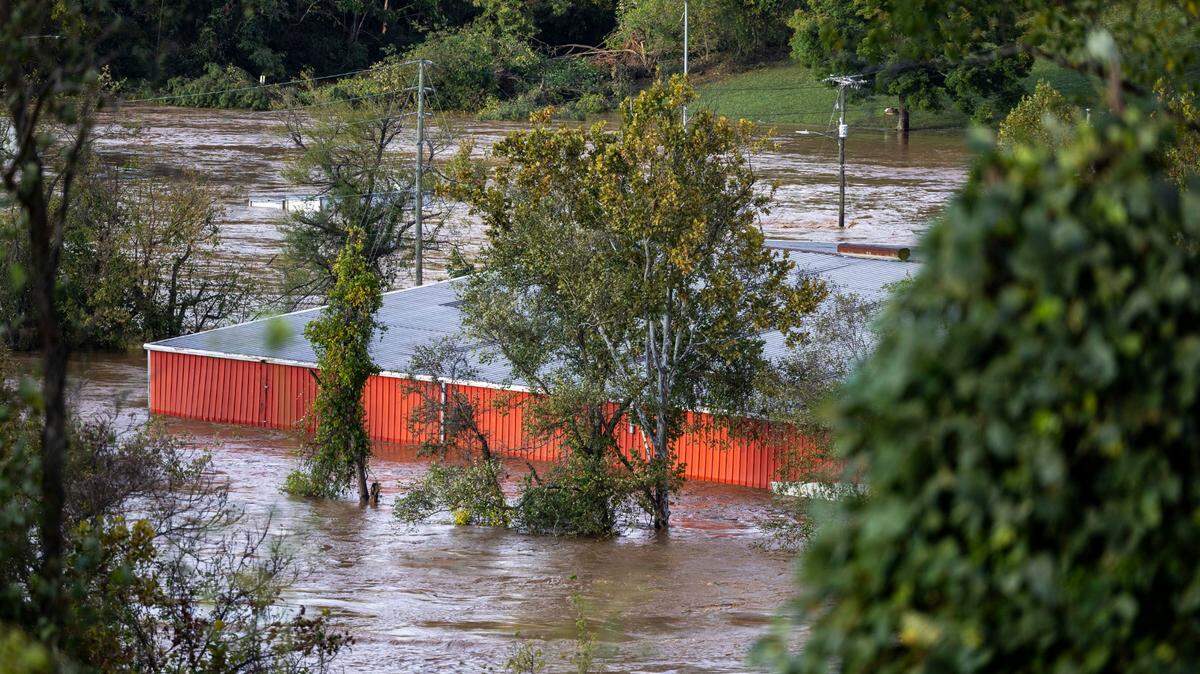
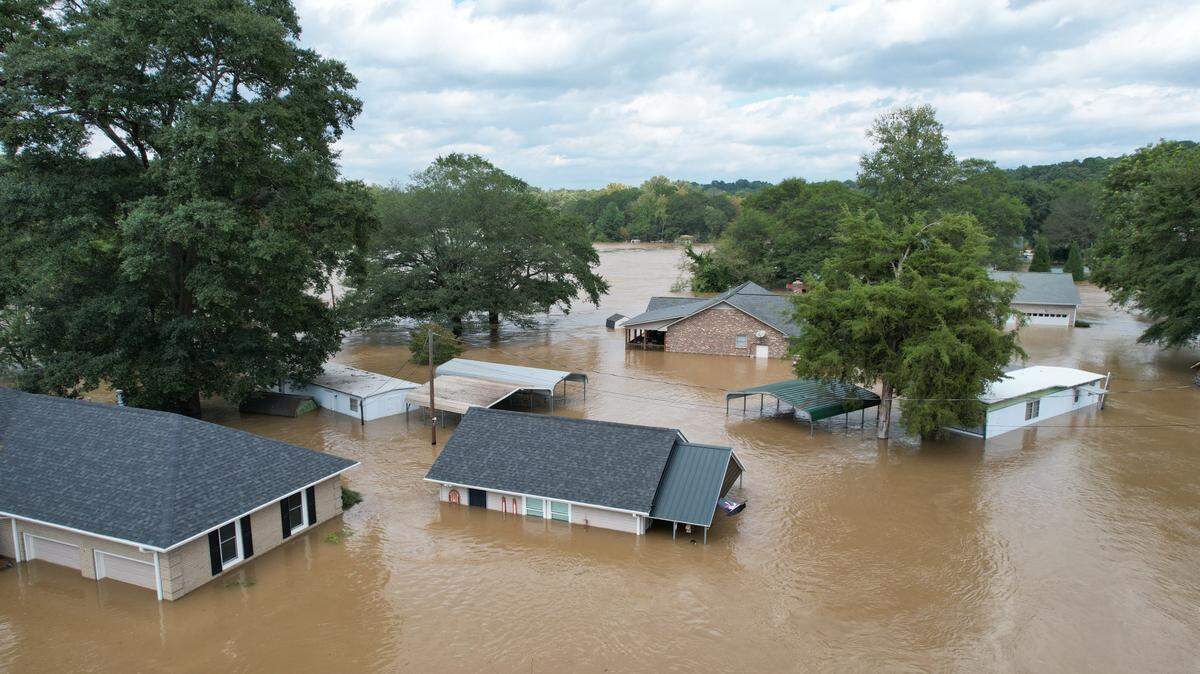
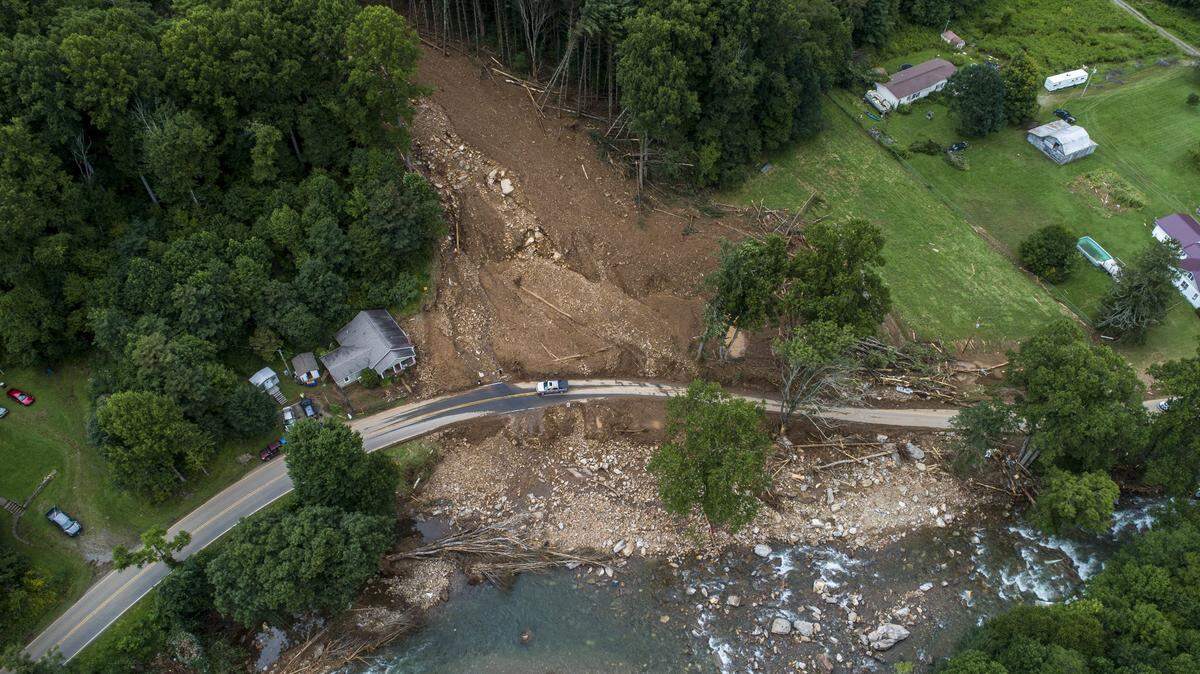
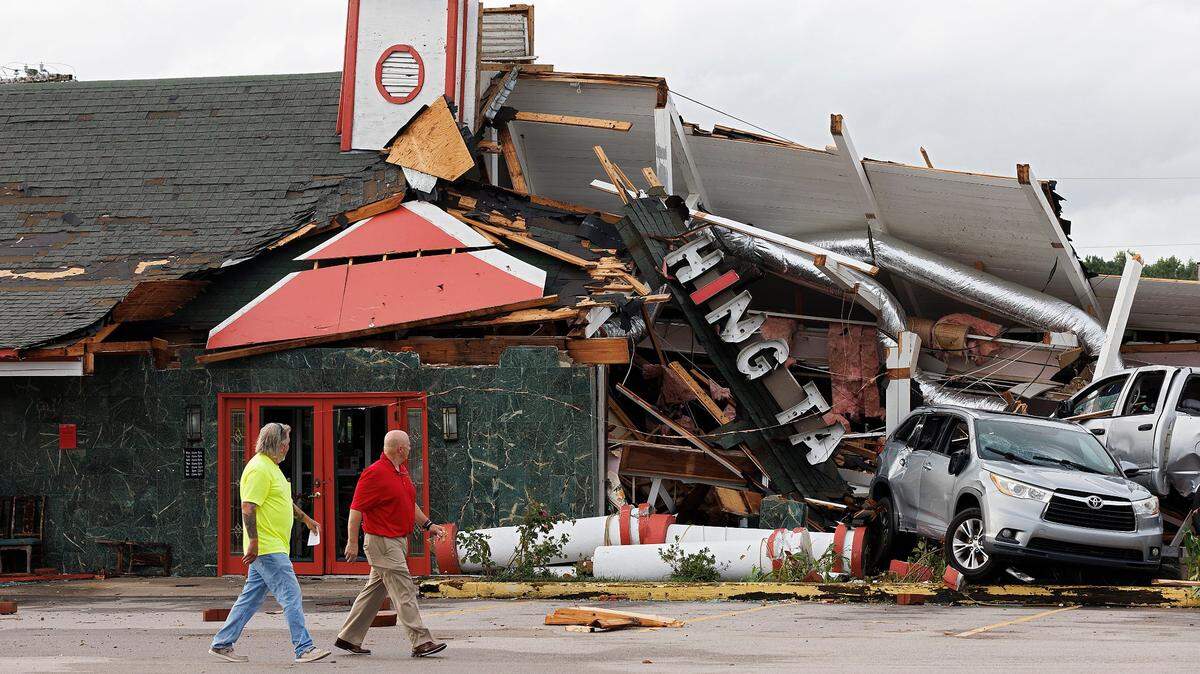
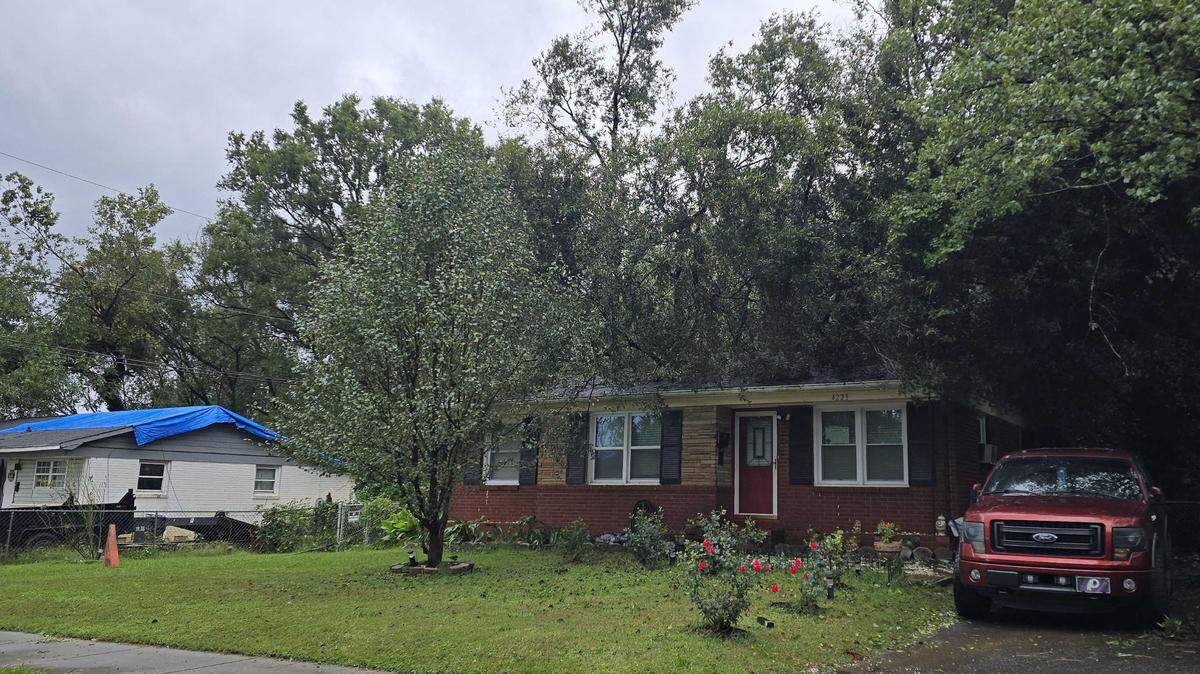
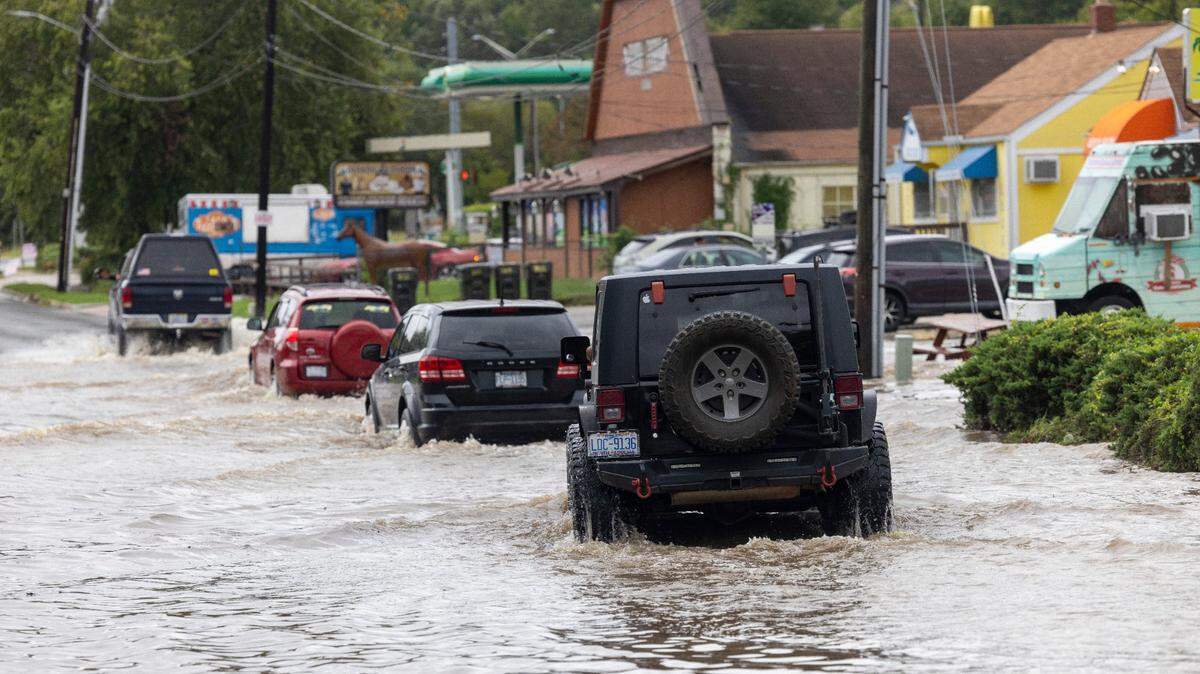
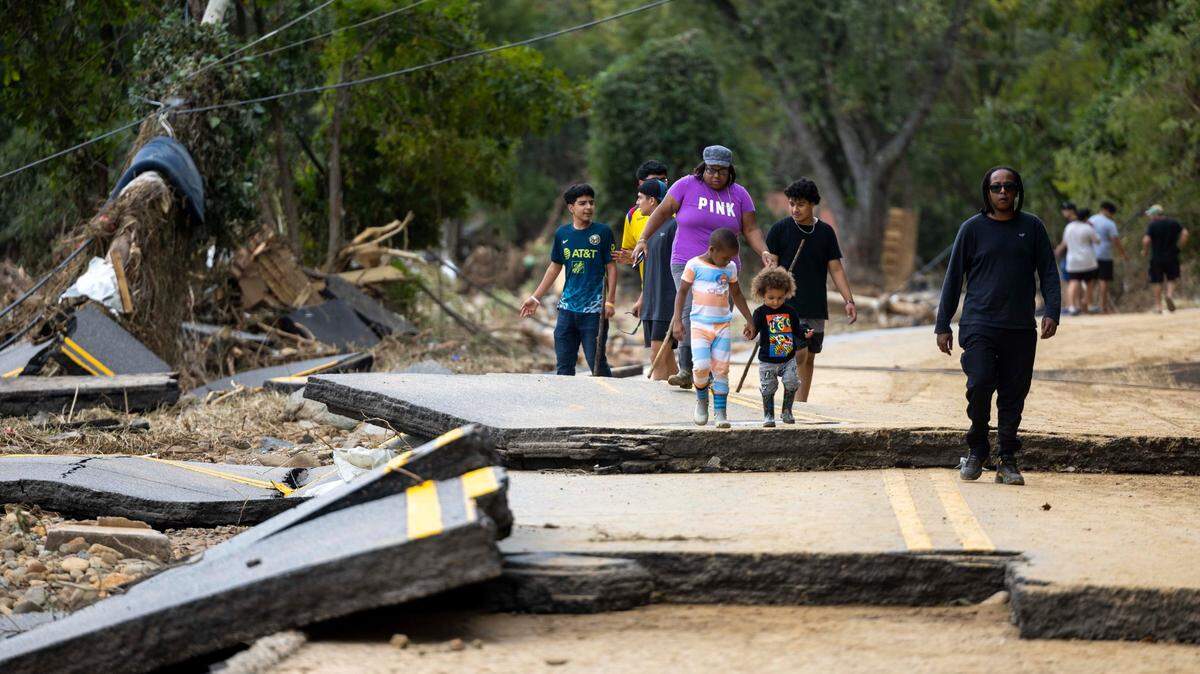
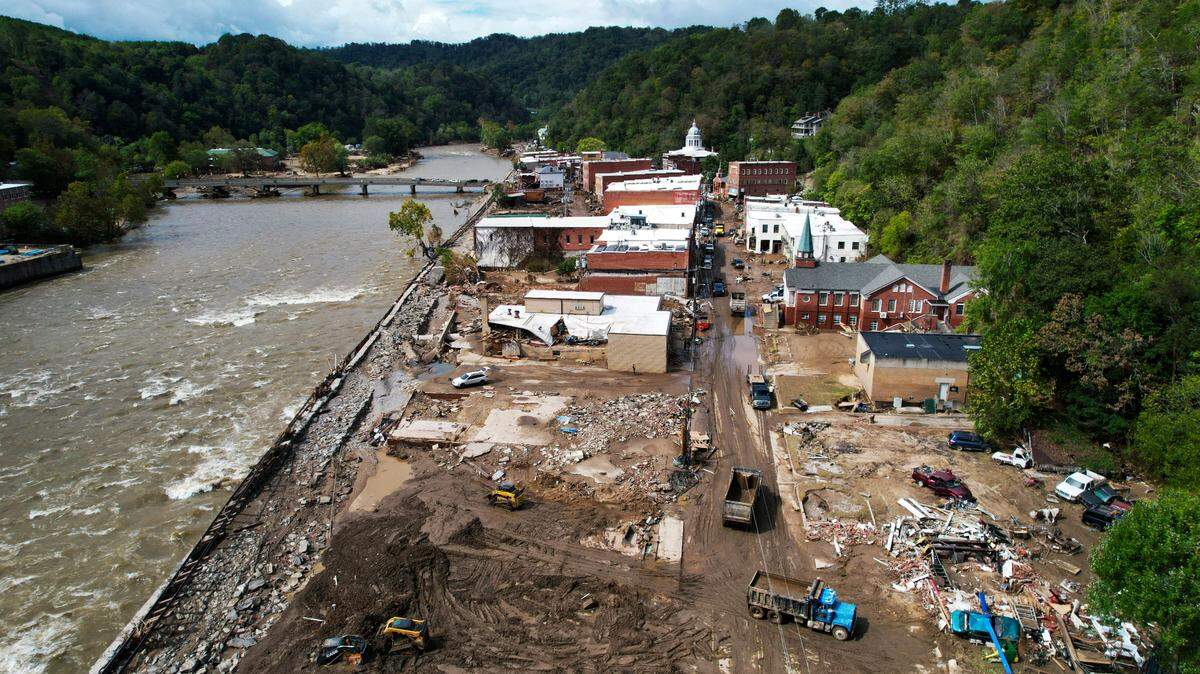
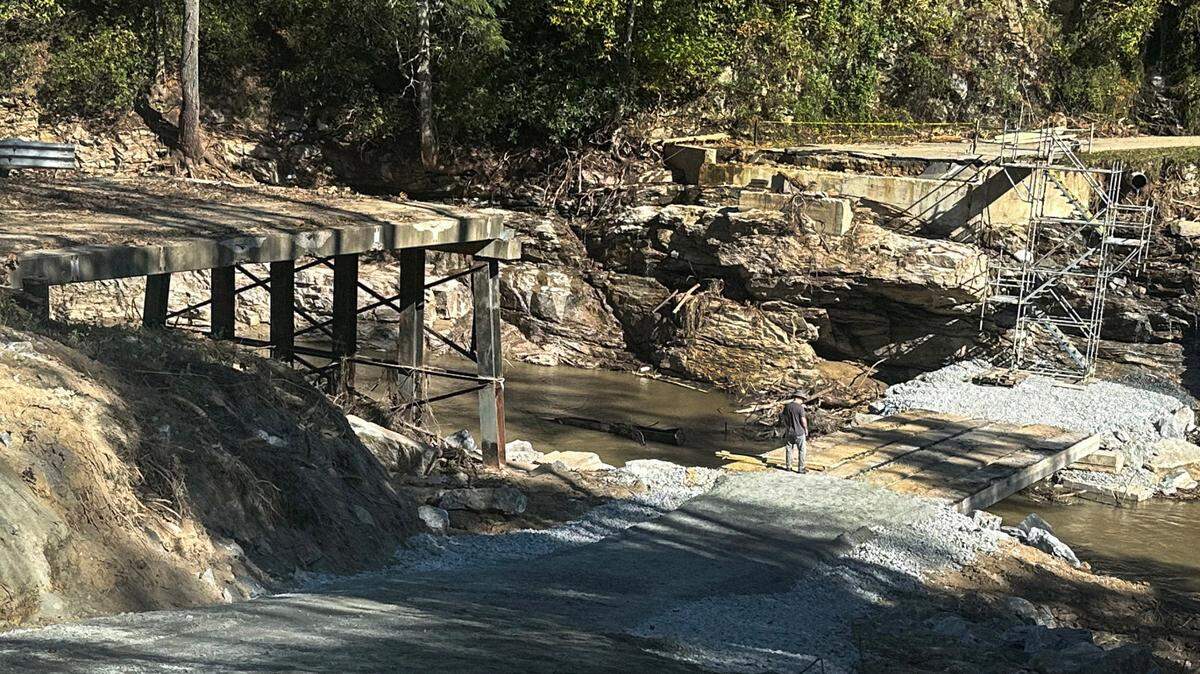
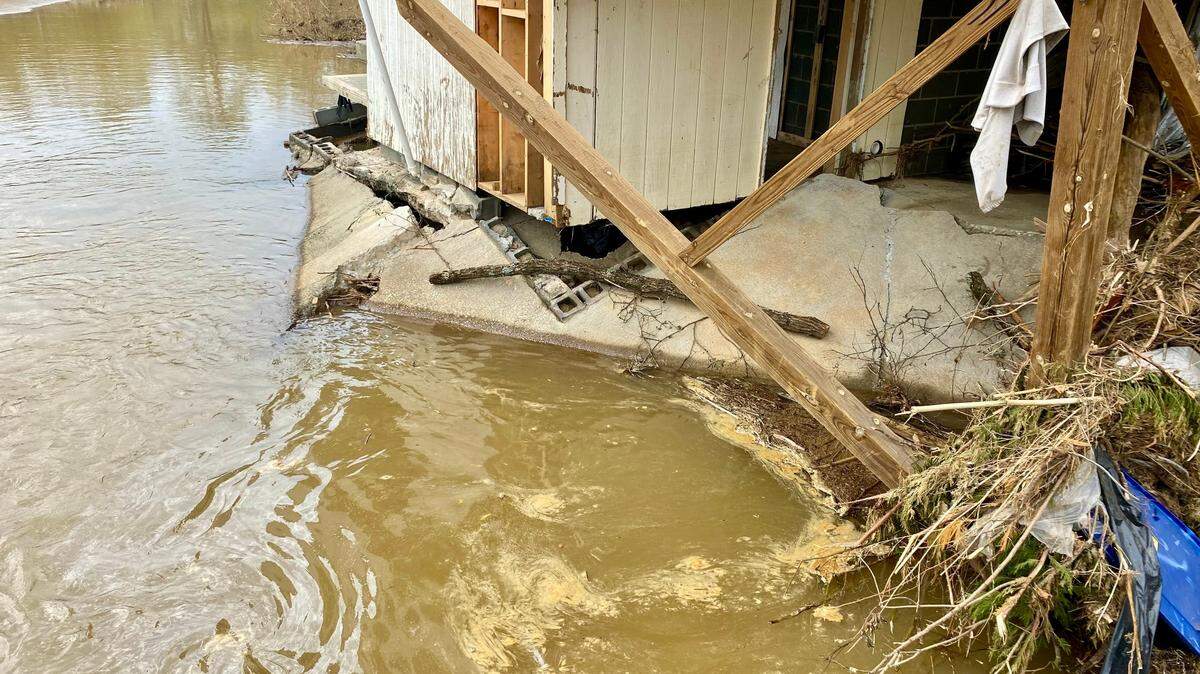
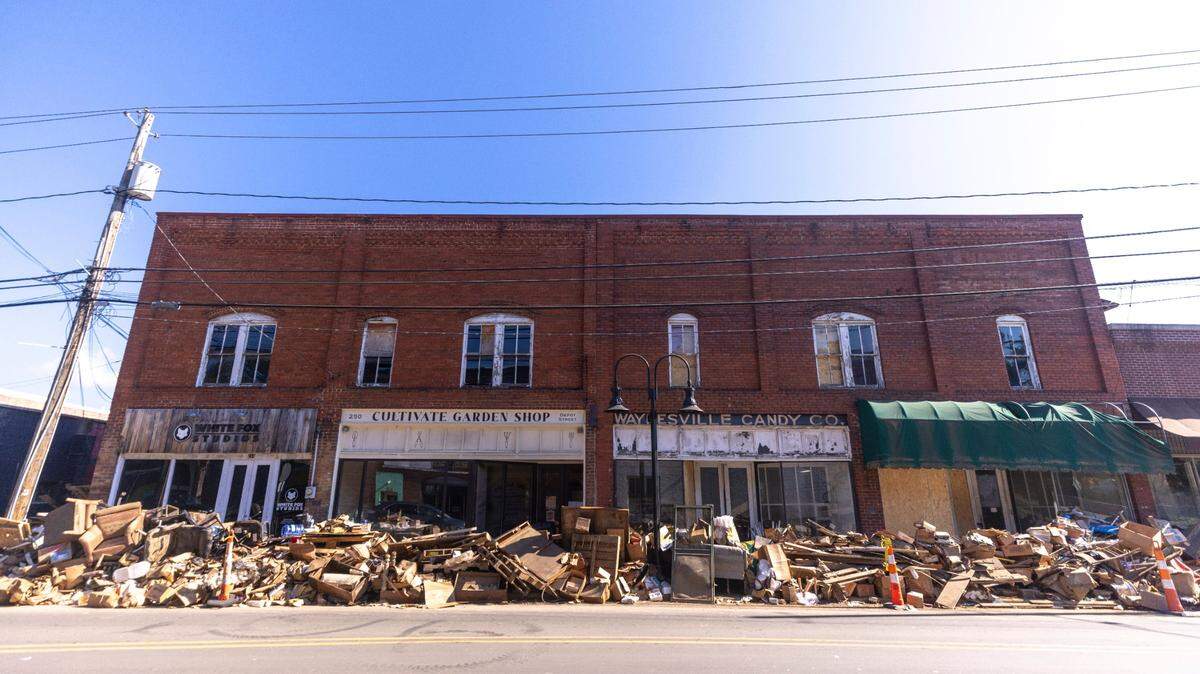
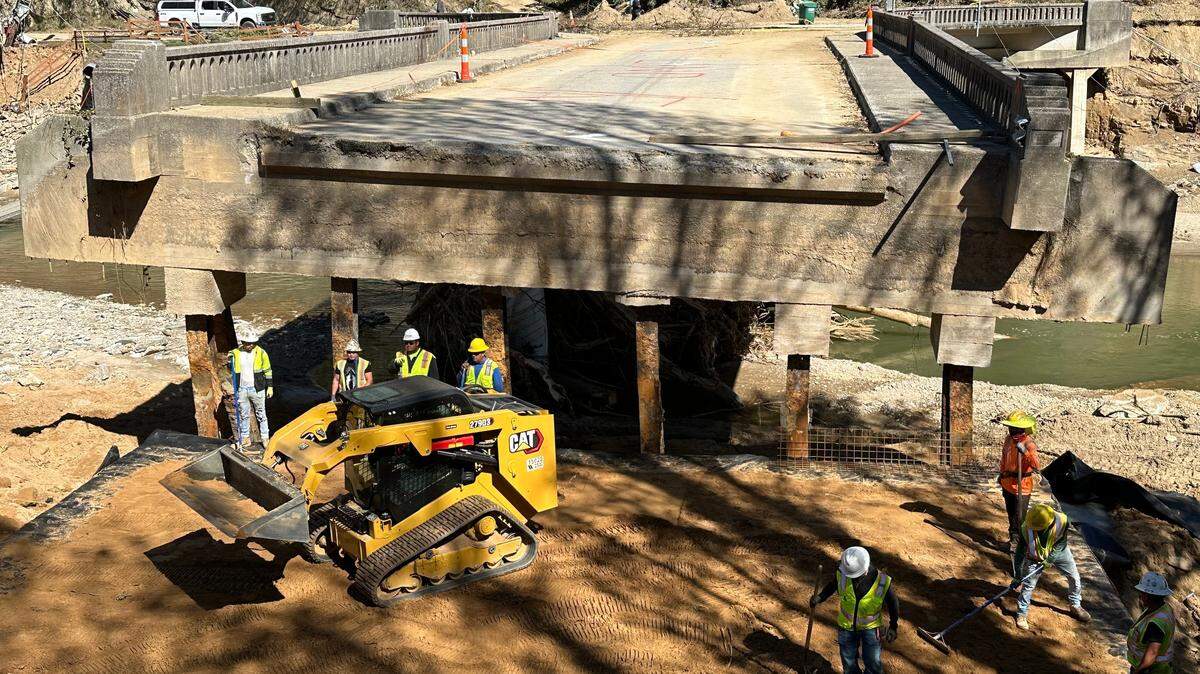
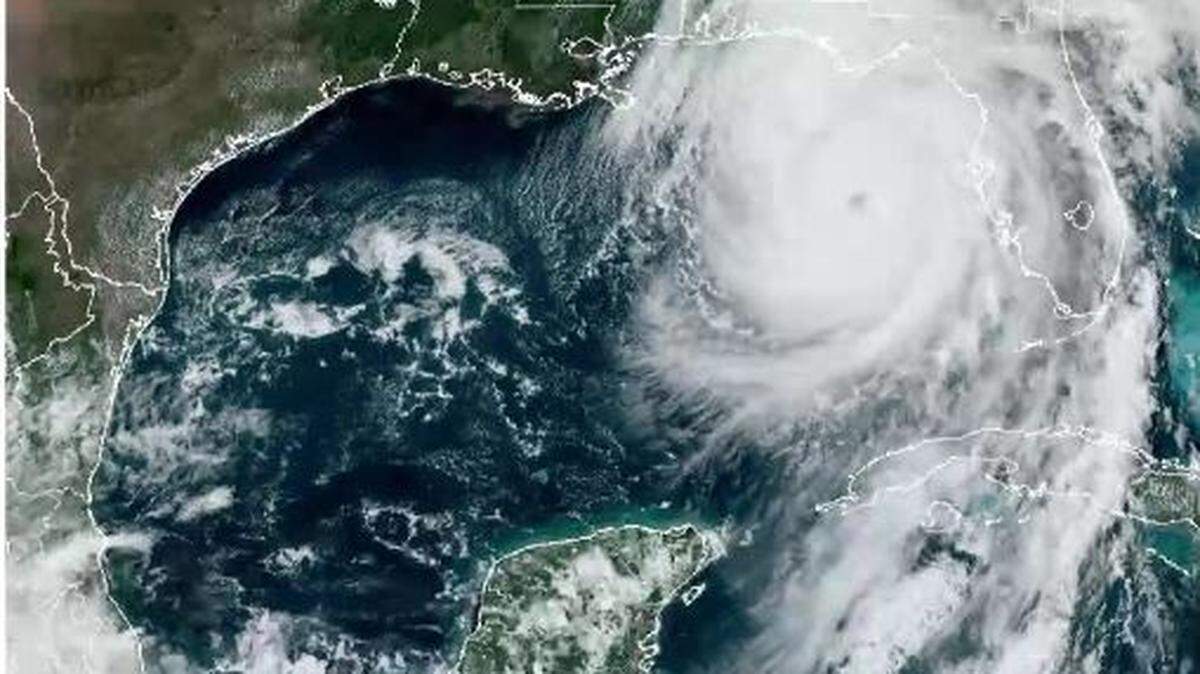
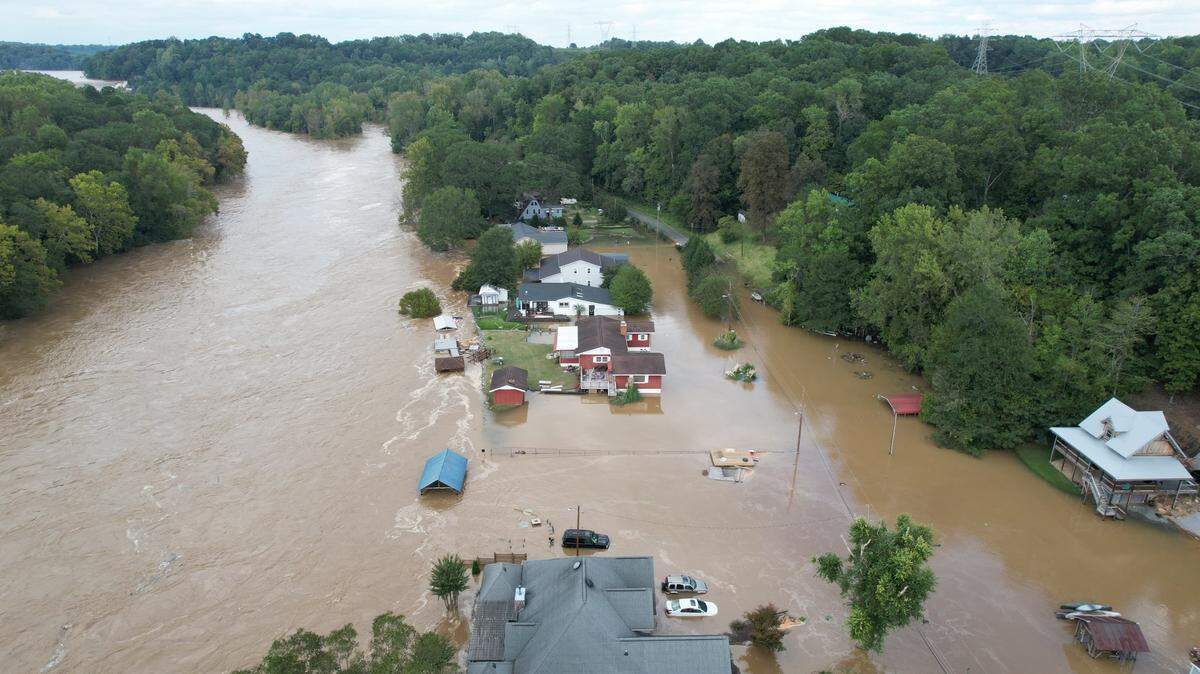
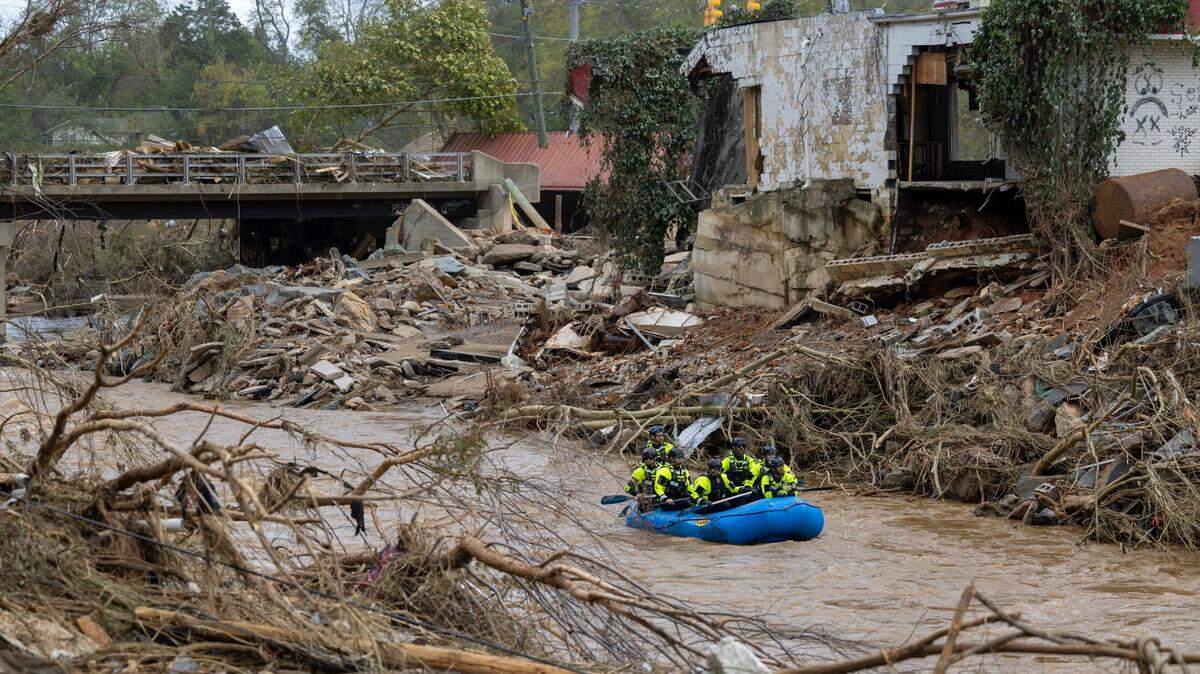
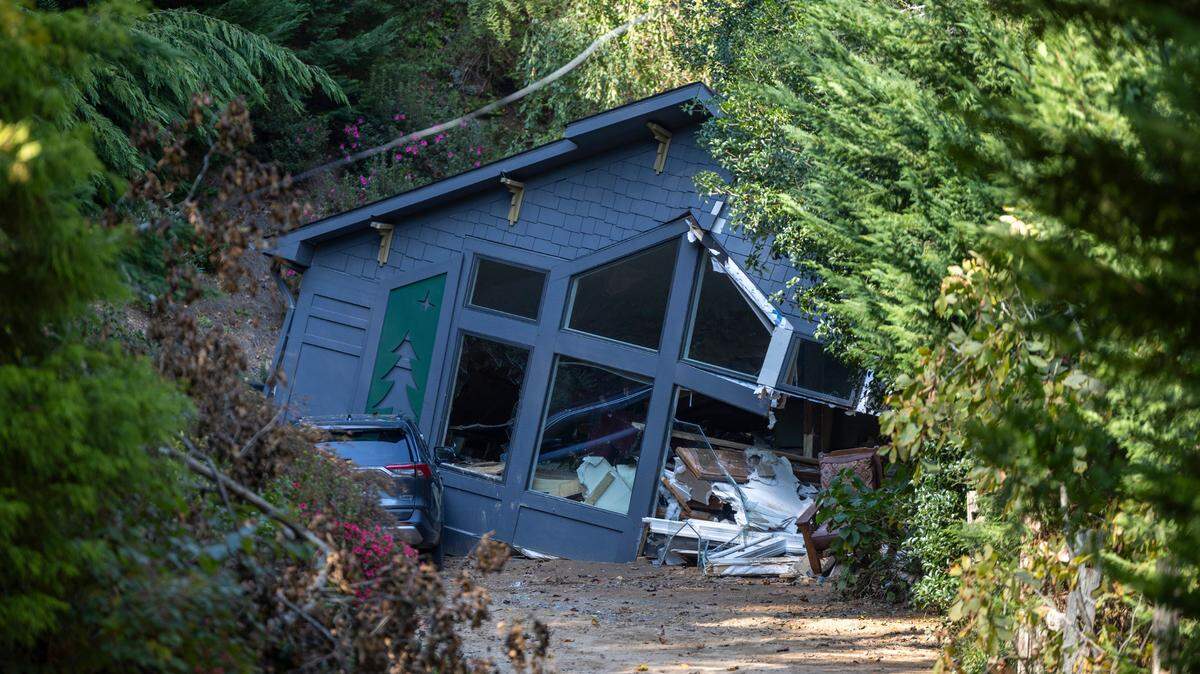
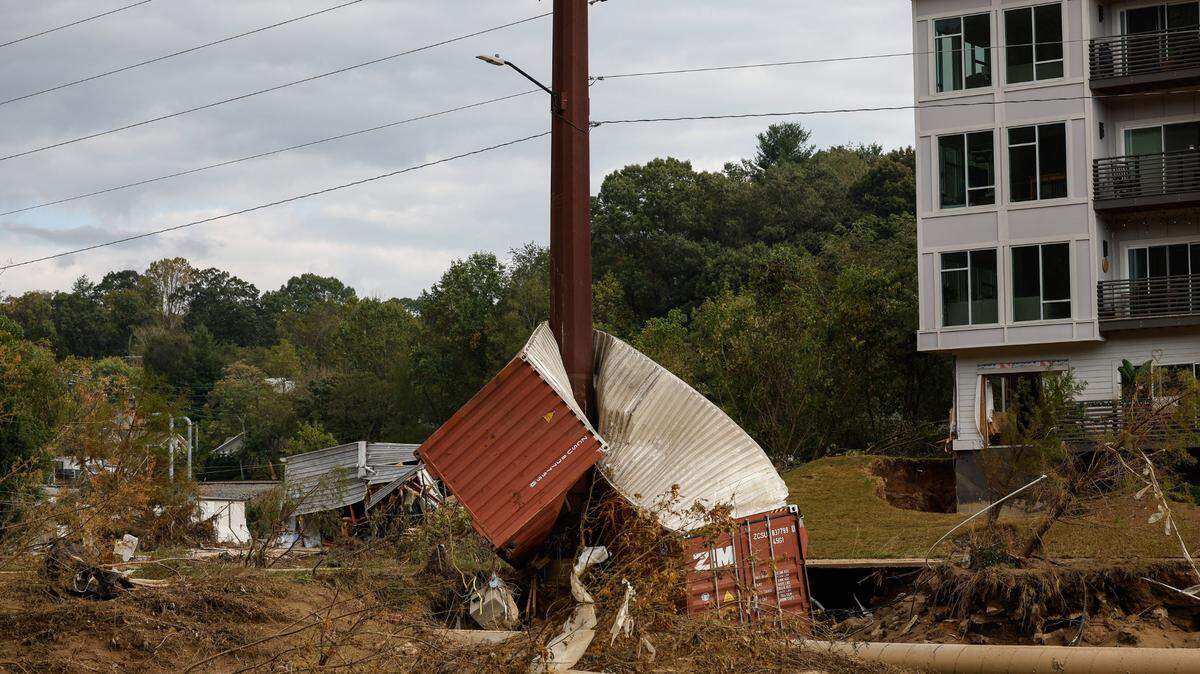
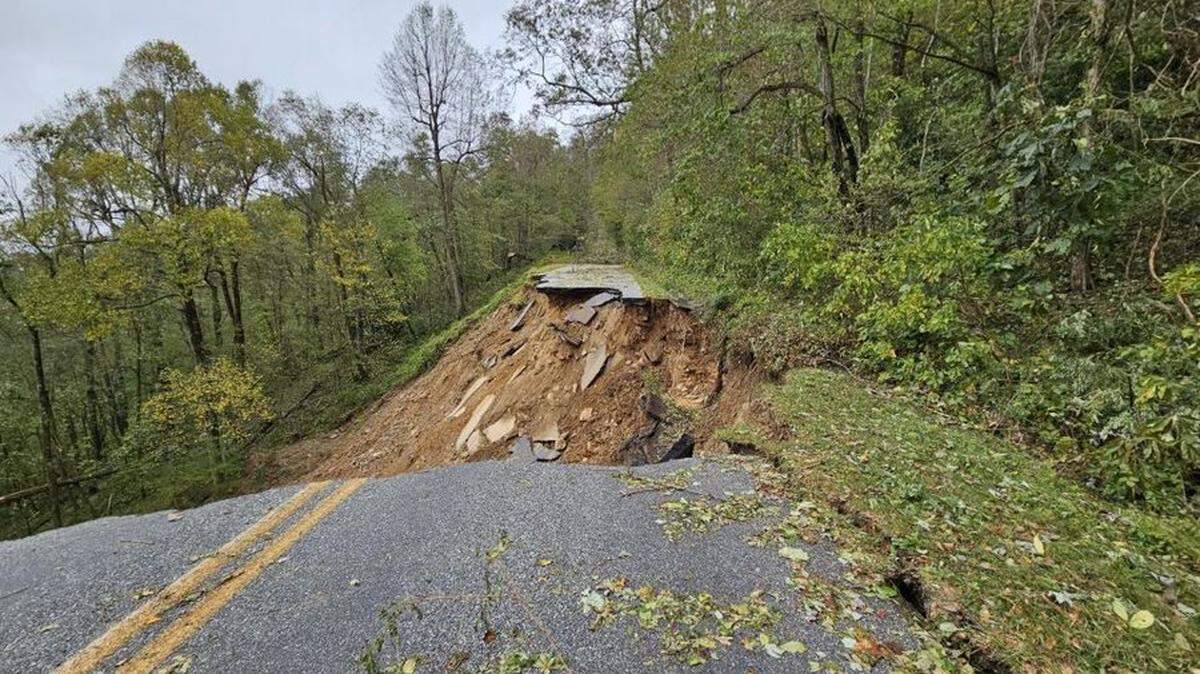
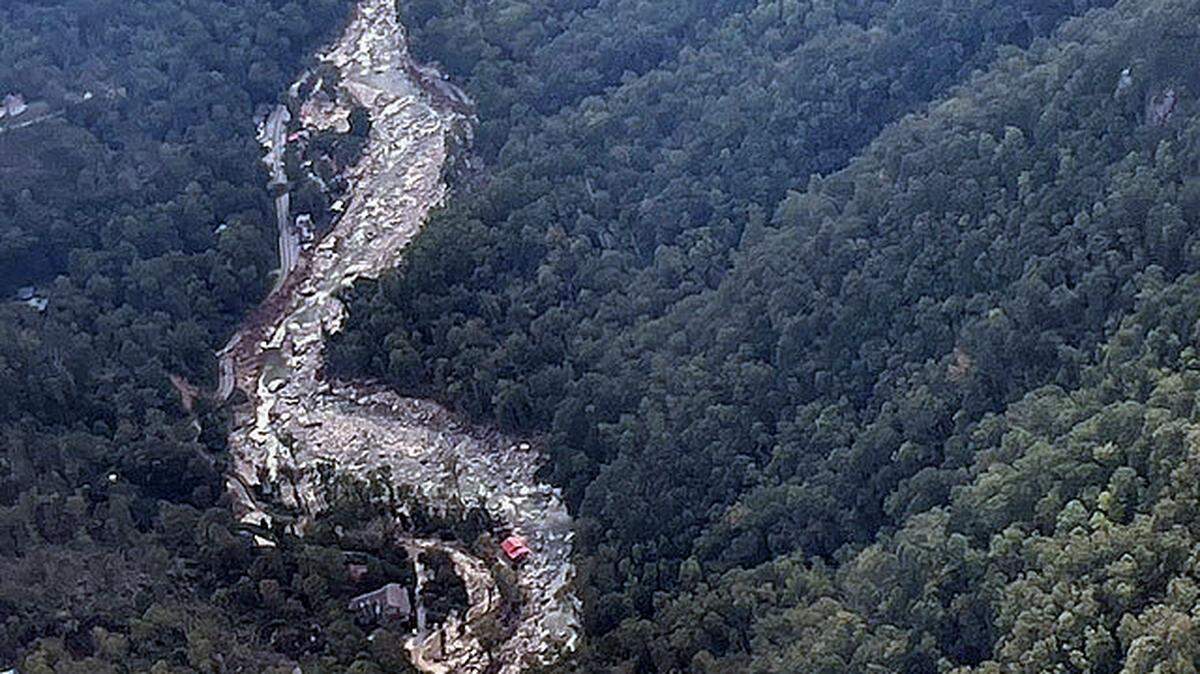
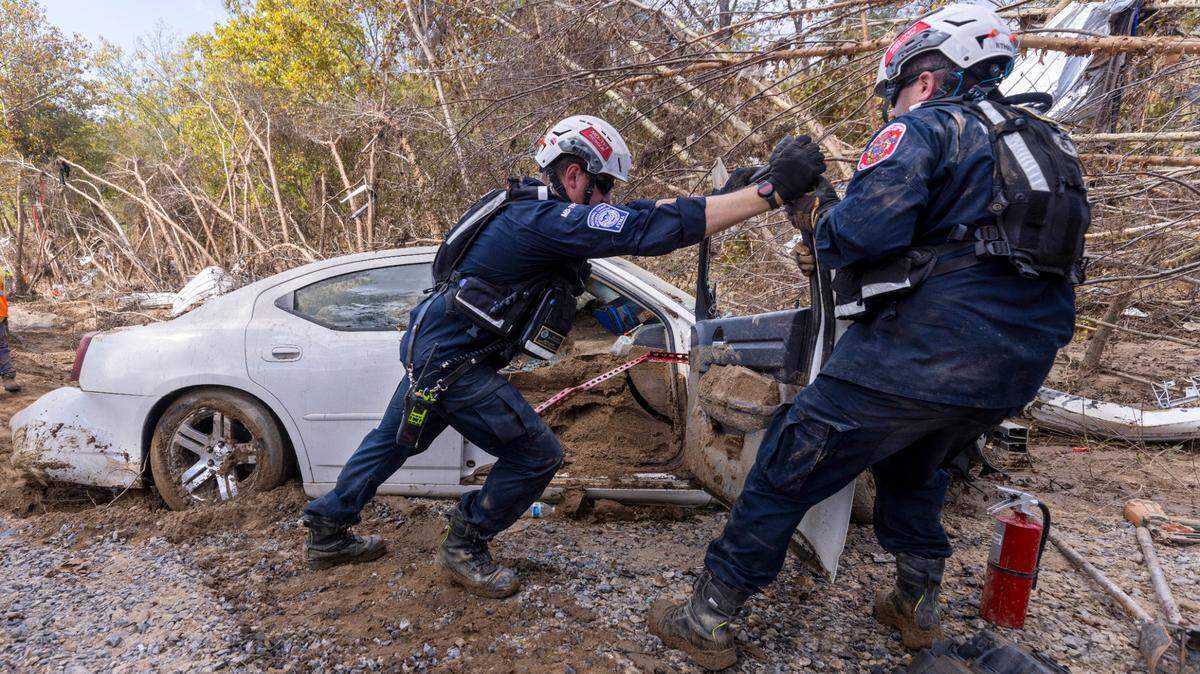
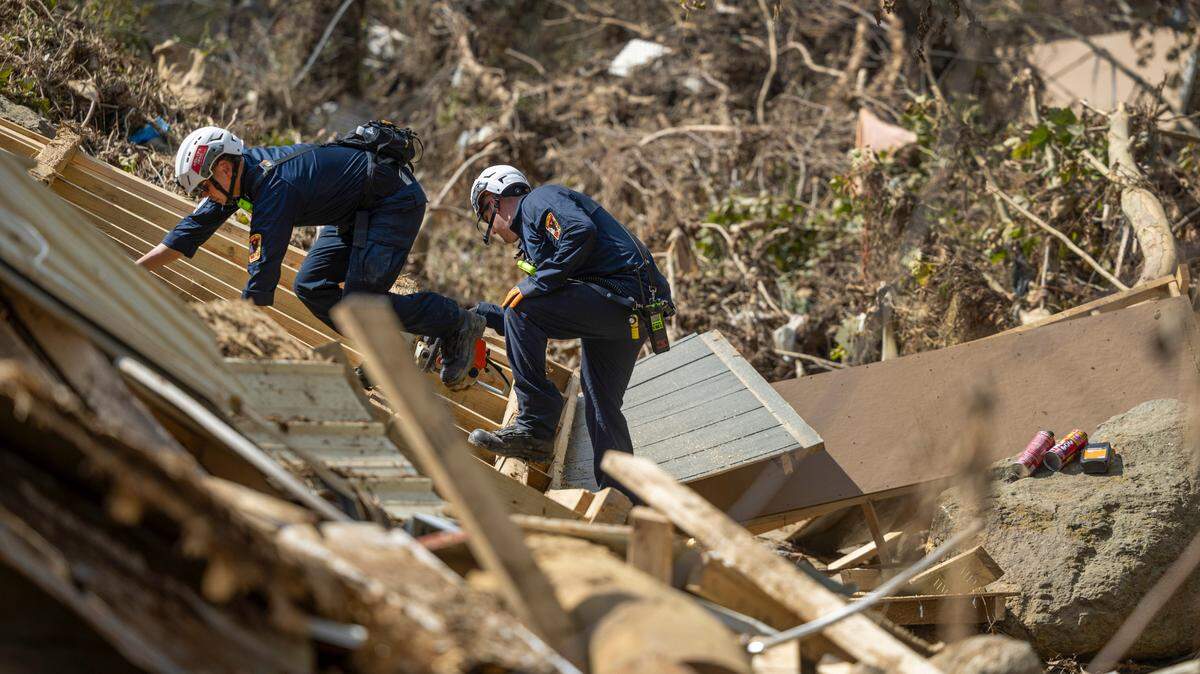
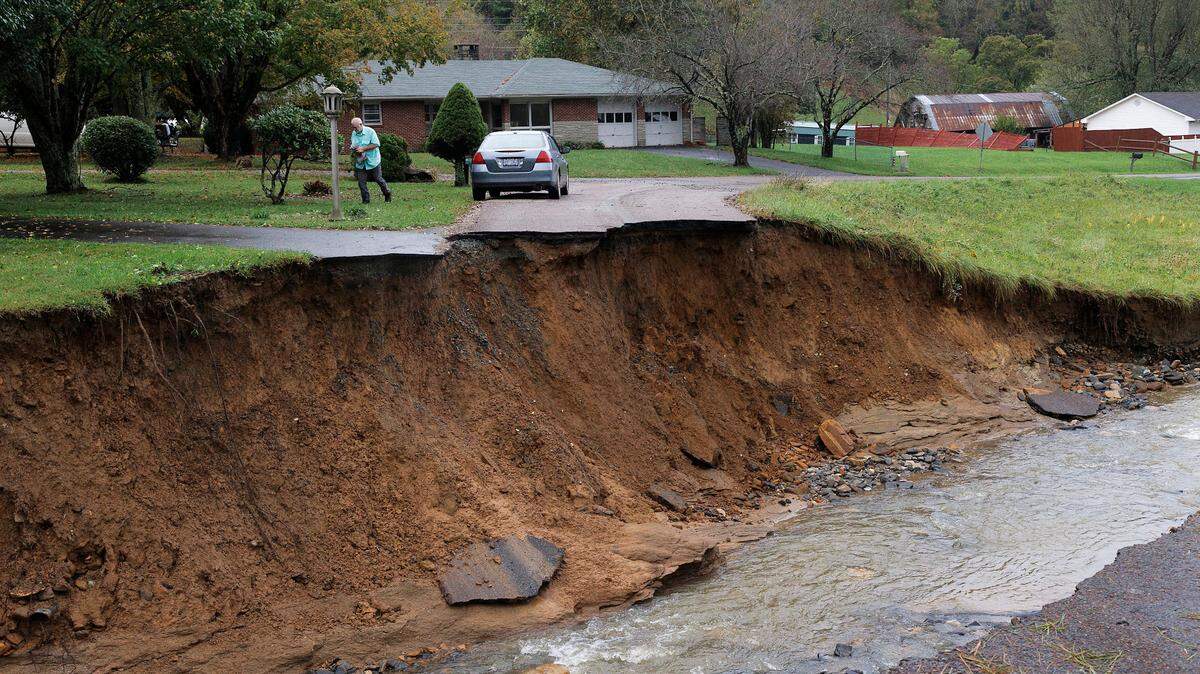
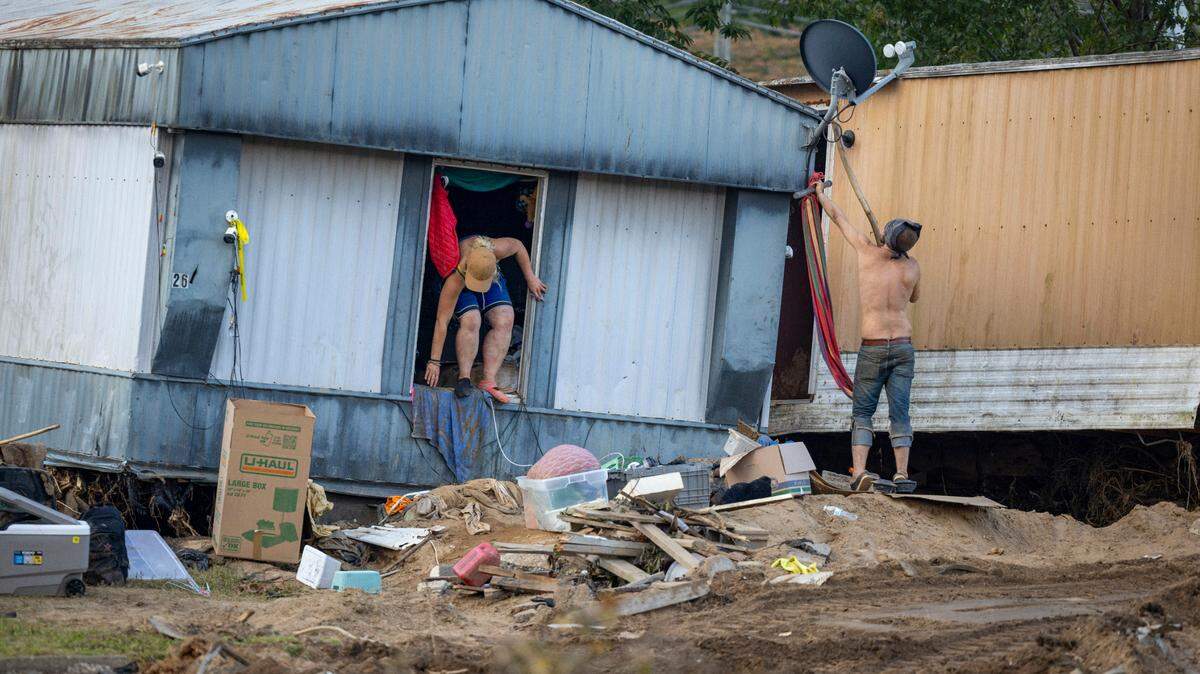
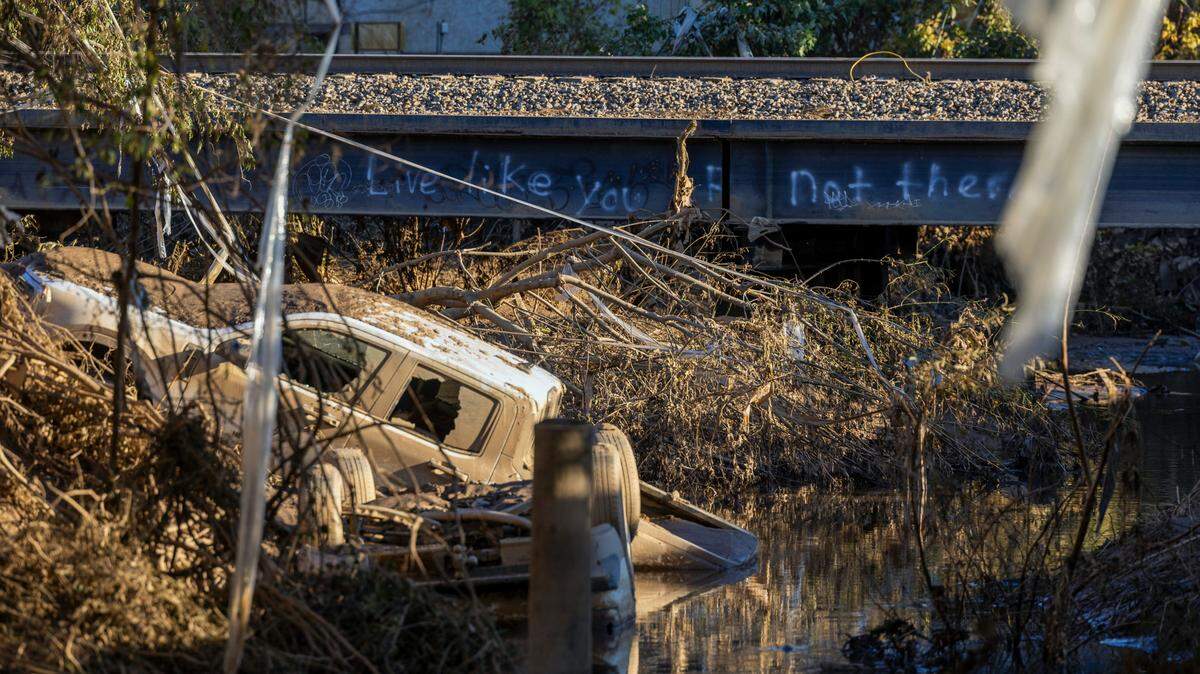
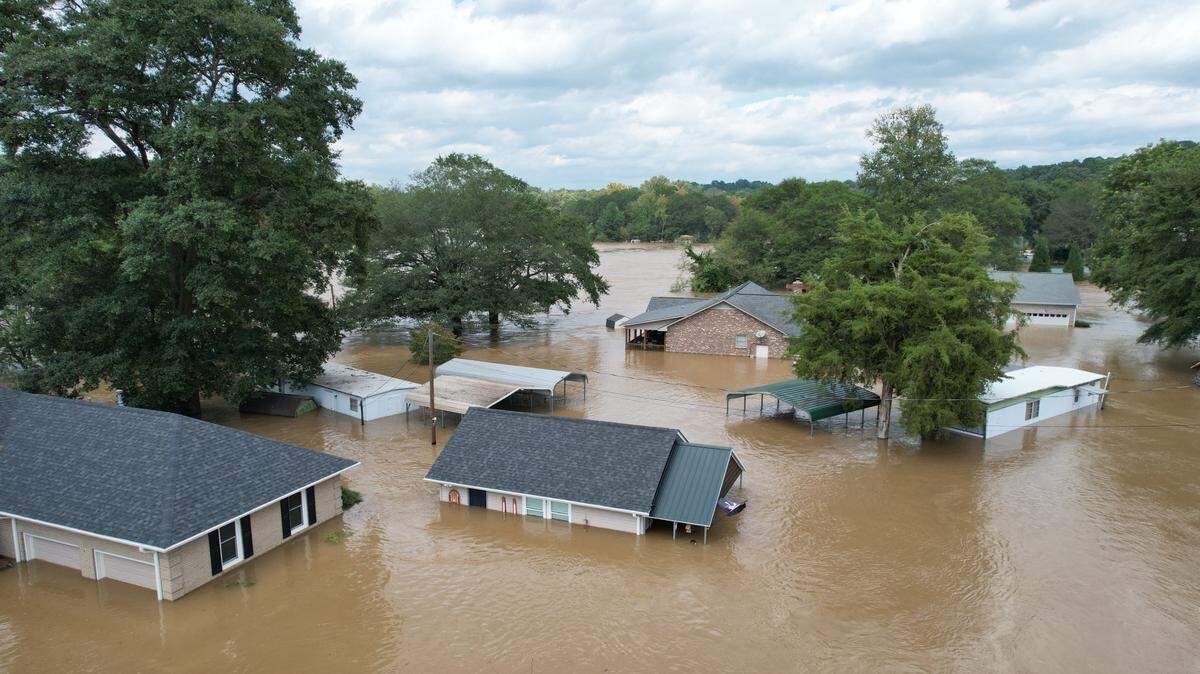
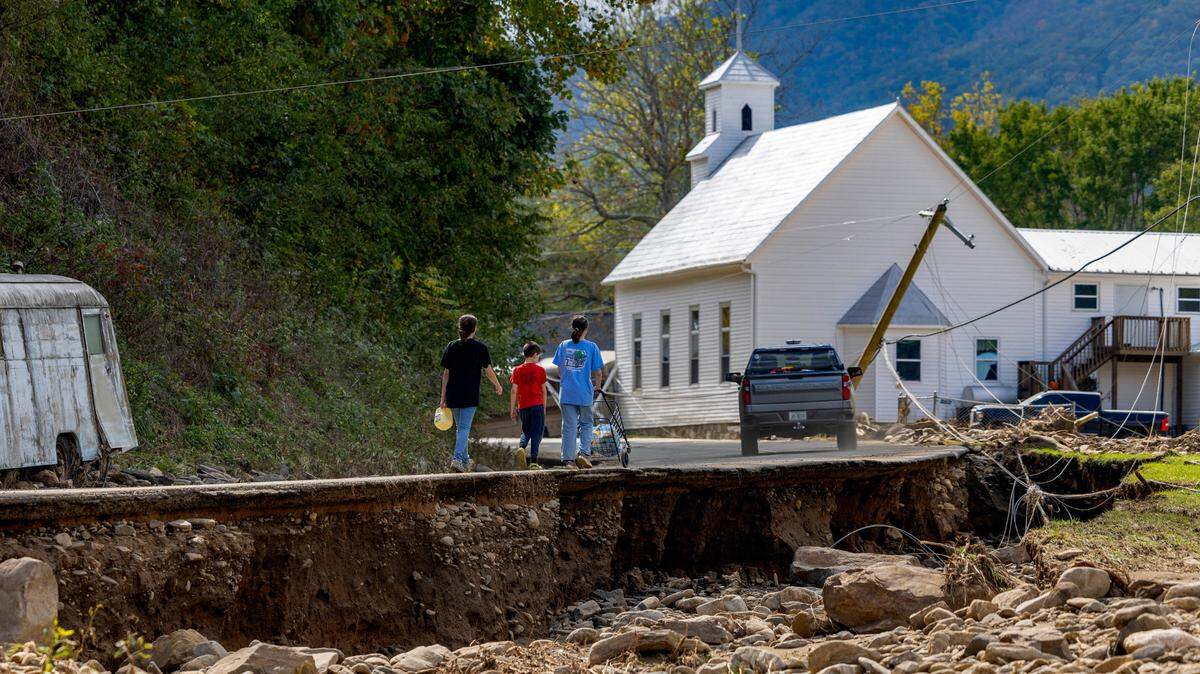
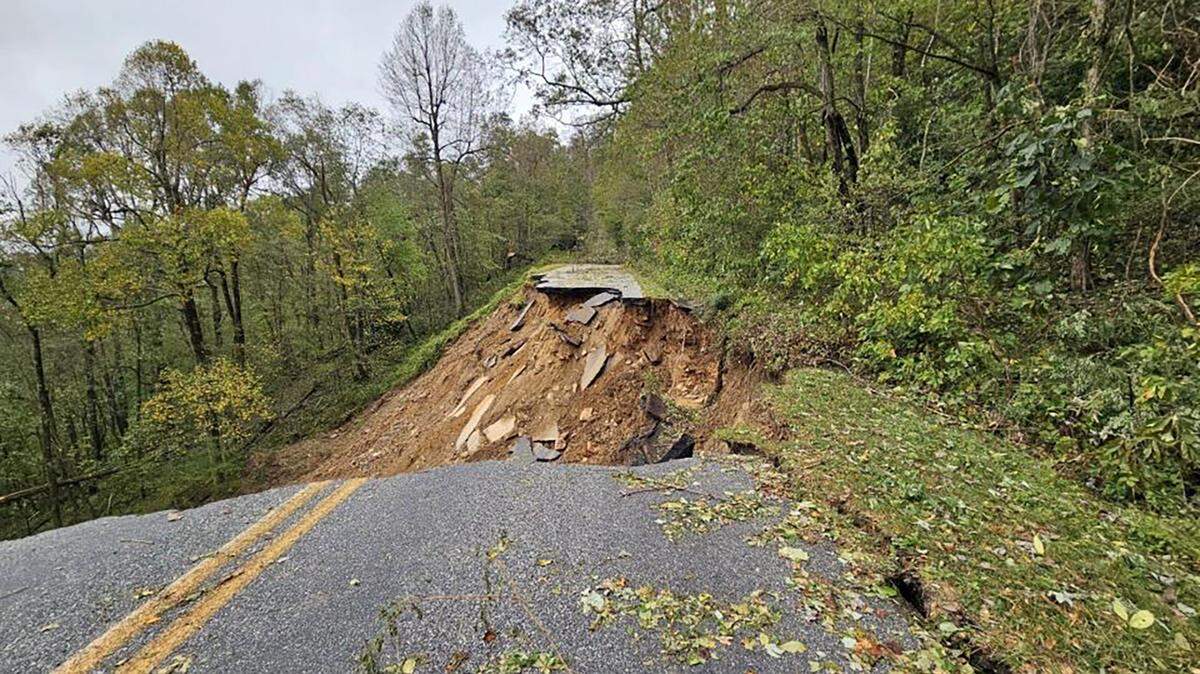
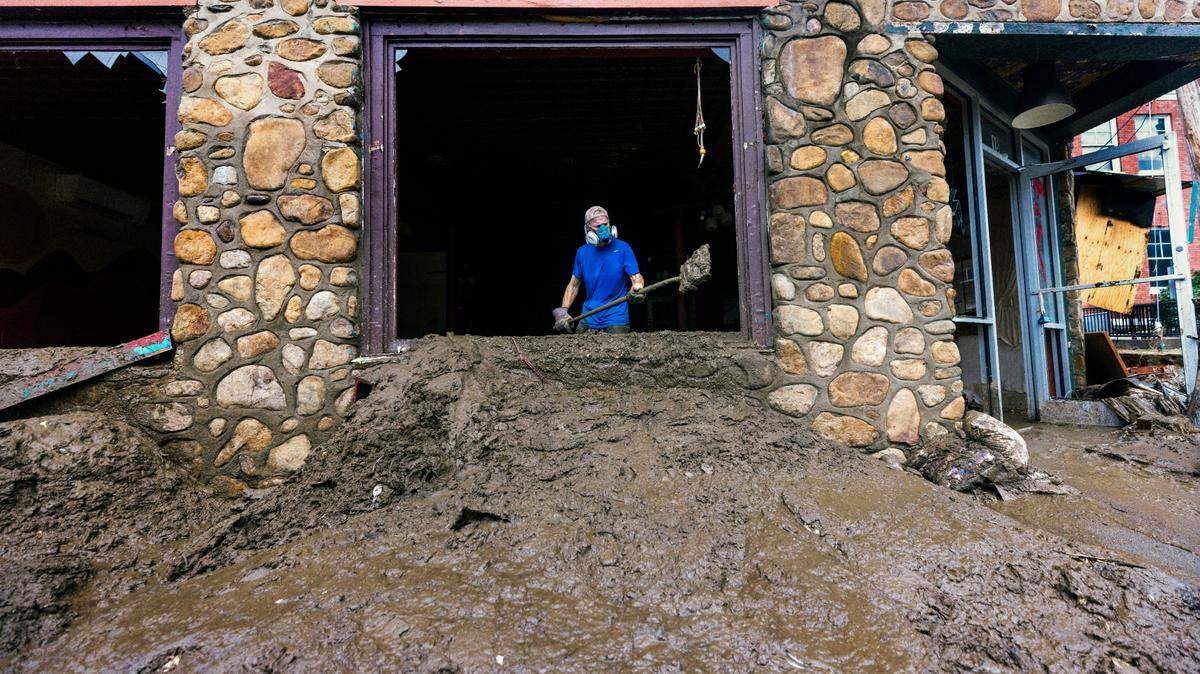
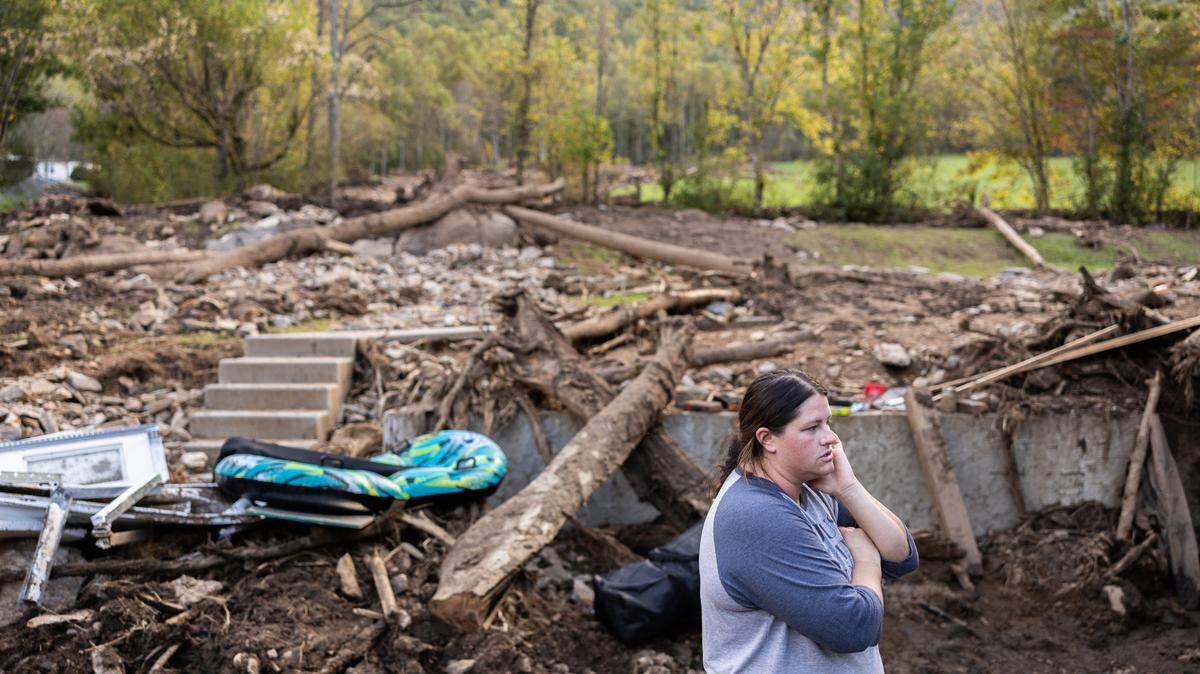
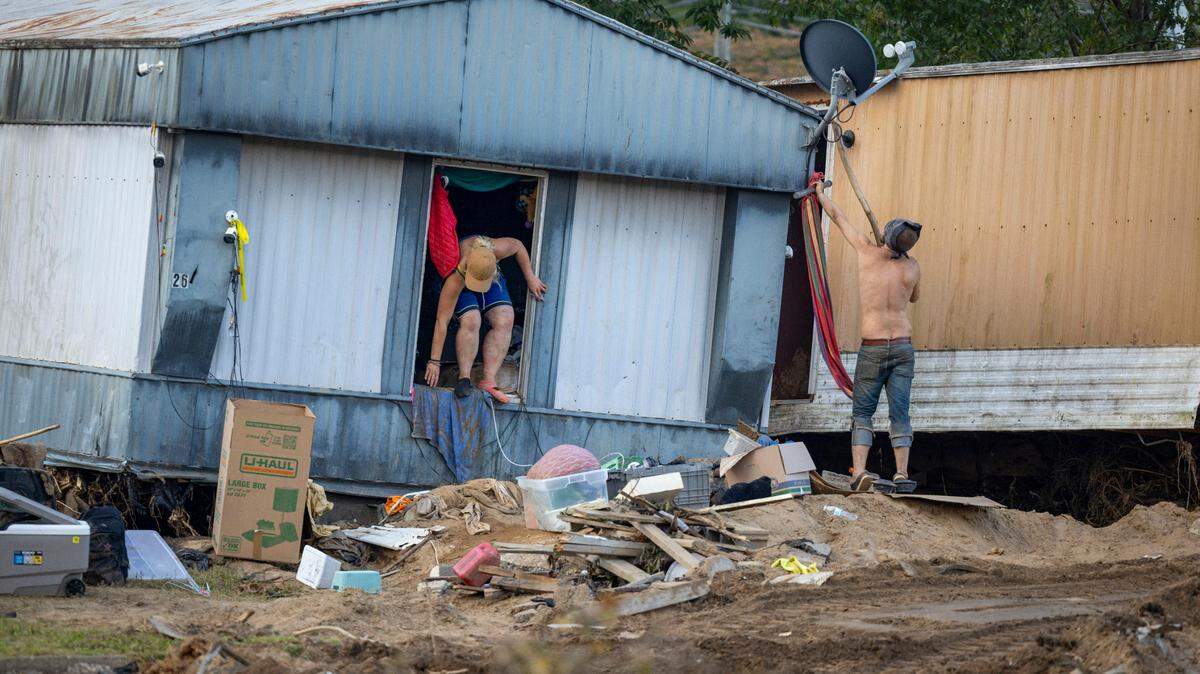
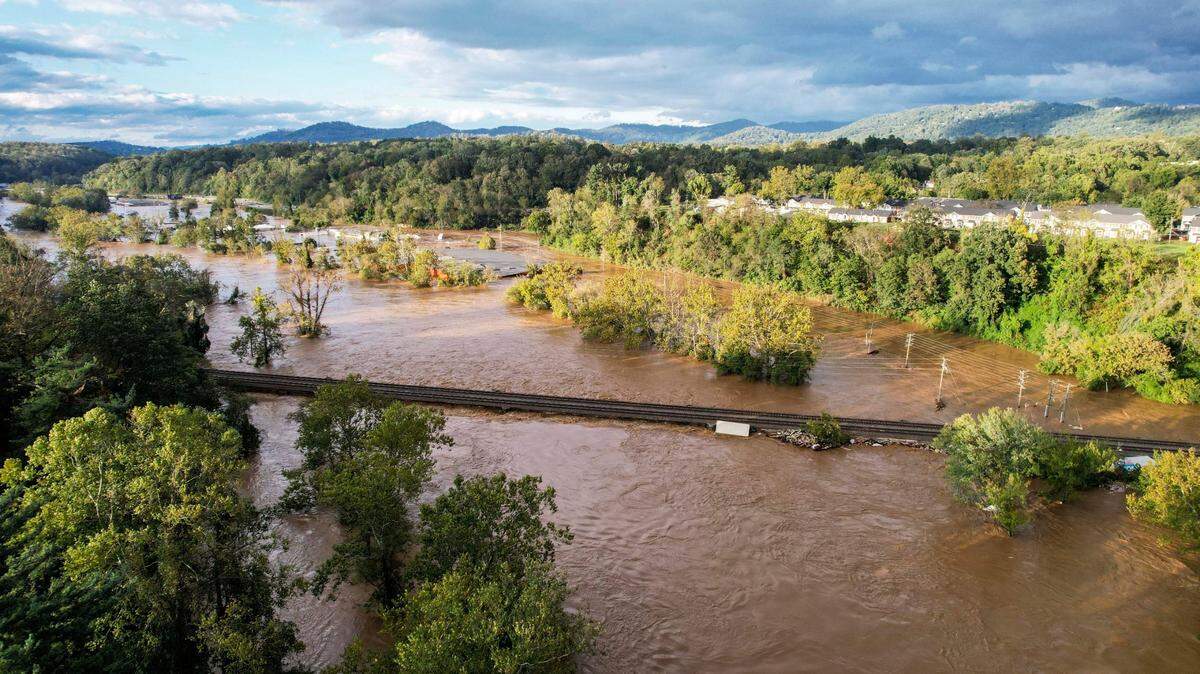
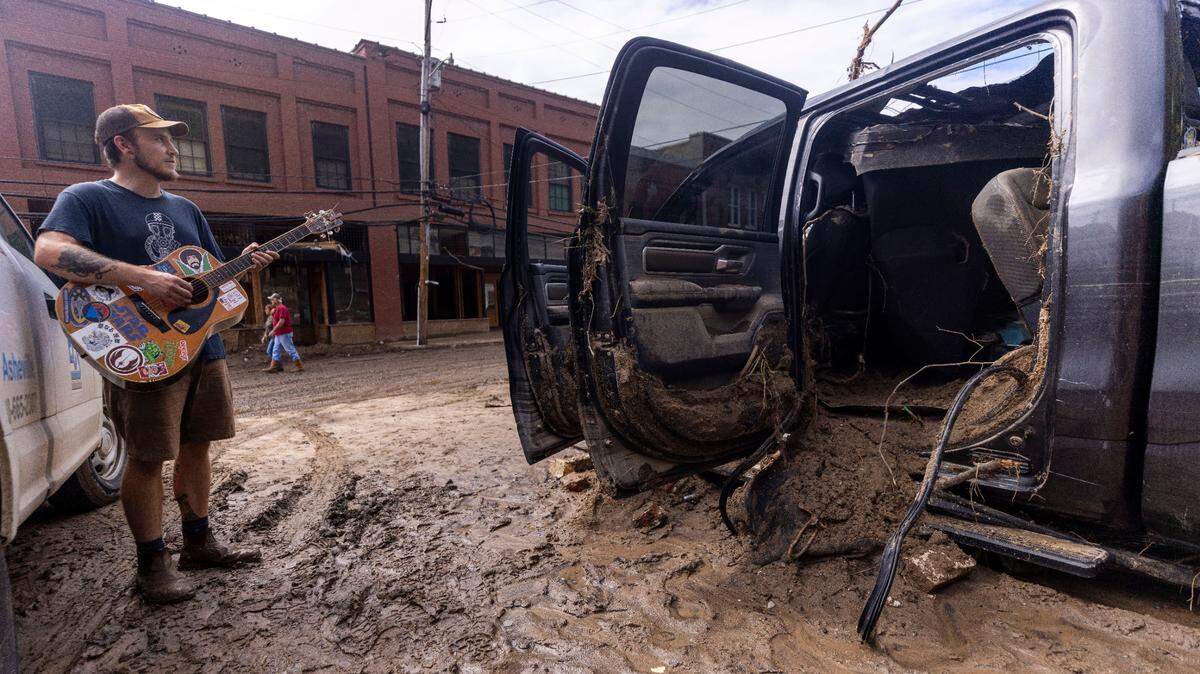
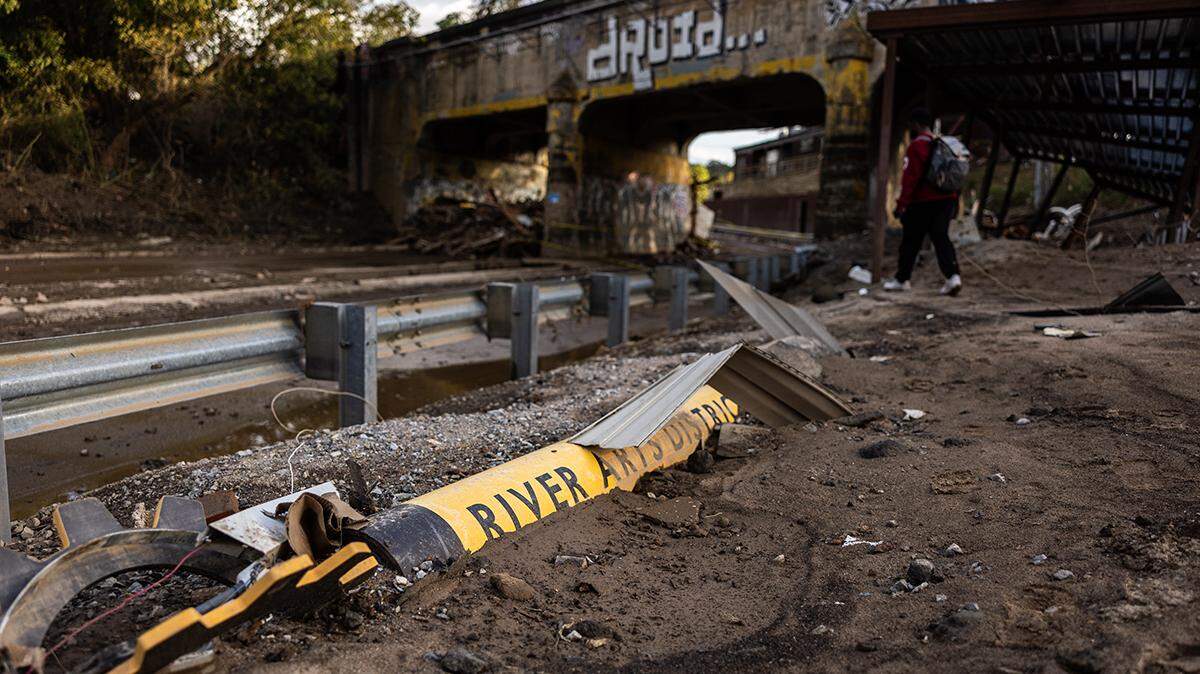
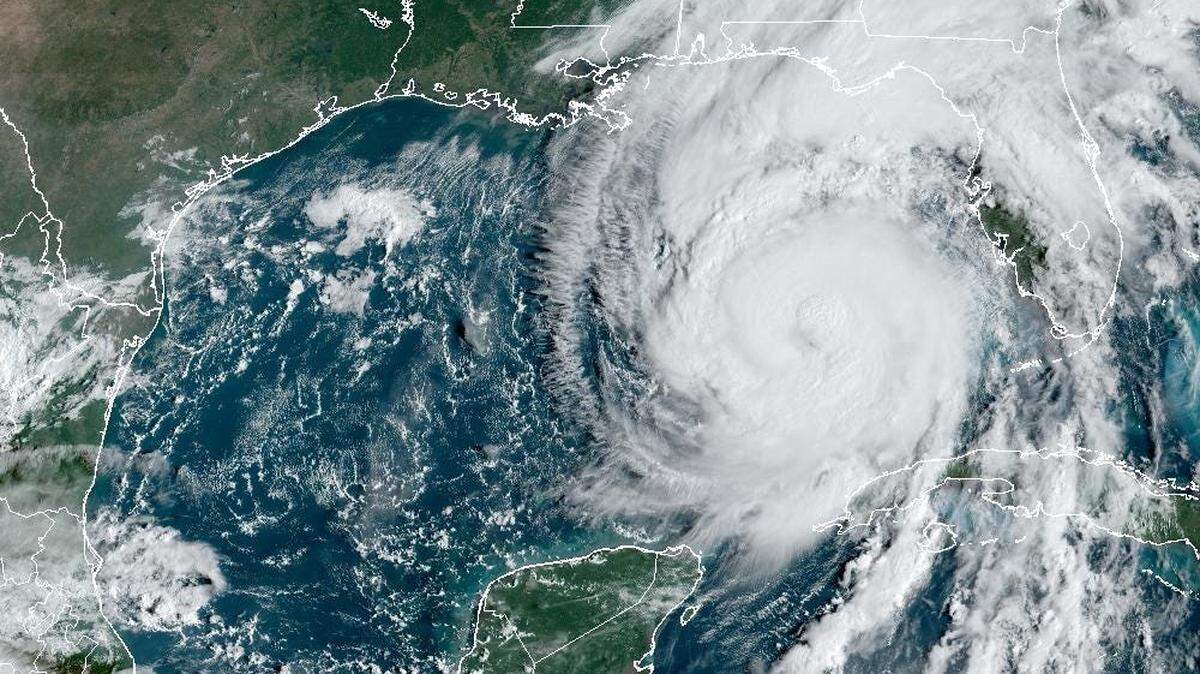
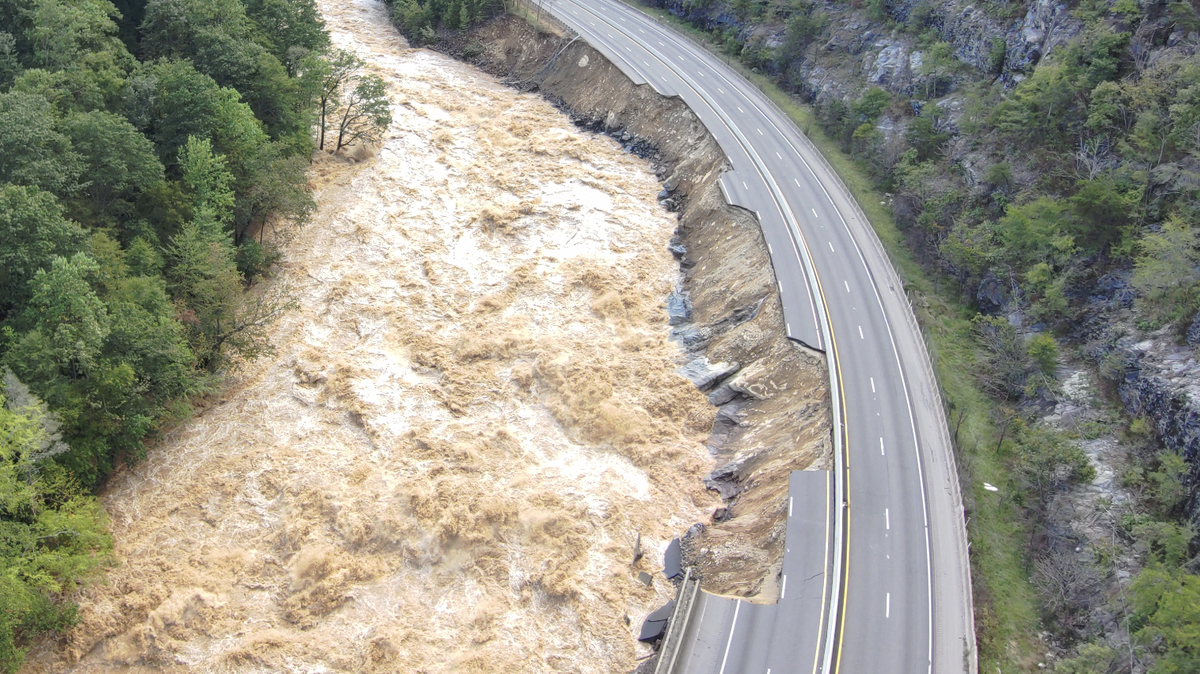
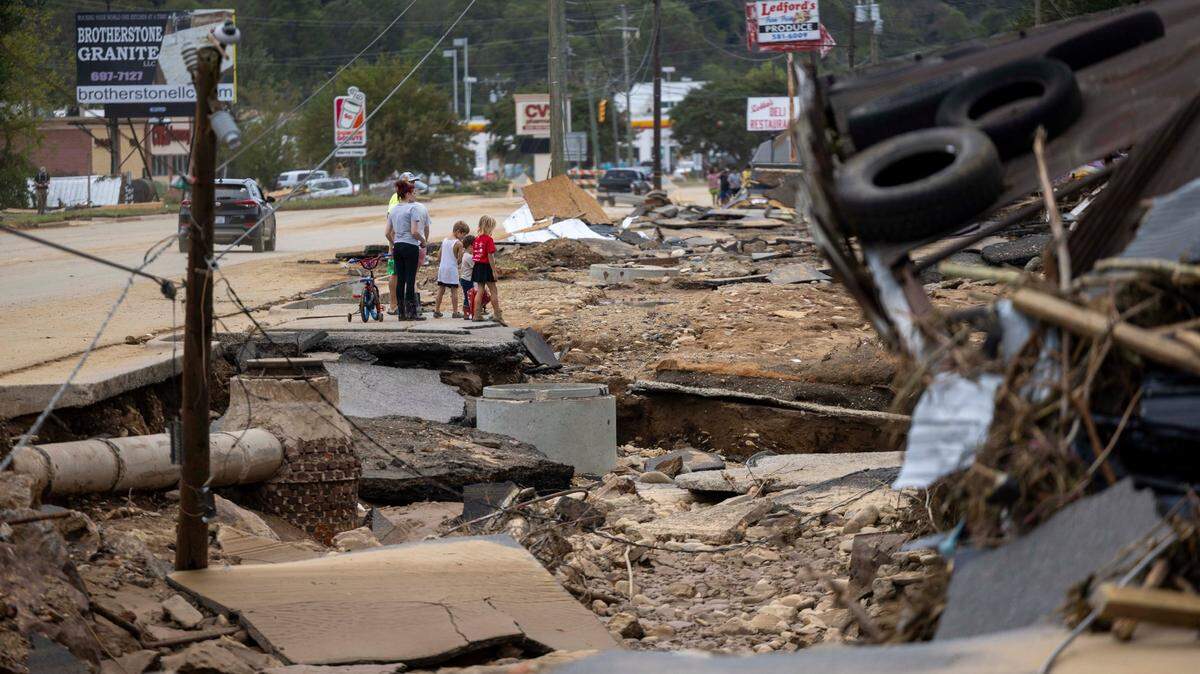
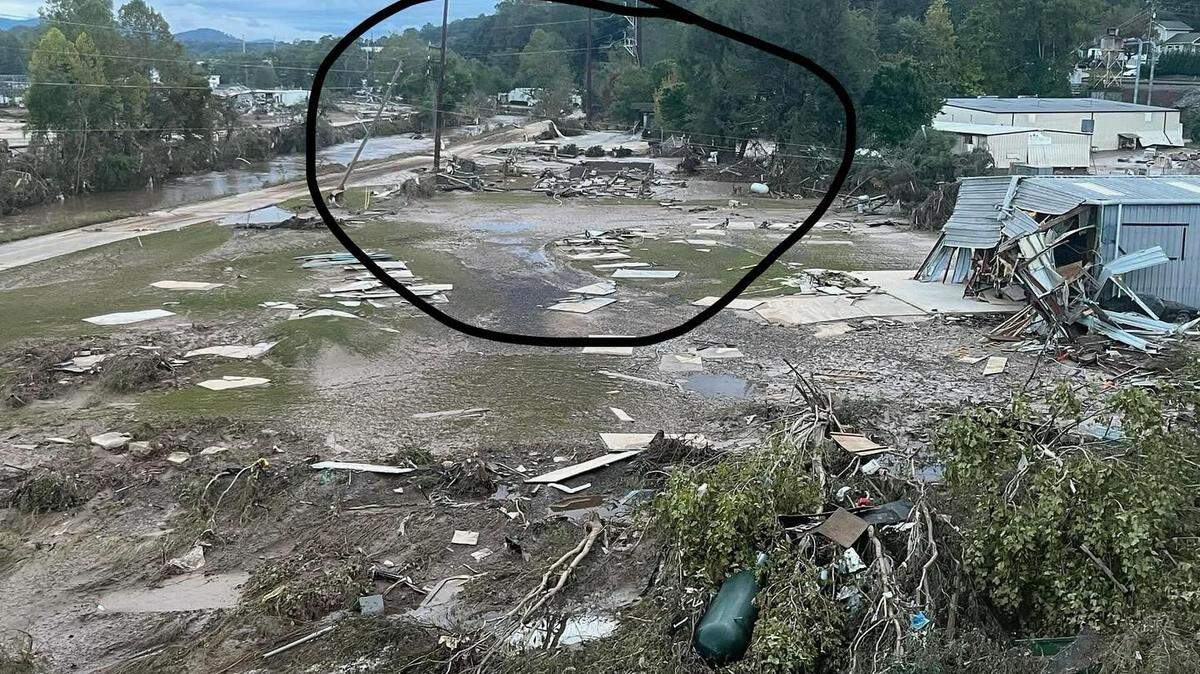
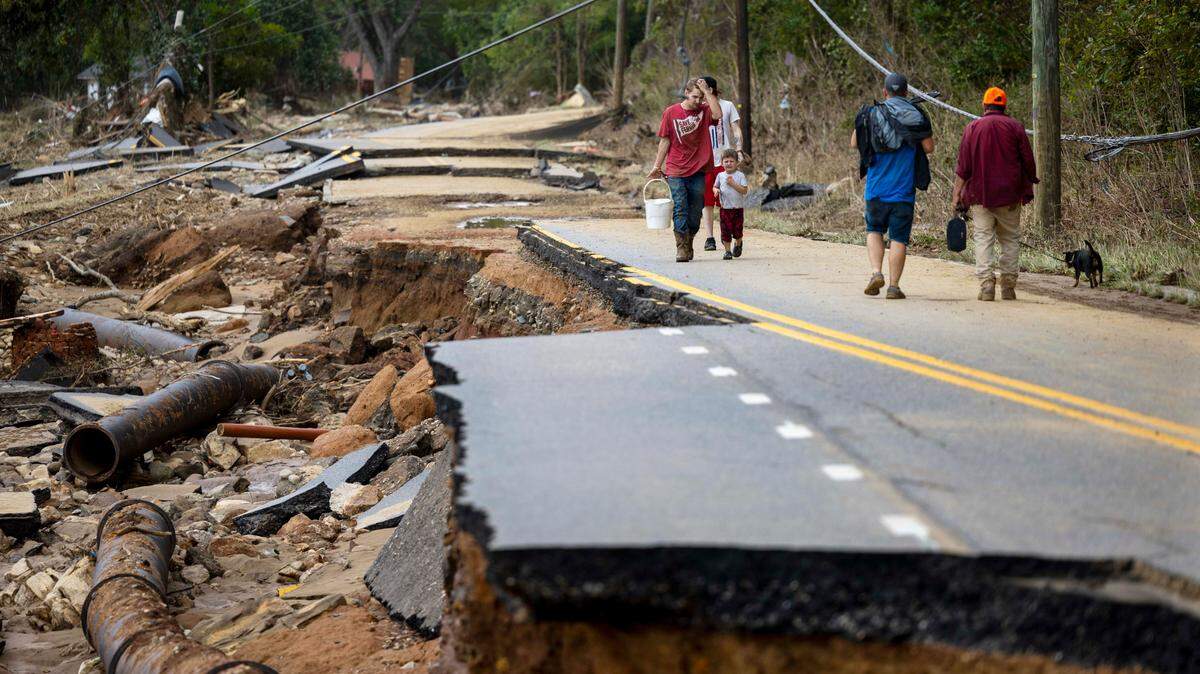
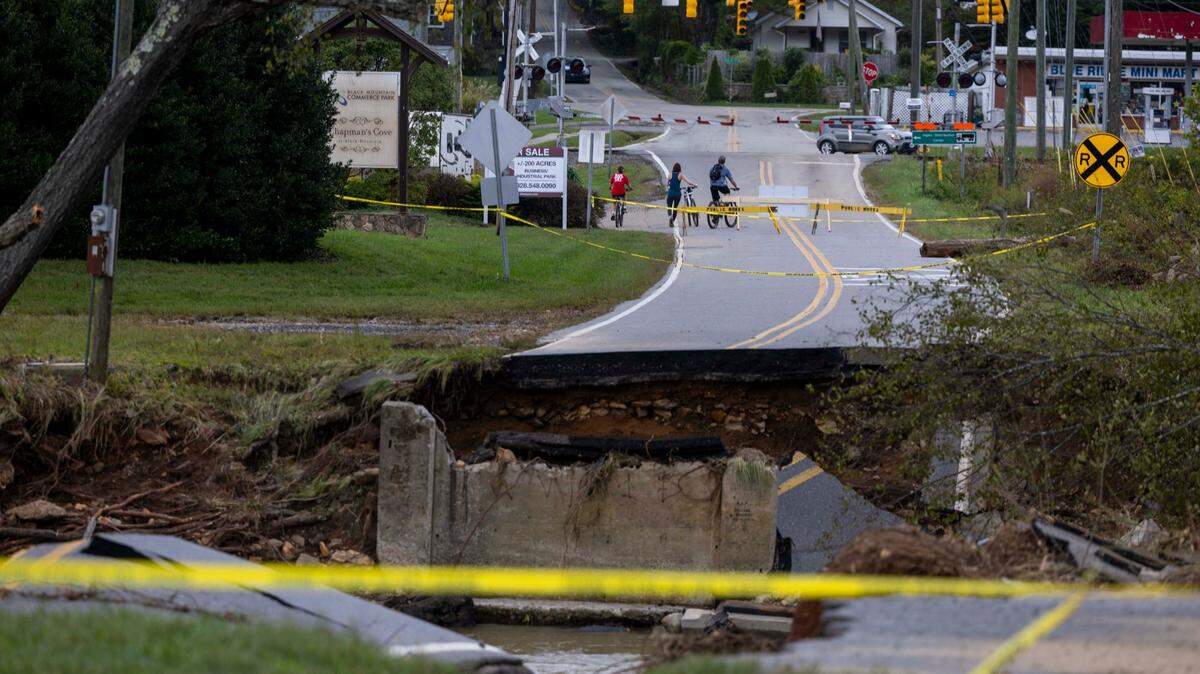
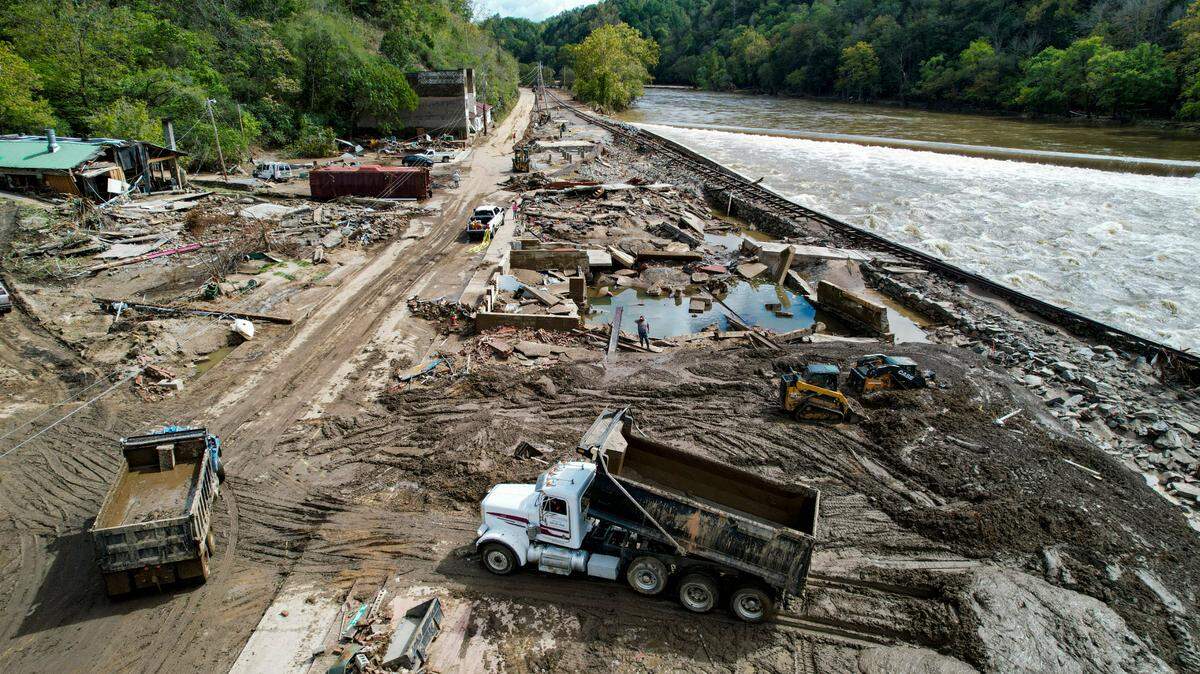
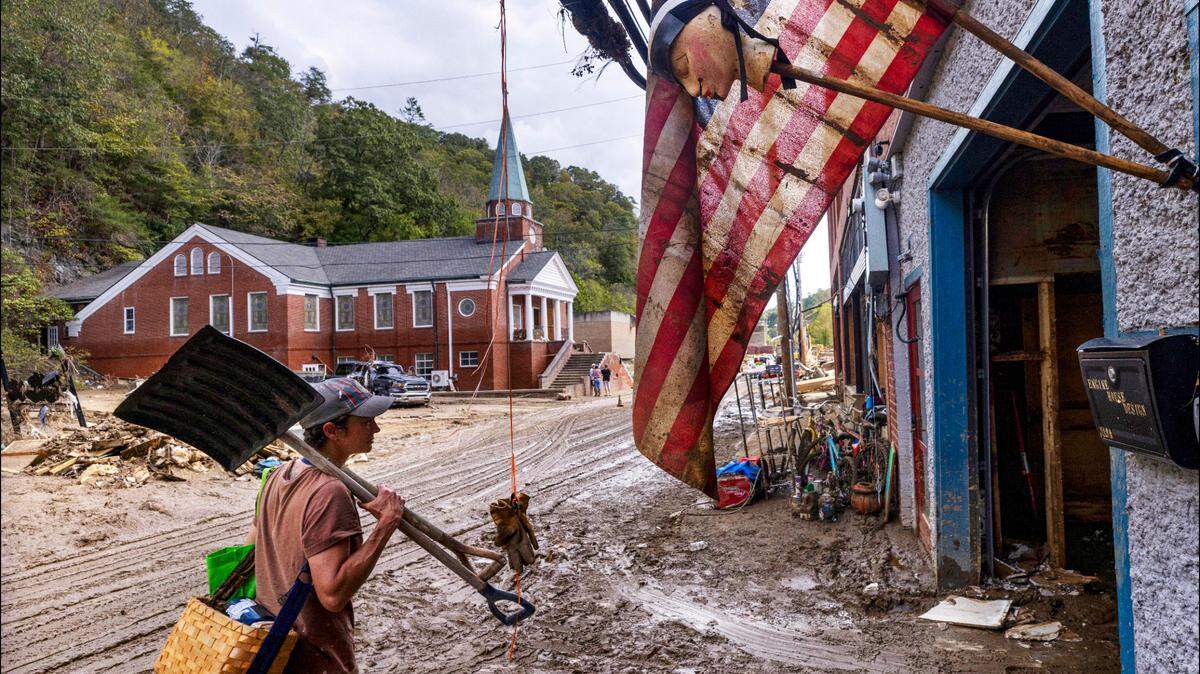
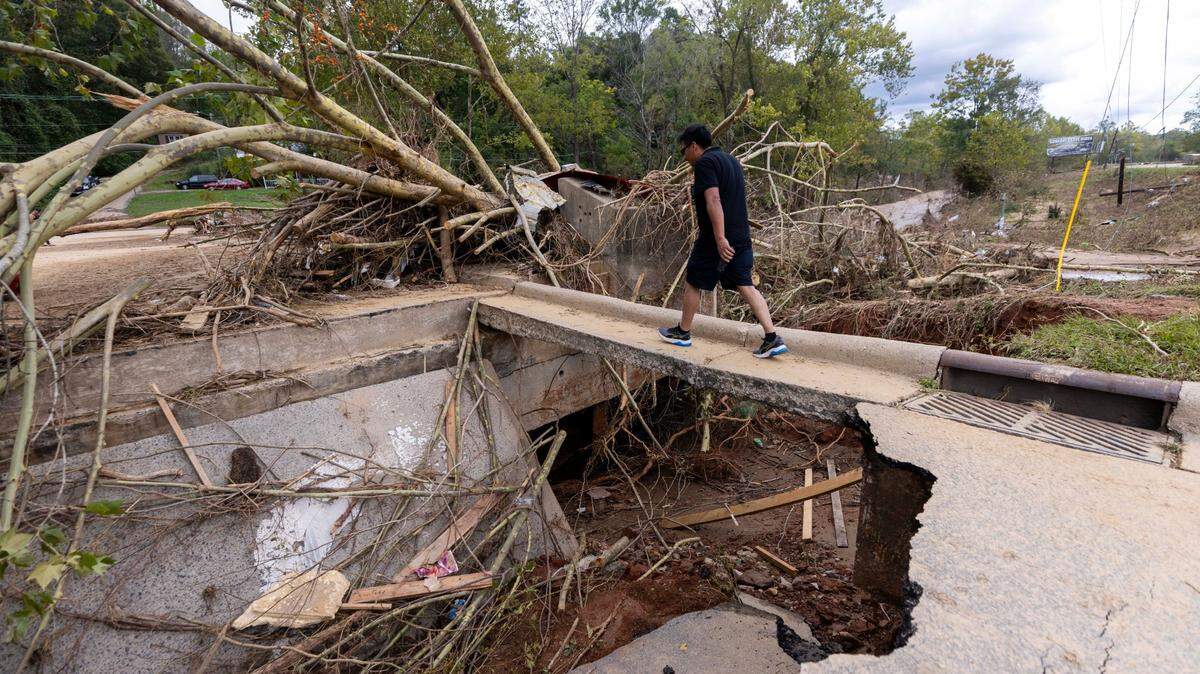
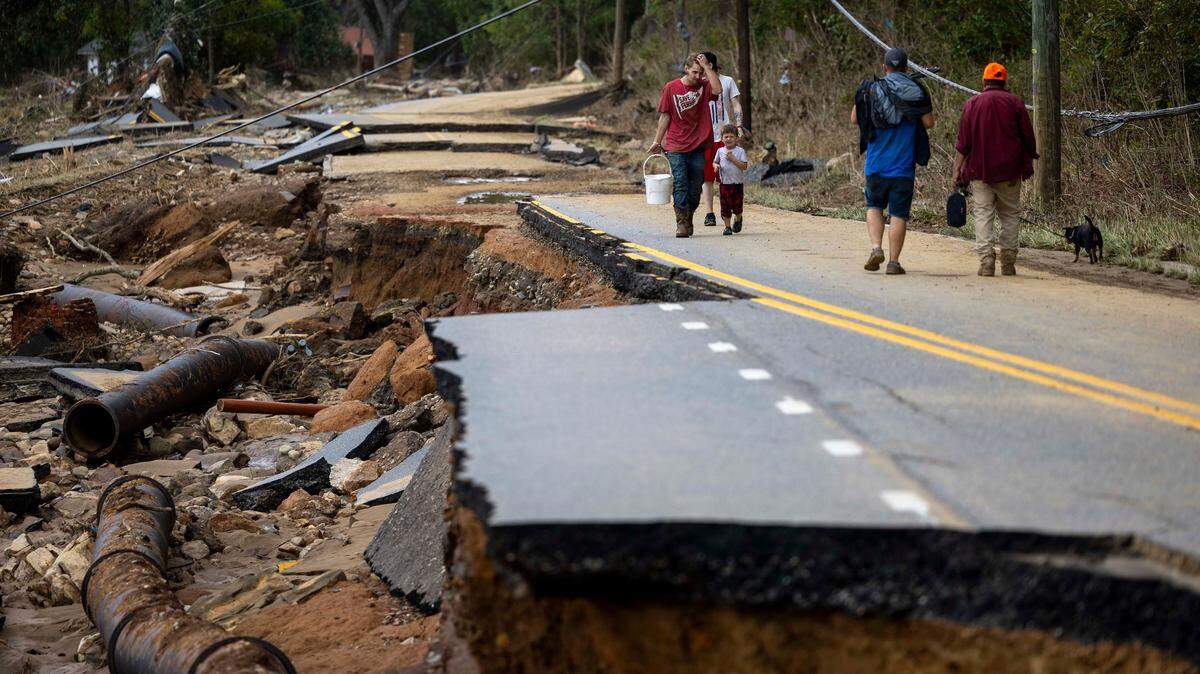
Hurricane Helene swept across the Southeast, causing major flooding and destruction throughout North Carolina. Here is ongoing coverage from The News & Observer and The Charlotte Observer about Hurricane Helene and the aftermath, particularly in Western North Carolina.
Expand All
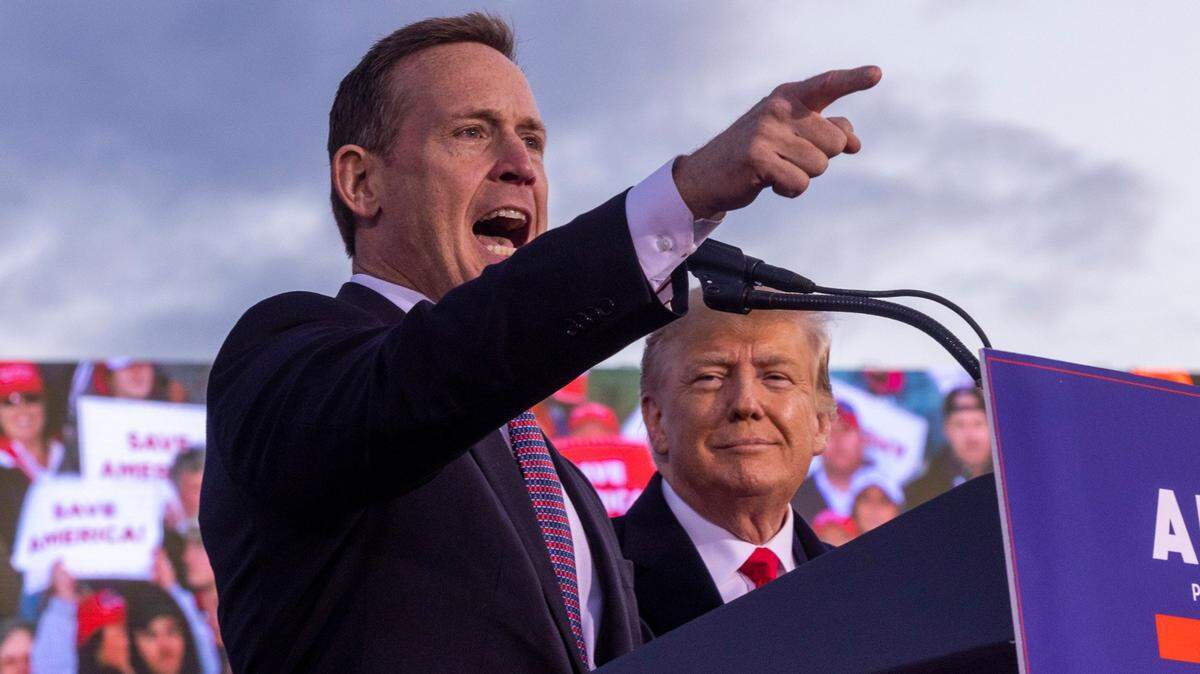
U.S. Sens. Thom Tillis and Ted Budd said Friday that an active-duty military leader should be assigned to oversee the rescue and recovery efforts in Western North Carolina.
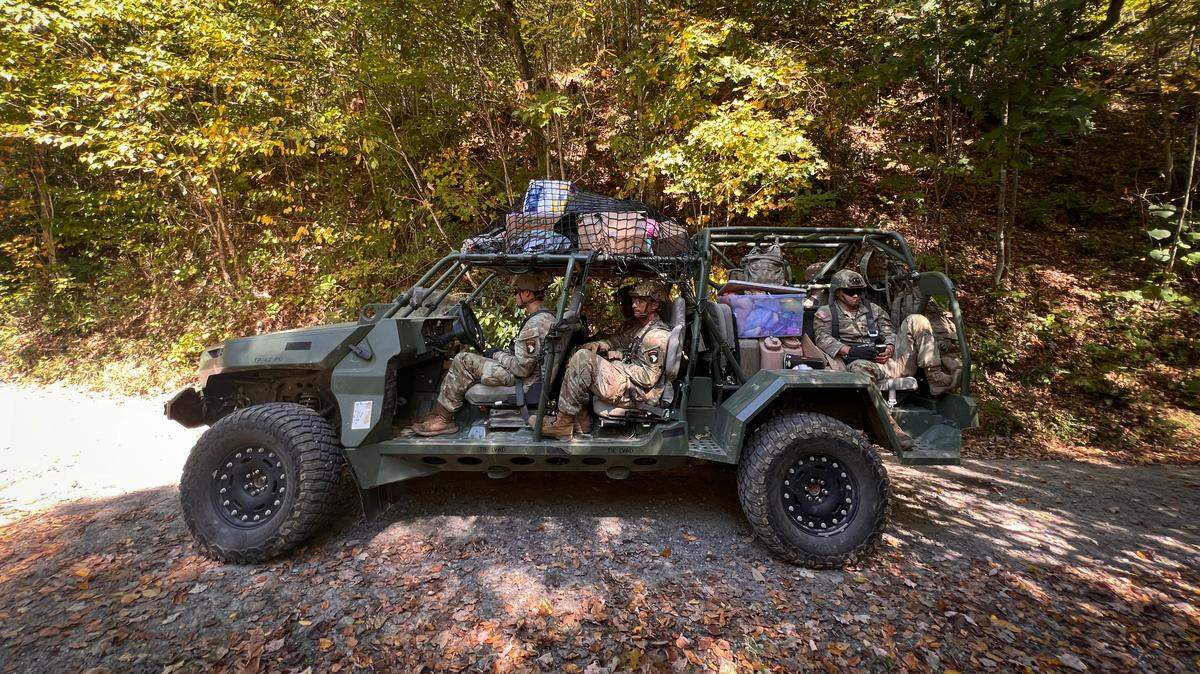
After President Joe Biden approved up to 1,000 U.S. Army soldiers stationed at Fort Liberty to assist with the response to Hurricane Helene on Wednesday, the first 400 active-duty troops arrived in the region on Friday, the Federal Emergency Management Agency said.
In a statement Friday evening, Tillis and Budd said the National Guard along with local, state and federal first responders had been “working tirelessly to respond to this disaster with the resources they have,” but added that the response could be aided by an active-duty military leader being assigned to the effort.
“Given the unprecedented extent of the devastation and complexity of search and rescue operations, it would be helpful to assign an active-duty military leader who has extensive experience with operations of this magnitude to lead moving forward,” both senators said.
In a post on social media, meanwhile, Budd said that the deployment of the remaining activated troops from Fort Liberty needed to speed up.
The U.S. Department of Defense said Wednesday that the troops it had authorized to assist with the response were “assembling and moving to the affected areas within the next 24 hours.”
“It has been two days since President Biden authorized 1,000 troops to aid North Carolinians,” Budd wrote on X. “Less than half have been deployed from Fort Liberty to Western NC. There’s no time to waste.”
1,500 active-duty troops deploying to Western North Carolina
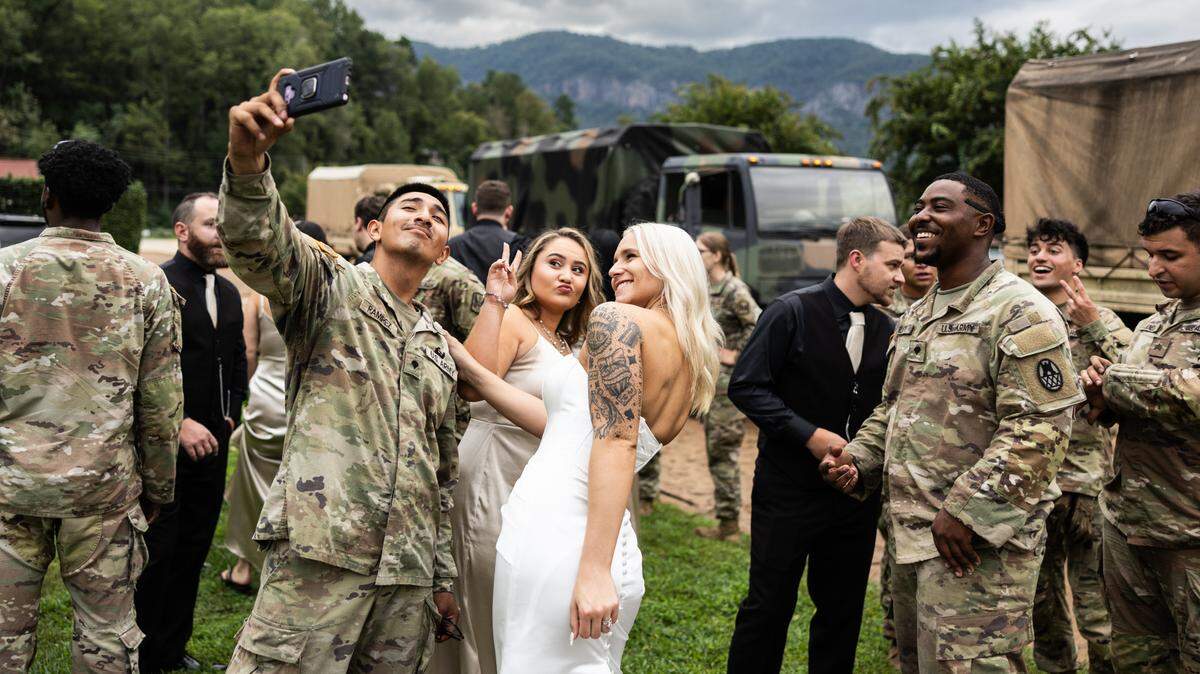
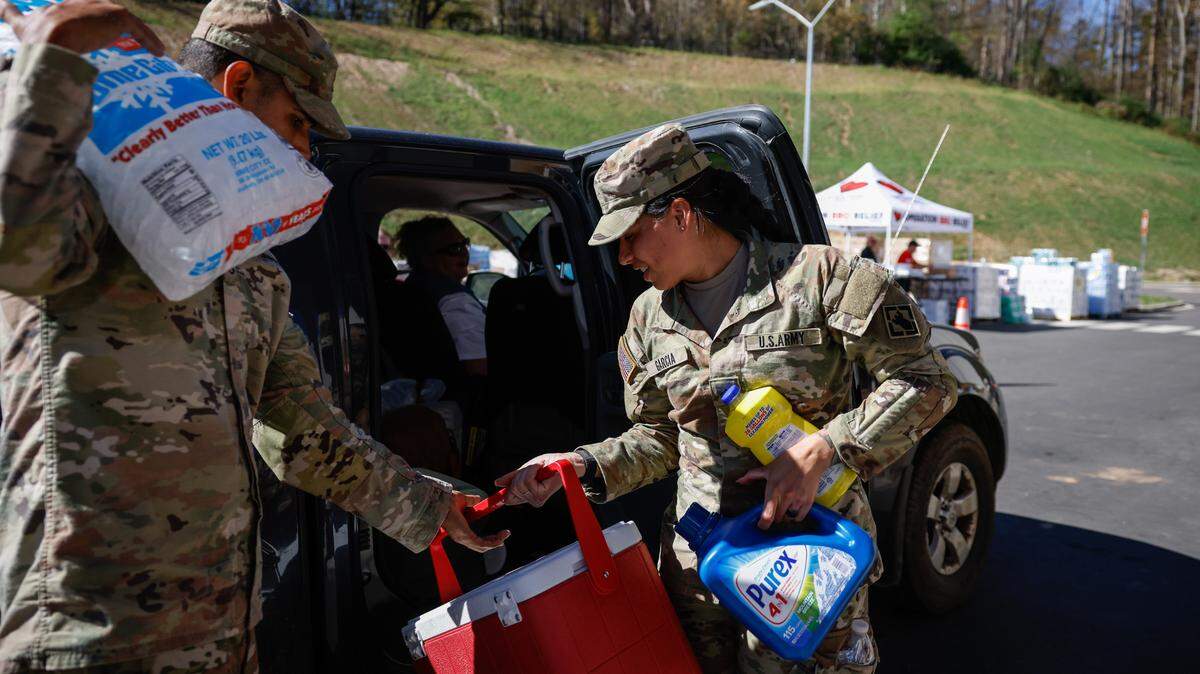
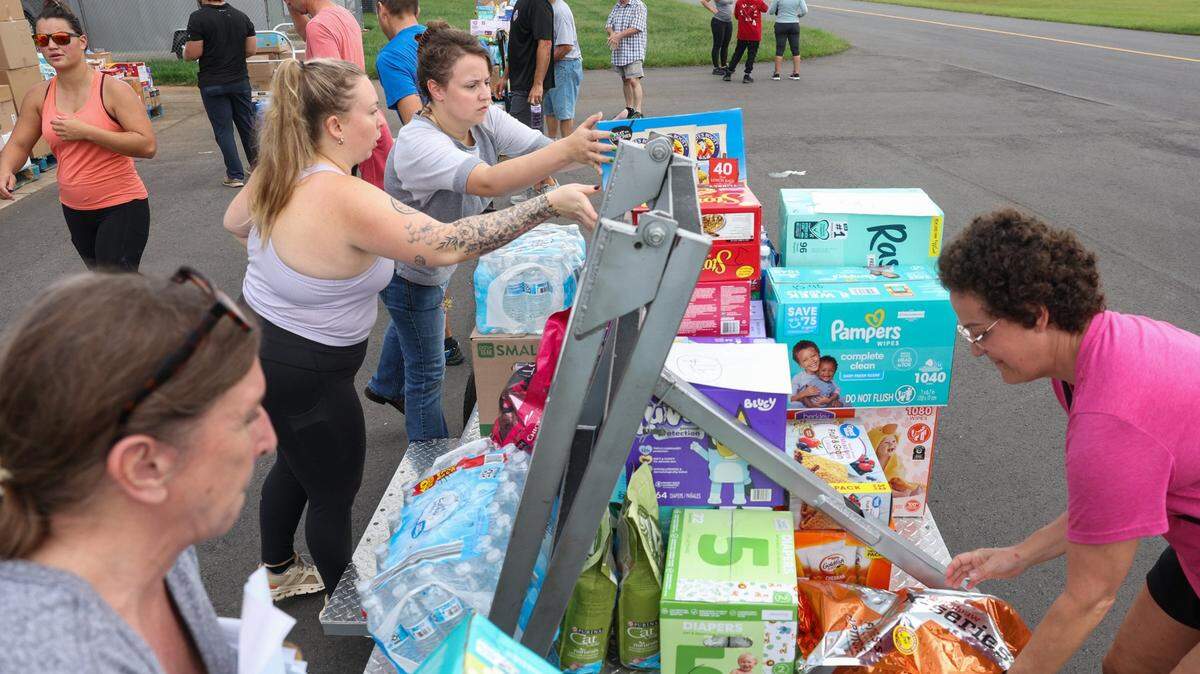
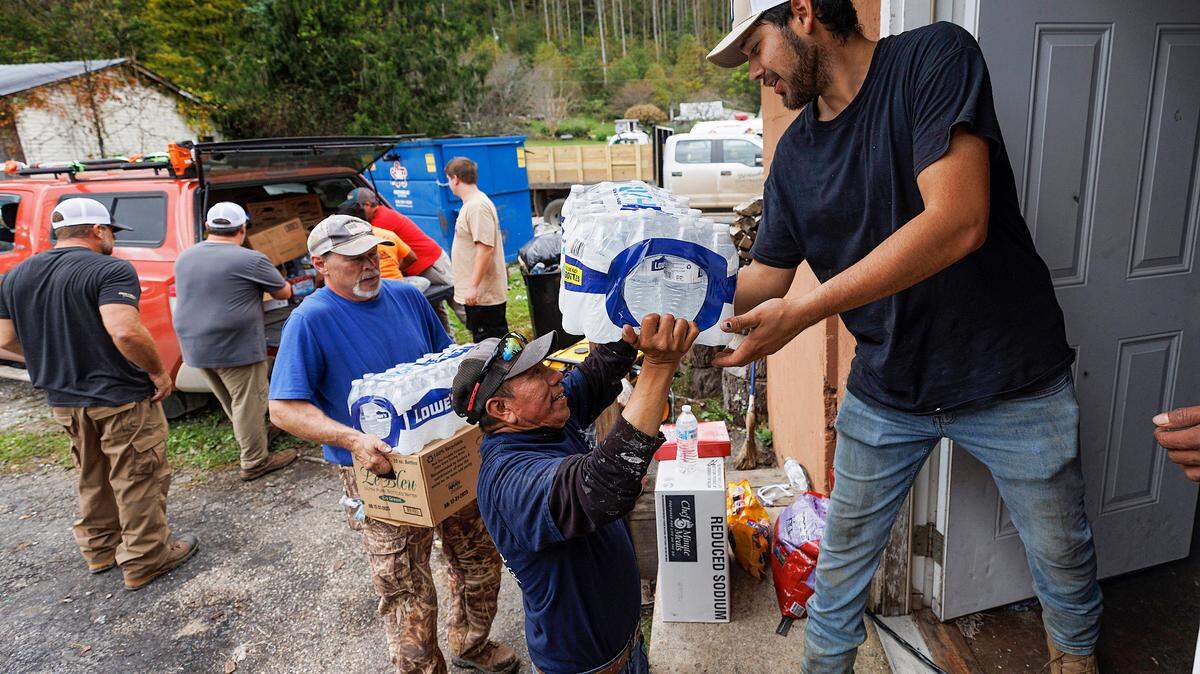
On Friday, FEMA announced that 400 active-duty soldiers had arrived in the western part of the state to help deliver critical supplies like food and water to distribution sites, and were “prioritizing survivors in hard-to-reach areas along the route.”
FEMA Administrator Deanne Criswell, who has been on the ground in Western North Carolina, said in a statement that soldiers from the 18th Airborne Corps, including members of the 82nd Airborne Division and other units from Fort Liberty, were supporting the relief effort, including by providing command and control personnel, transportation, infrastructure support, supplies and services, fuel and other support to people.”
On Sunday, the North Carolina National Guard told The News & Observer that remaining active duty troops from Fort Liberty who hadn’t yet been deployed were expected to reach Western North Carolina by the end of the day.
Spokesman Capt. Tim Marshburn said that in addition to the active duty troops, the N.C. National Guard had 1,782 of its soldiers and airmen on the ground.
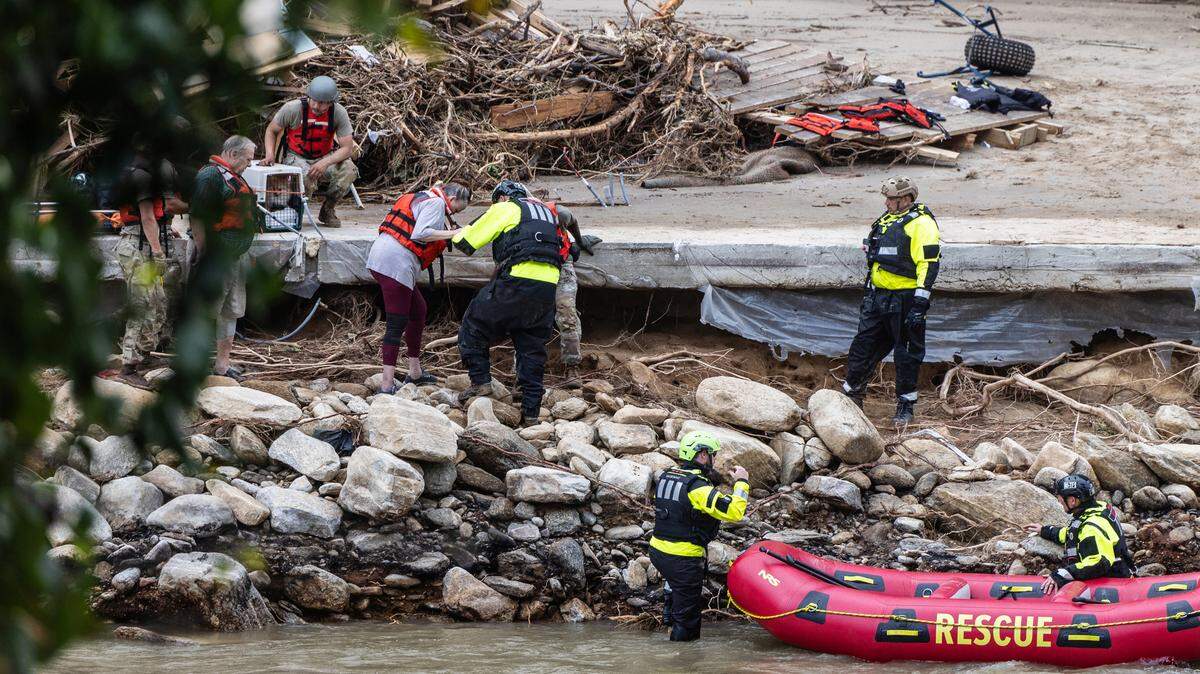
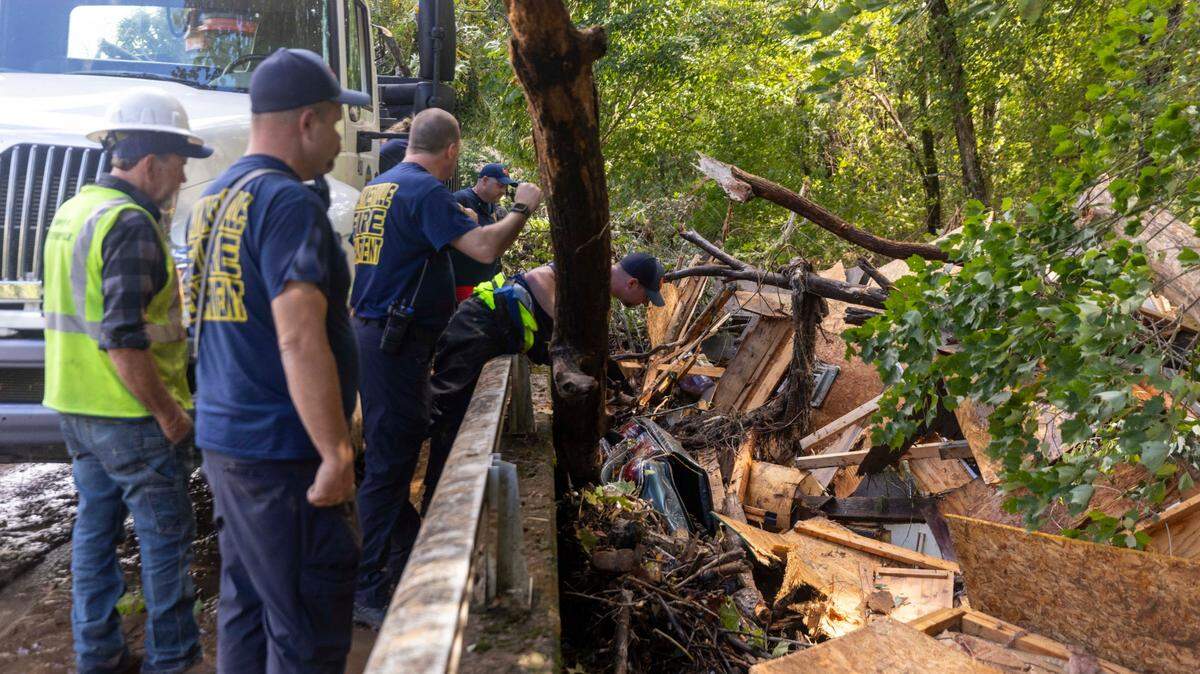
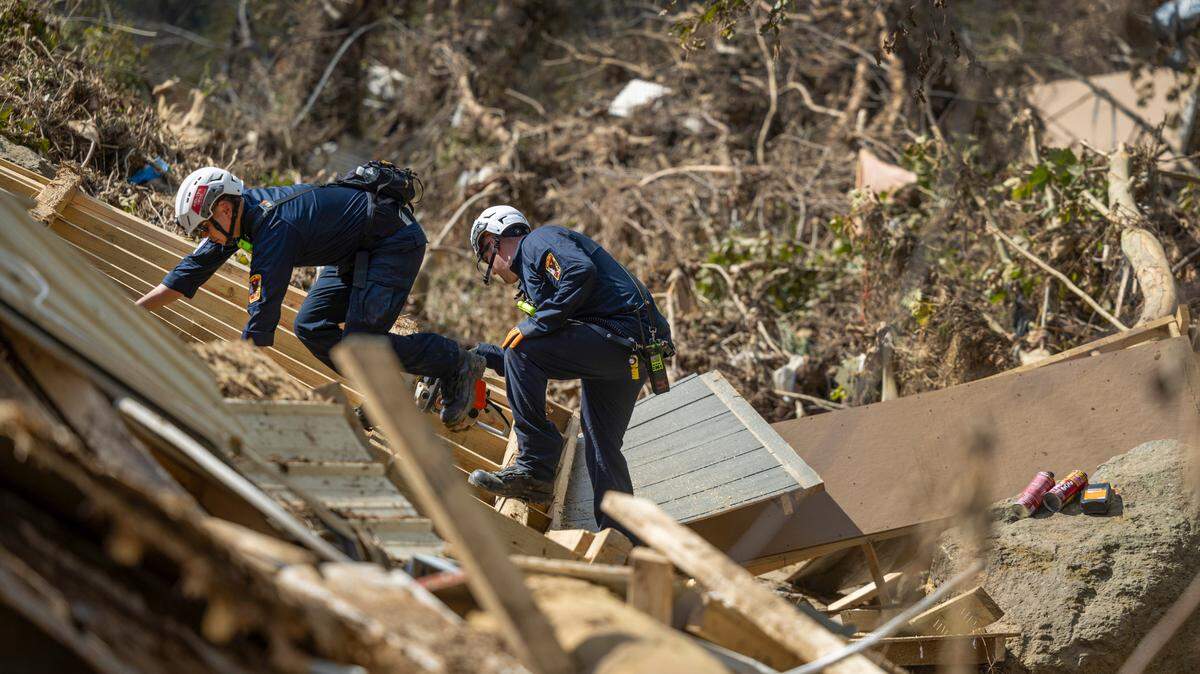
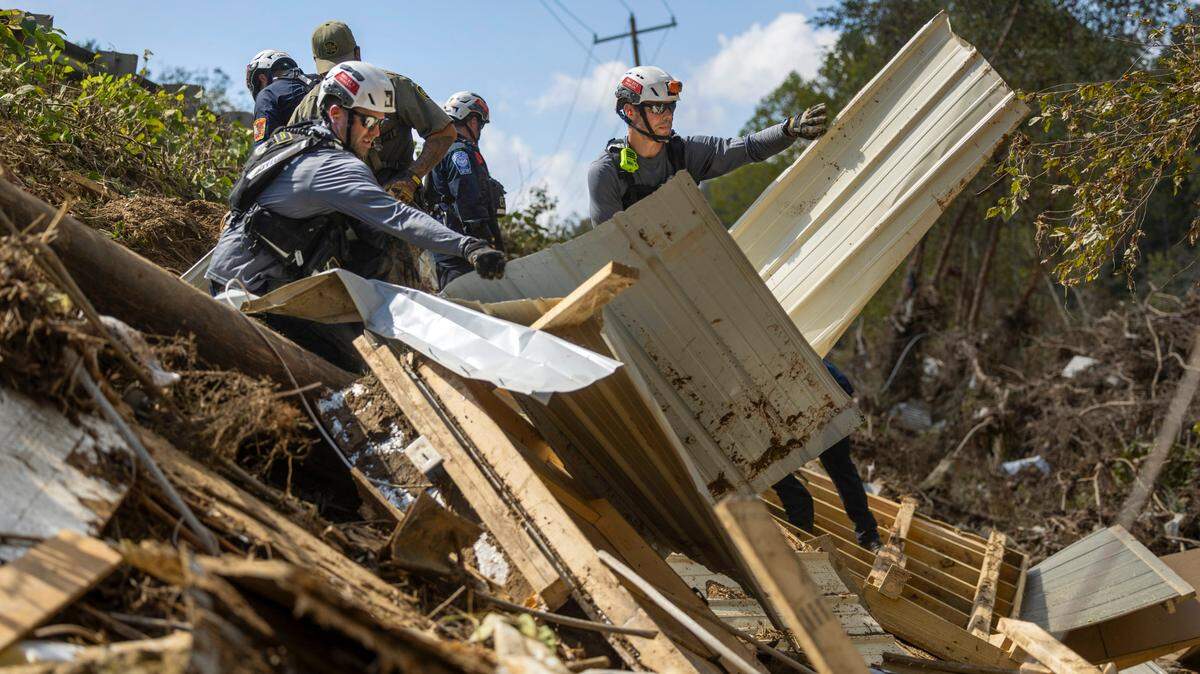
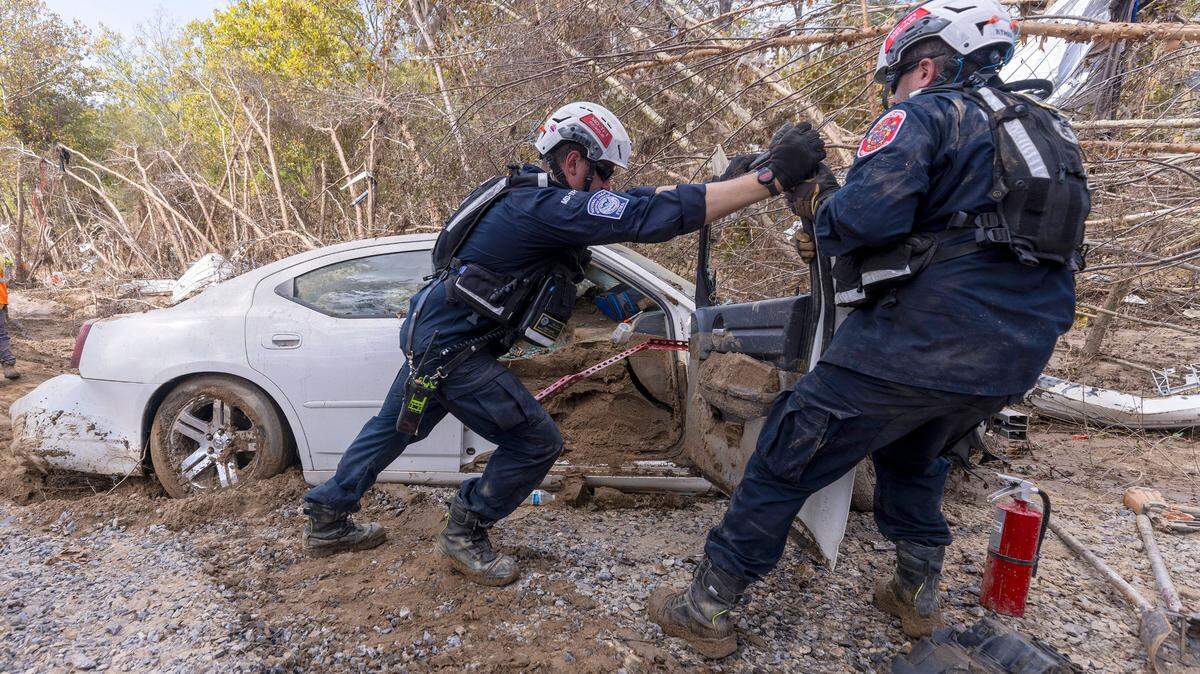
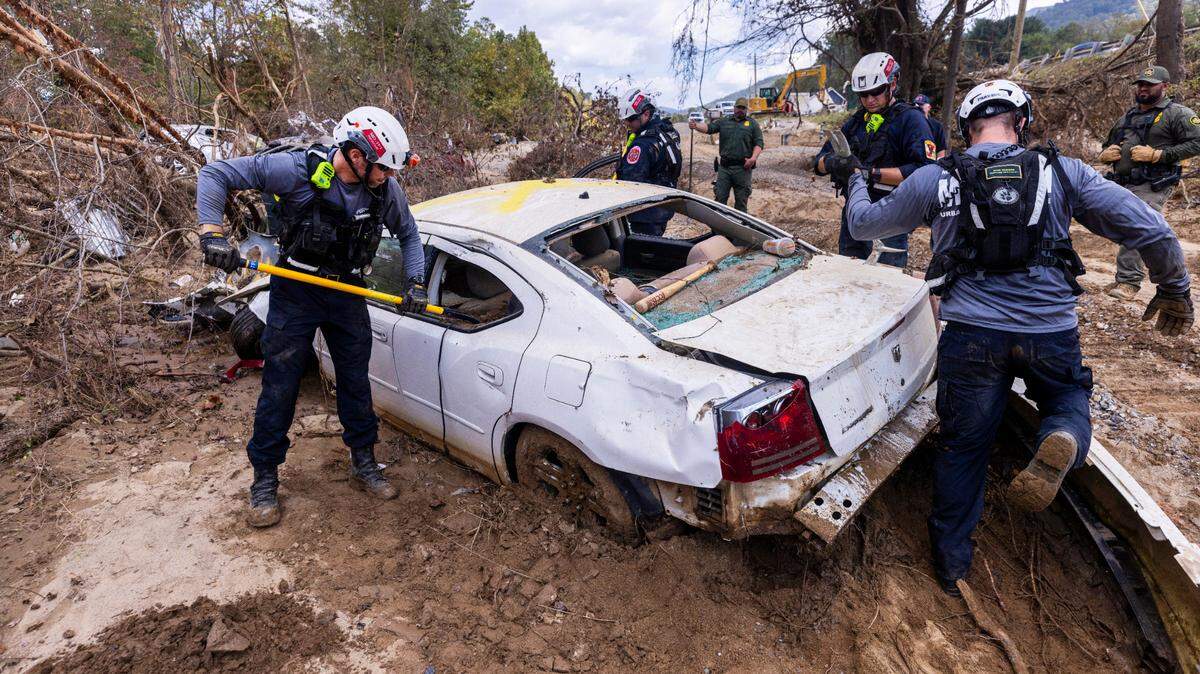
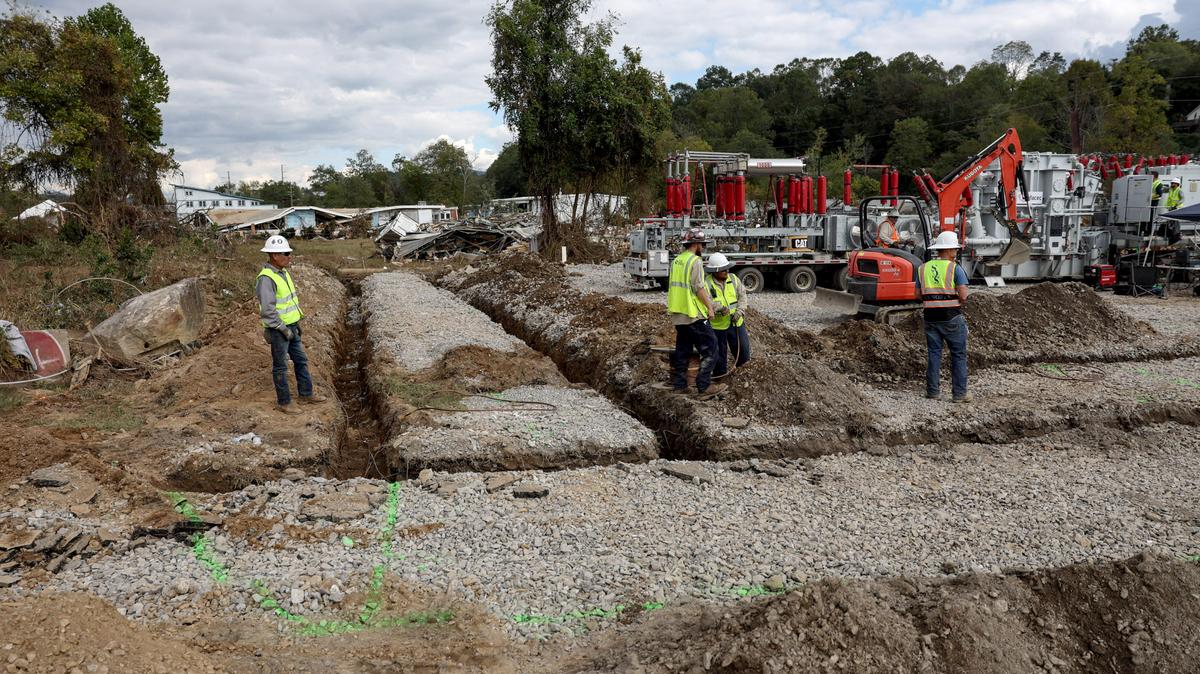
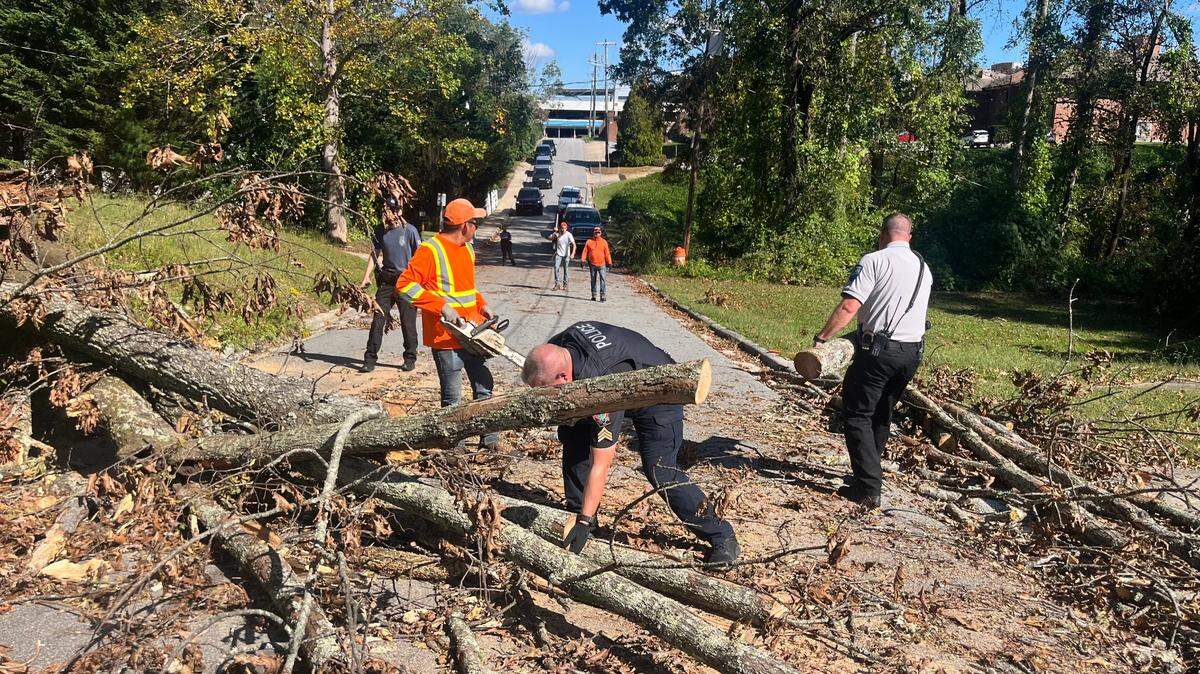
Marshburn said the soldiers and airmen have been helping with search and rescue operations, distribution of essential supplies, clearing debris, and “earthmoving” and construction support throughout the region.
There are thousands of National Guard members from other states helping with the response as well.
In a statement Sunday, Biden also said he had approved a request from Gov. Roy Cooper for additional troops, and had ordered another 500 active-duty soldiers “with advanced technological assets” to move to Western North Carolina.
Those troops, from the 101st Airborne Division at Fort Campbell in Kentucky, left on Saturday.
“With a total of 1,500 troops now supplementing a robust on-the-ground effort — including more than 6,100 National Guardsmen and more than 7,000 Federal personnel — my Administration is sparing no resource to support families as they begin their road to rebuilding,” Biden said.
The active-duty troops along with National Guard members are under the command of Brig. Gen. Charles Morrison of the North Carolina National Guard, who has been appointed as the dual-status commander for the state, a U.S. Army spokesperson told The News & Observer.
The dual-status commander has authority under law to command both active-duty and National Guard troops, and can serve in federal and state statuses at the same time, the spokesperson said.
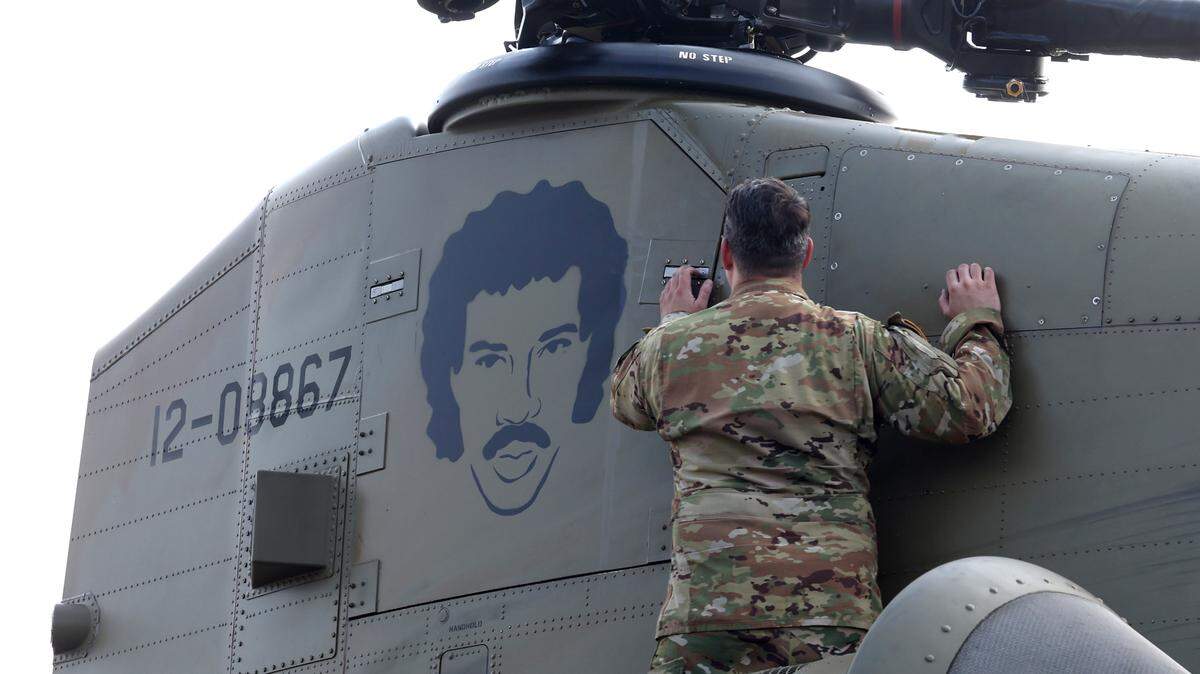
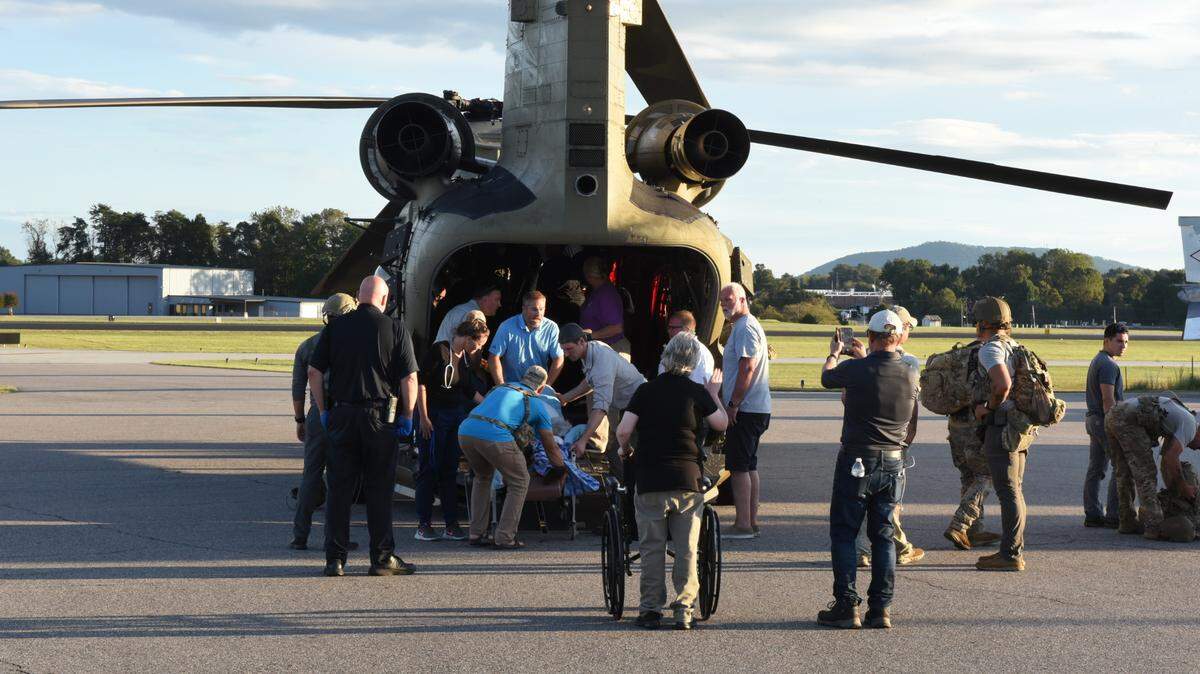
Ahead of additional troops arriving on Friday, the N.C. National Guard sent seven heavy-lift CH-47 Chinook helicopters it received from the 18th Airborne Corps at Fort Liberty to Western North Carolina.
Marshburn said the helicopters were “engaged in commodity deliveries and rescue and recovery efforts,” and had been sent to Asheville, from where they would be directed to other parts of the region as needed.
As part of those efforts, the N.C. National Guard said in a social media post that its soldiers and airmen were breaking down and preparing pallets carrying more than 80,000 pounds of food and water that had been flown to a logistics hub in Asheville by the U.S. Army and Air Force, and would be delivered by troops with the 82nd Airborne Division.
The N.C. National Guard’s efforts have also included 417 specialized vehicles and 26 aircraft that had been deployed to support search and rescue and delivery operations as of Friday, Cooper’s office said.
Before all of the active-duty troops had deployed from Fort Liberty, Marshburn had said that N.C. National Guard leaders were “actively engaged in planning the best way to use the engineers coming from our active component,” and soldiers that had yet to deploy were “preparing with rehearsals and developing movement and load plans.”
This story was originally published October 5, 2024 at 12:21 PM.




.jpg)

.jpeg)
.JPG)








.JPG)