Two weeks after Helene, NCDOT still working to connect Bat Cave with outside world
READ MORE
Hurricane Helene Aftermath
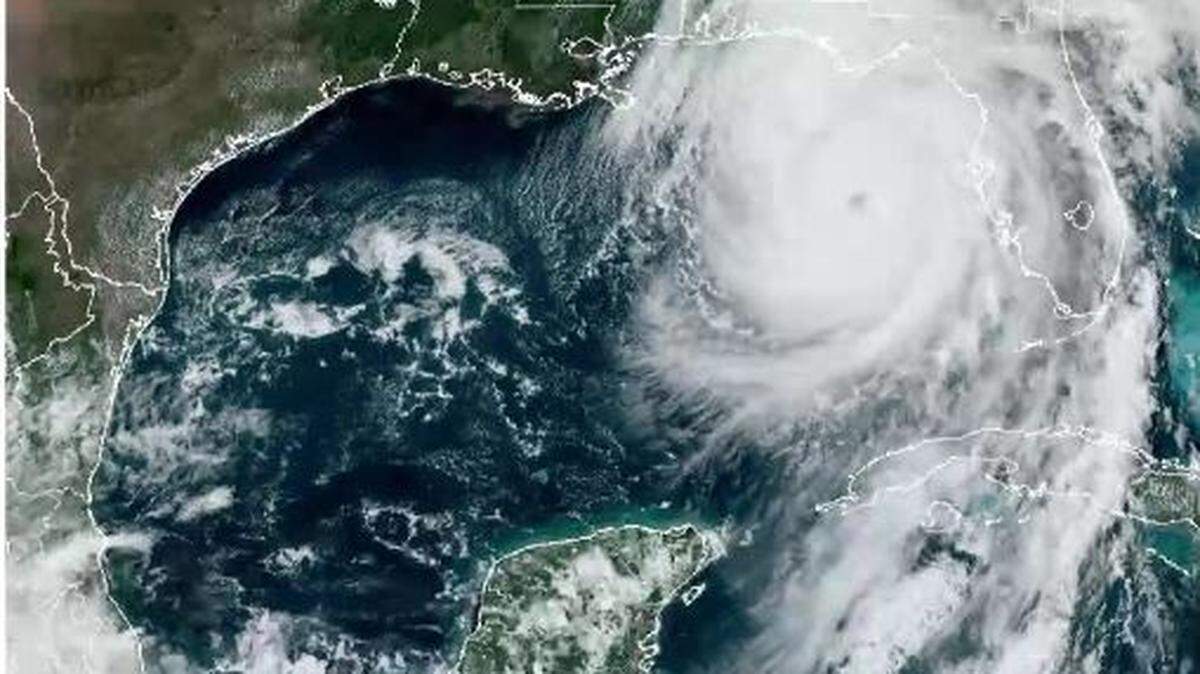
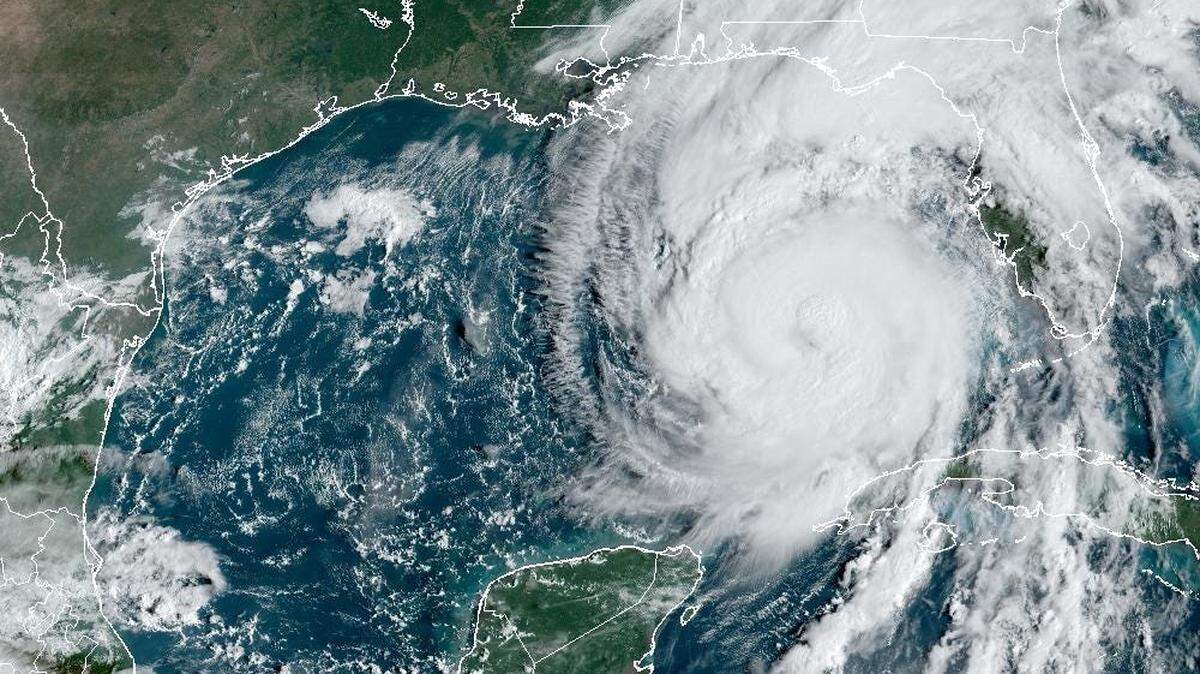
Hurricane Helene swept across the Southeast, causing major flooding and destruction throughout North Carolina. Here is ongoing coverage from The News & Observer and The Charlotte Observer about Hurricane Helene and the aftermath, particularly in Western North Carolina.
Expand All
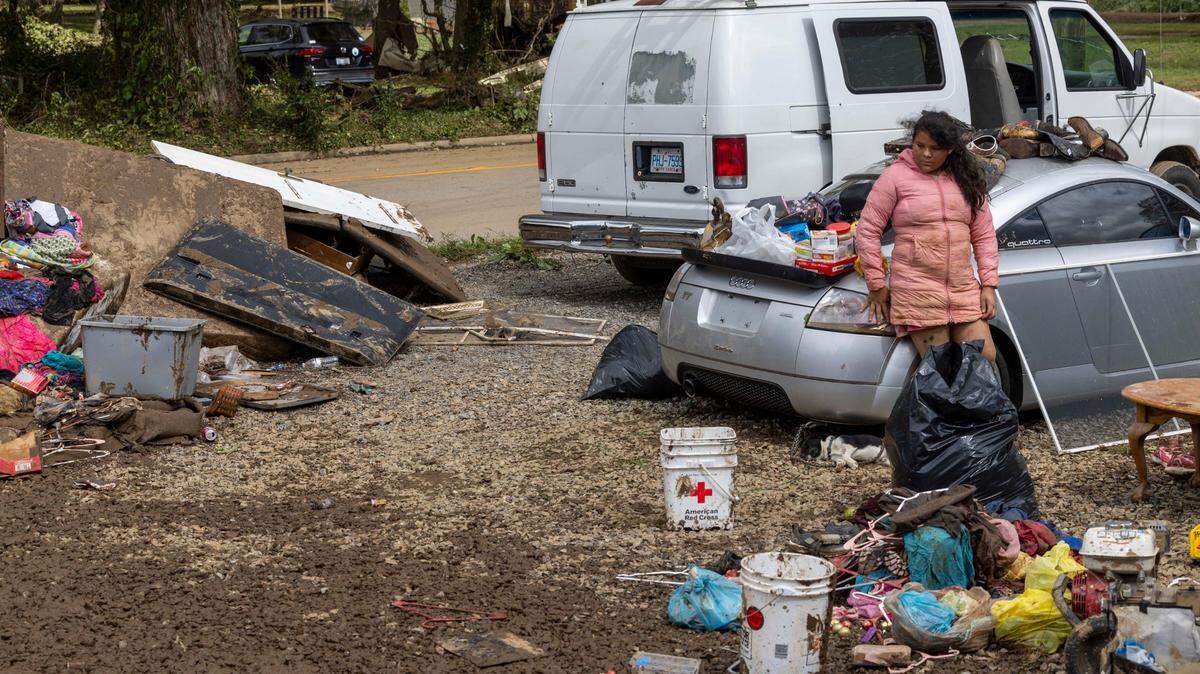
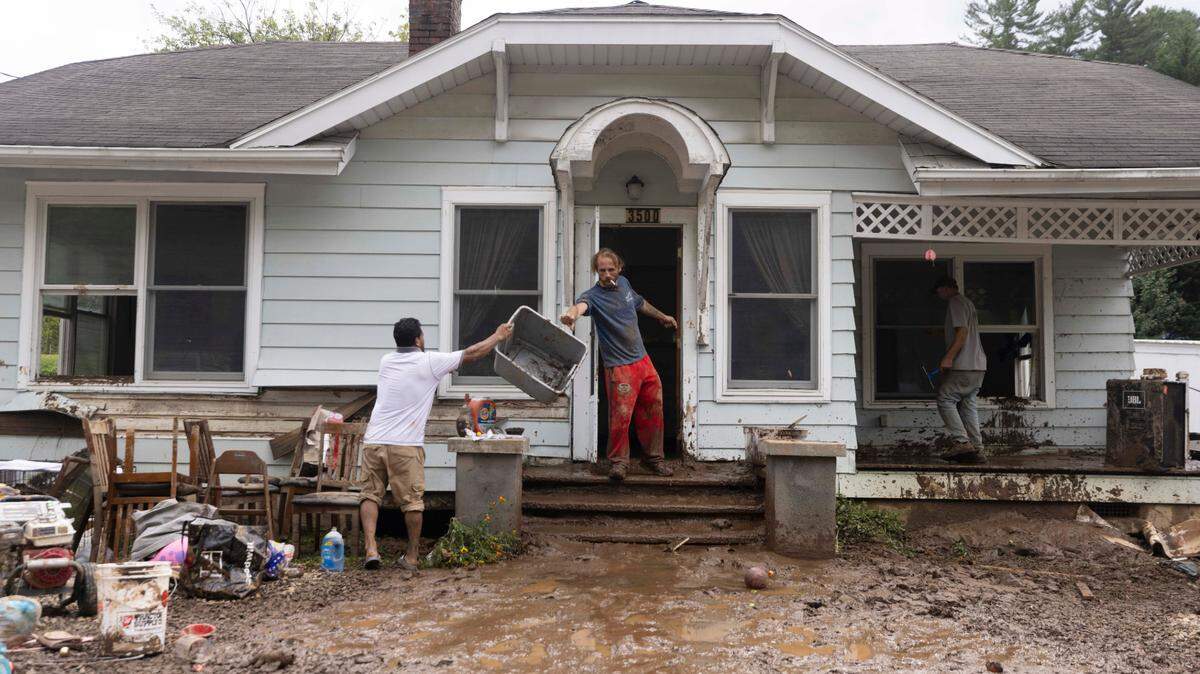
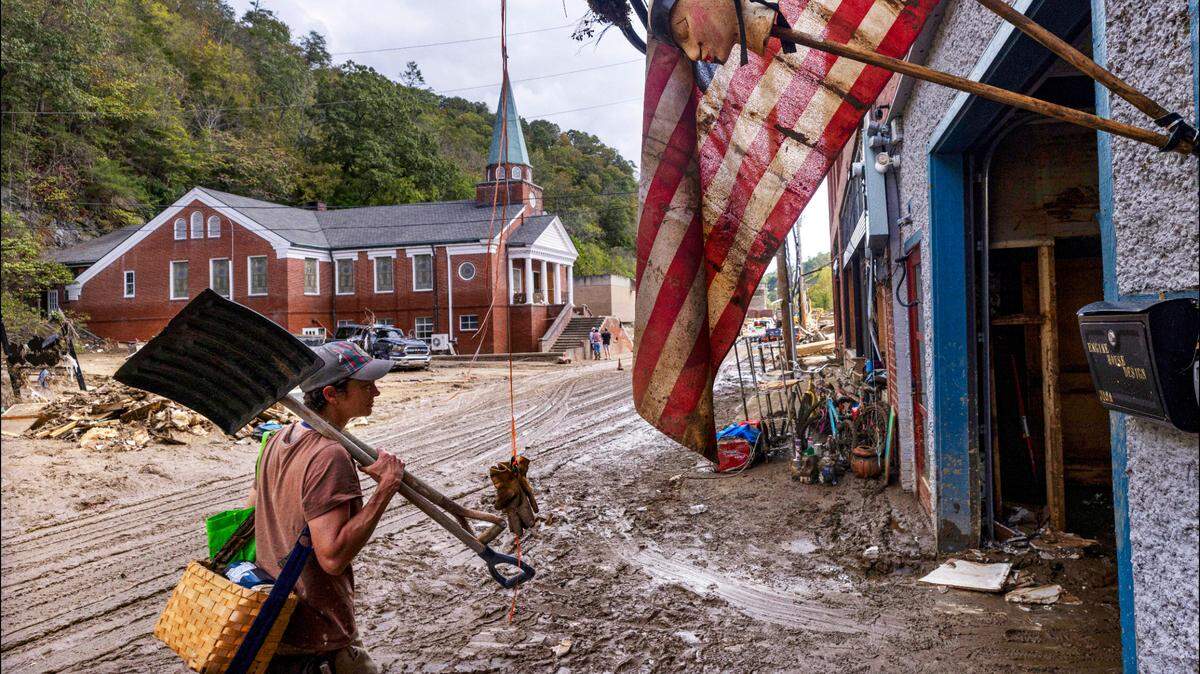
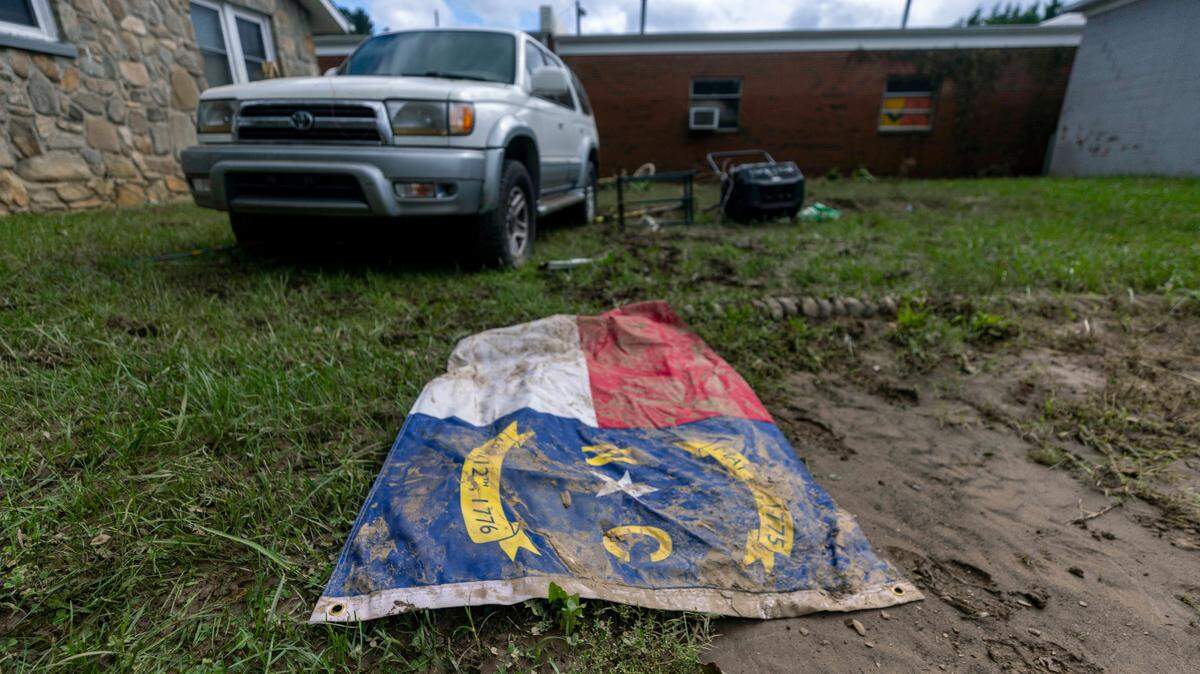
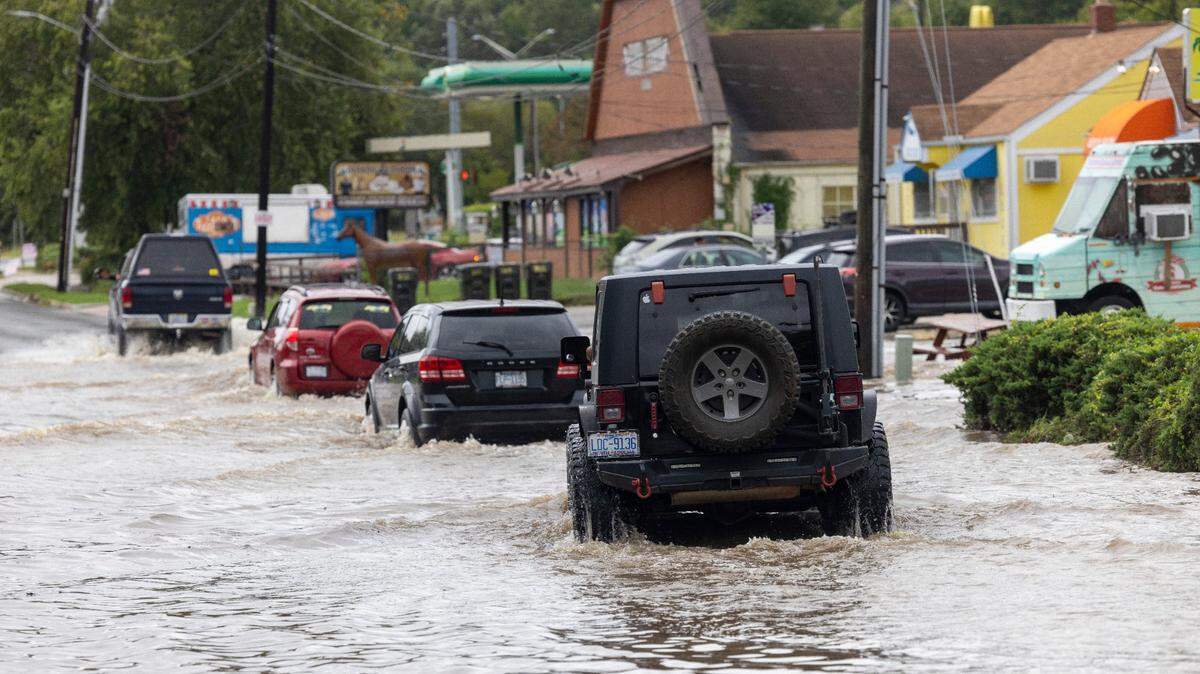
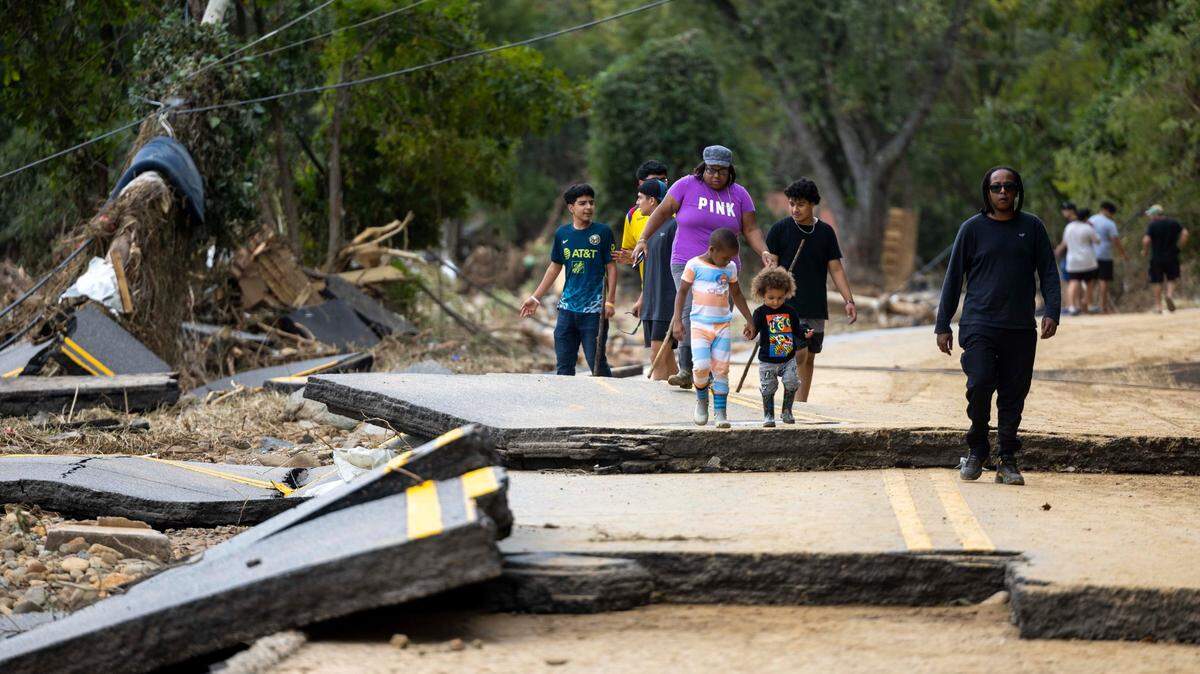
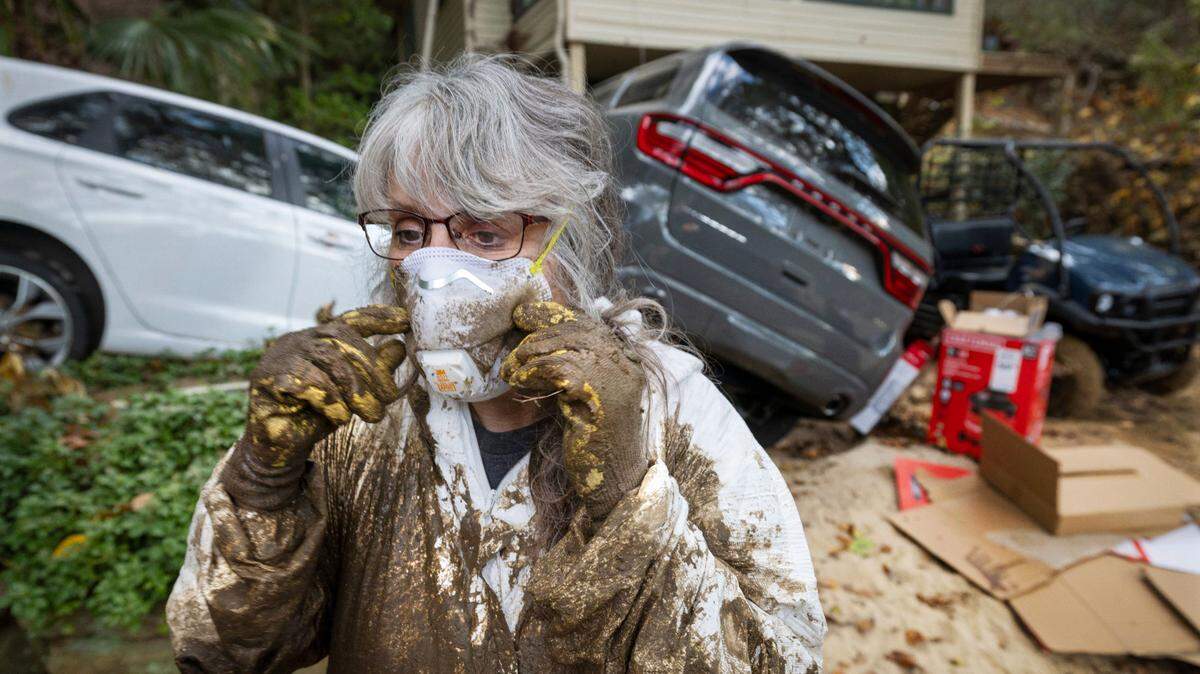
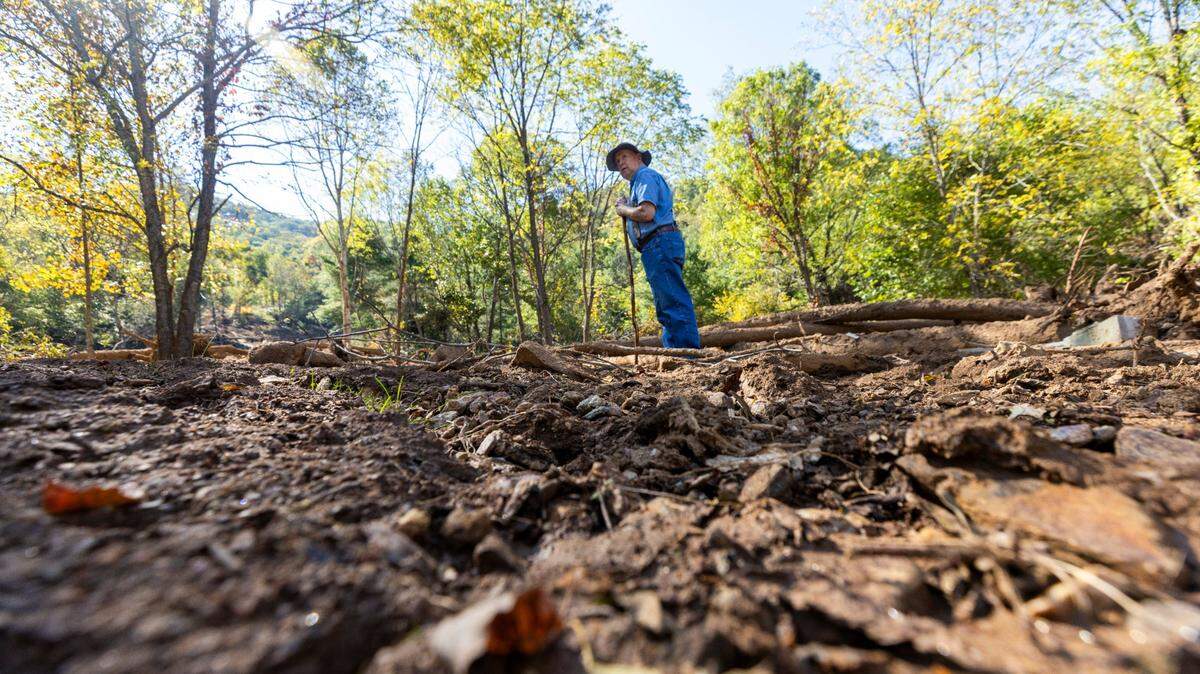
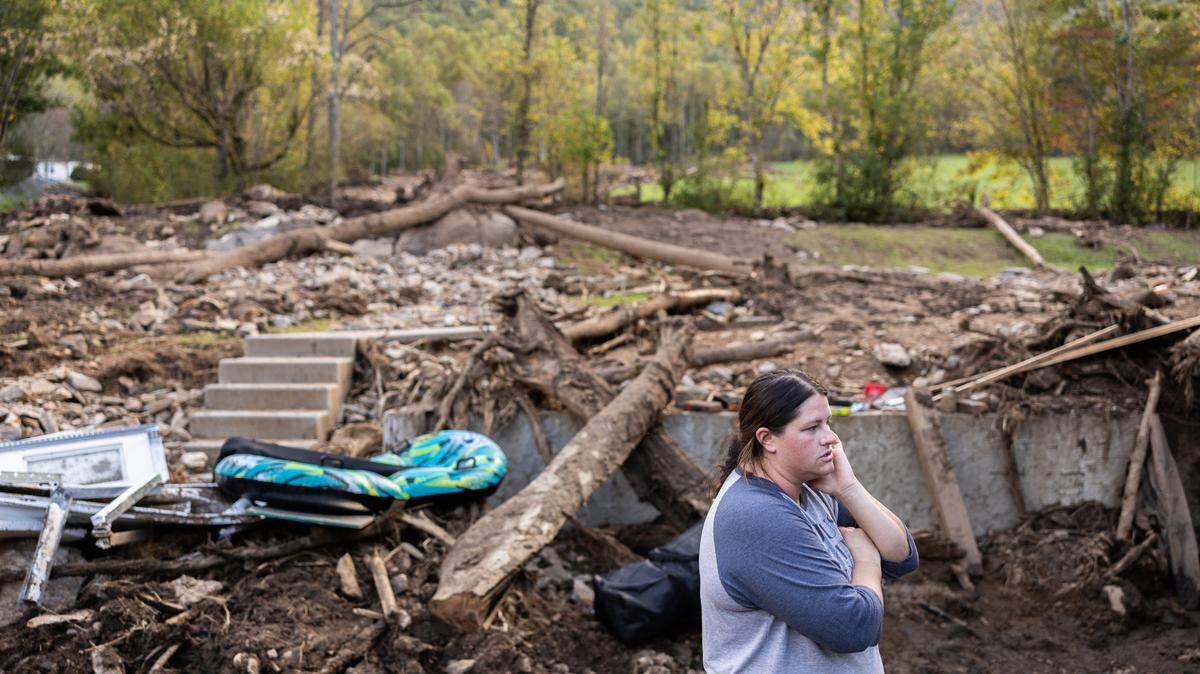
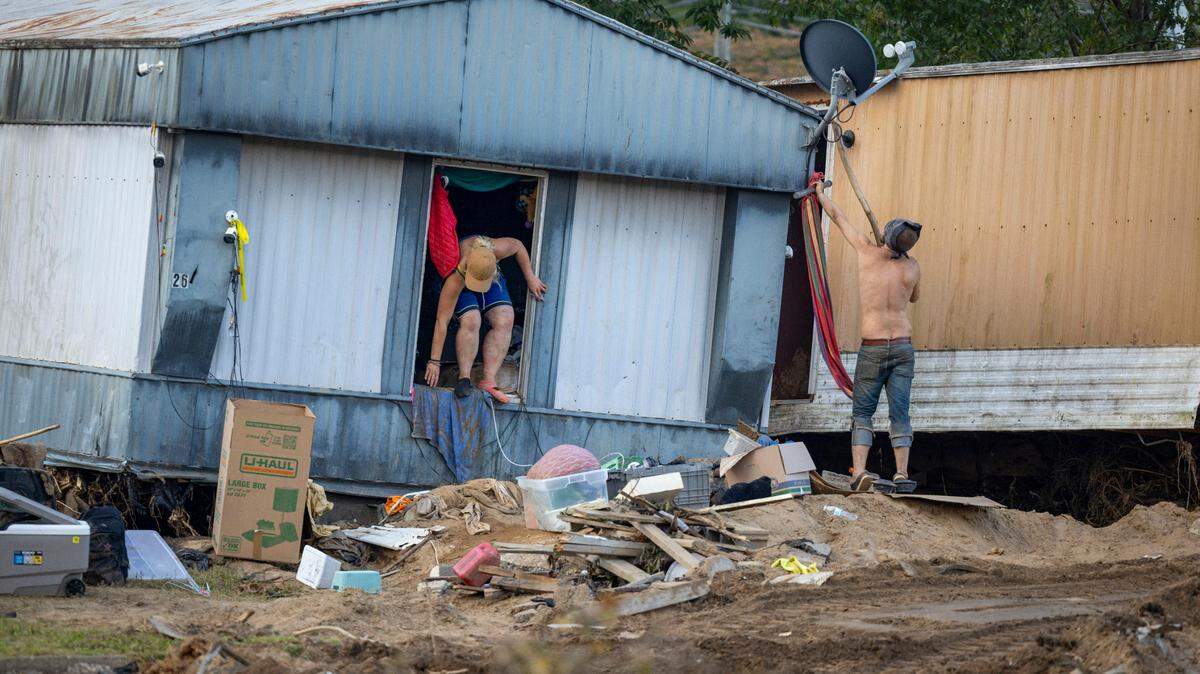
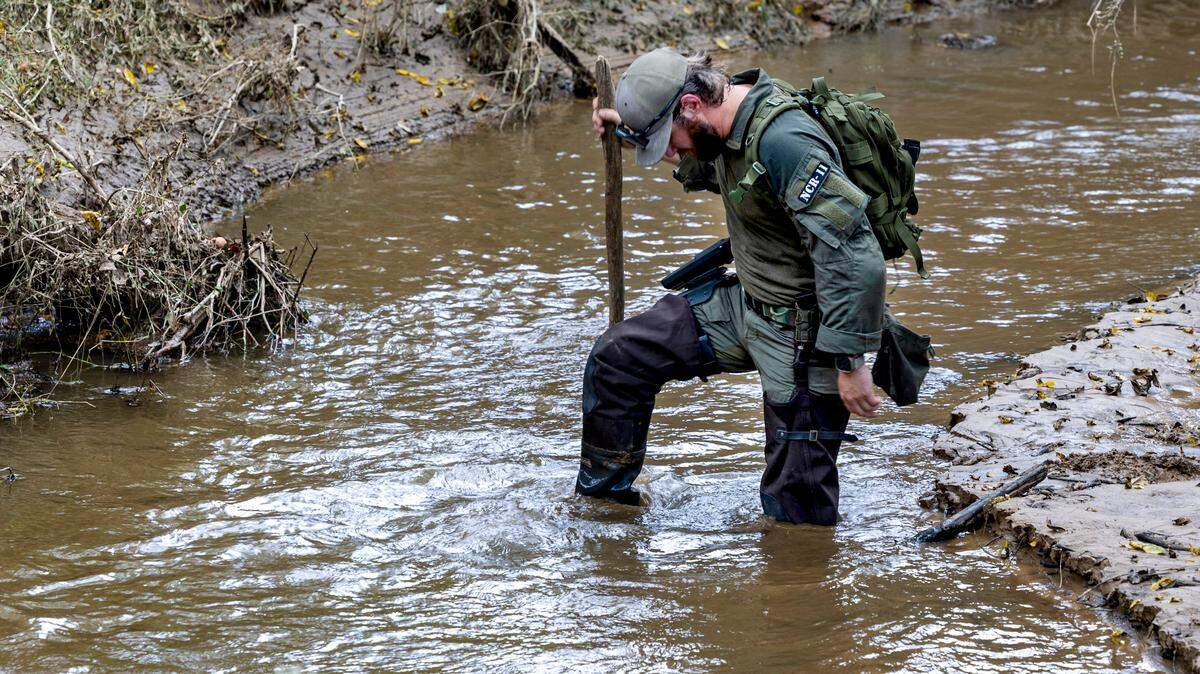
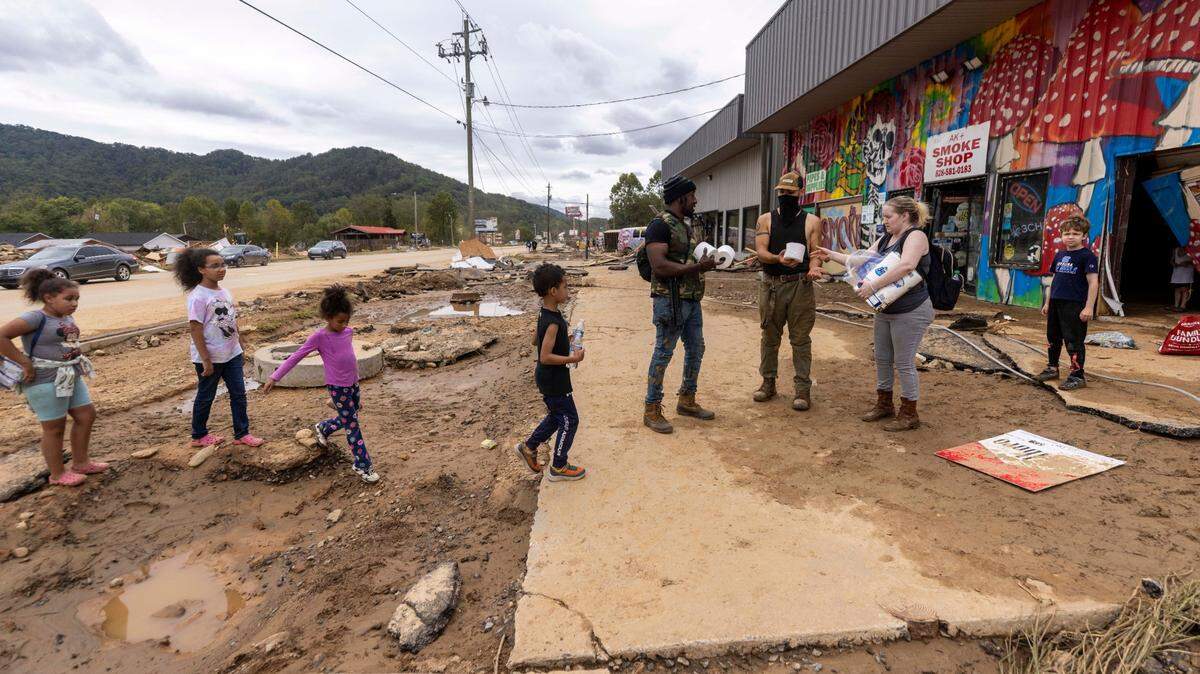
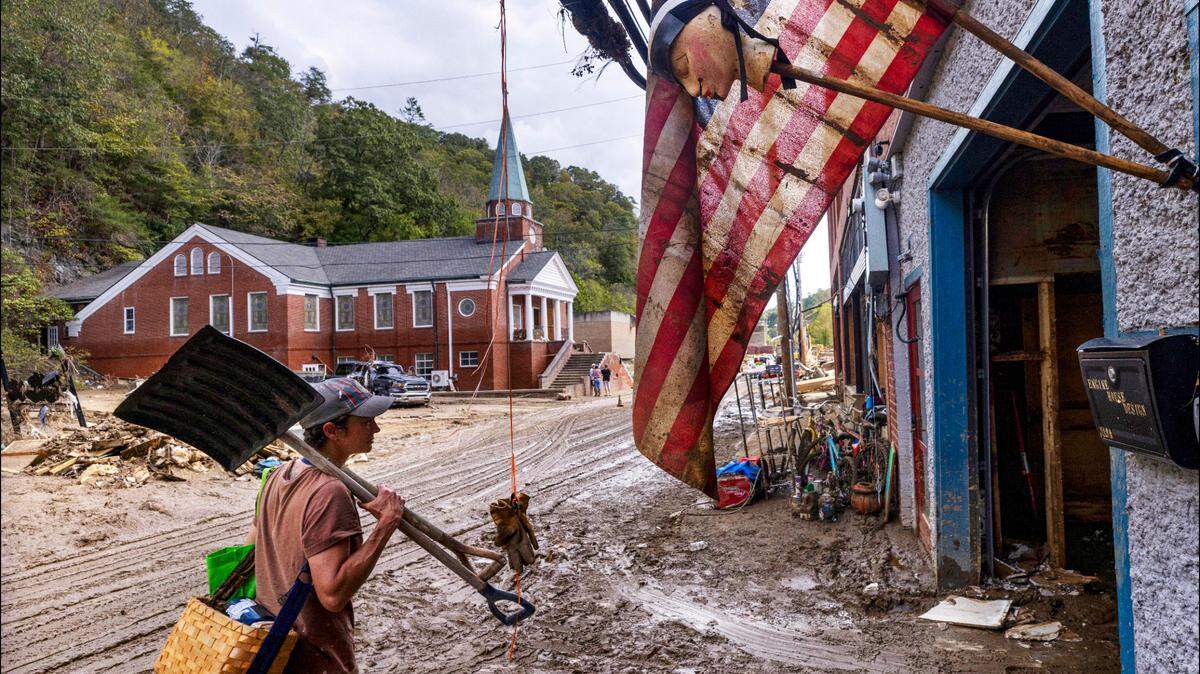
When Chelsea Atkins and her husband came down from the cabin where they had taken refuge during Hurricane Helene, they were shocked by what was left of their community.
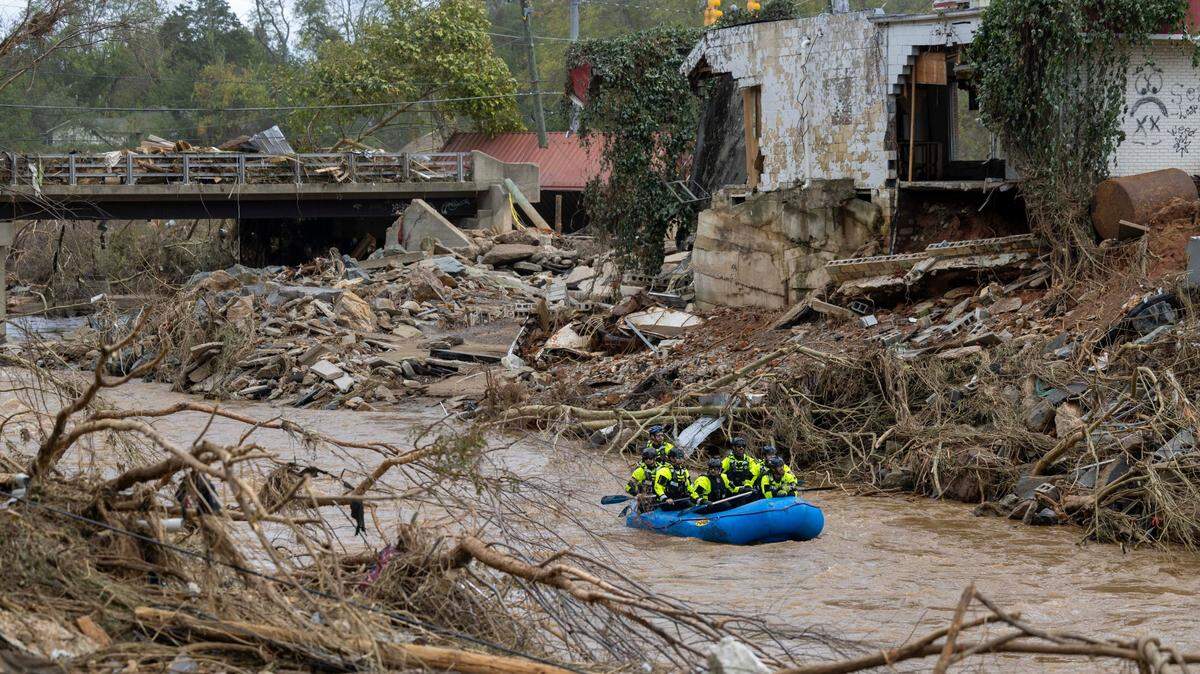
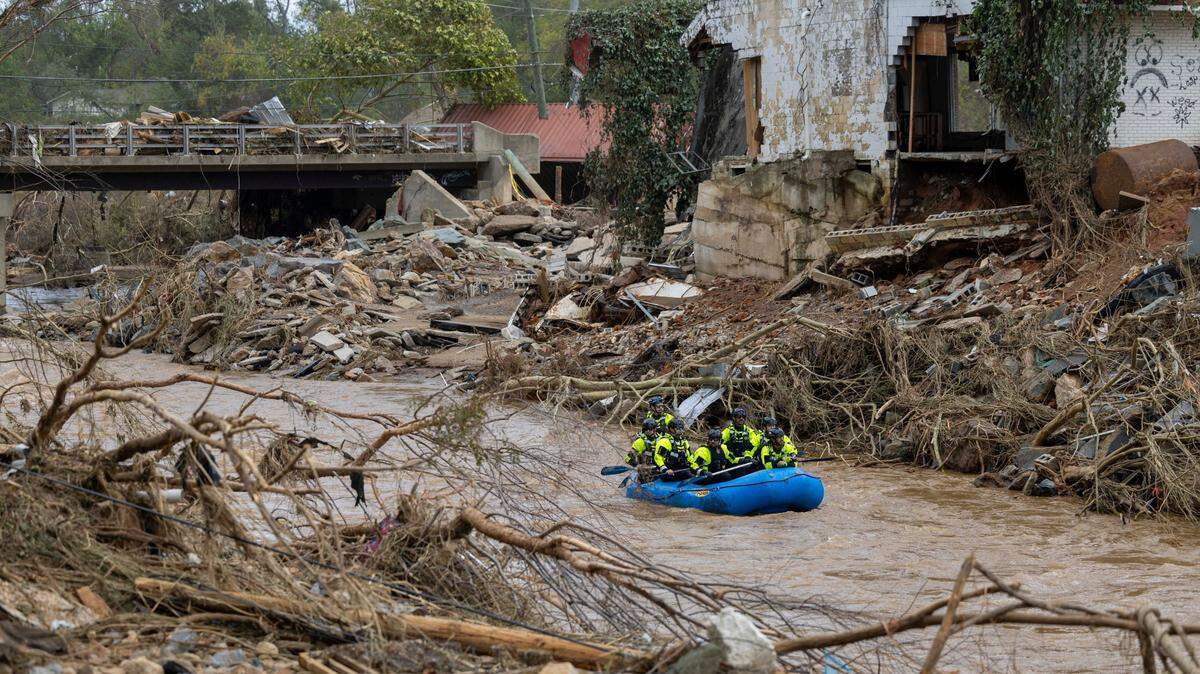
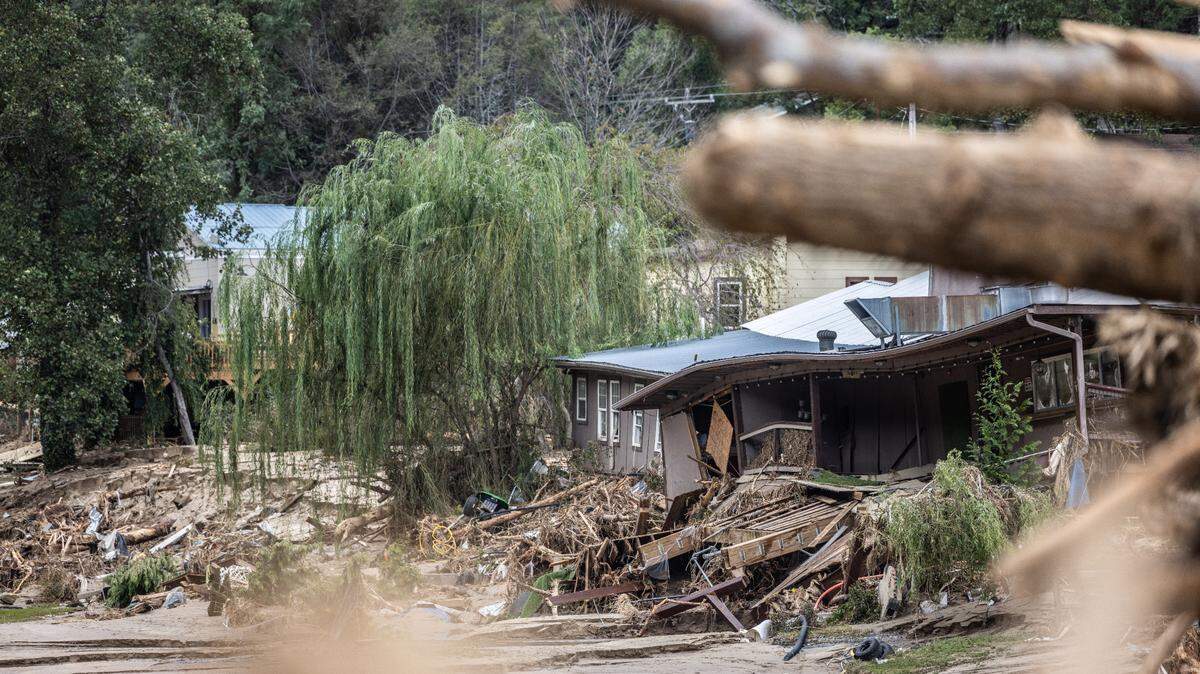
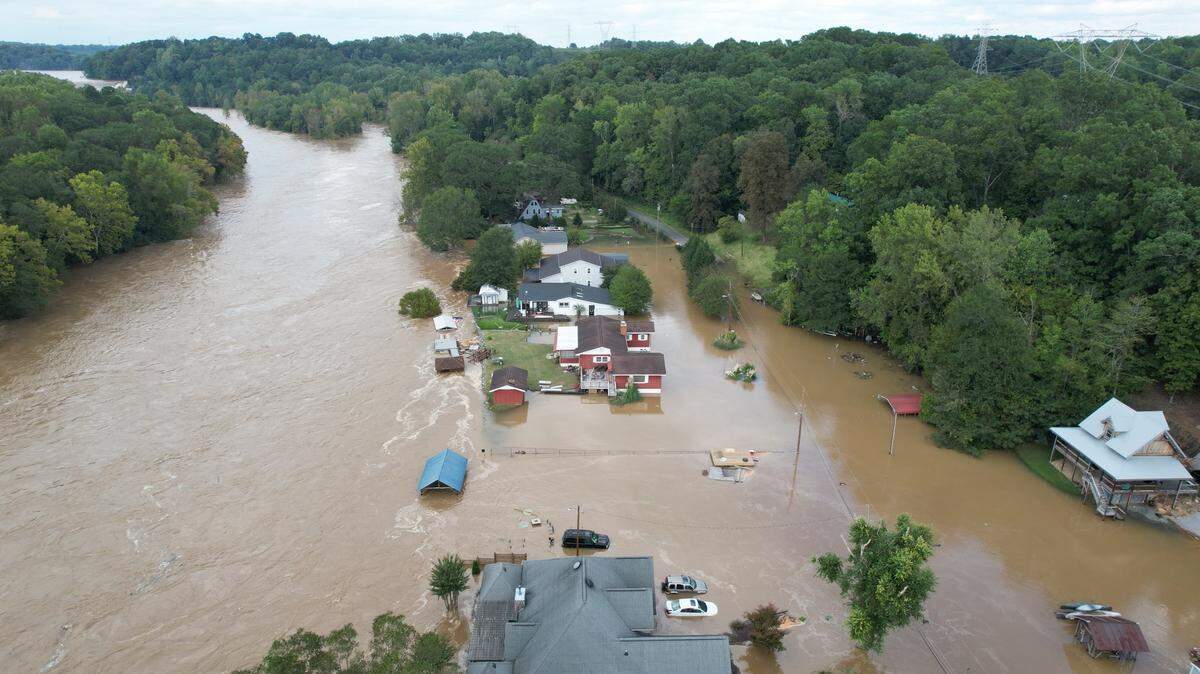
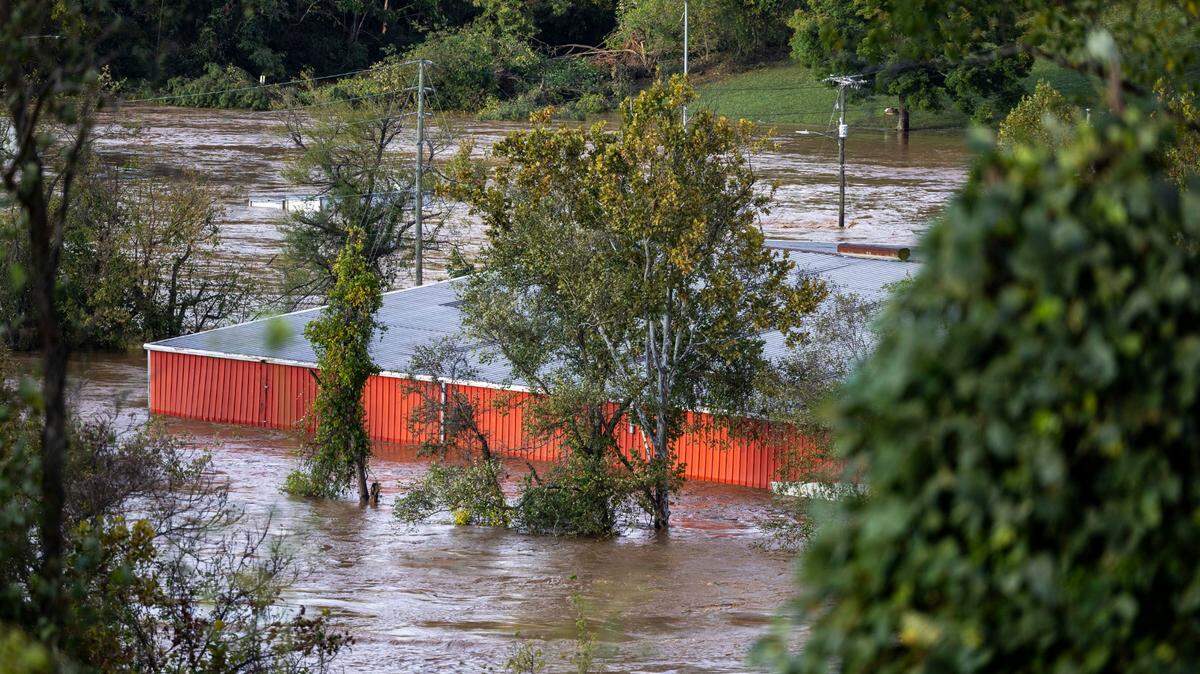
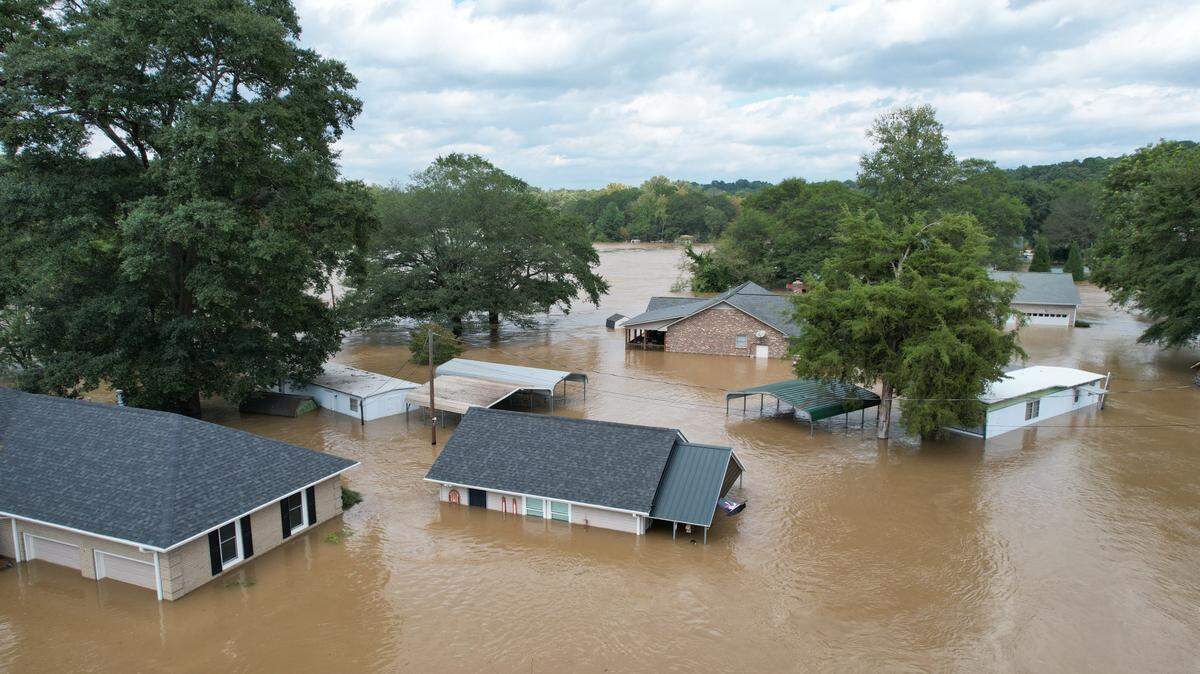
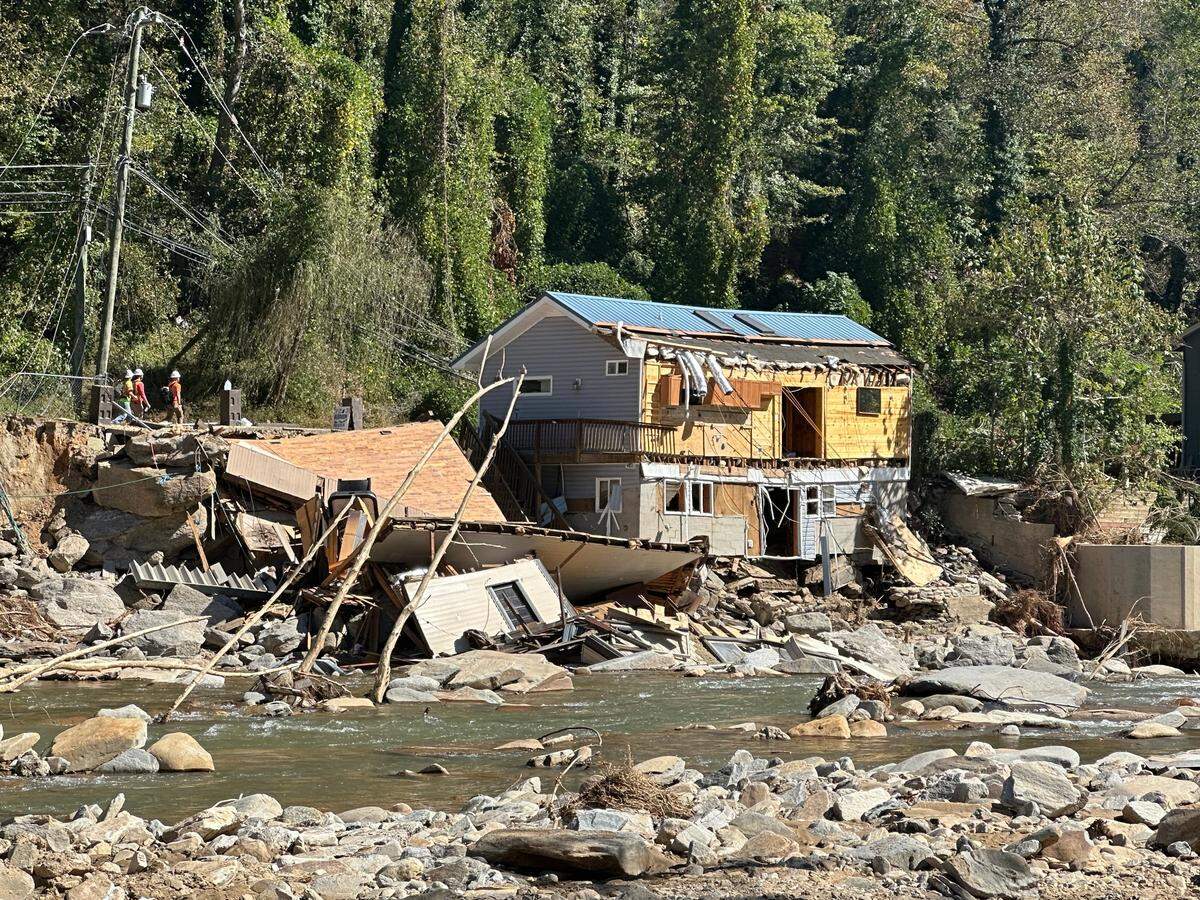
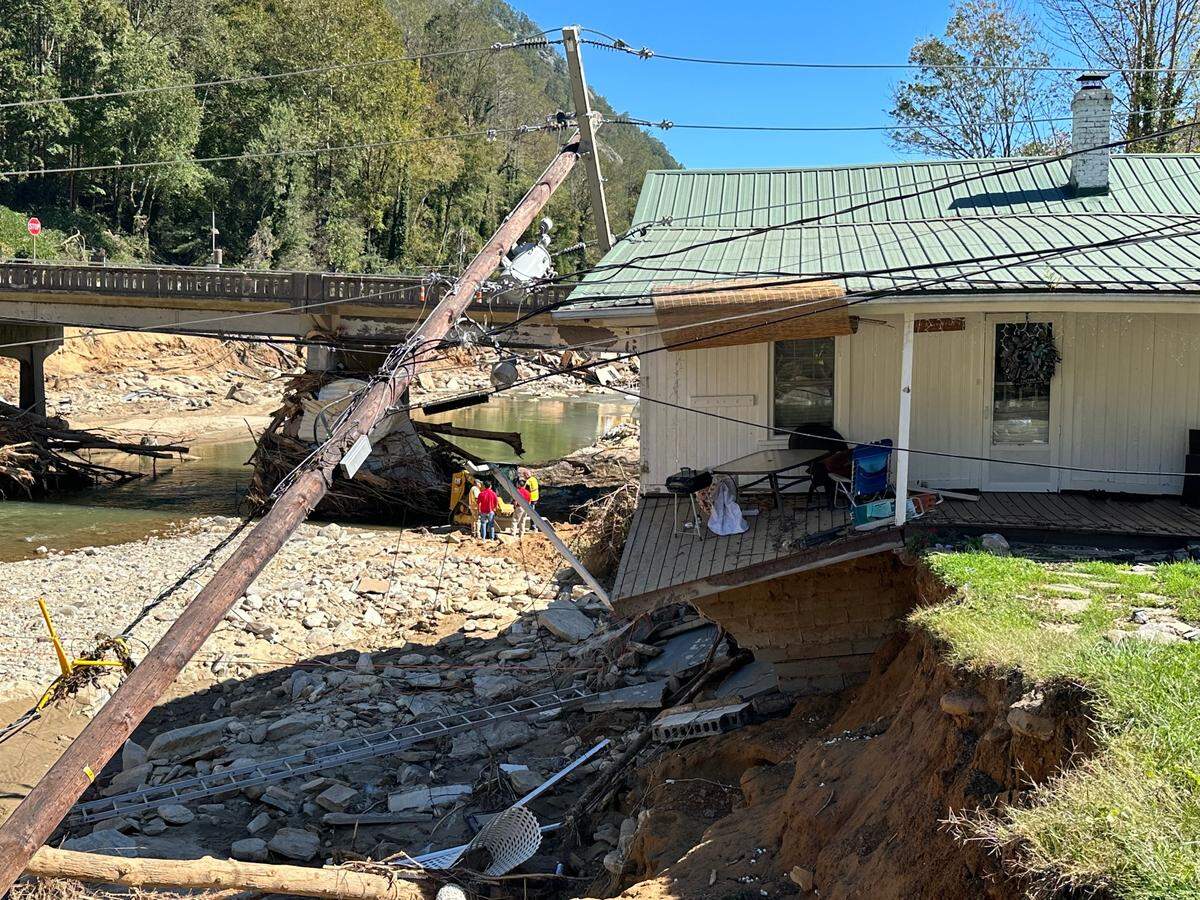
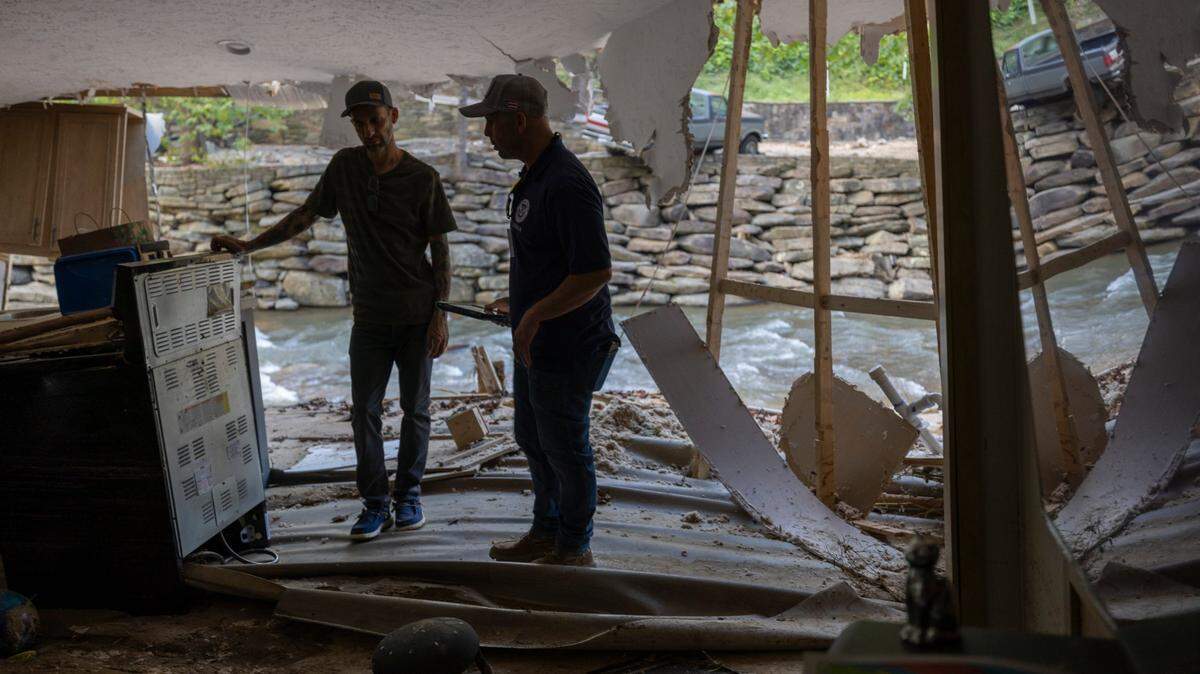
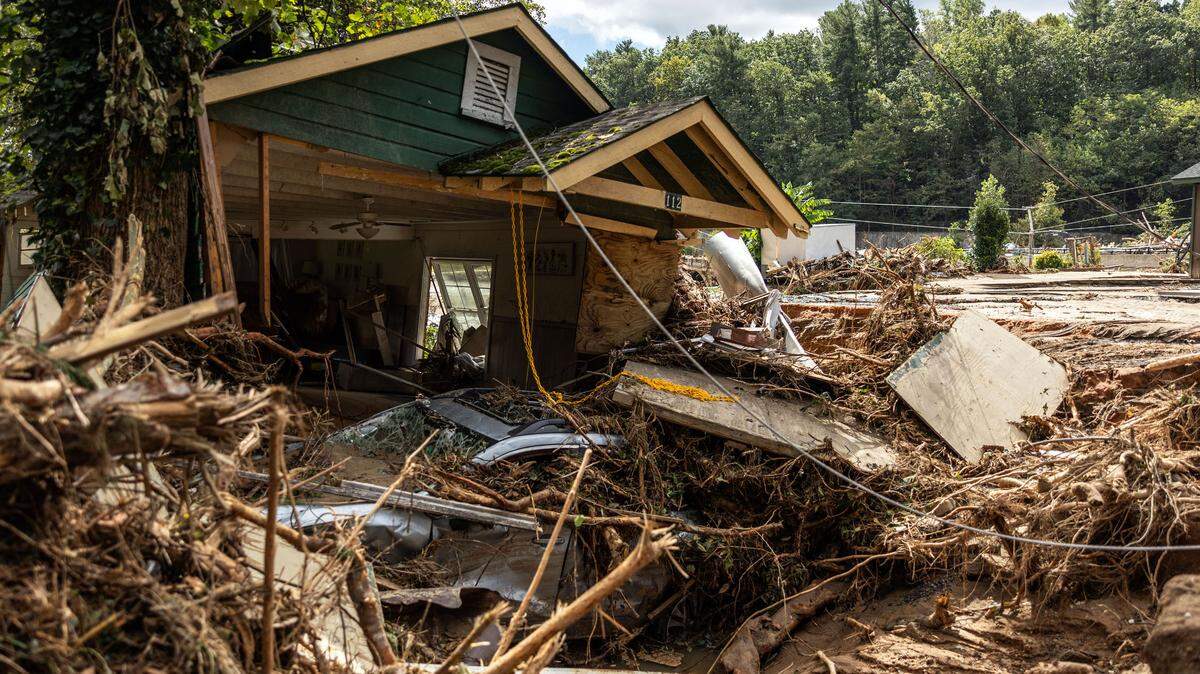
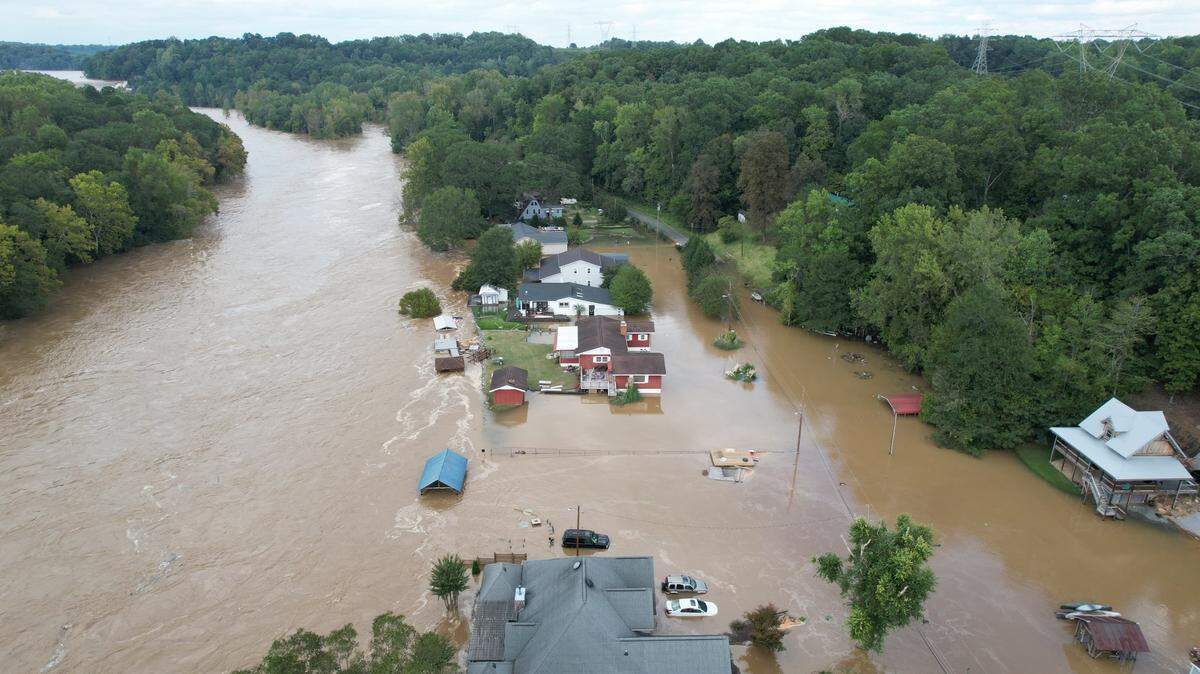
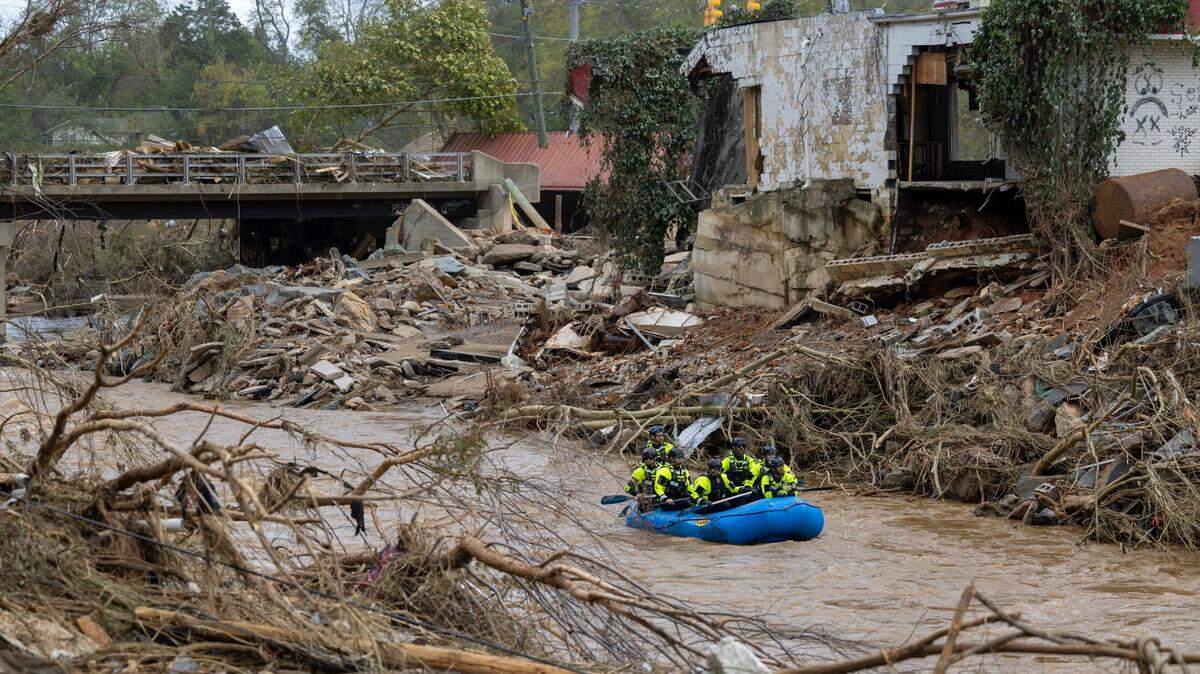
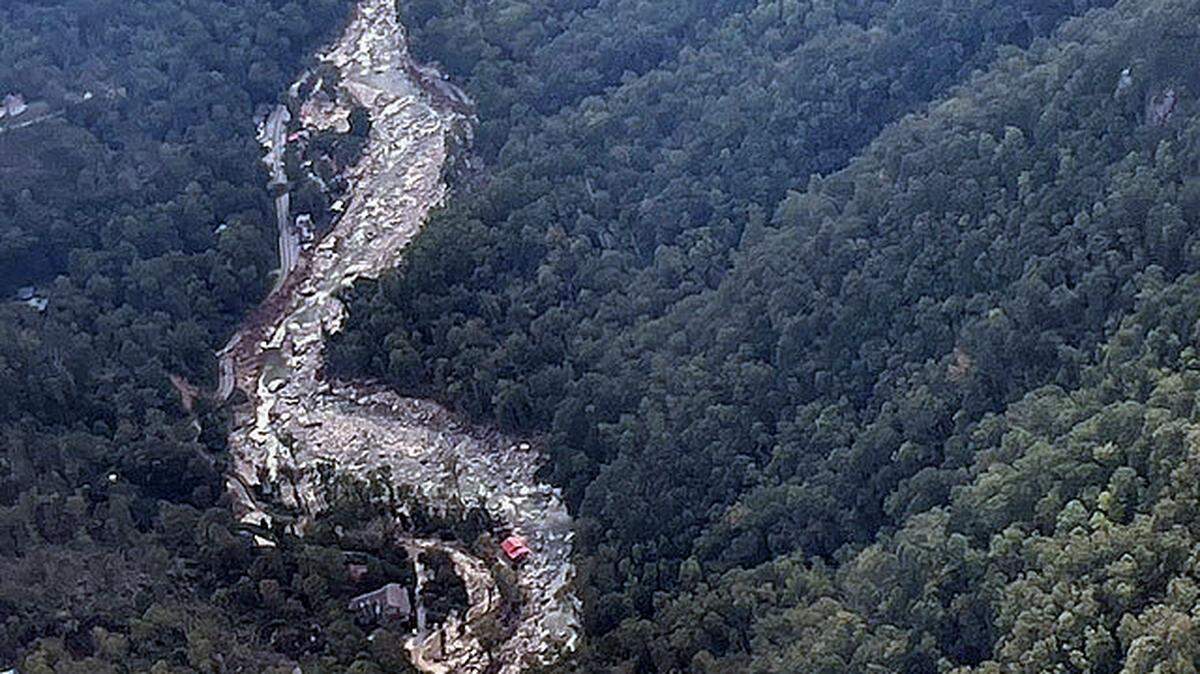
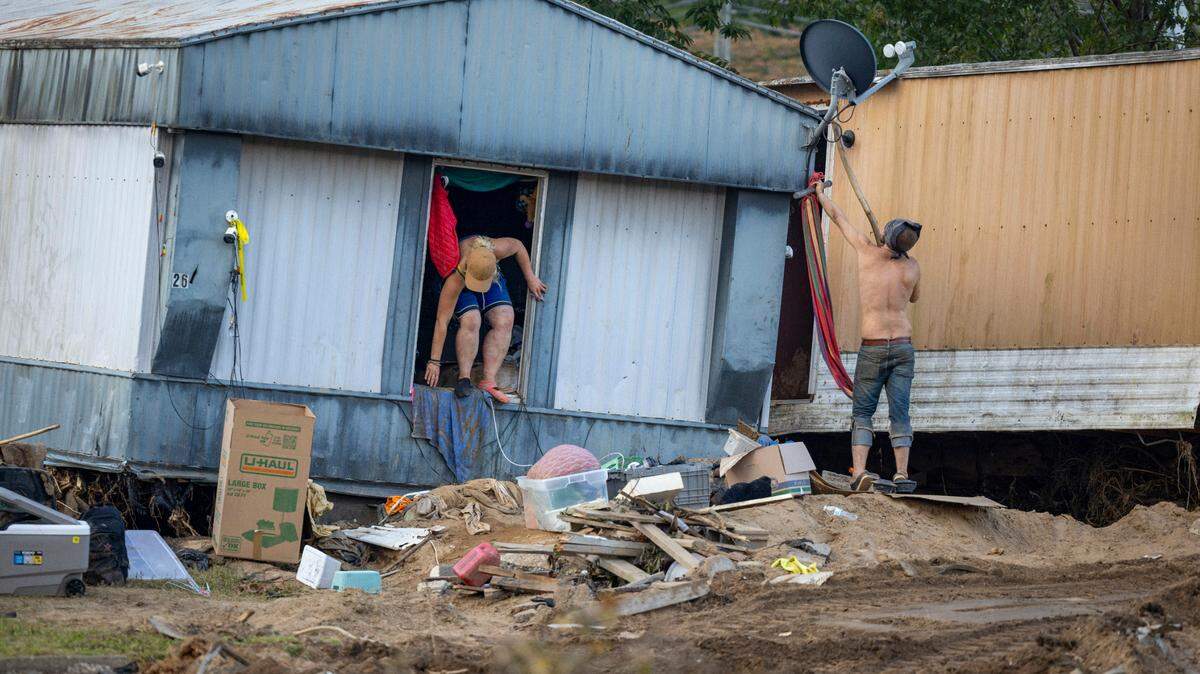
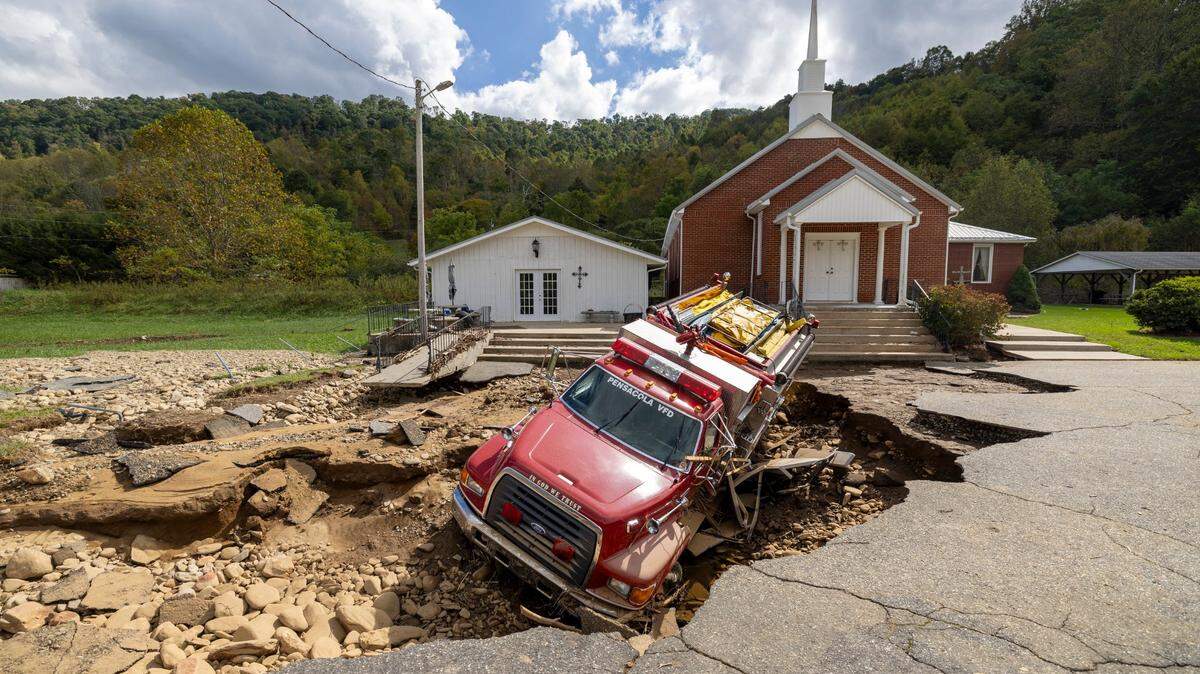
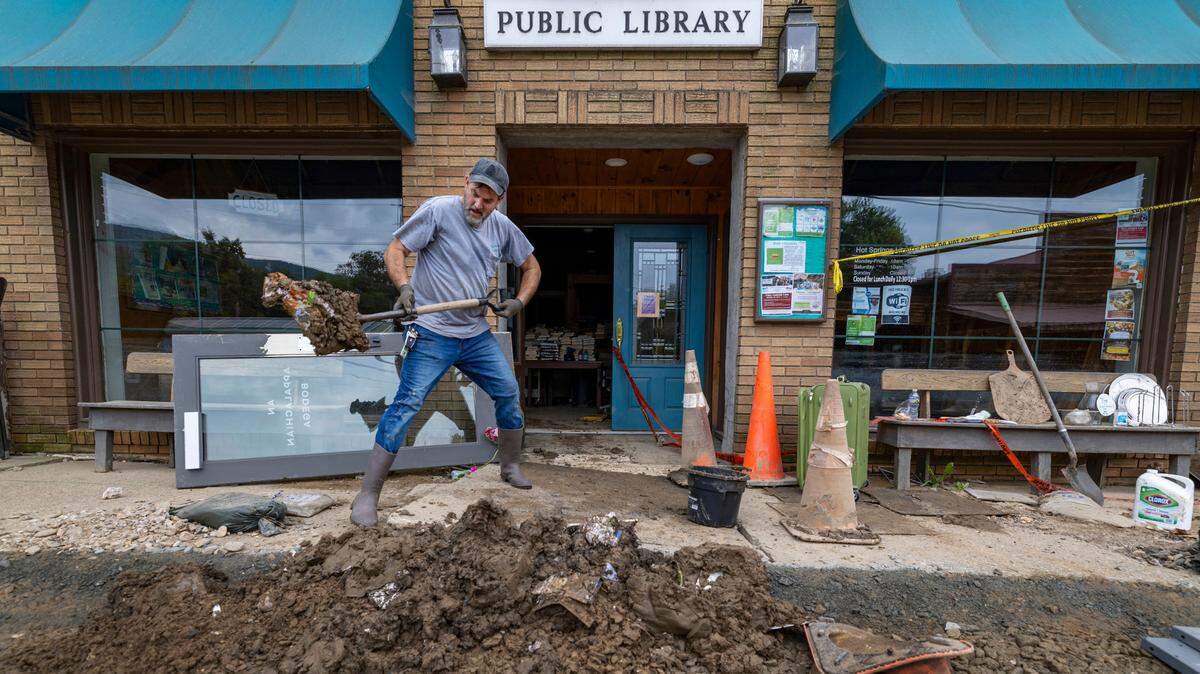
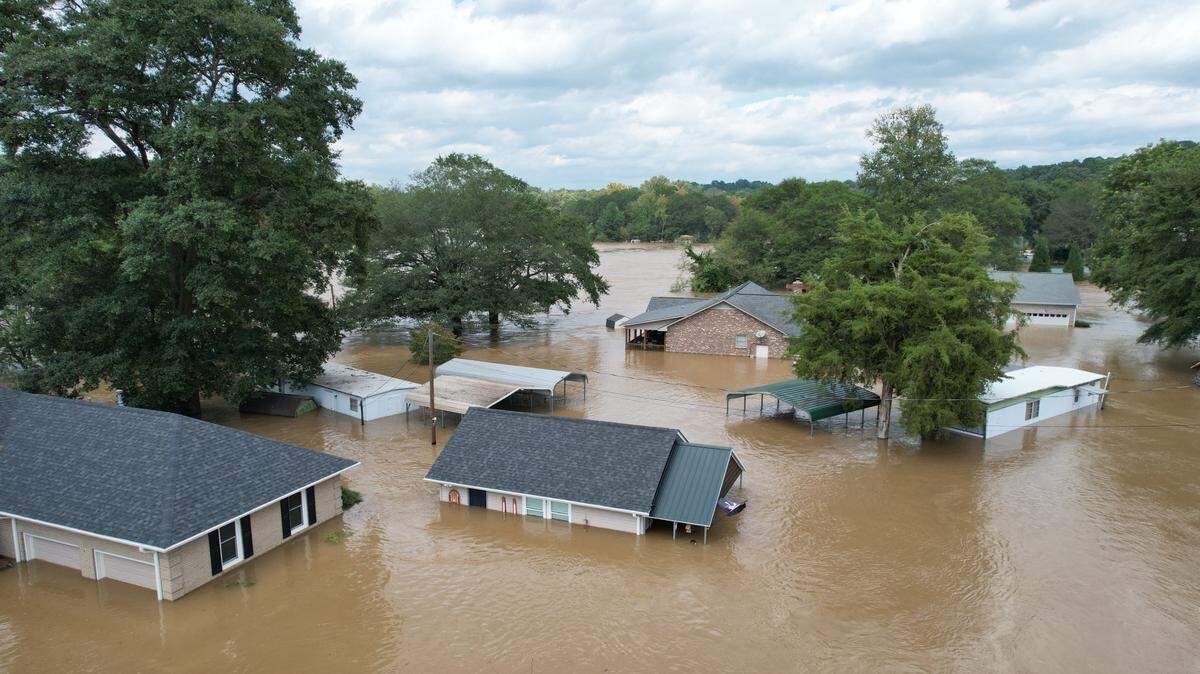
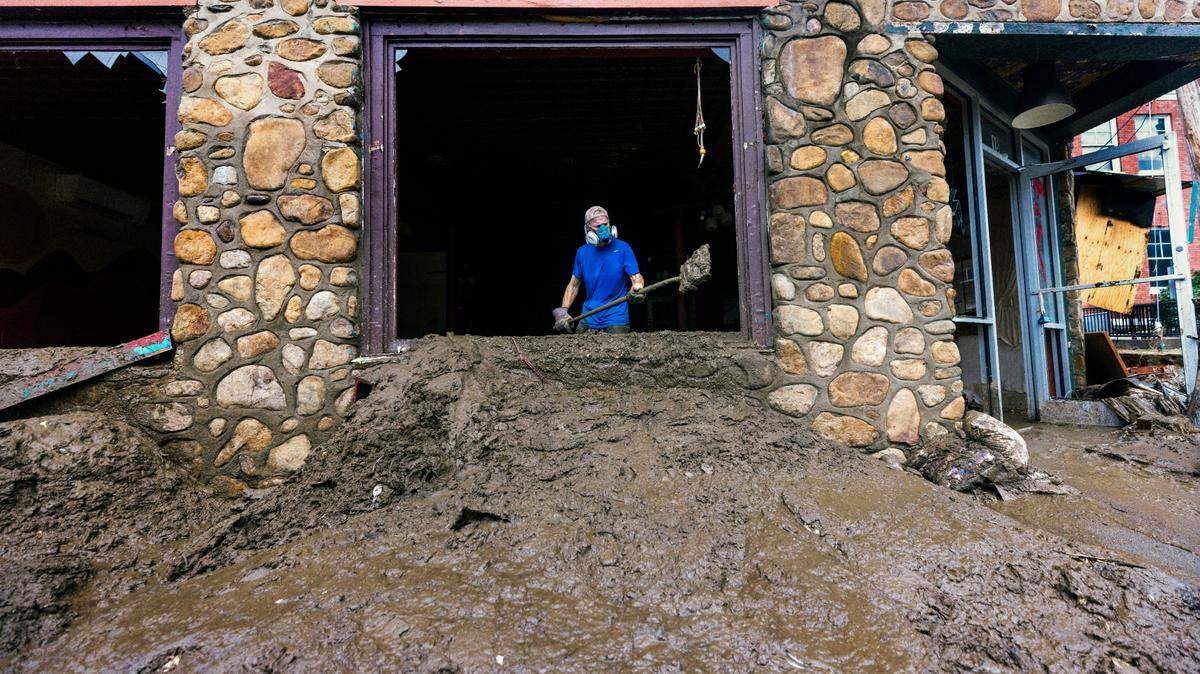
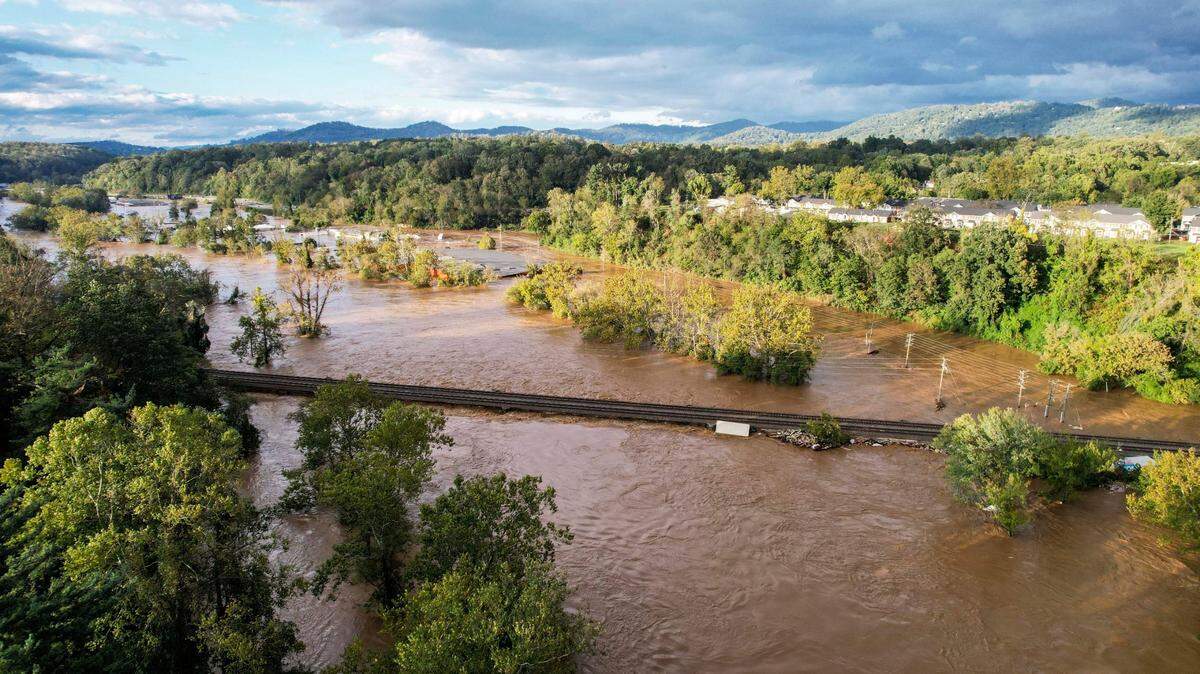
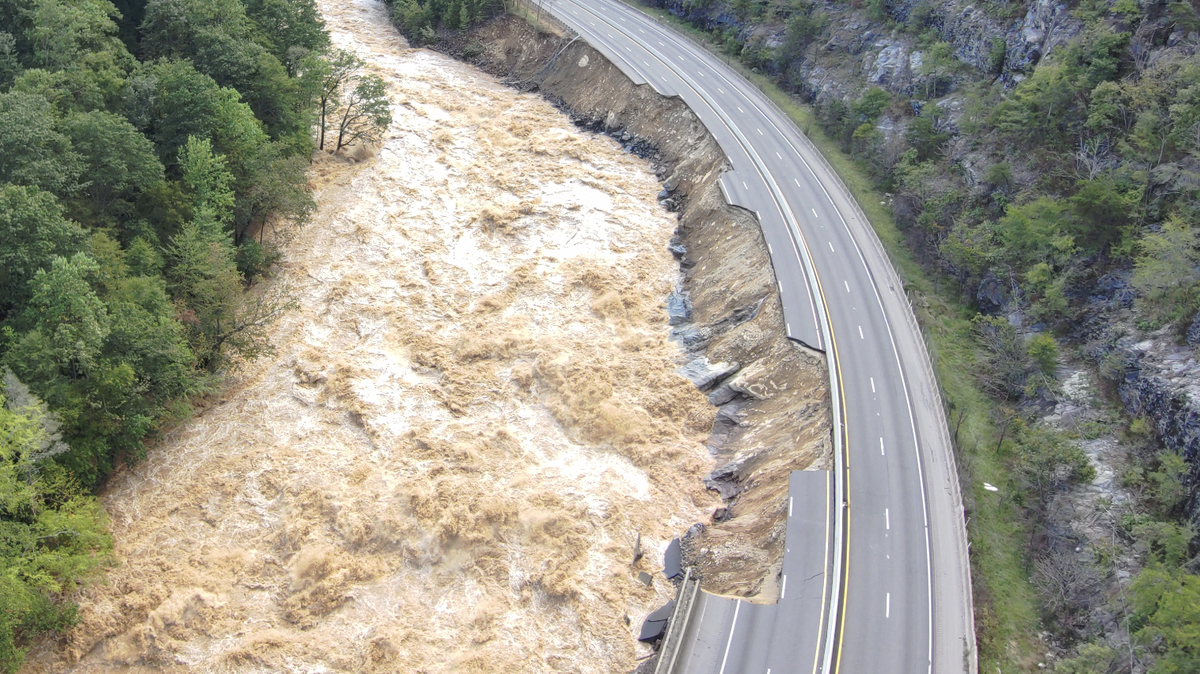
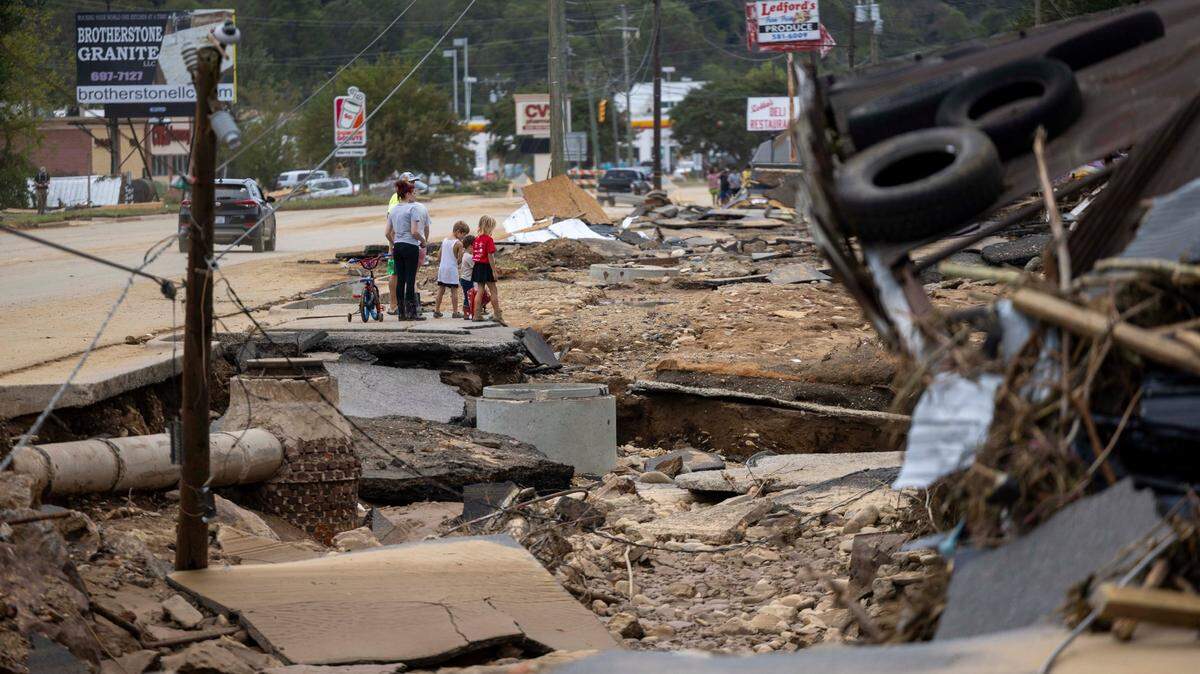
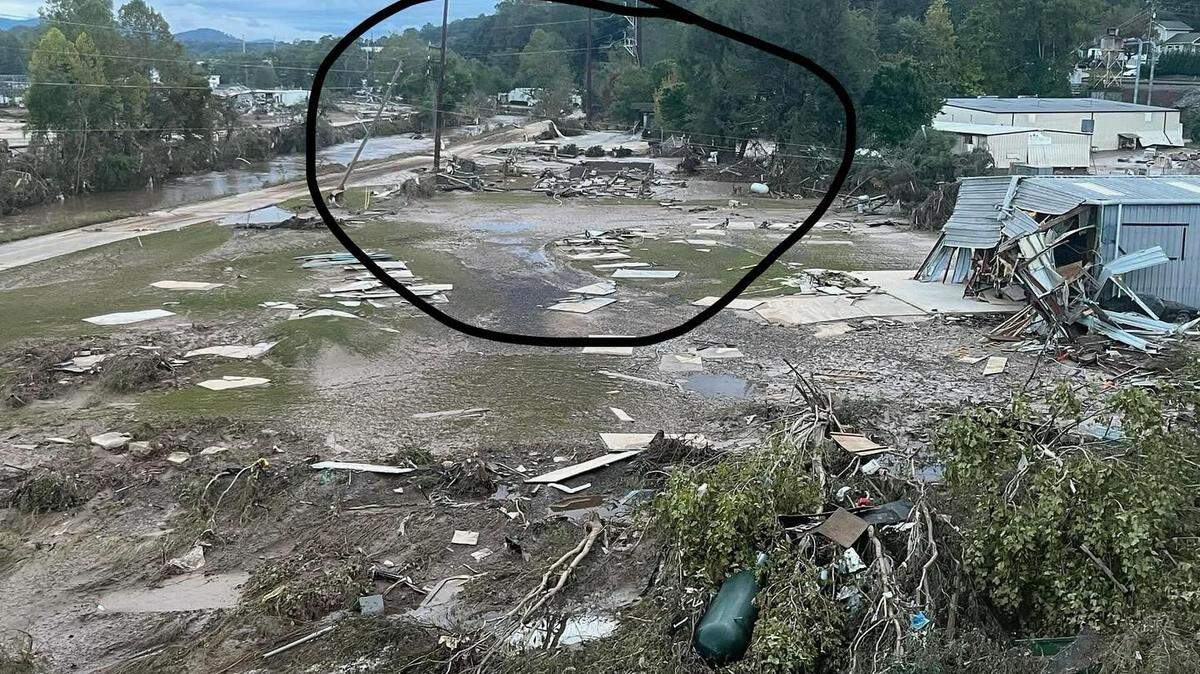
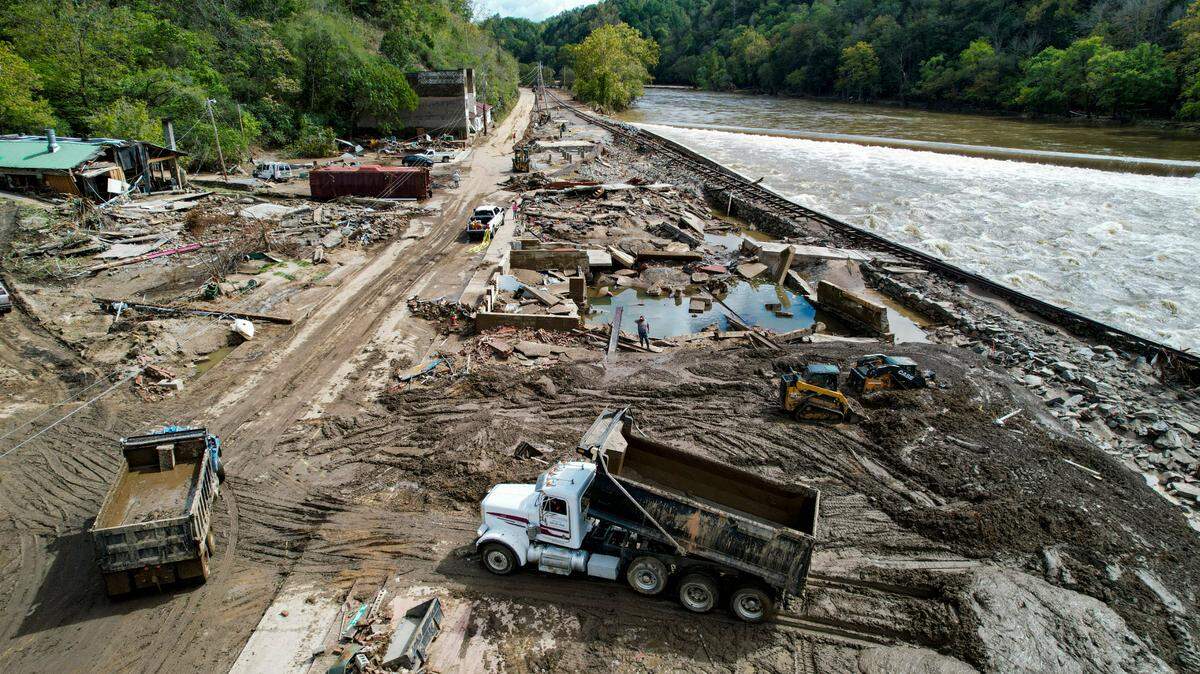
The Rocky Broad River, normally knee-deep, had ripped away homes and businesses and the land on which they stood. Their own house was still standing, though the back deck was gone along with part of the wall closest to the river.
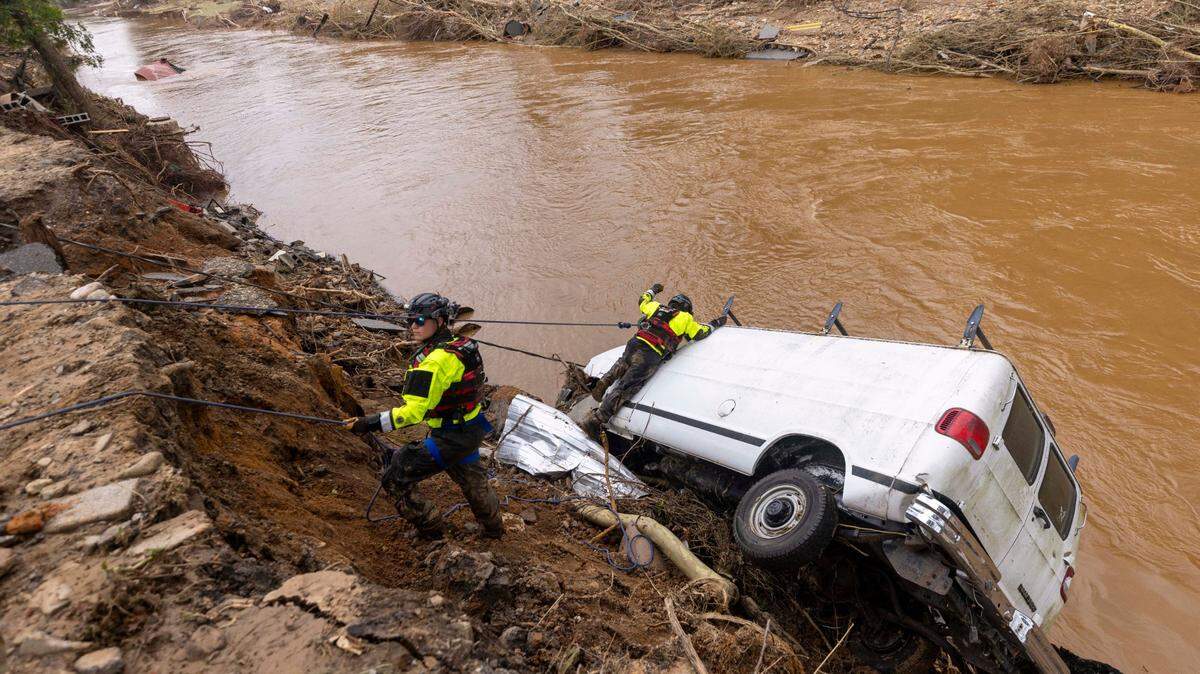
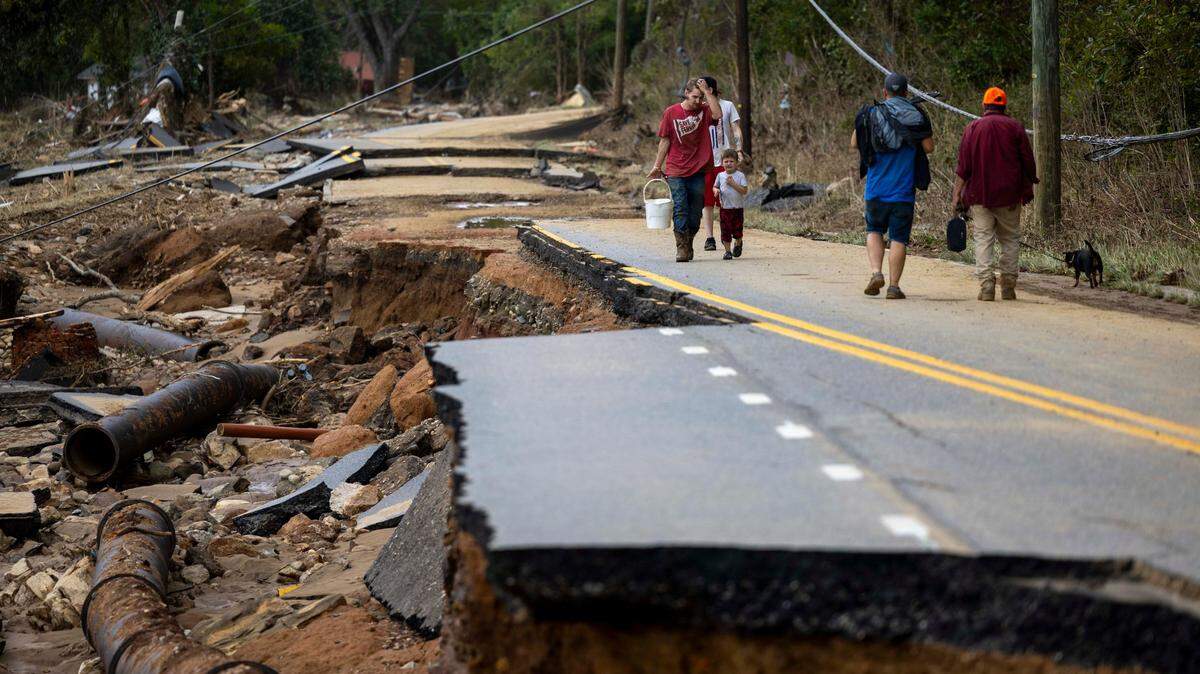
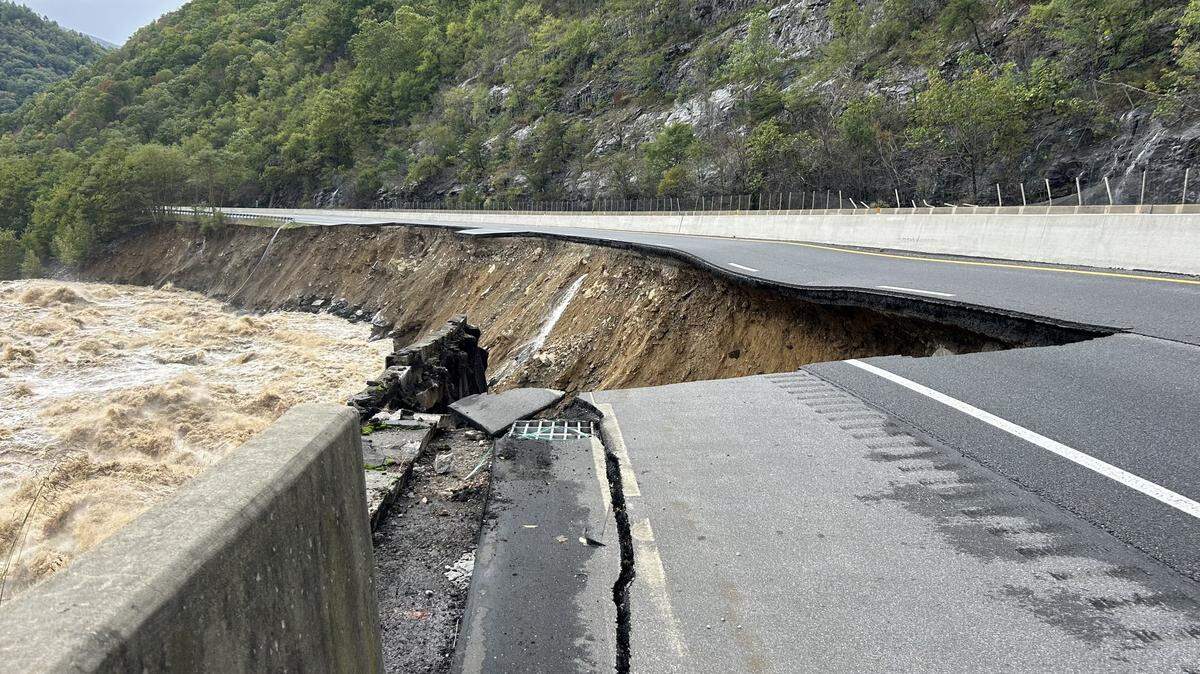
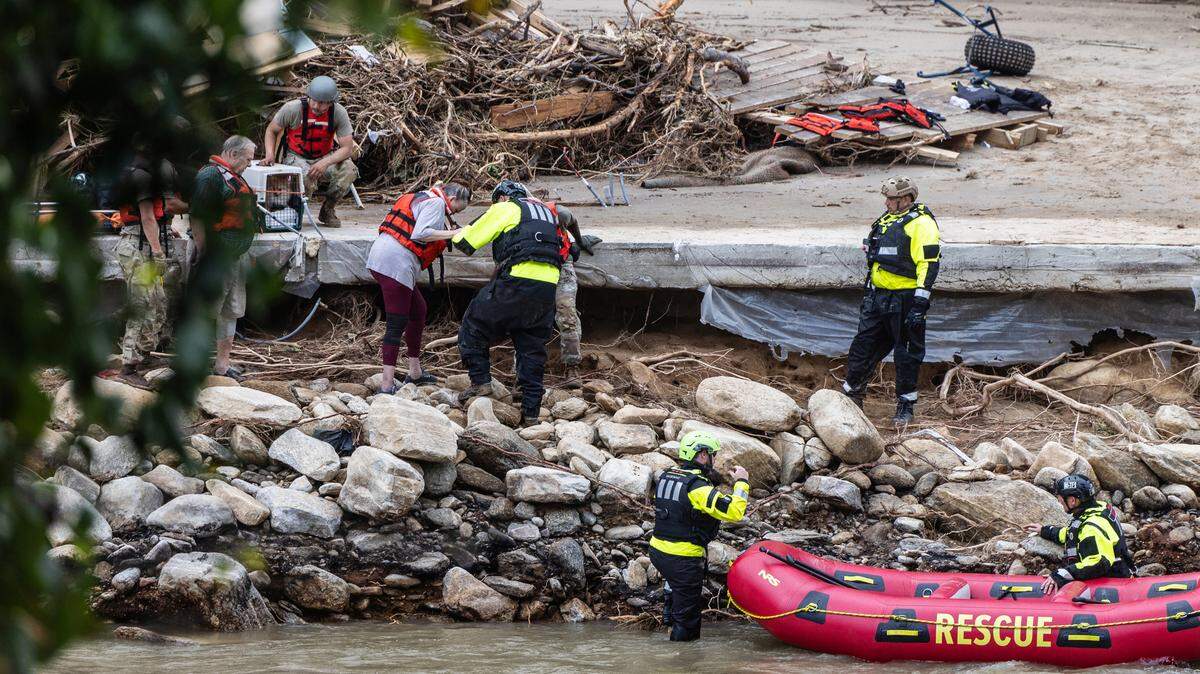
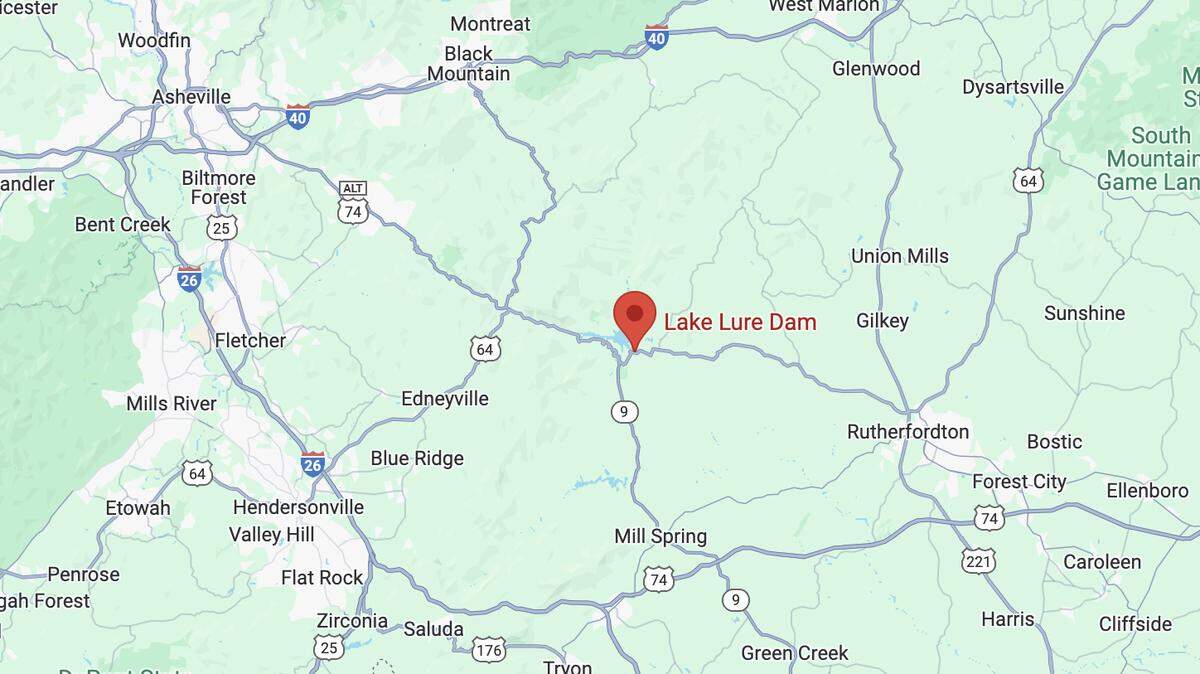
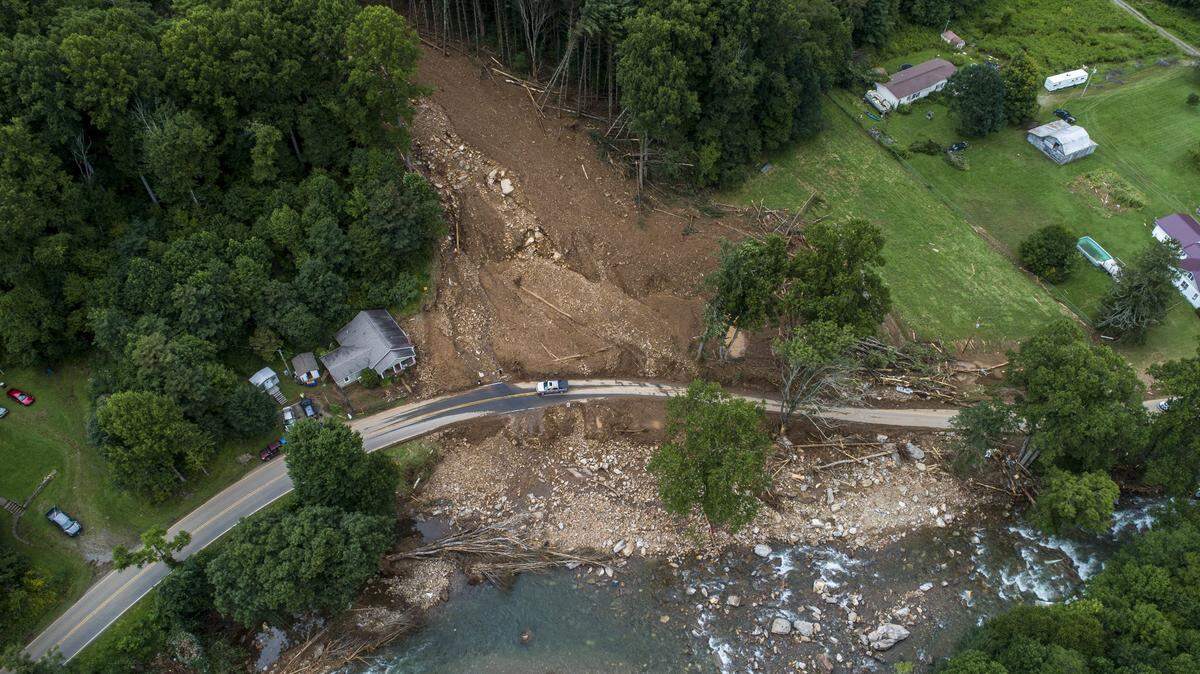
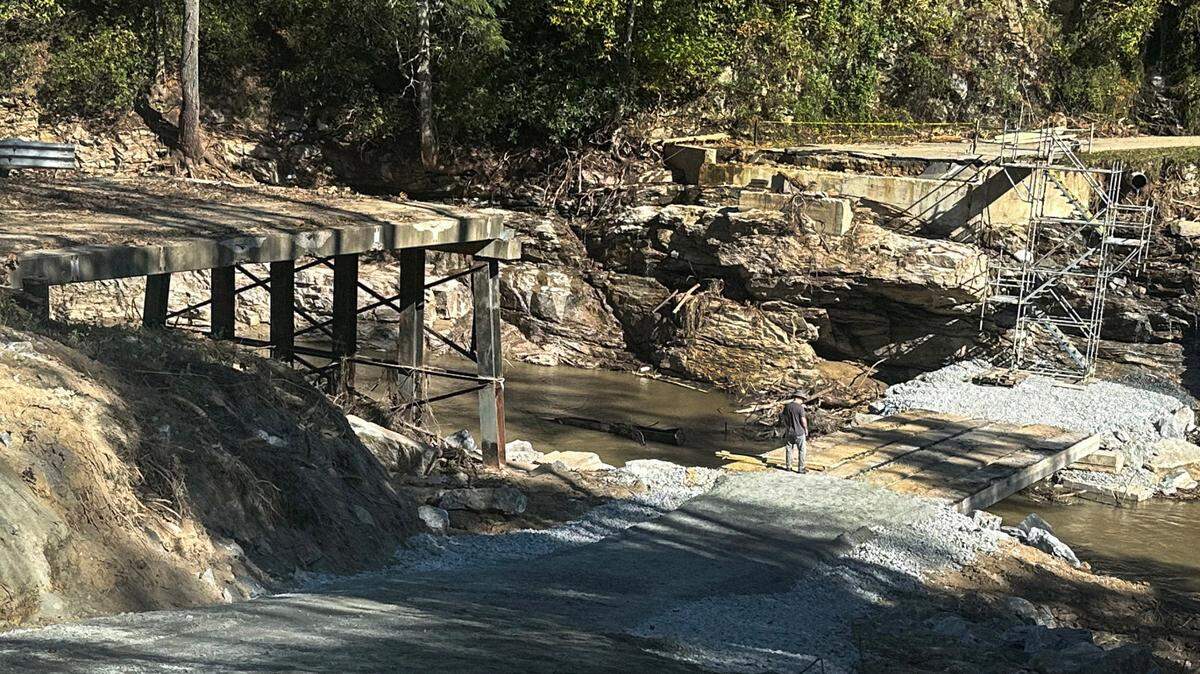
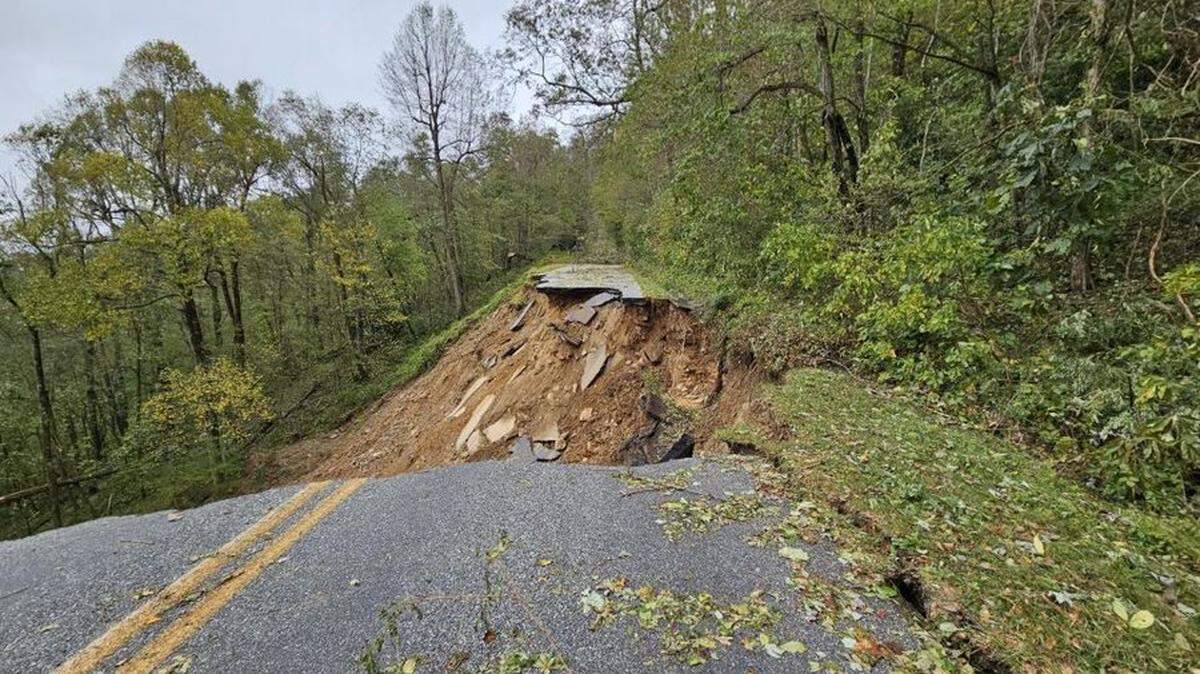
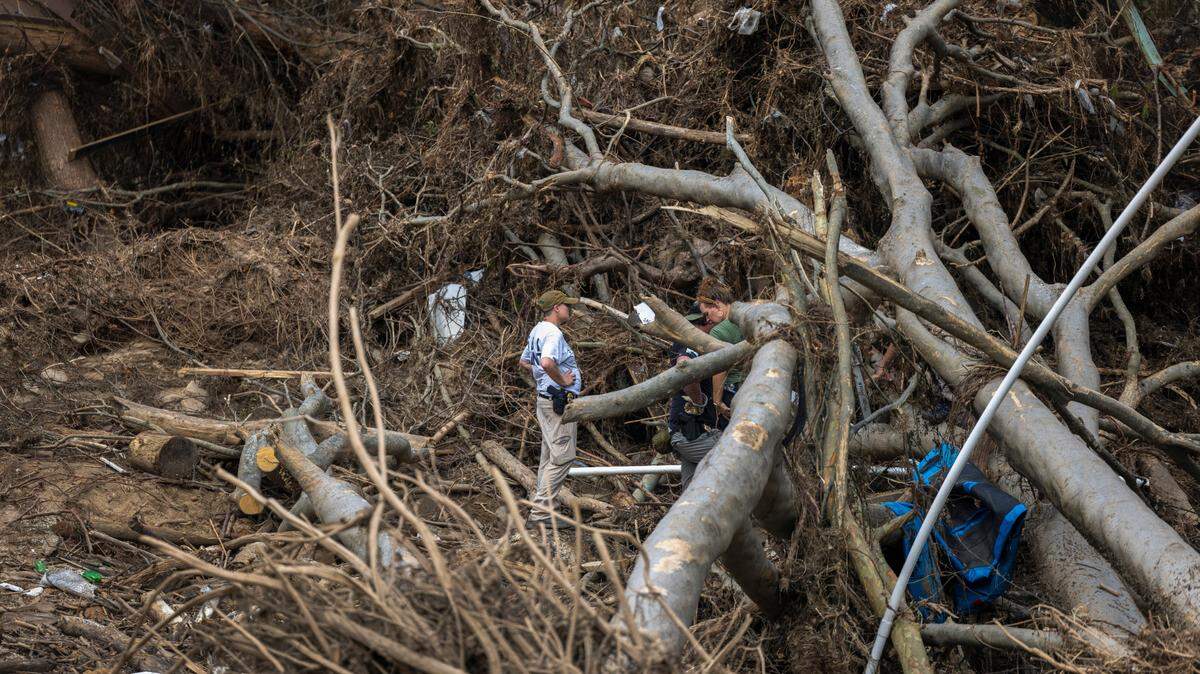
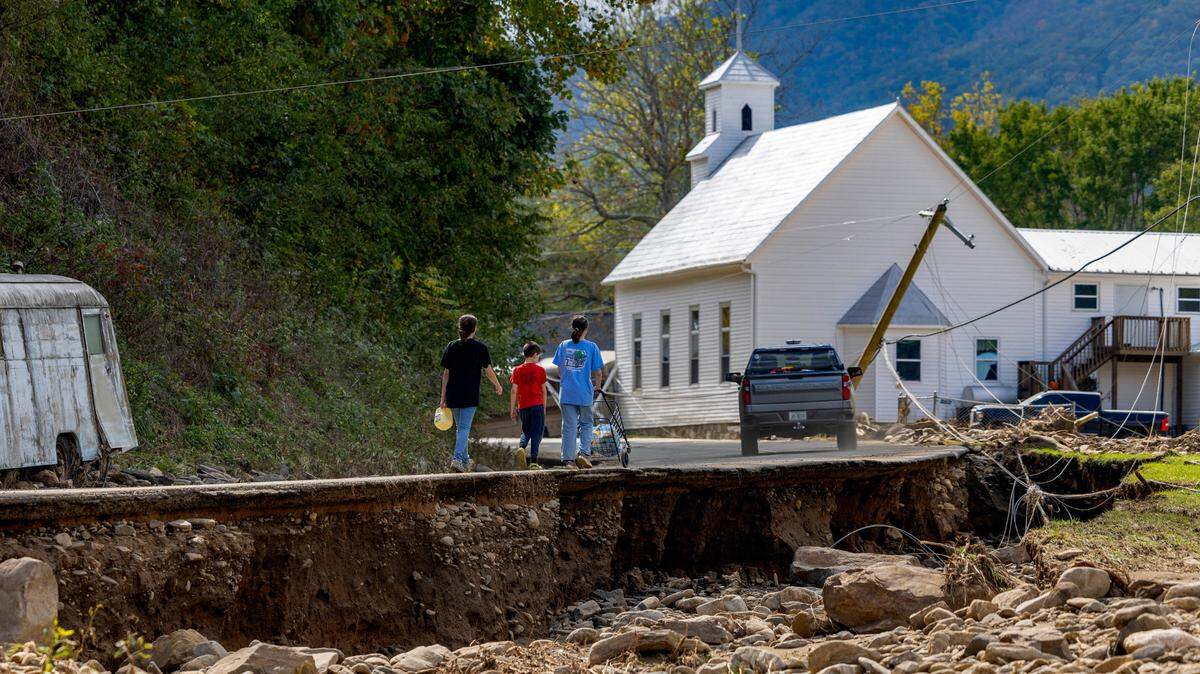
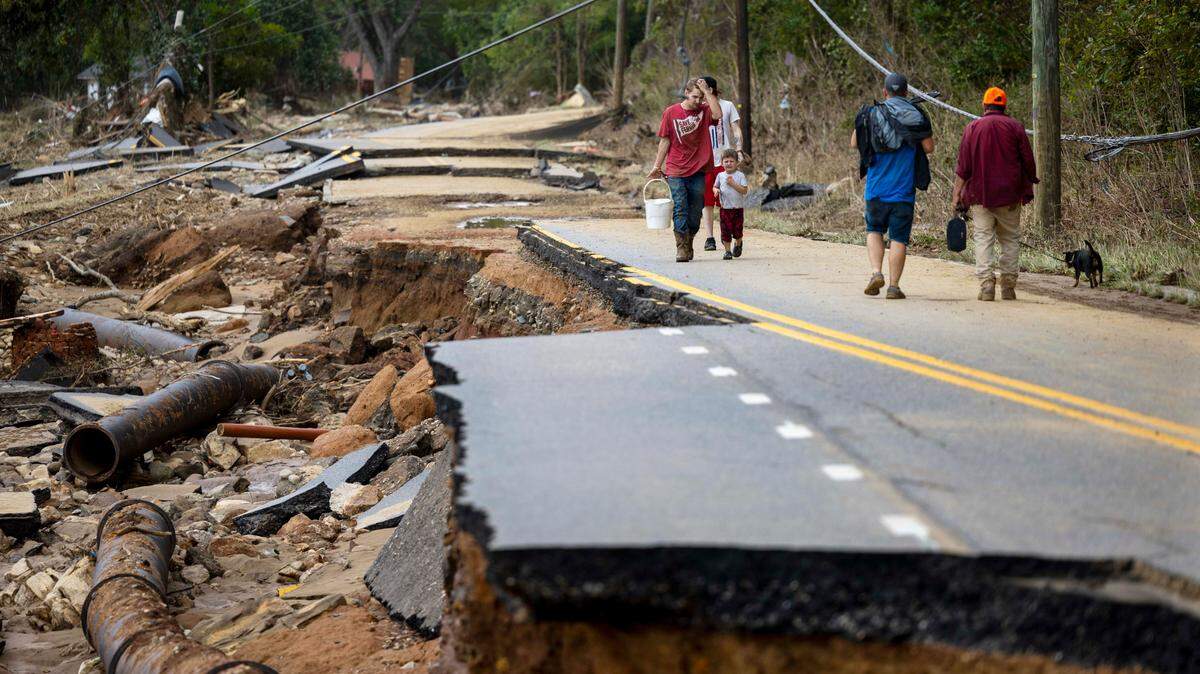
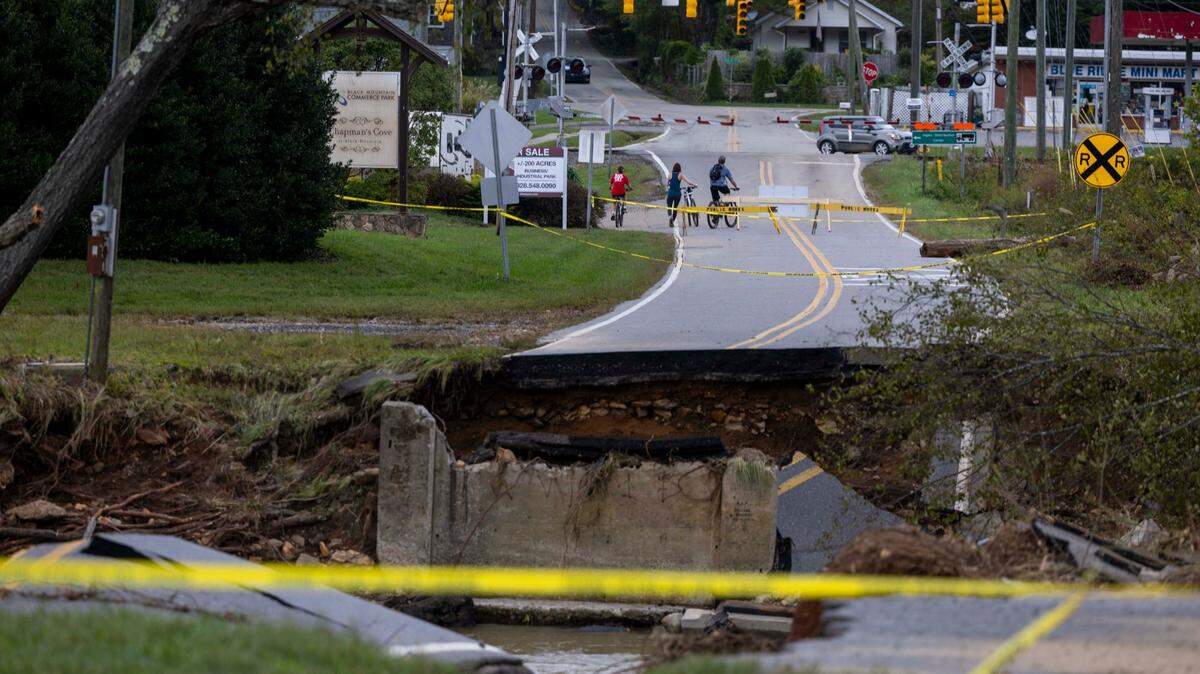
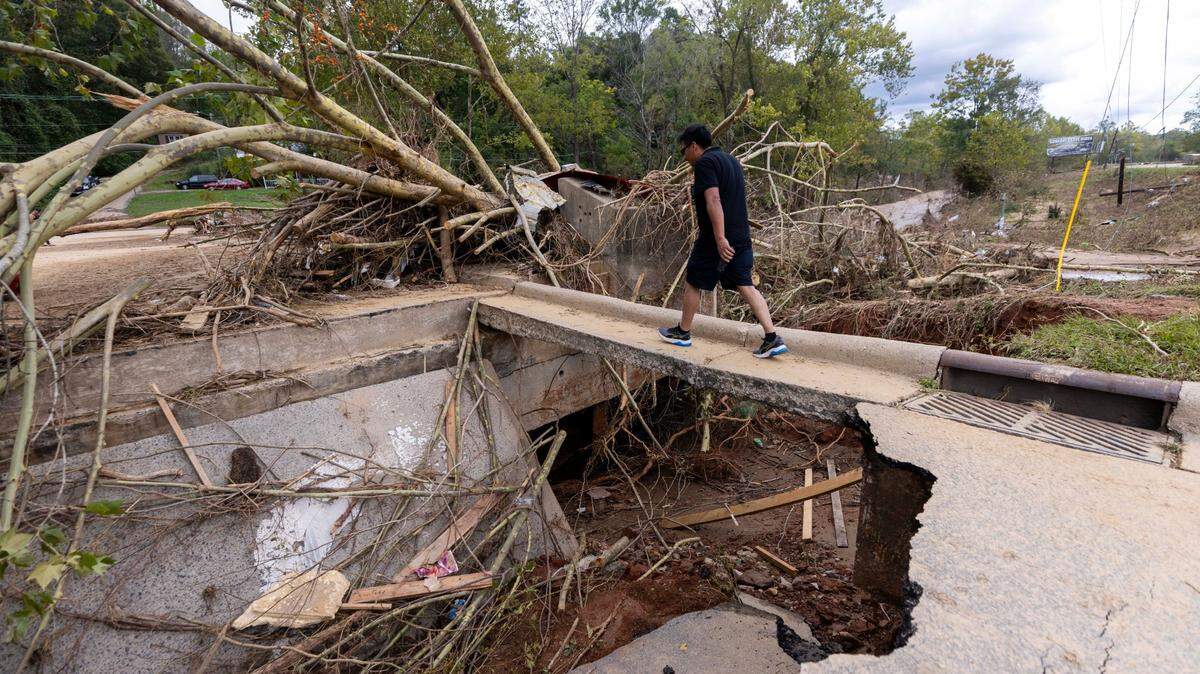
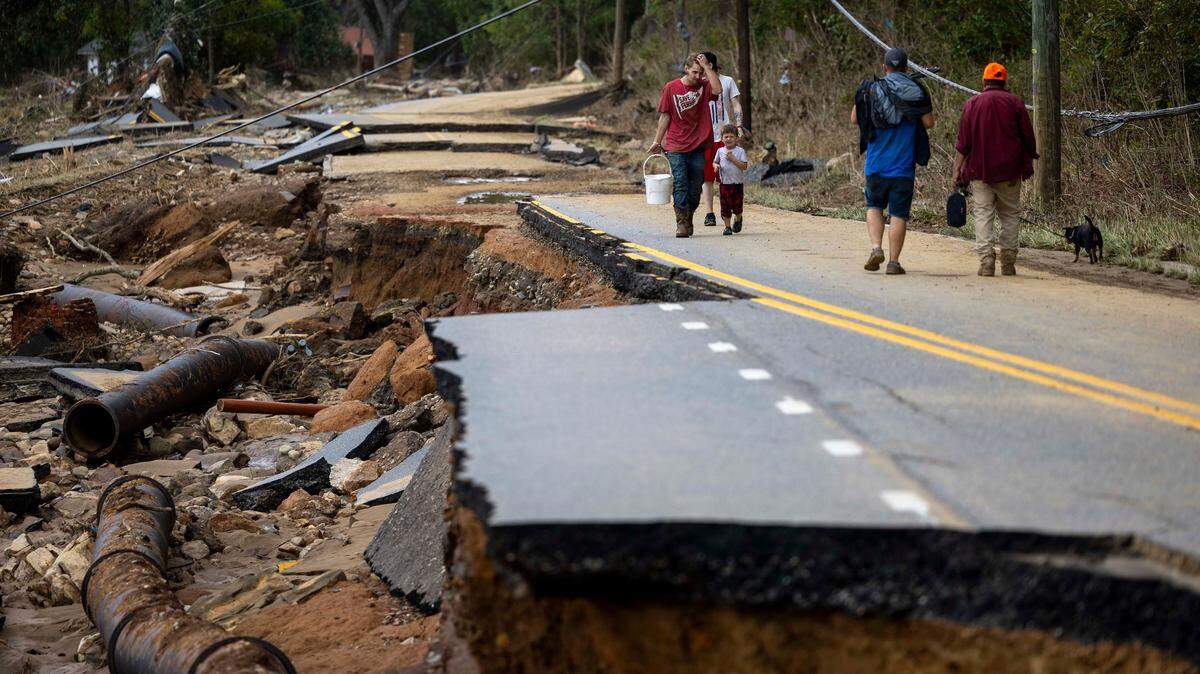
The roads in and out of Bat Cave were blocked by landslides, washouts and downed trees. Just beyond the Bat Cave post office toward Chimney Rock, U.S. 64 disappeared, pavement either washed away or covered by several feet of mud and debris. The bridge that carried the highway over the river was still standing, but with a wide gap on one side where water had washed out earth and riprap.
Atkins said they thought it might be months before anyone made it in to Bat Cave.
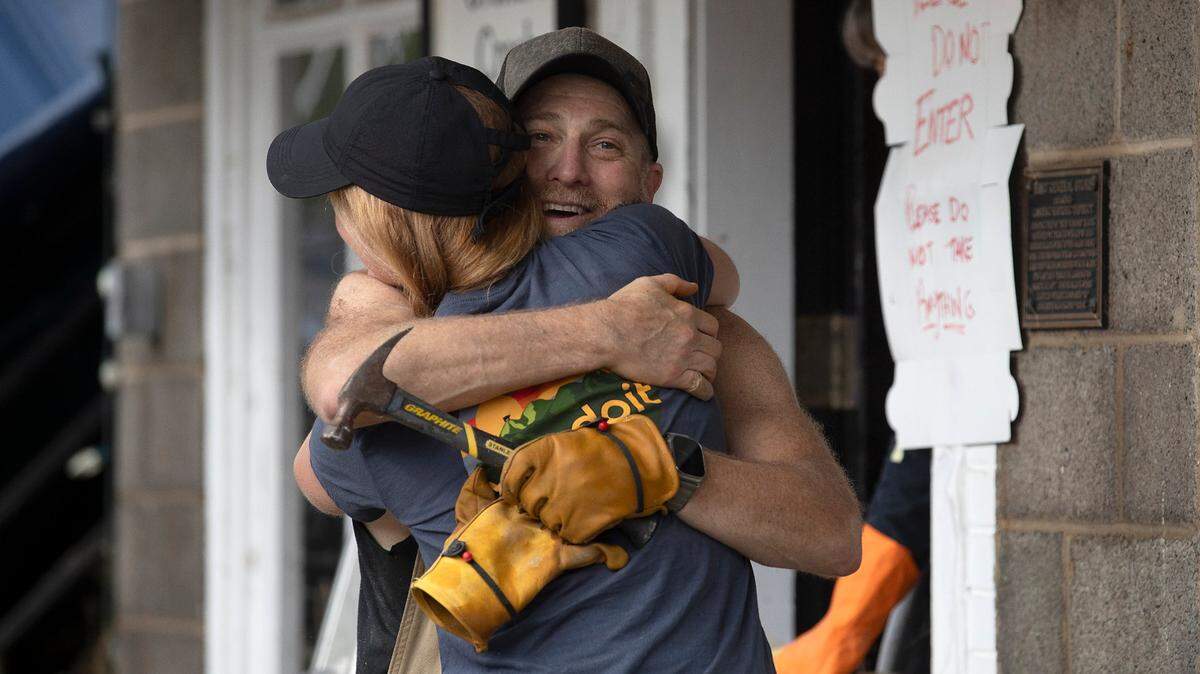
“I really didn’t think anybody was coming for us,” she said Thursday, two weeks after the storm. “The fact that people are here and care is just wild to me.”
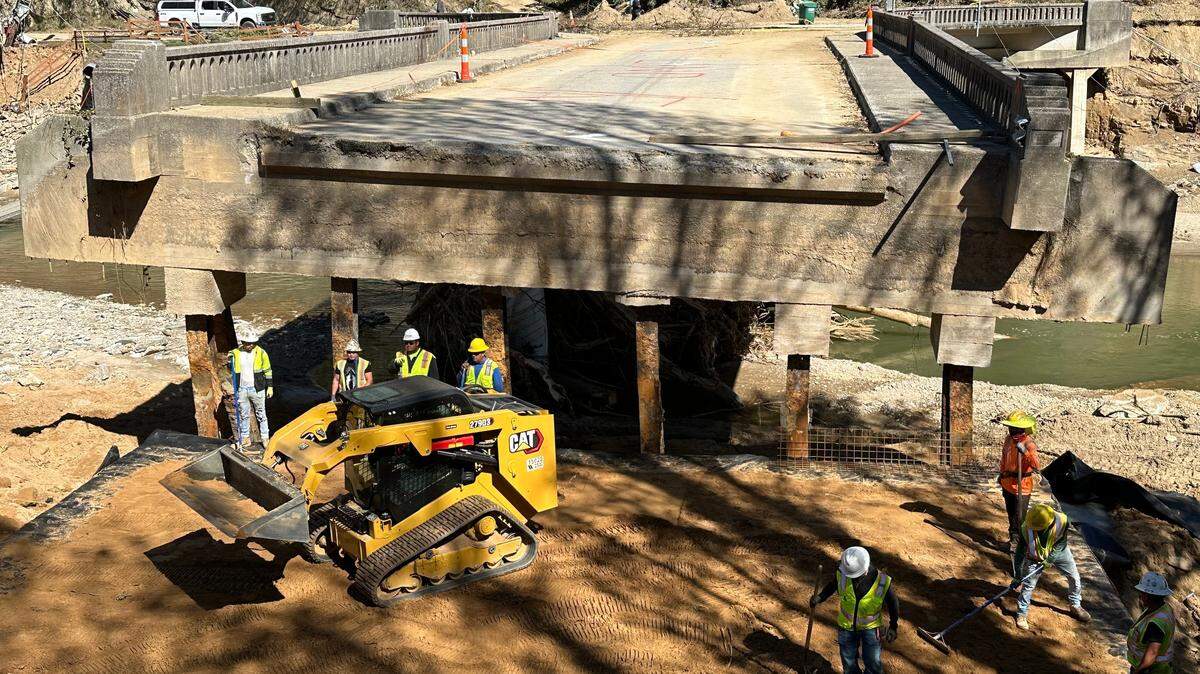
Among the people in Bat Cave now are contractors for the N.C. Department of Transportation, which is working to fill that gap between the U.S. 64 bridge and the river bank. Restoring use of the bridge is the best hope NCDOT has for rebuilding U.S. 64 and other roads into the community, said Michael Patton, resident engineer on the project.
“This bridge is very, very vital to getting men, equipment, materials, supplies, electricity, you name it, back into Bat Cave and then other areas beyond Bat Cave, including Chimney Rock,” said Patton, standing a few feet from the gap that workers have begun to fill with dirt and fine gravel.
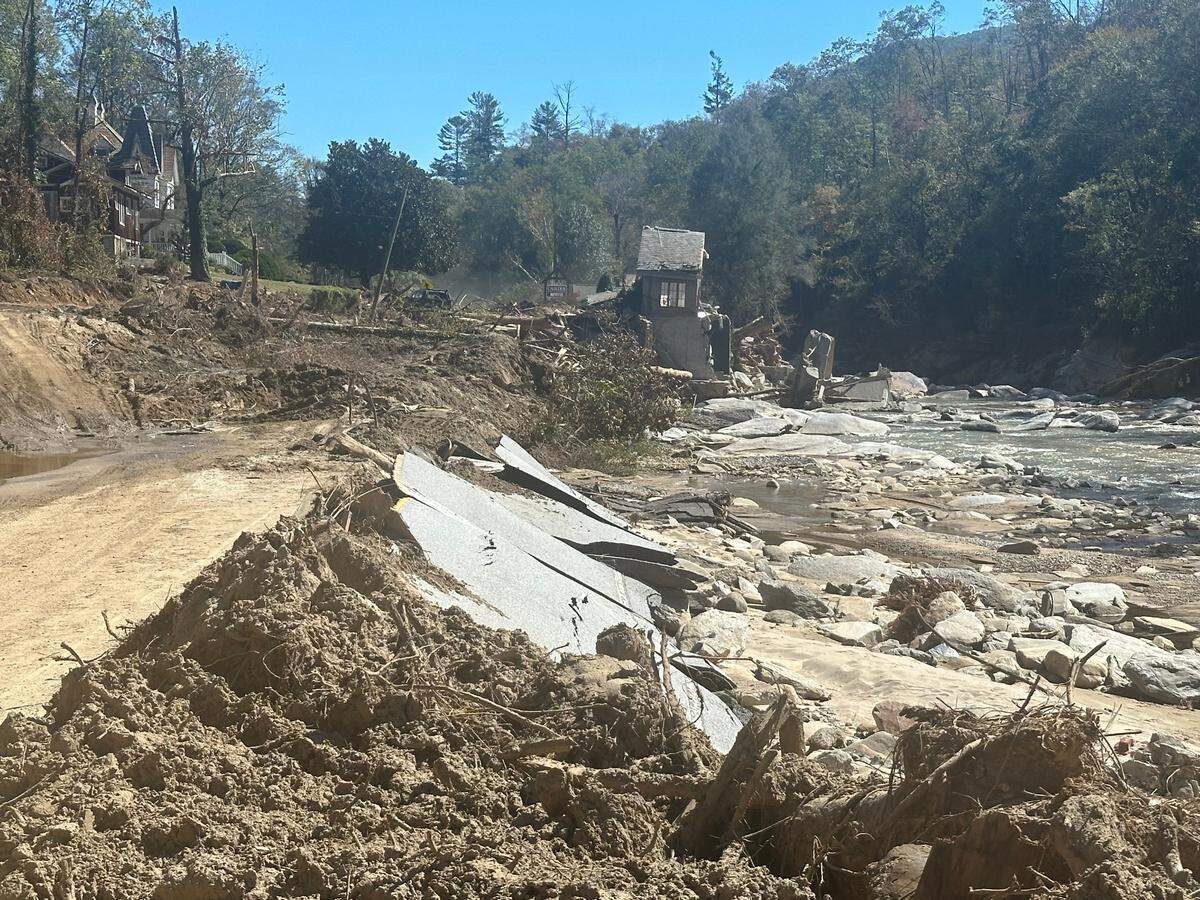
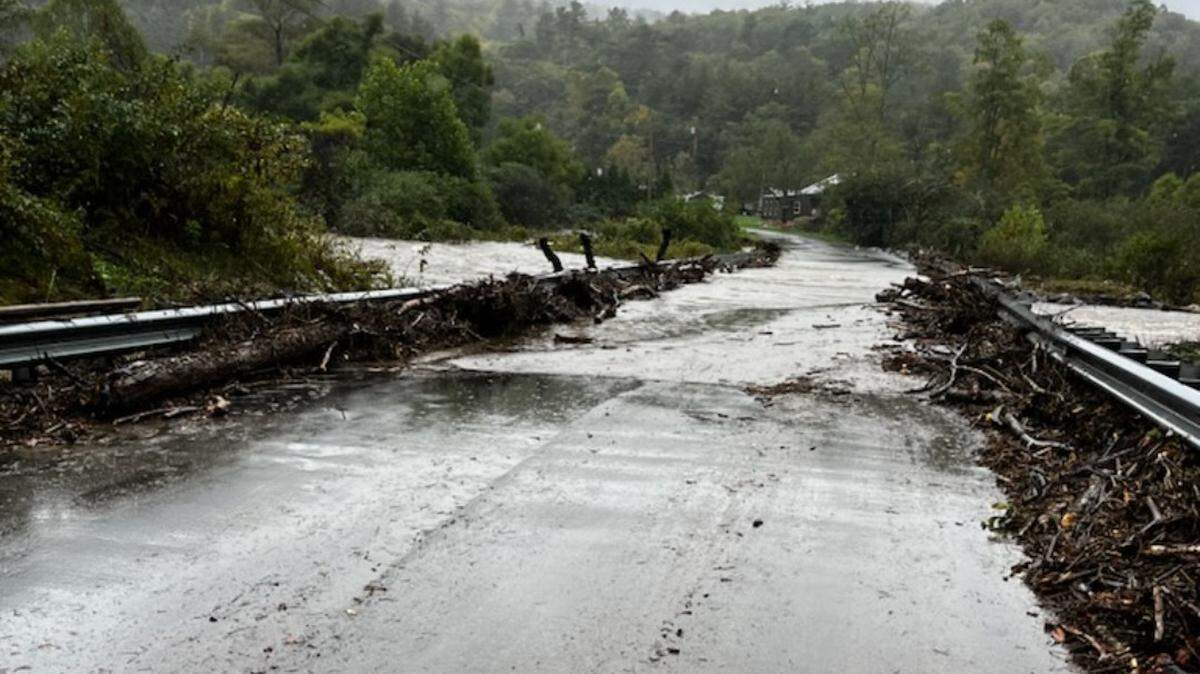
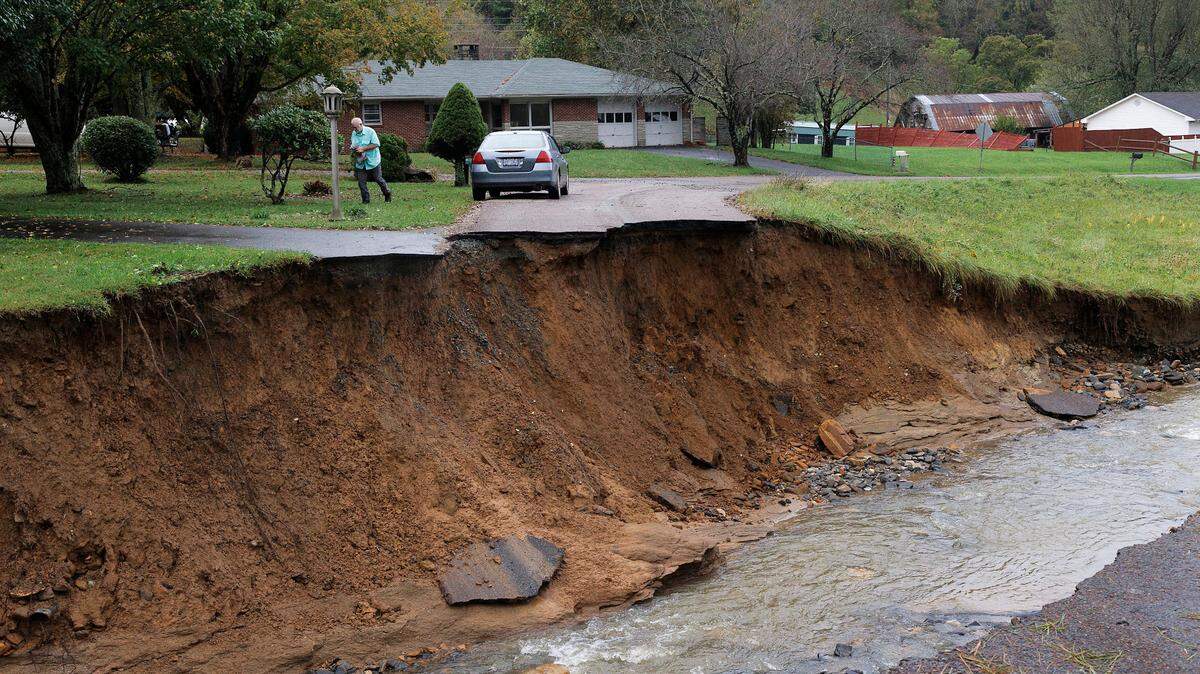
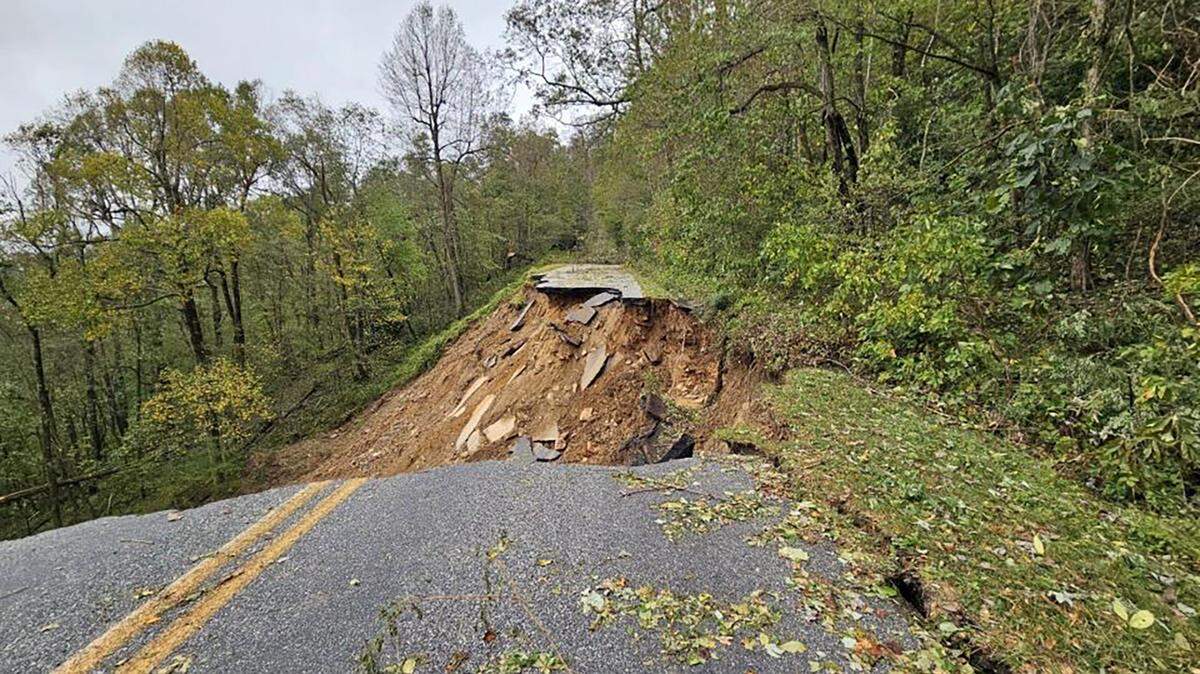
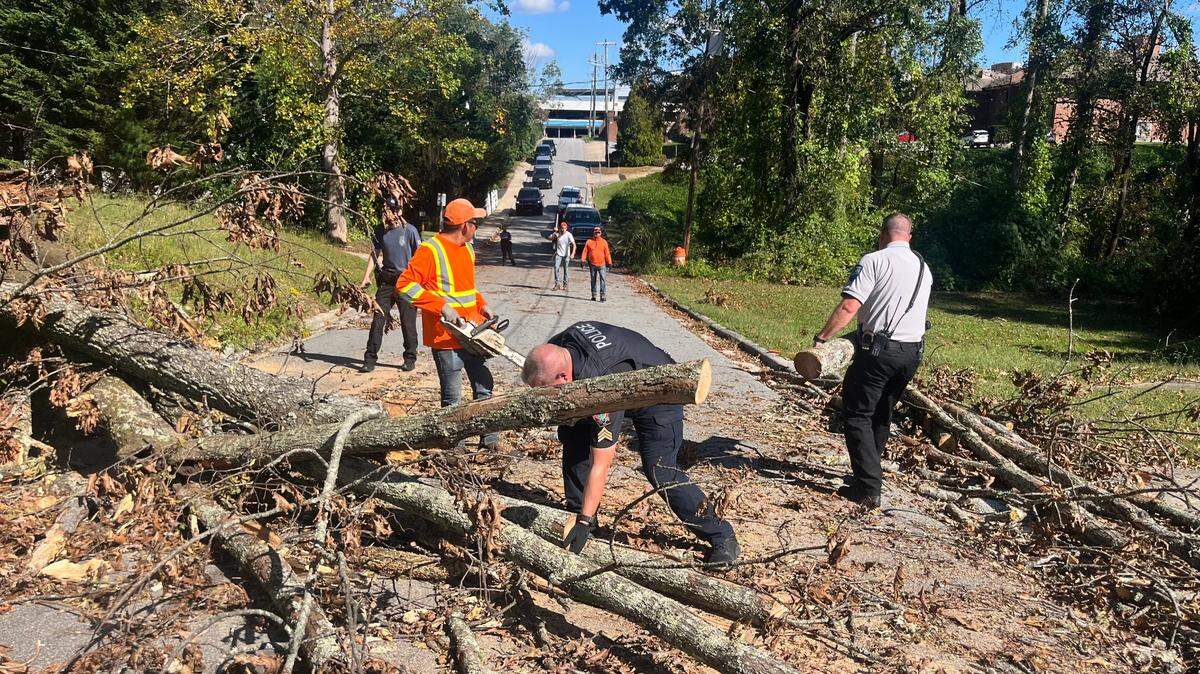
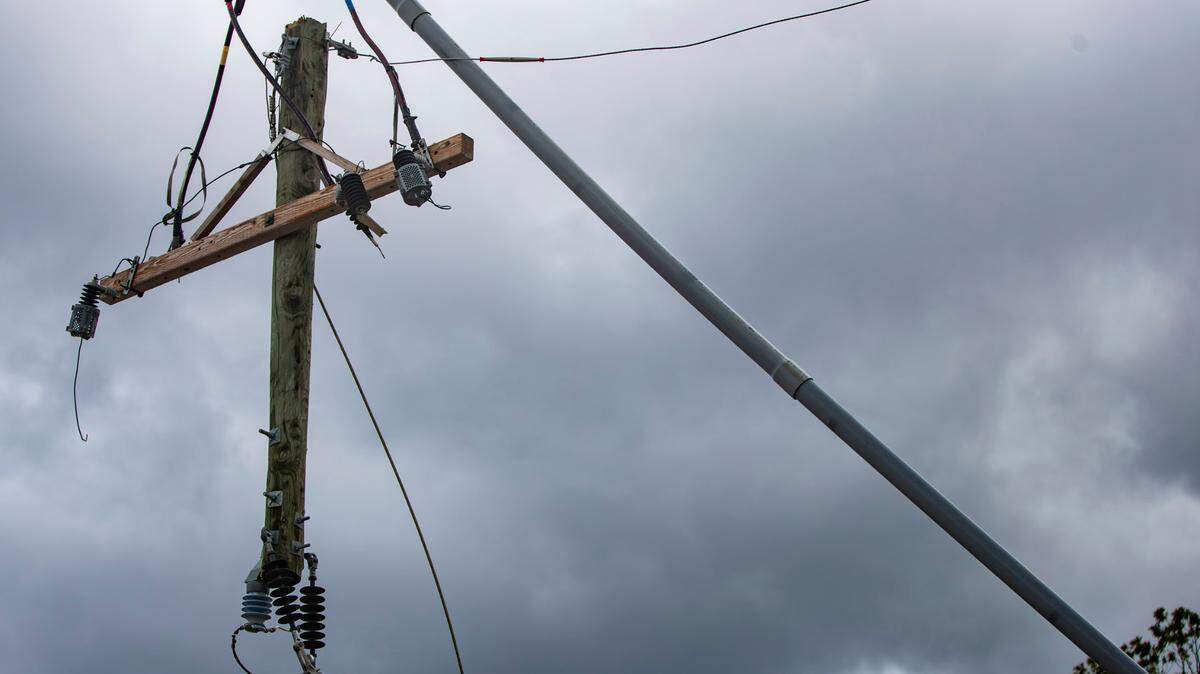
From Hendersonville, U.S. 64 crosses the Eastern Continental Divide, then follows Reedy Patch Creek down toward Bat Cave and Chimney Rock. When the wind and rain stopped on Sept. 27, the winding two-lane road was blocked by downed trees and power poles, mud from landslides and places where the creek had washed out the pavement.
From the cabin up the hill, Atkins said she watched the Rocky Broad gradually overwhelm buildings.
“We could see them falling in. It sounded like thunder crackling,” she said. “We saw our neighbor’s motor home. It was huge; I don’t know how many feet. And it looked like a little kid’s toy in a bathtub. It just swam away.”
First step: Get equipment to Rocky Broad bridge
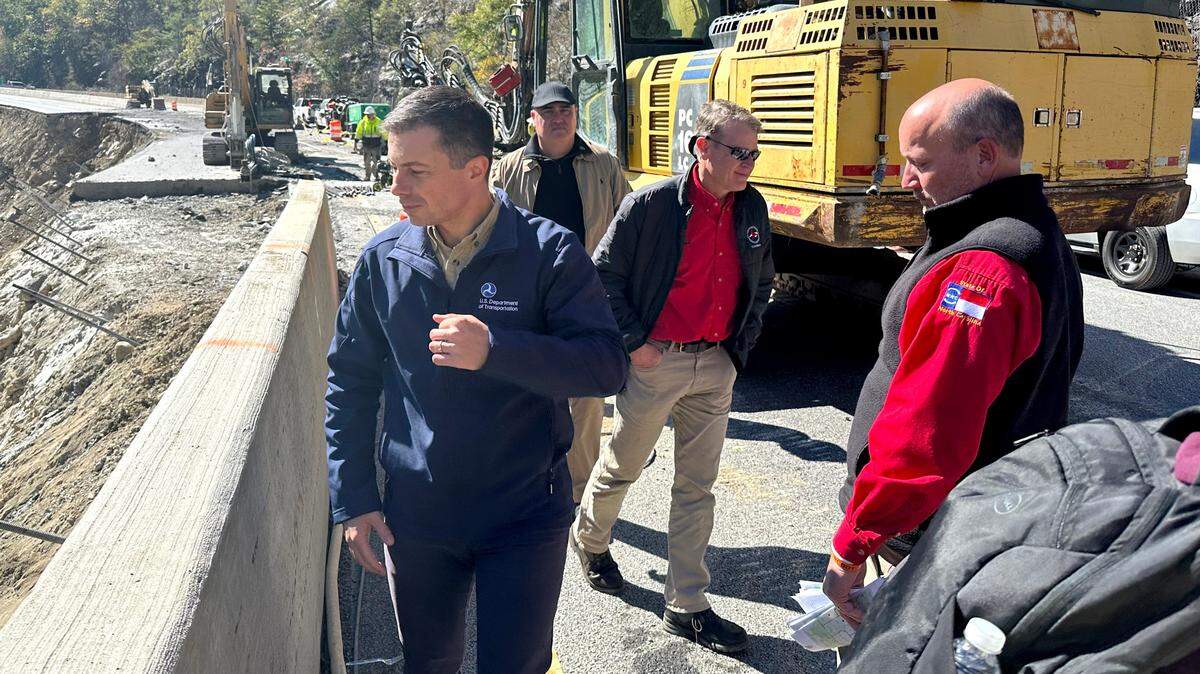
On Thursday, NCDOT engineers took reporters down U.S. 64 from the continental divide to show what they had accomplished and how much work still lay ahead.
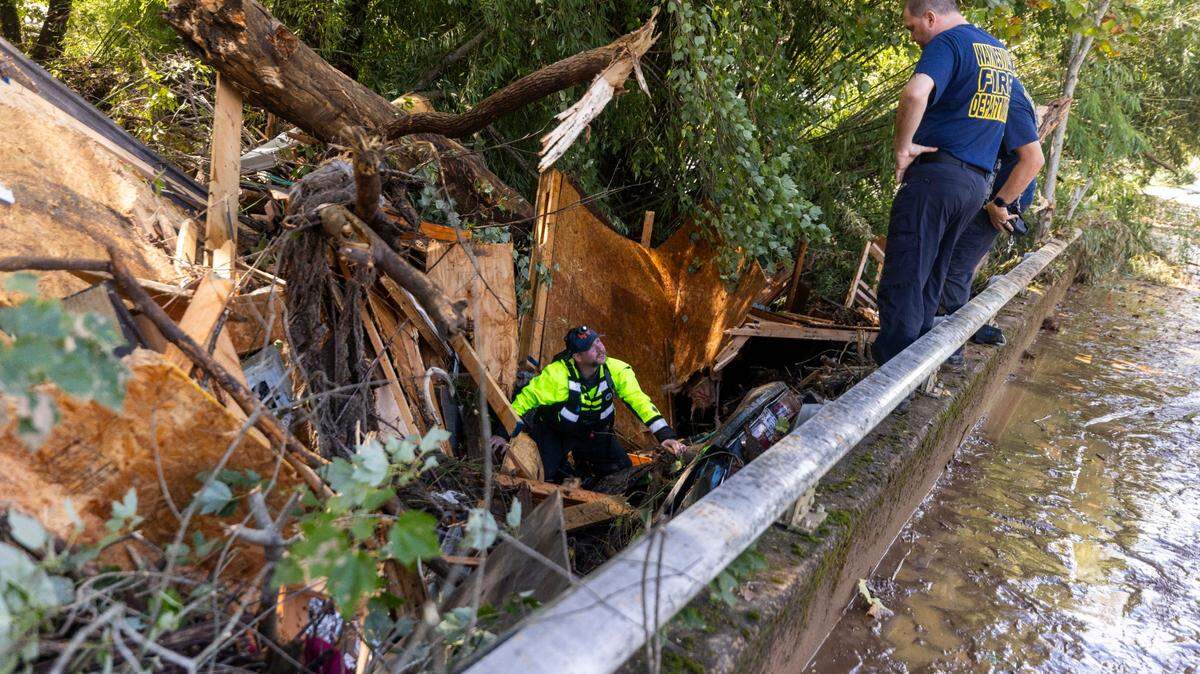
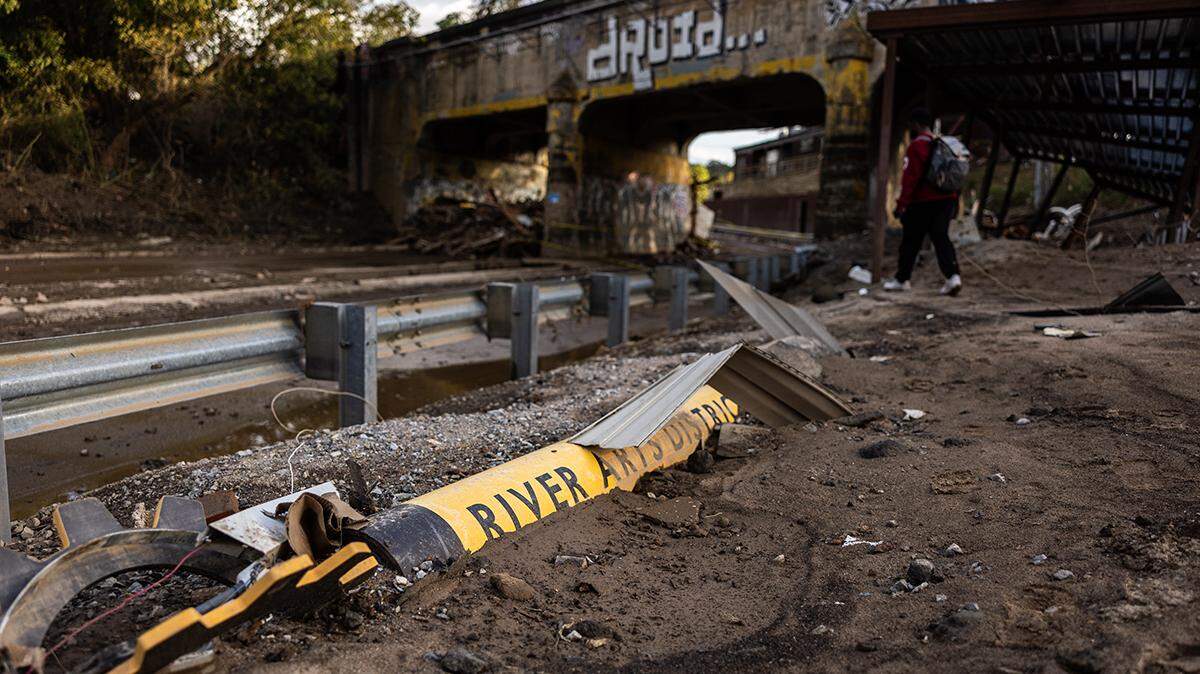
The road along Reedy Patch Creek is passable again and was lined with tree crews from Alabama and utility contractors from Canada and Indiana. The mudslides are clear and washouts filled, though guardrails hang down like spaghetti where the creek washed away the shoulder.
The road is good enough to bring in the earth-moving equipment and dump trucks needed to fix the bridge, which is as far as the NCDOT vans could go. Ben Williams, an NCDOT maintenance engineer based in nearby Fletcher who drove one of them, said he’d cleaned up after many storms in his 25 years with the department.
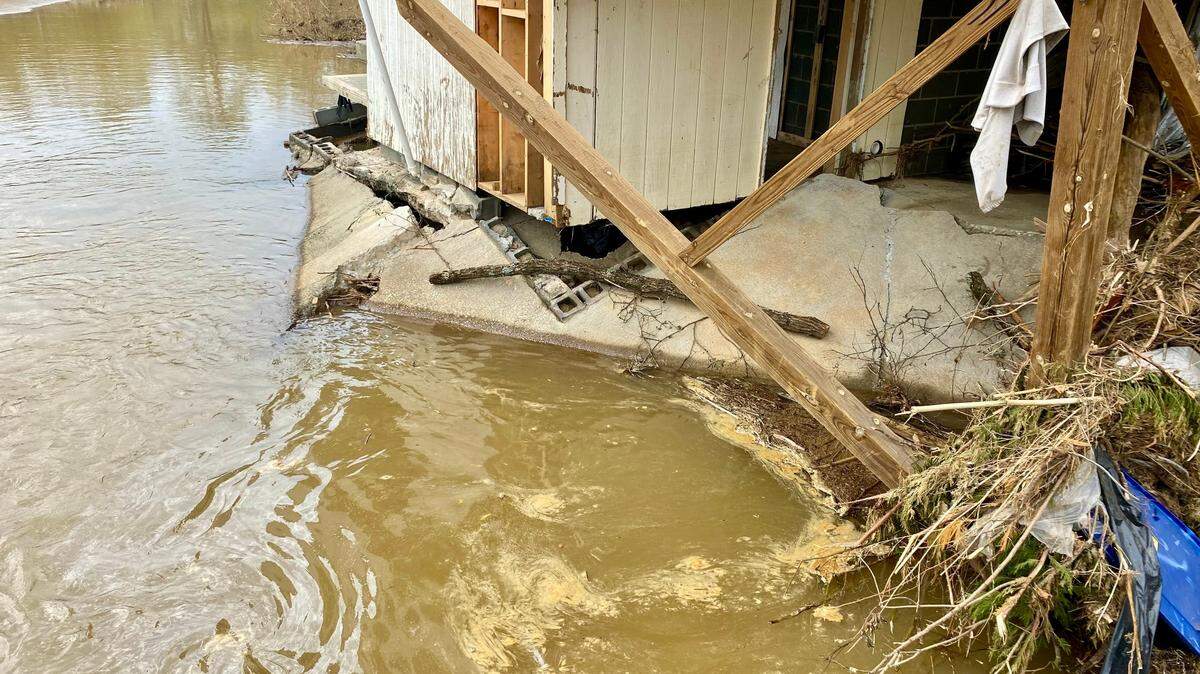
“I’ve never dreamed of anything like this,” Williams said, walking past the shattered buildings hanging over the river. “I can’t wrap my head around what I’m looking at.”
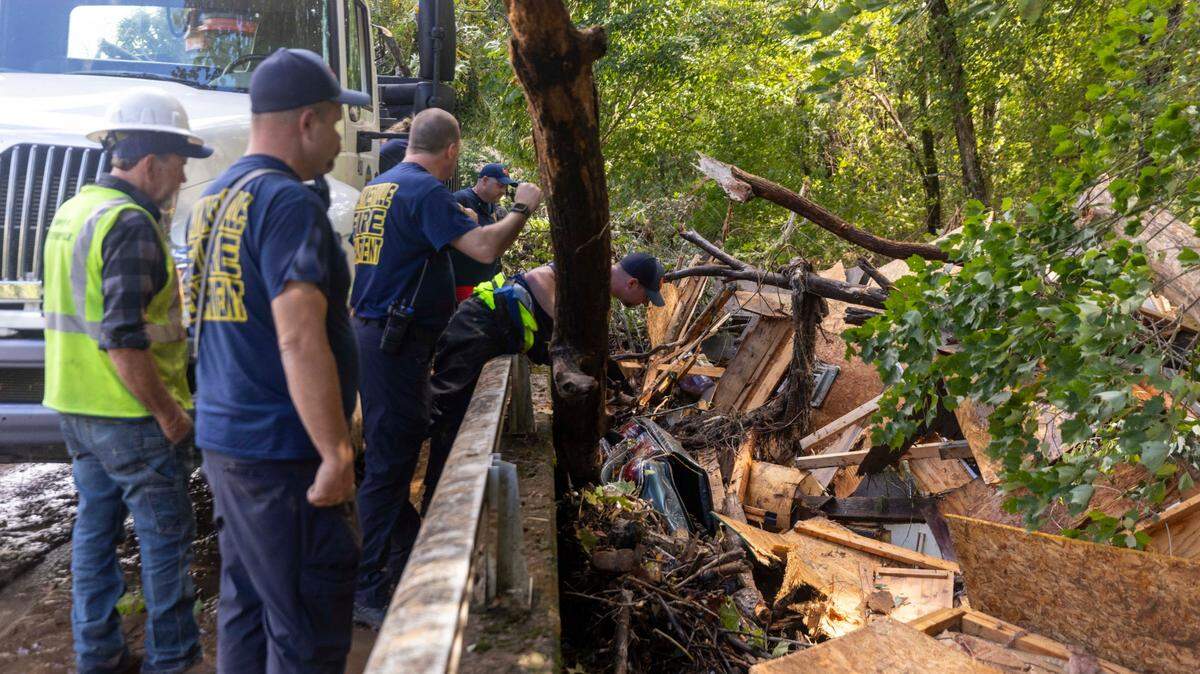
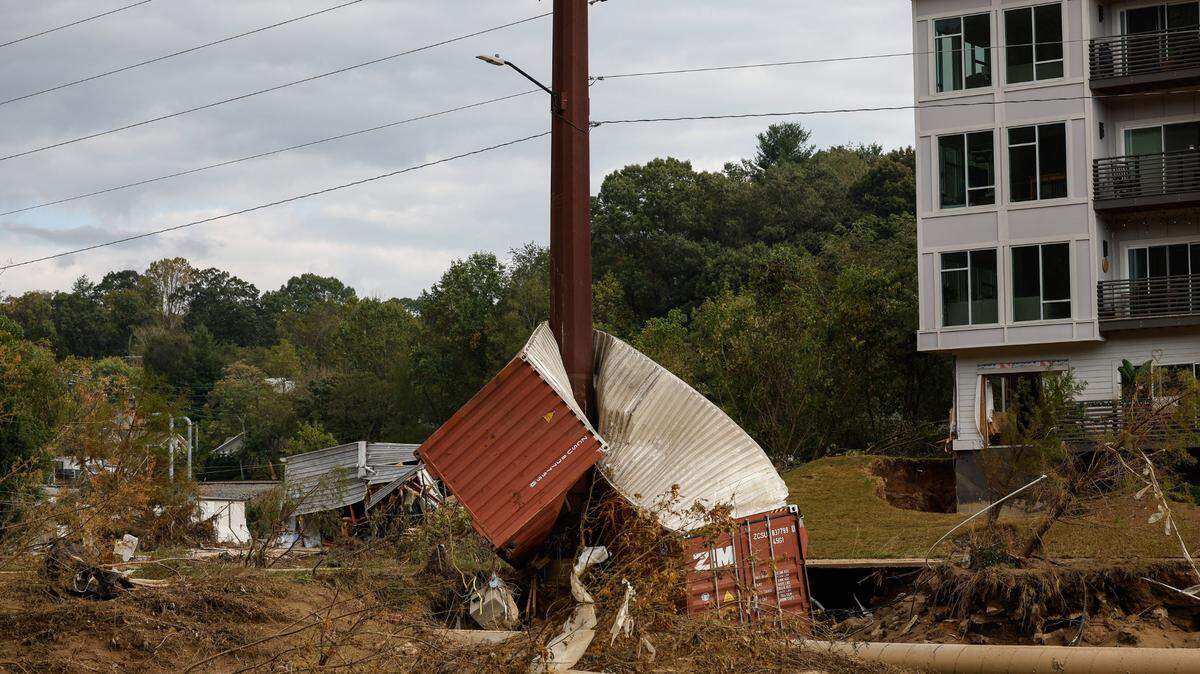
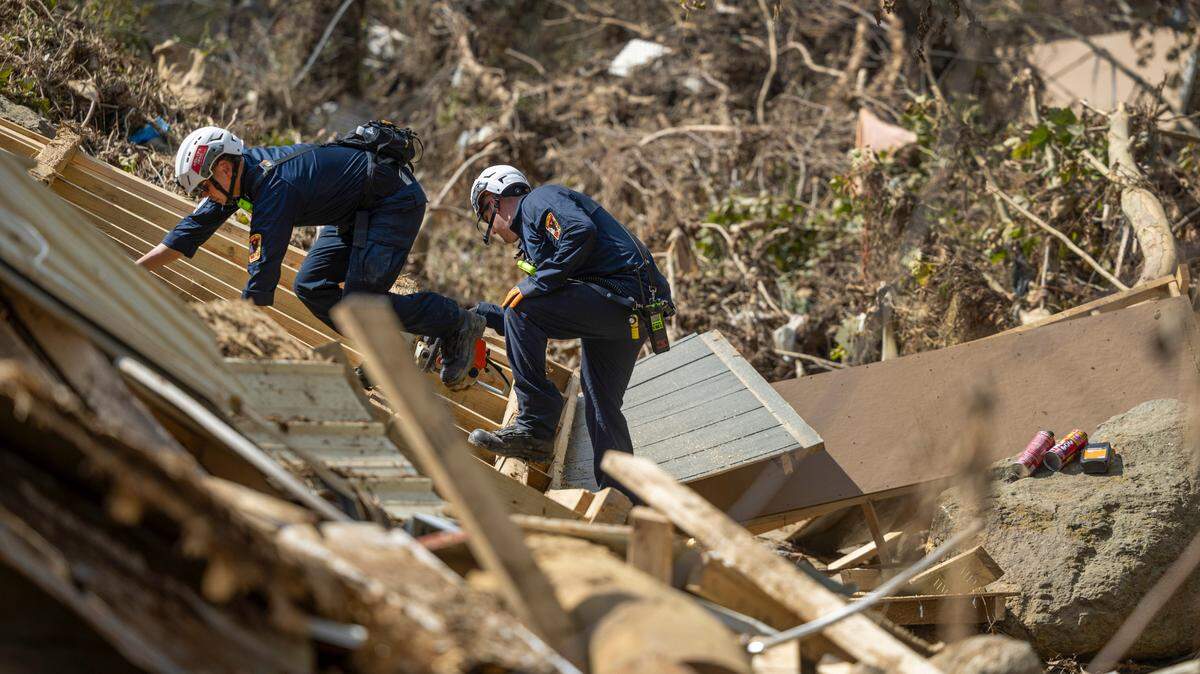
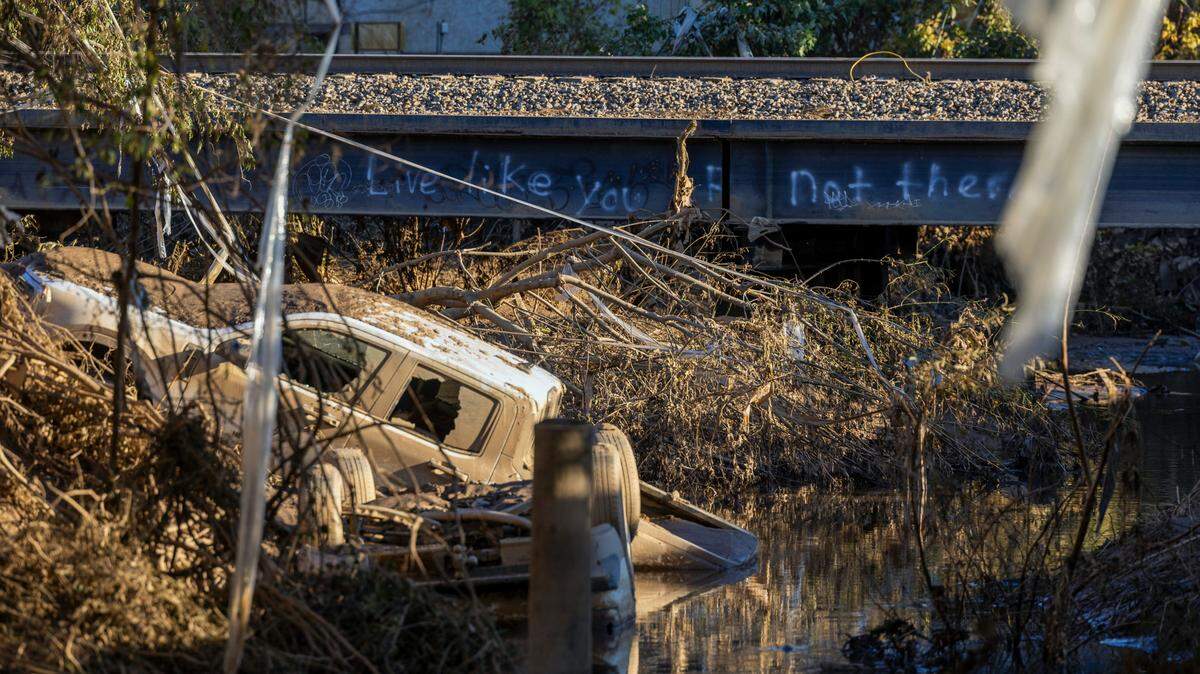
The concrete span over the Rocky Broad River was built in 1958. The deluge from Helene pressed trees, pieces of buildings and a shipping container, now flattened by the force of the water, up against the steel pilings. Partly blocked by the debris, the rampaging water began scouring the riverbanks at either end of the bridge, creating the gap workers are now trying to fill.
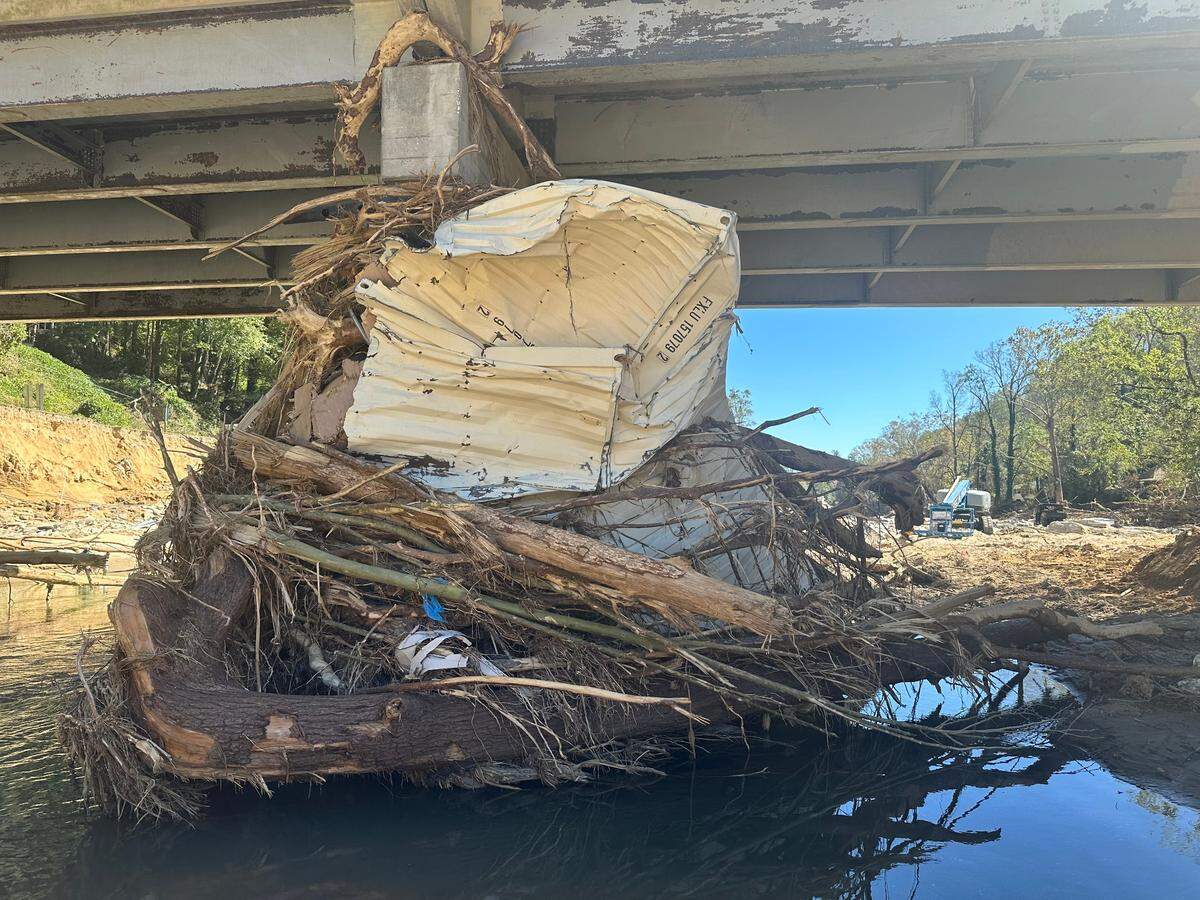
The bridge is tilted slightly downstream. Early on, NCDOT wouldn’t let anyone go underneath it for fear it would topple over. Concrete poured around the piles has helped stabilize it.
“We monitor it every day,” Patton said. “It’s found its happy spot right now.”
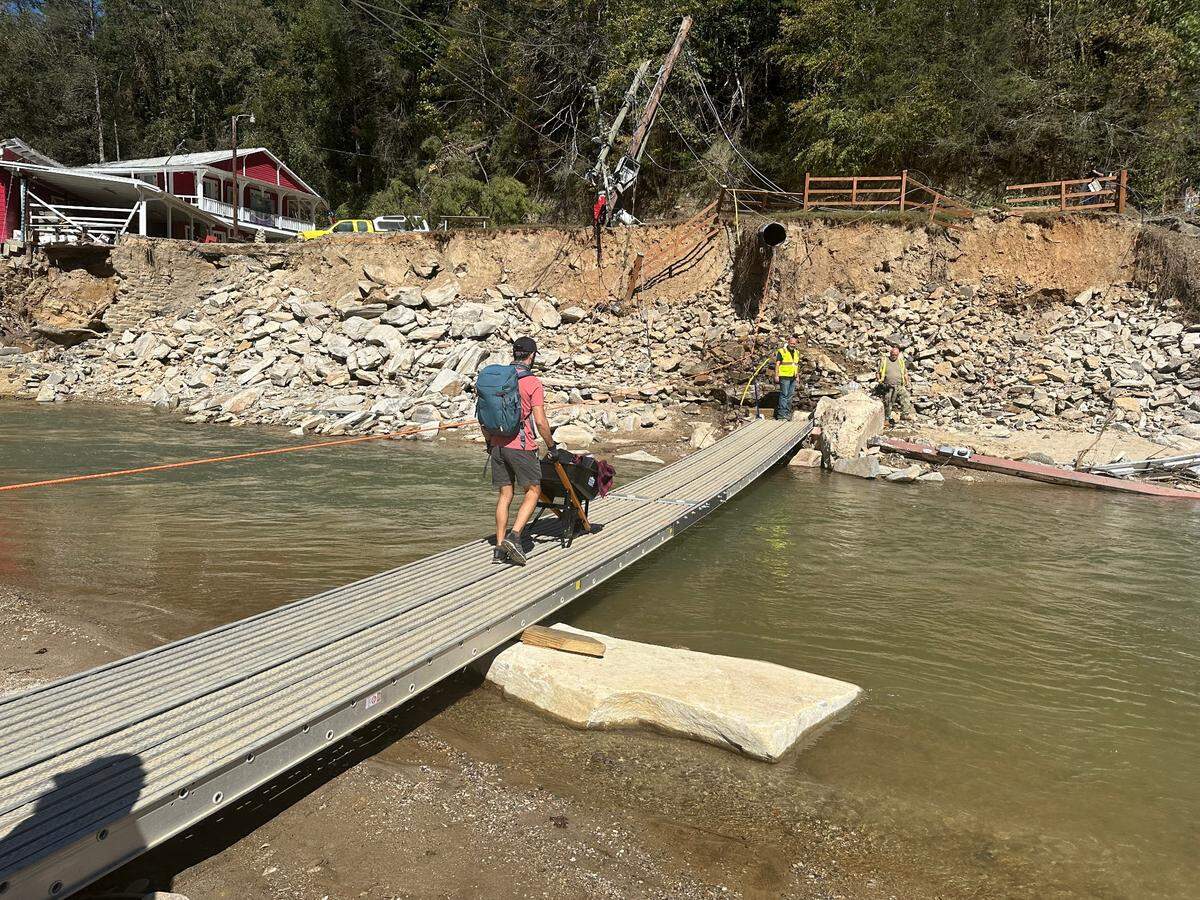
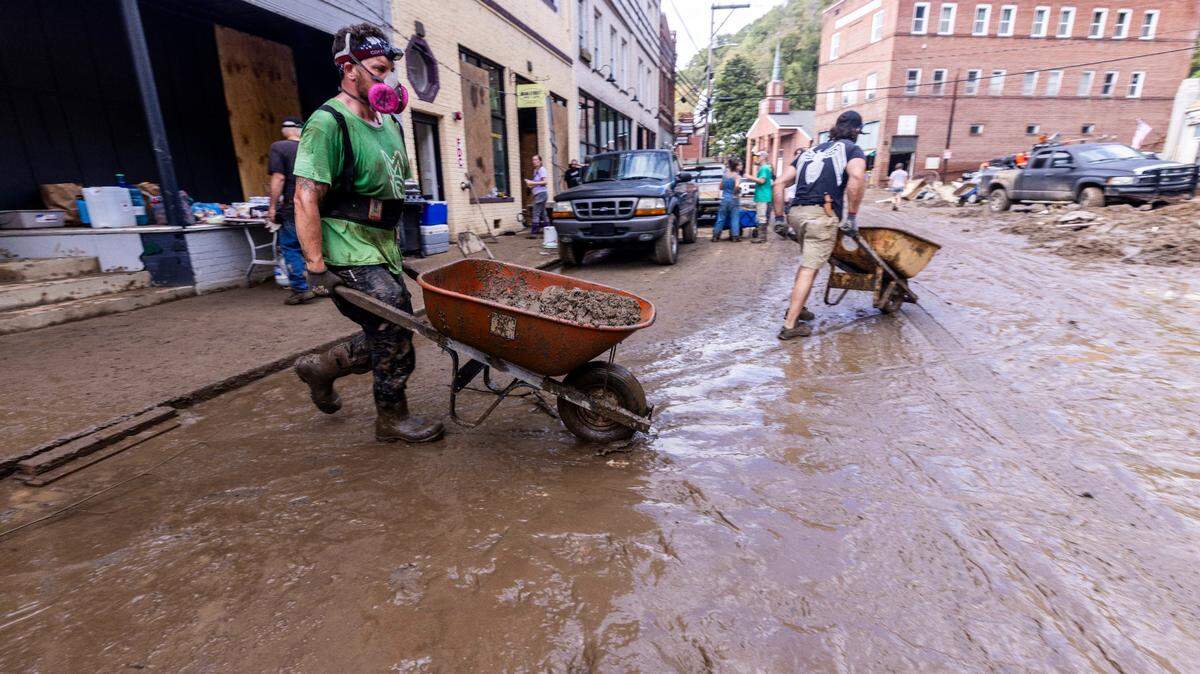
When NCDOT crews first got to Bat Cave, they found that residents had jerry rigged a rickety walking bridge over the river. Thinking they could do better, NCDOT engineers found four pieces of scaffolding and bolted them together, creating something stable enough to roll a wheelbarrow over.
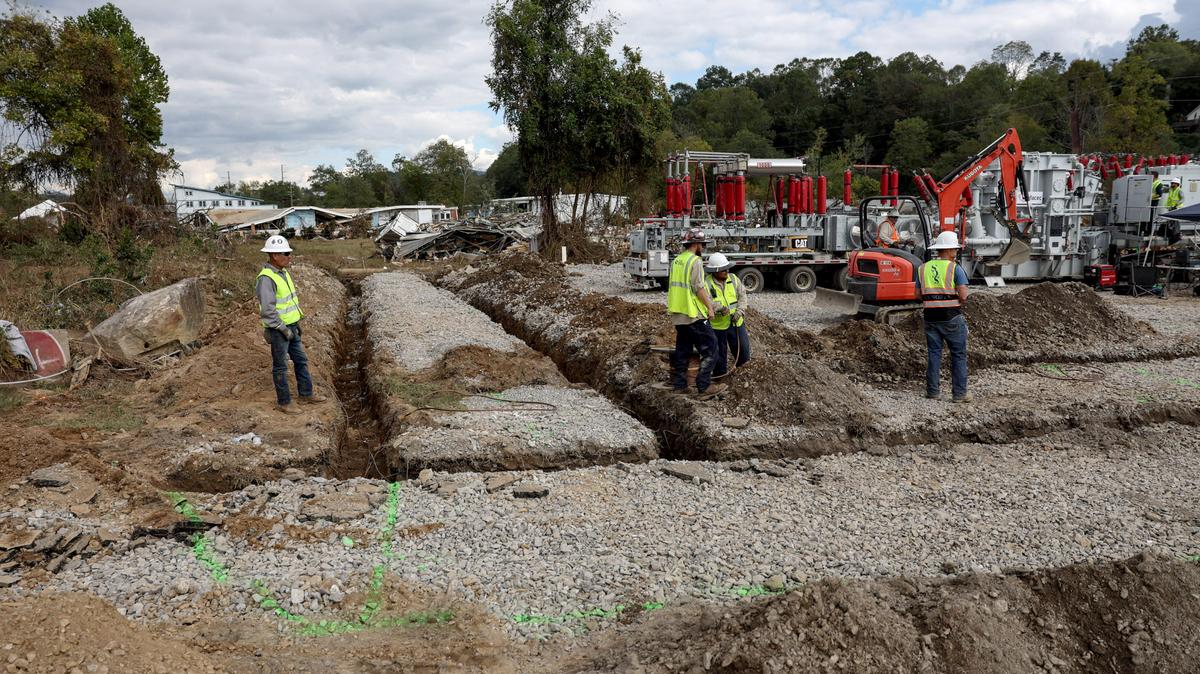
As of Friday, NCDOT still listed more than 700 roads in Western North Carolina as either closed or partially closed as a result of Helene. NCDOT’s strategy has been to fix the roads just enough to restore connections, particularly to isolated communities like Bat Cave, and worry about long-term reconstruction later.
The bridge over the Rocky Broad River will need to be replaced. But Patton said contractors should be able to fill the gap and get it open to truck traffic in a week or two, allowing crews to begin rebuilding roads and power lines in the valley.
“We’ve gotten to here,” he said. “Now we got to get across the river and we can do more.”
This story was originally published October 11, 2024 at 3:31 PM.




.jpg)

.jpeg)
.JPG)











.JPG)