NCDOT says all roads in Western NC should be considered closed, even the big ones
READ MORE
Hurricane Helene Aftermath
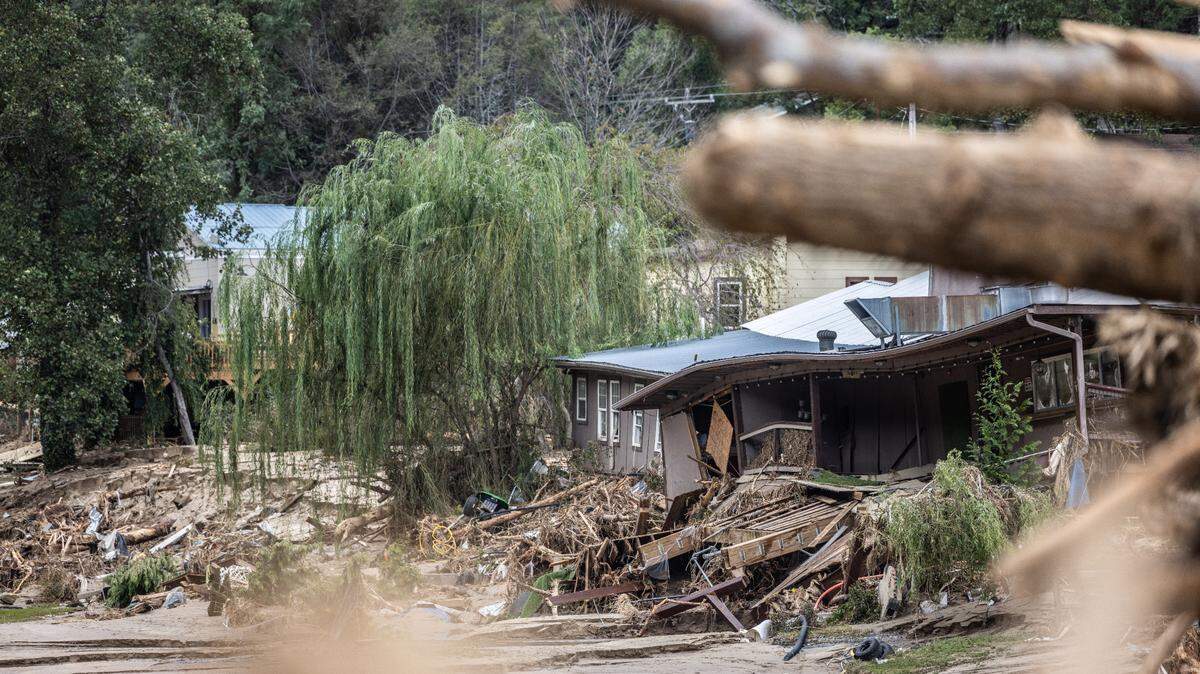
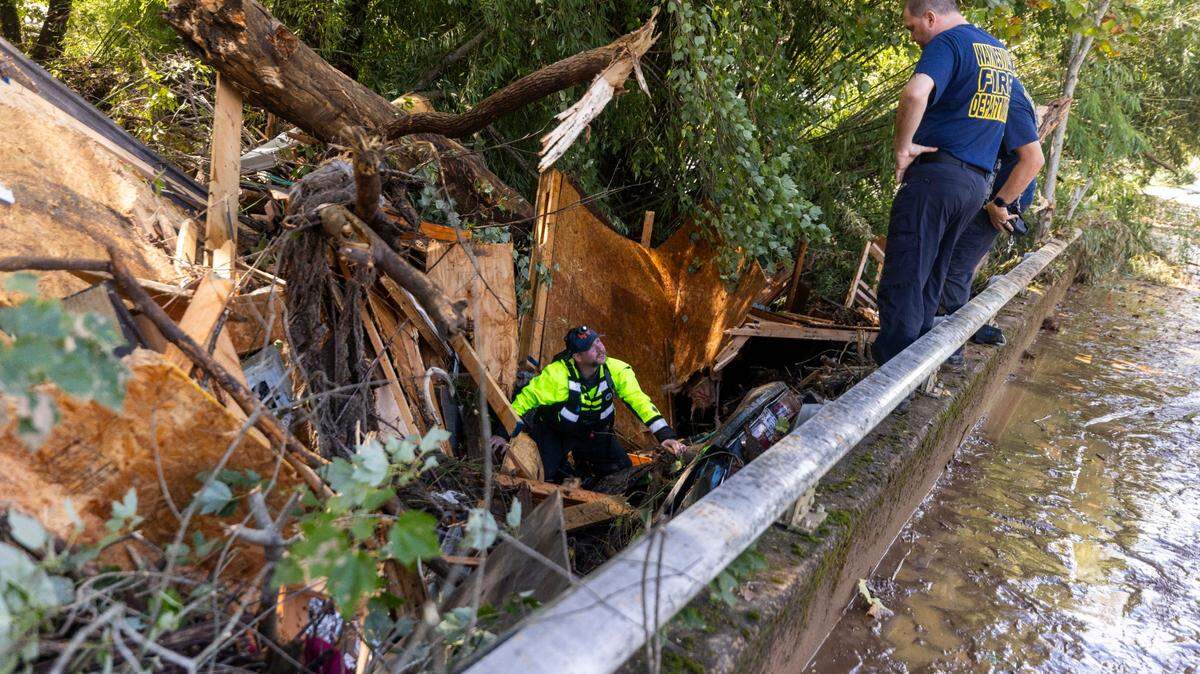
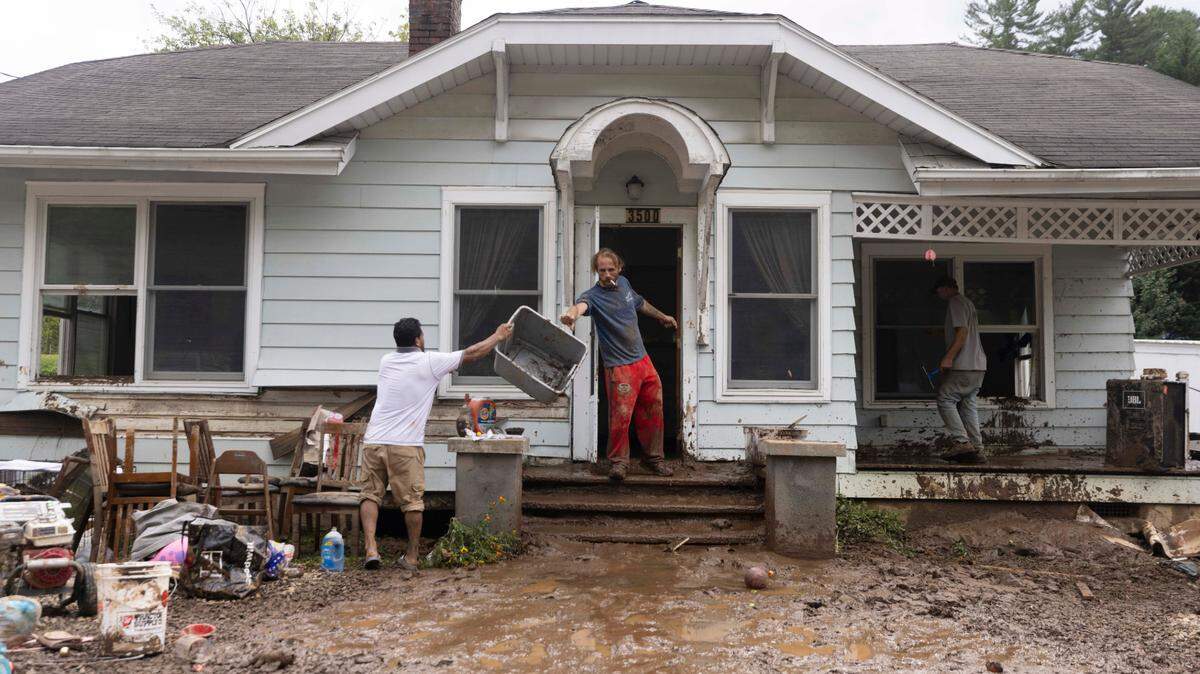
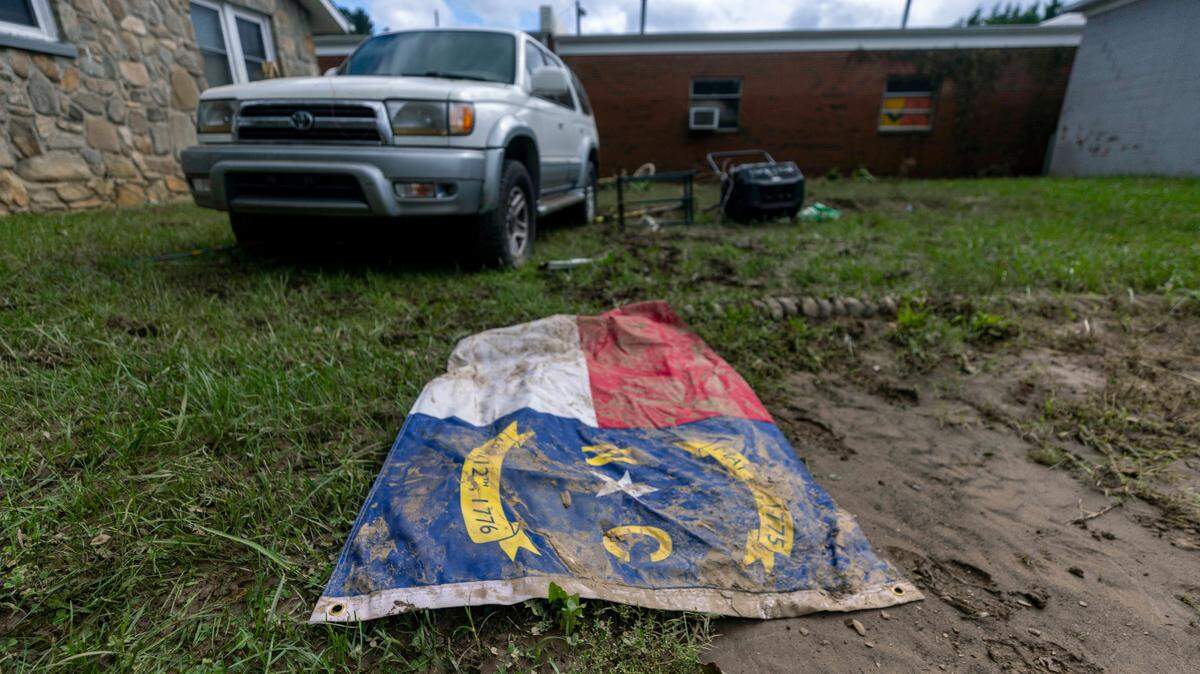
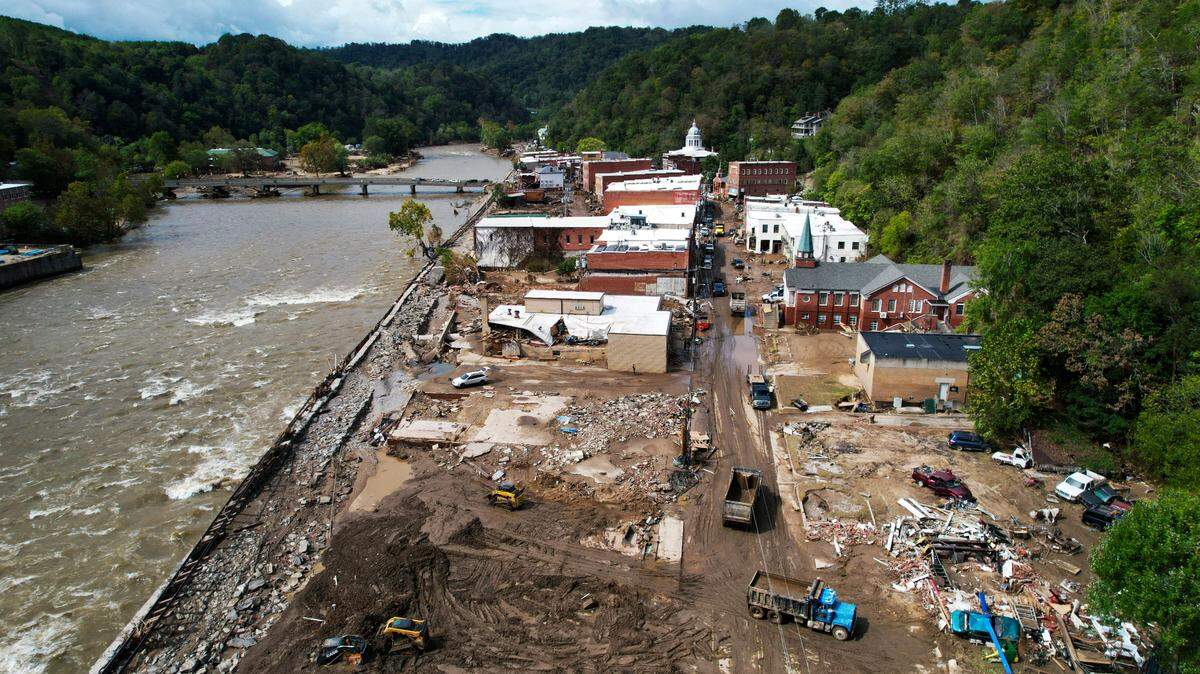
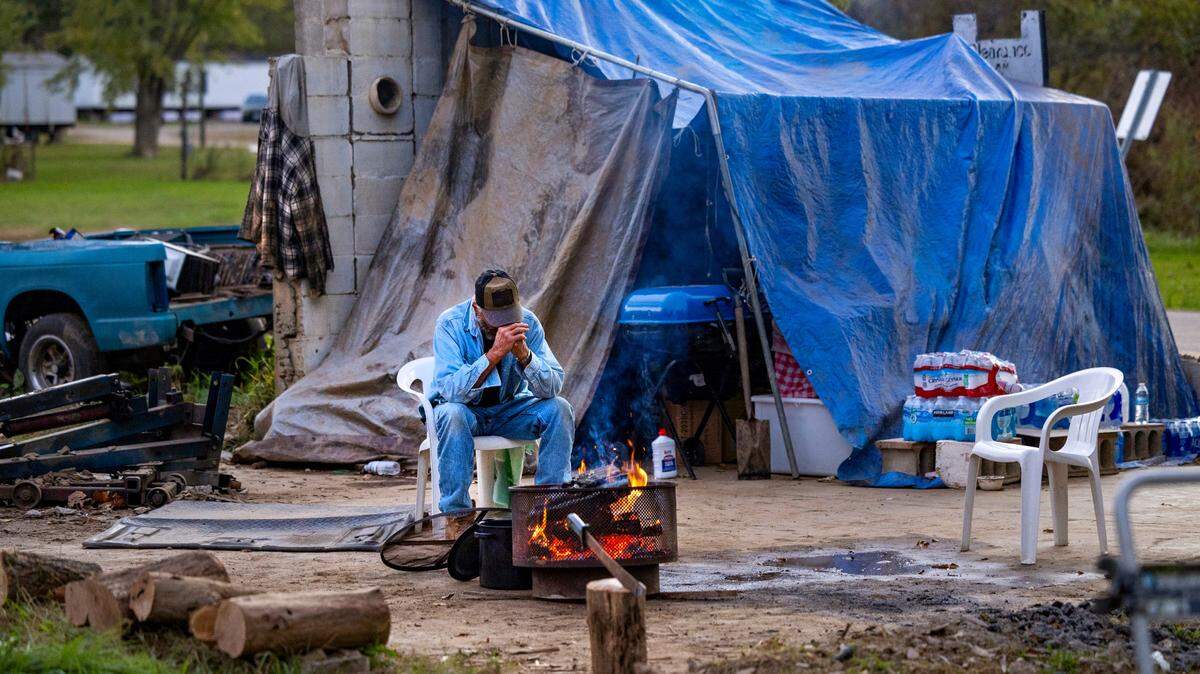
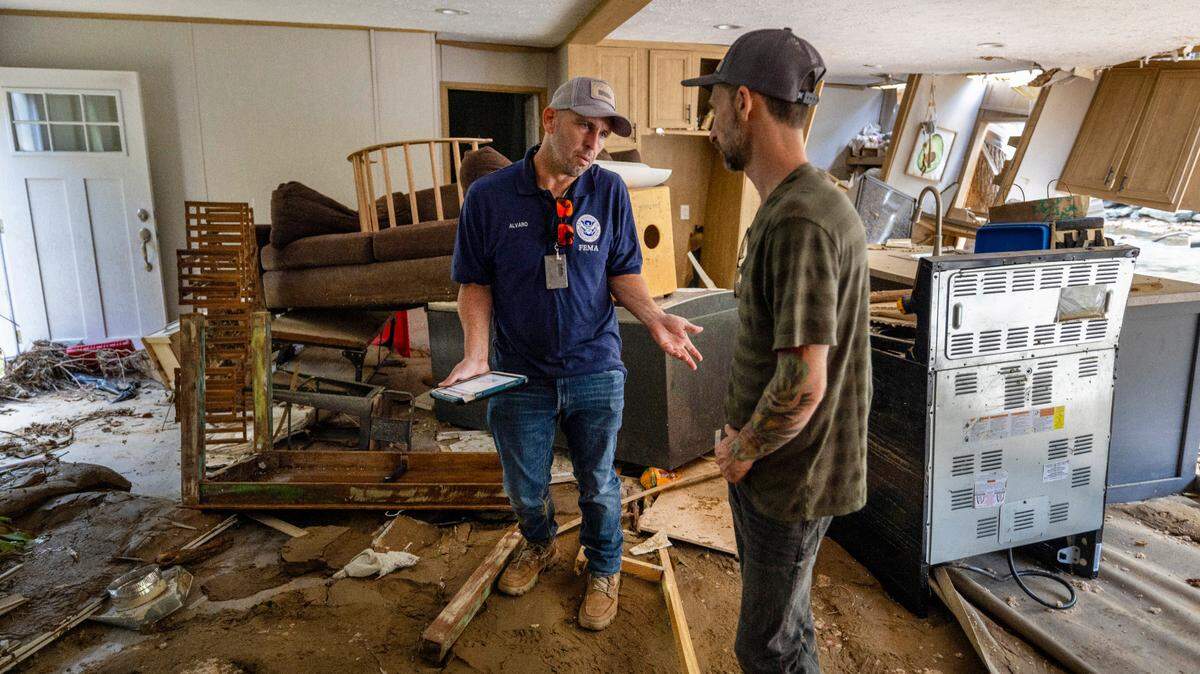
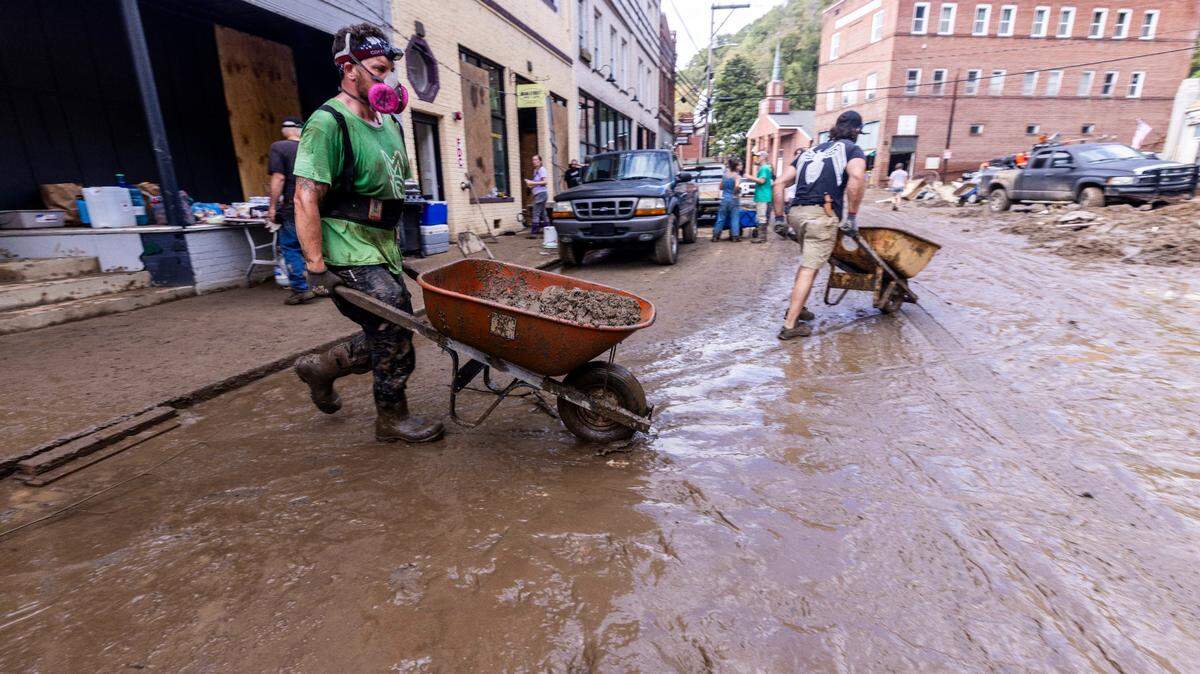
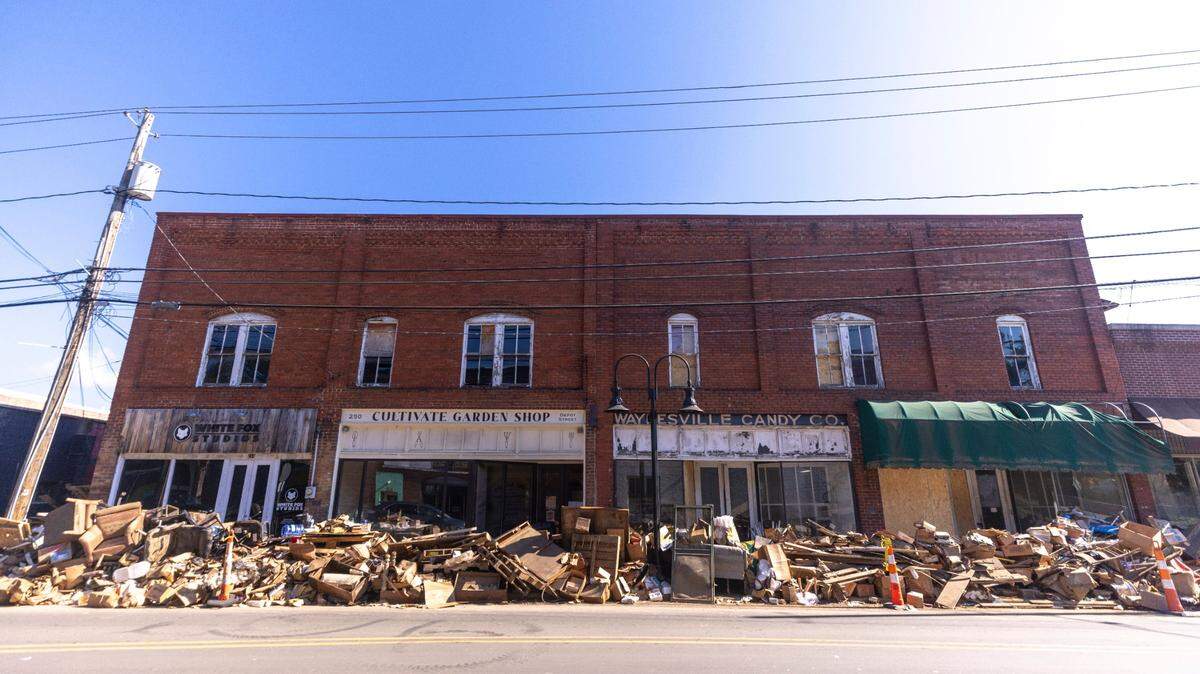
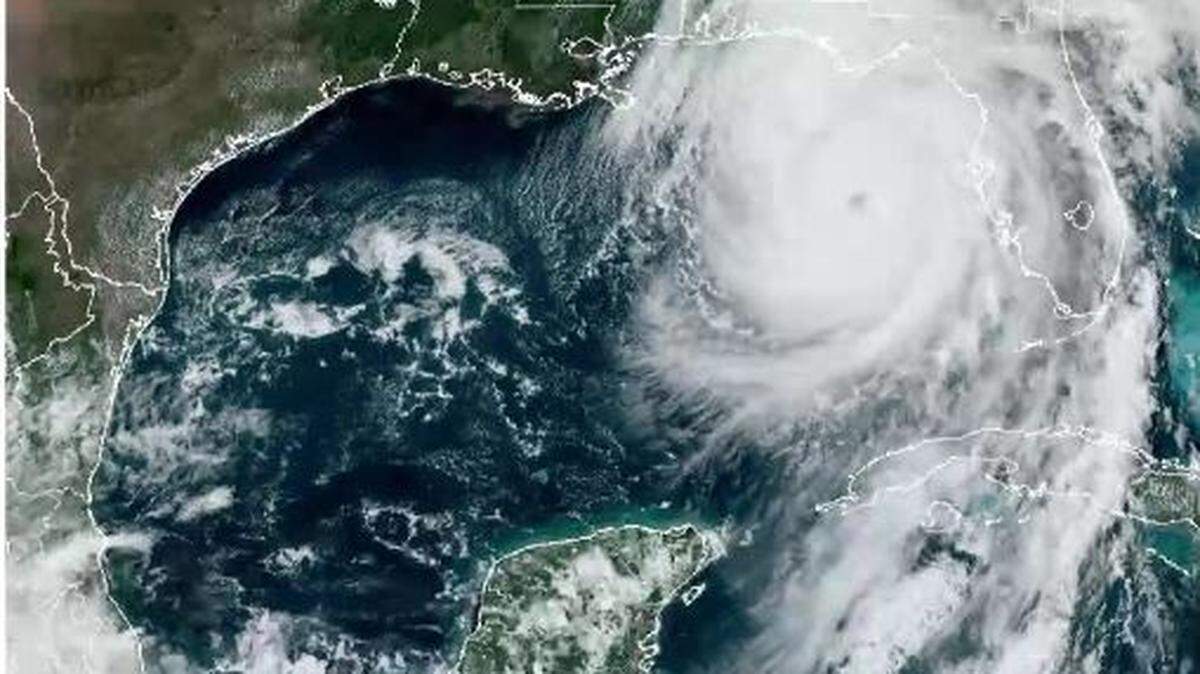
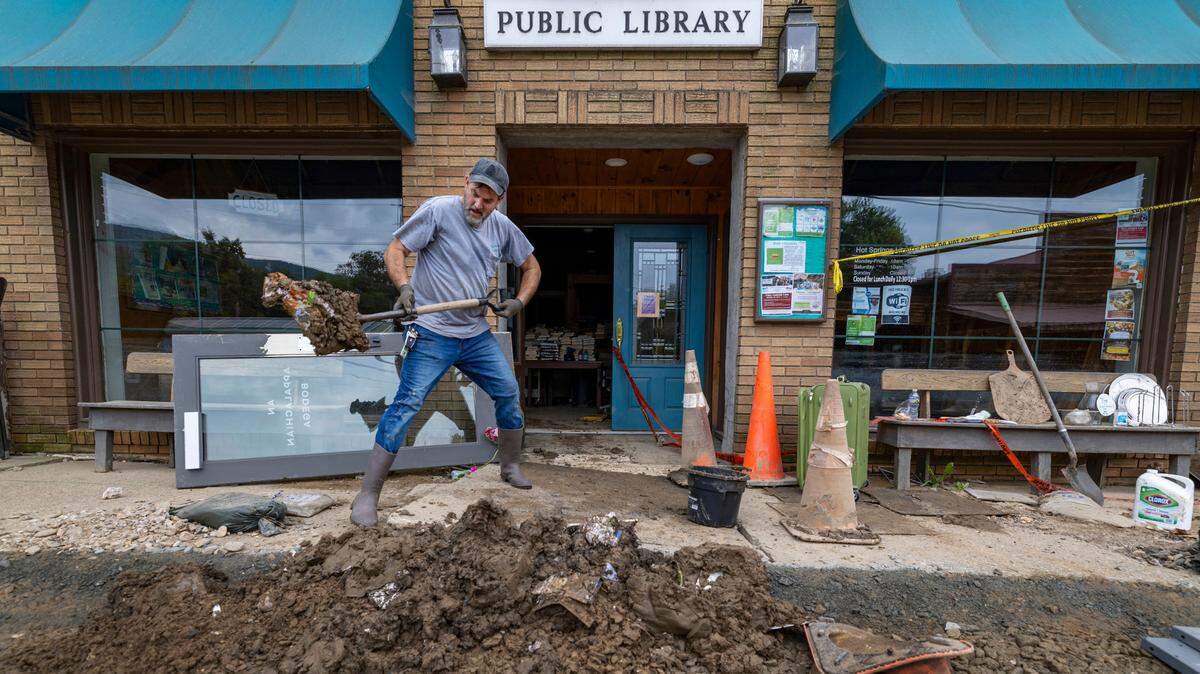
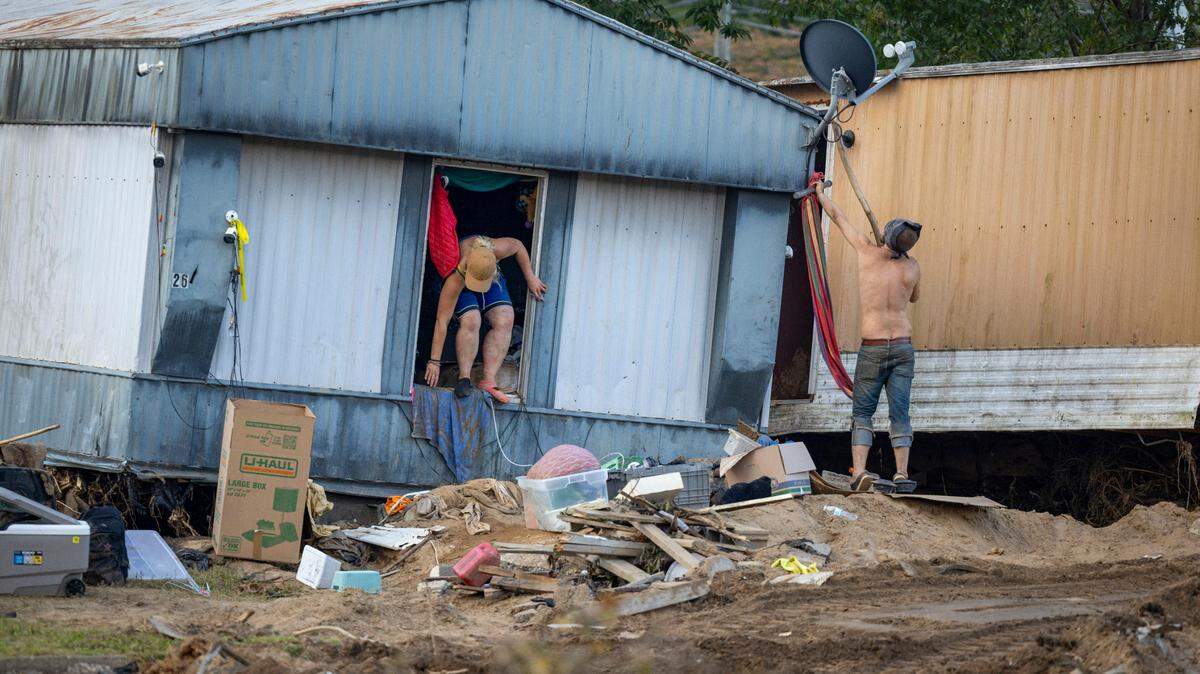
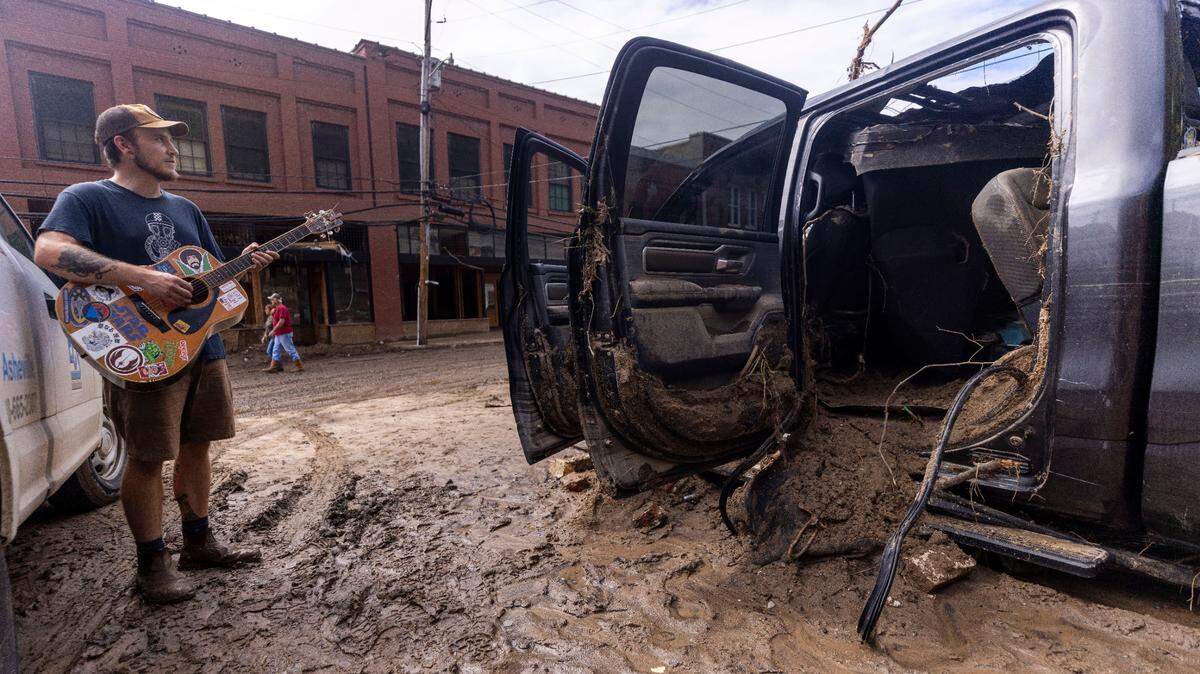
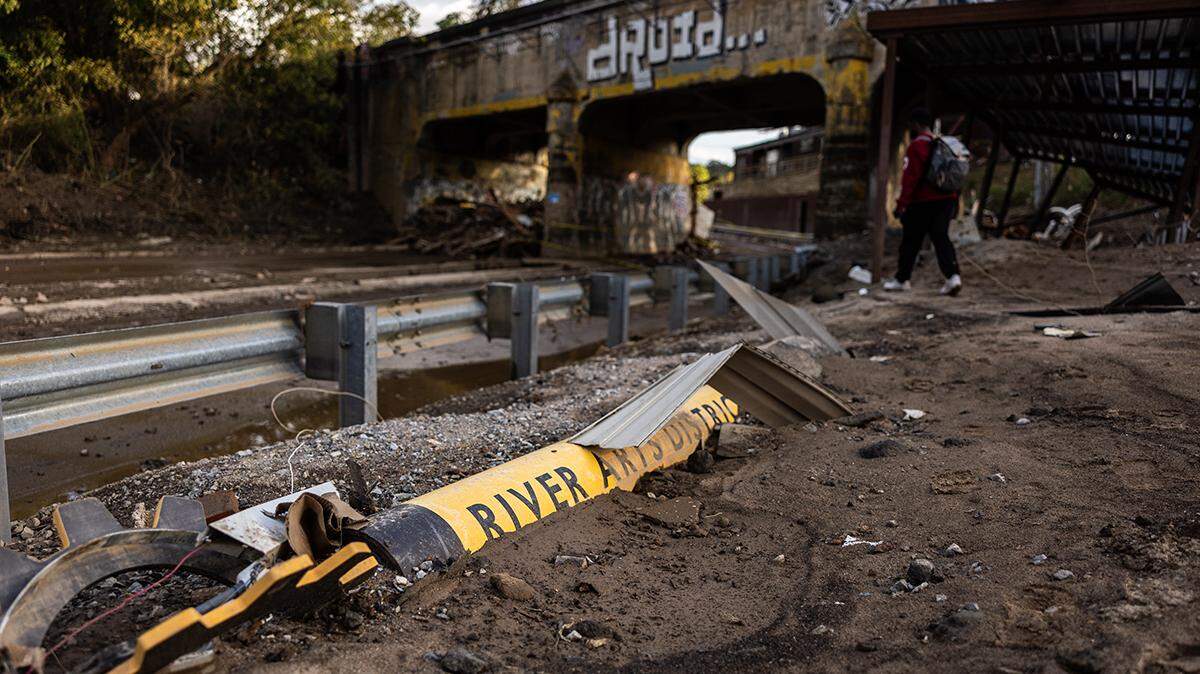
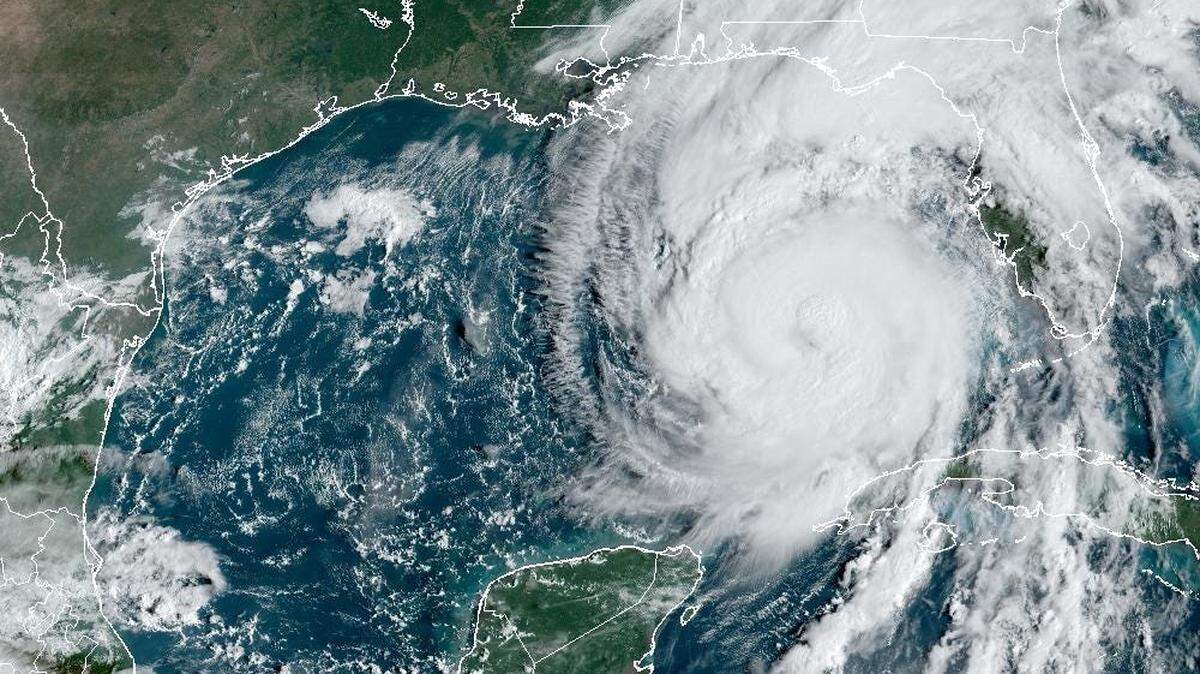
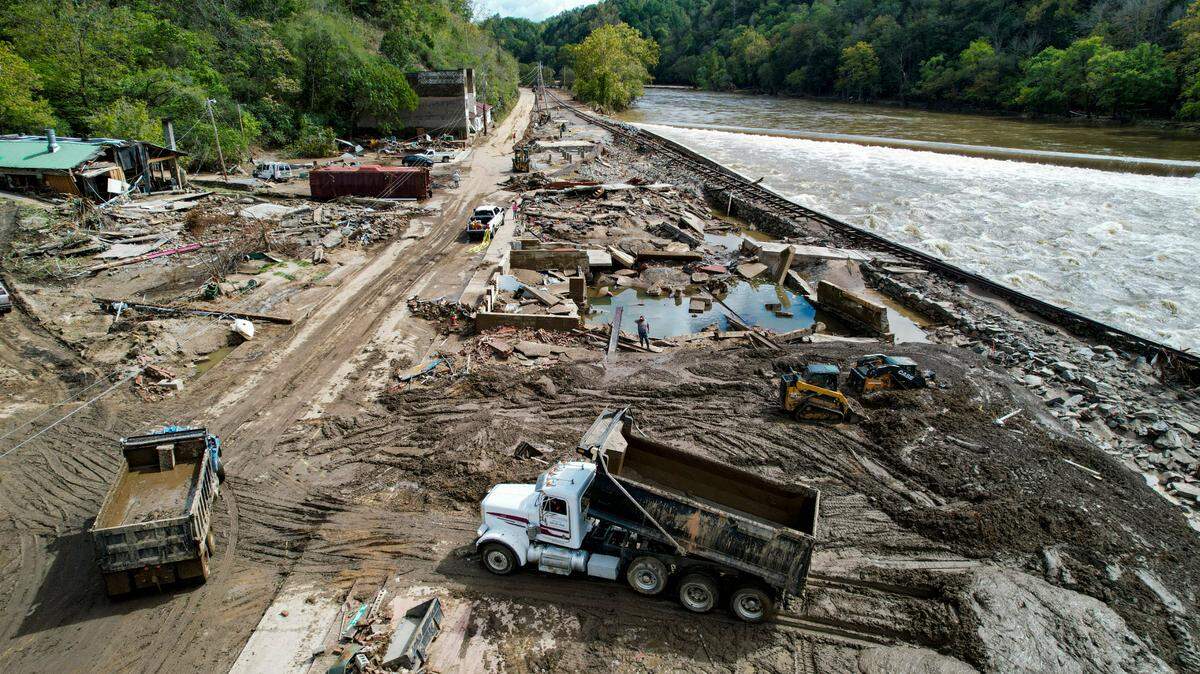
Hurricane Helene swept across the Southeast, causing major flooding and destruction throughout North Carolina. Here is ongoing coverage from The News & Observer and The Charlotte Observer about Hurricane Helene and the aftermath, particularly in Western North Carolina.
Expand All
Click here for updated information on road closings in Western North Carolina.
If you’re thinking of traveling to or through Western North Carolina in the coming days, better think again.
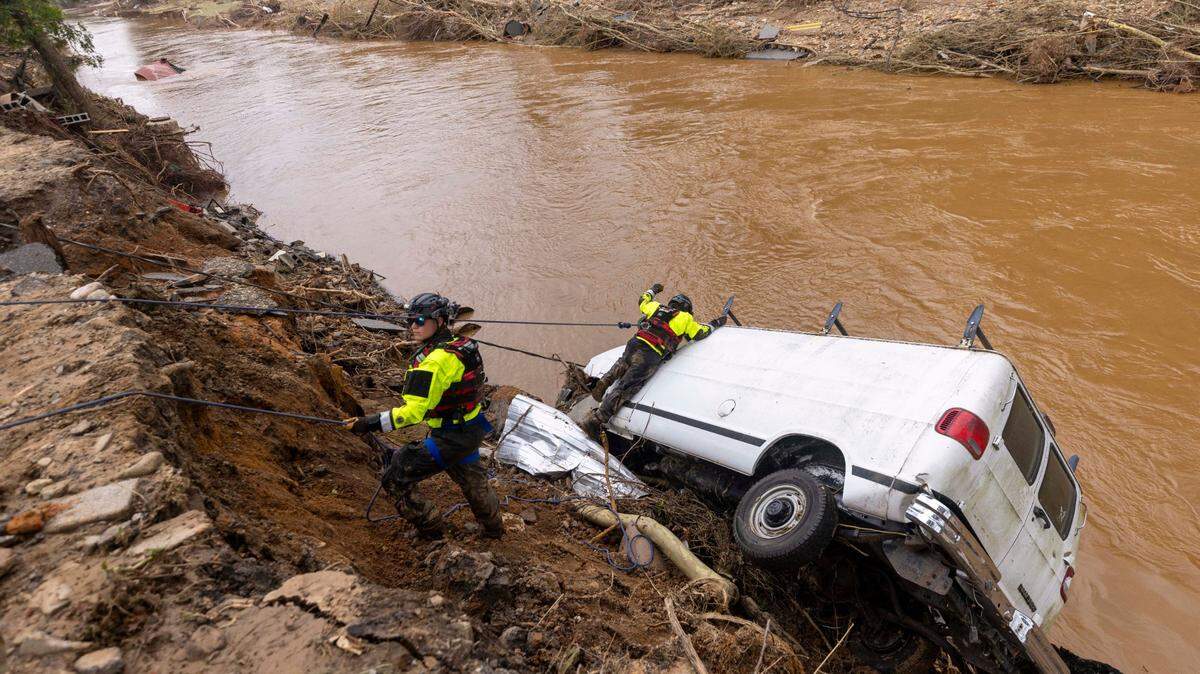
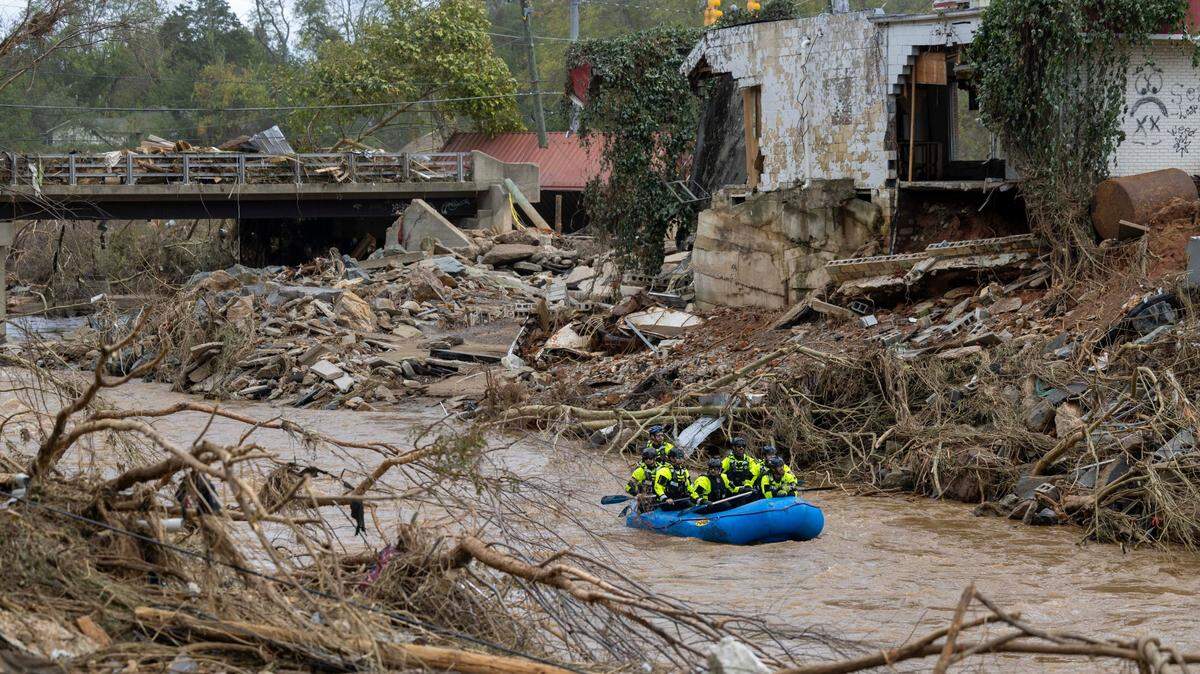
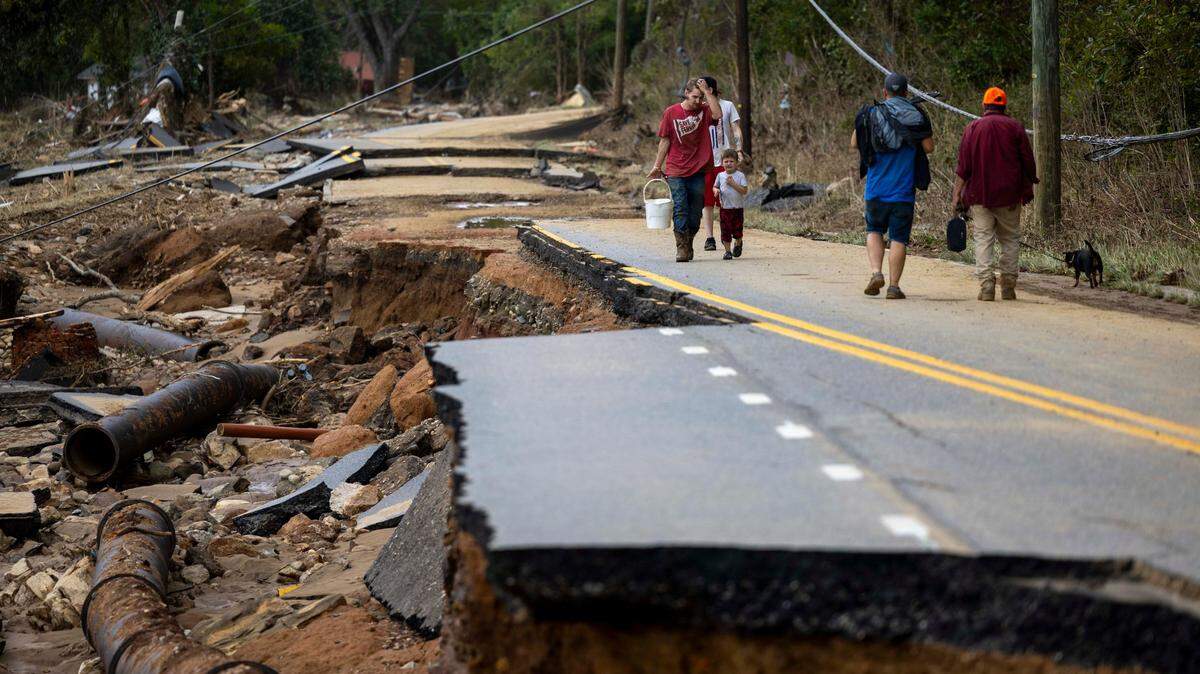
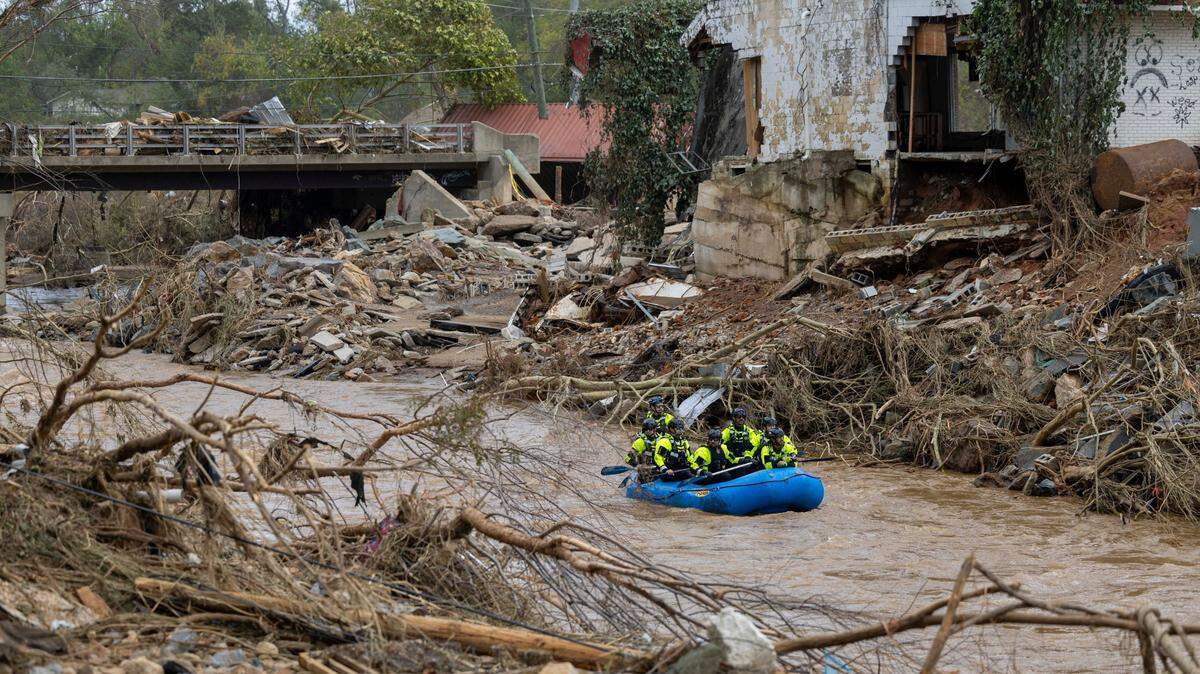
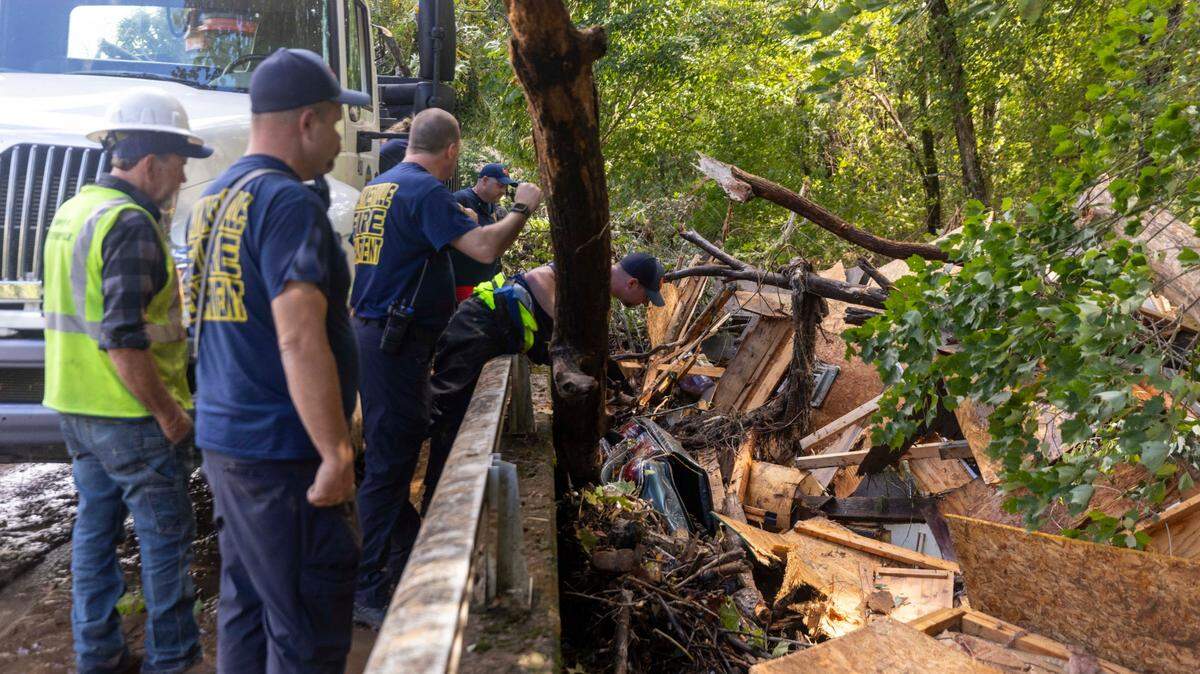
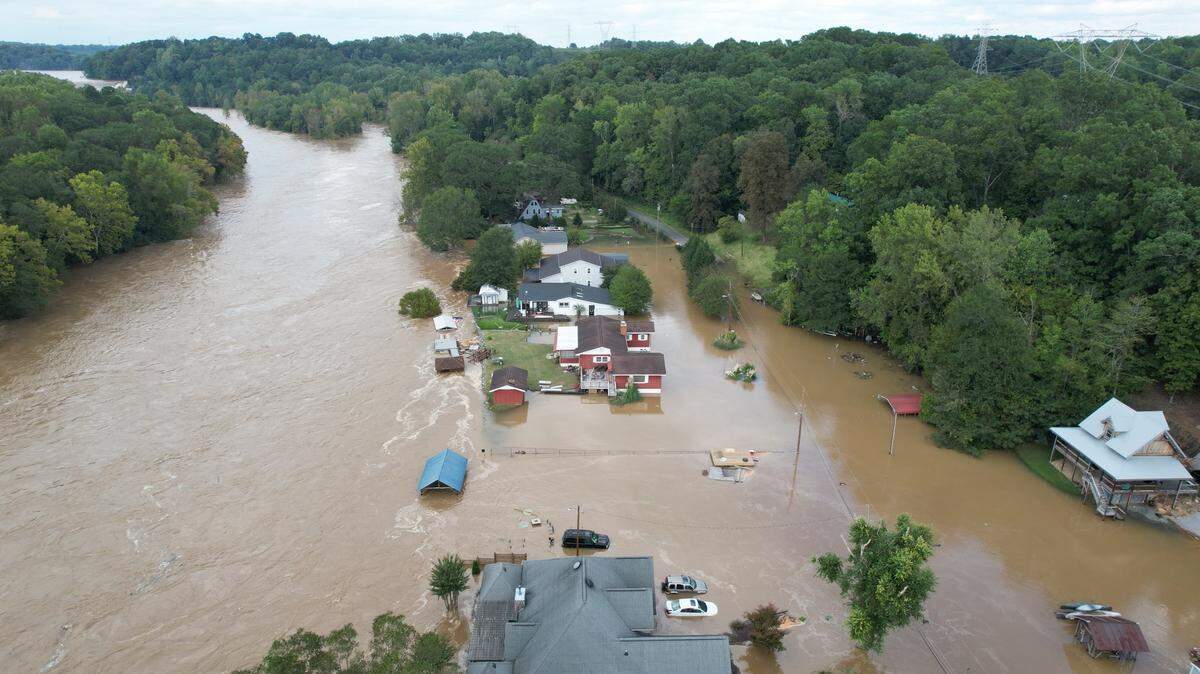
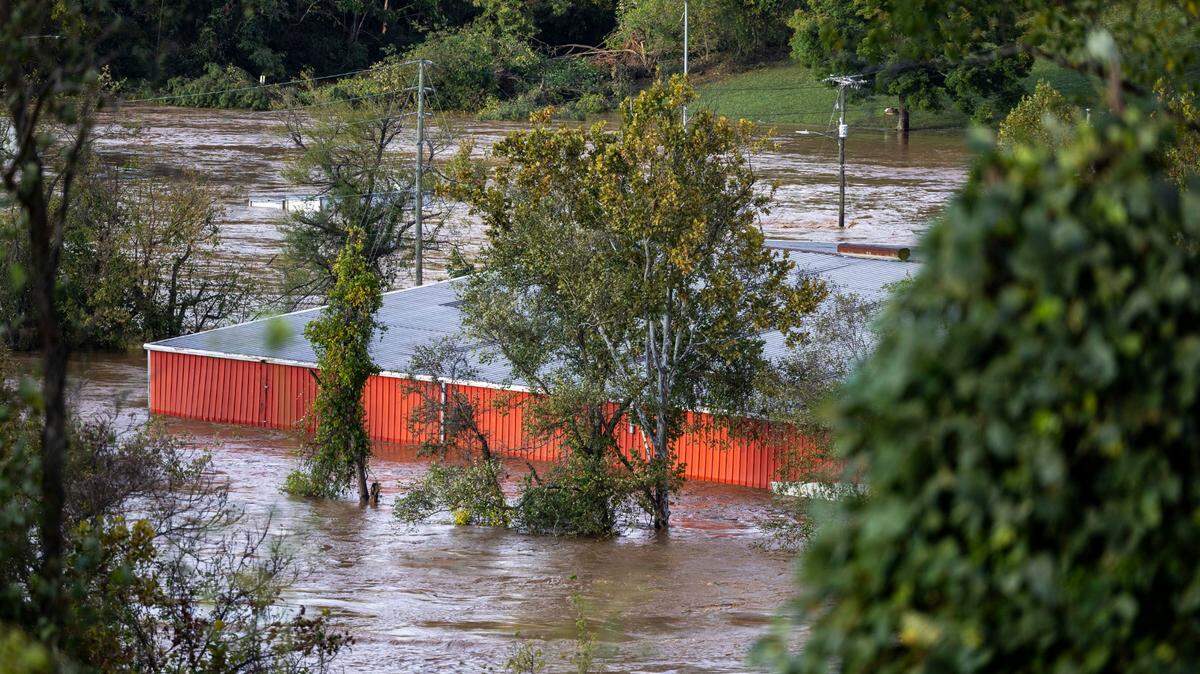
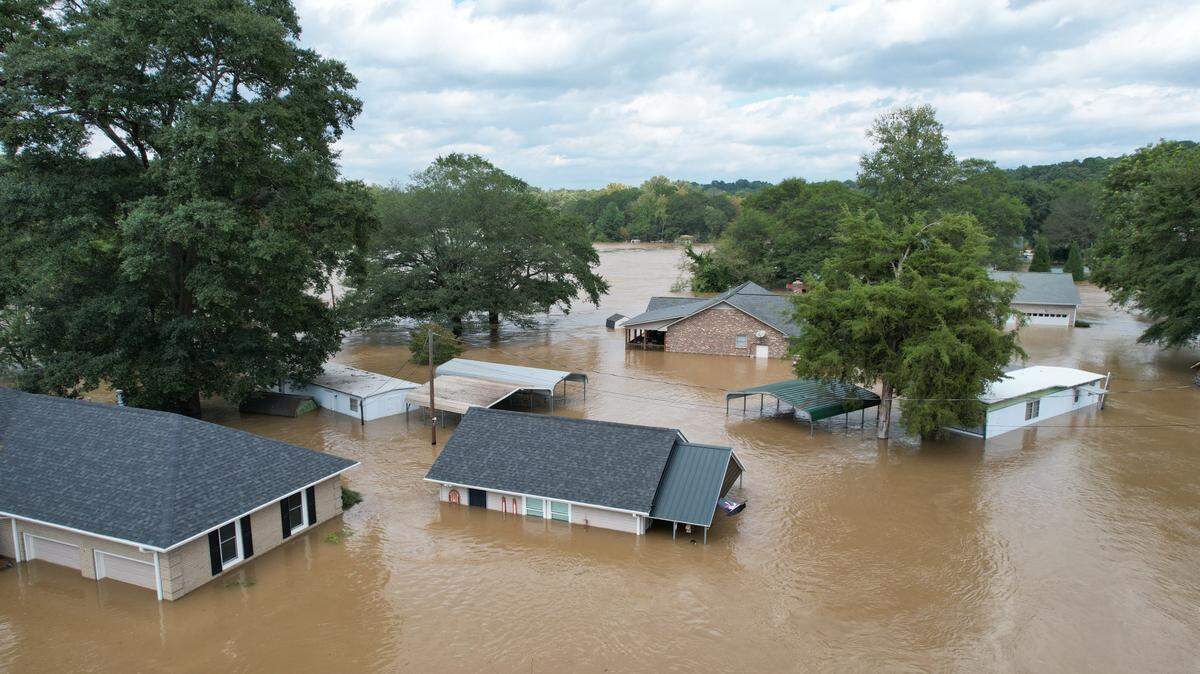
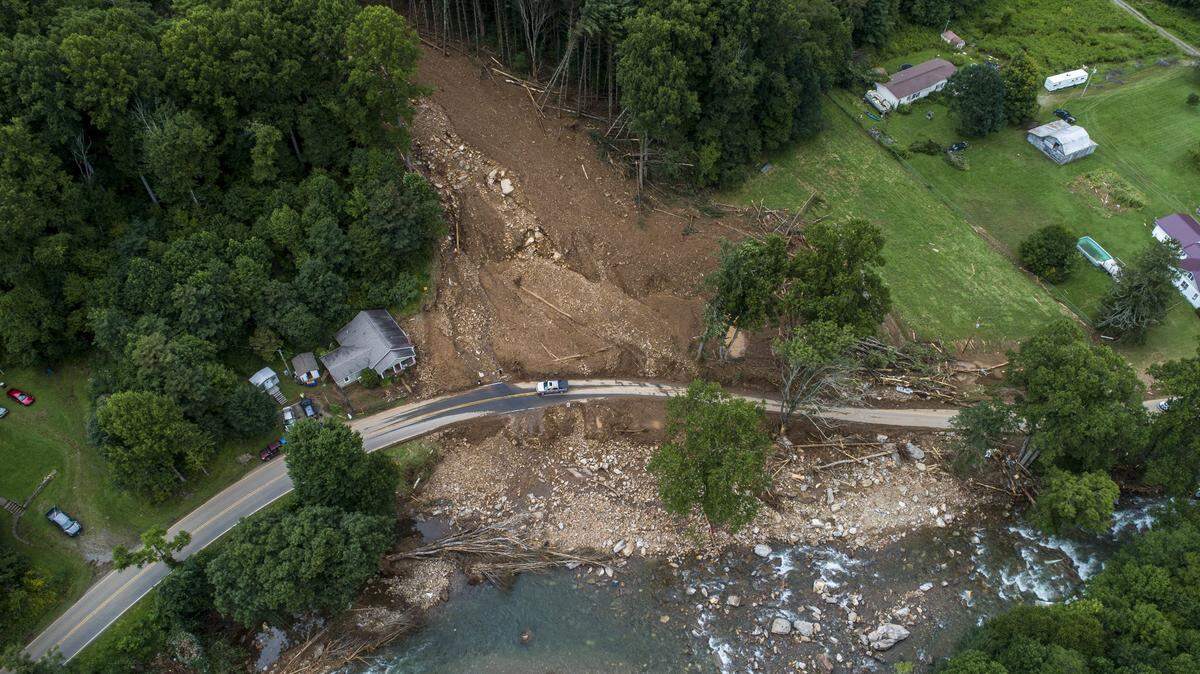
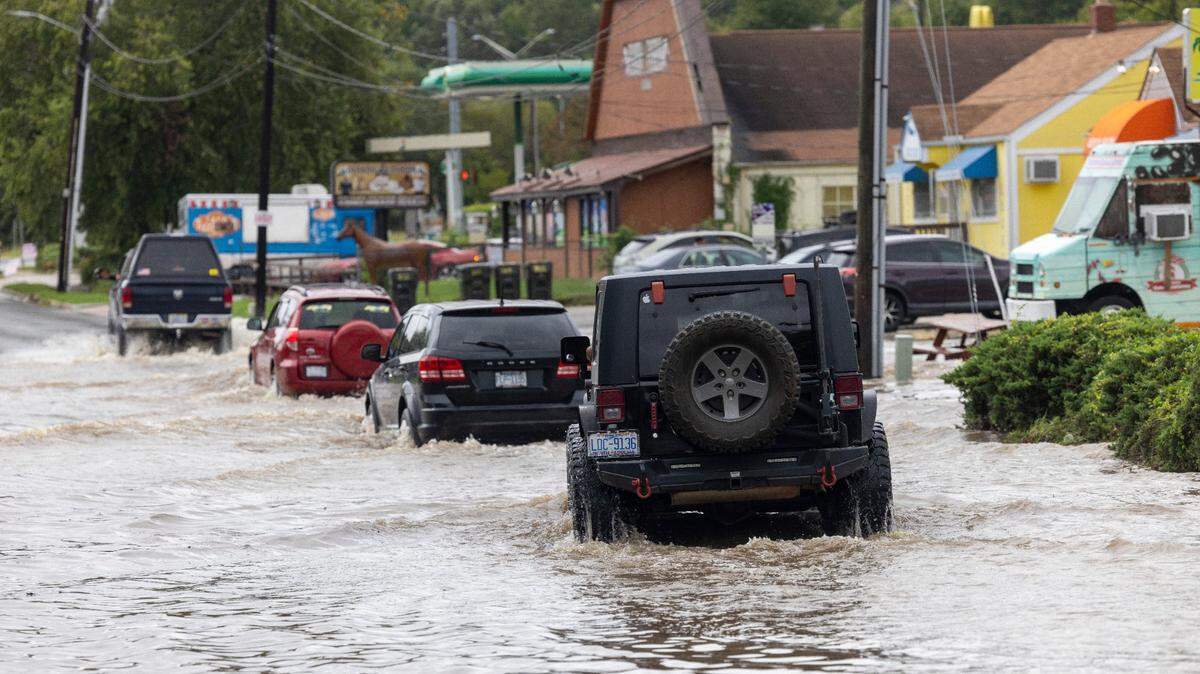
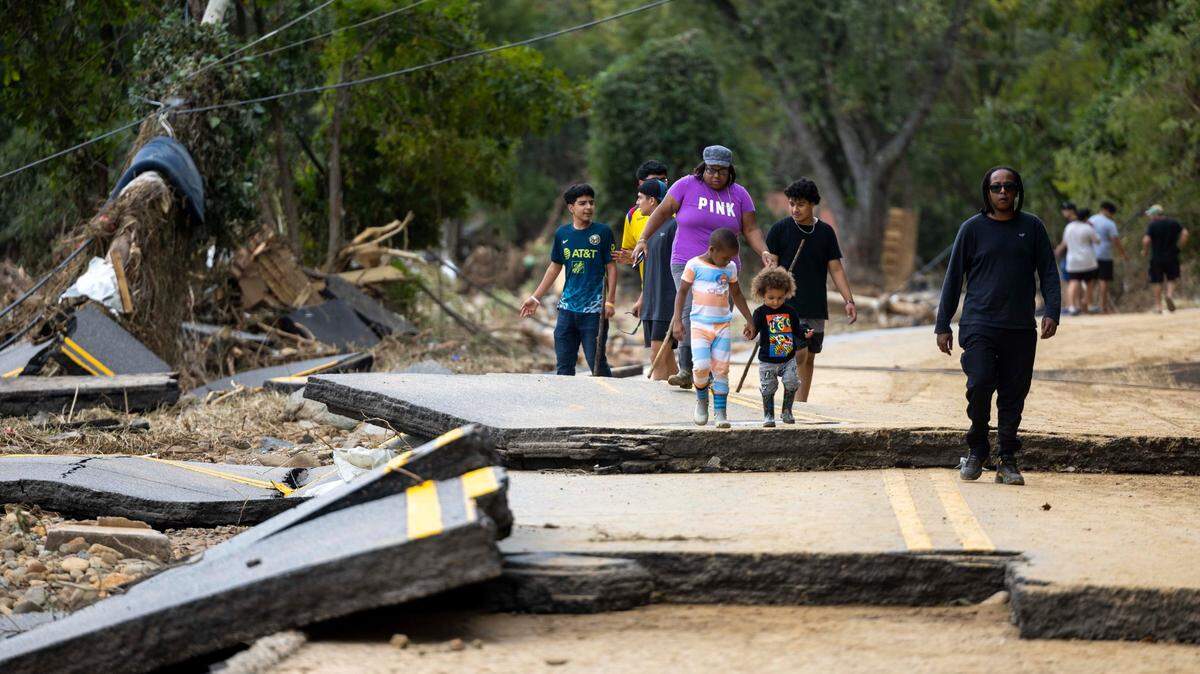
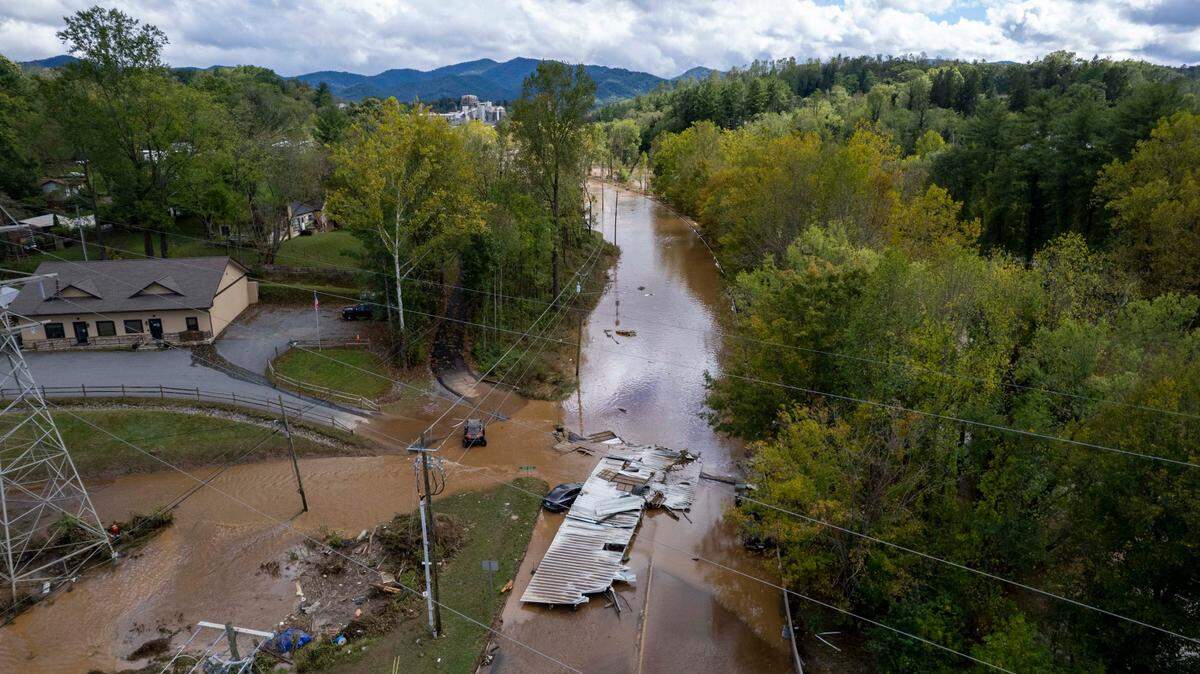
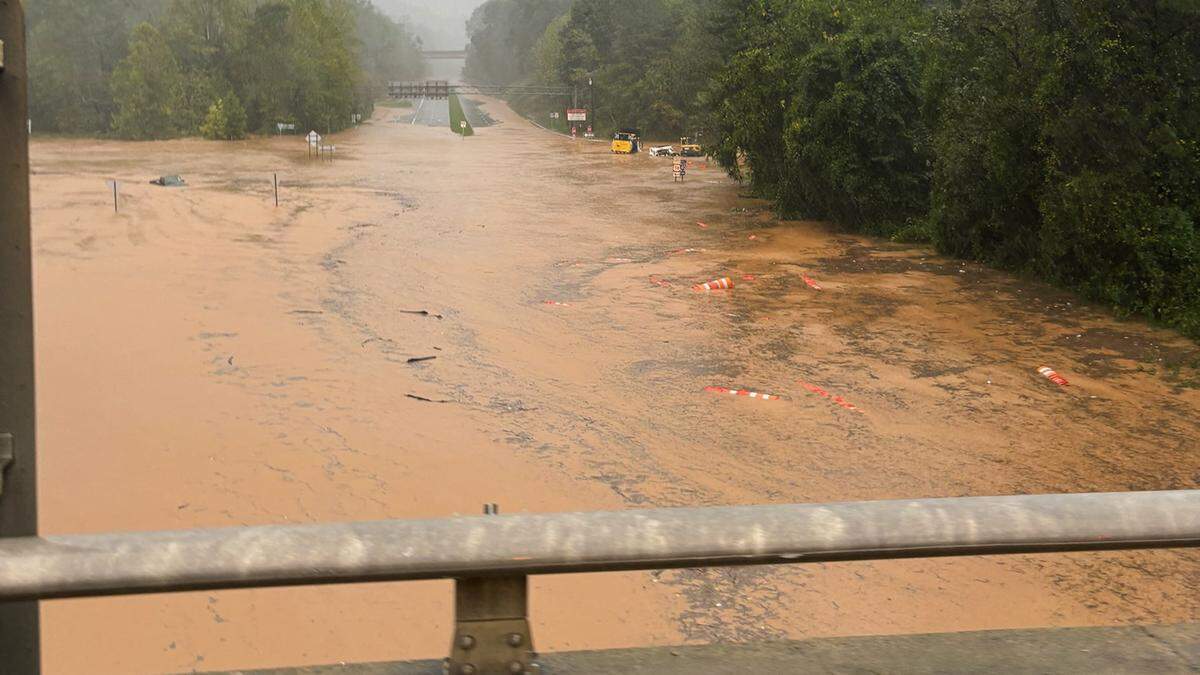
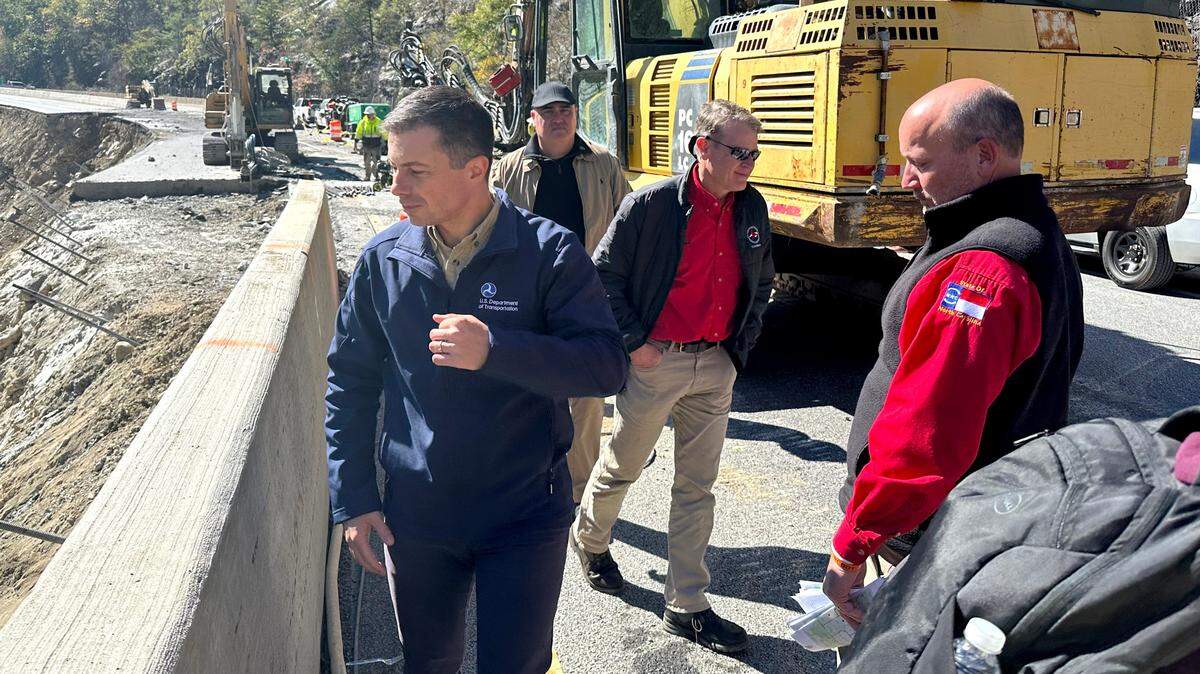
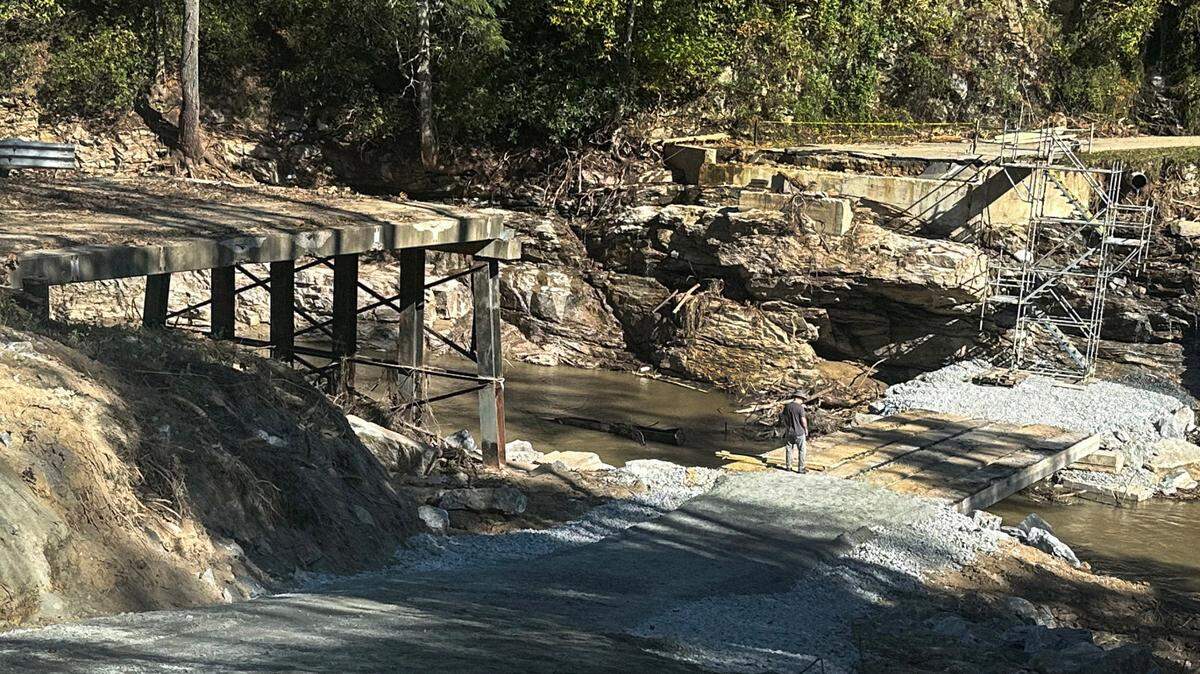
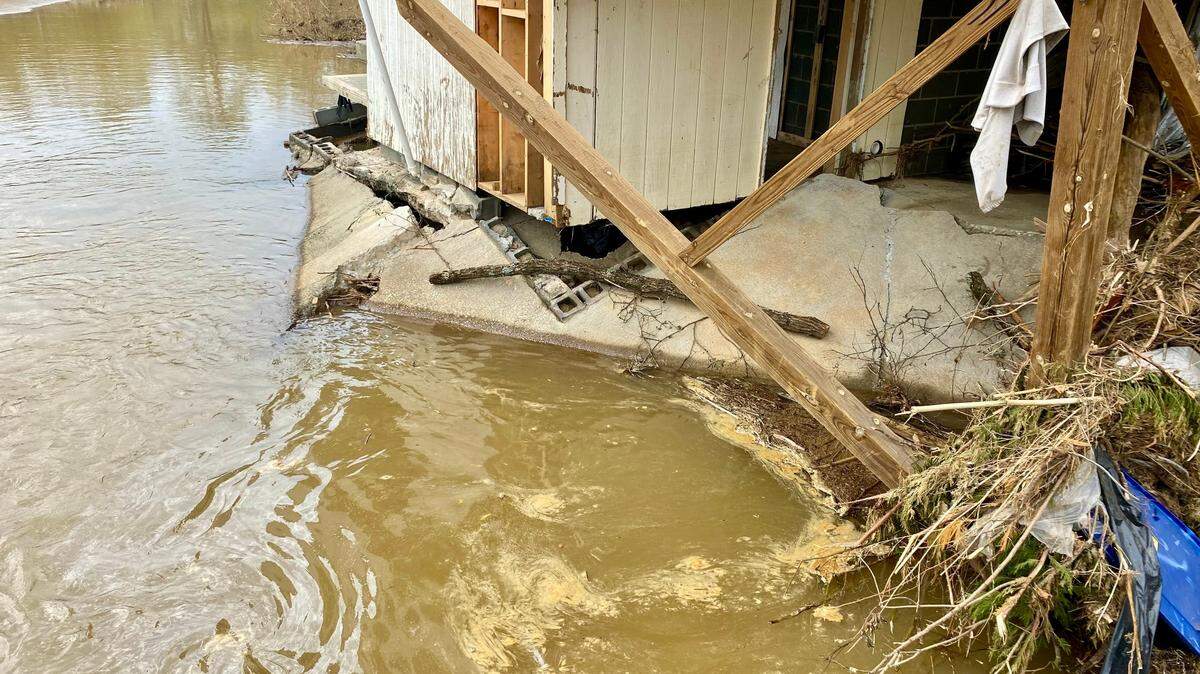
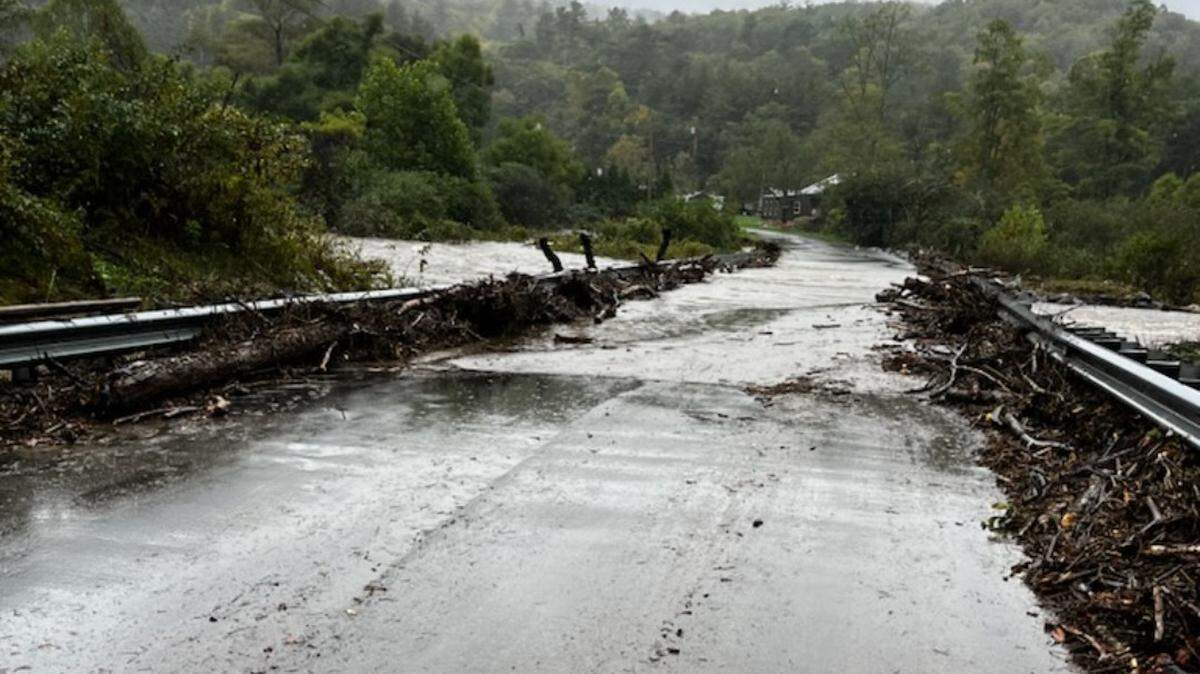
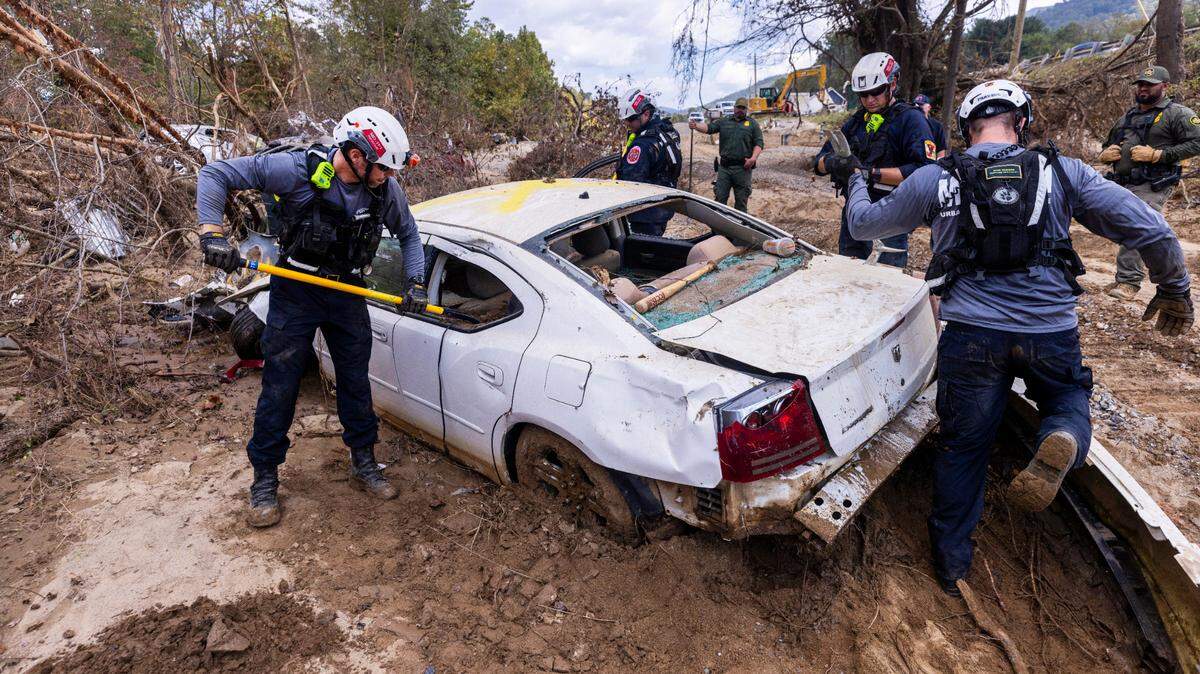
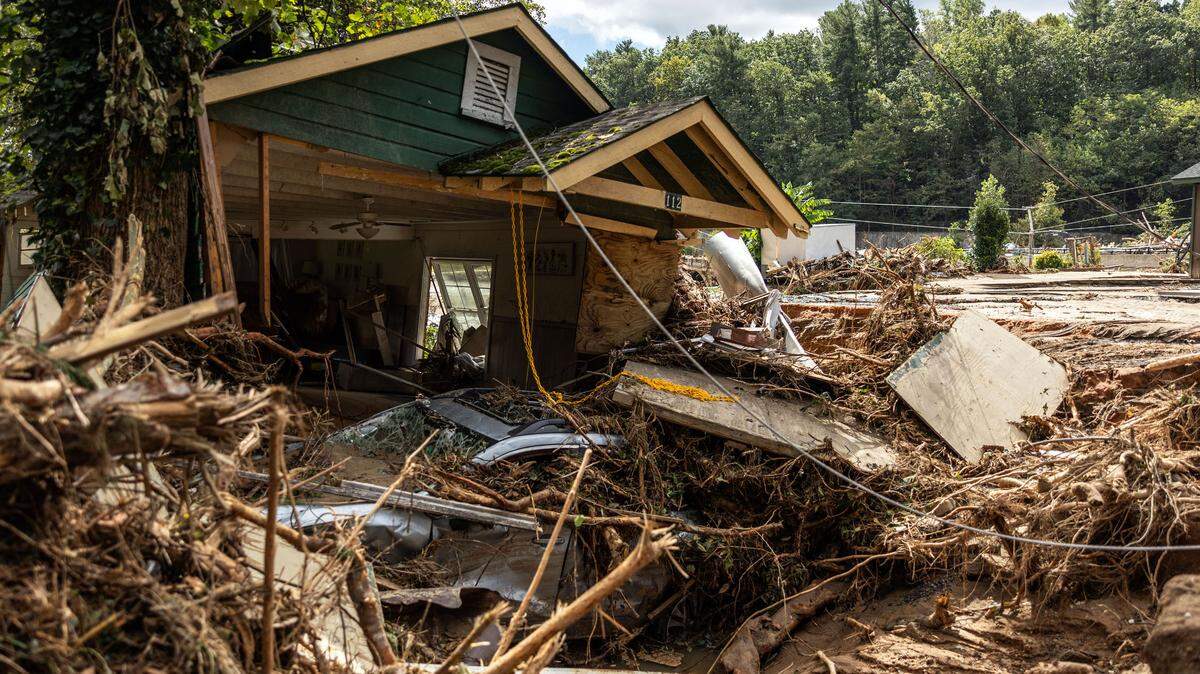
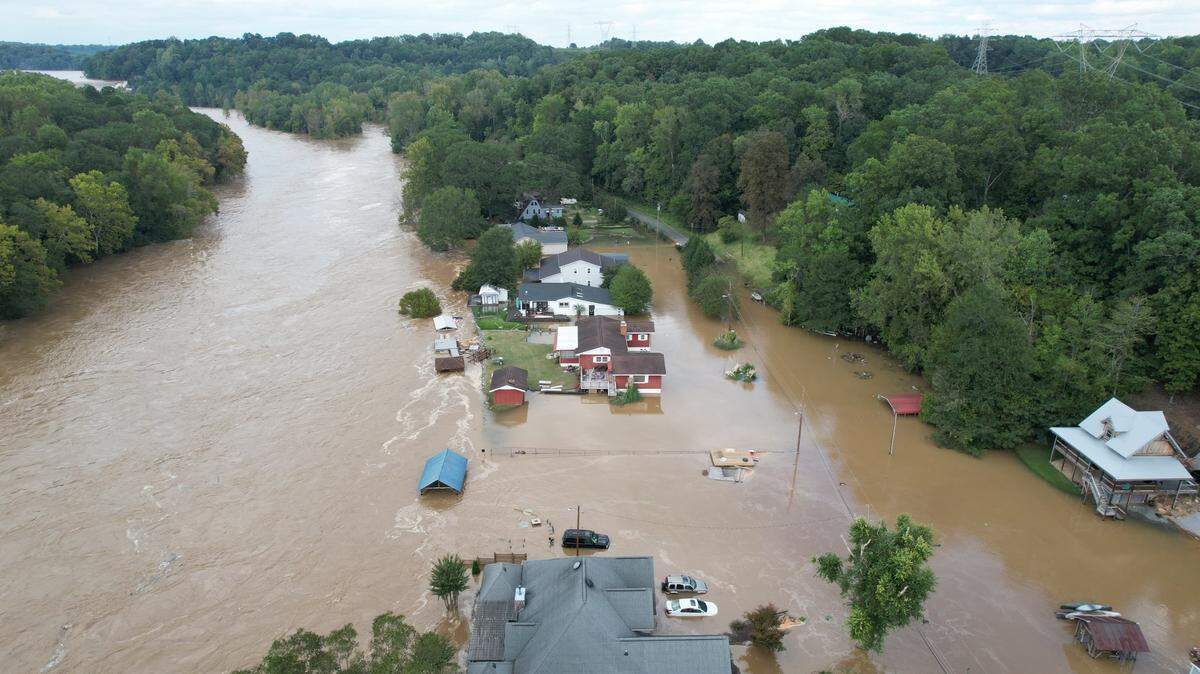
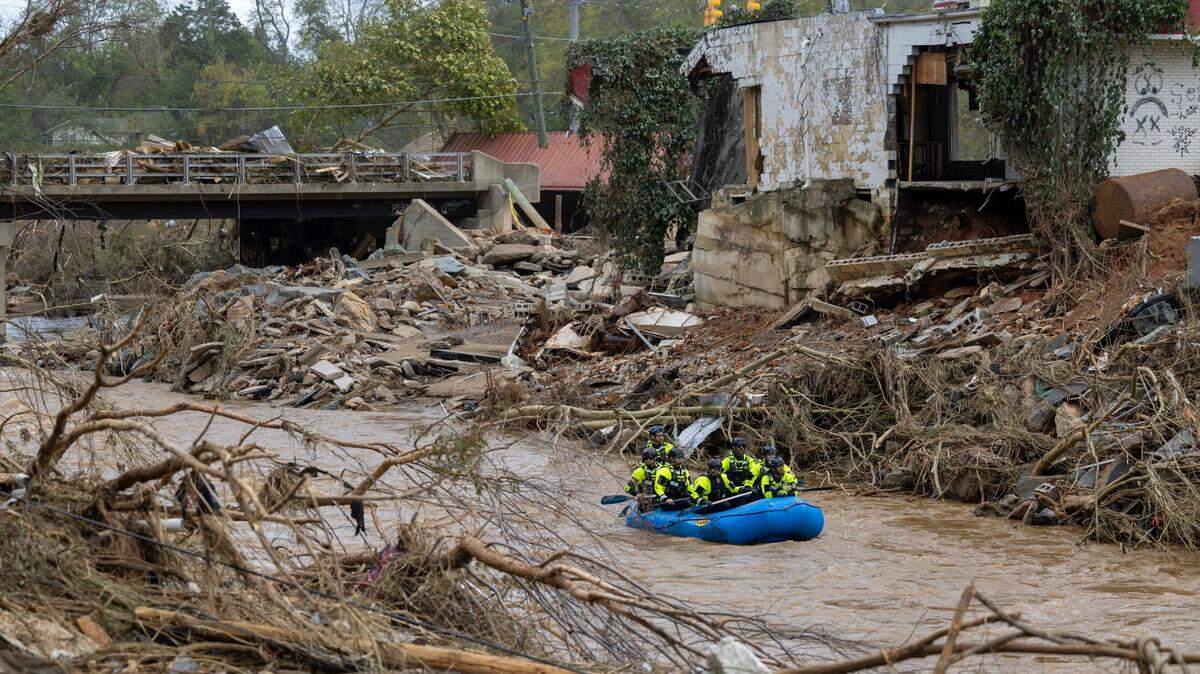
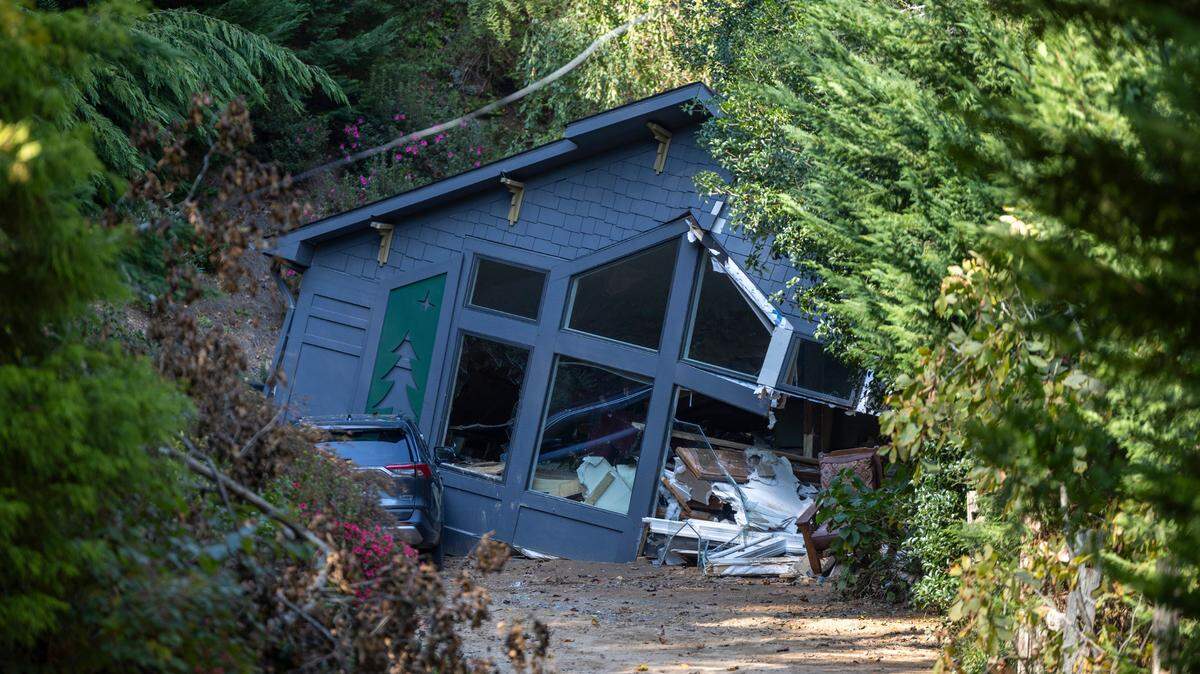
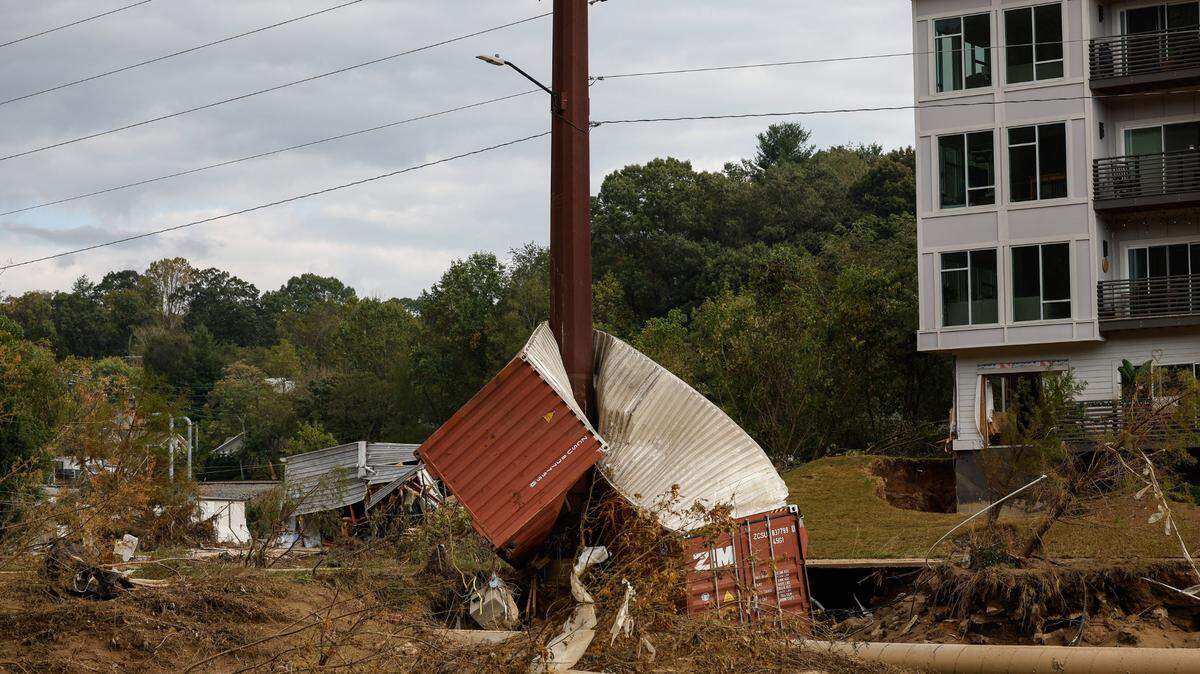
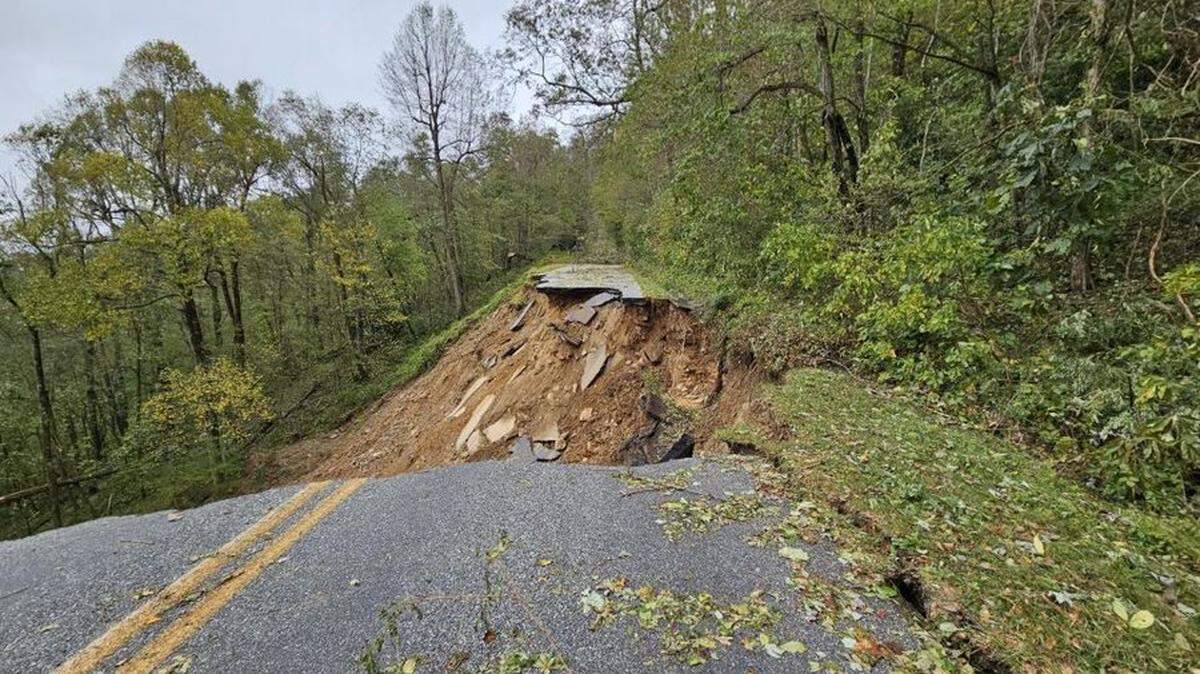
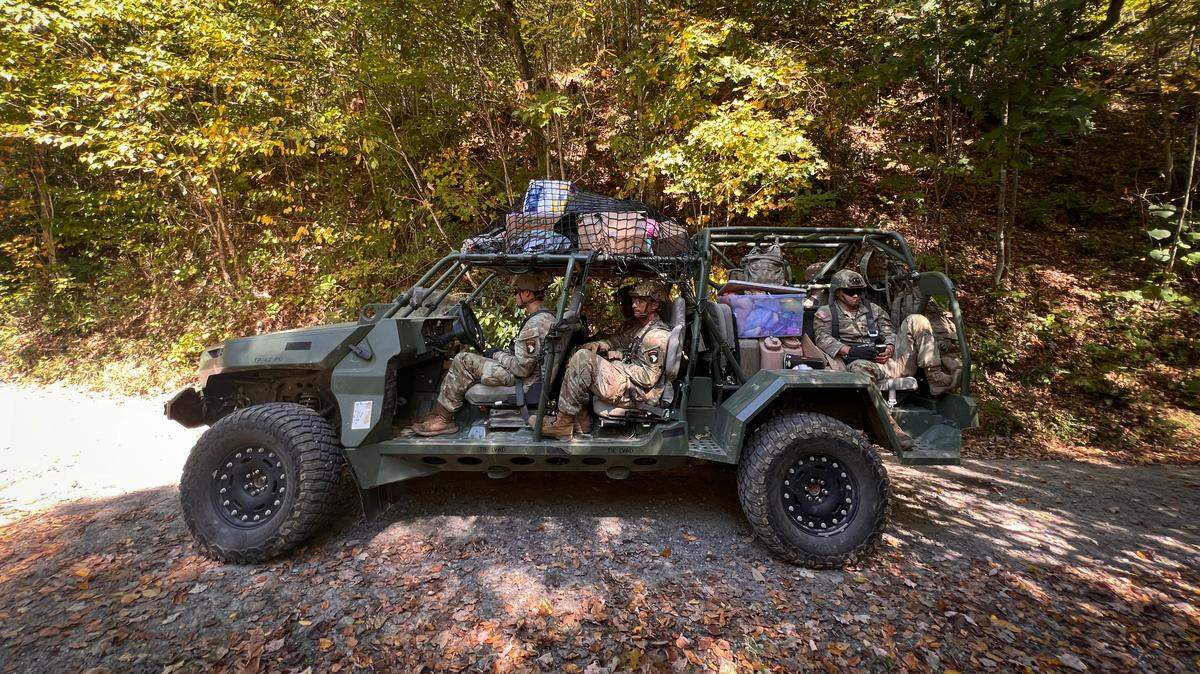
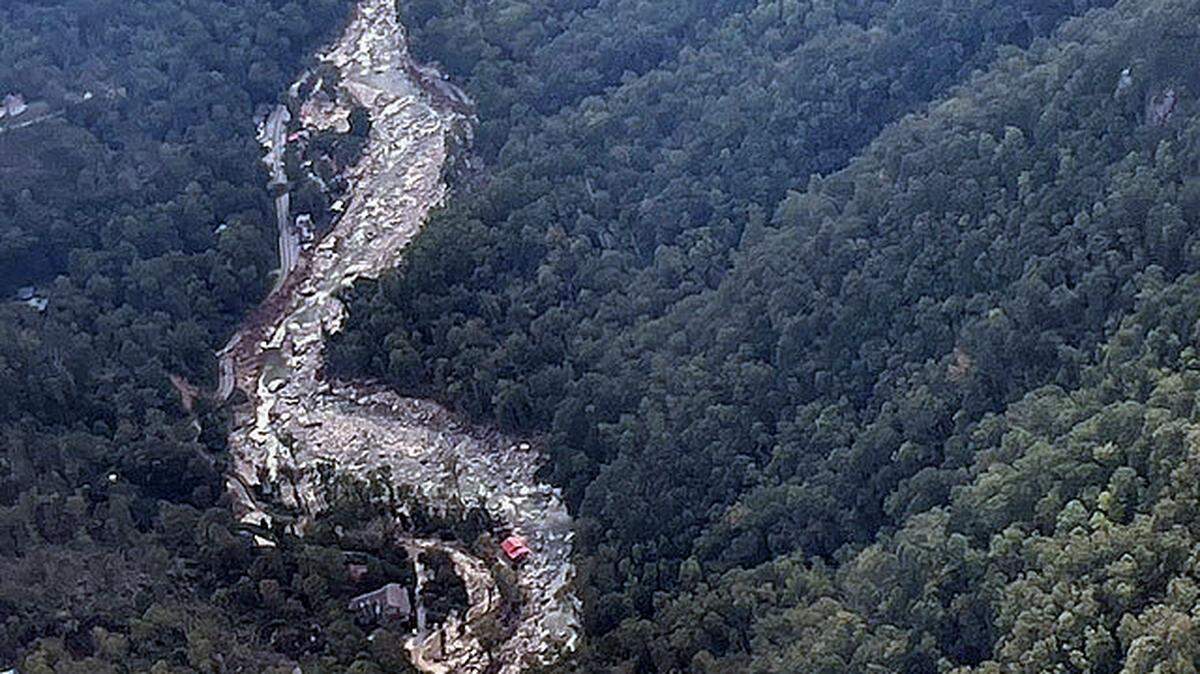
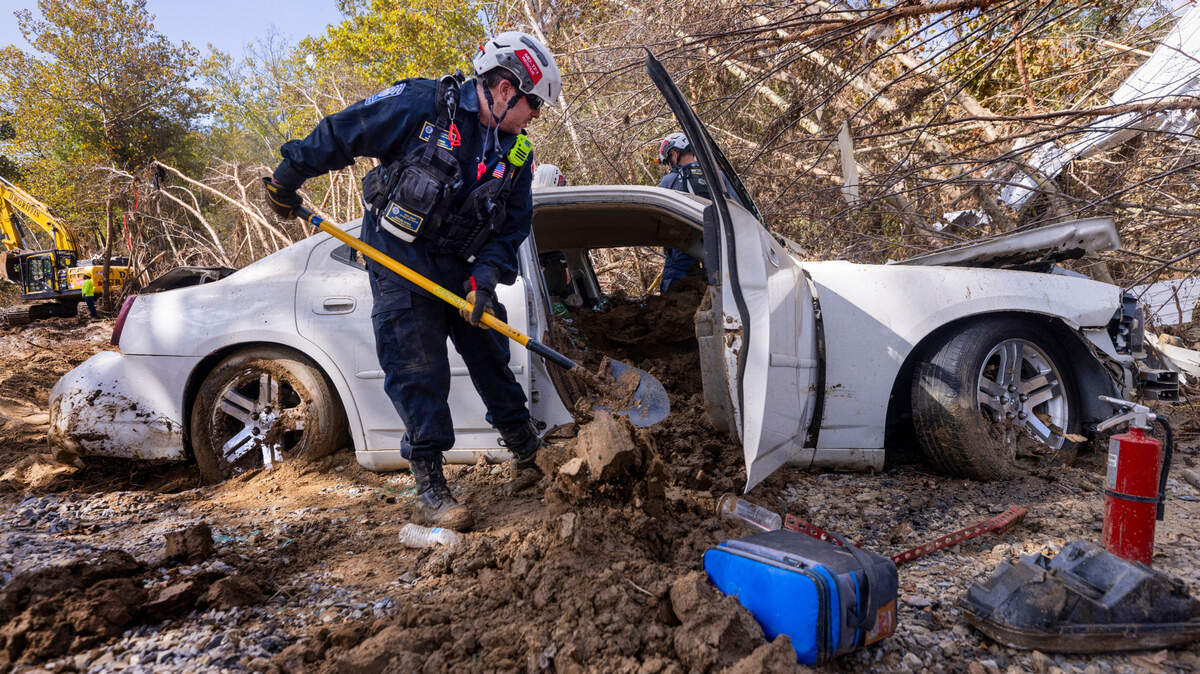
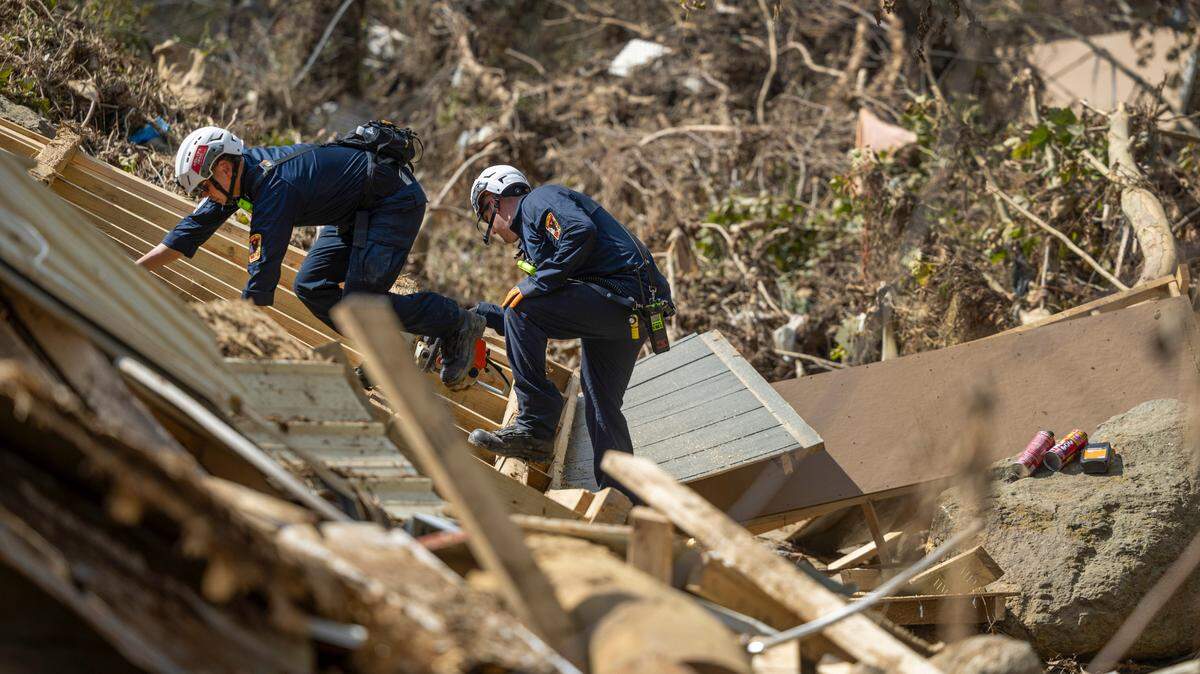
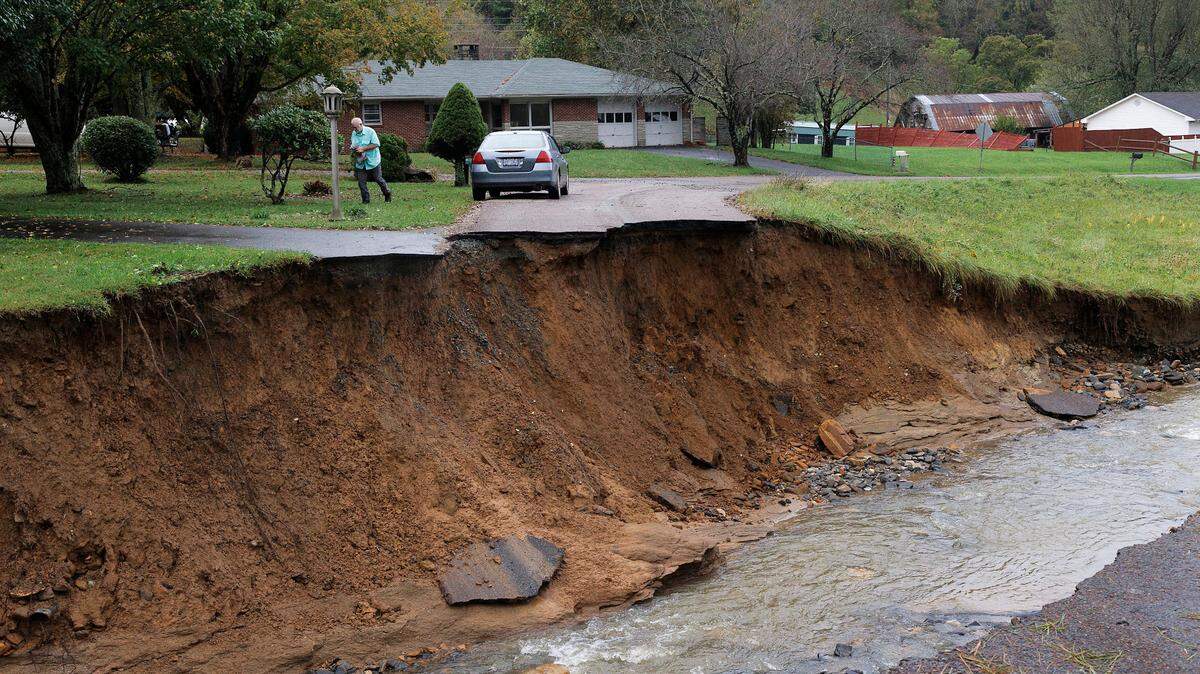
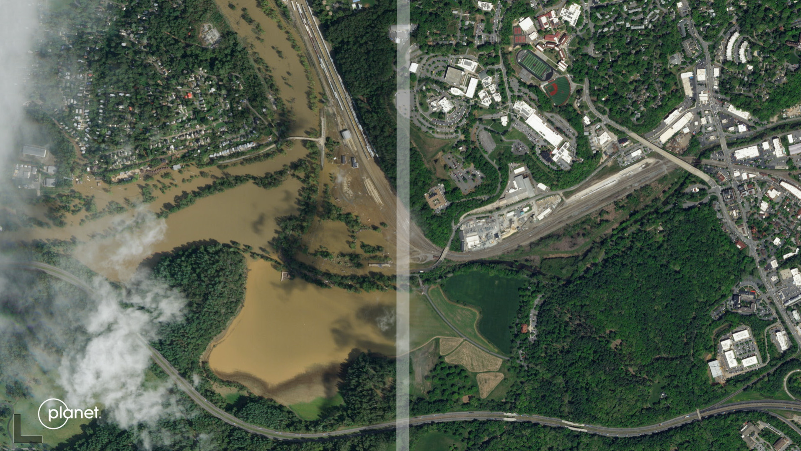
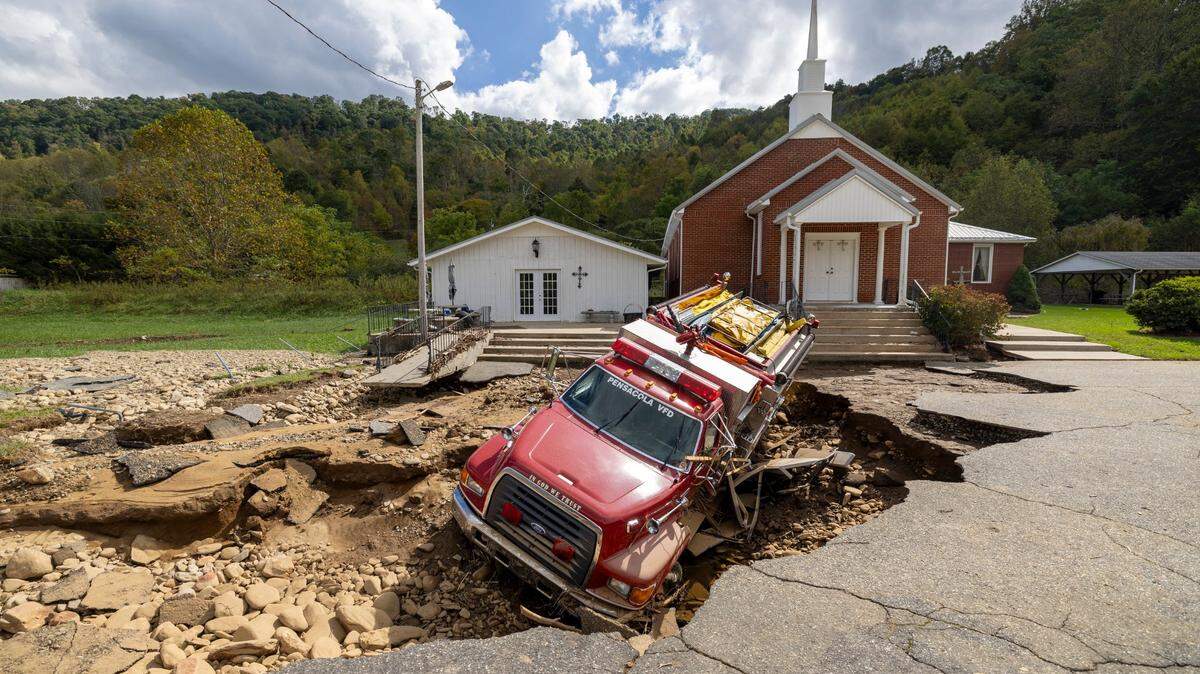
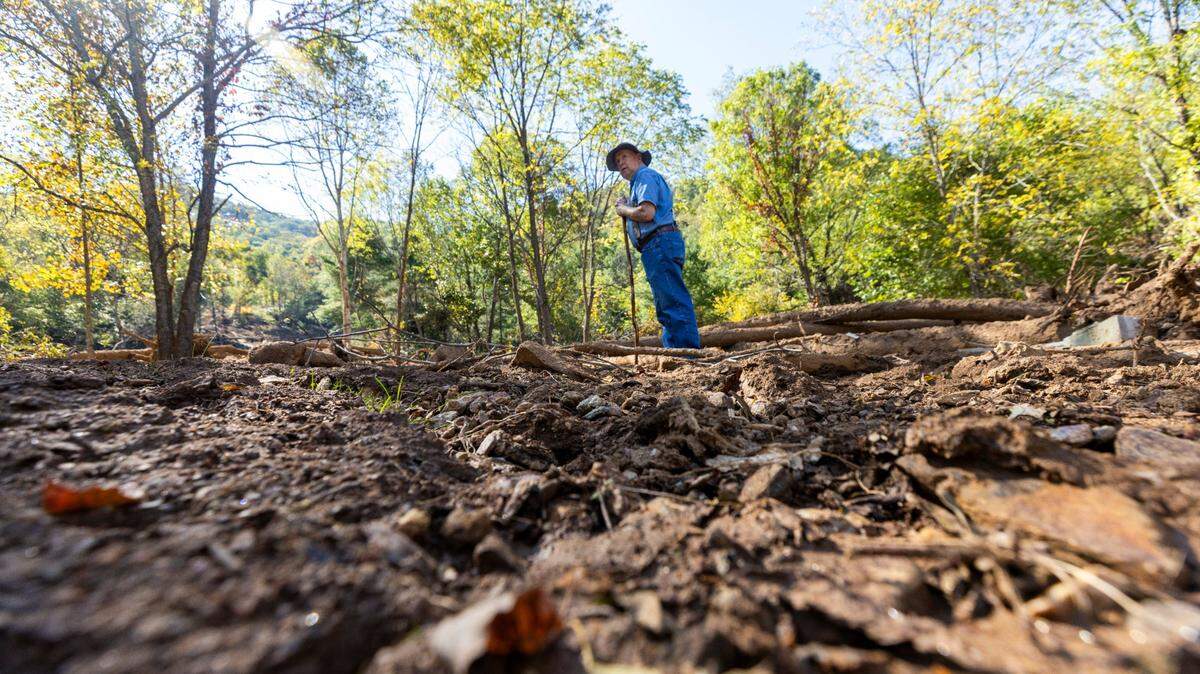
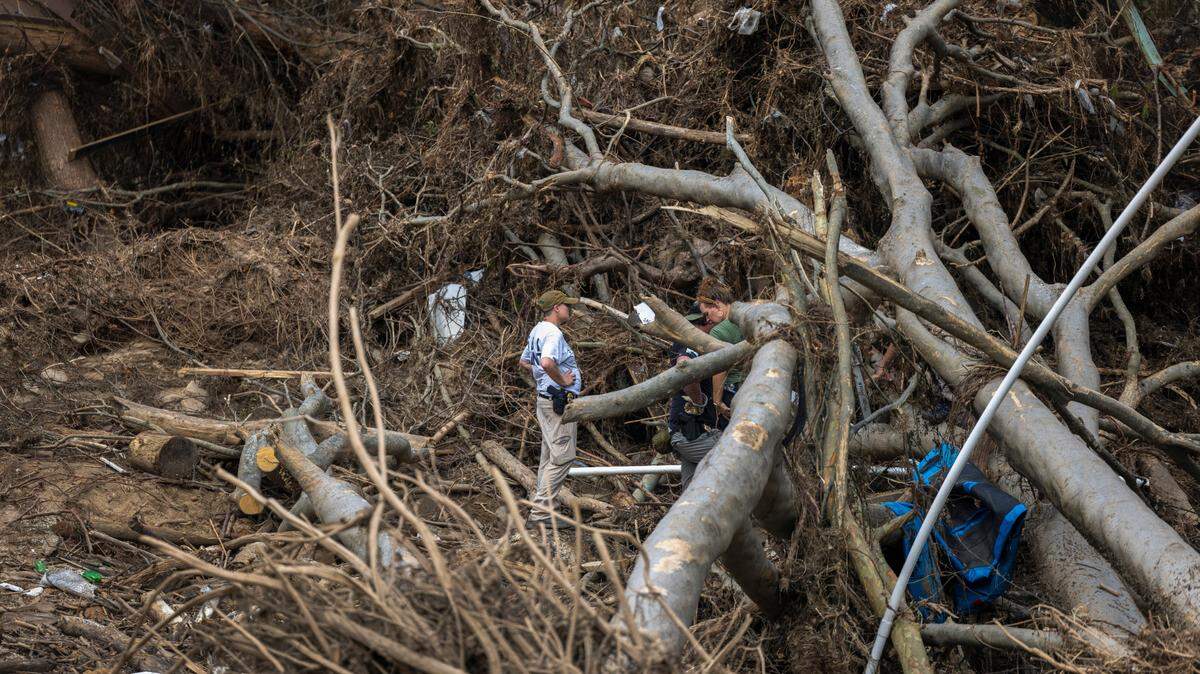
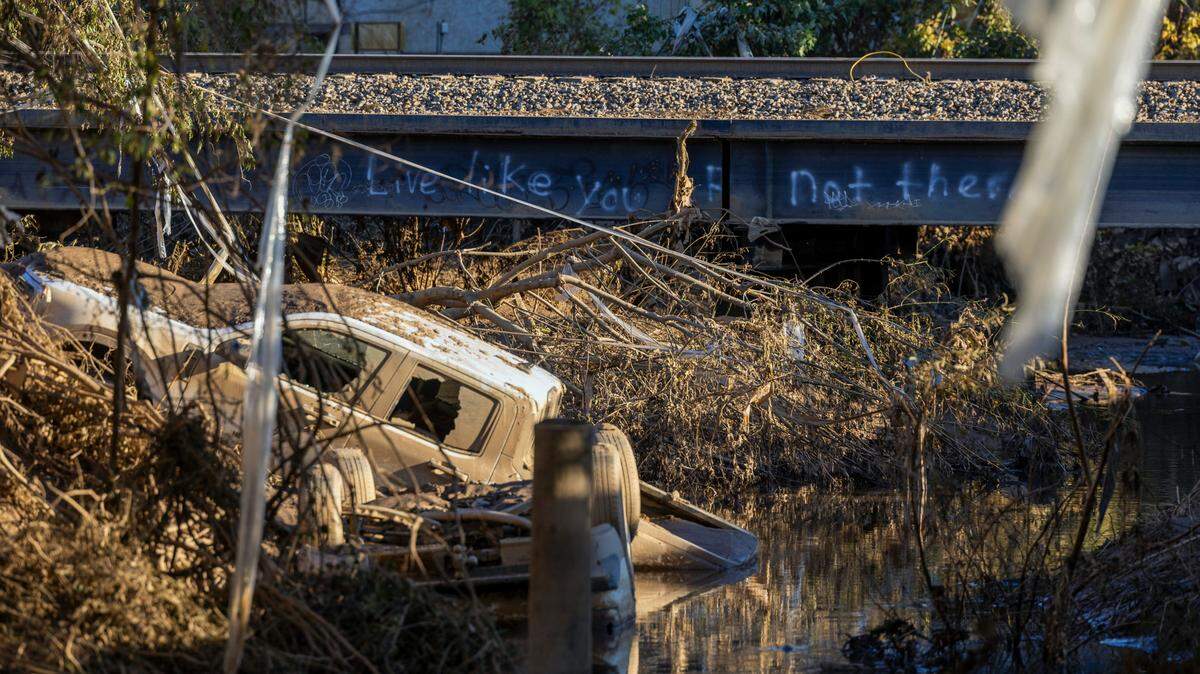
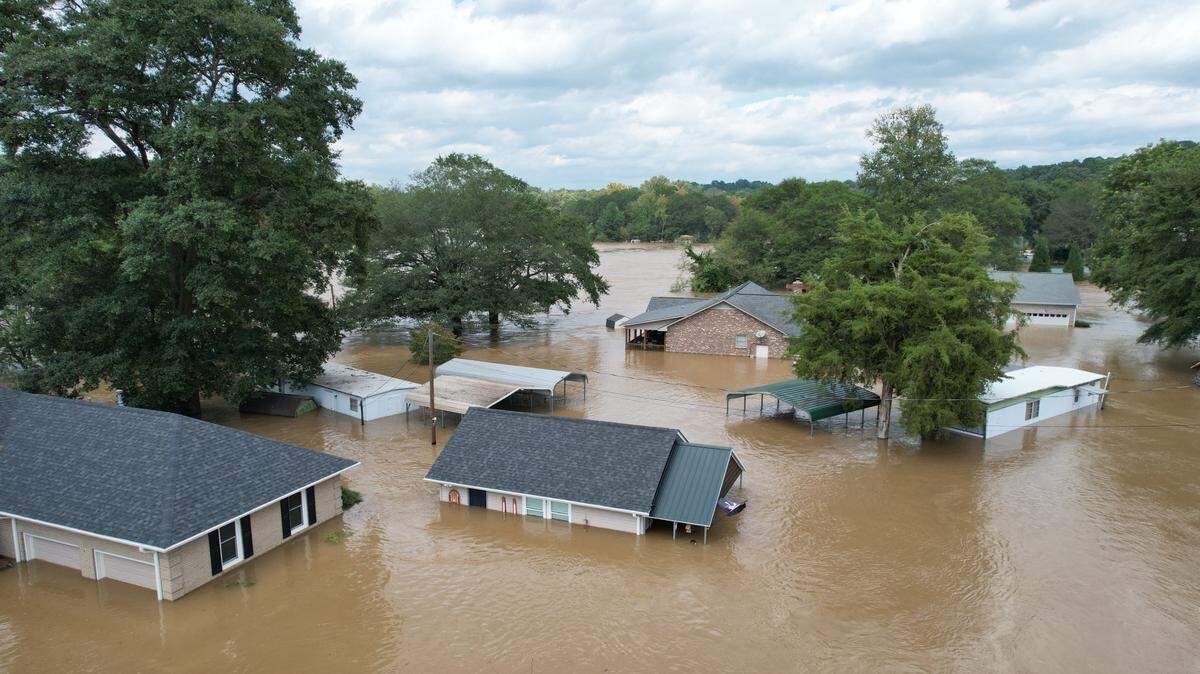
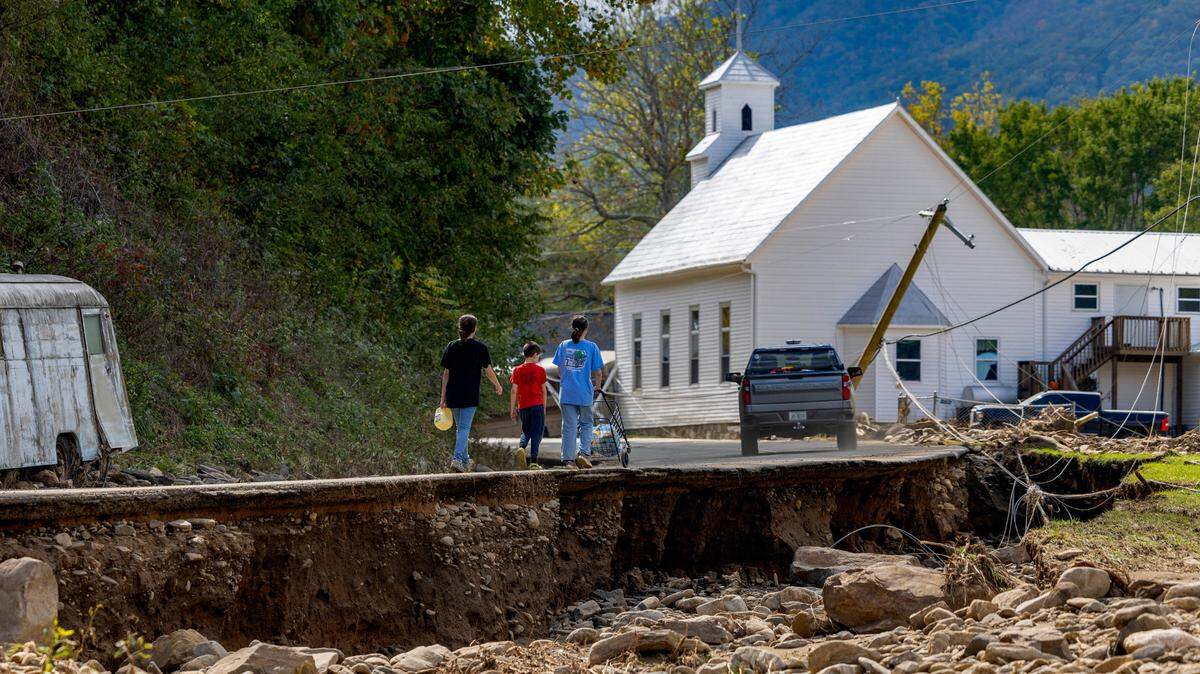
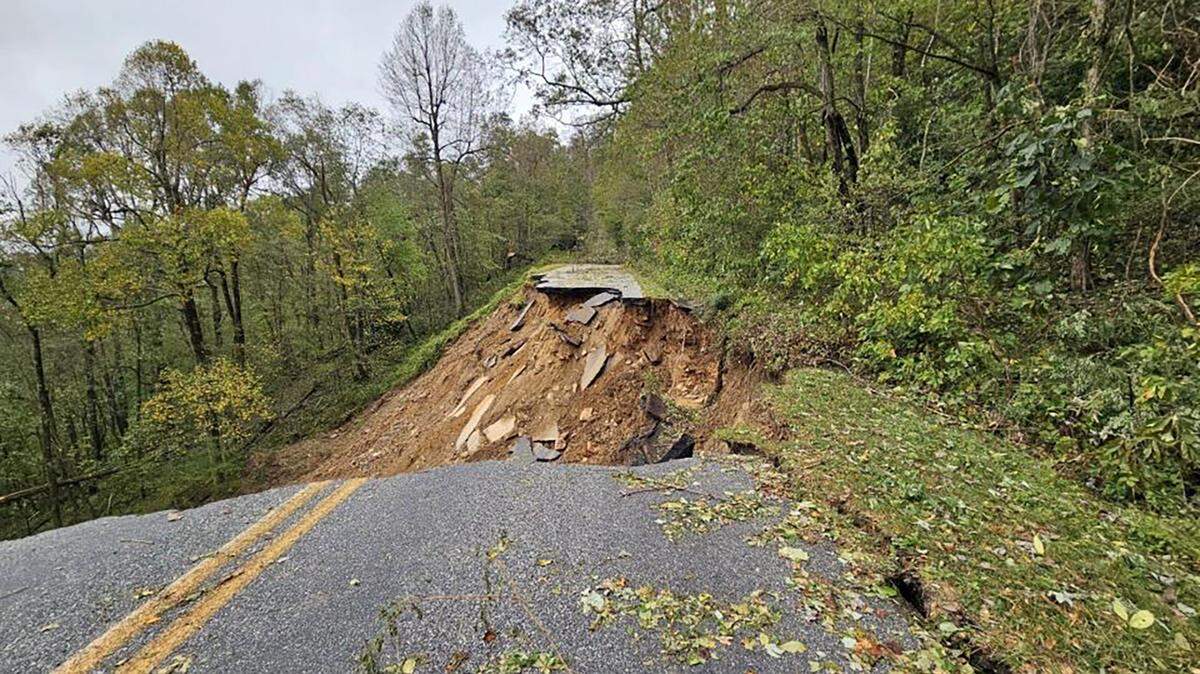
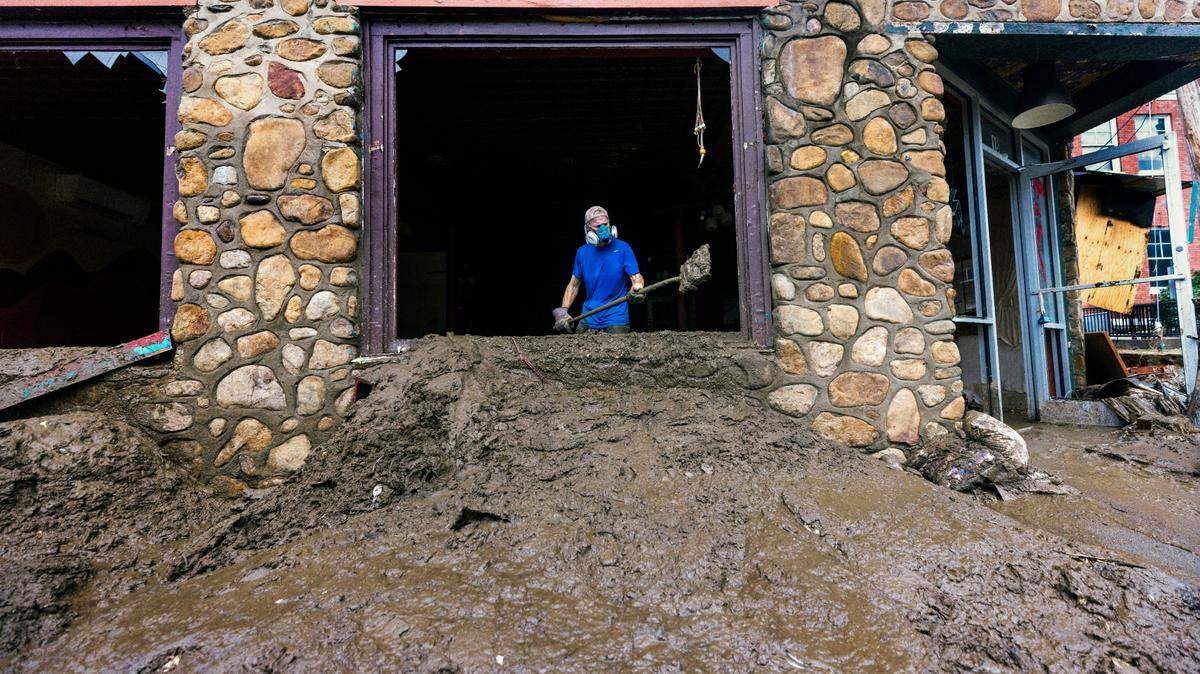
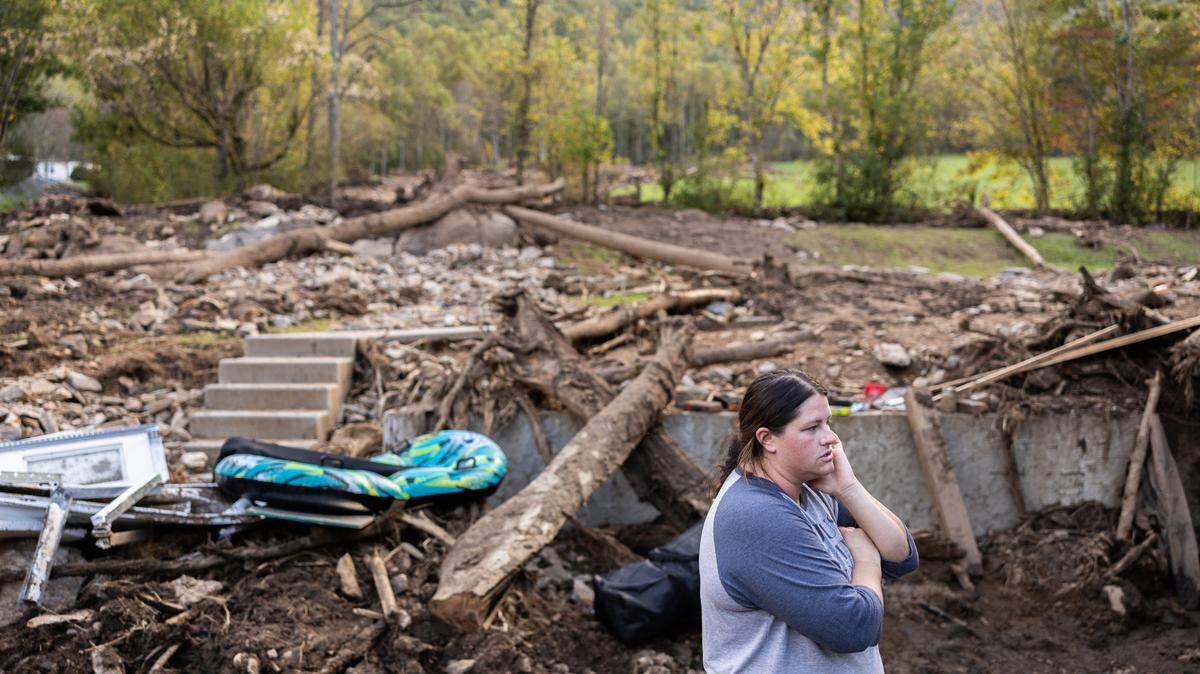
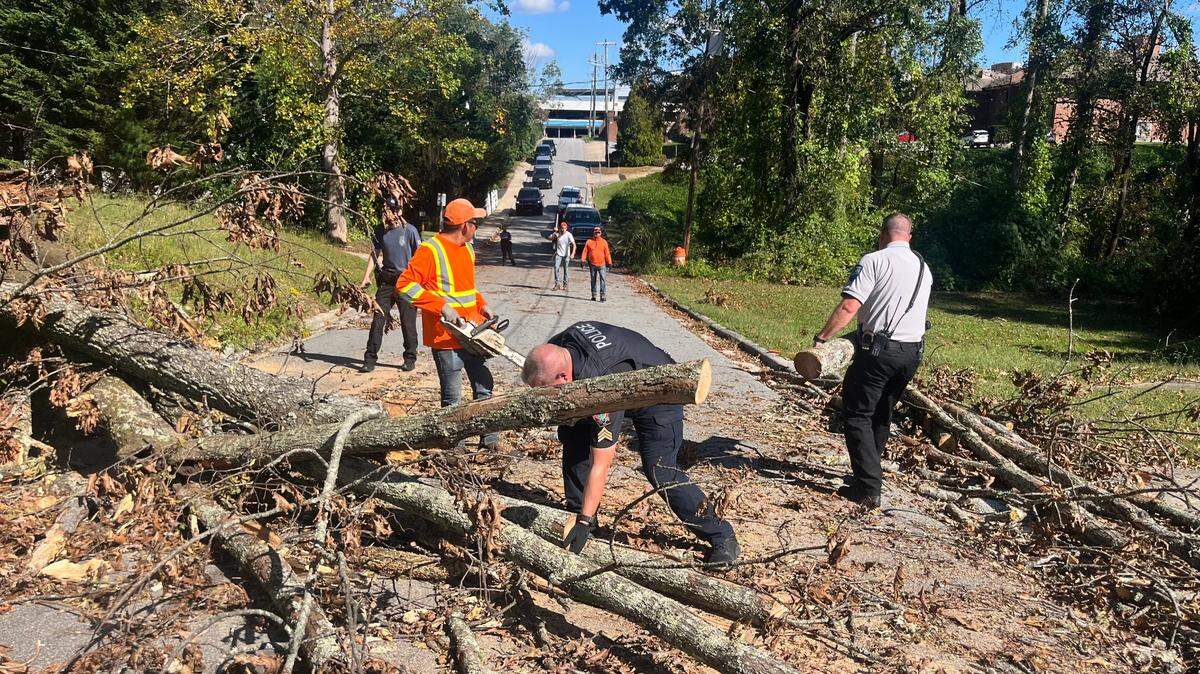
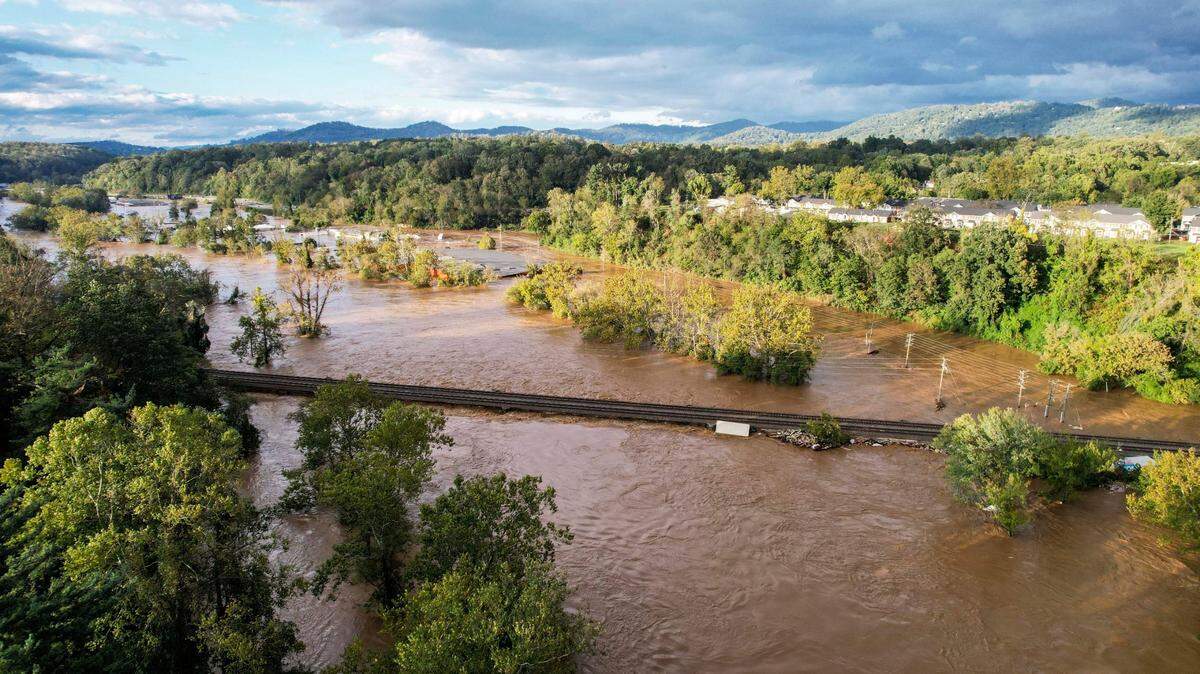
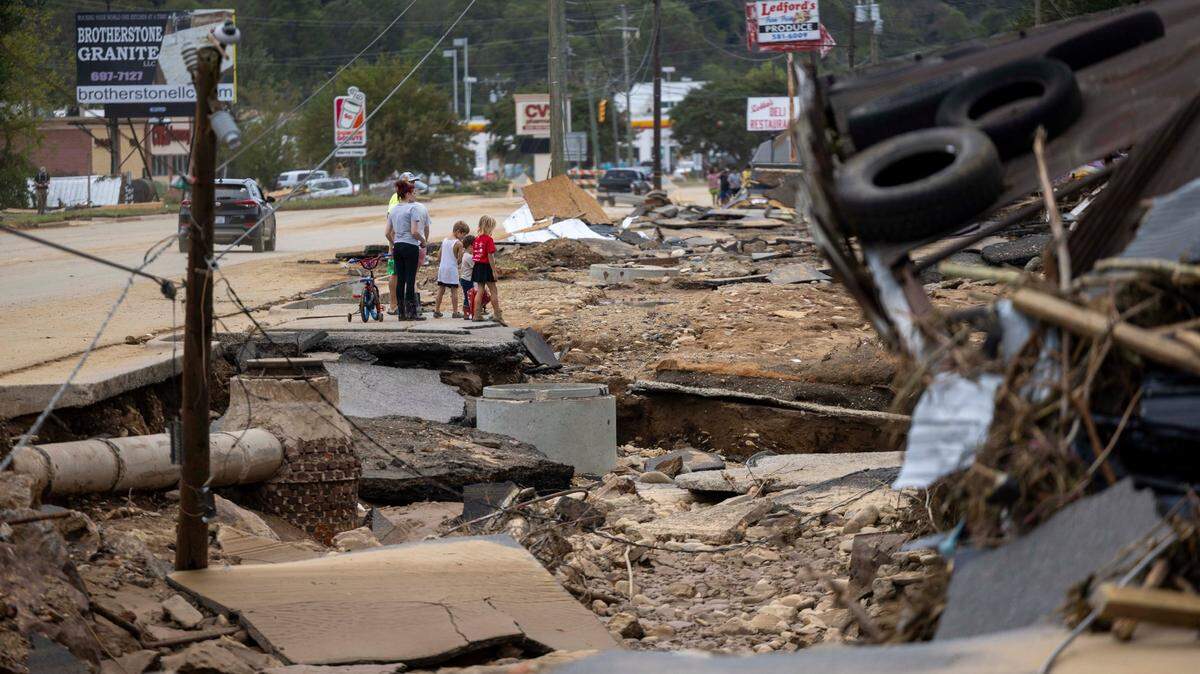
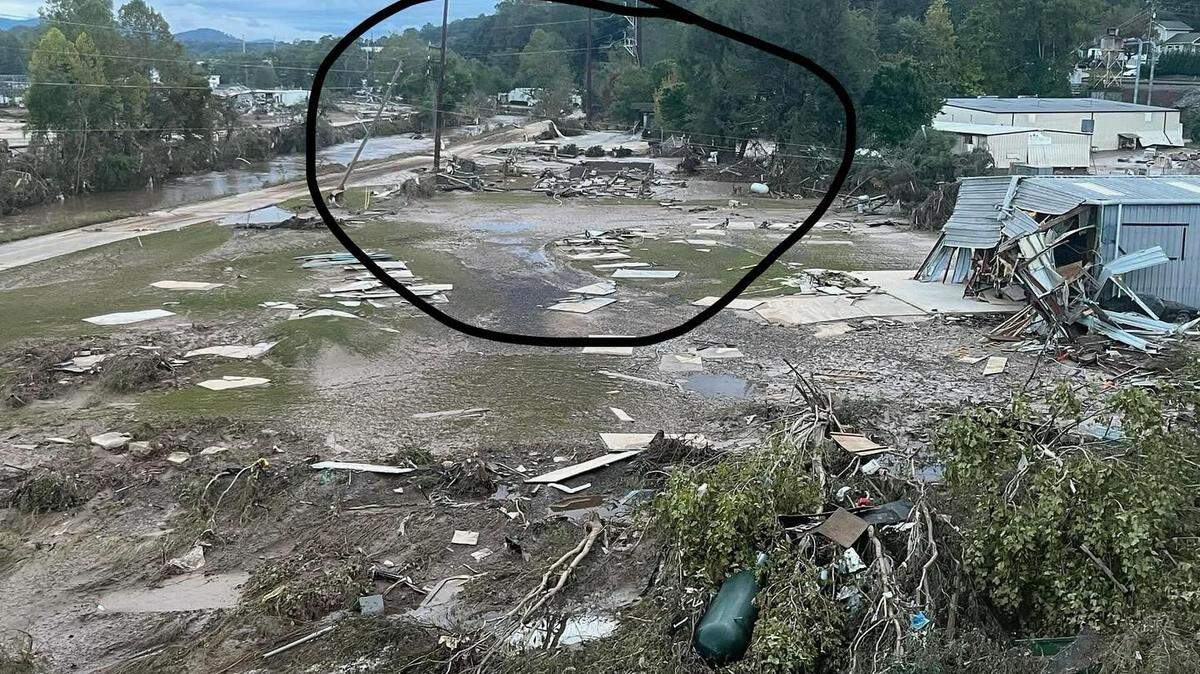
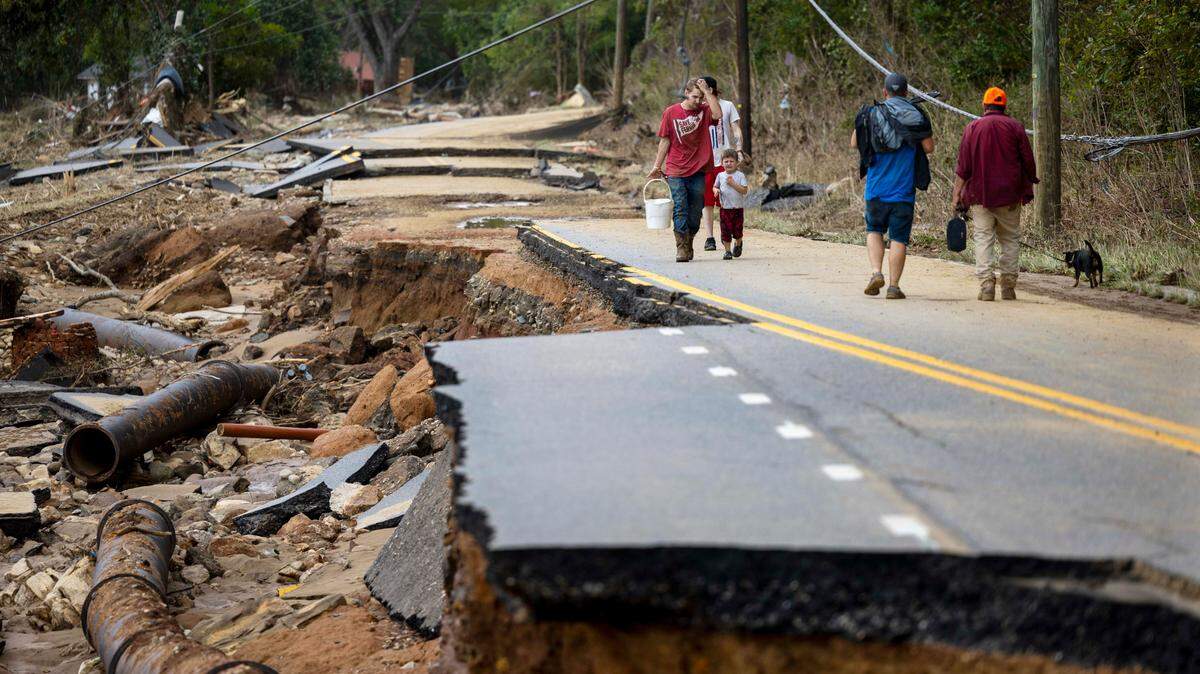
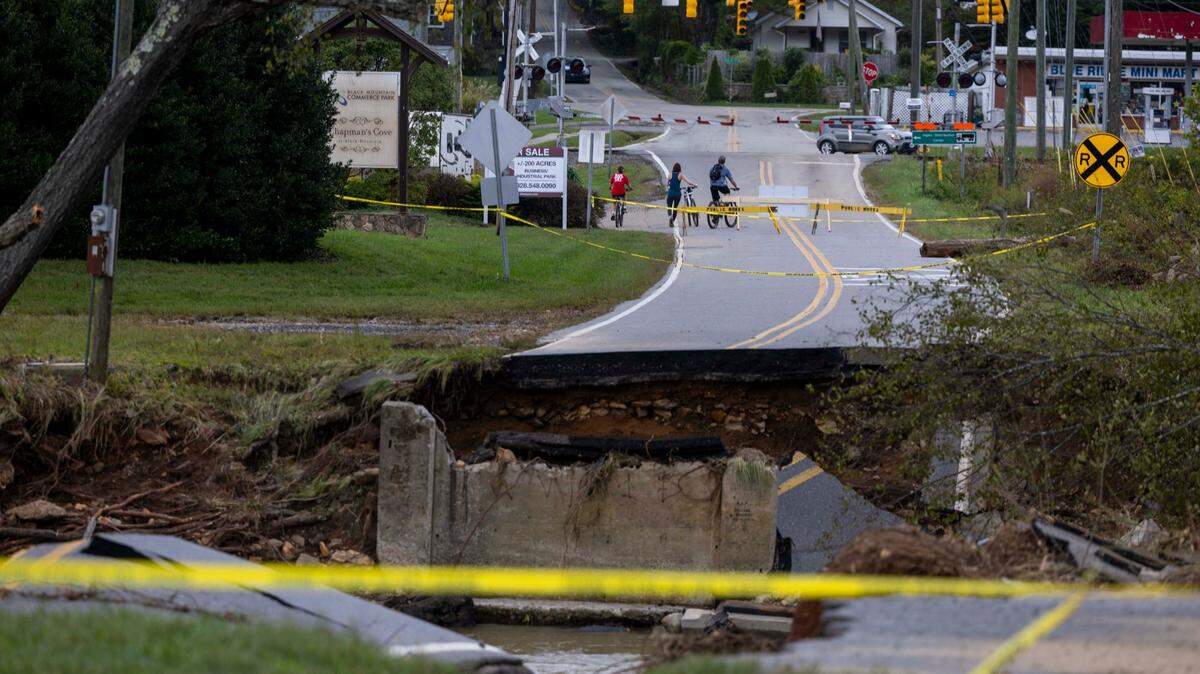
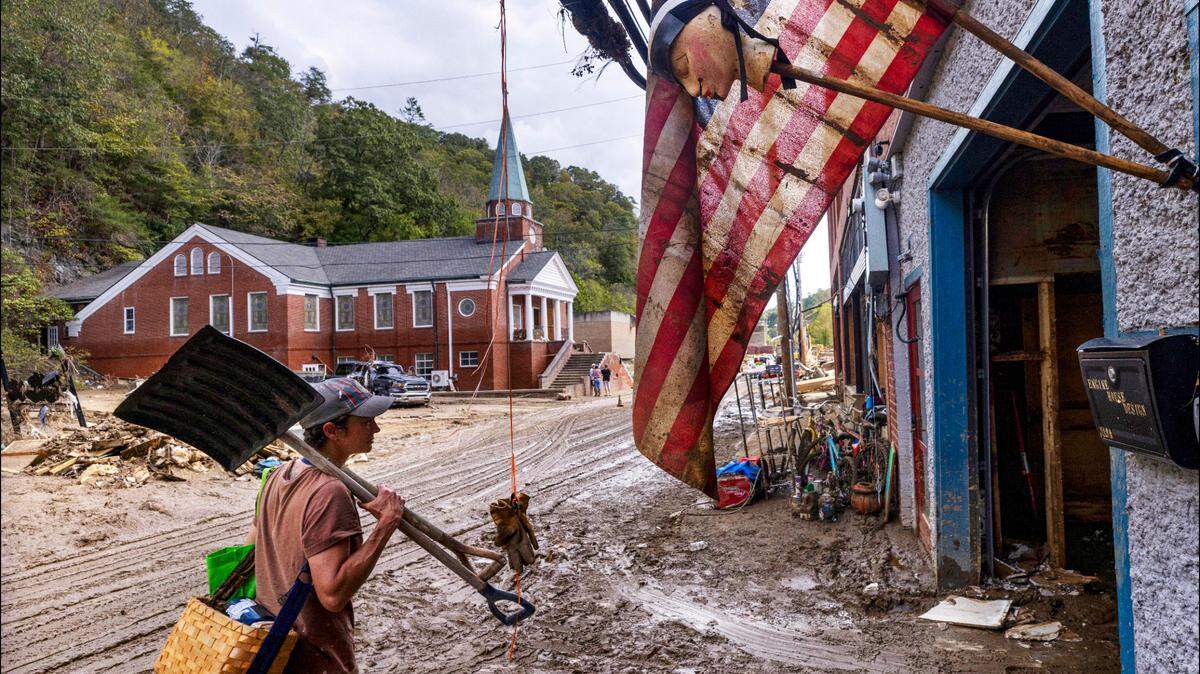
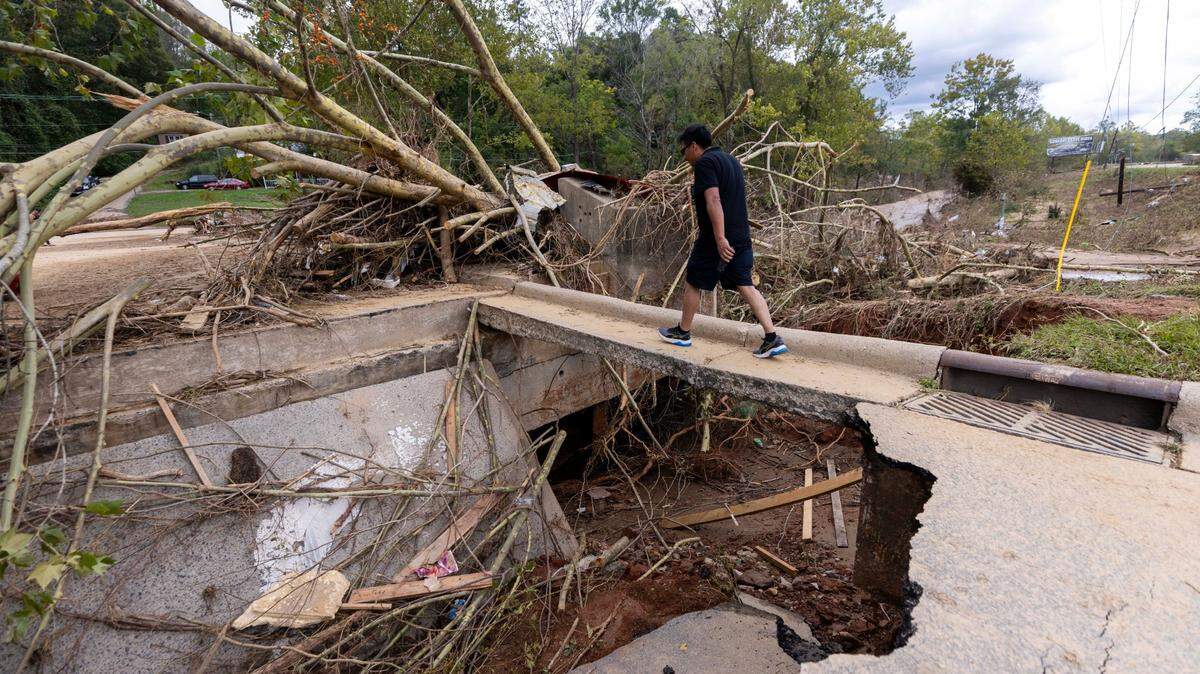
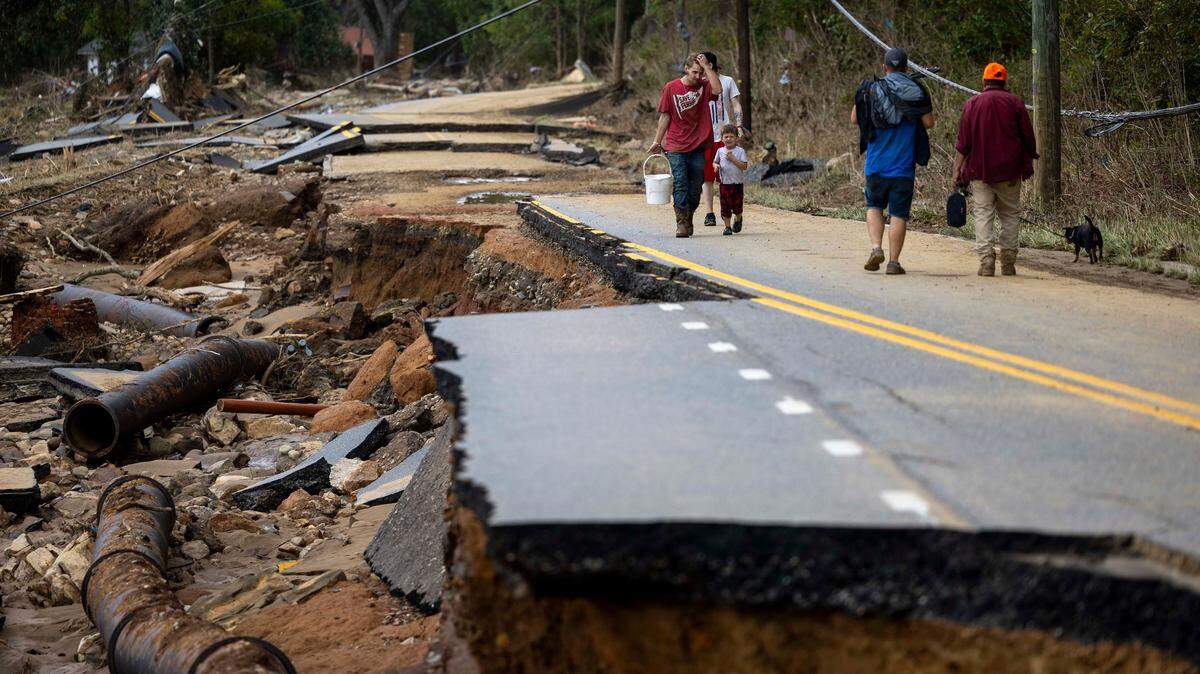
The N.C. Department of Transportation repeated Monday that all roads in the region should be considered closed and that “non-emergency travel is prohibited.” Torrential rain from Hurricane Helene flooded many roads and washed out others. Landslides, downed trees and debris were also blocking the way in many places.
Joey Hopkins, the Secretary of Transportation, said people should avoid traveling through Western North Carolina for the time being.
“We don’t want you here if you don’t live here and you’re not helping with the storm,” Hopkins said during a press conference at Asheville Regional Airport late Monday.
NC road closings
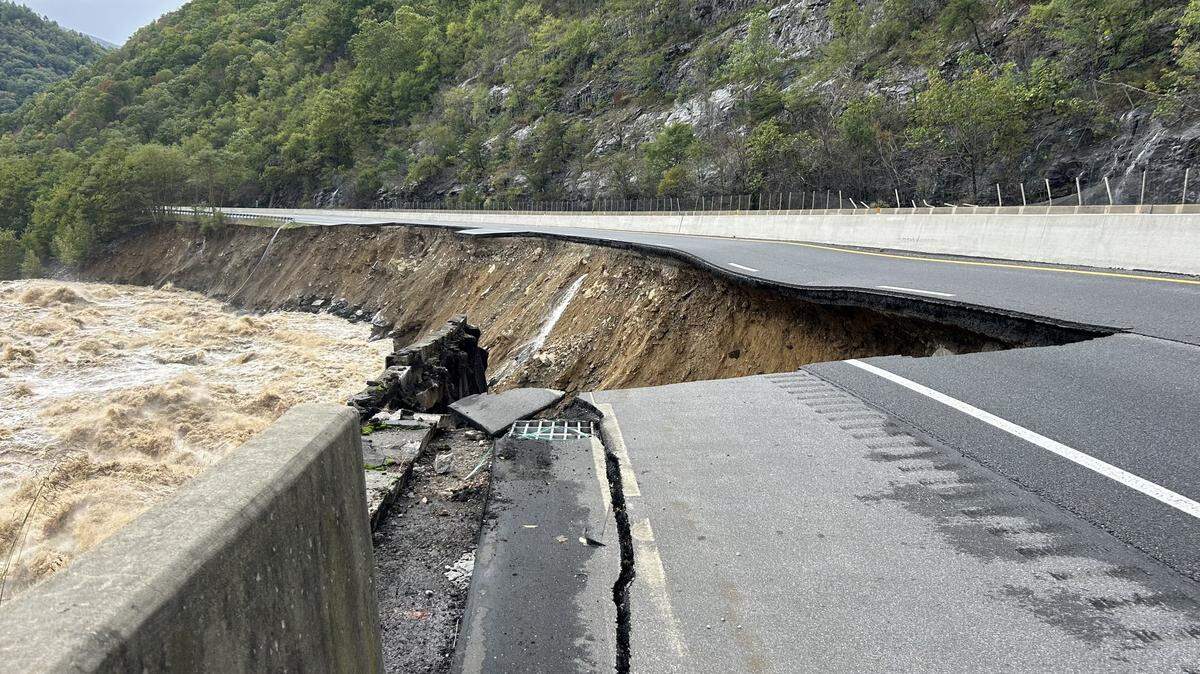
It’s not just local roads or city streets that are overwhelmed; interstates and other four-lane highways remain closed in several places.
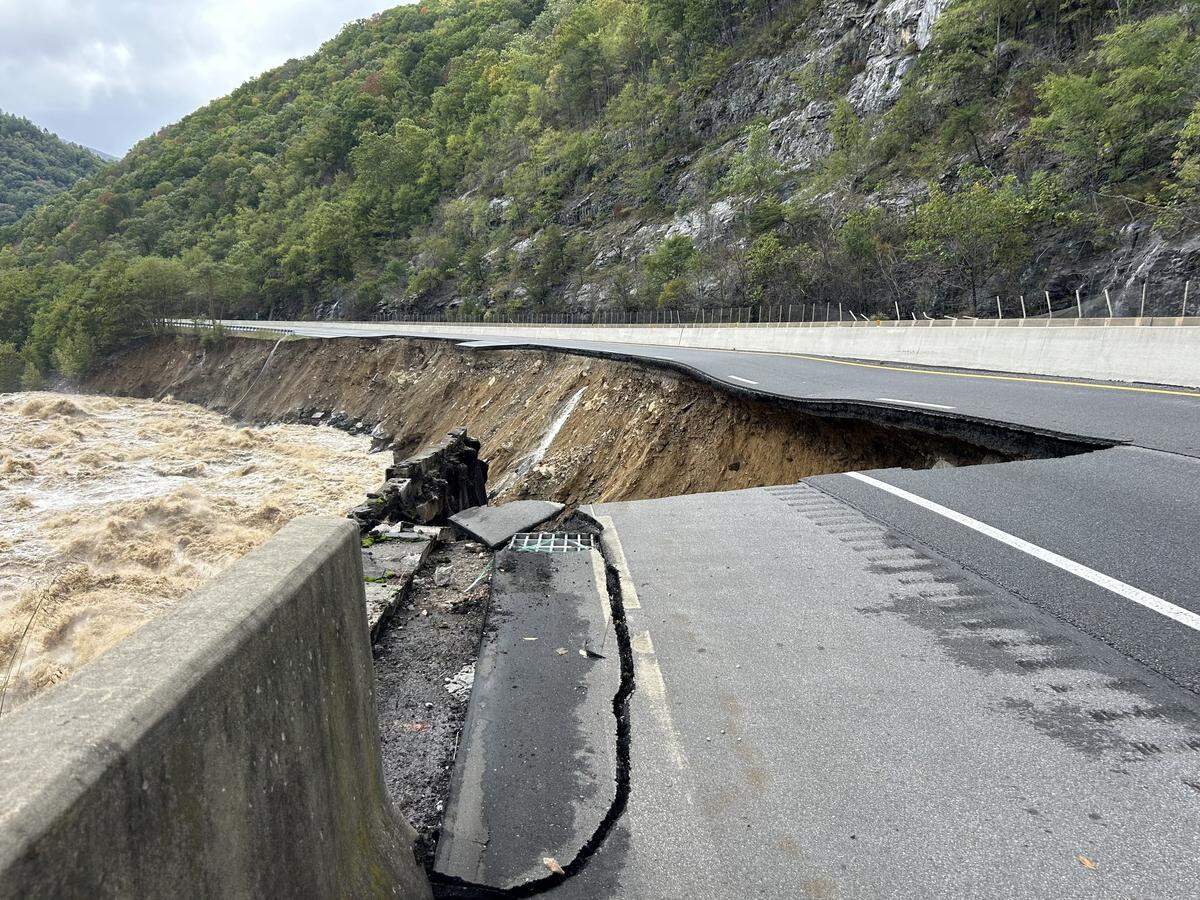
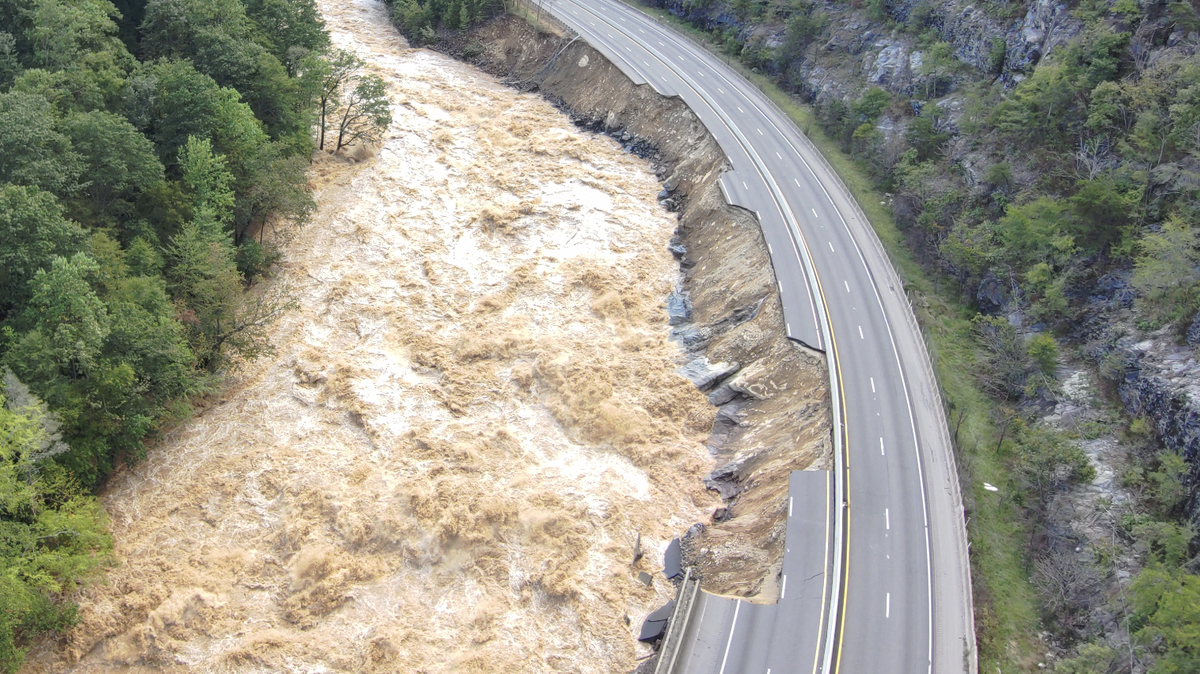
- I-40 is closed in both directions near the Tennessee line after the eastbound lanes washed into the Pigeon River Gorge in several places. NCDOT spokesman Jamie Kritzer says it’s not clear how long repairs there could take.
- An alternative route, I-26, is also closed in Tennessee, between Exit 37 (TN 107) and Exit 43 (U.S. 19W), near the town of Erwin. NCDOT says it’s likely to remain that way awhile.
- I-40 east of Asheville is clear of water, mud and debris, and people evacuating the Asheville area can use the highway going east. But the road going west into the mountains is open only to people responding to the storm, Hopkins said. Westbound I-40 is closed west of Statesville to all but emergency traffic.
- NCDOT was able to reopen I-26 south of Asheville over the weekend, providing the first major access to the city since the storm.
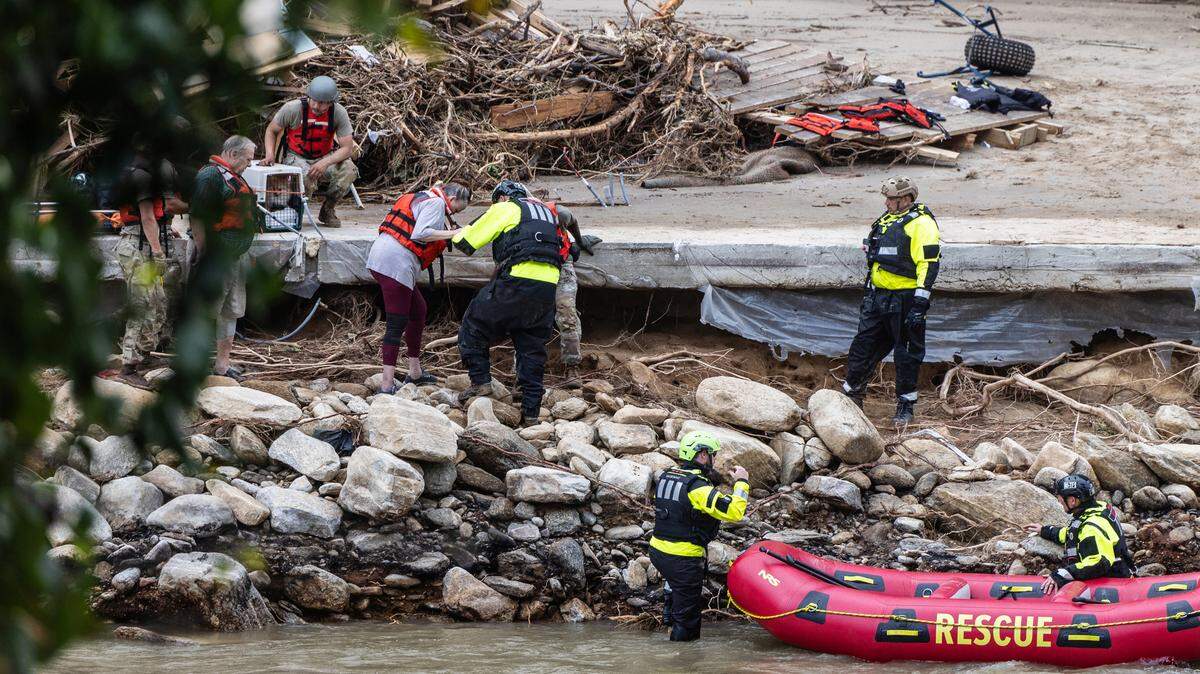
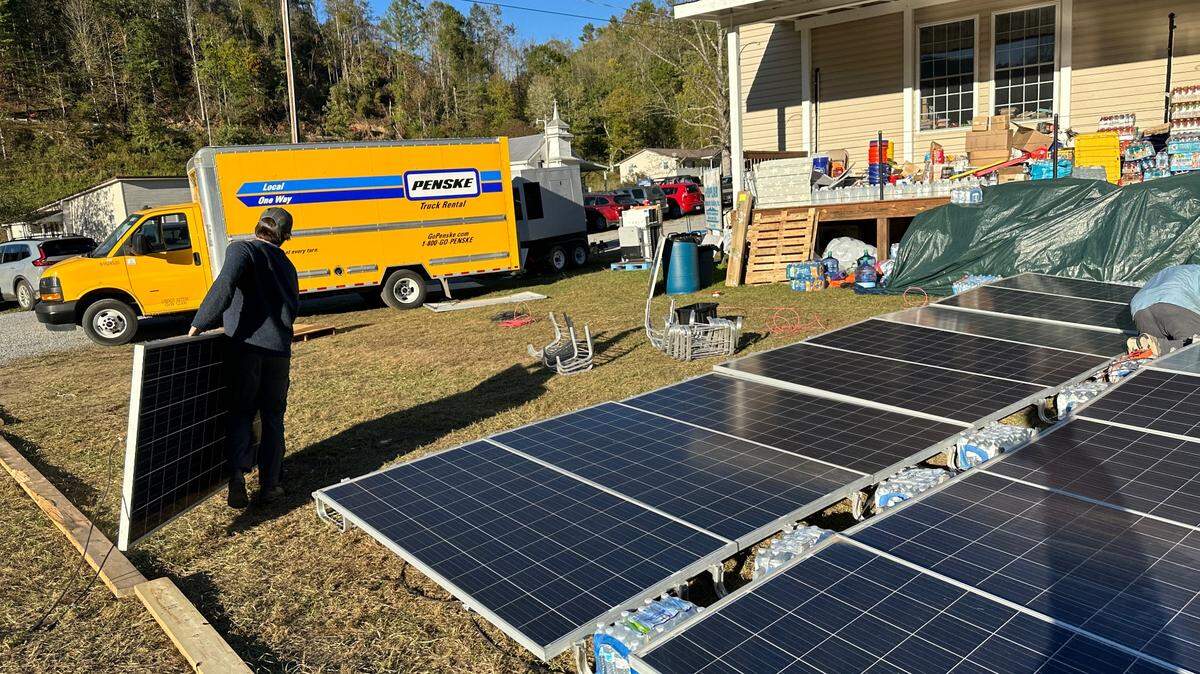
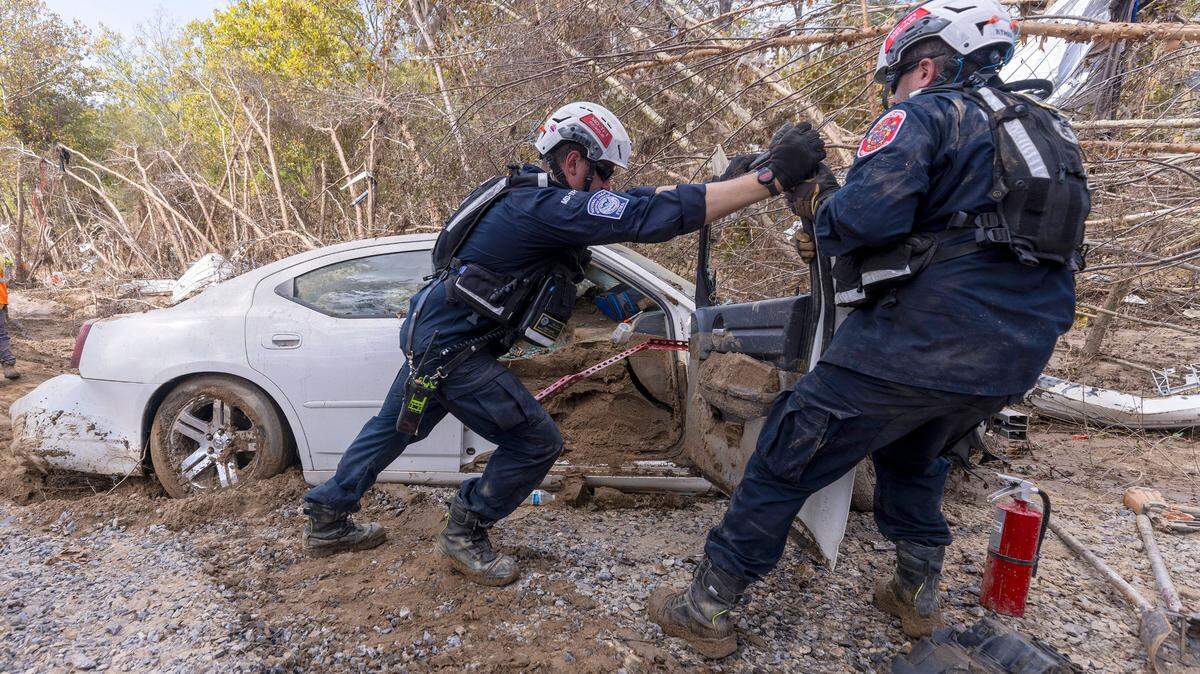
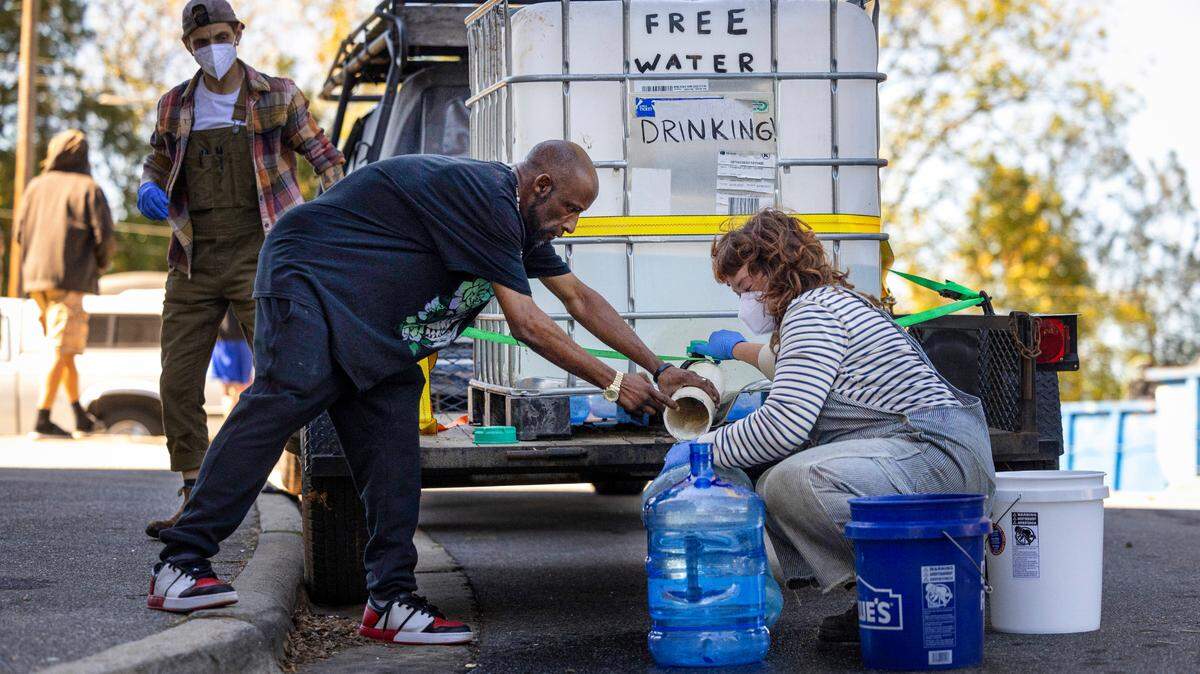
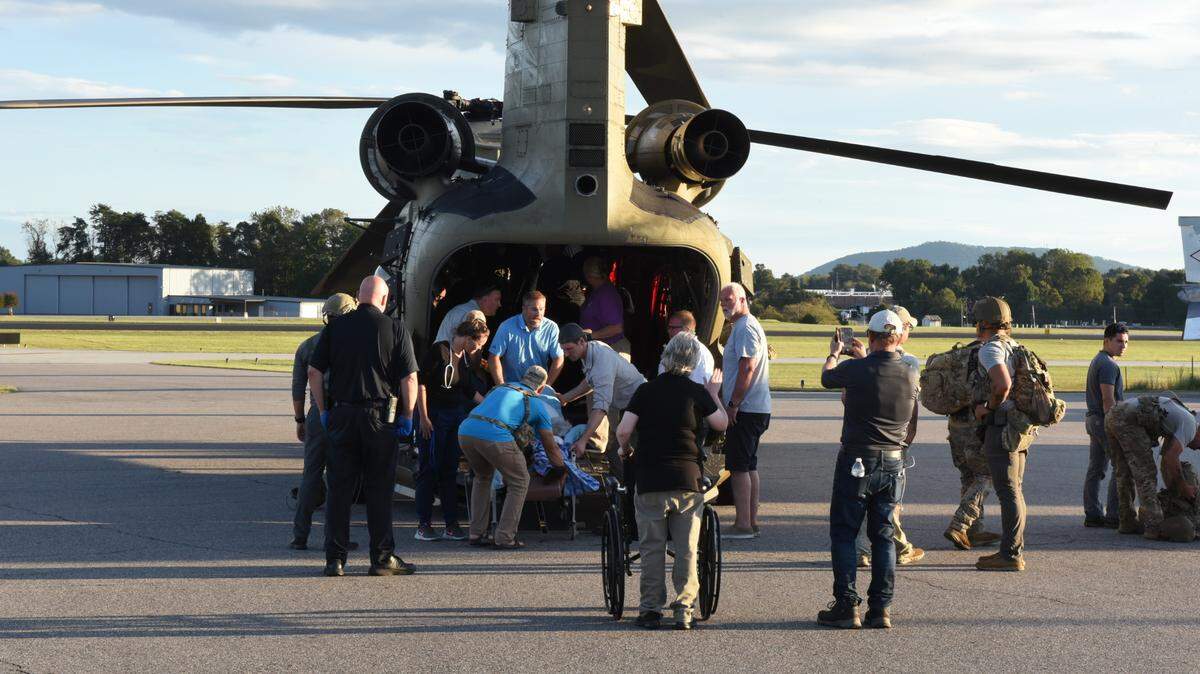
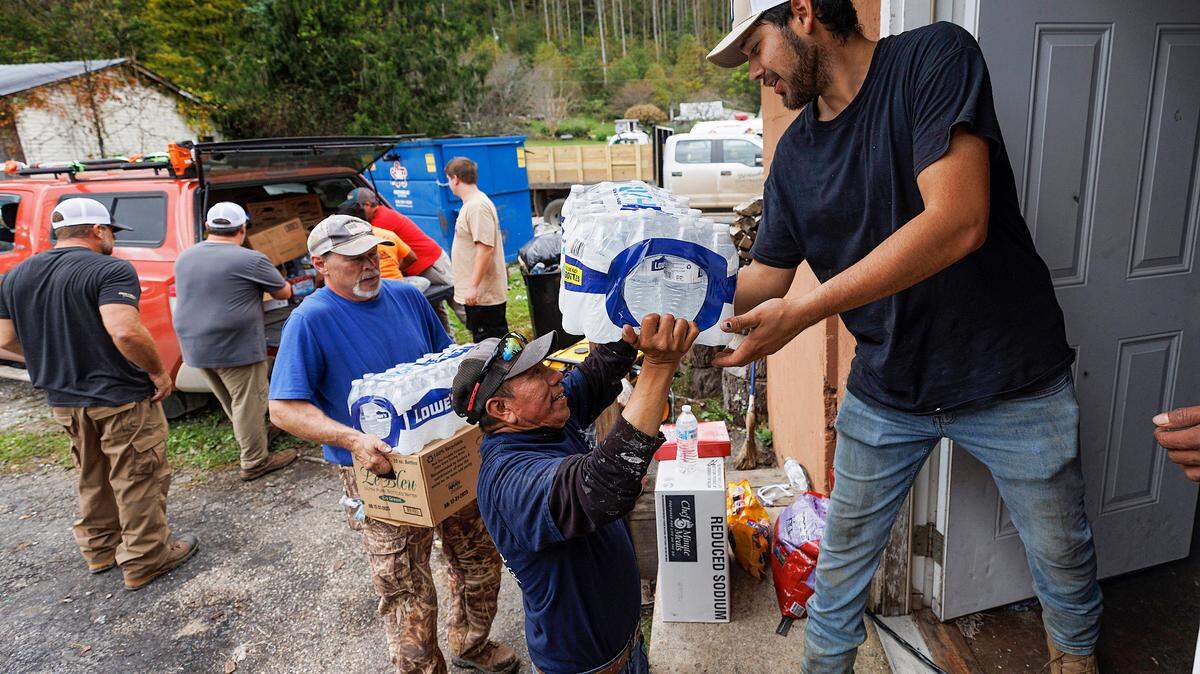
“But we want people to avoid unnecessary travel,” Kritzer said. “We need an opportunity to have those roads, any roads, open to emergency response, and that includes utilities and the countless volunteers who are trying to get food, water and necessary supplies to people who may be stranded.”
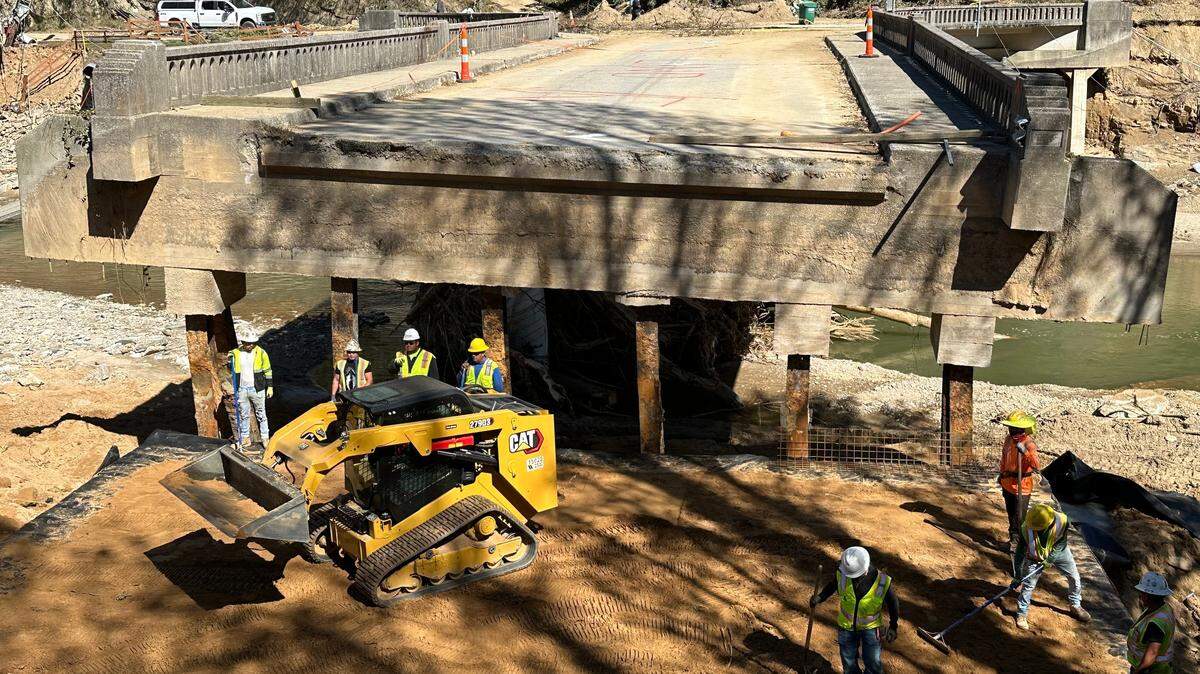
NCDOT crews are still assessing the damage to roads and bridges, but the department says it’s clear some repairs will take months. NCDOT says it will focus on reopening interstates and U.S. and state highways, and providing access to communities that have been cut off, before getting to state-maintained secondary roads.
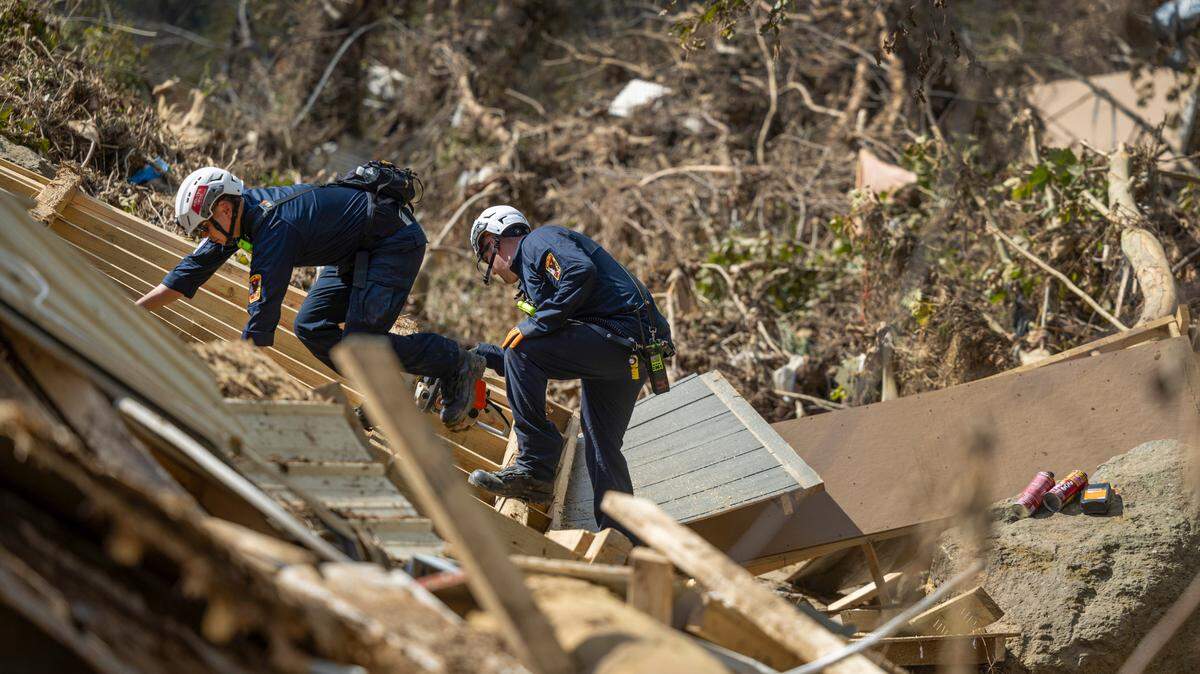
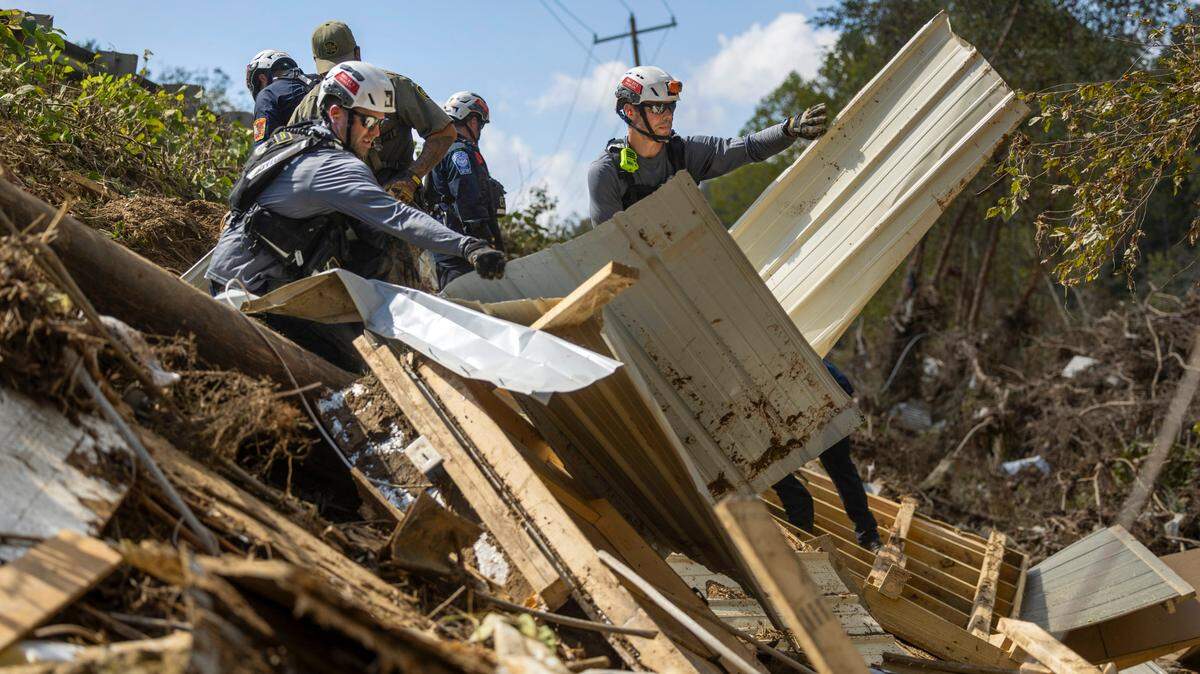
“The scope and magnitude of this devastation is unlike anything many long-time residents have ever seen in western North Carolina,” Hopkins said in a written statement. “We’re doing everything we can to help North Carolina recover from this devastating storm, but this will be a long-term effort. We need people to be patient and help us with the recovery effort by staying off the roads.”
NCDOT usually tracks and lists all closed roads and highways on its travel advisory website, drivenc.gov. On Monday, it said more than 300 roads remained impassable in places but offered this caveat: “There are many closed roads that are not listed on this site as many areas are not able to report at this time.”
This story was originally published September 27, 2024 at 4:52 PM.











.jpg)



.jpeg)

.JPG)



















.JPG)