How Helene’s destruction could affect voting in North Carolina’s election
READ MORE
Hurricane Helene Aftermath
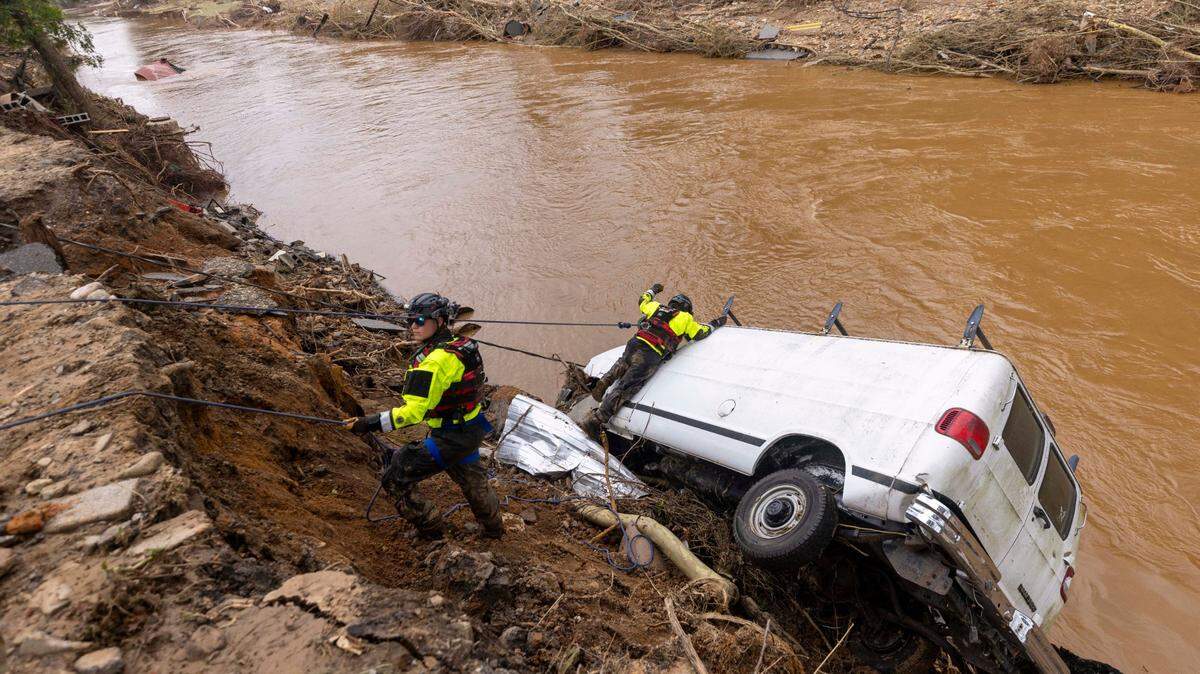
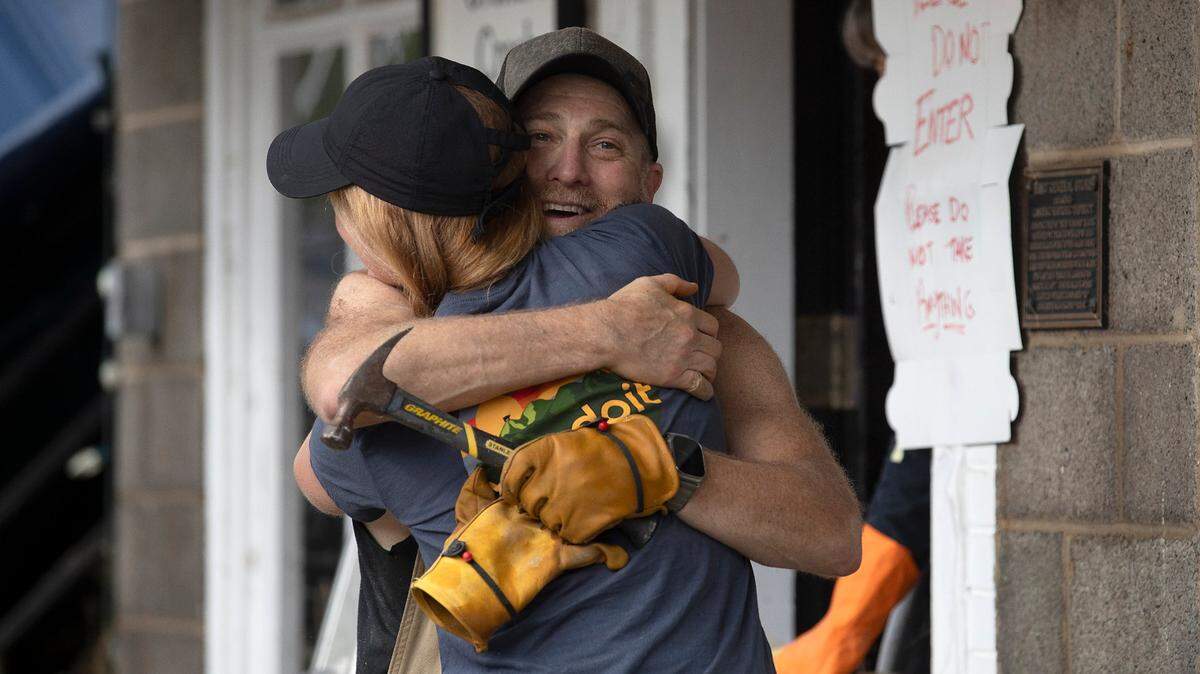
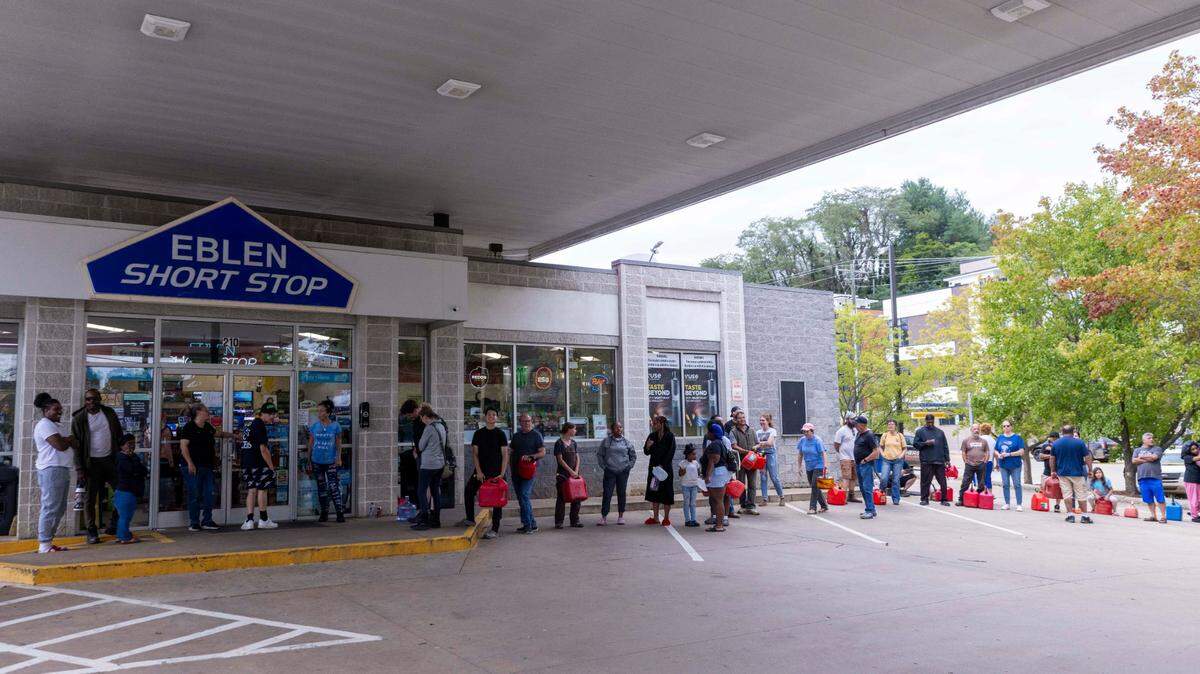
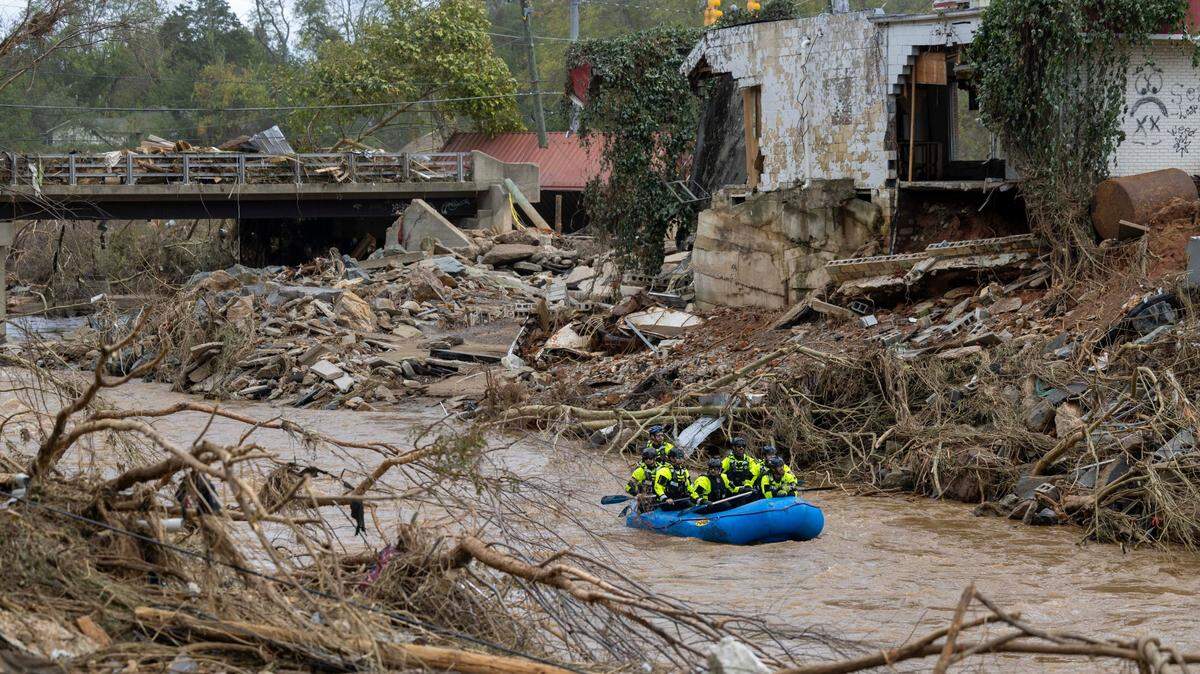
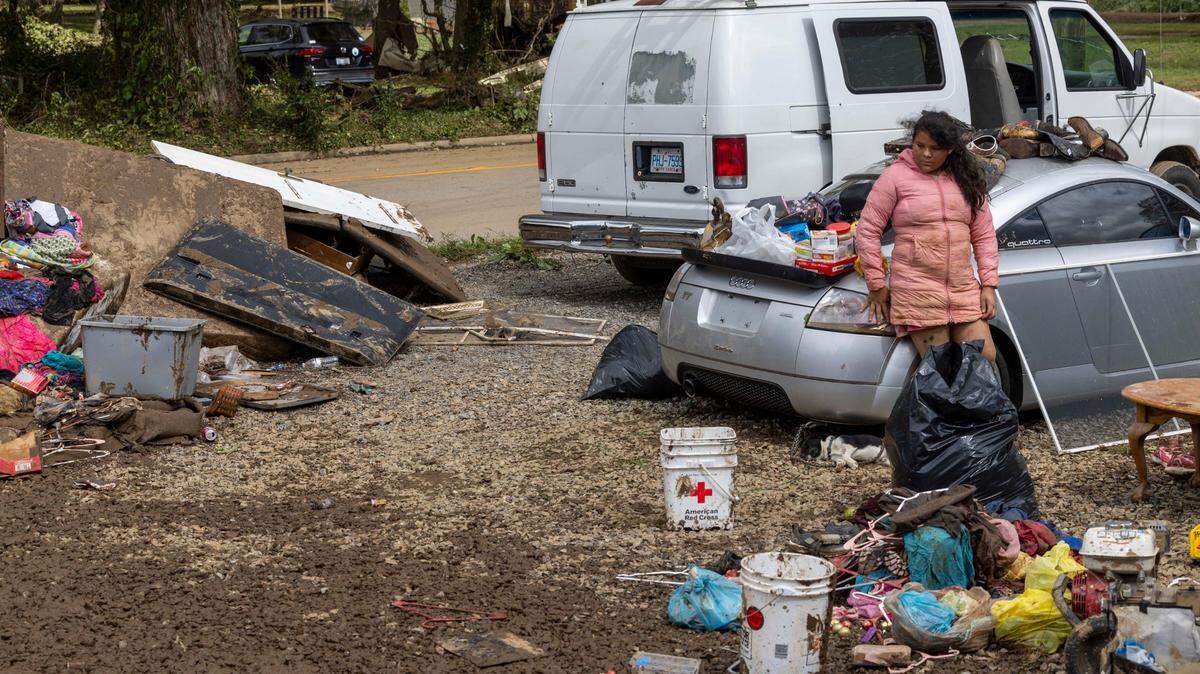
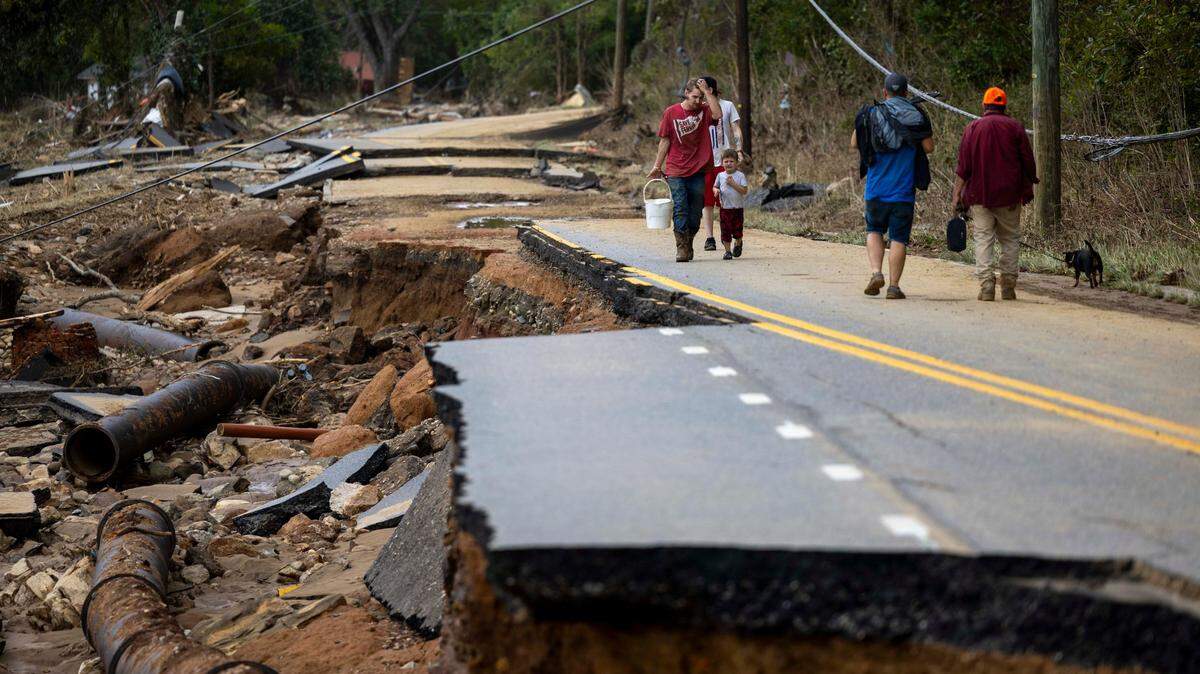
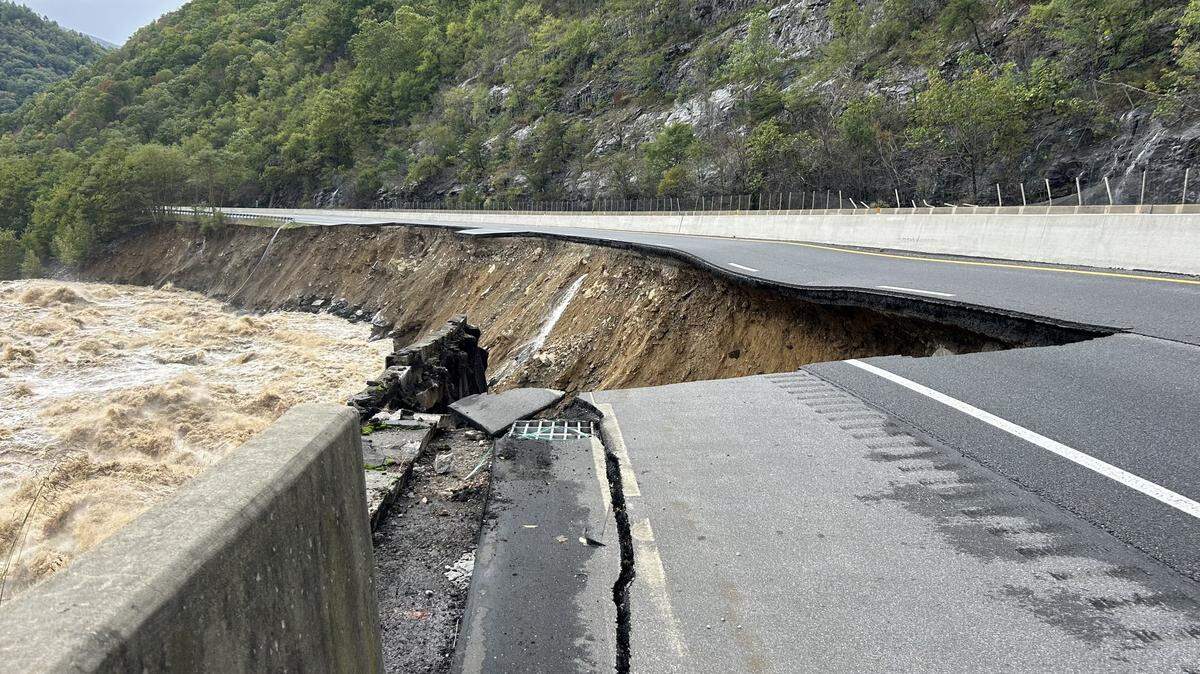
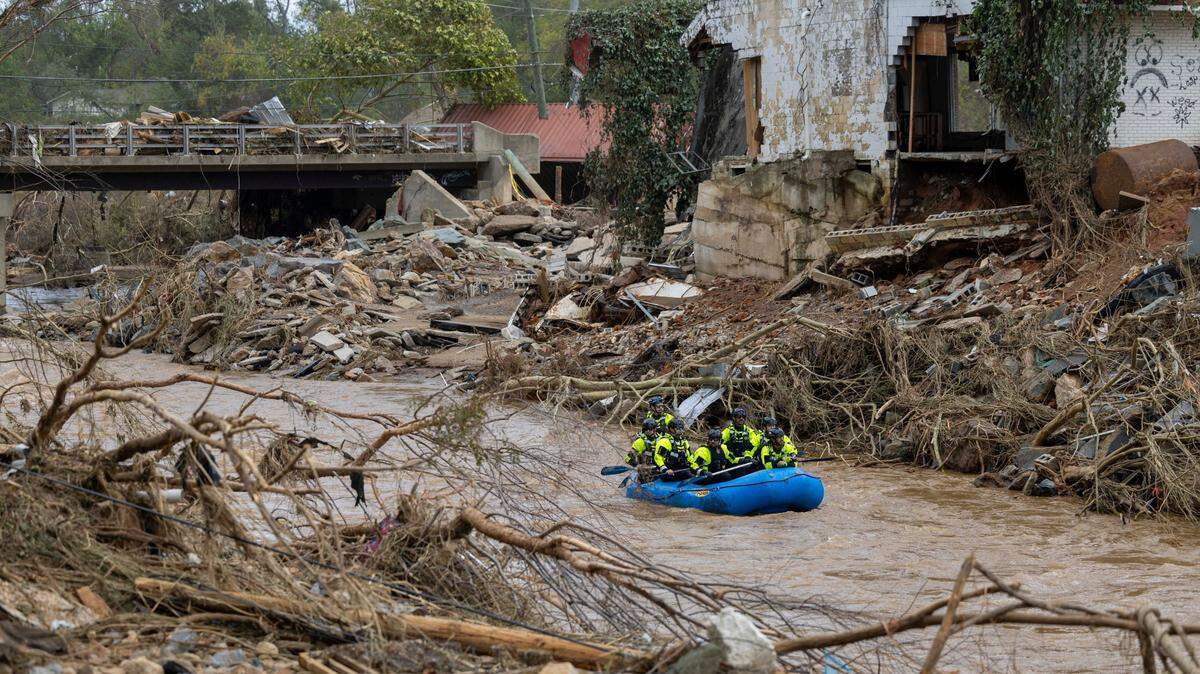
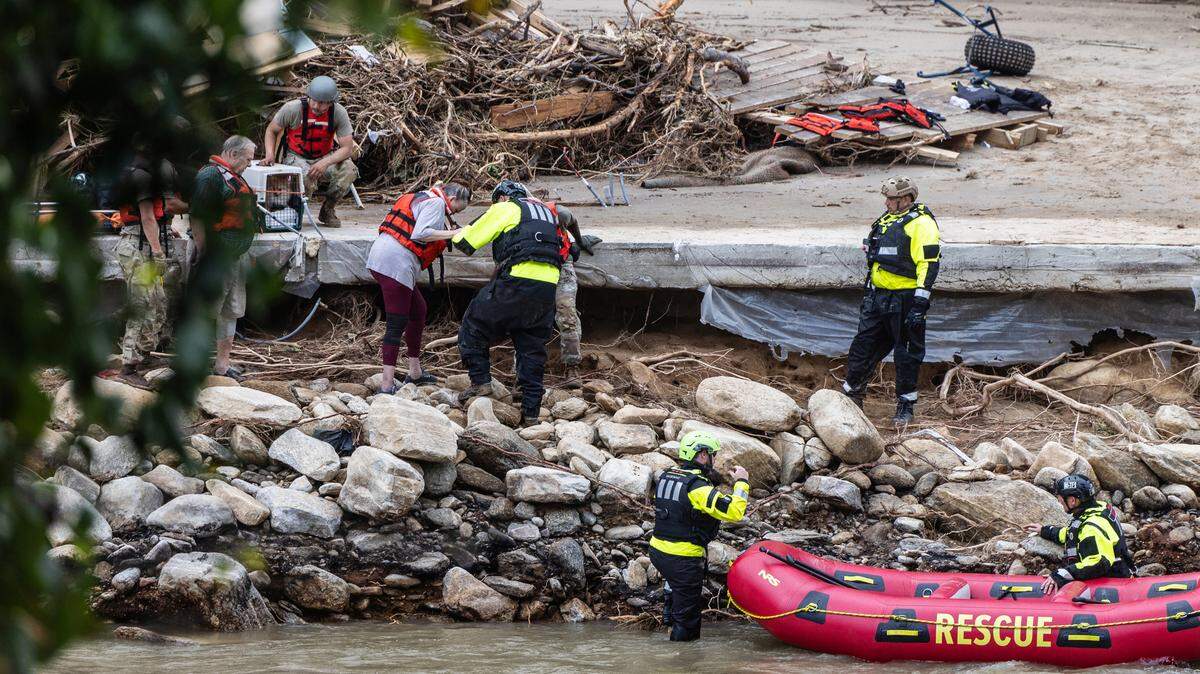
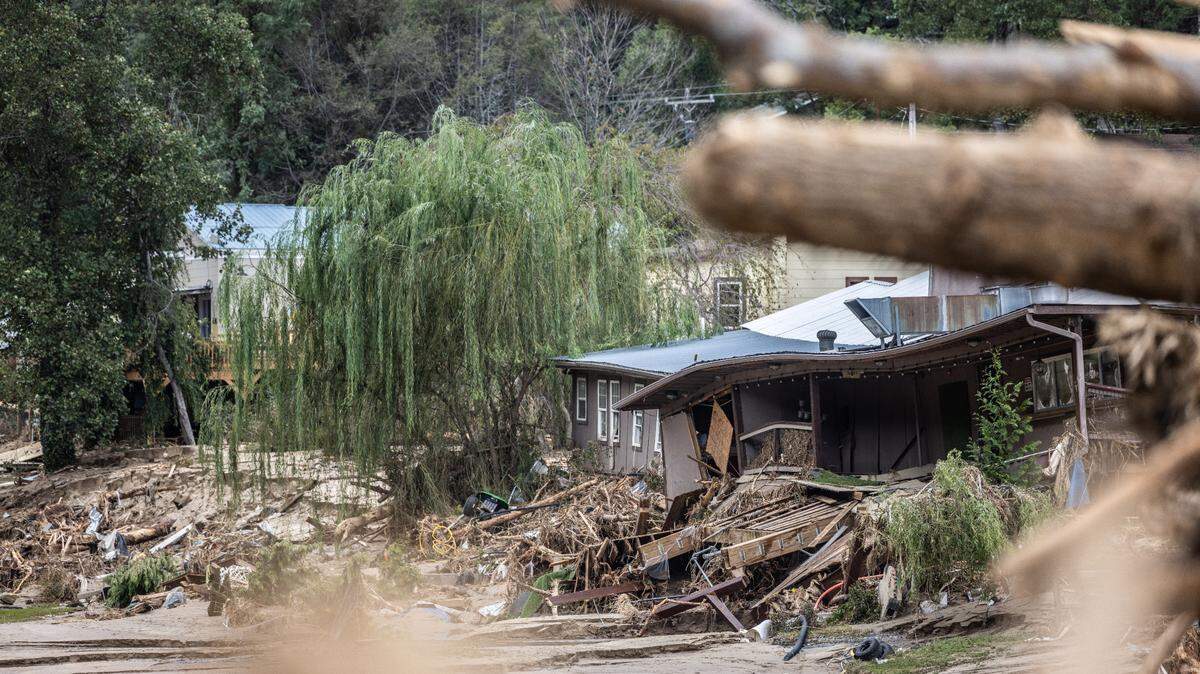
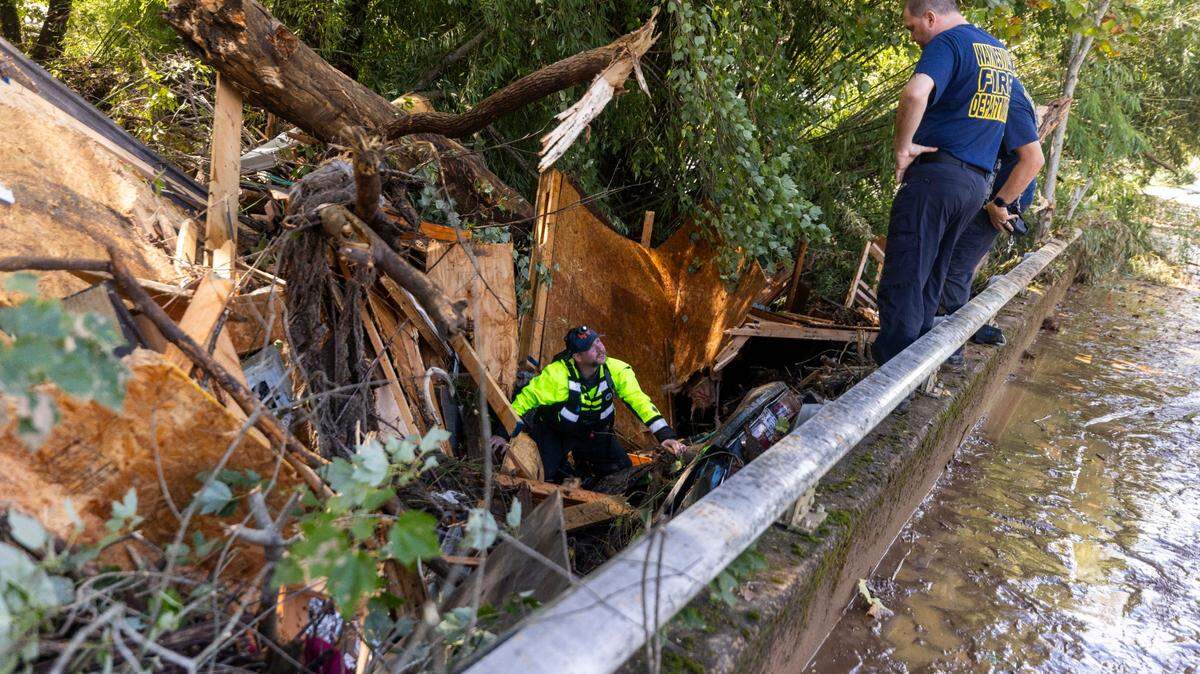
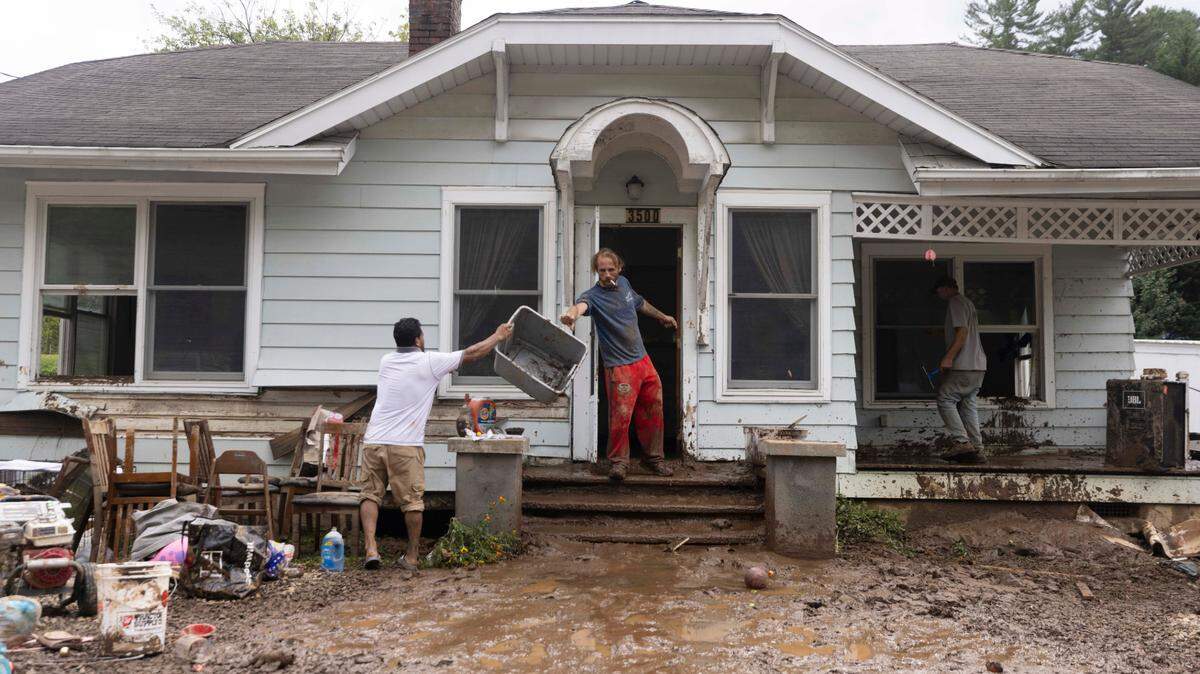
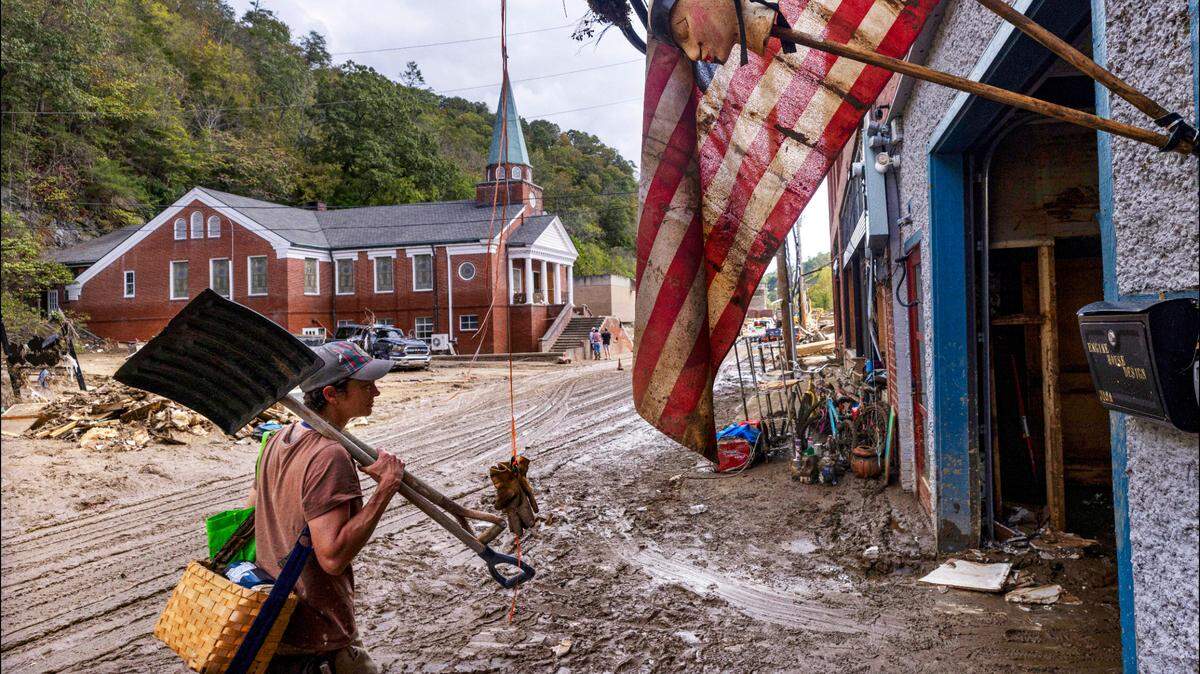
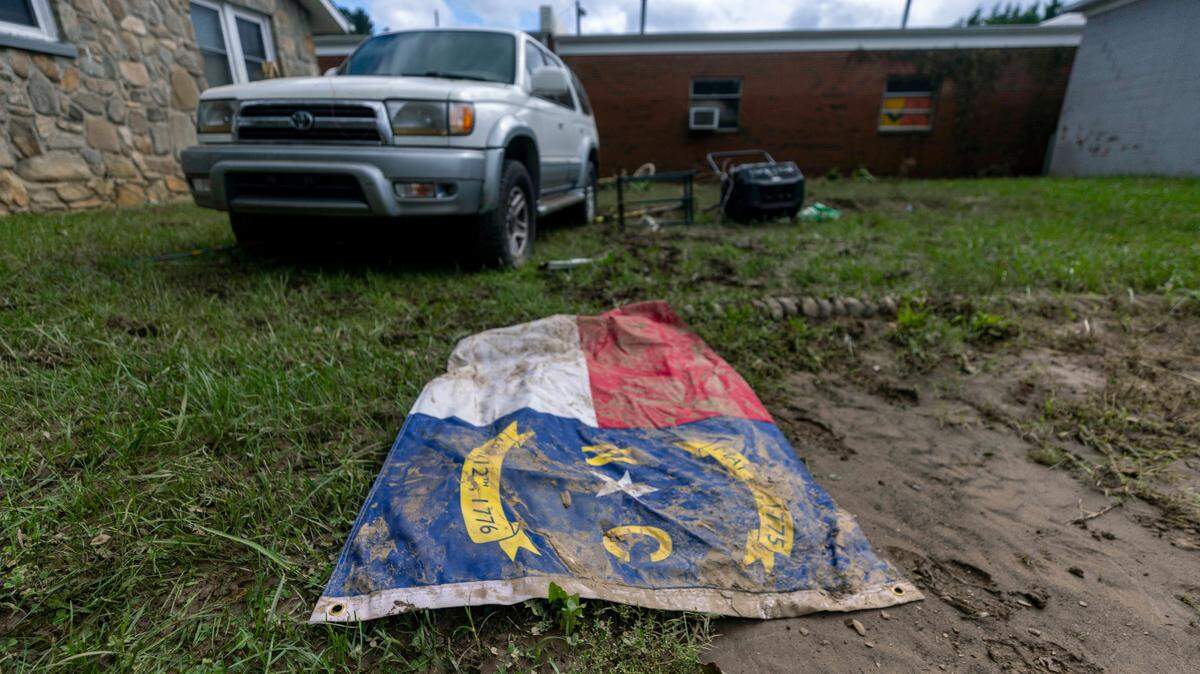
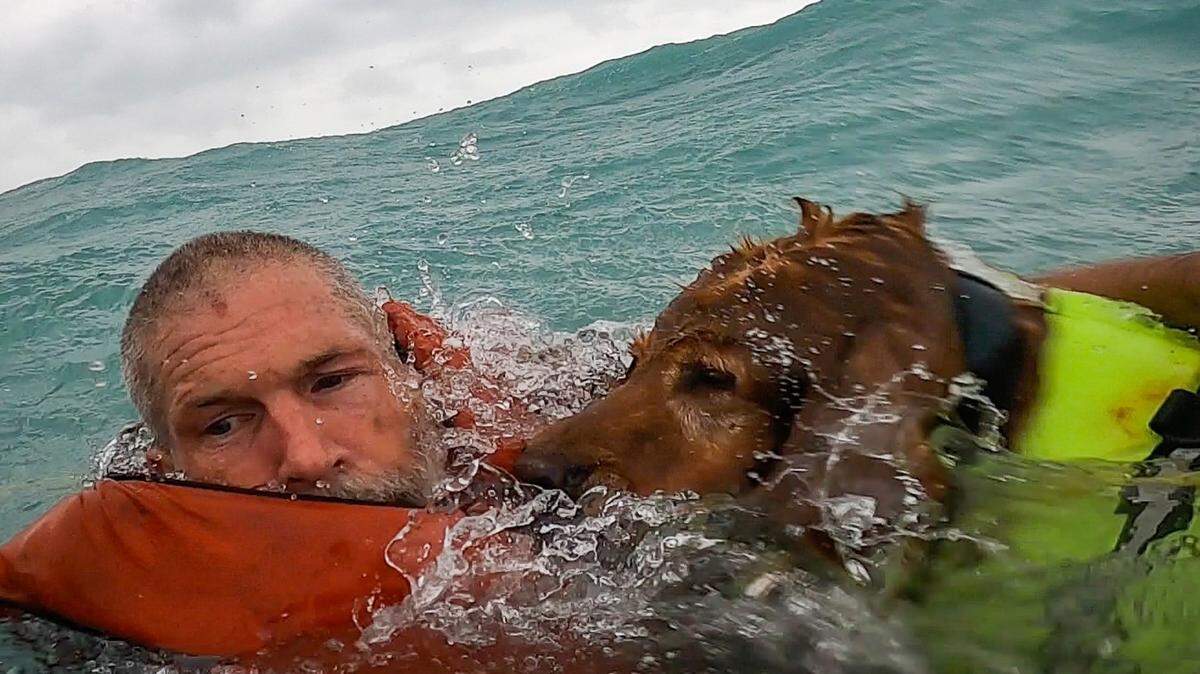
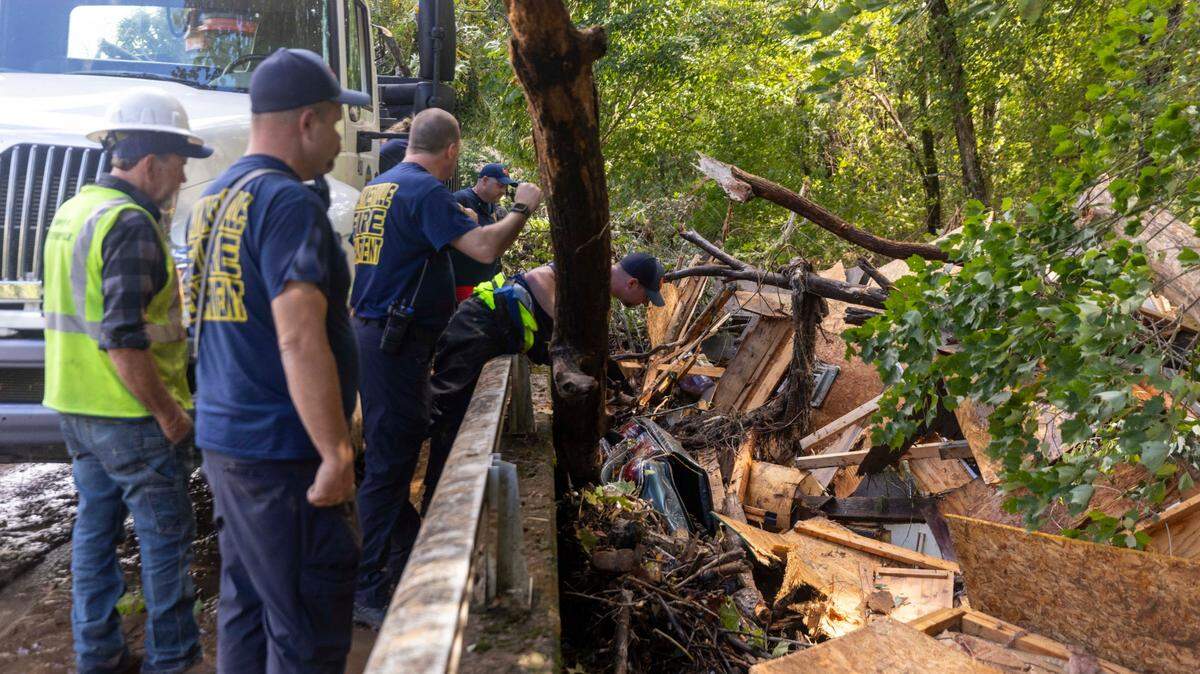
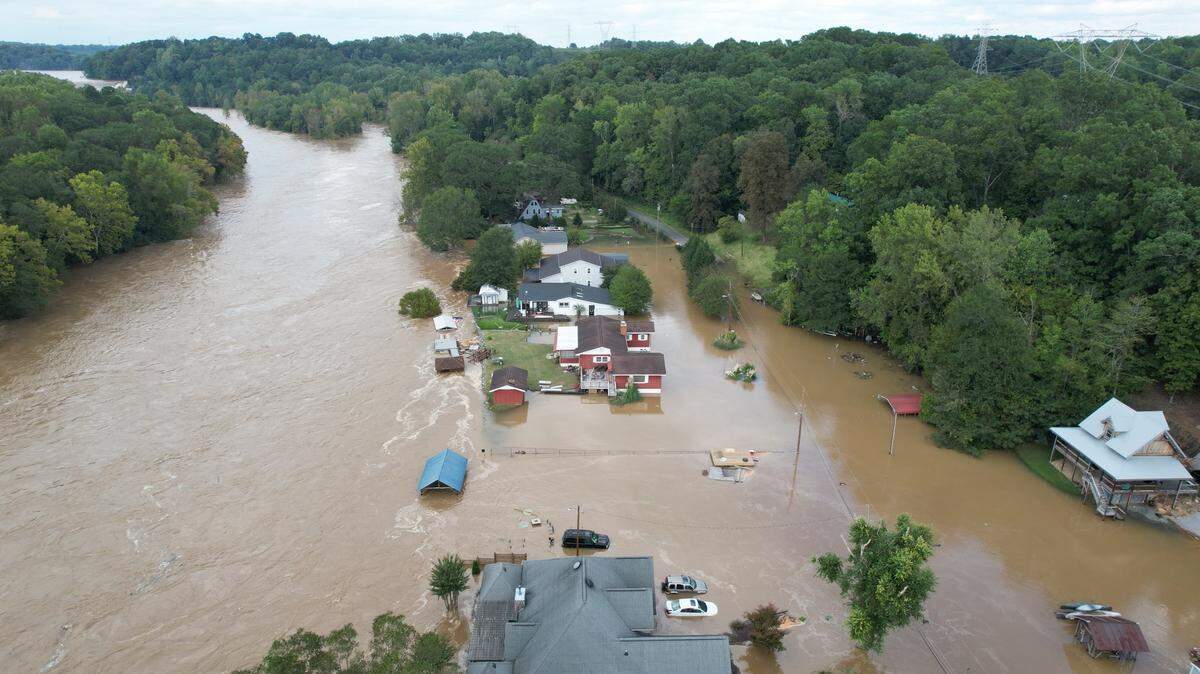
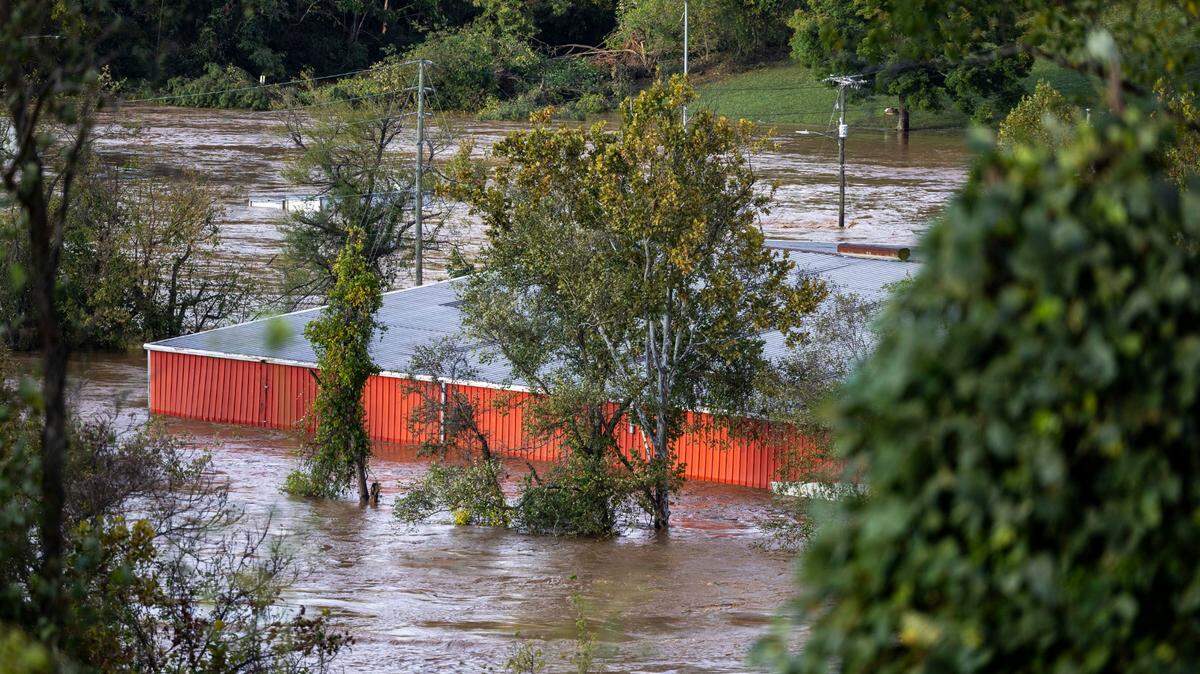
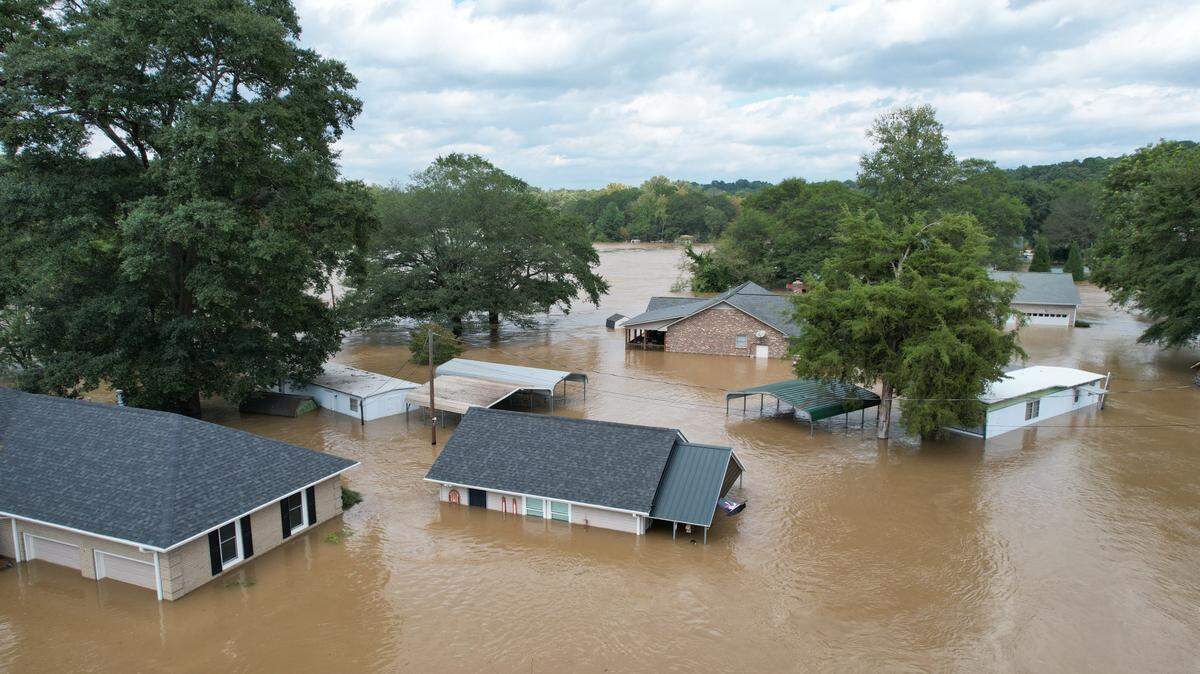
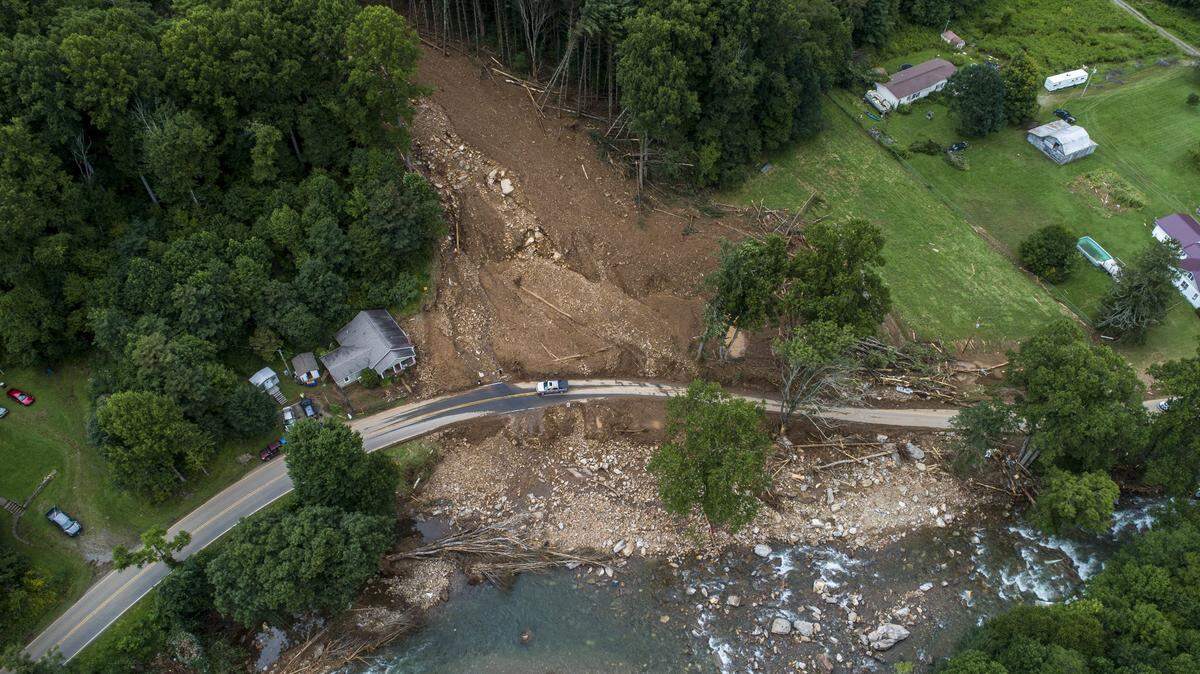
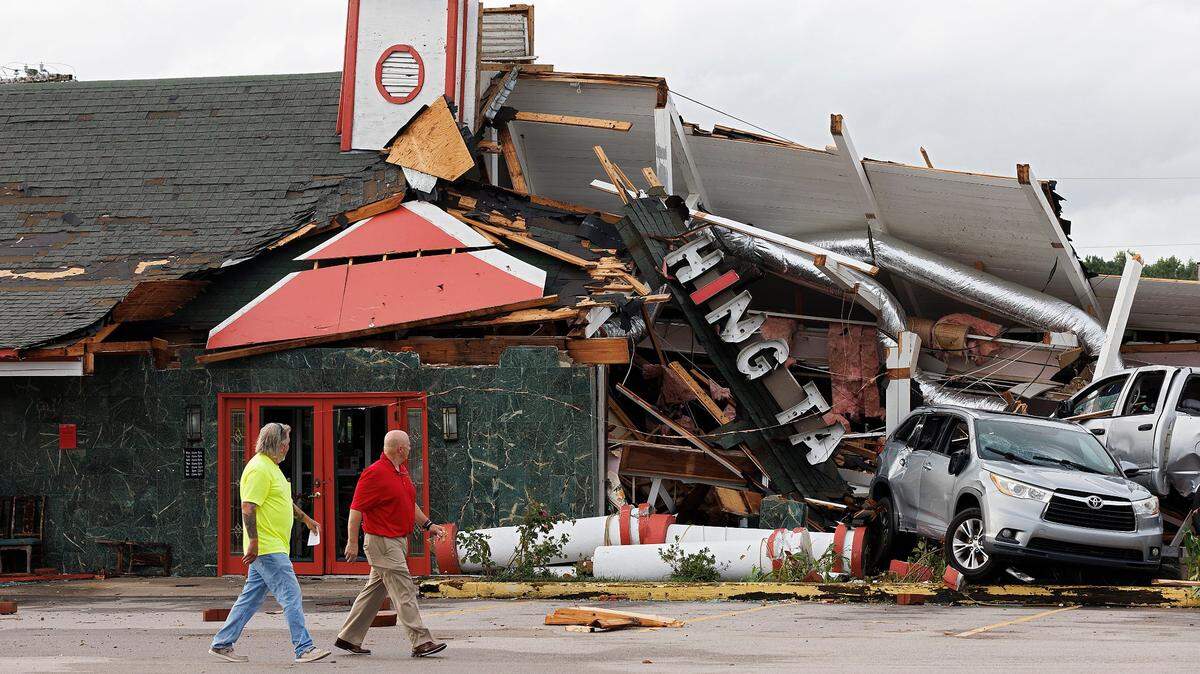
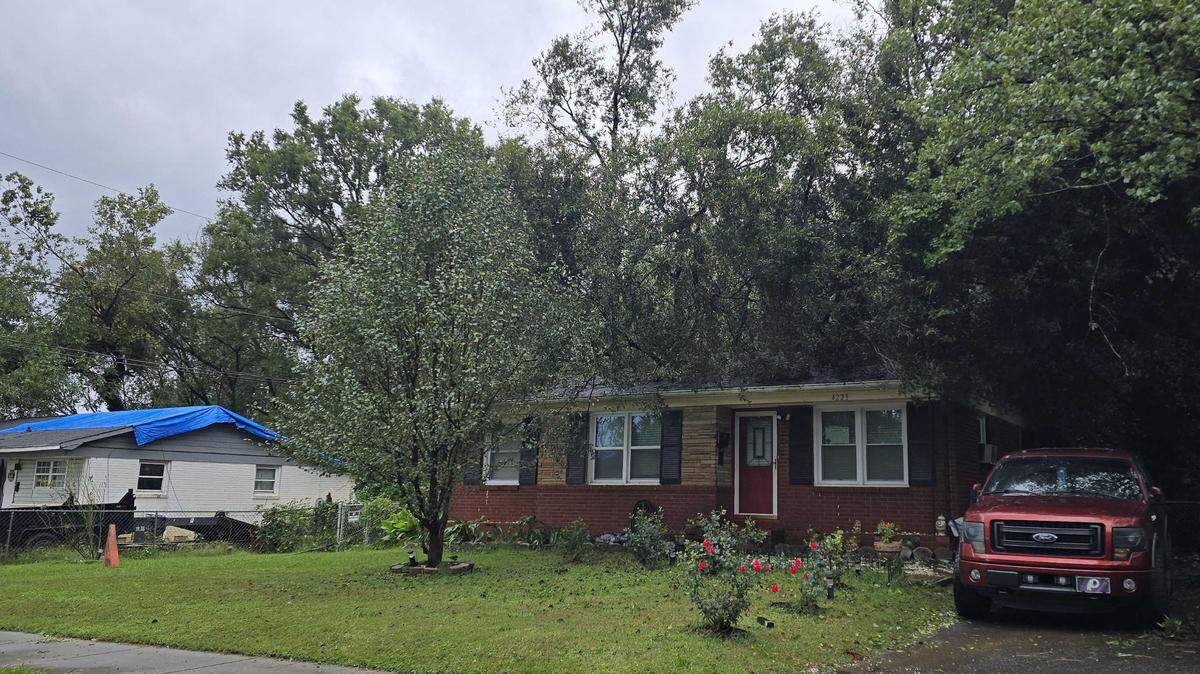
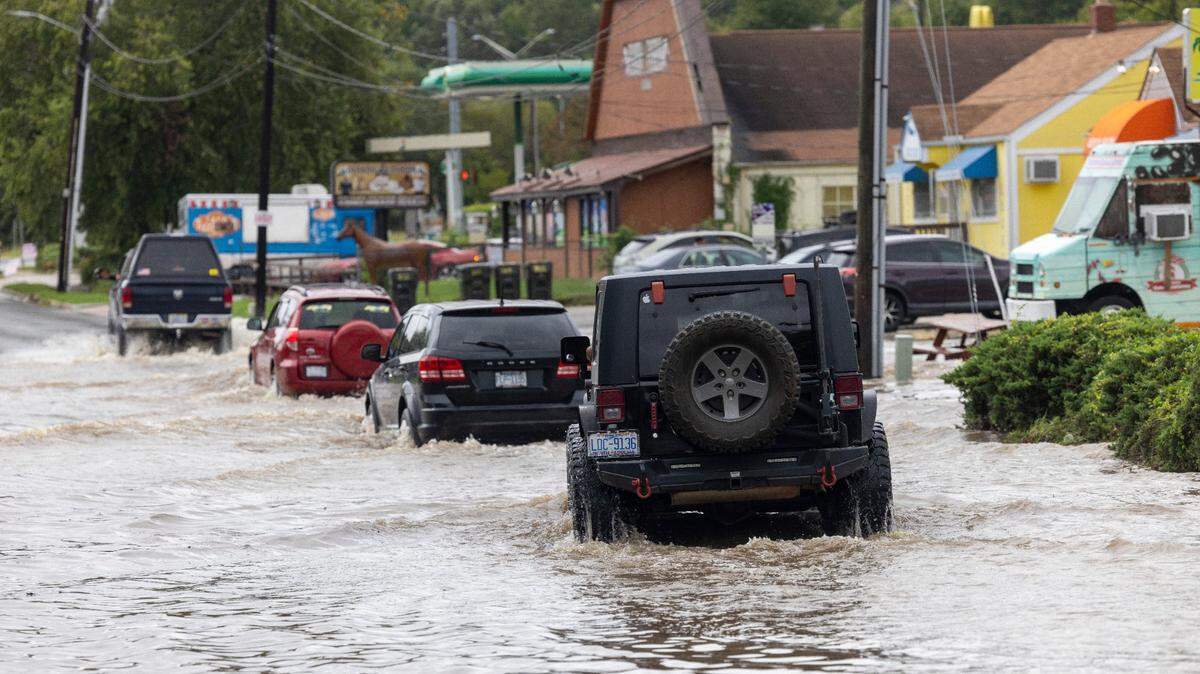
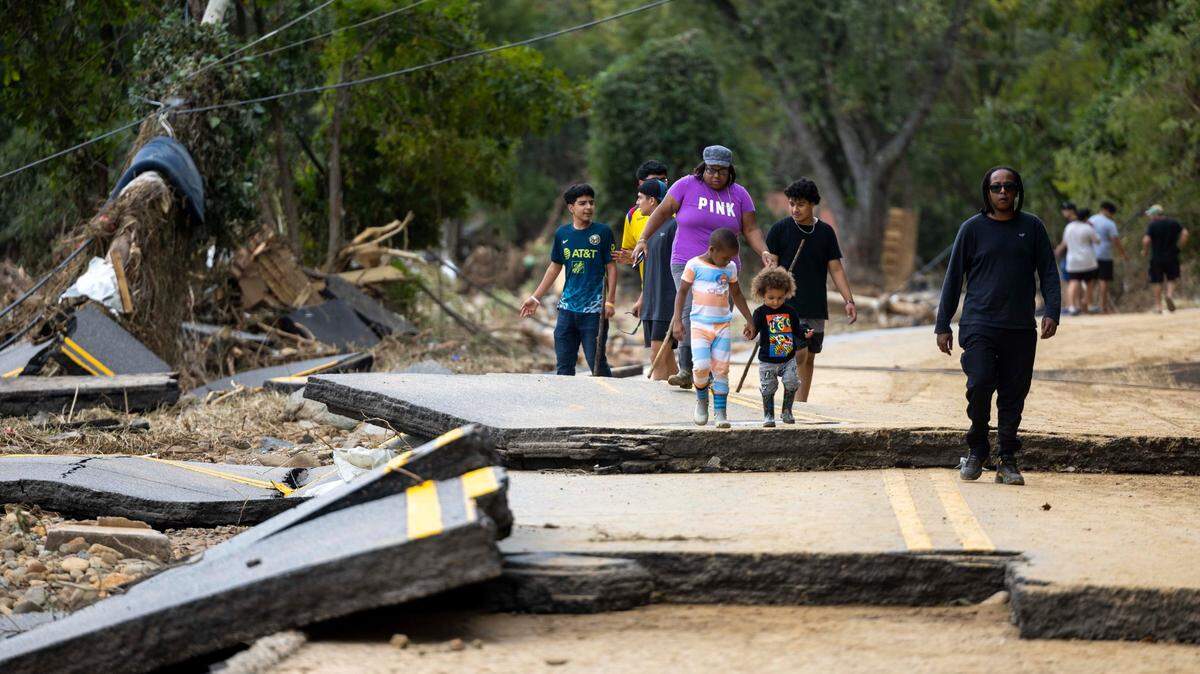
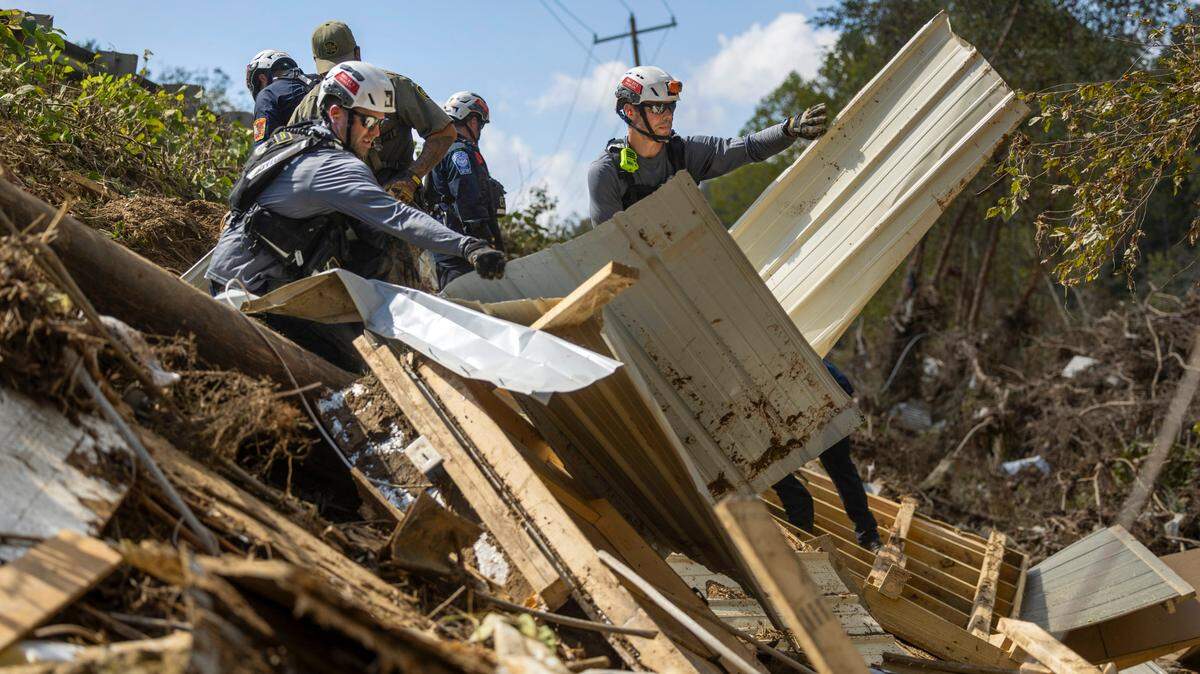
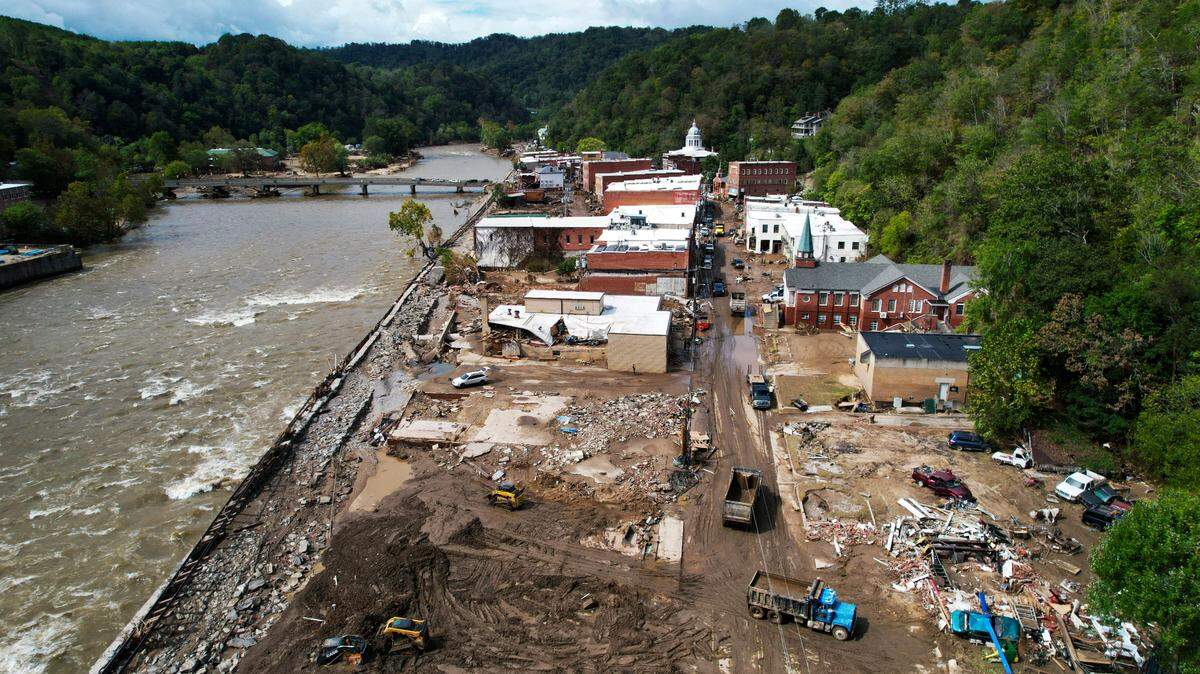
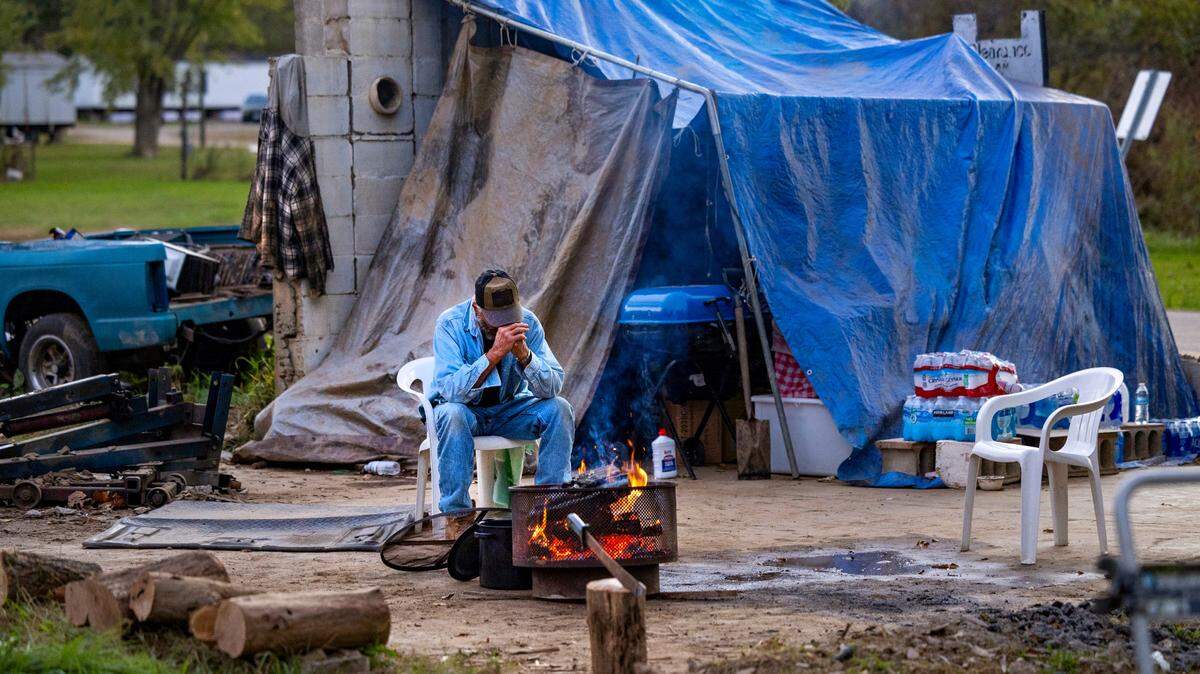
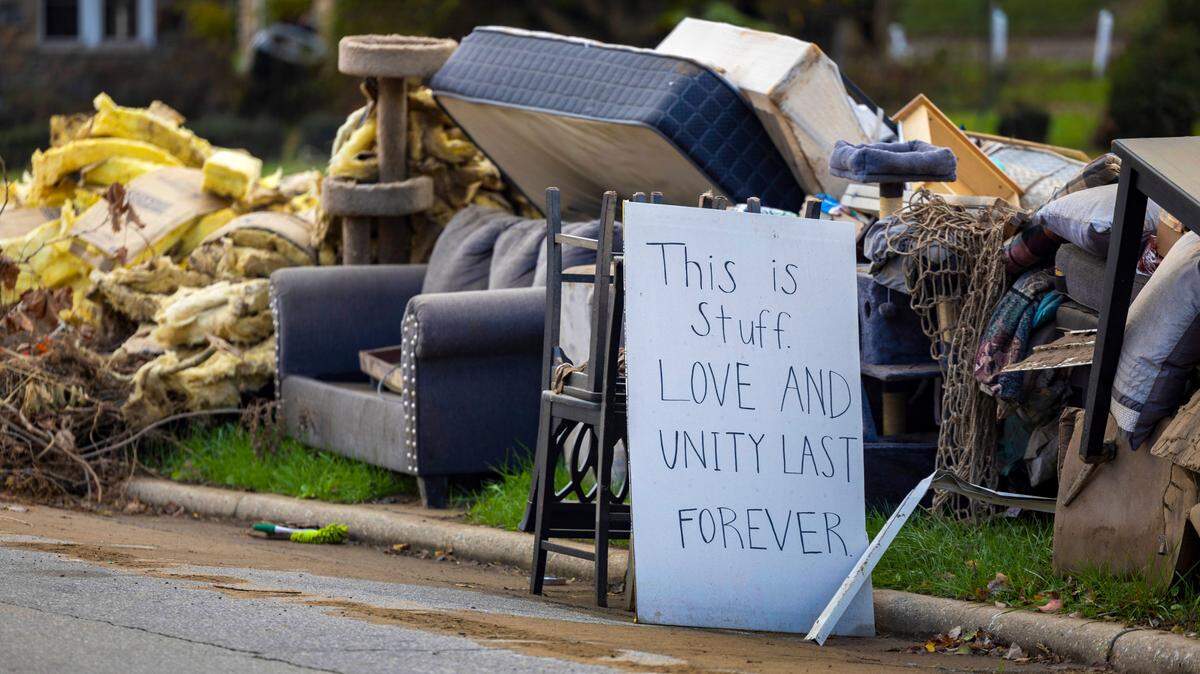
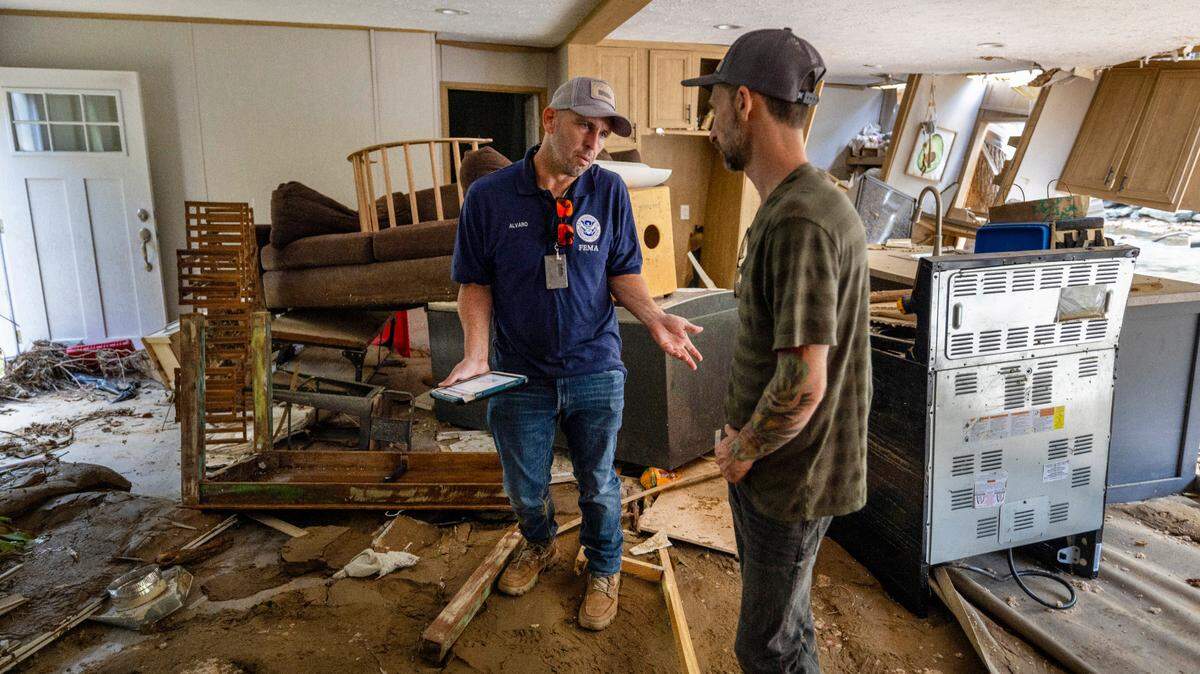
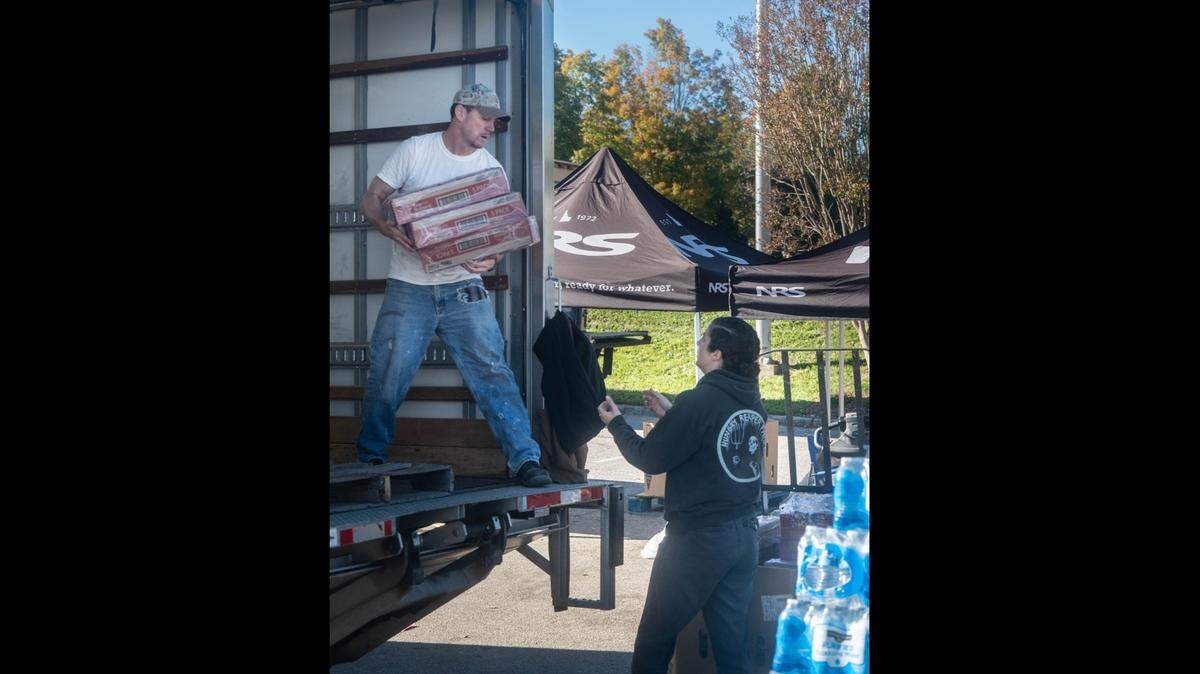
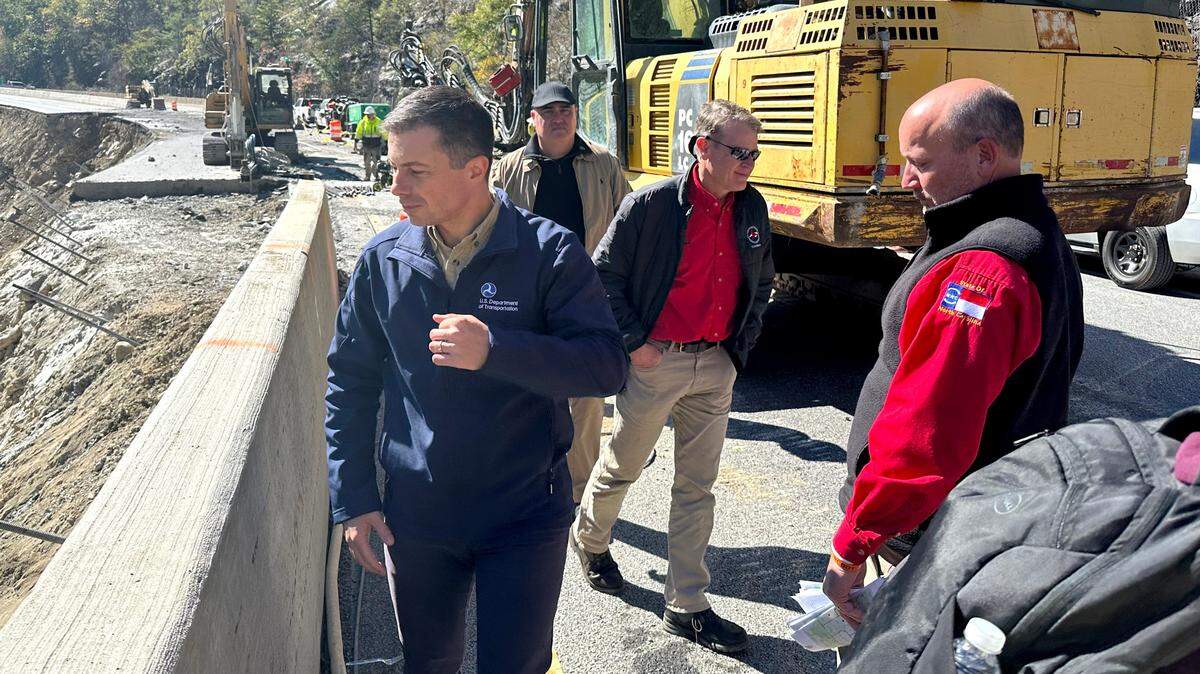
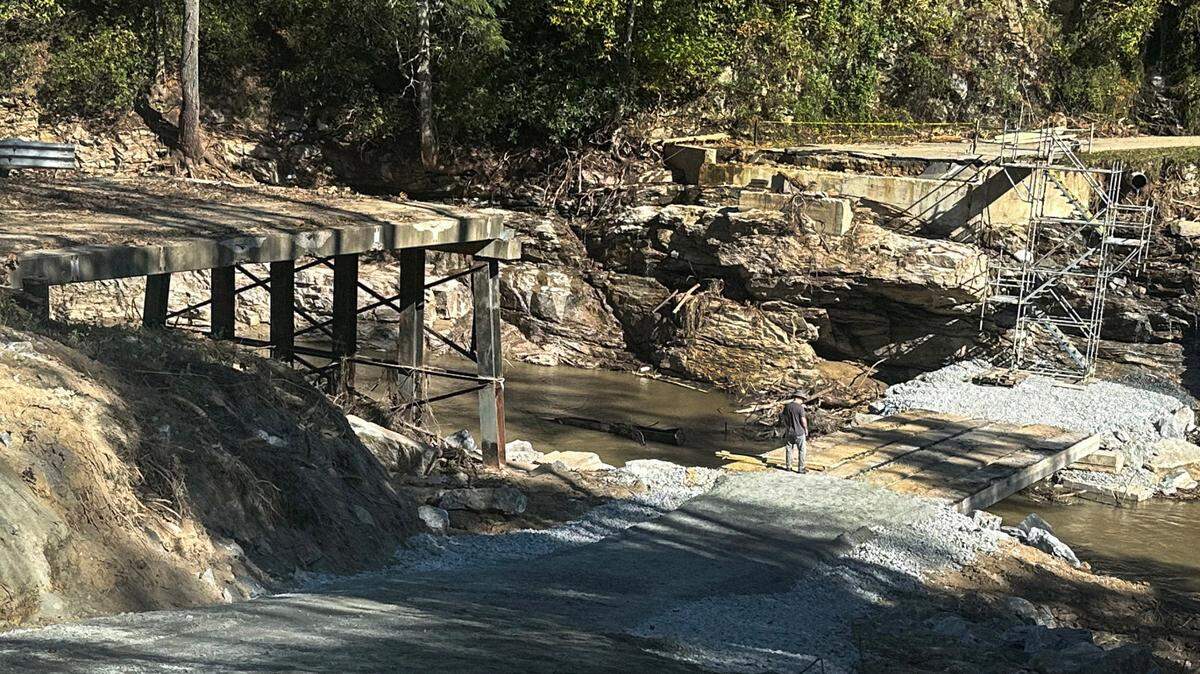
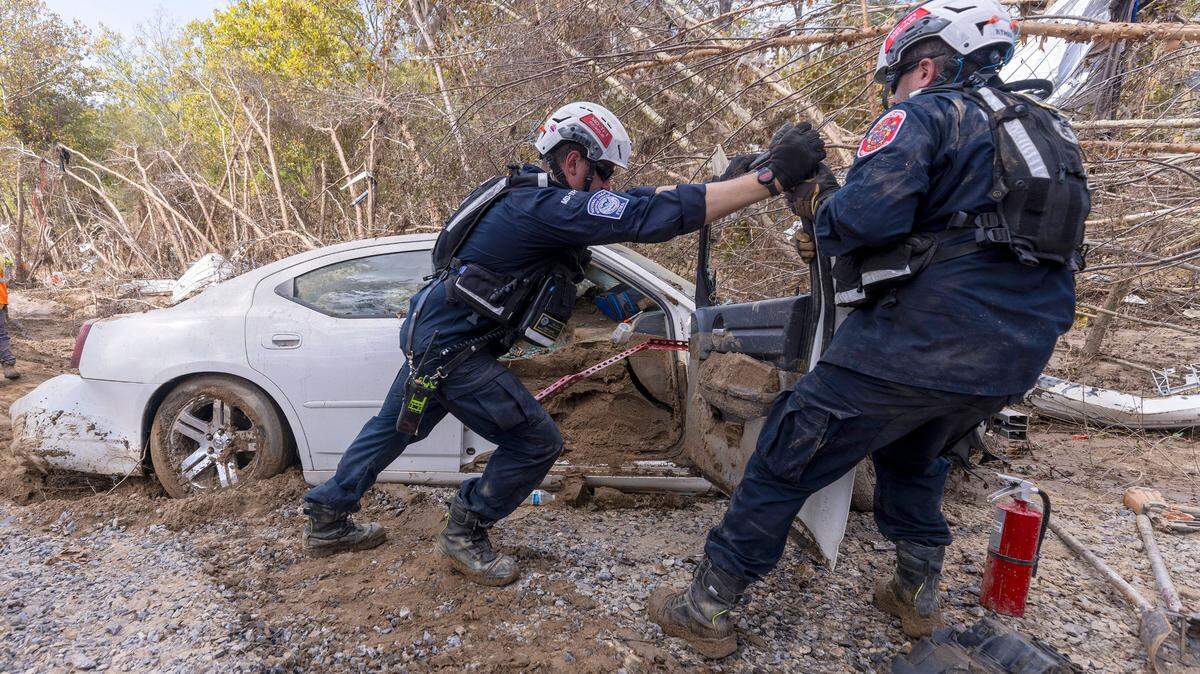
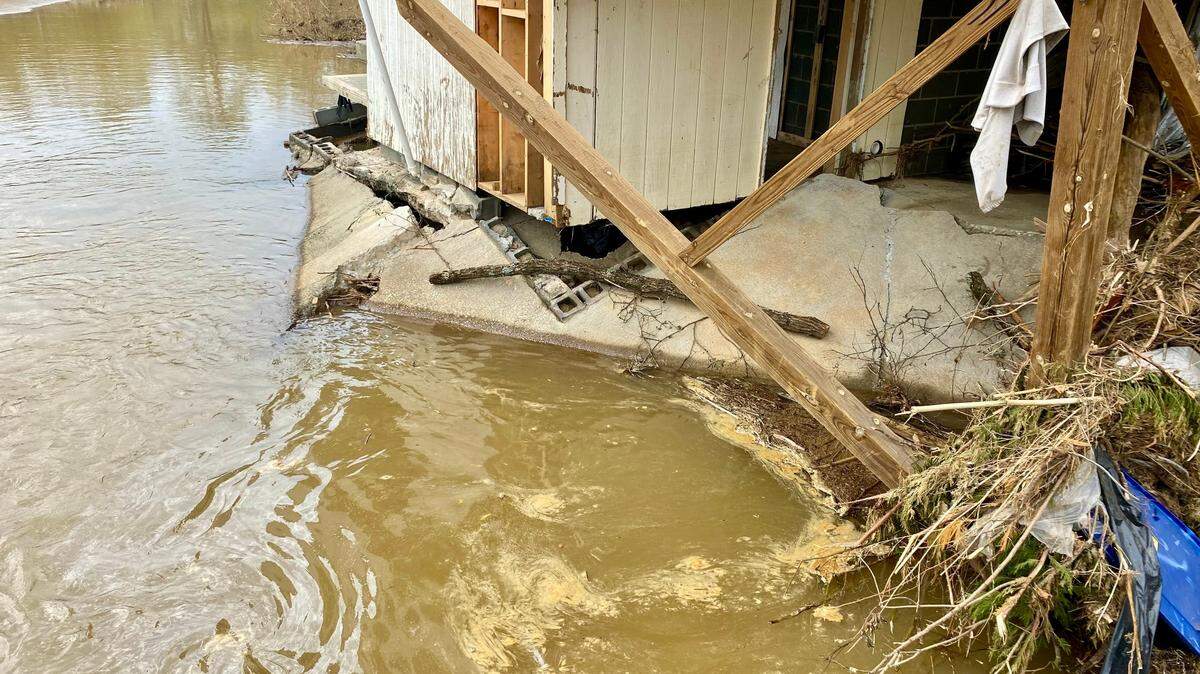
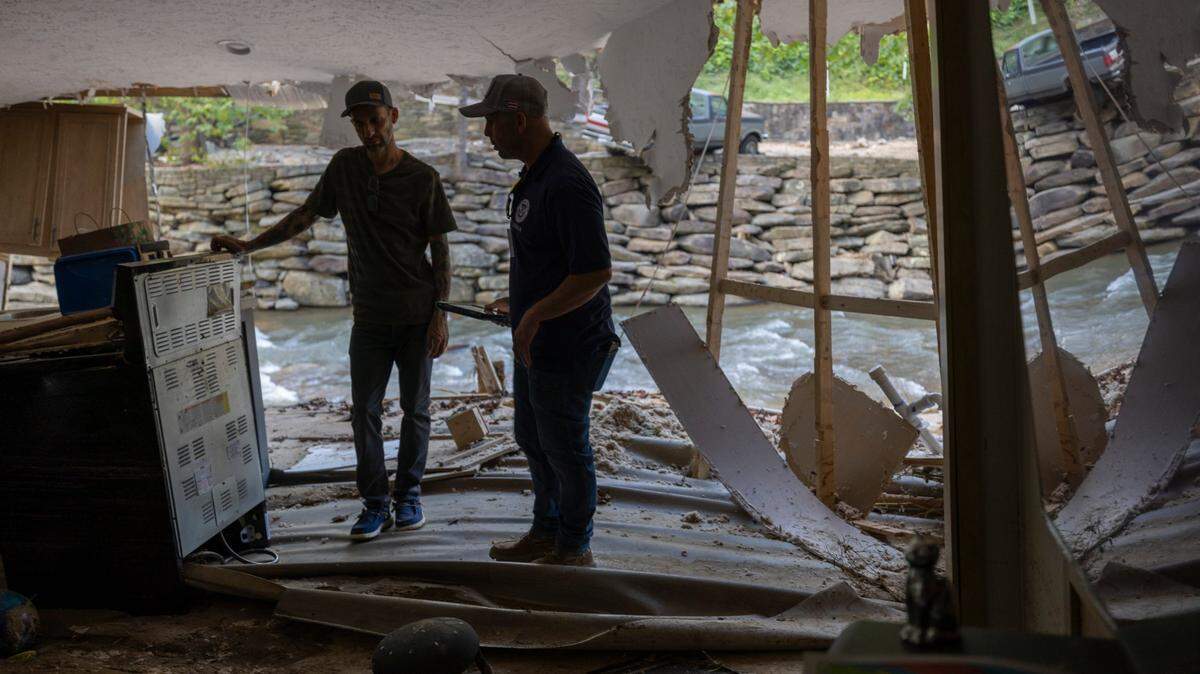
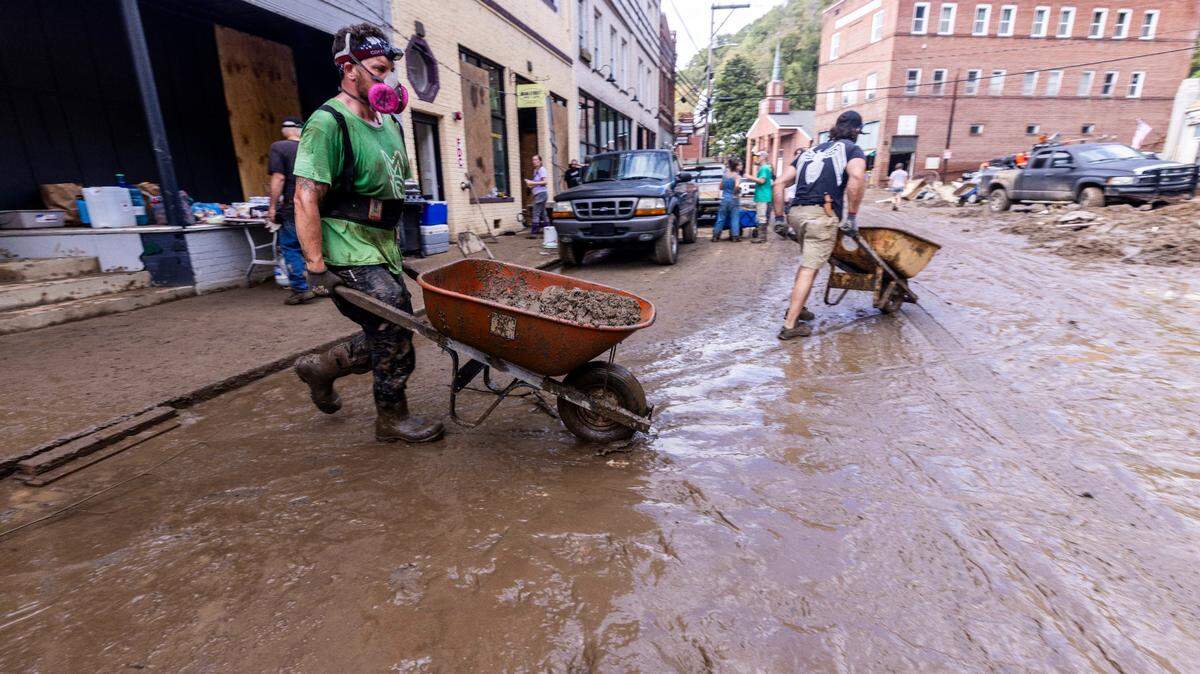
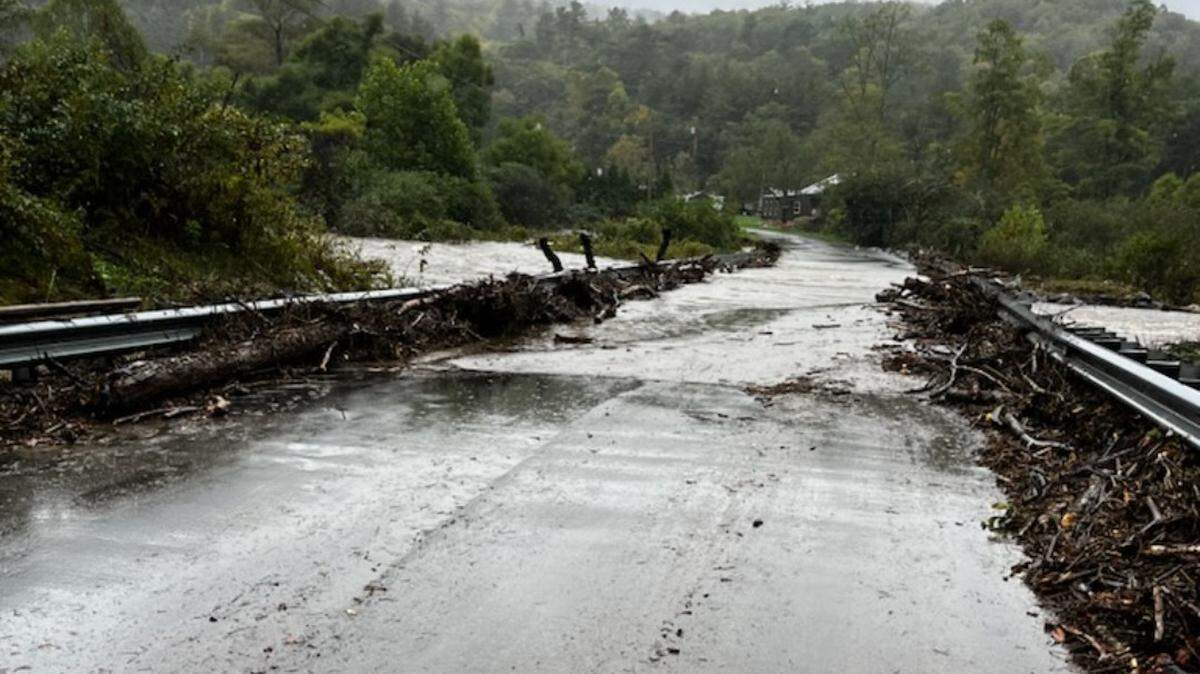
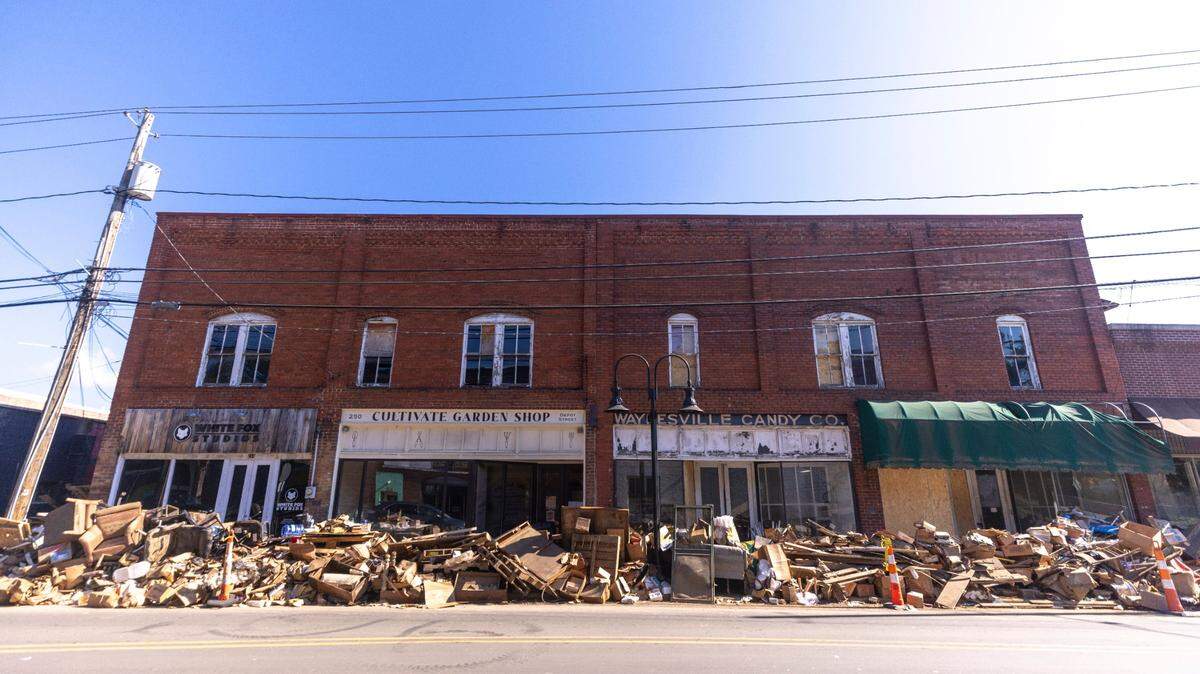
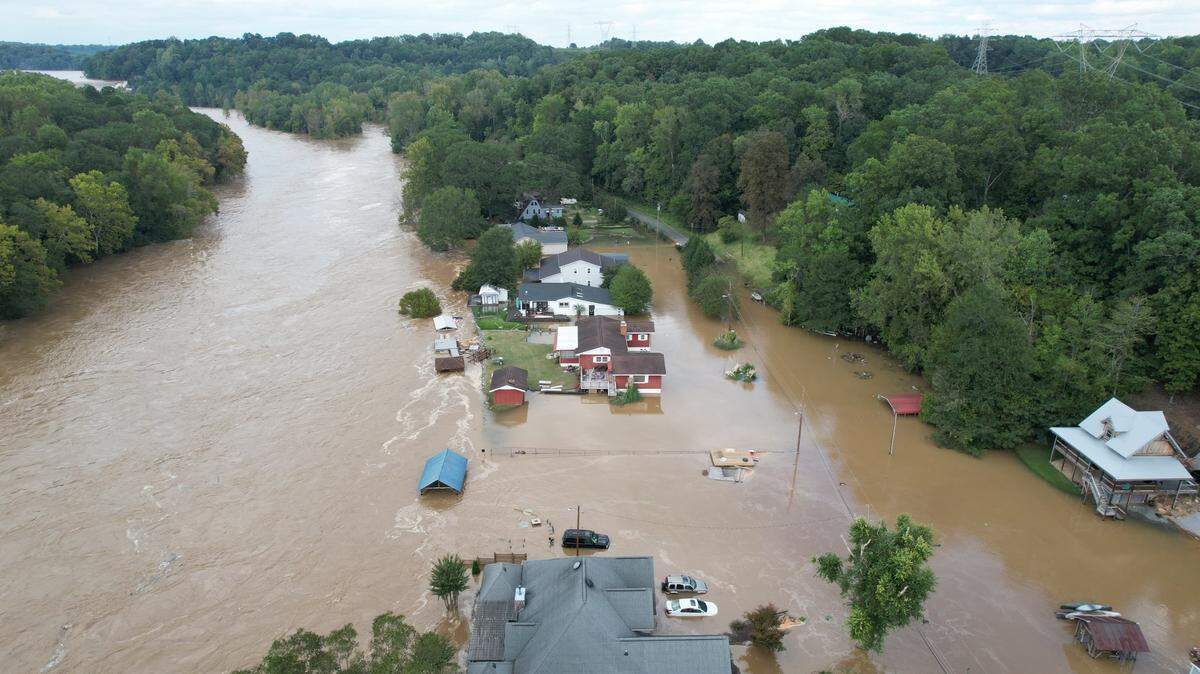
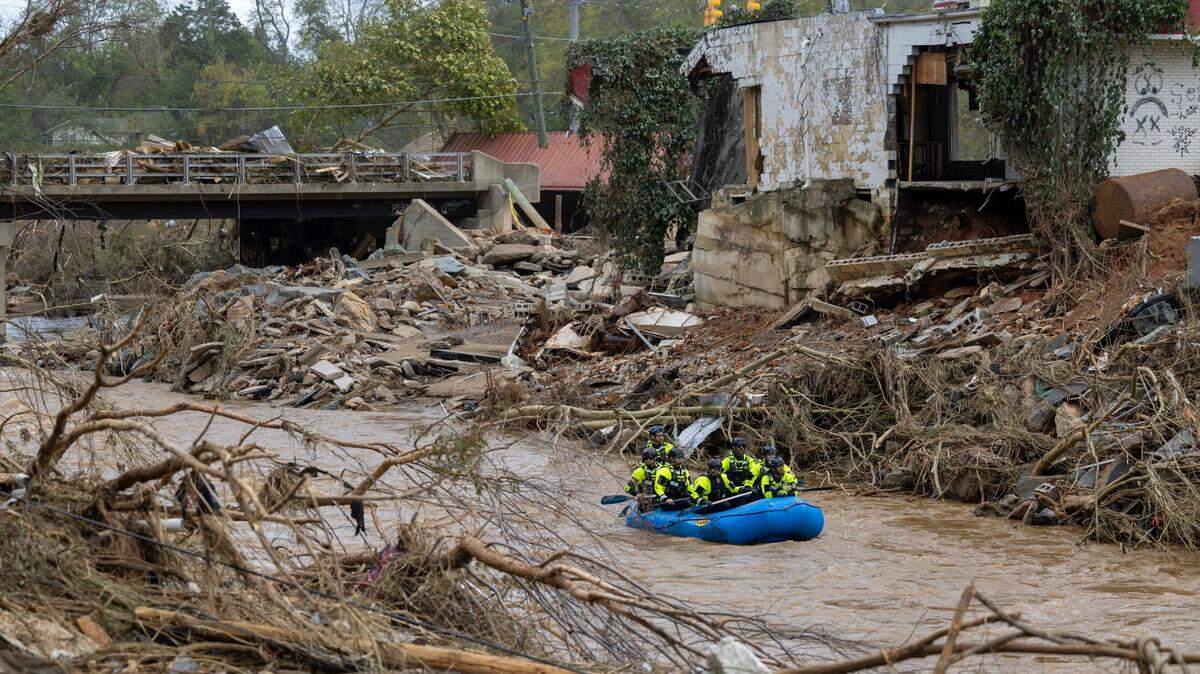
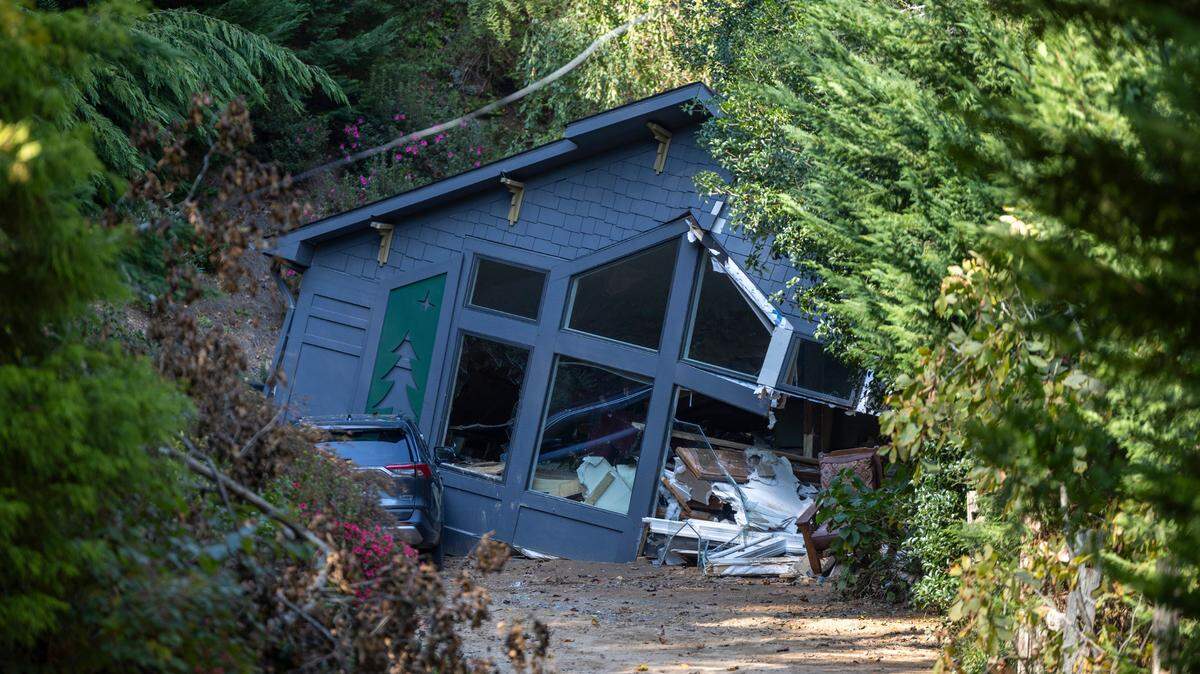
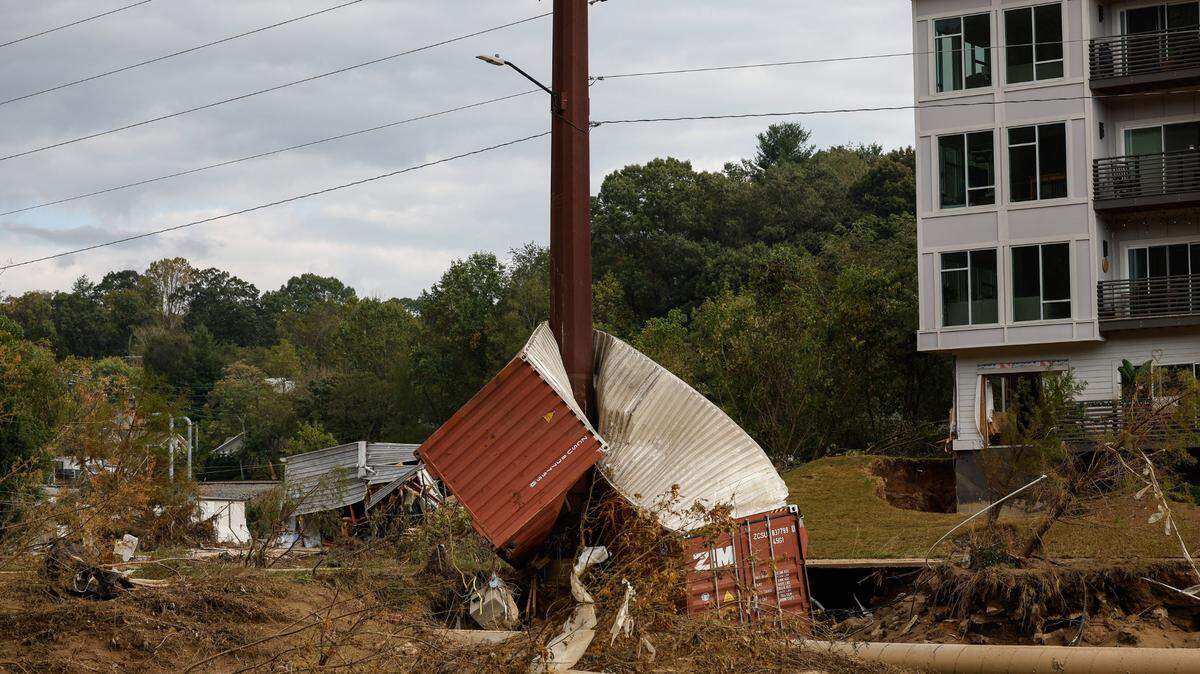
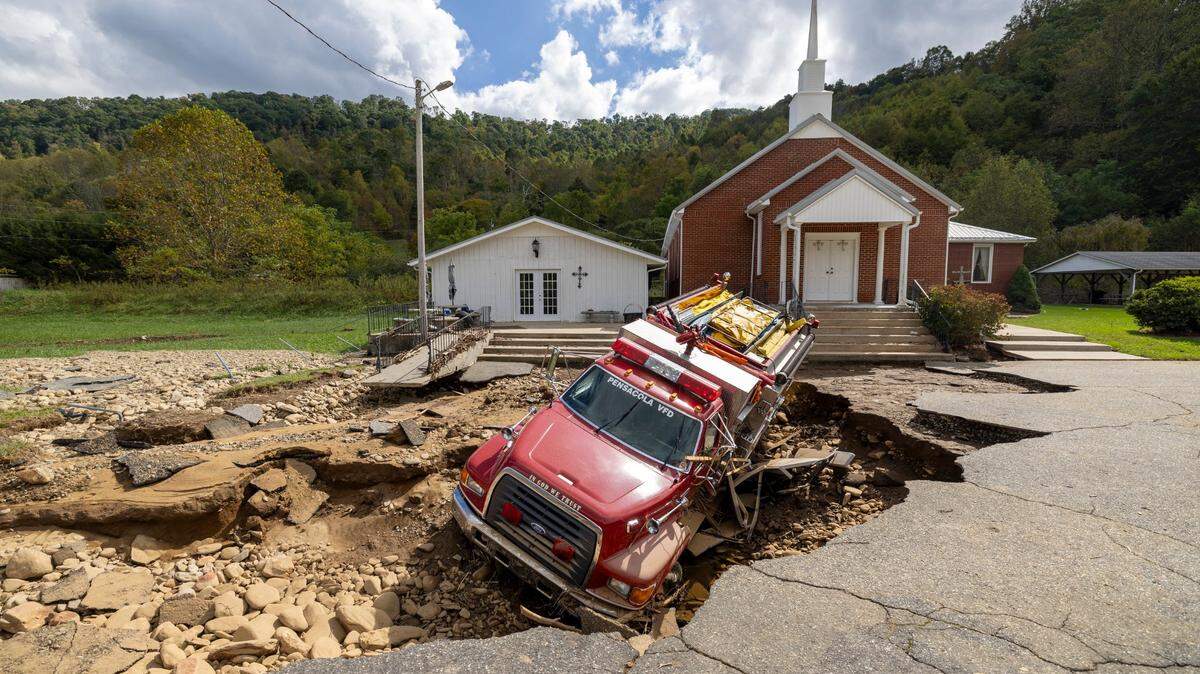
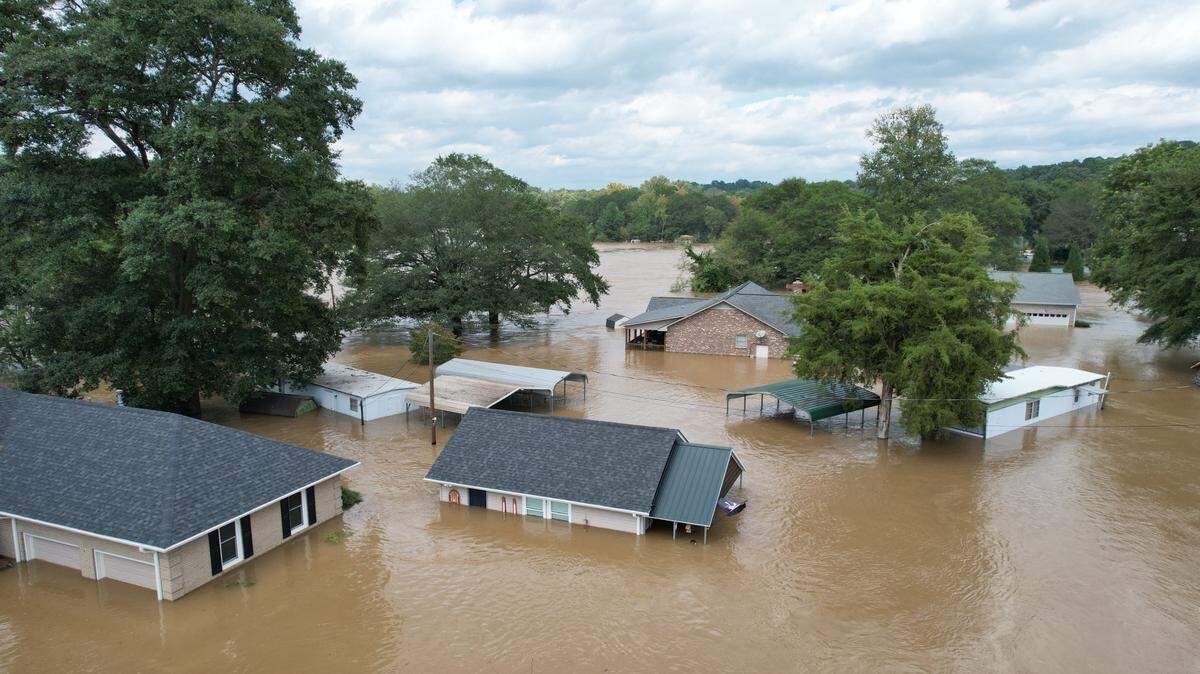
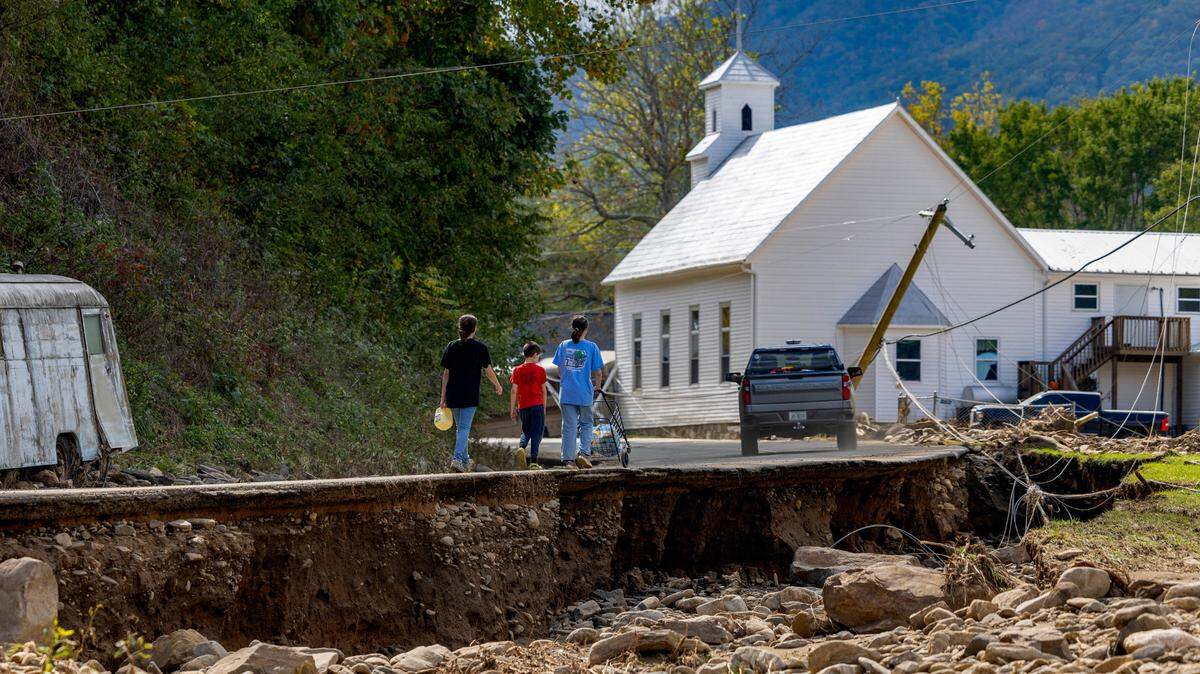
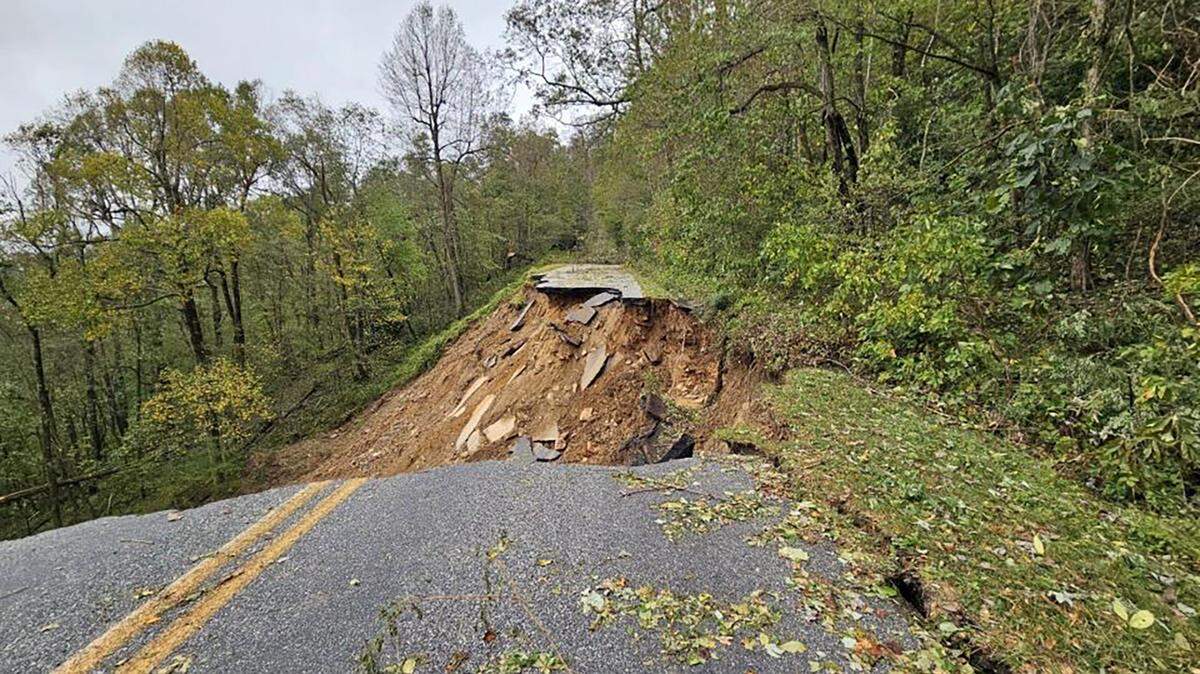
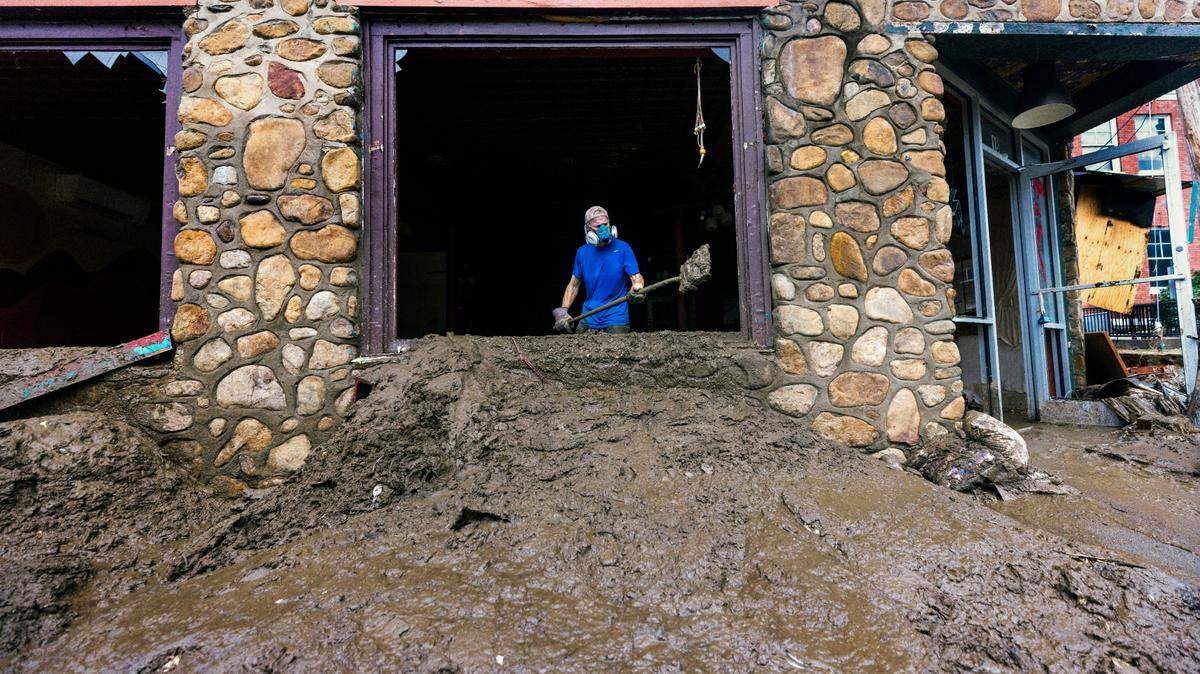
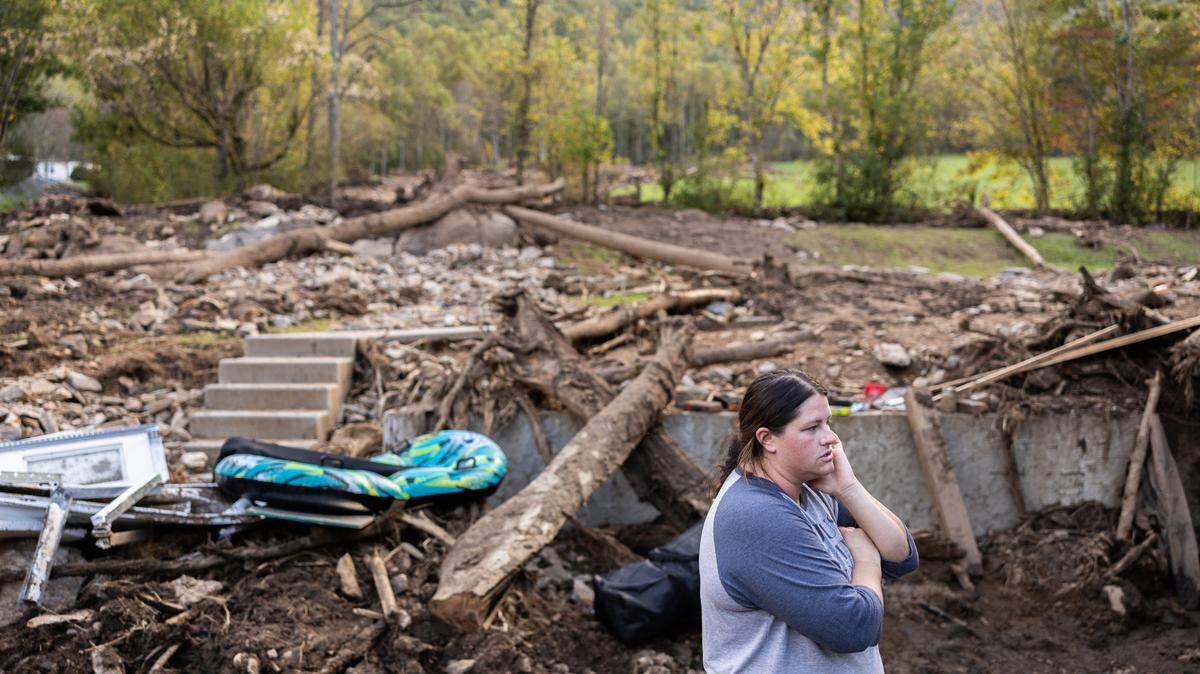
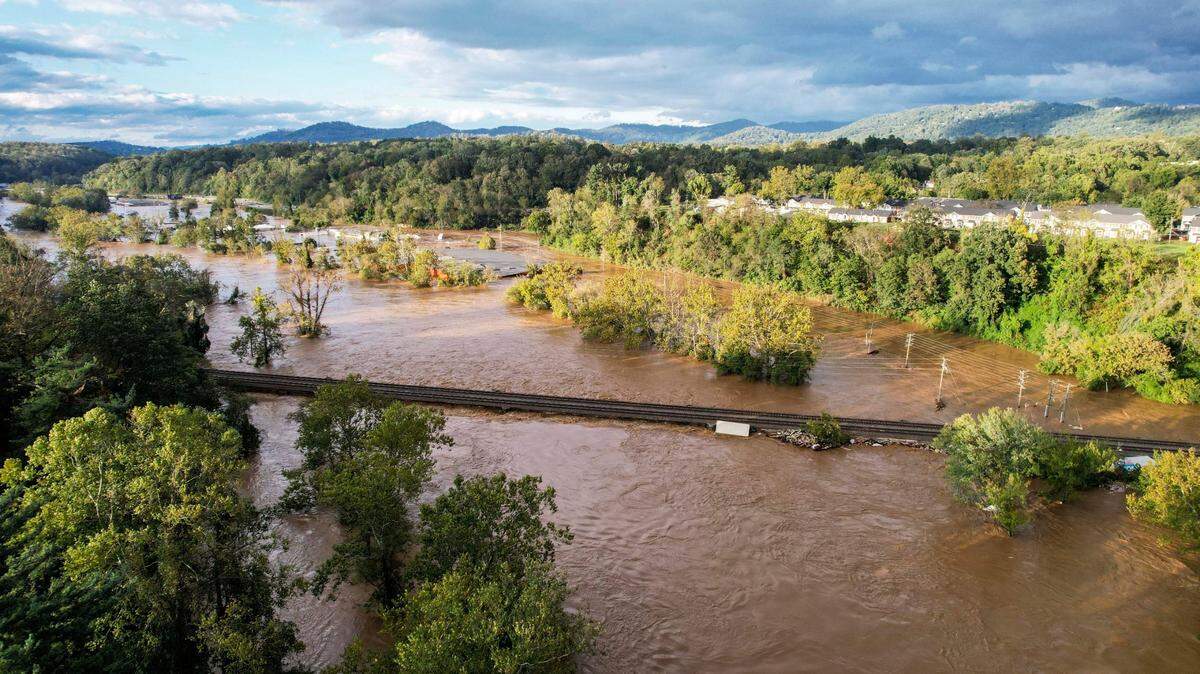
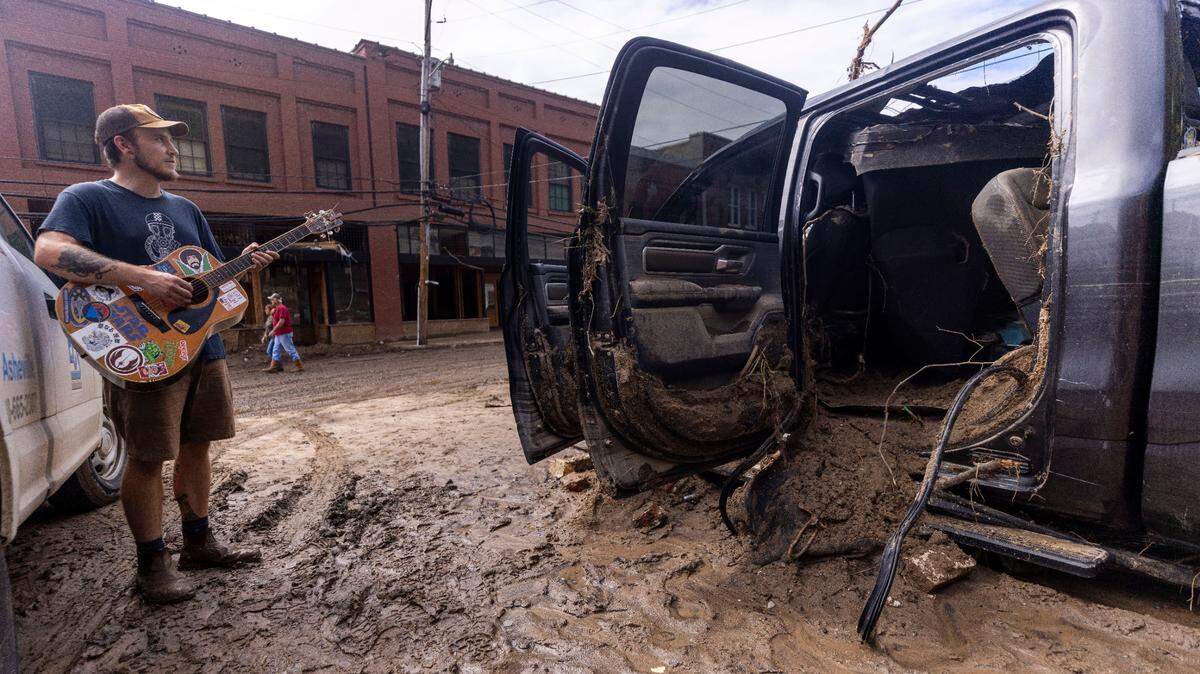
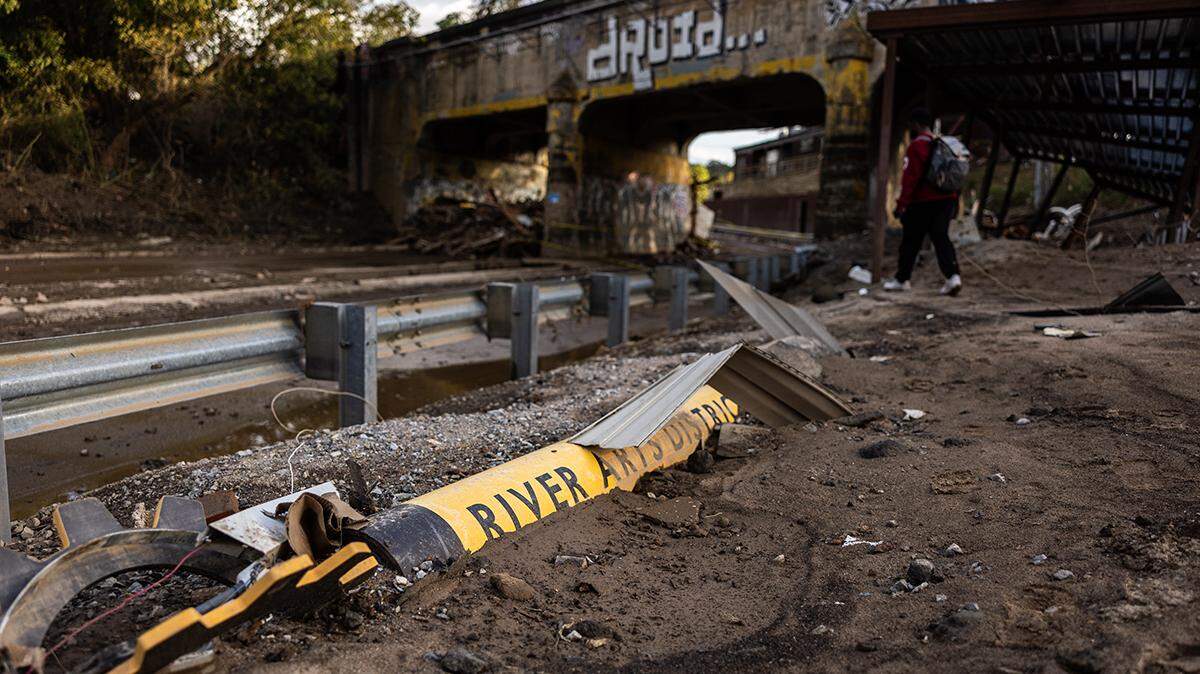
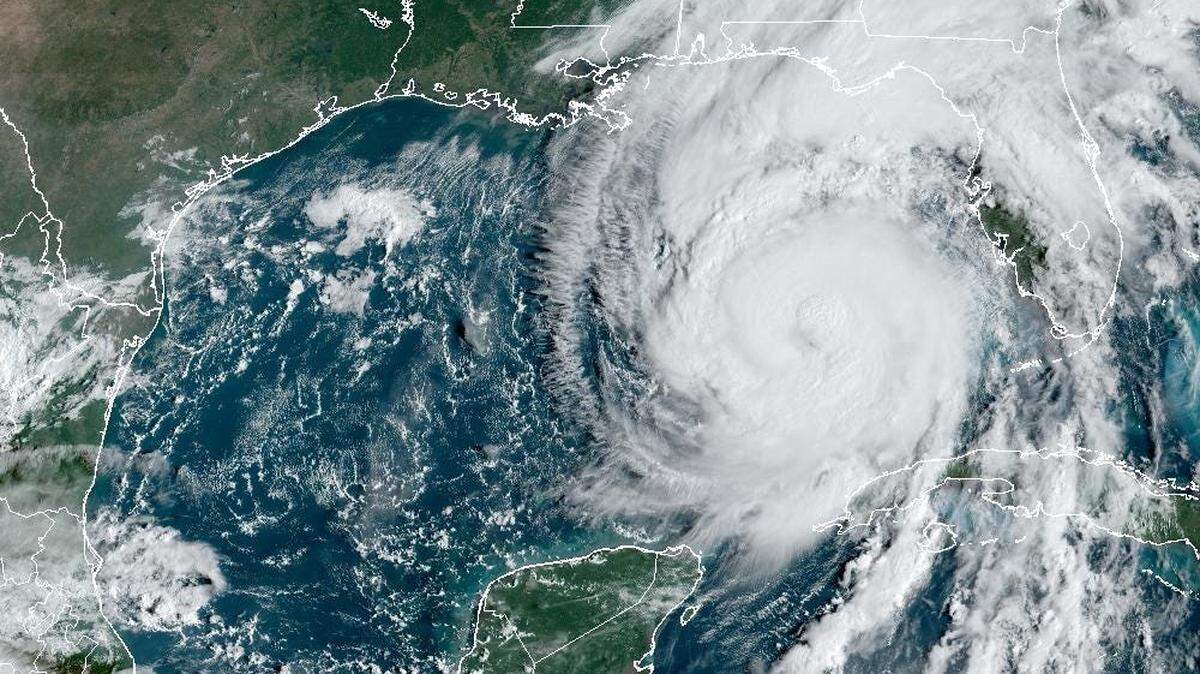
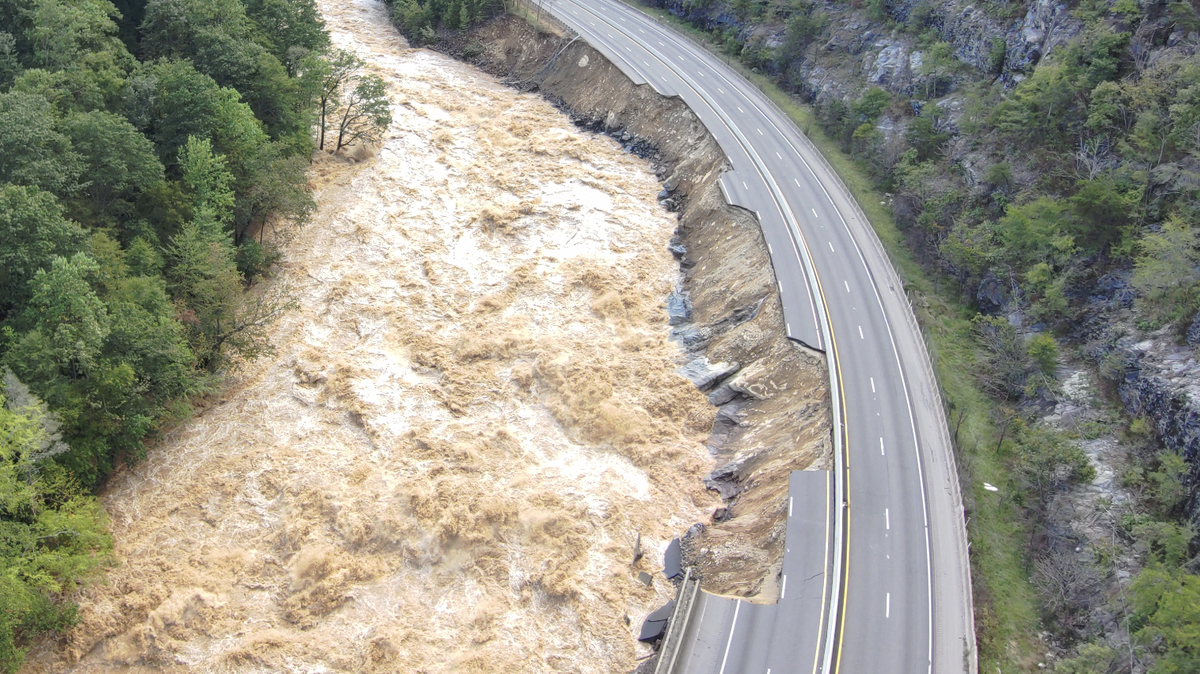
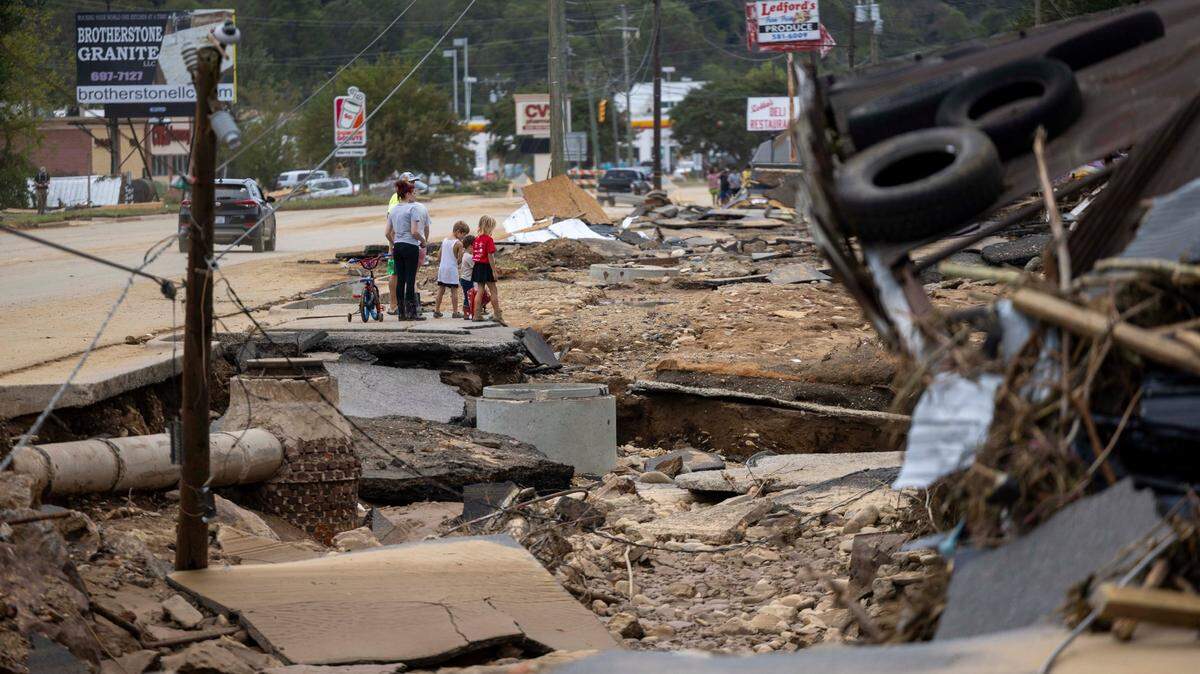
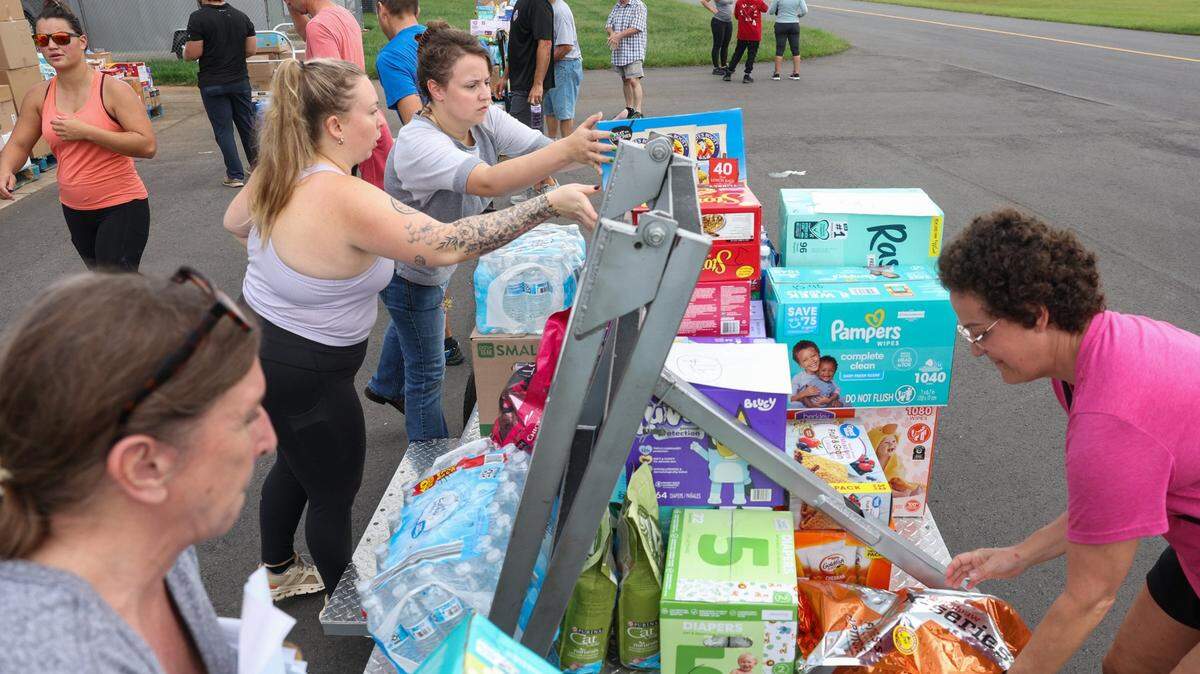
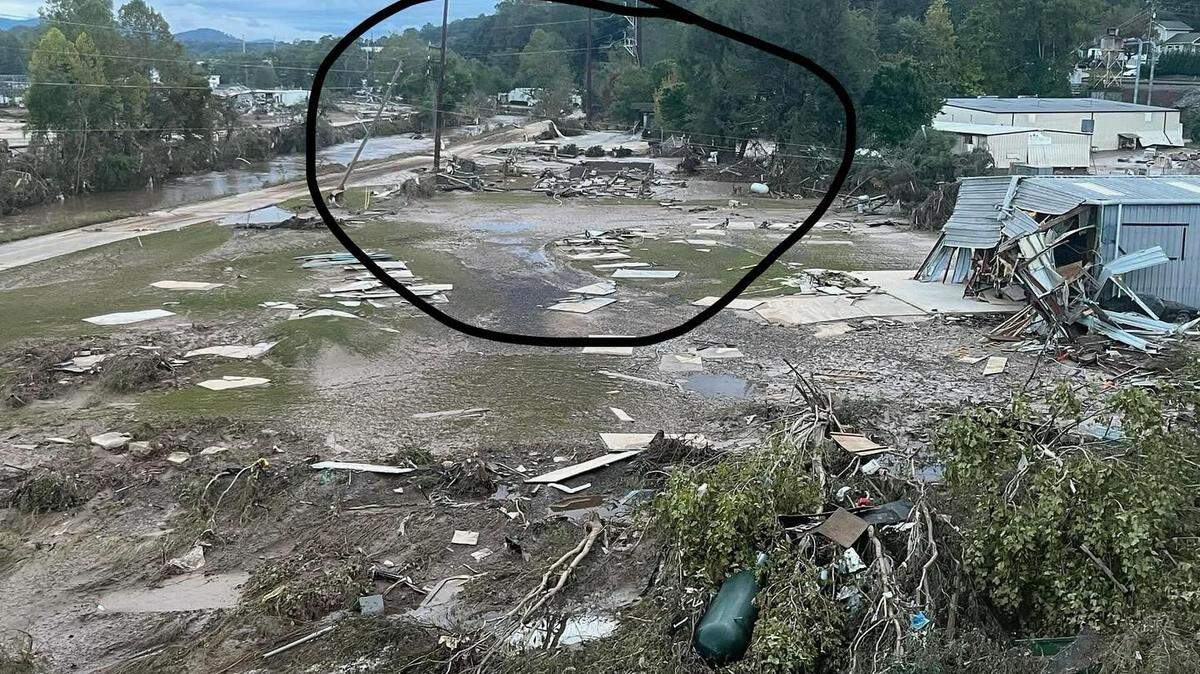
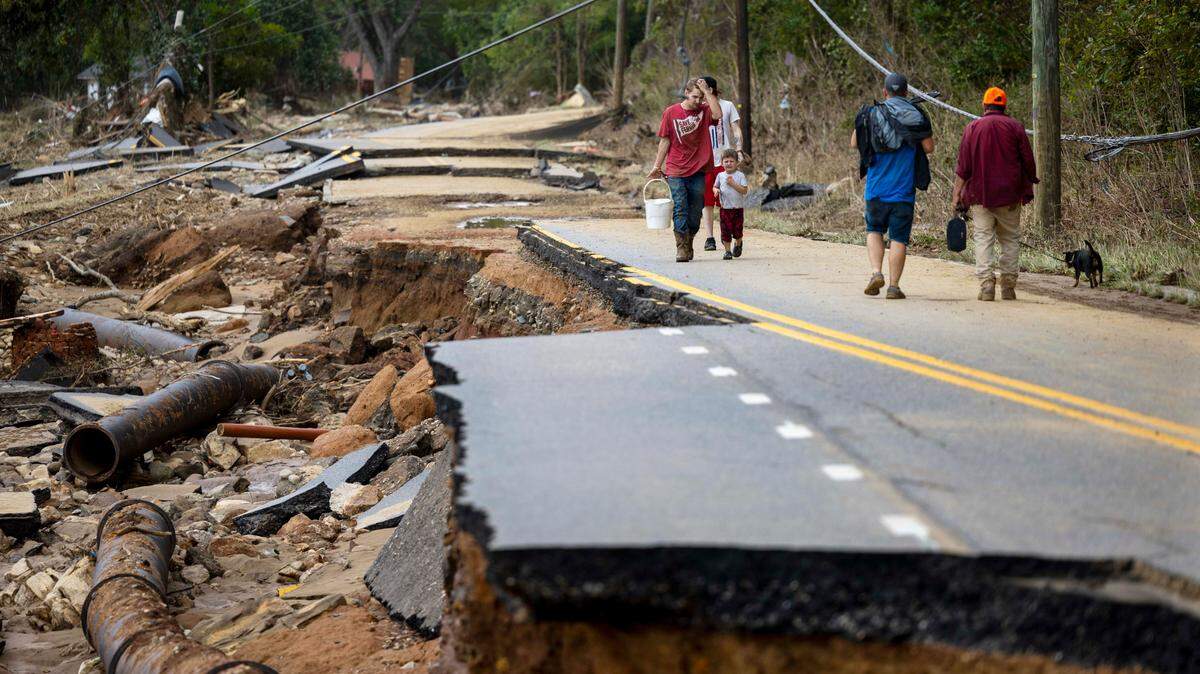
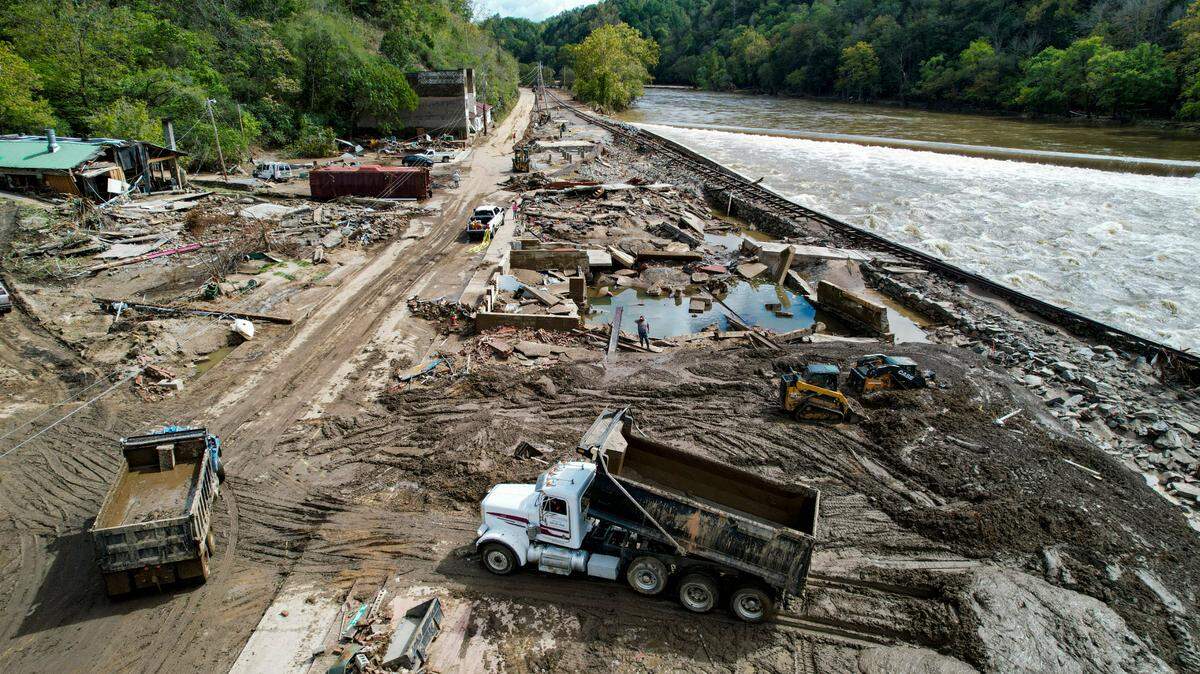
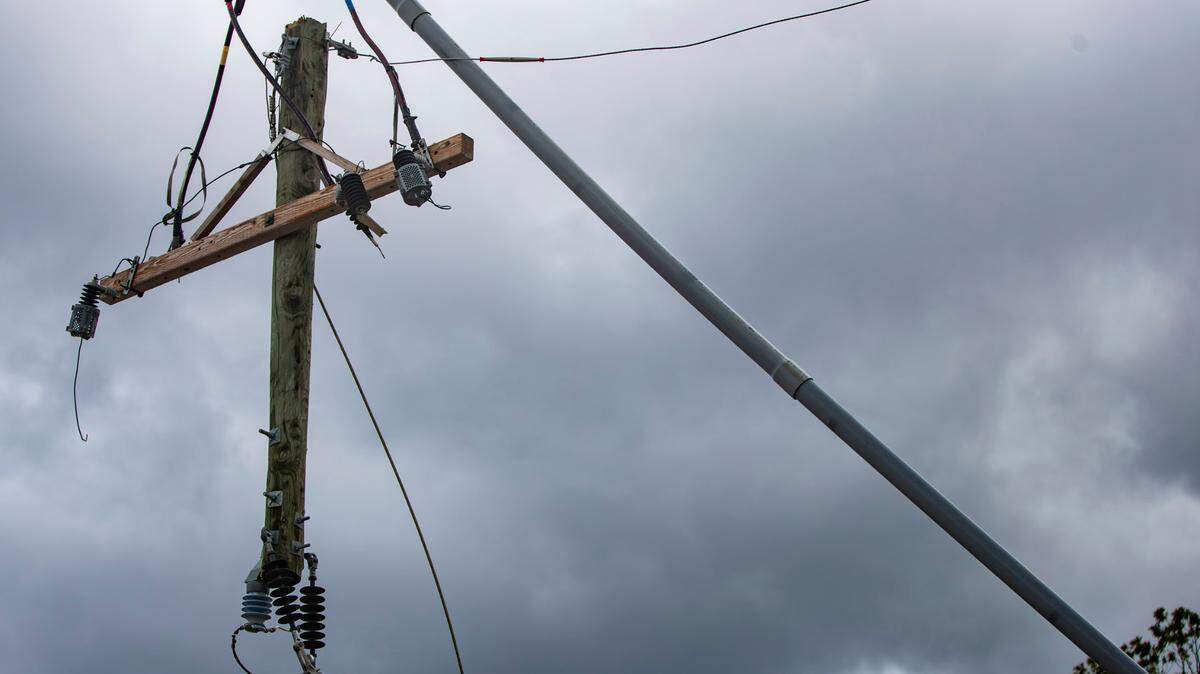
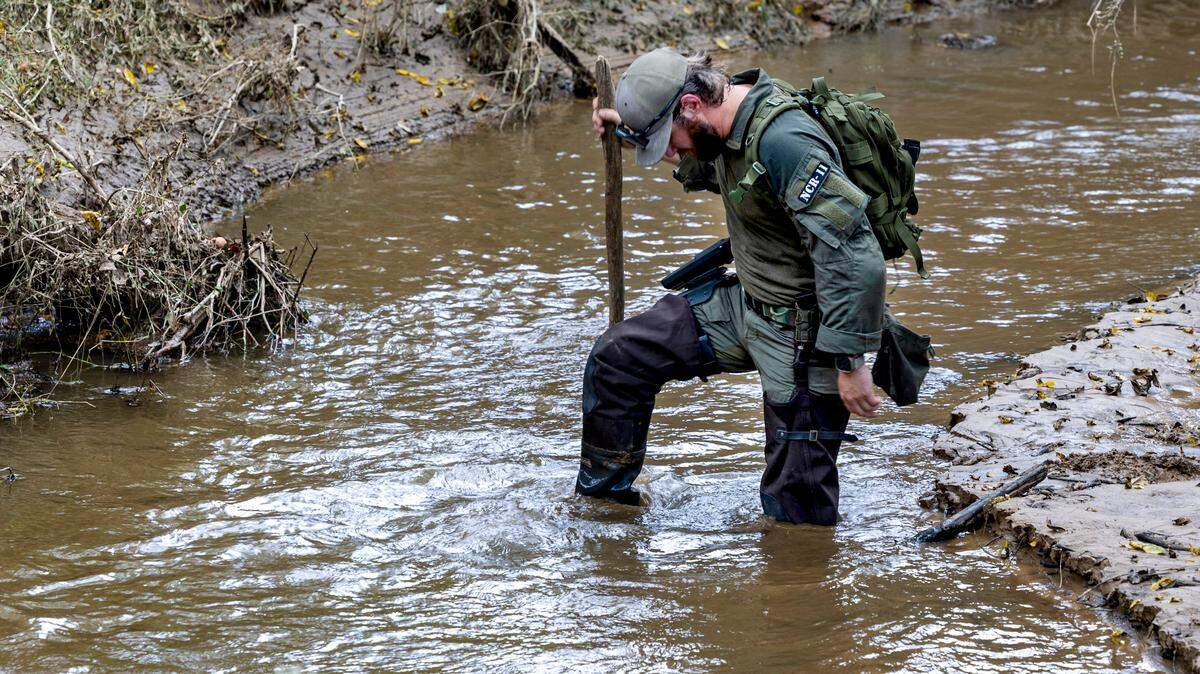
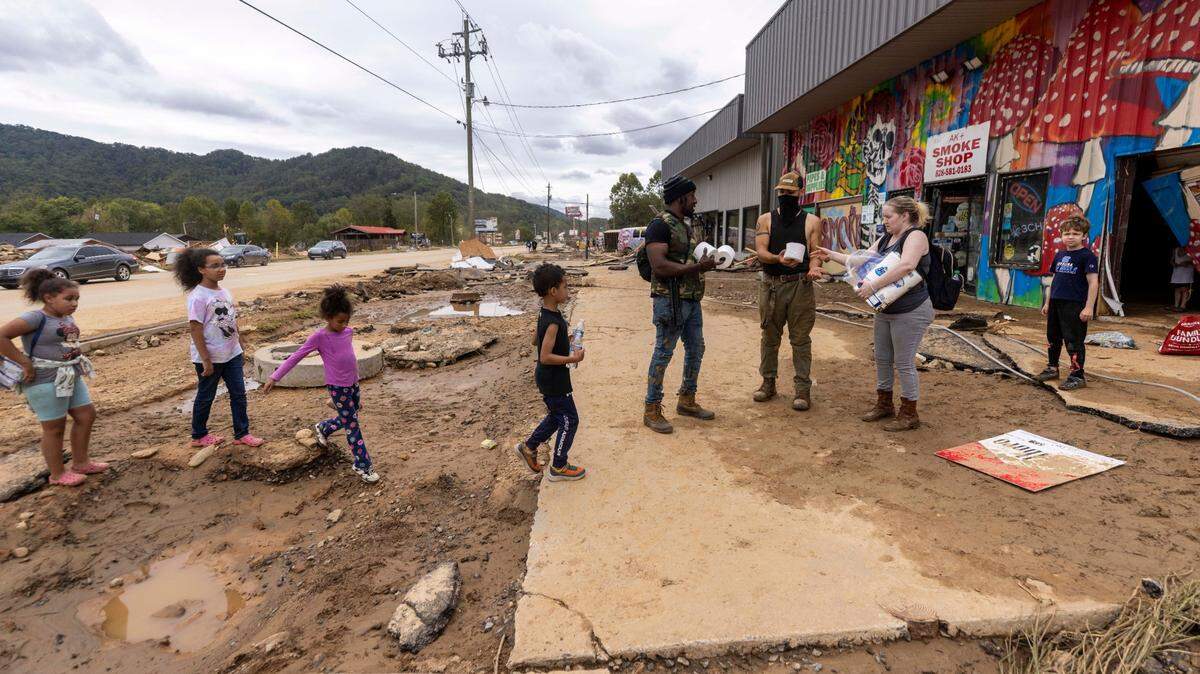
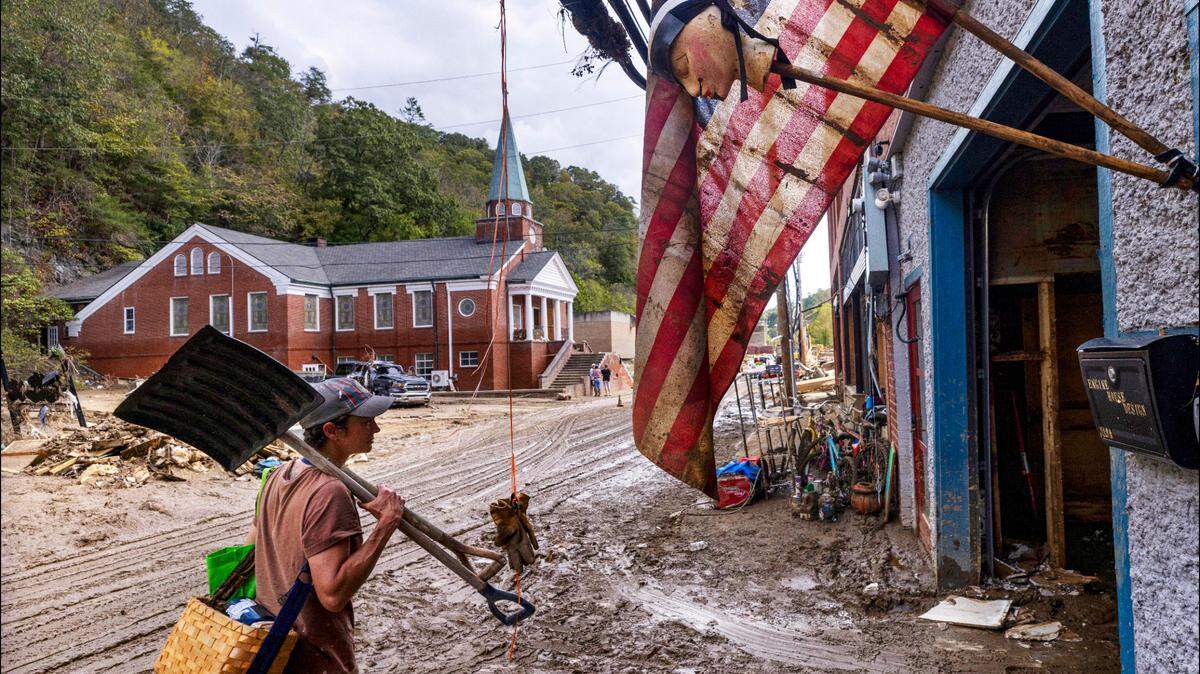
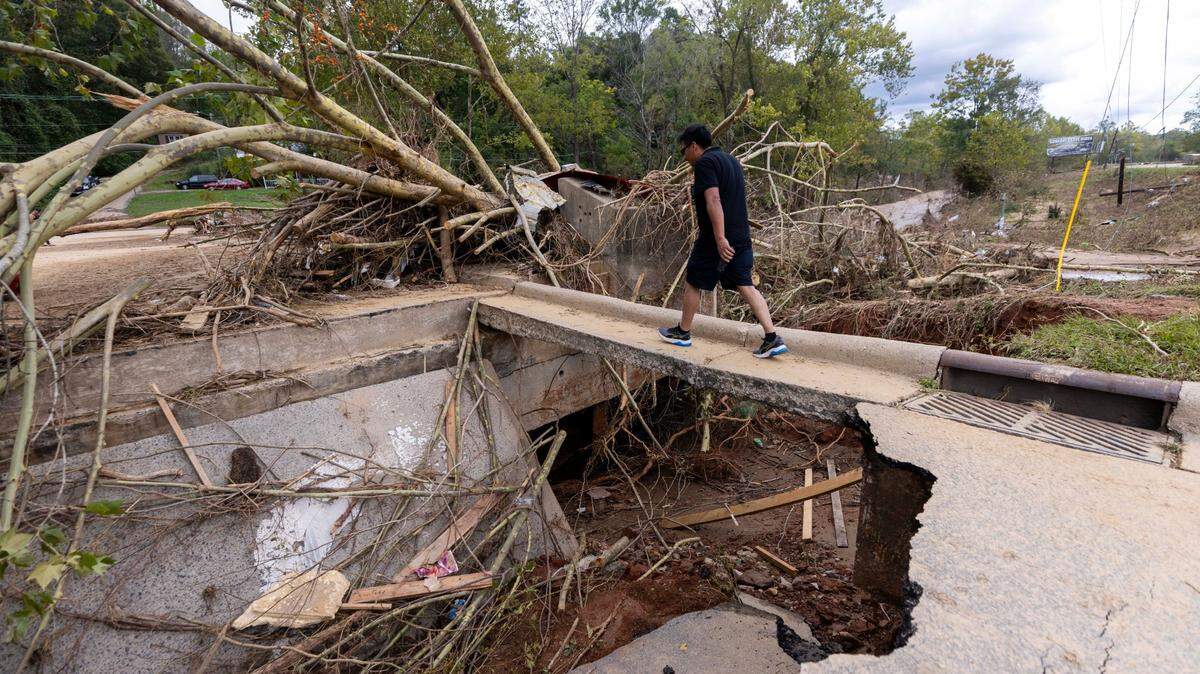
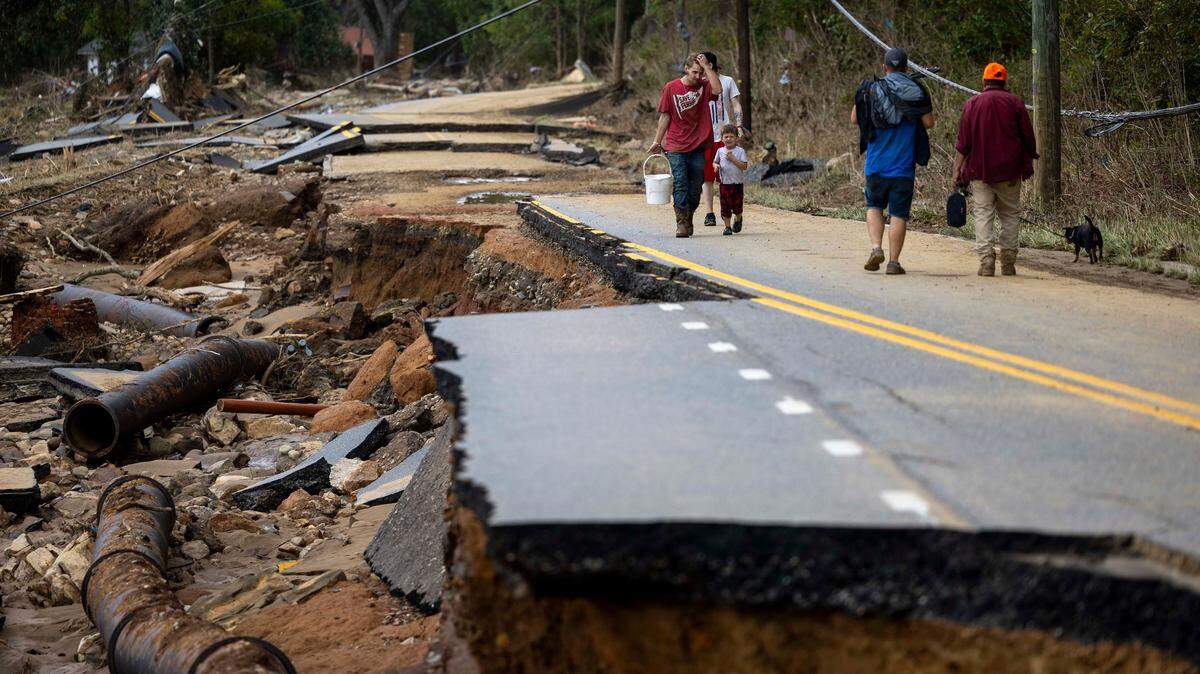
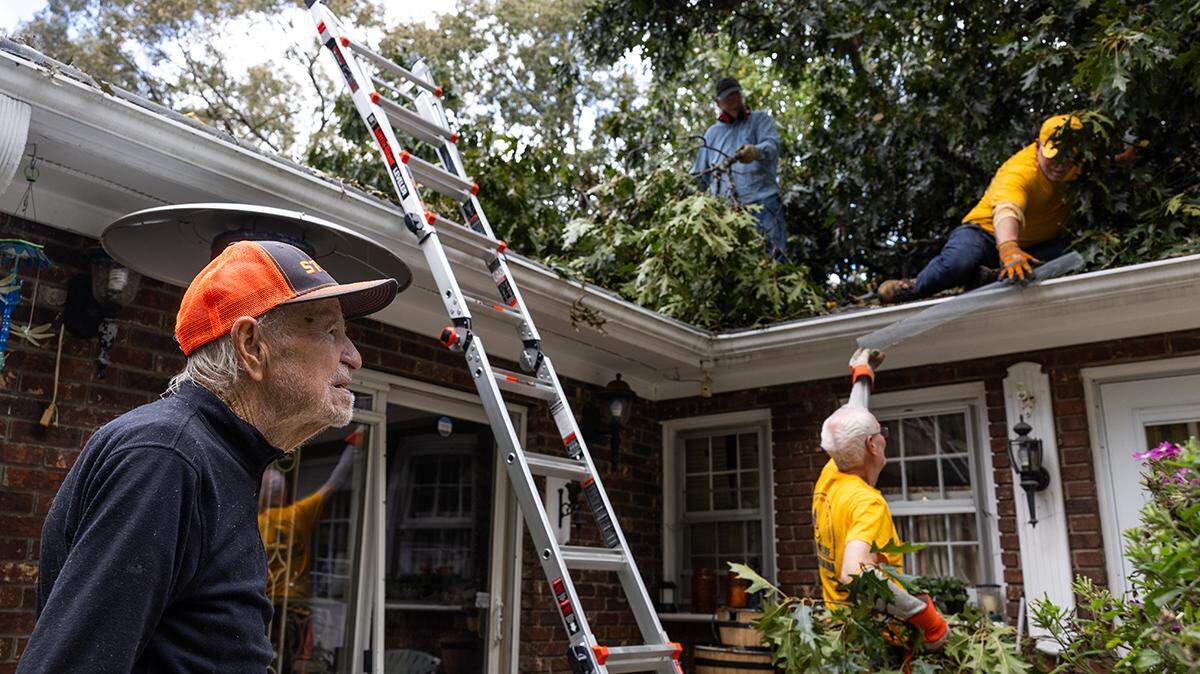
Hurricane Helene swept across the Southeast, causing major flooding and destruction throughout North Carolina. Here is ongoing coverage from The News & Observer and The Charlotte Observer about Hurricane Helene and the aftermath, particularly in Western North Carolina.
Expand All
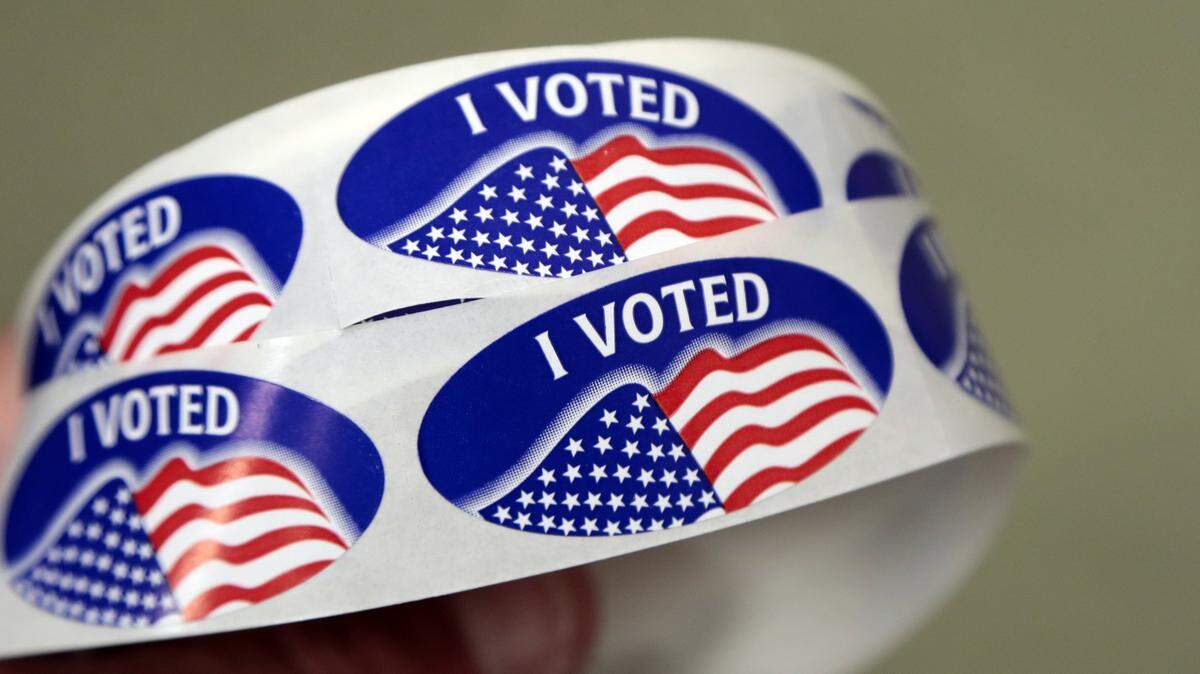
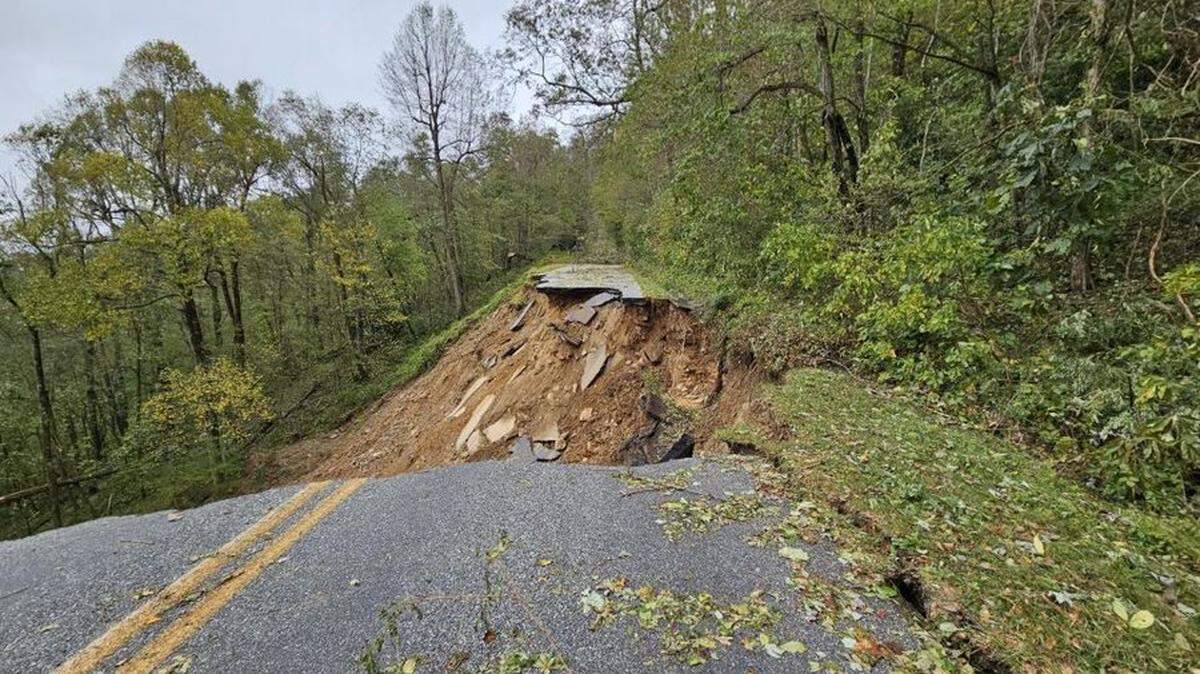
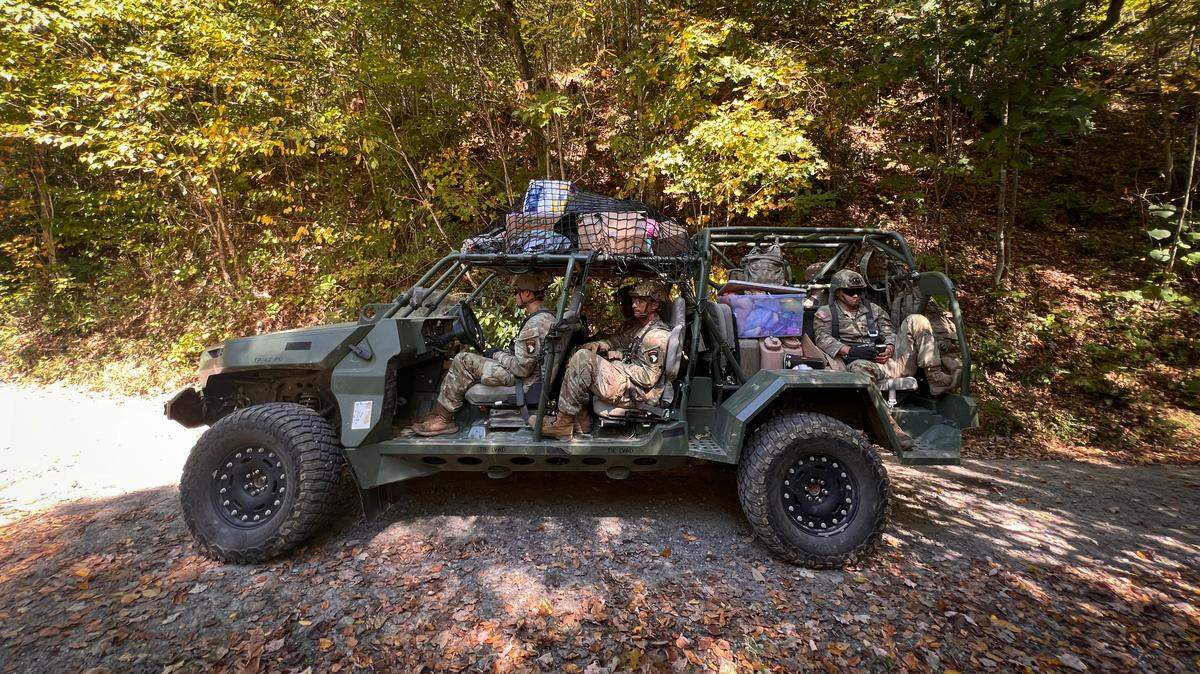
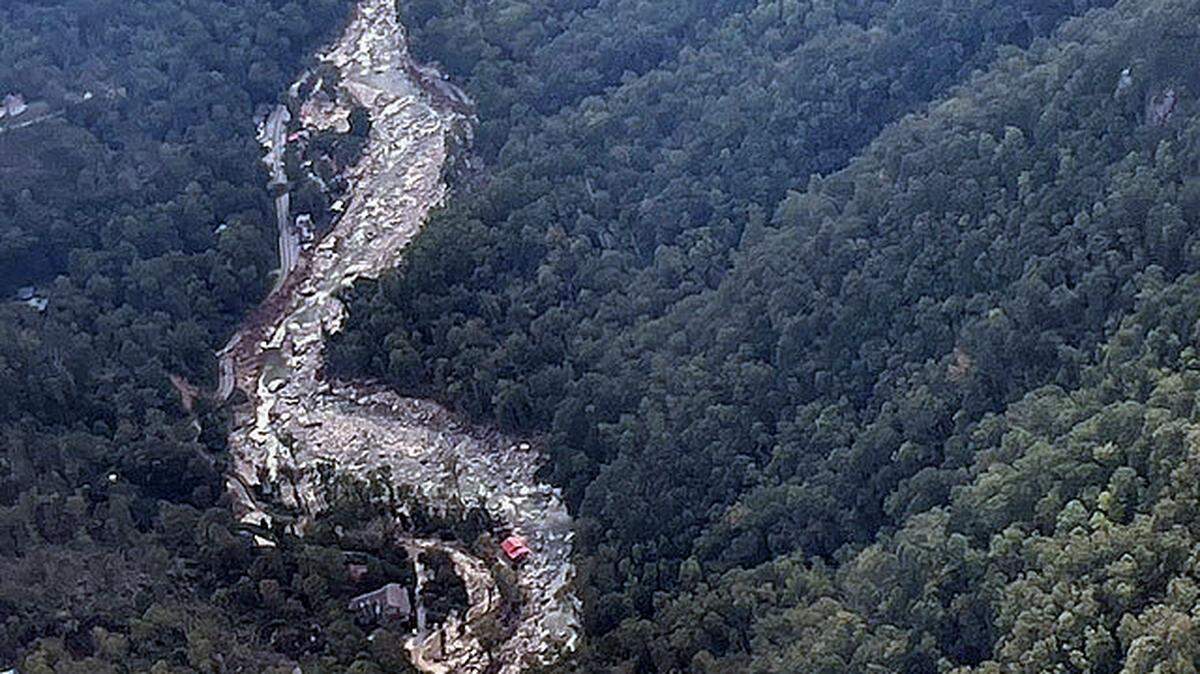
In the aftermath of Hurricane Helene’s destruction in Western North Carolina, concerns have emerged about whether residents affected by the storm will be able to cast their ballots in the November election.
Disruptions to the postal service, destruction of polling places, missing or damaged IDs and more could all pose challenges to voters with only 36 days left until the election.
“This is all a cascading series of disasters,” Gerry Cohen, a member of the Wake County Board of Elections, said.
Disruptions to postal service
On Sunday, the U.S. Postal Service announced it had temporarily suspended services in much of Western North Carolina, including any areas with ZIP codes starting with 286, 287, 288 and 289.
It also listed 39 post offices whose operations would be suspended until conditions are safe.
These closures could present challenges to voters in Western North Carolina seeking to vote by mail.
So far, nearly 250,000 North Carolinians have requested an absentee ballot for this year’s election. Nearly 10,000 requests have come in from Buncombe County, which was severely impacted by Helene.
Corinne Duncan, Buncombe County’s election director, said the county’s main focus now is life, safety and basic needs.
“Personal safety of election services staff is currently our top priority,” Duncan said in an email. “We are working to account for all staff and board members. Some are stranded due to road blockage.”
She added, however, that the post office is running and election staff were able to drop 200 ballots in the mail on Monday.
Phone lines for several of the counties hit hardest by Helene were down on Monday as The News & Observer attempted to contact board of elections offices.
The absentee voting period has already been reduced this election.
While mail-in ballots were supposed to be sent to voters on Sept. 6, most were delayed another 18 days by a court order after third-party presidential candidate Robert F. Kennedy Jr. sued to get his name off the state’s ballot.
Most absentee ballots went in the mail just a few days before Helene hit Western North Carolina.
“I suspect if these things were in people’s mailboxes Thursday and Friday, a lot of these counties, you can see stuff just completely washed away,” Cohen said.
In addition to that, voters now have a shorter deadline to get their absentee ballots in. State lawmakers passed a bill last year that requires all mail-in ballots to be received by the county board of elections office by 7:30 p.m. on Election Day.
Previously, any ballots that came in within three days after the election would still be counted, so long as they were postmarked by Election Day.
Voters concerned about postal delays can deliver their absentee ballot in person at their county board of elections office. A voter who has requested an absentee ballot may also choose to vote in person instead, so long as they do not return the absentee ballot.
Polling places for early voting
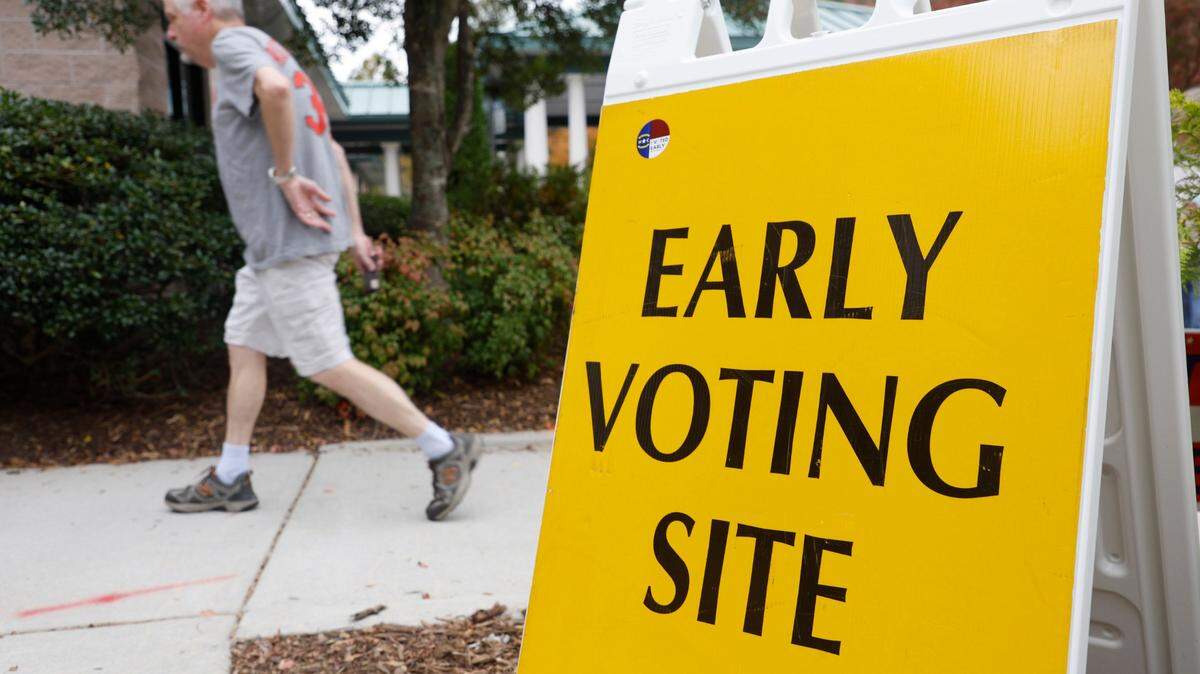
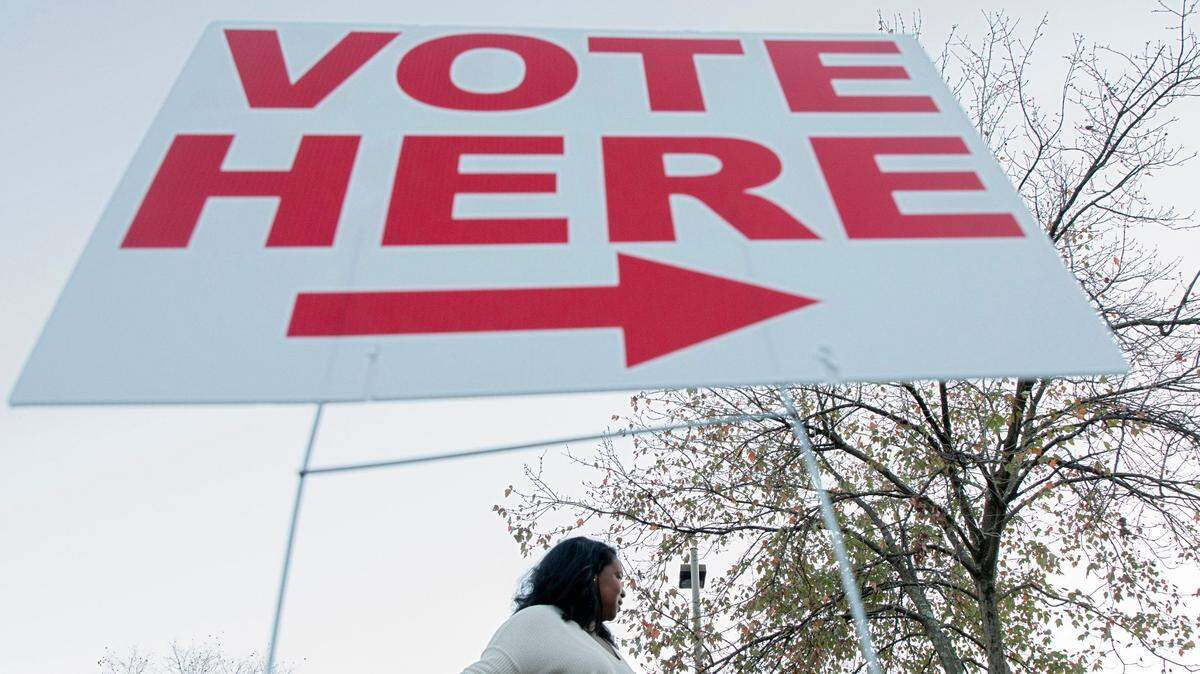
Flooding and destruction may make polling places unusable as election workers prepare to begin in-person early voting on Oct. 17.
Duncan said that Buncombe County has not yet completed site assessments at polling locations. The facilities where election staff work, however, were not damaged but are currently without access to water.
Changes to a county’s early voting plans can still be made, but state law sets out certain limitations.
Previously, the executive director of the State Board of Elections could exercise emergency powers to respond to the impact natural disasters might have on elections.
Last year, however, state lawmakers stripped the director of that power and instead gave it to the State Board of Elections itself. That board is currently comprised of three Democrats and two Republicans, who would have to use these emergency powers in an open meeting.
There also isn’t much time left to make changes to early voting sites.
State law requires all early voting sites within a county to be open for the same number of days. That would appear to make any changes to polling sites difficult after Oct. 17.
Having usable polling sites isn’t the only concern for counties conducting early voting. With many residents displaced by Helene, counties may have difficulty staffing polling sites.
“It’s gonna have a likely enormous impact if all these polling places have been washed away and early voting sites are not available and poll workers are not available,” Cohen said. “So I don’t know what the solution is, but there’s not much time to figure it out.”
Voter ID
For the first time in North Carolina’s history, voters will have to present photo identification to vote in a presidential general election.
However, state law provides an exception to this requirement for voters affected by natural disasters.
Anyone affected by Helene can fill out an affidavit, either in-person at a polling place or via absentee ballot, saying that they have been a victim of a natural disaster and are unable to produce their ID.
They will then cast a provisional ballot, which will be reviewed by the county board of elections before being accepted.
What can be done to help?
Counties could face heavy financial burdens as they attempt to recover polling places, fix damaged equipment and prepare for voting after Helene.
This also comes after counties were forced to foot the bill to reprint millions of ballots following the state Supreme Court’s decision in Kennedy’s lawsuit allowing him to withdraw his candidacy.
Cohen said the legislature, which will be back in session next week, should reimburse counties for those costs.
A law passed last year prohibits the use of any private donations for election administration.
Counties are also still accepting volunteers to work the polls during early voting and Election Day.
State grants flexibility to election workers facing closures, power outages
In an emergency meeting on Monday, the State Board of Elections voted to give local election workers greater flexibility in processing absentee ballots in the coming weeks, as western counties reel from Helene’s impacts.
Executive Director Karen Brinson Bell said 14 of the 22 western counties contacted by the board reported that their elections offices are currently closed and could be for several more days.
“Our hearts really do go out to these people that we consider elections family,” she said. “... At this time, many of them still don’t have contact with family members. They’re facing damages, some total losses at their own personal properties, and so we are trying to be as responsive as we can to what their needs are.”
County election boards are typically required to meet every Tuesday to receive and process absentee ballots, but the state board’s resolution will allow them to reschedule those meetings.
Brinson Bell also said the state is currently in the process of creating a webpage to answer questions about the hurricane’s impact on elections.
This story was originally published September 30, 2024 at 2:04 PM.




.jpg)


.jpeg)
.JPG)









.JPG)