Cooper describes ‘all-hands-on-deck’ Helene response in NC, blasts disinformation
READ MORE
Hurricane Helene Aftermath
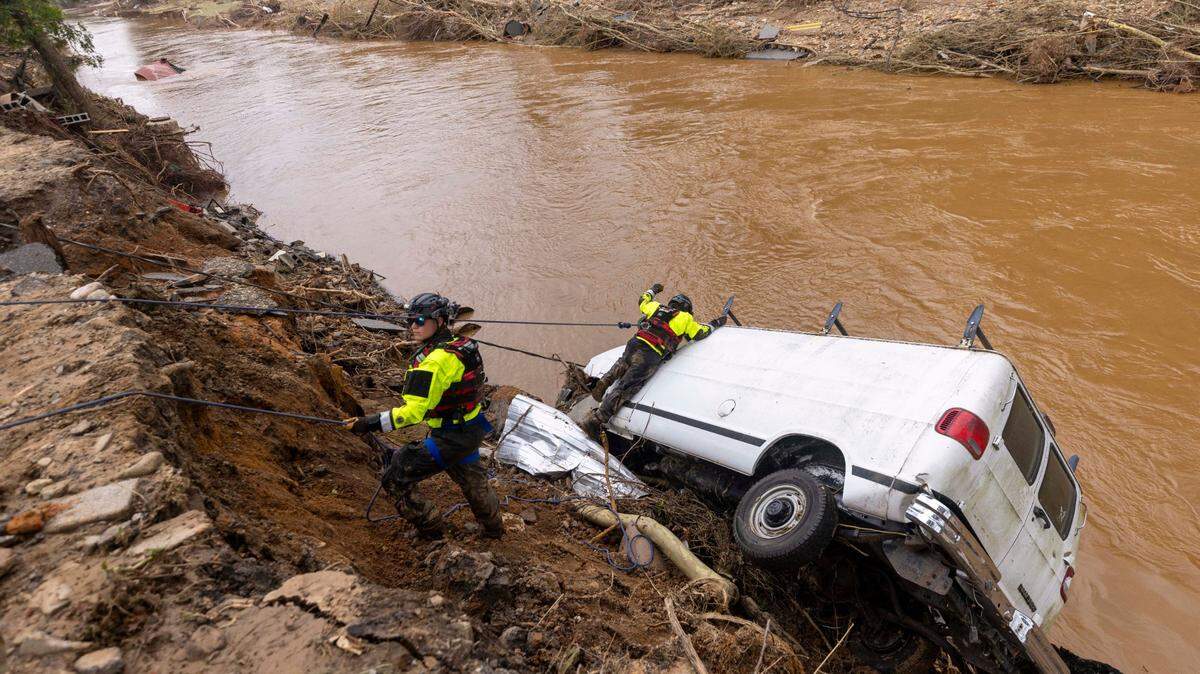
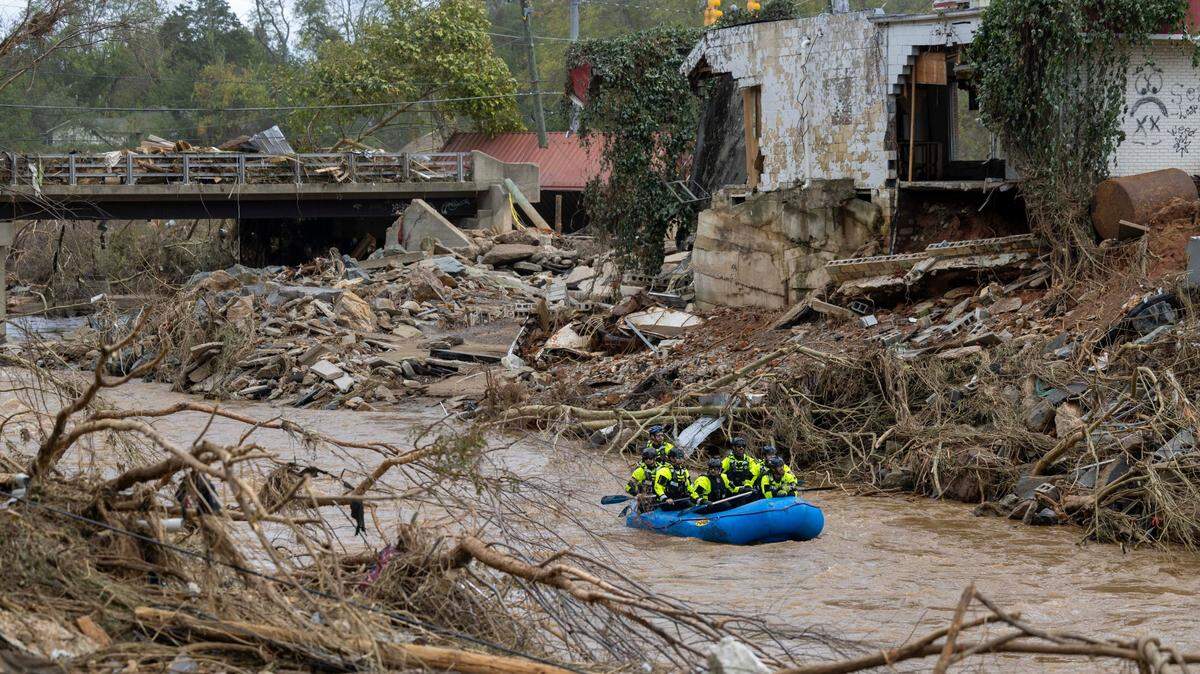
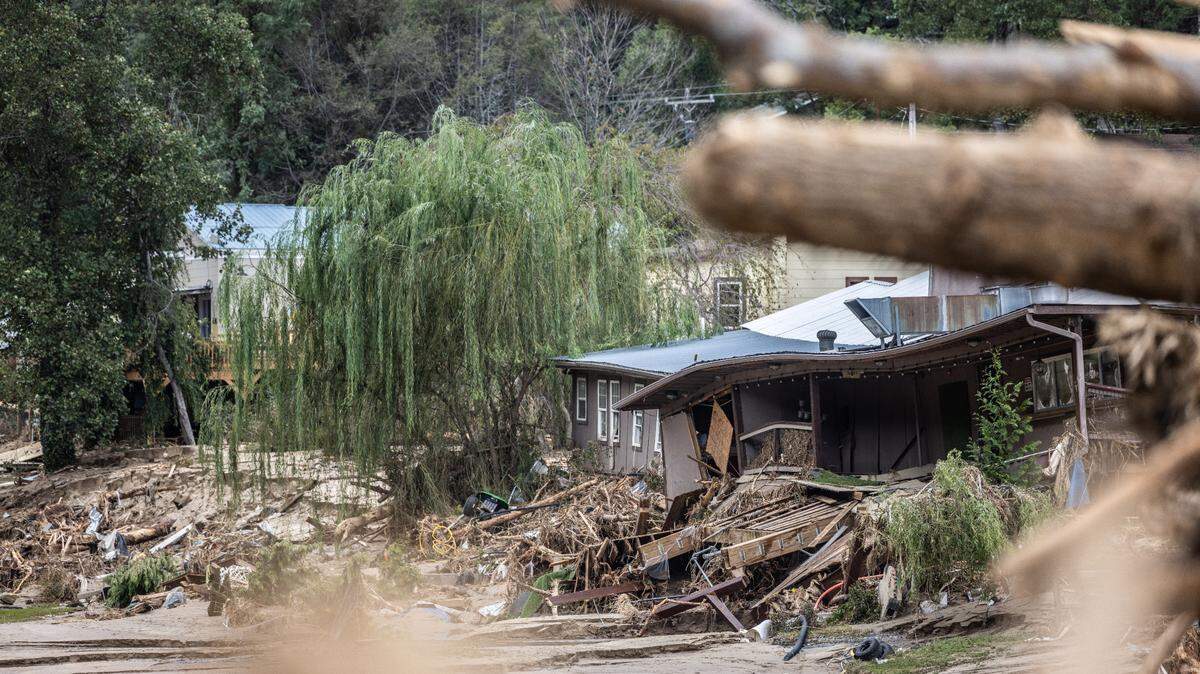
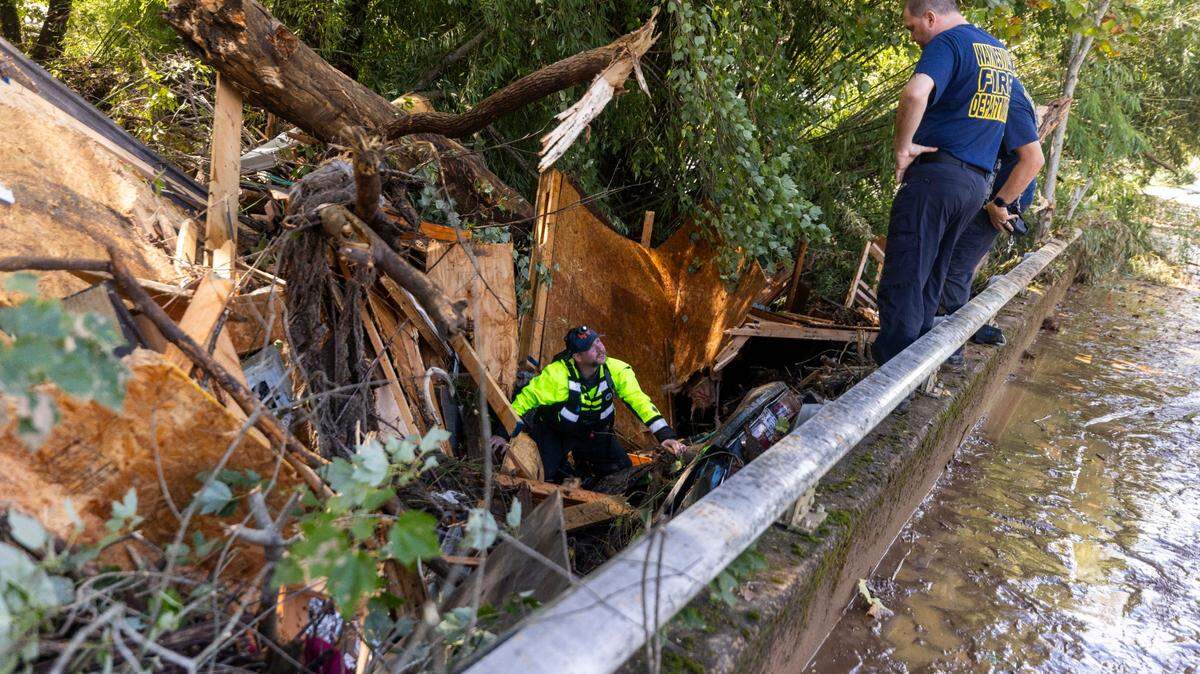
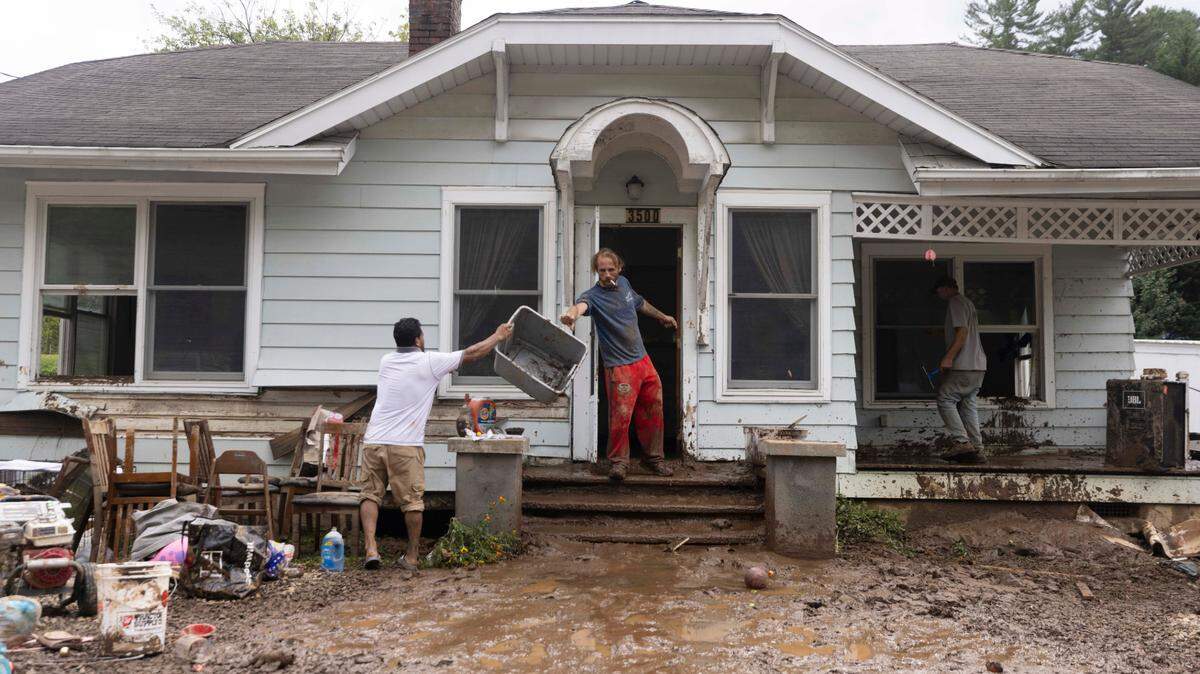
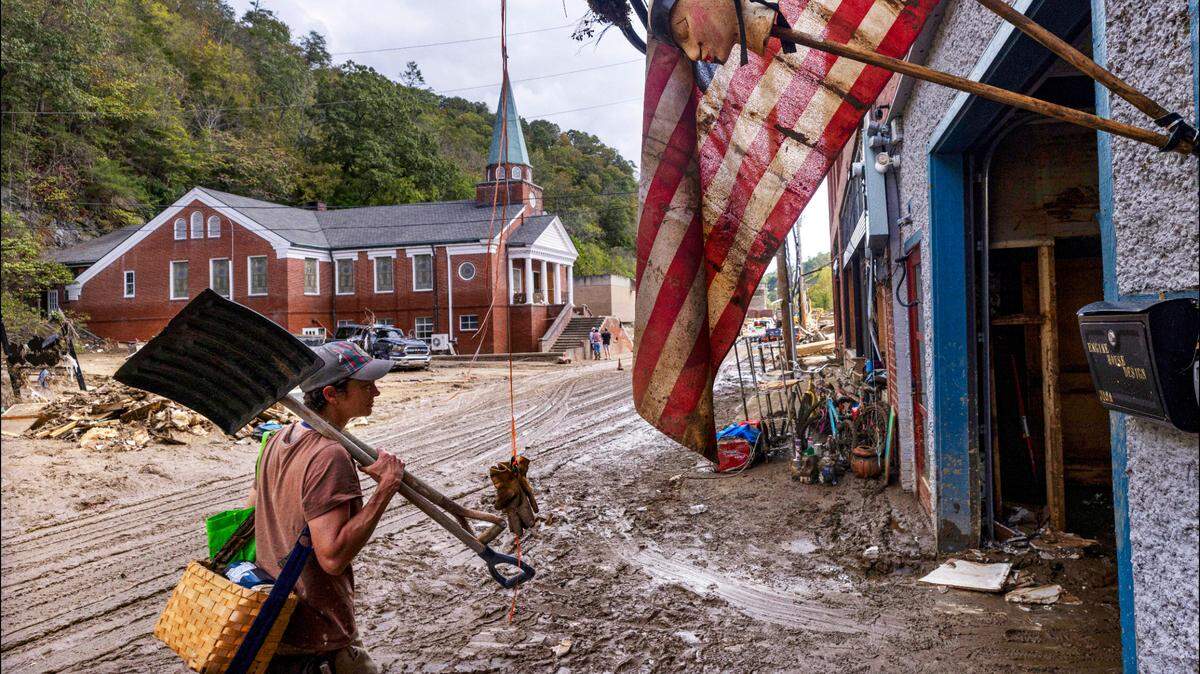
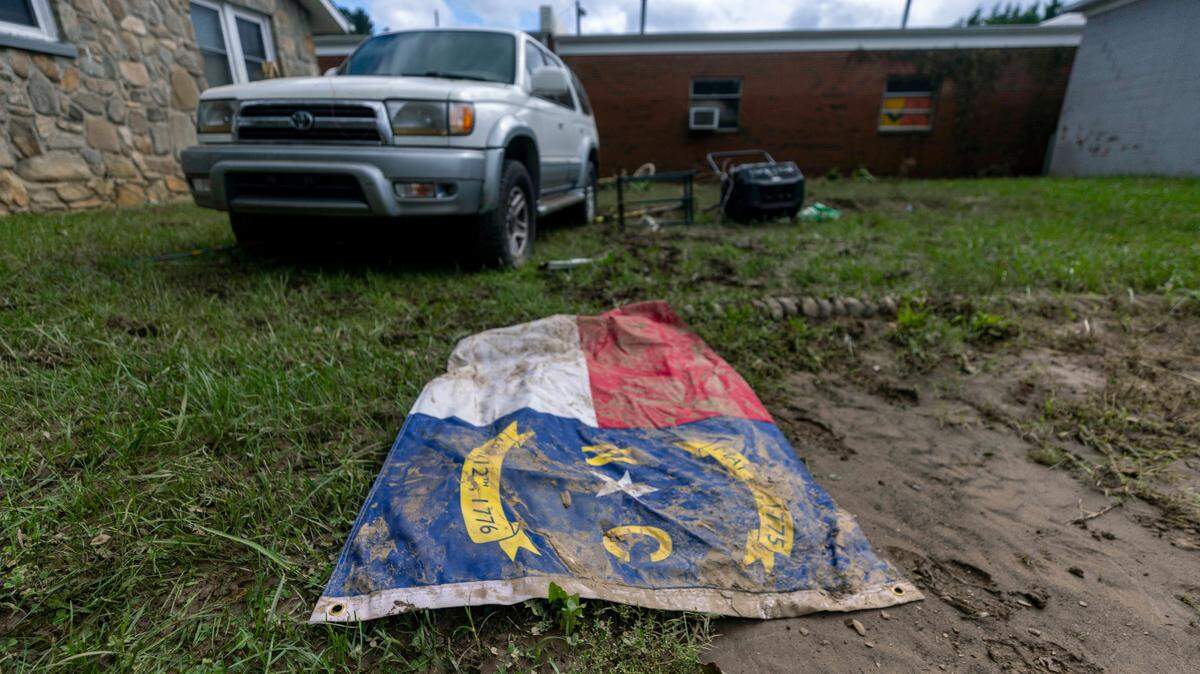
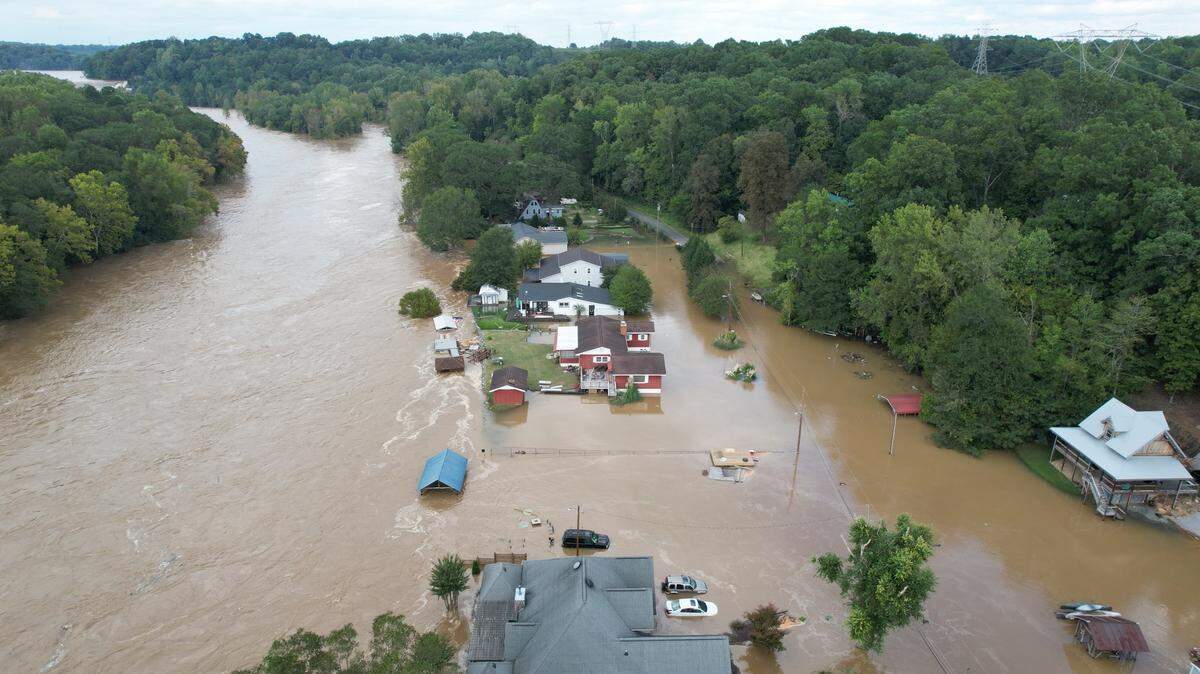
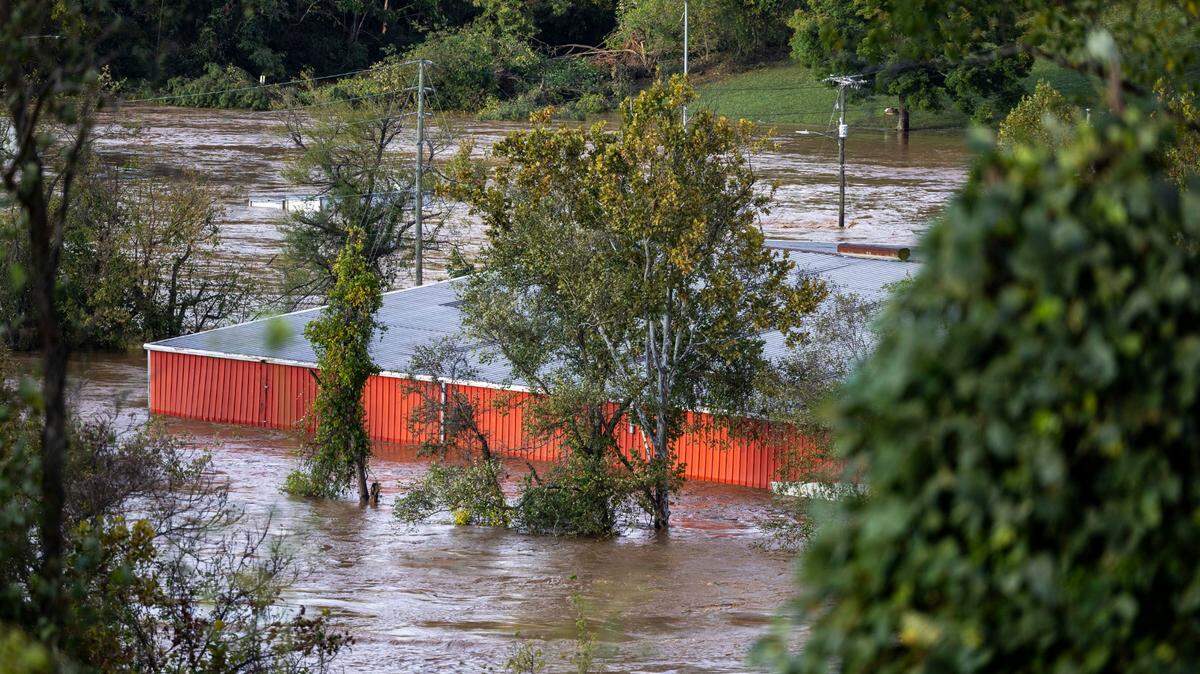
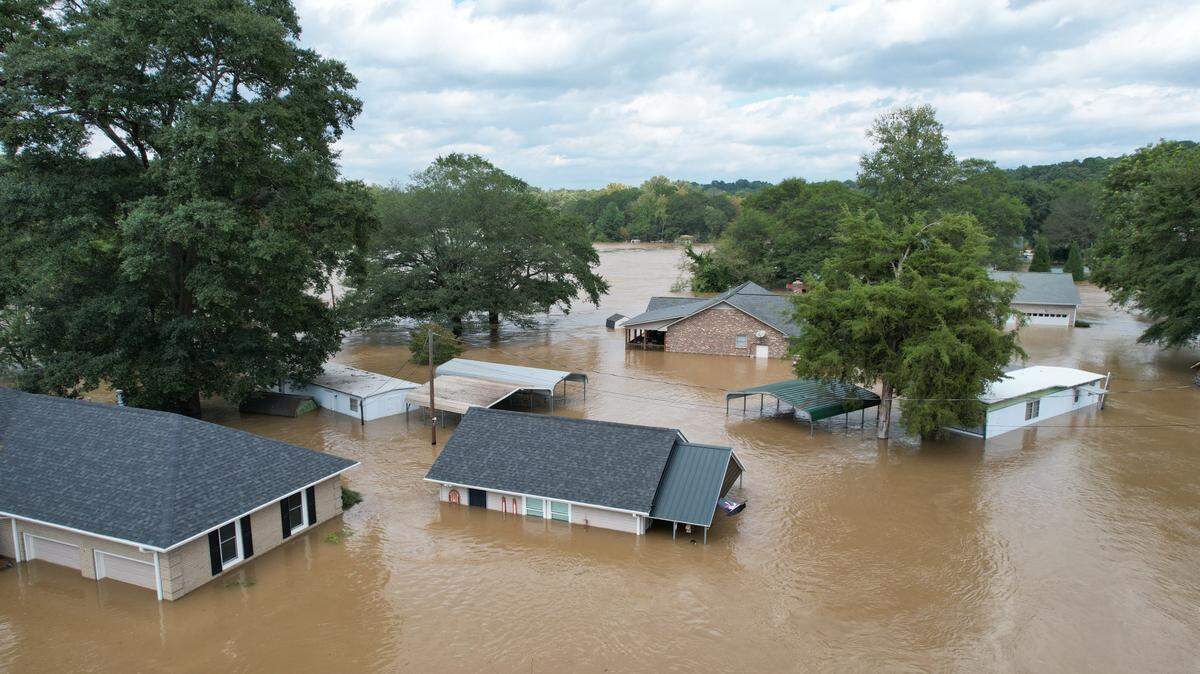
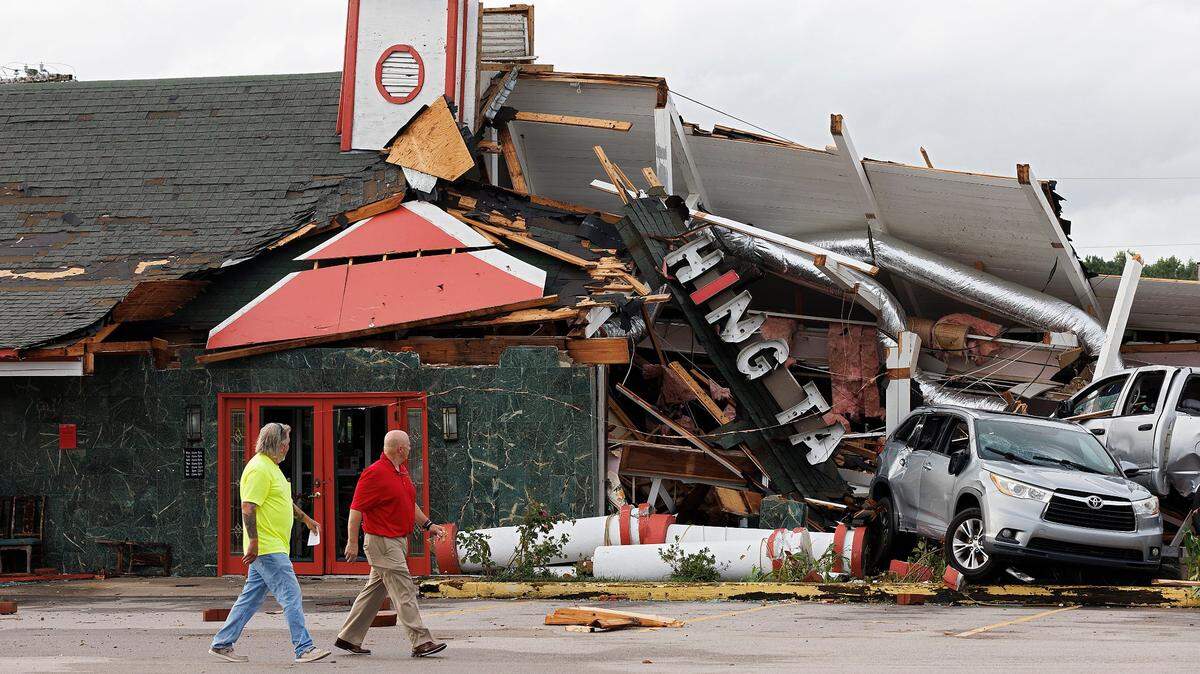
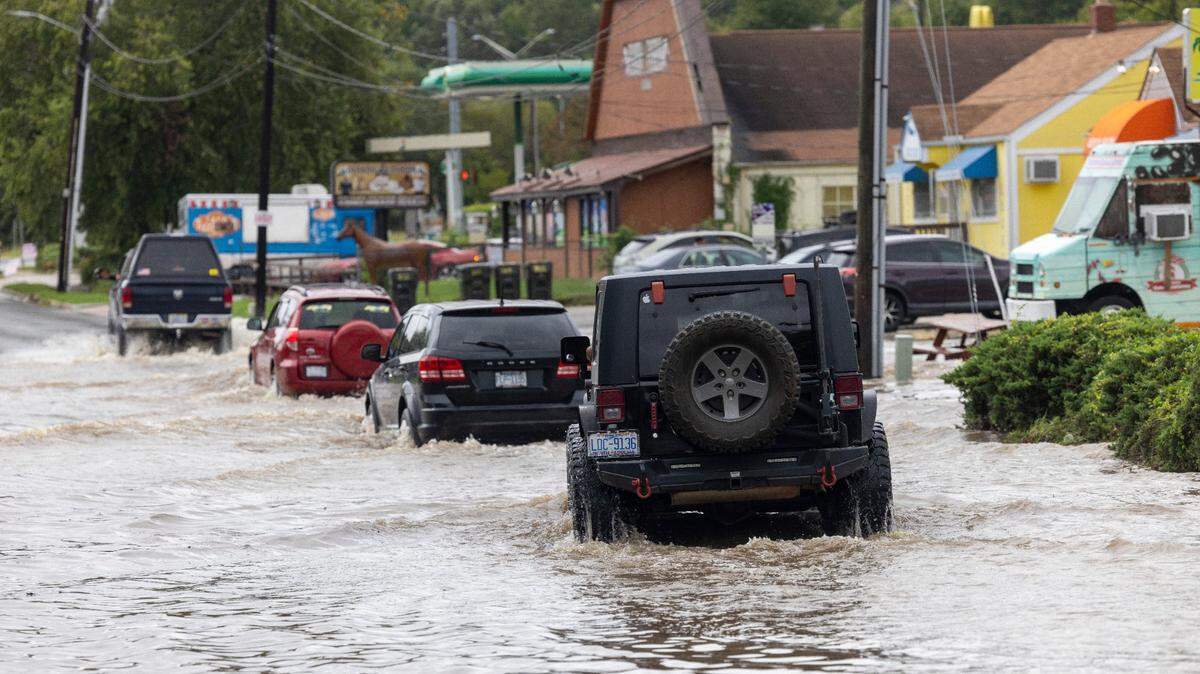
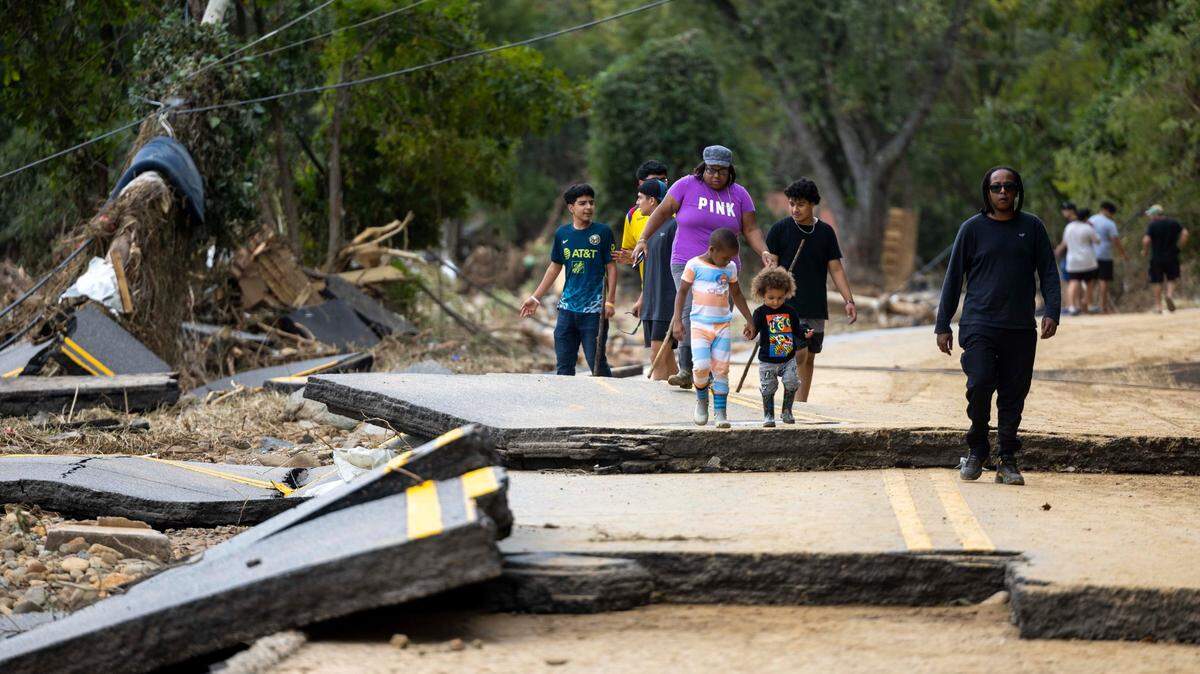
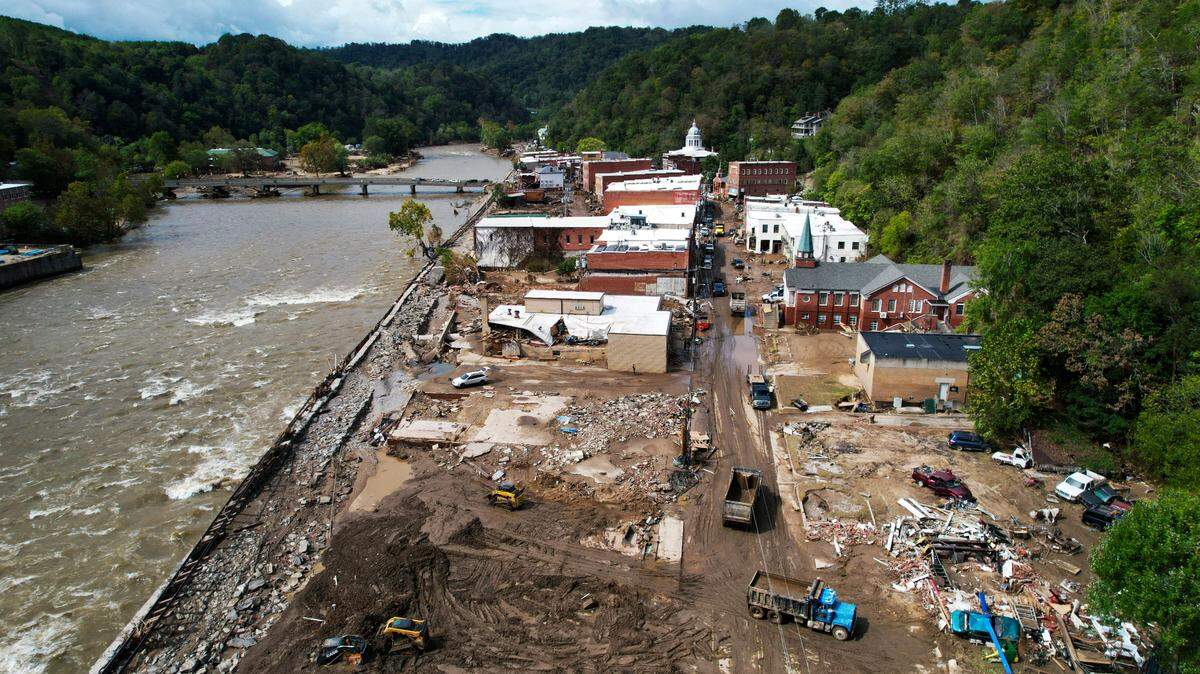
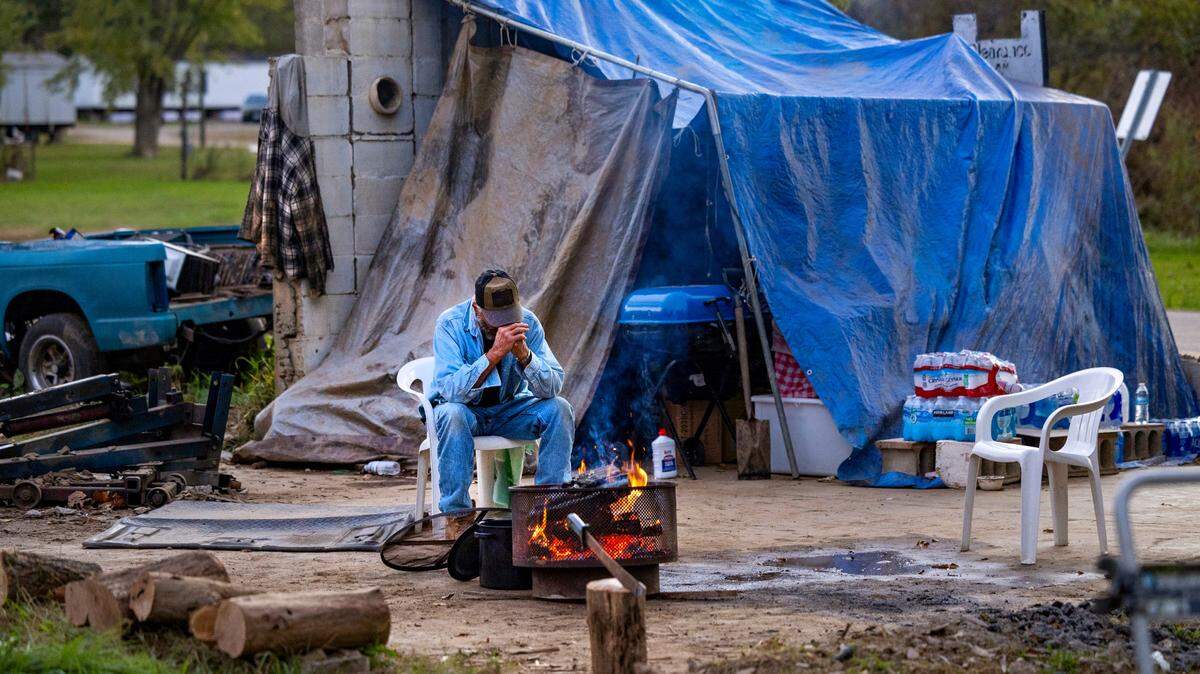
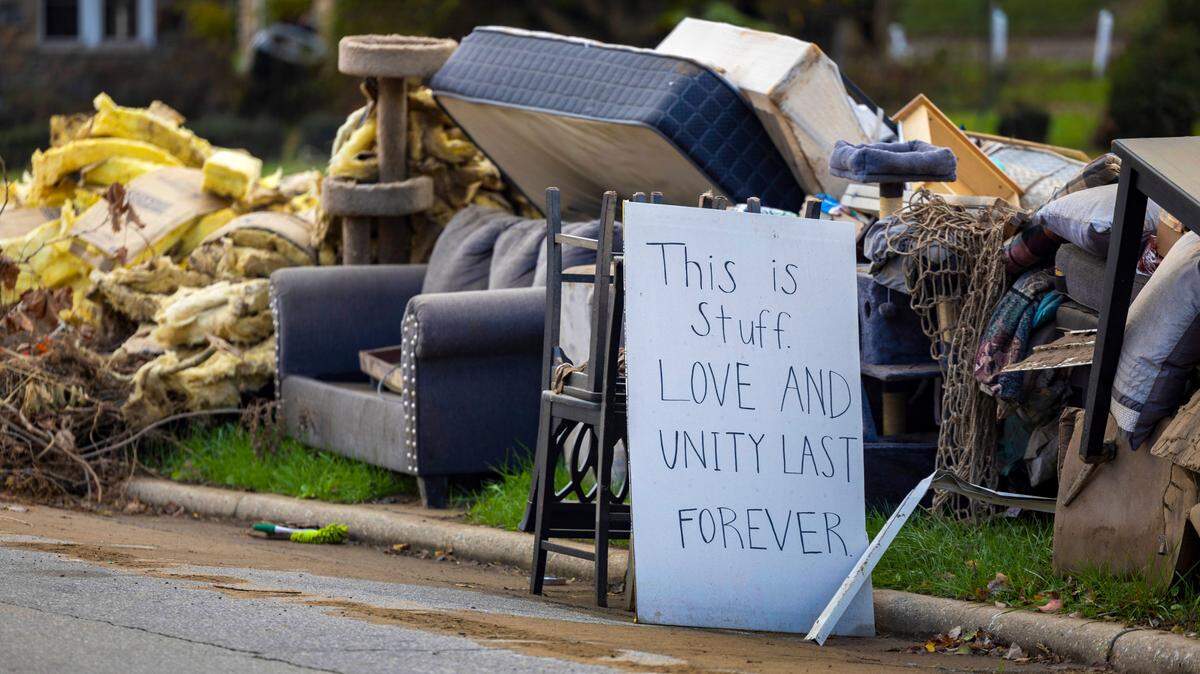
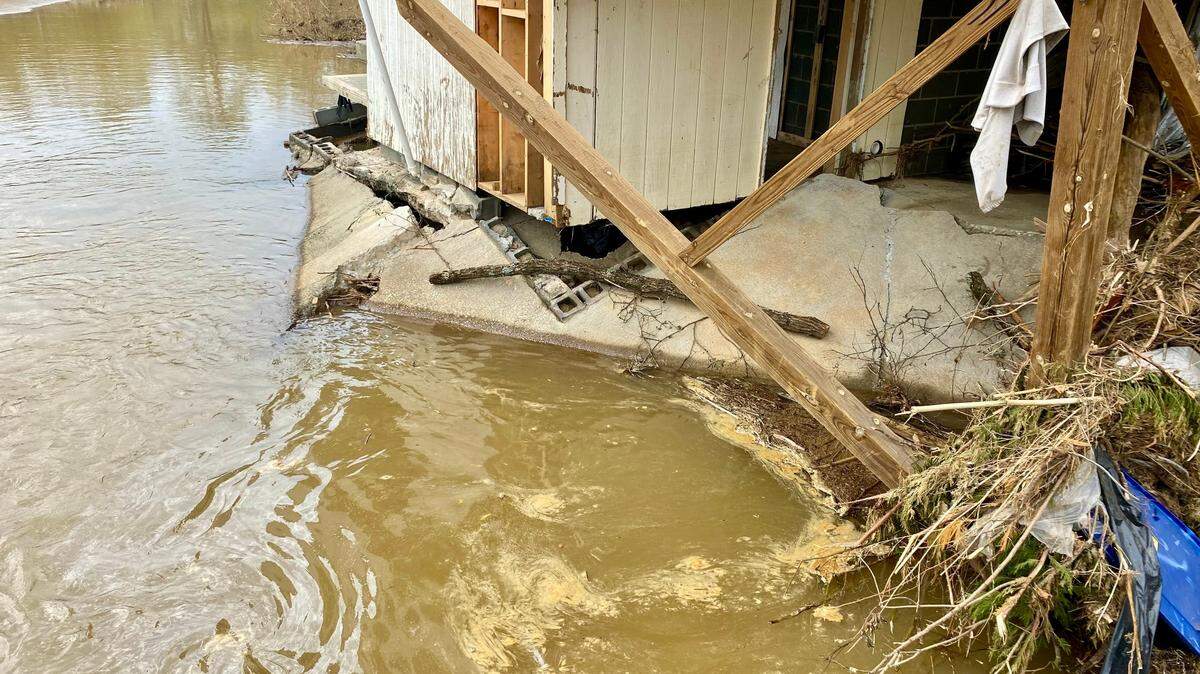
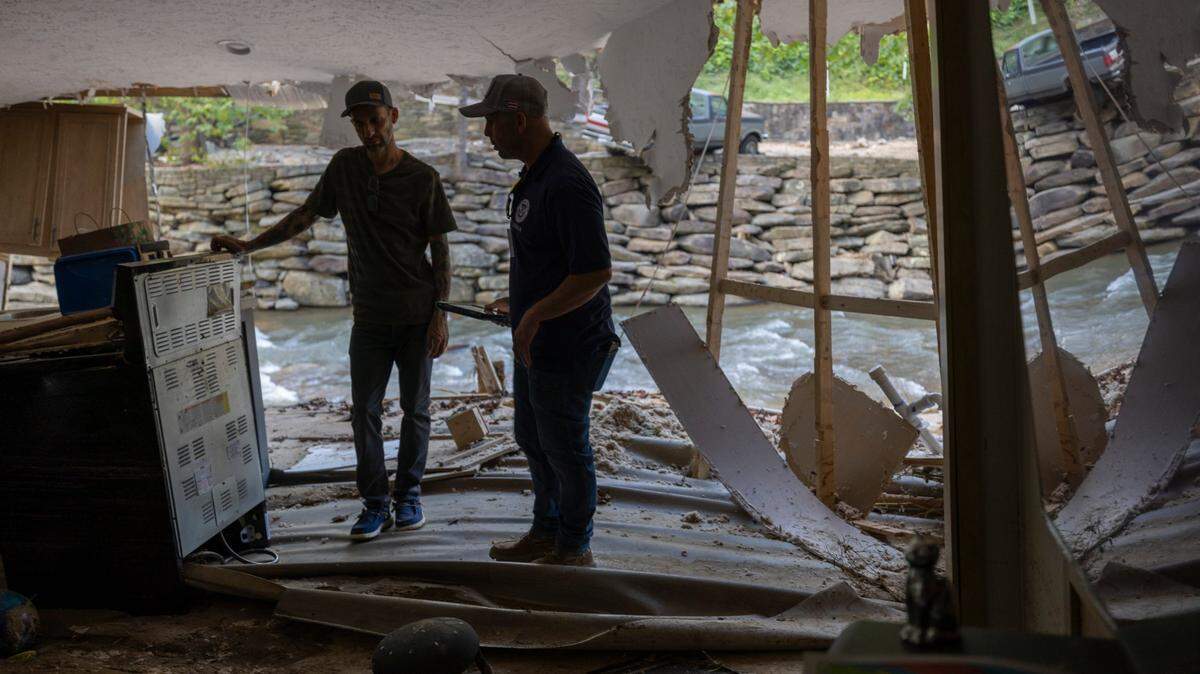
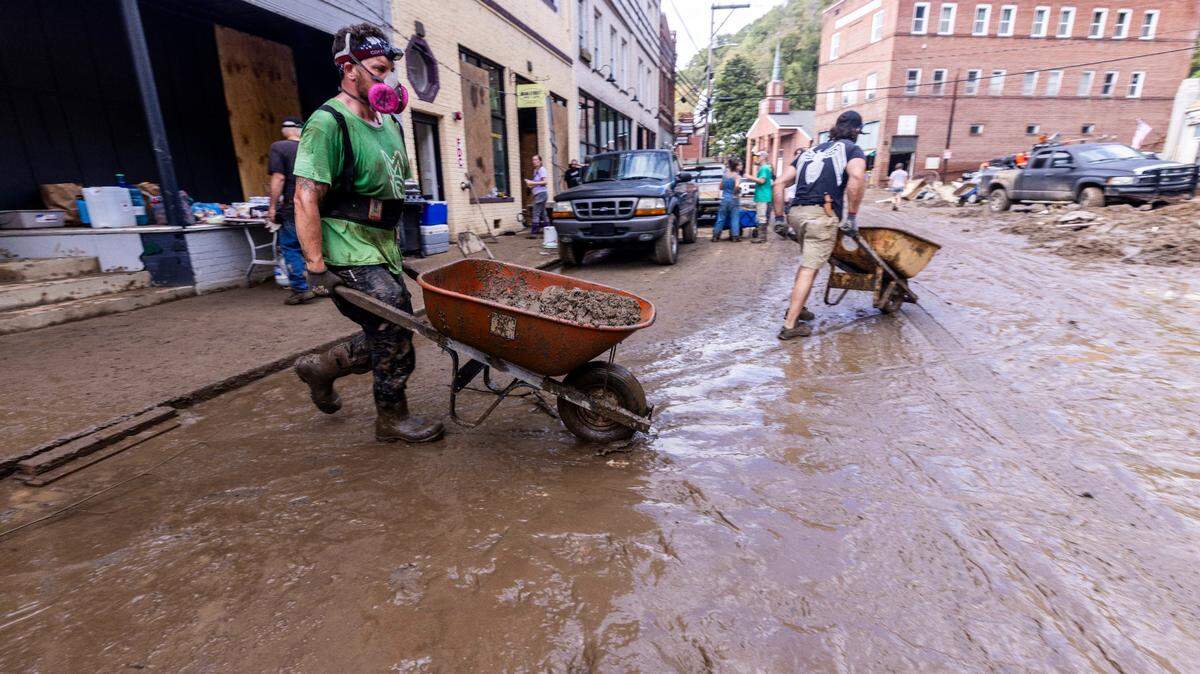
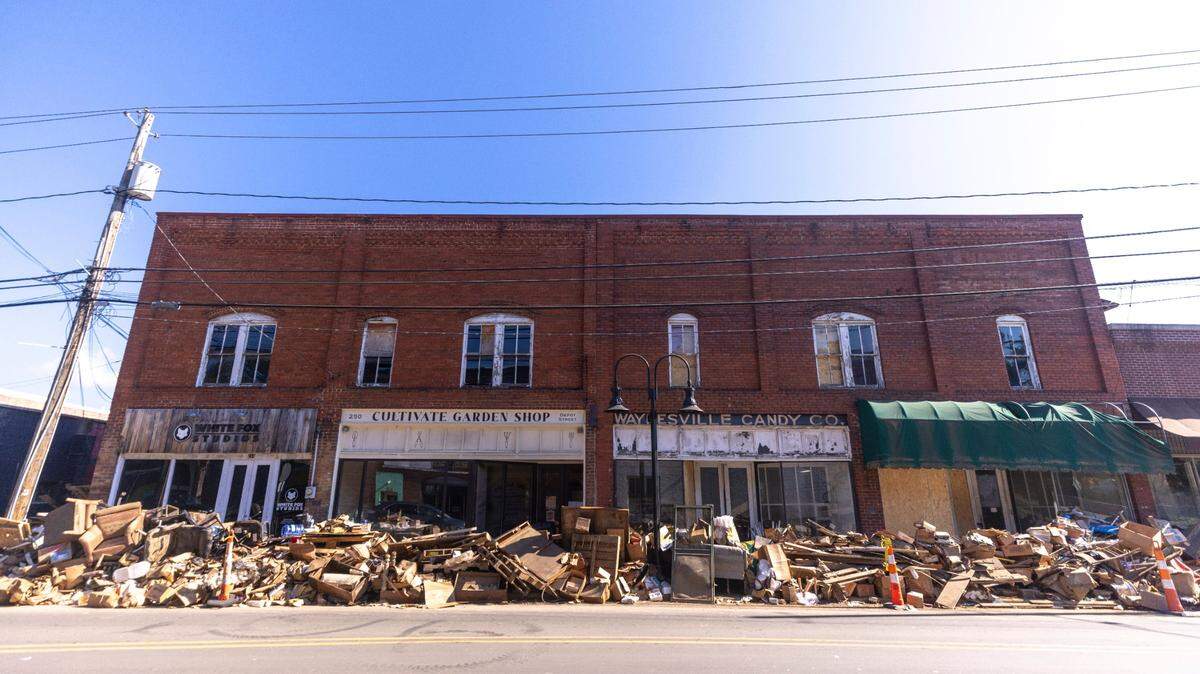
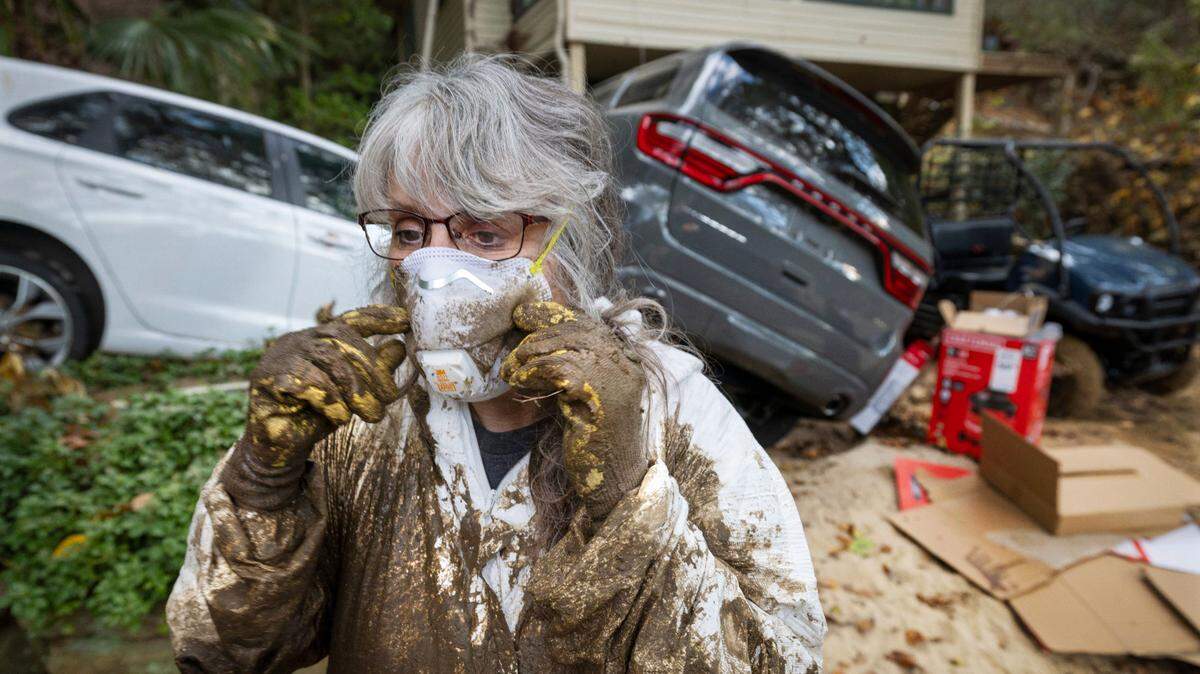
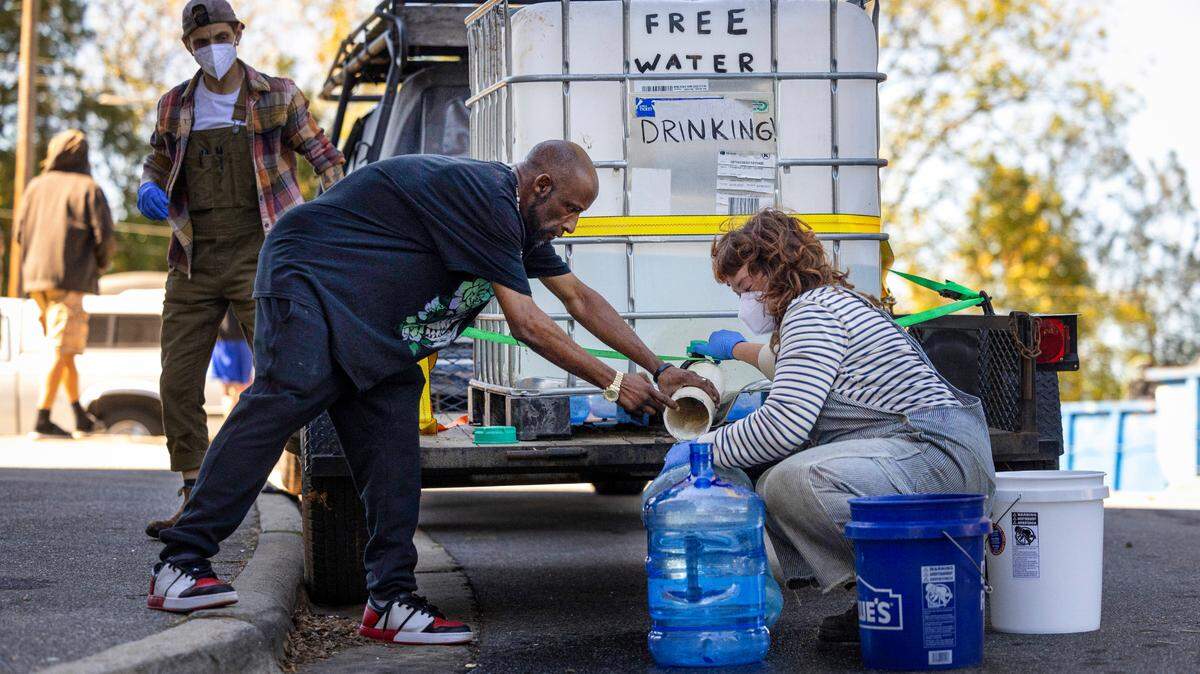
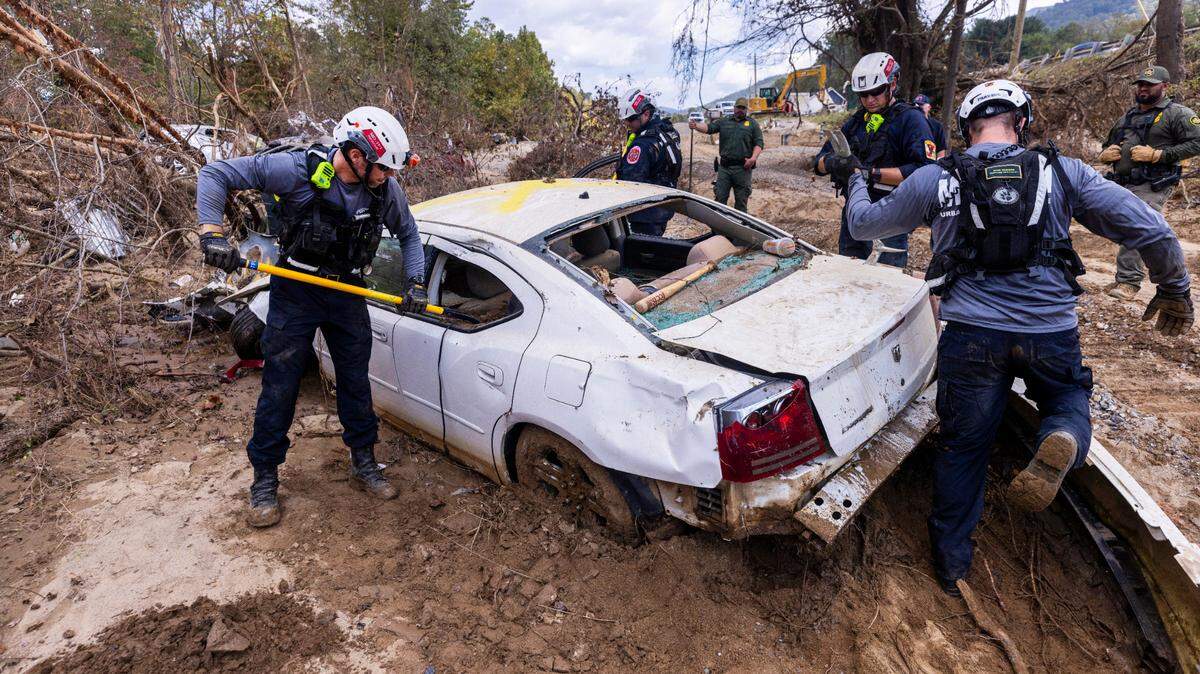
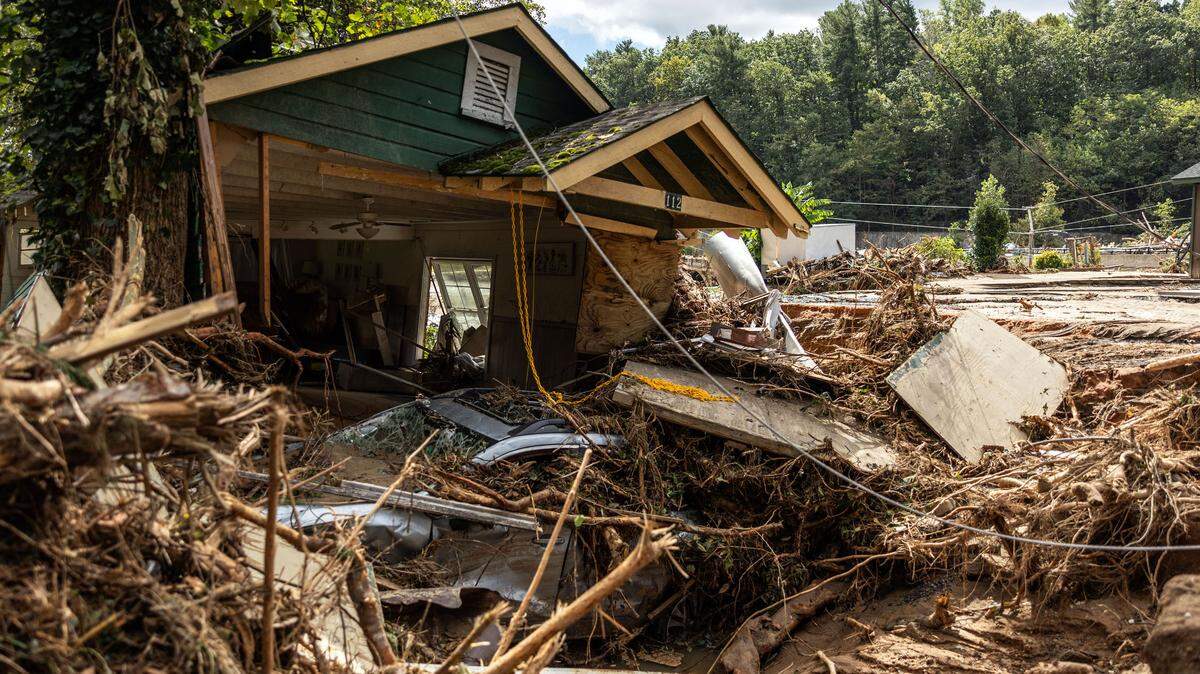
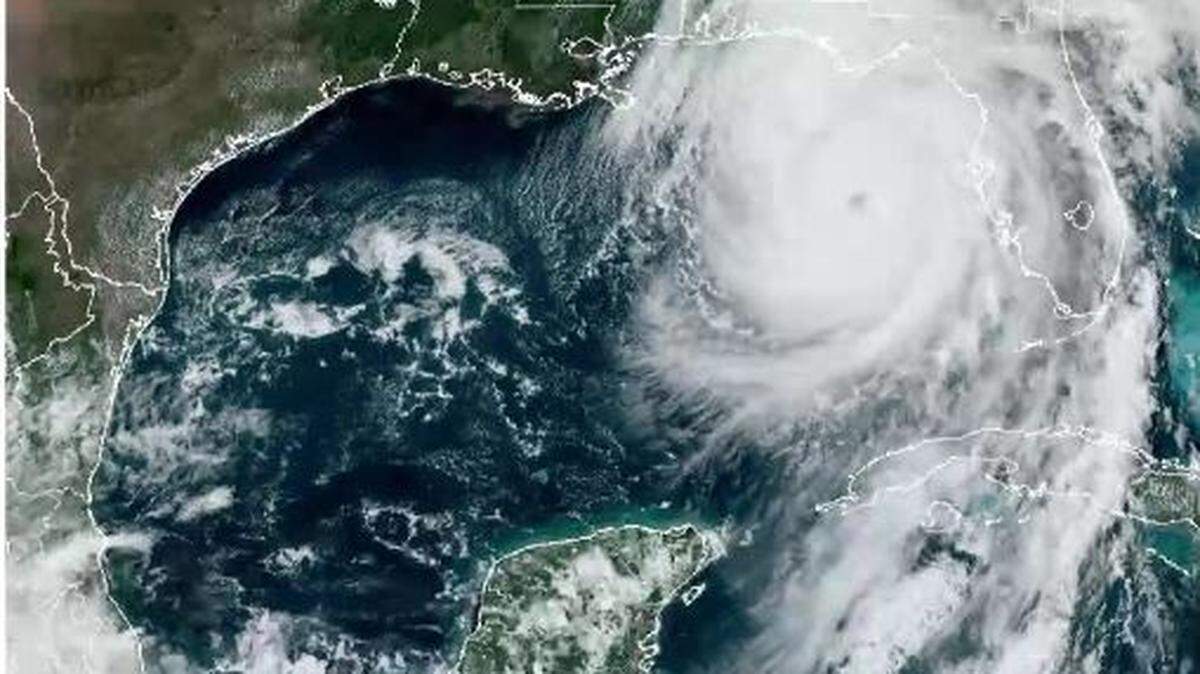
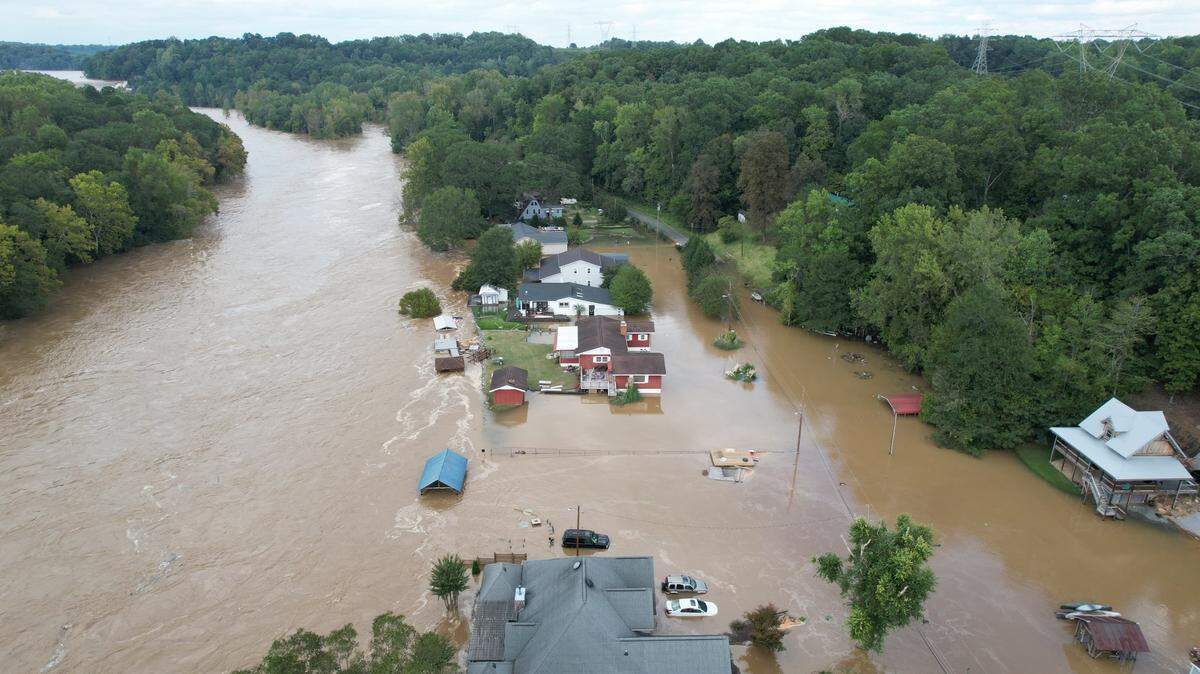
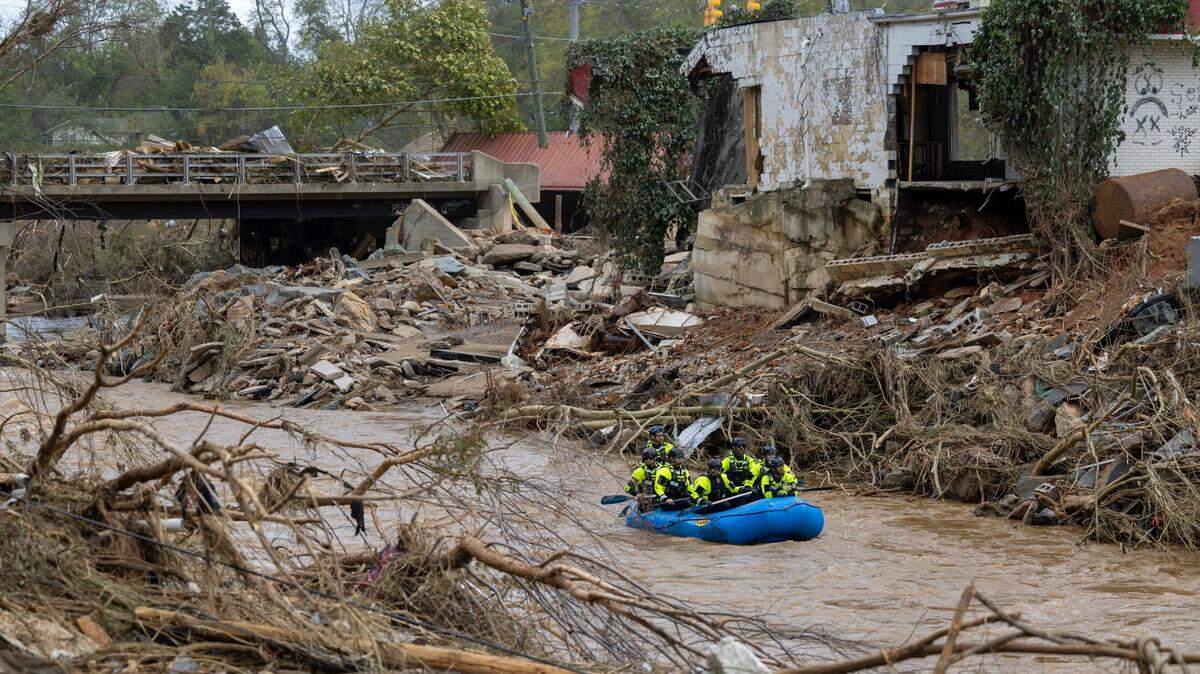
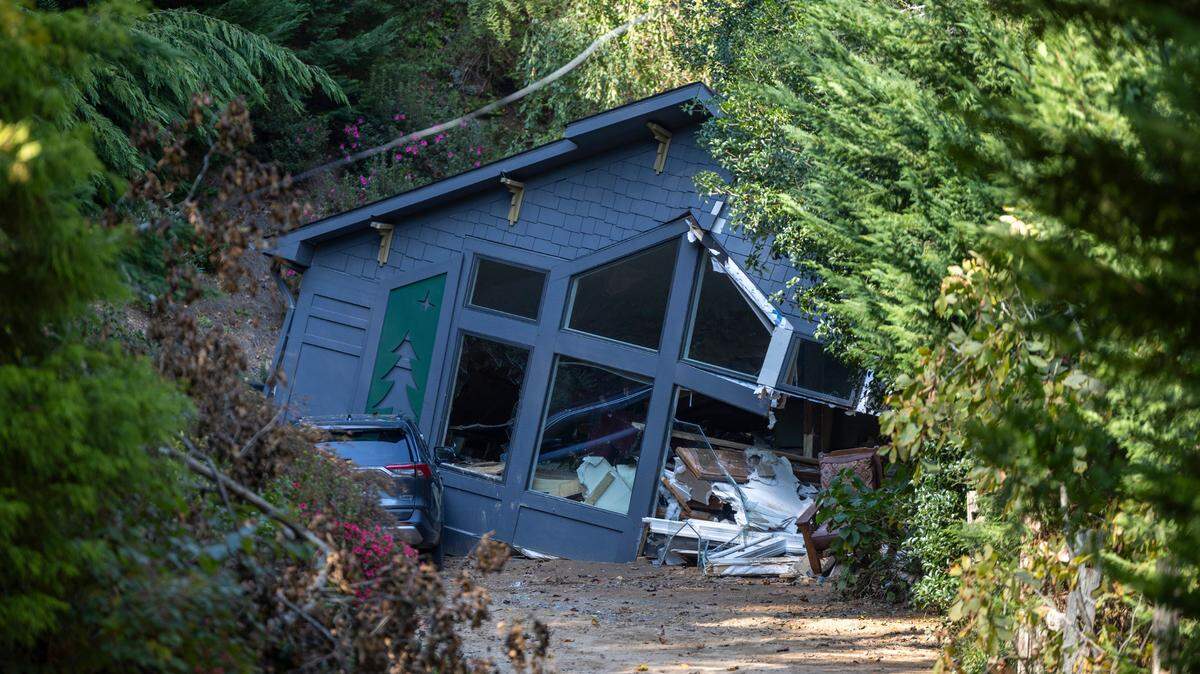
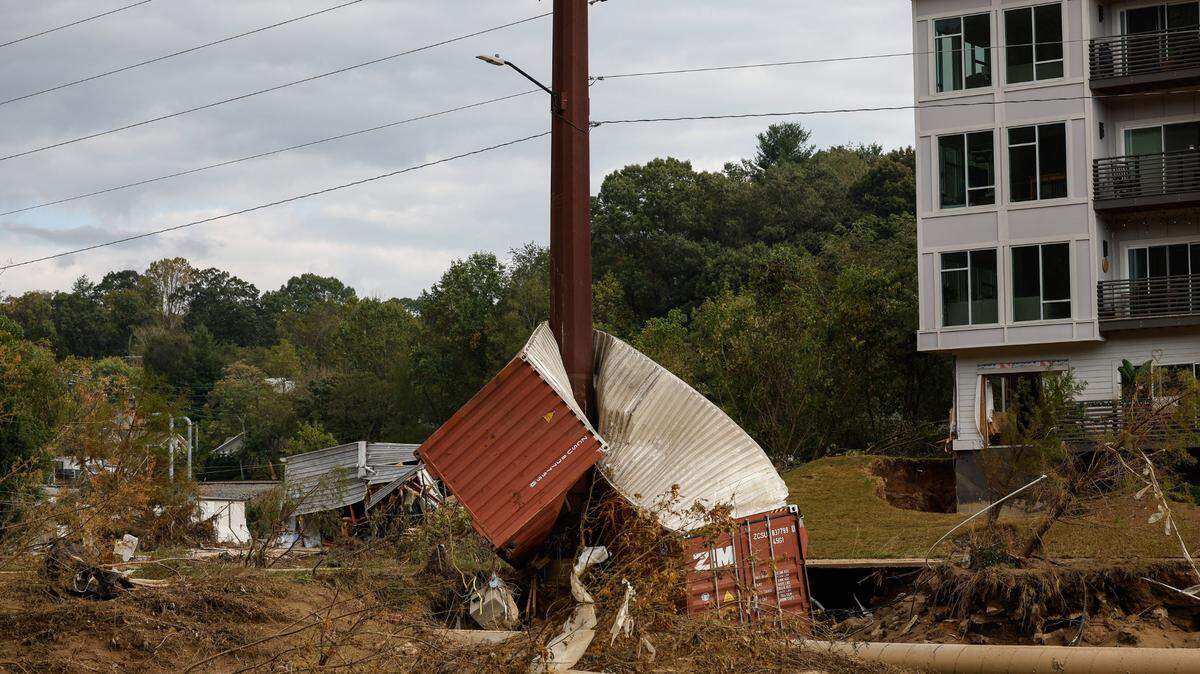
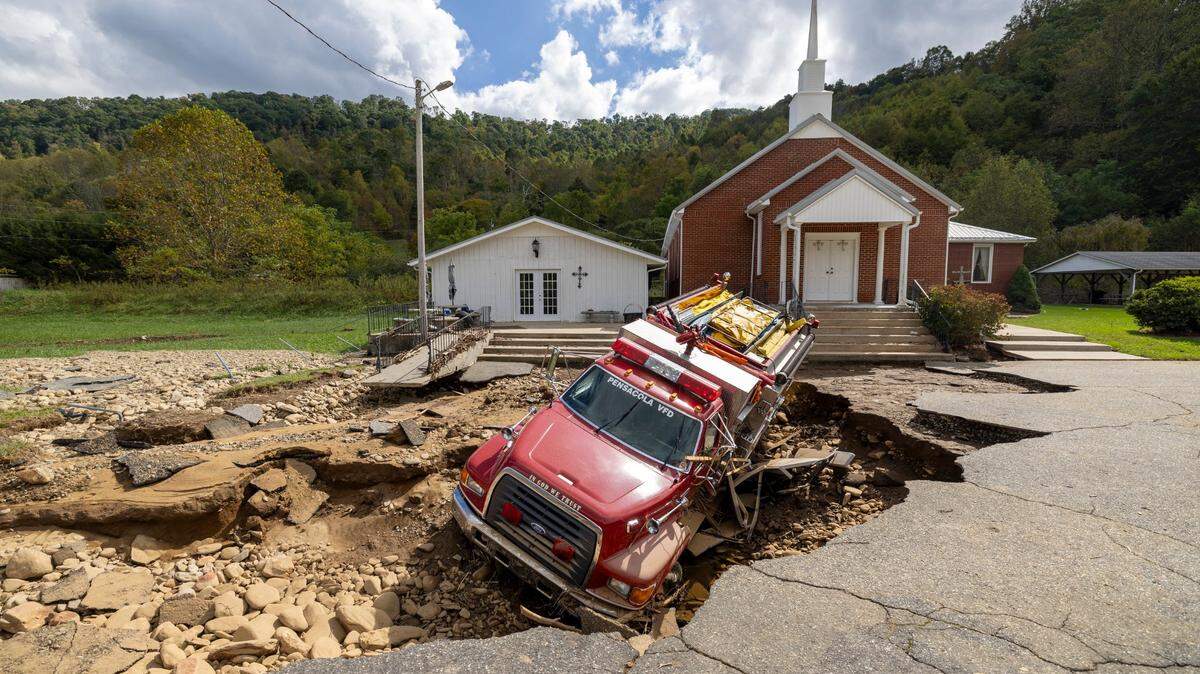
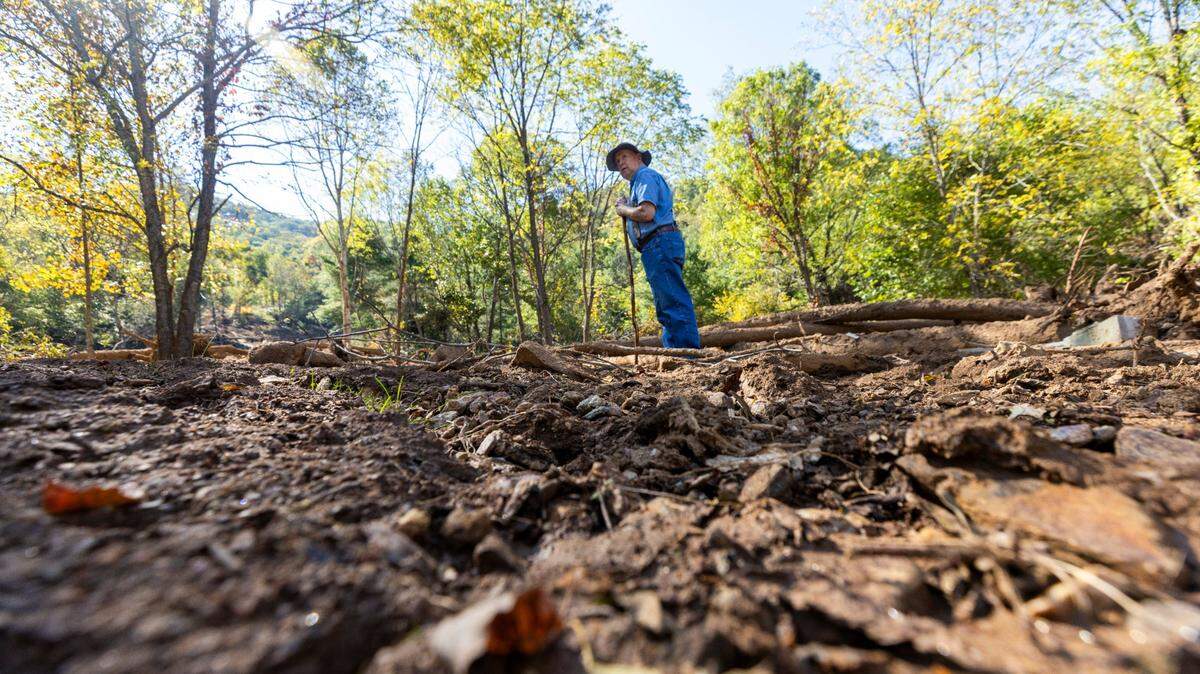
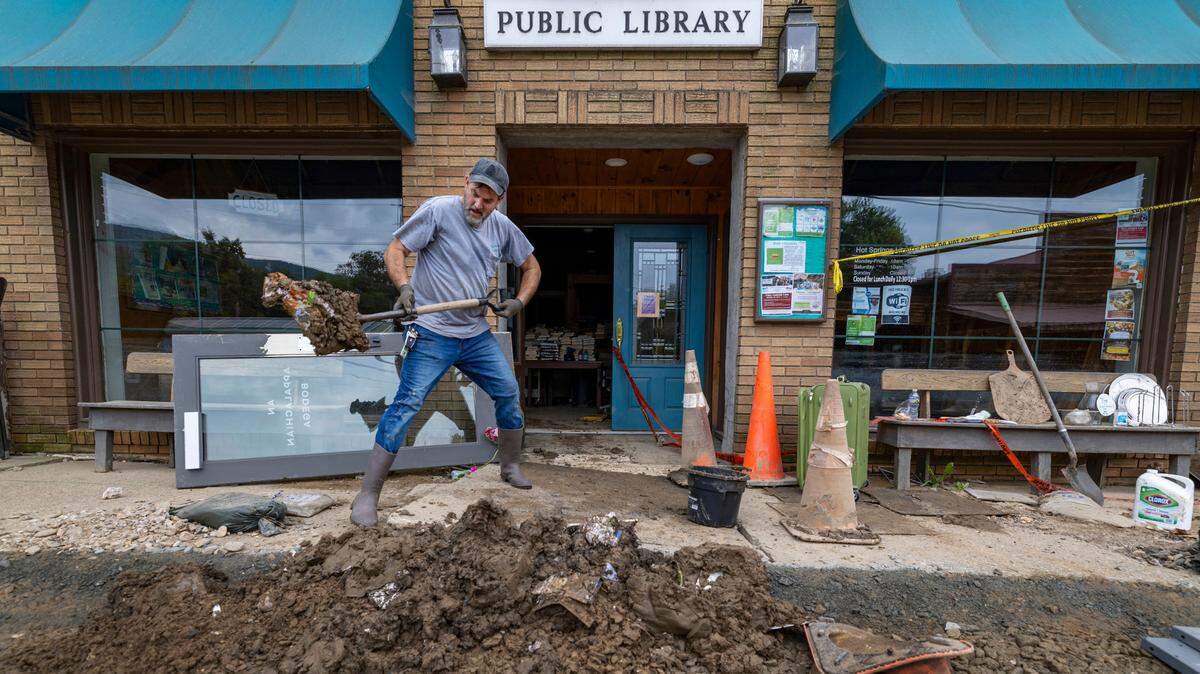
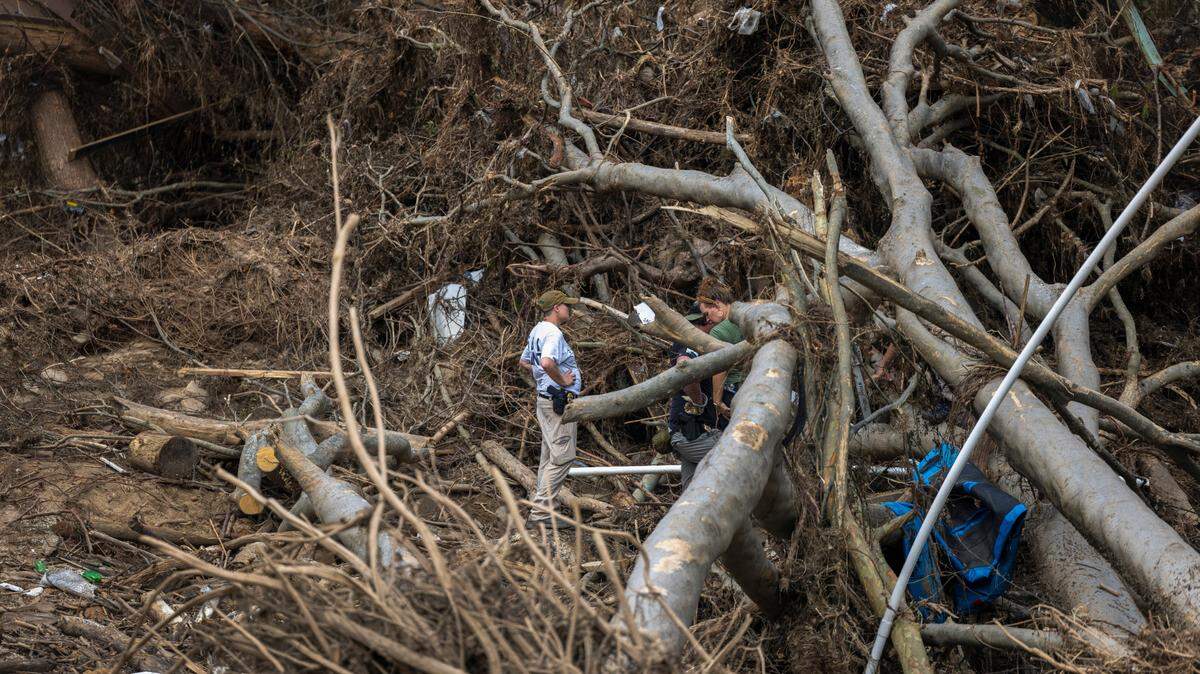
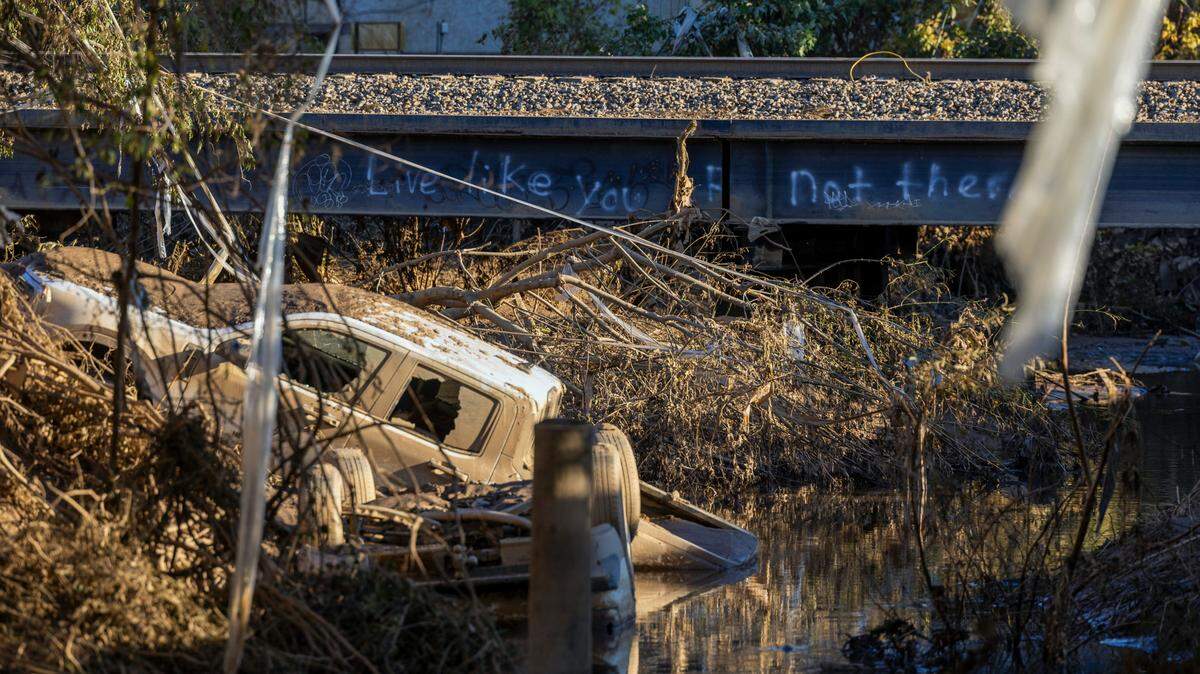
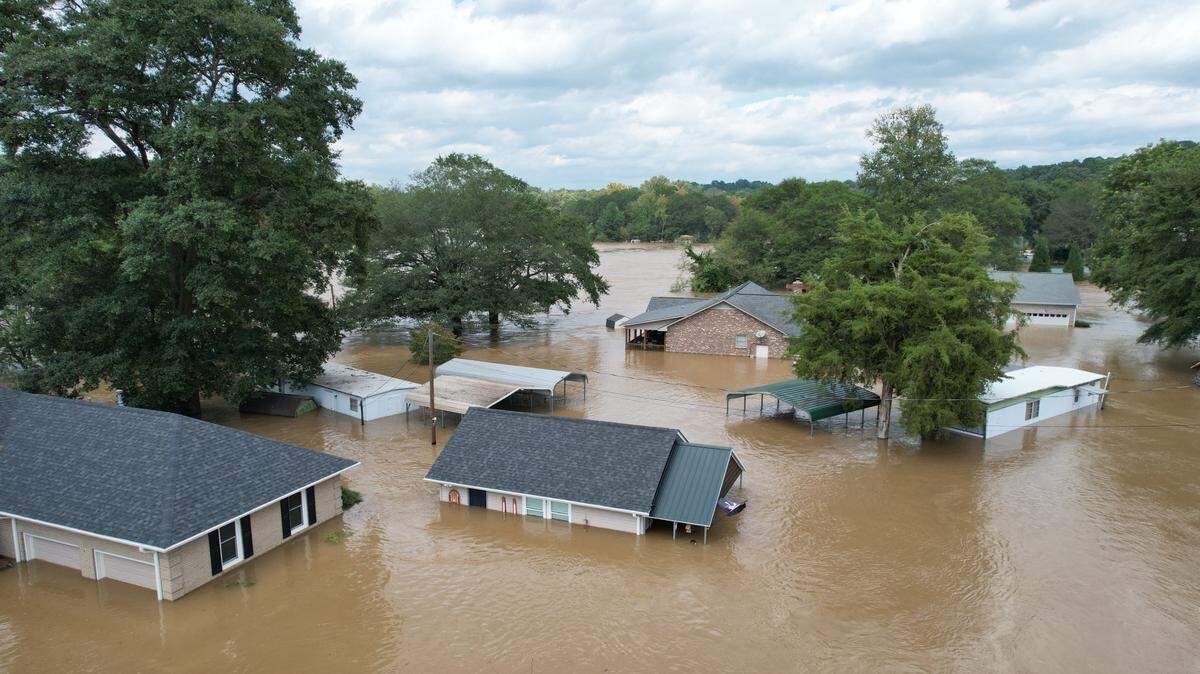
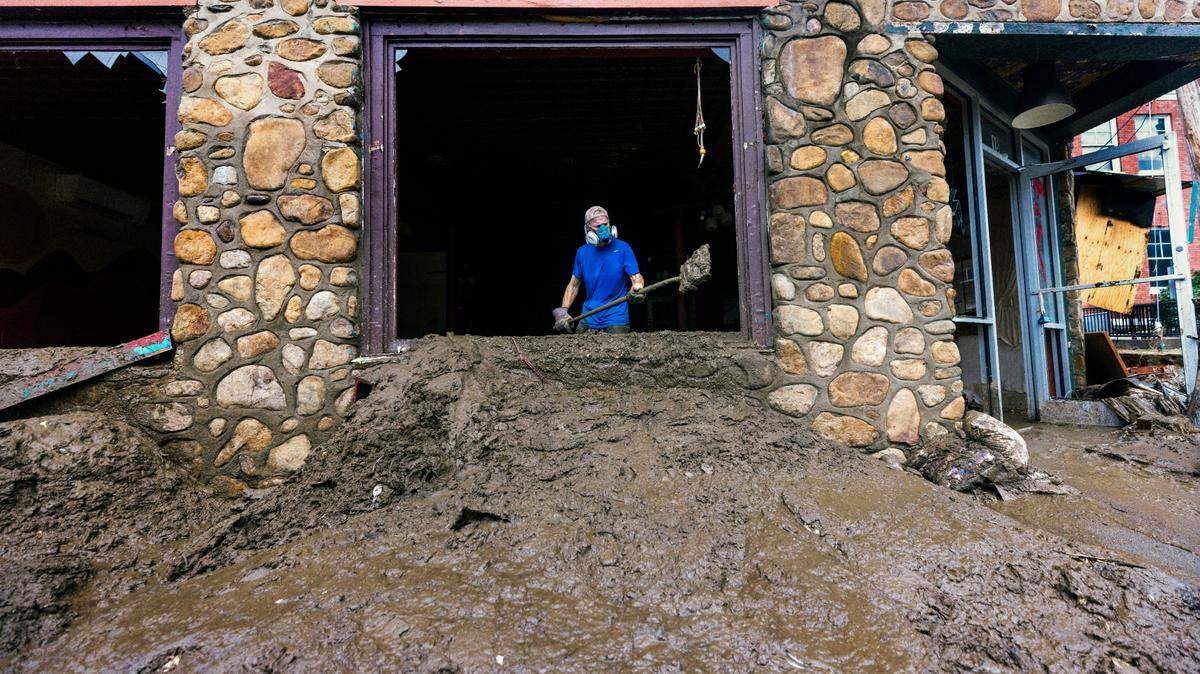
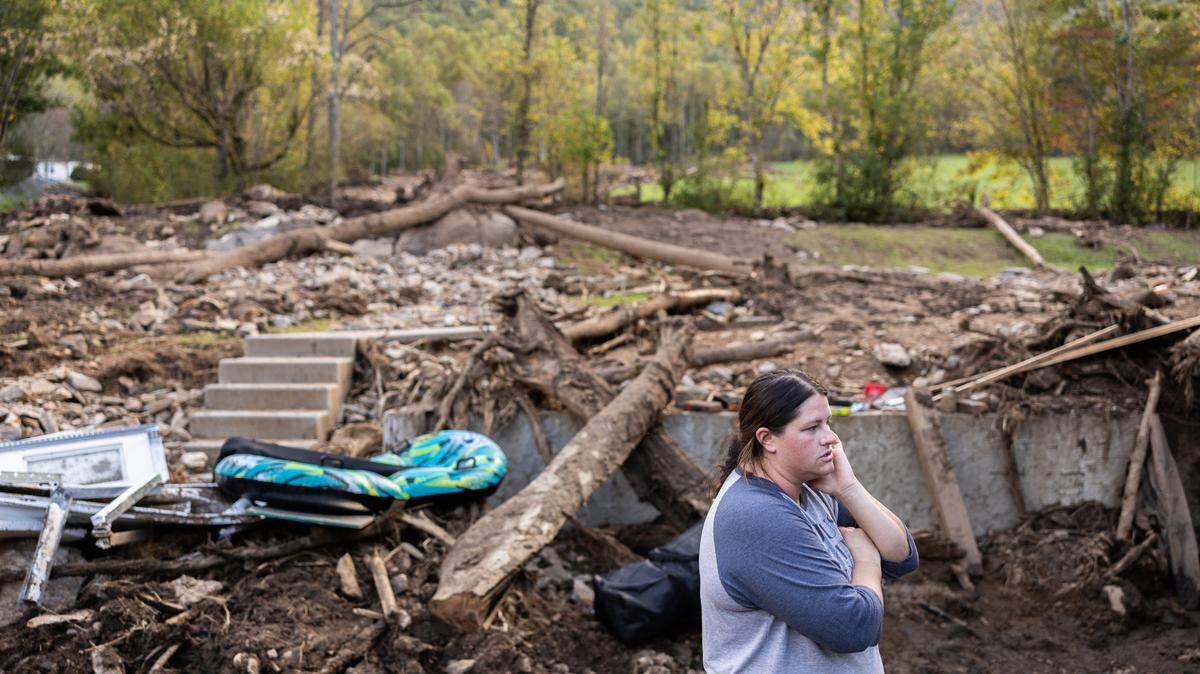
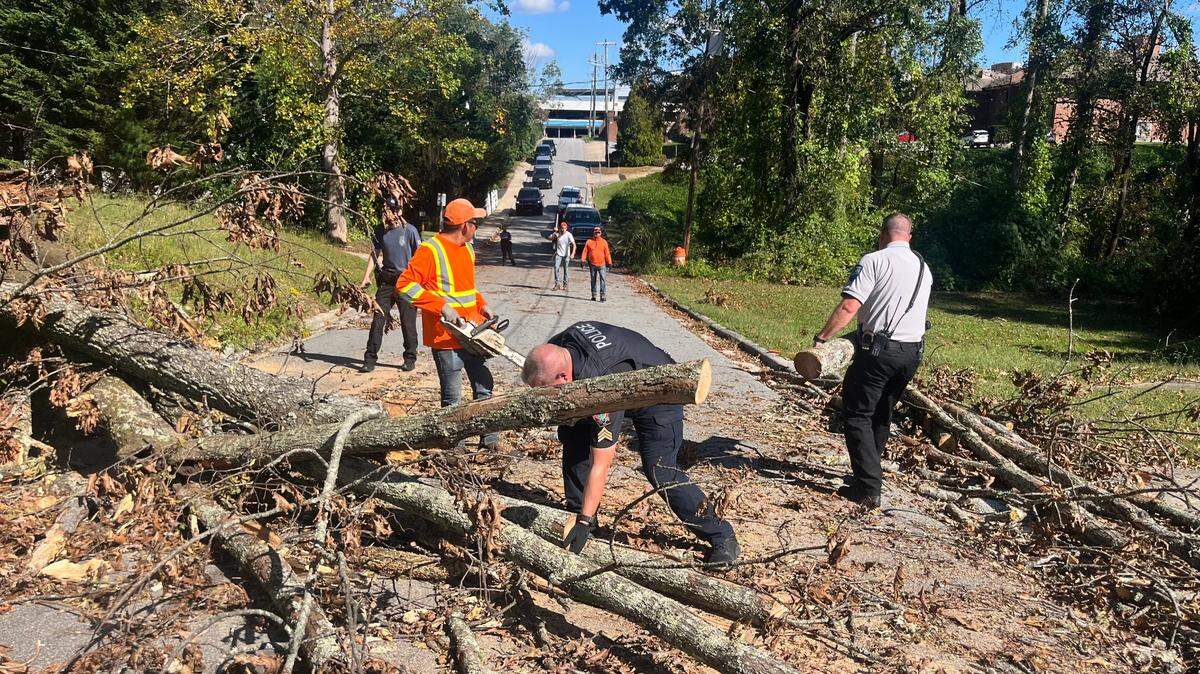
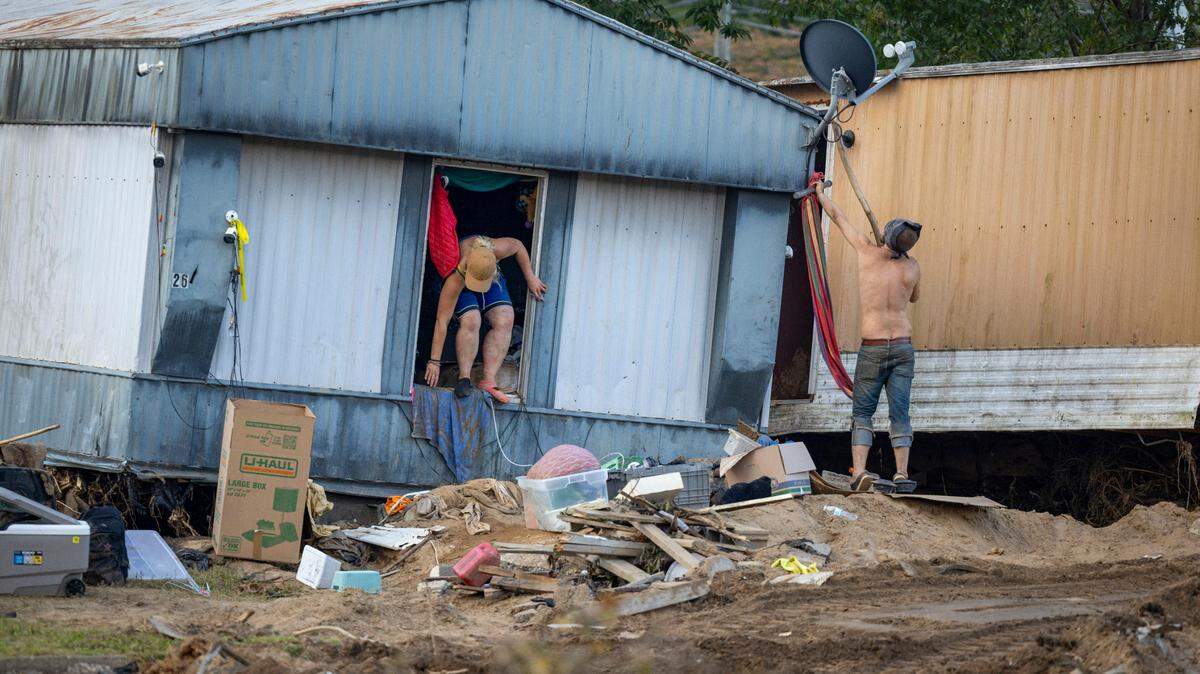
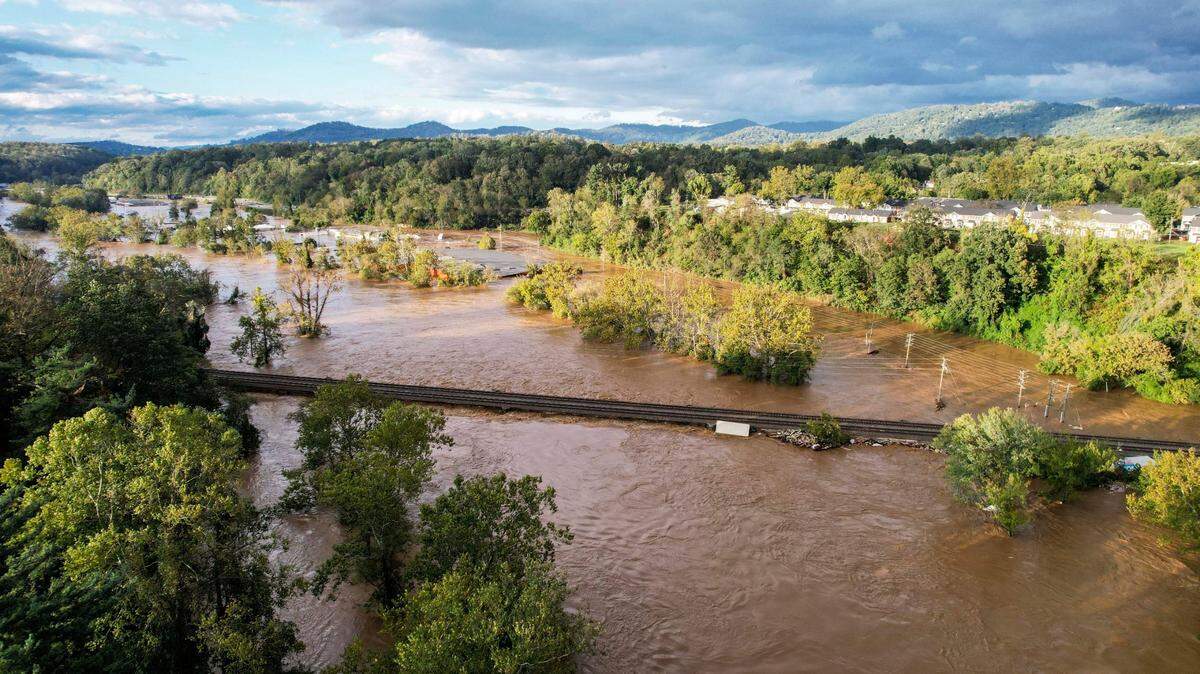
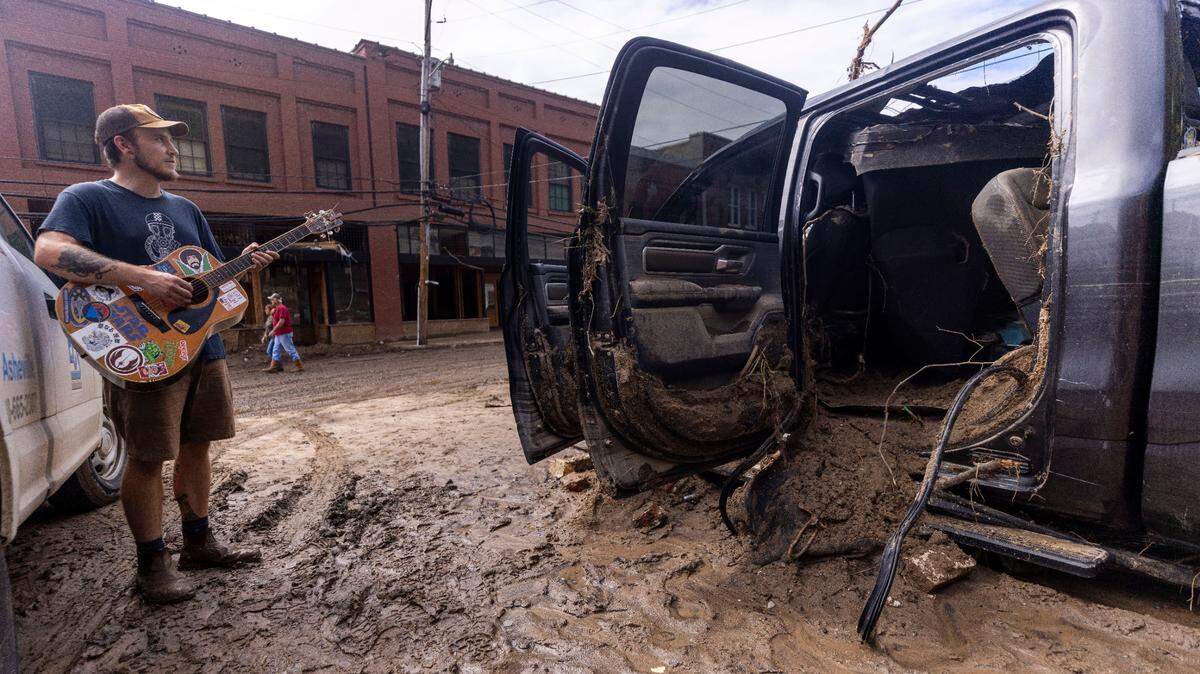
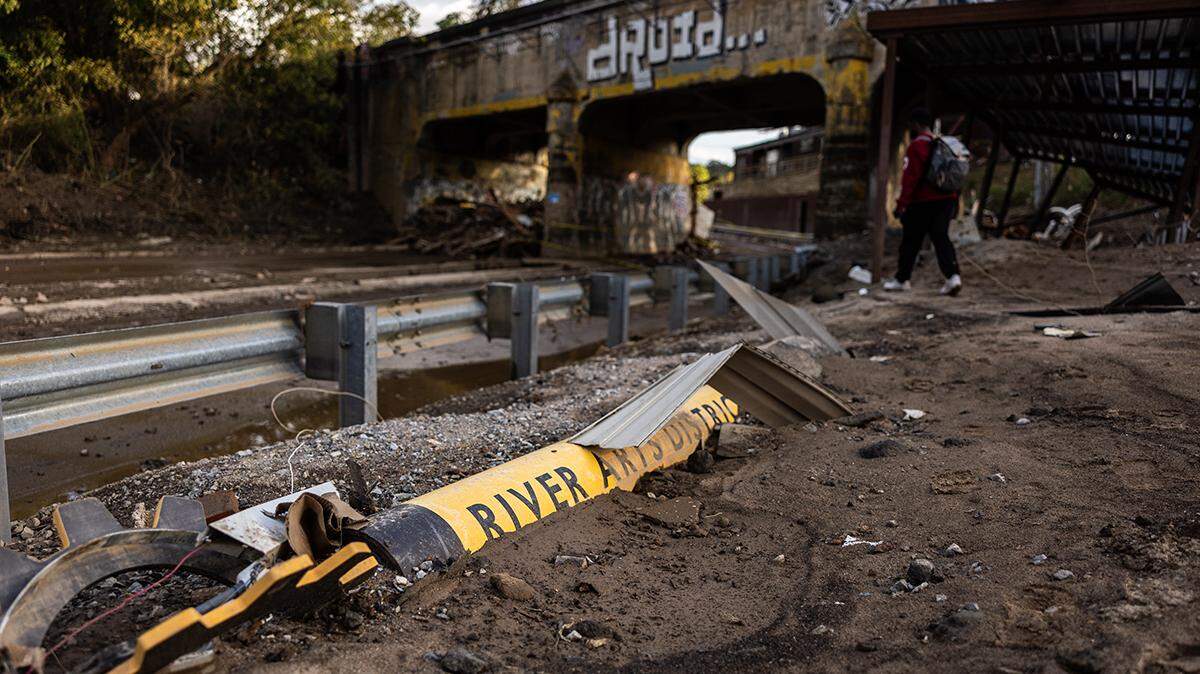
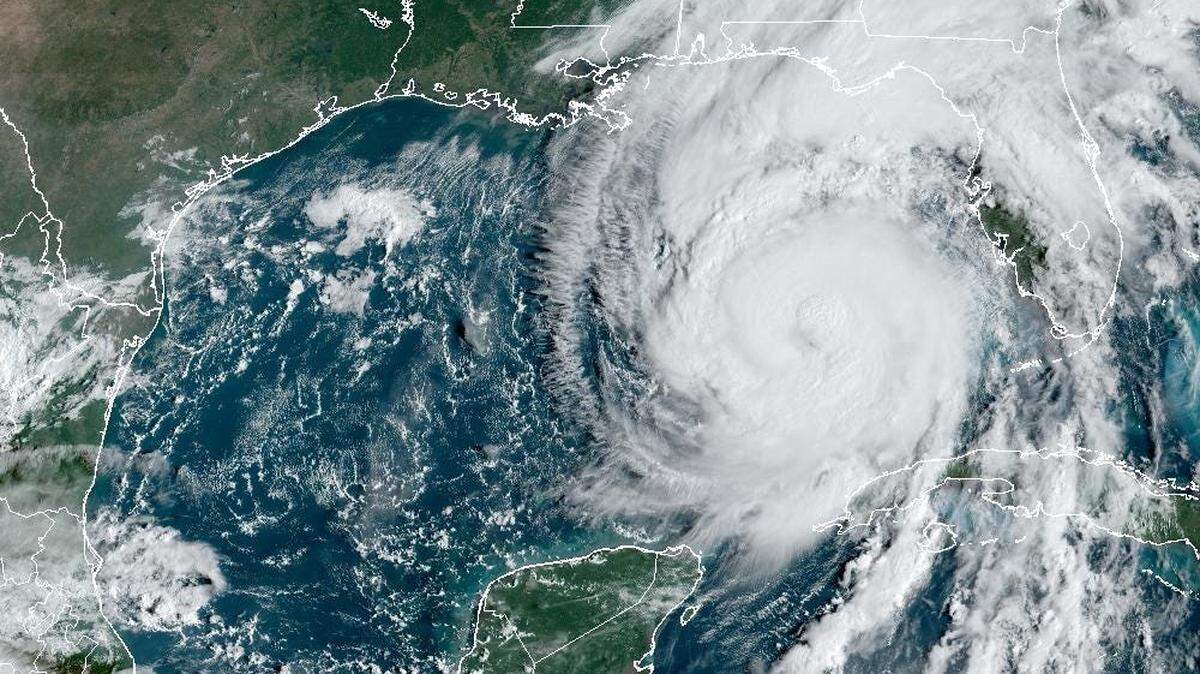
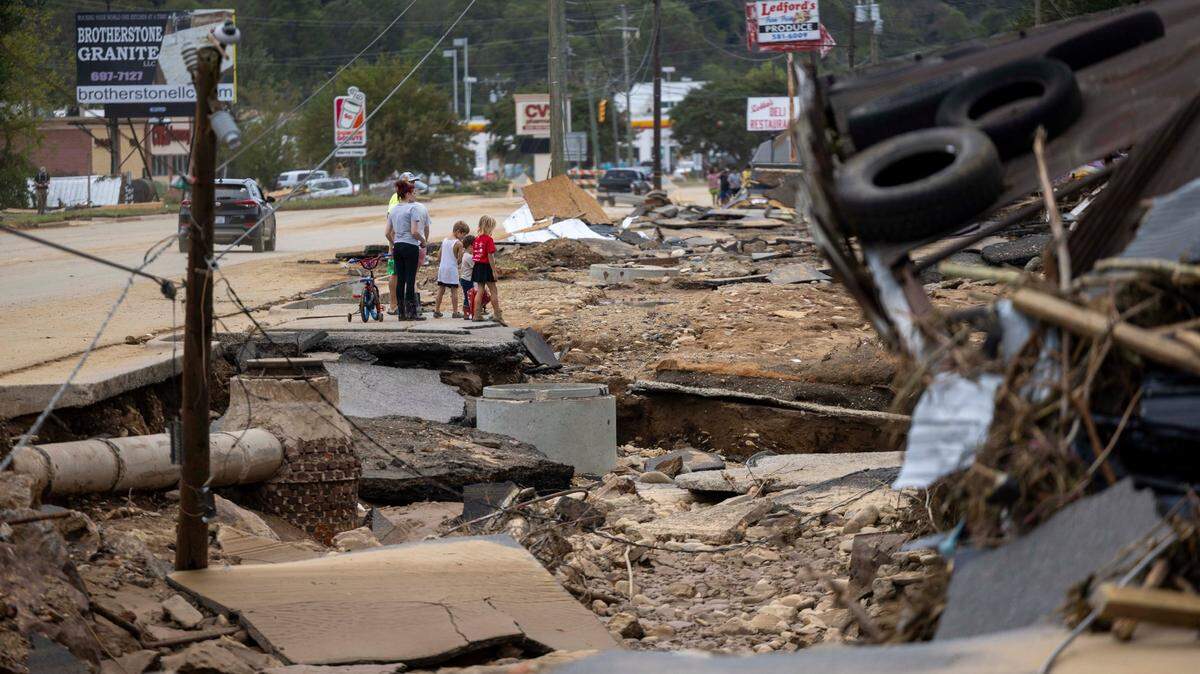
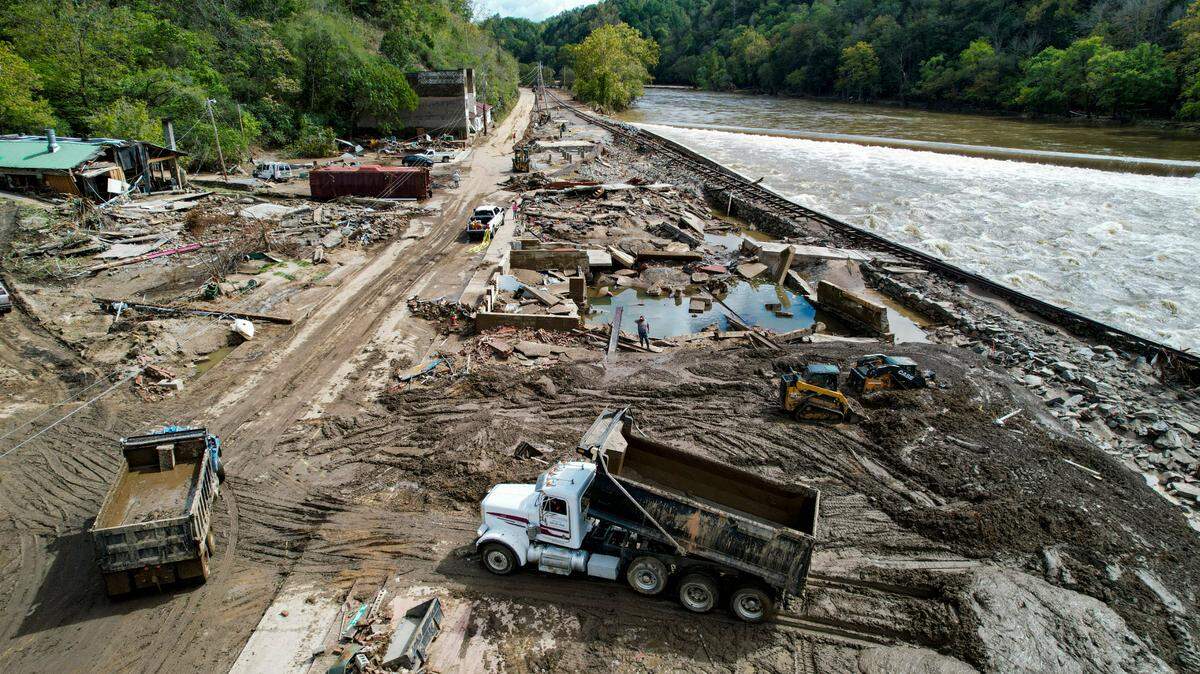
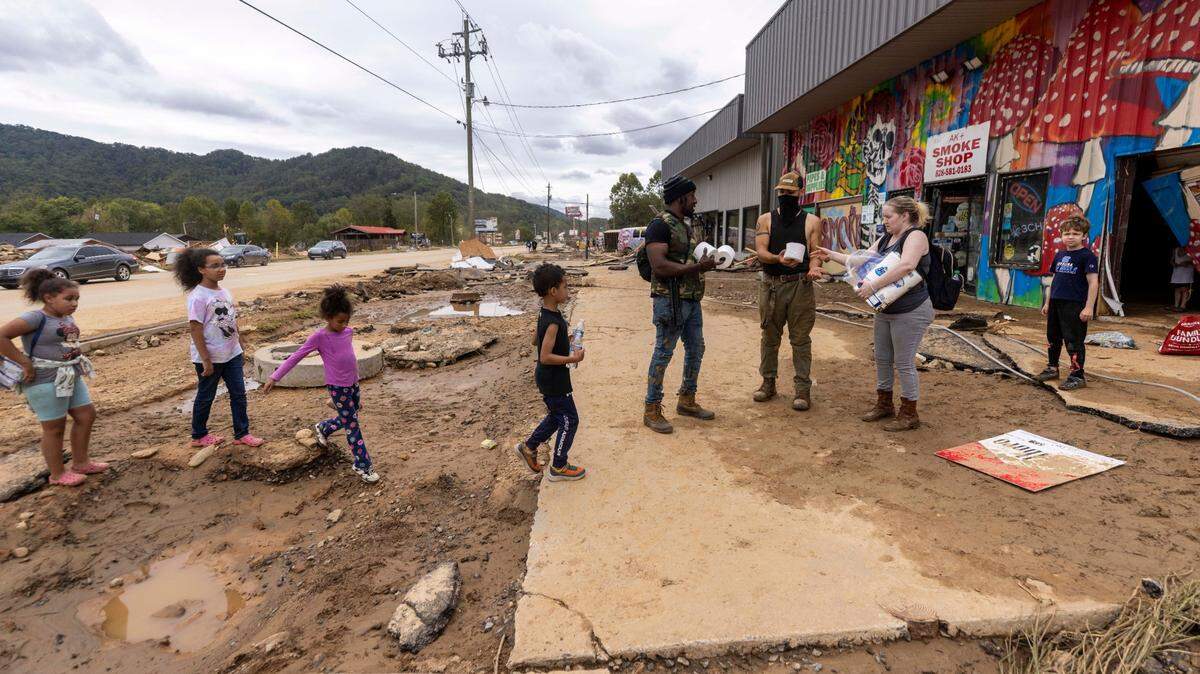
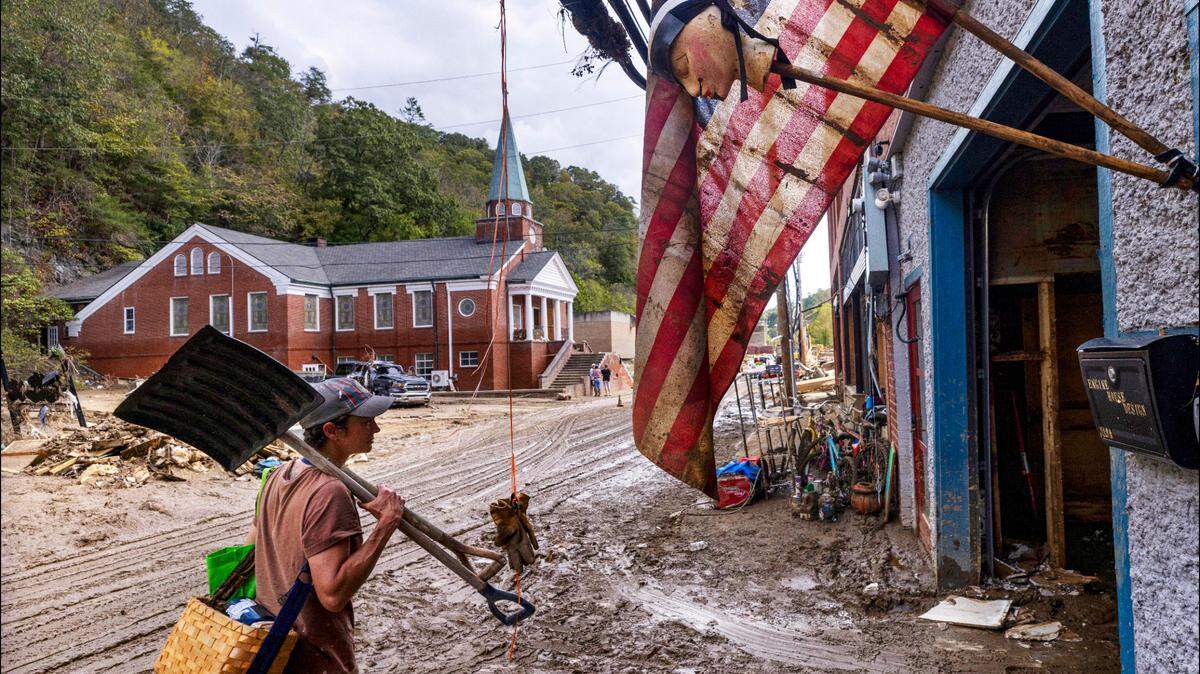
Hurricane Helene swept across the Southeast, causing major flooding and destruction throughout North Carolina. Here is ongoing coverage from The News & Observer and The Charlotte Observer about Hurricane Helene and the aftermath, particularly in Western North Carolina.
Expand All
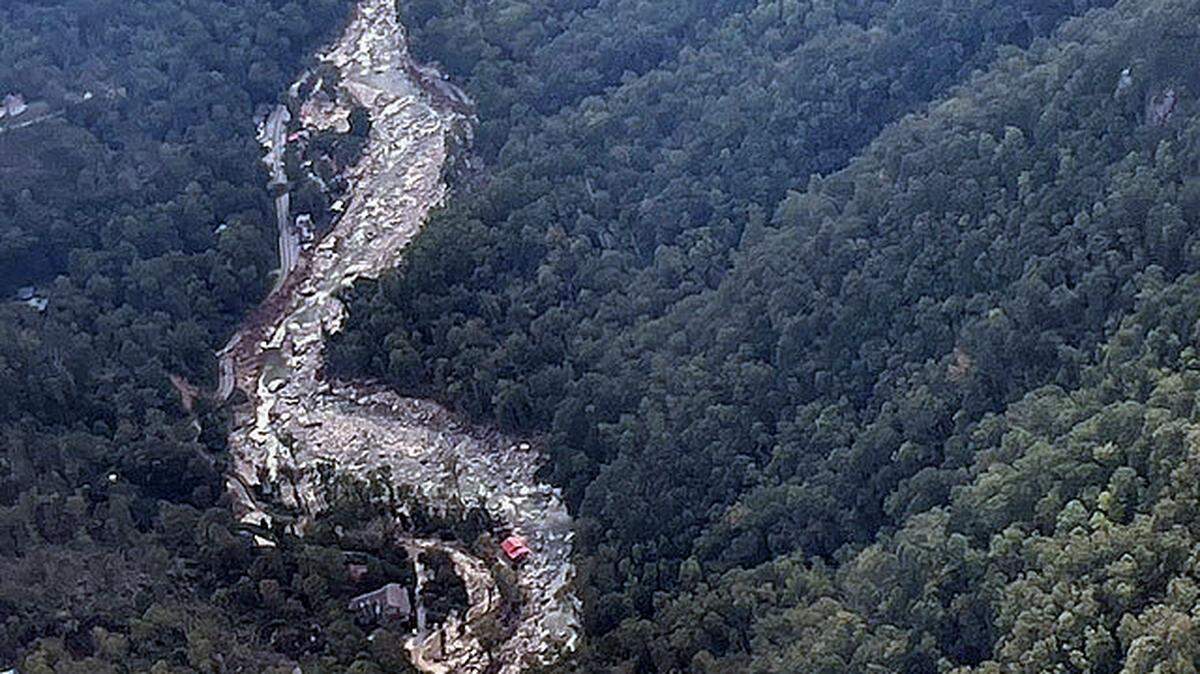
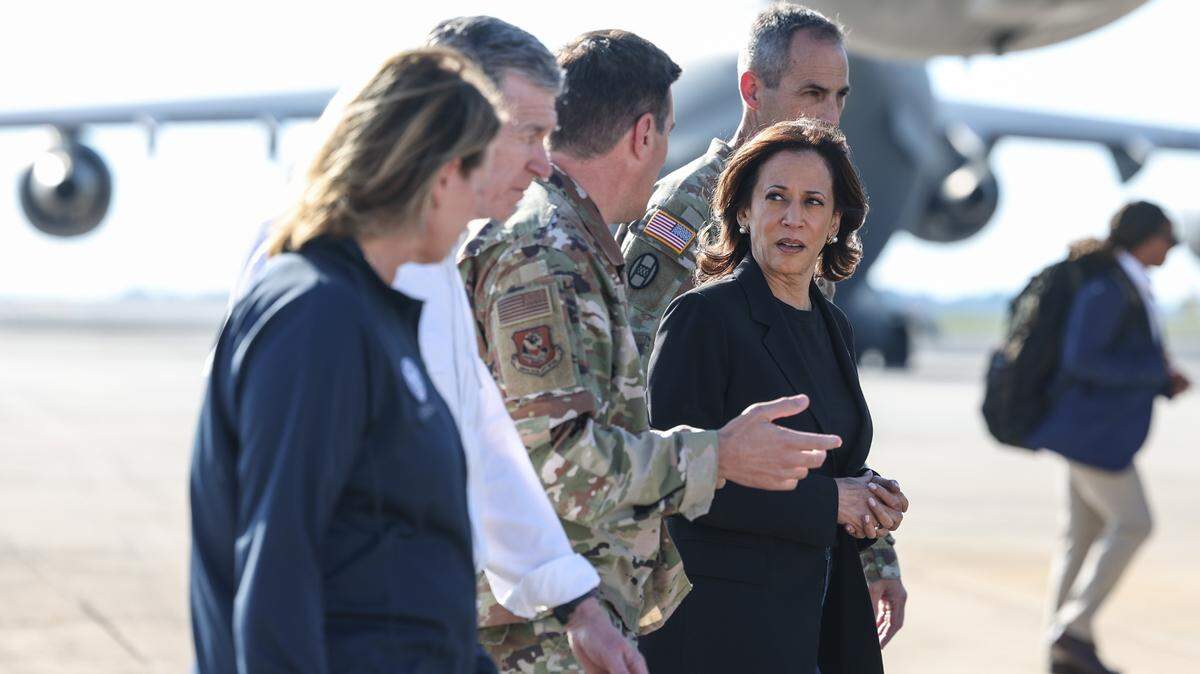
Gov. Roy Cooper vowed Wednesday that the state government will continue to provide the resources Western North Carolina communities need to recover from Tropical Storm Helene.
“This is a true all-hands-on deck moment,” Cooper said.
In a wide-ranging briefing, officials touched on a number of topics related to the Helene response.
Notably, Cooper called out the effects of wide-reaching disinformation that has been spreading in Helene’s wake; FEMA Administrator Deanne Criswell vowed to keep significant assets in North Carolina even as the agency responds to Hurricane Milton’s impending landfall in Florida; and Cooper called for direct assistance for small businesses impacted by the storm.
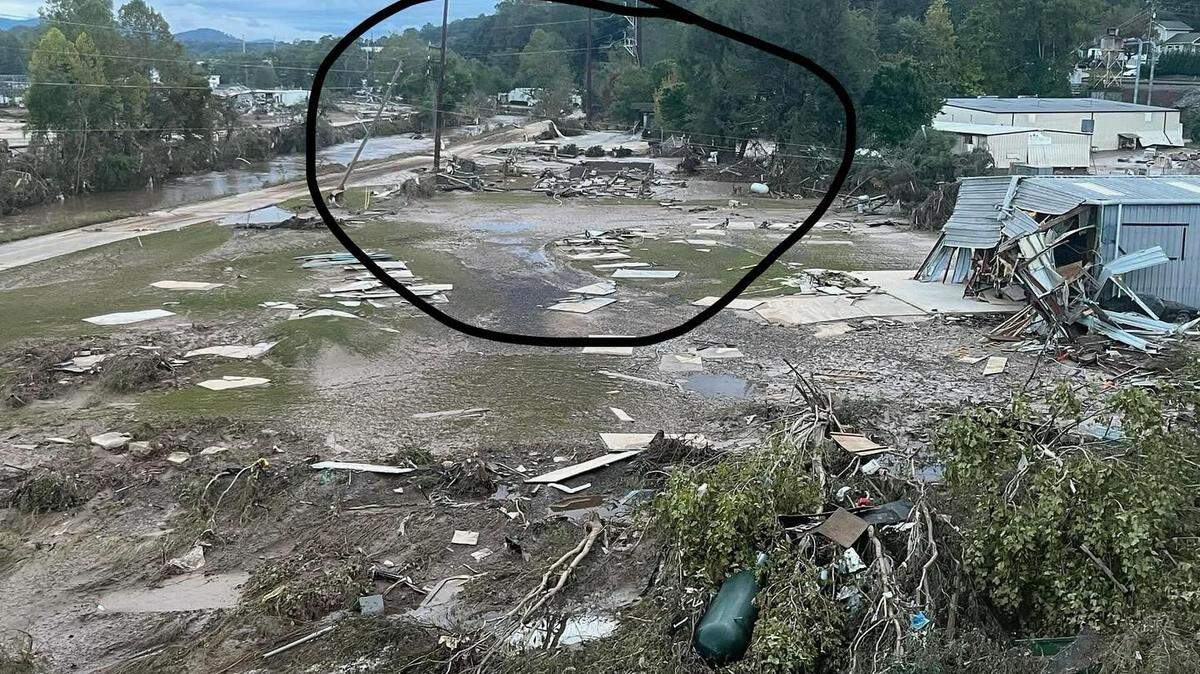
“This is a historic disaster, the magnitude of which we have never experienced before in our state. The road to recovery will be long, but North Carolinians are strong and resilient and together we will recover,” said NC Emergency Management Director Will Ray.
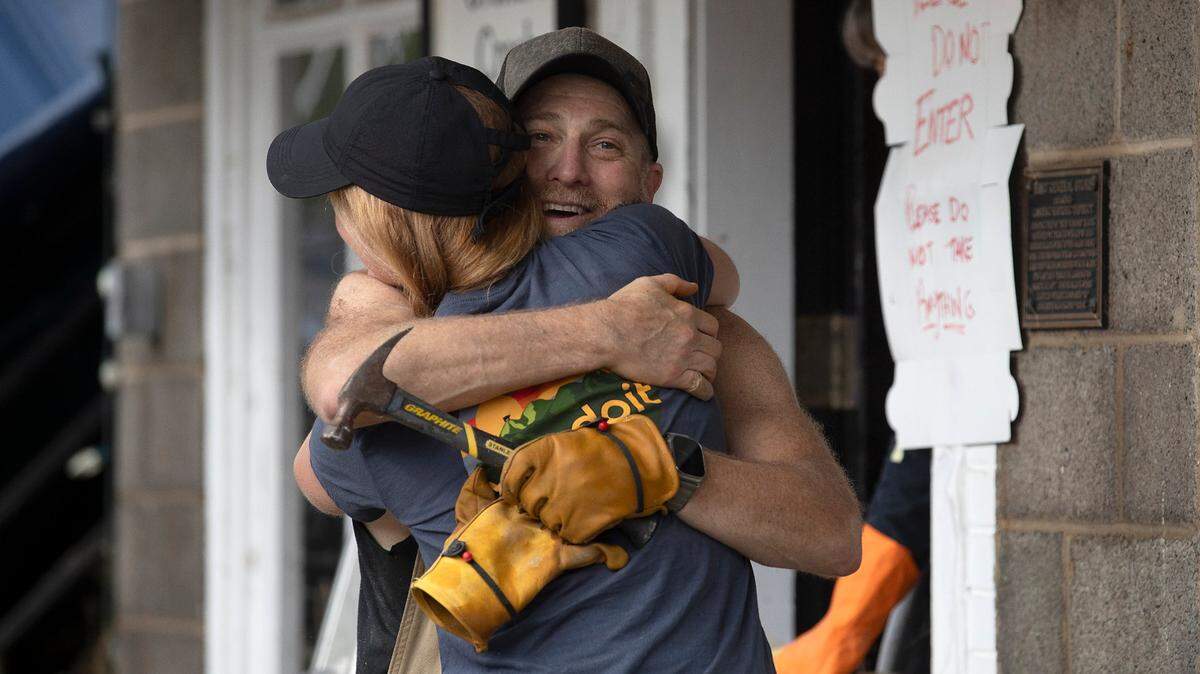
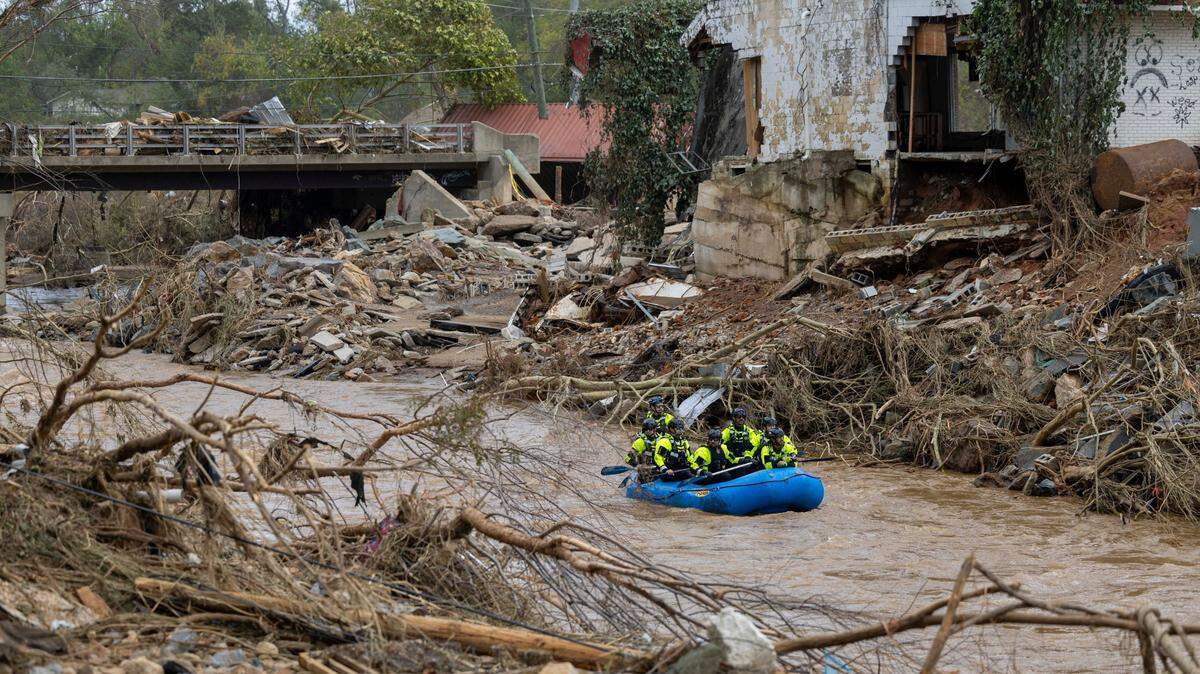
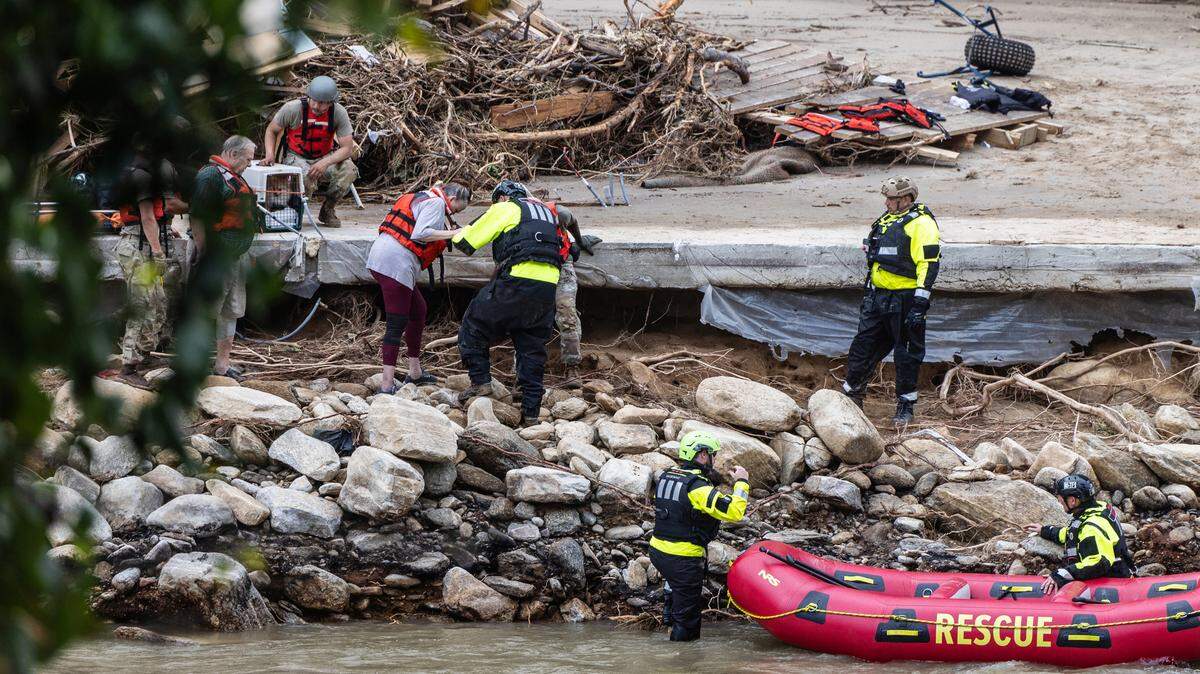
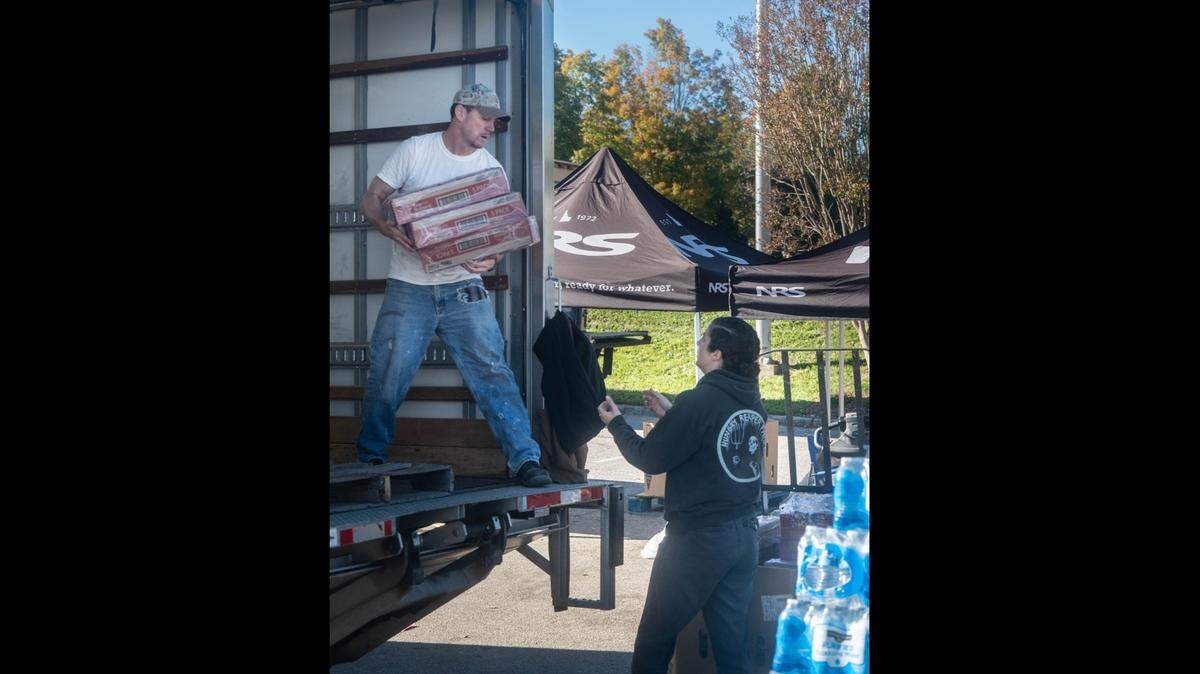
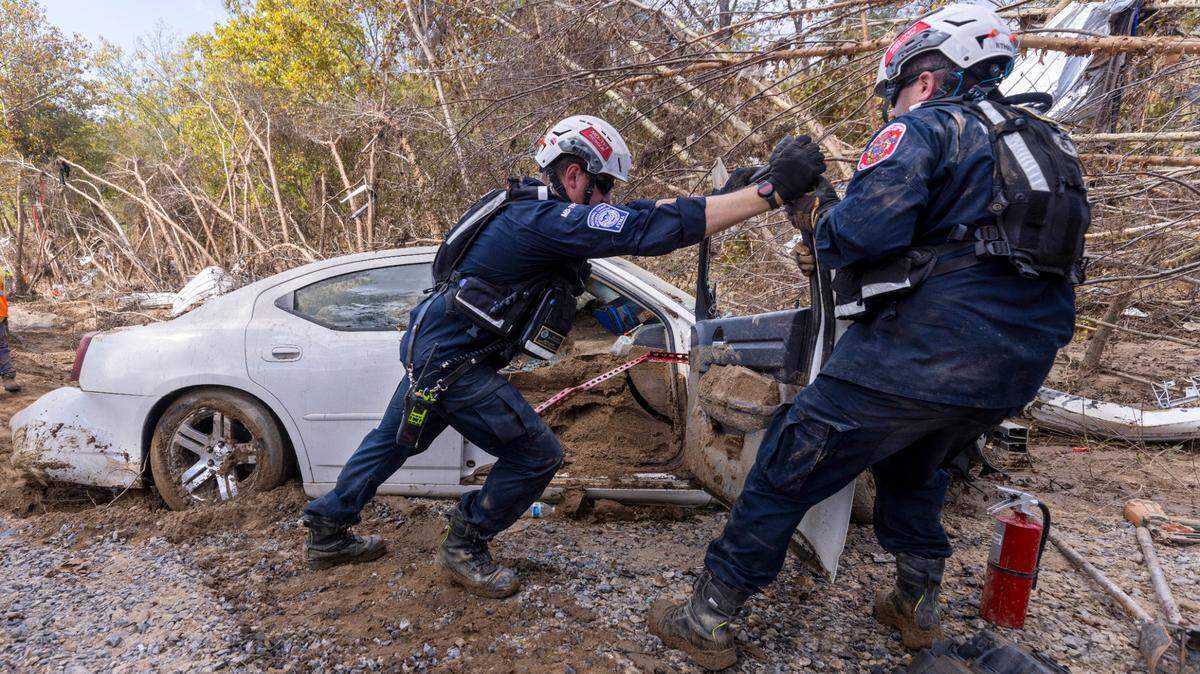
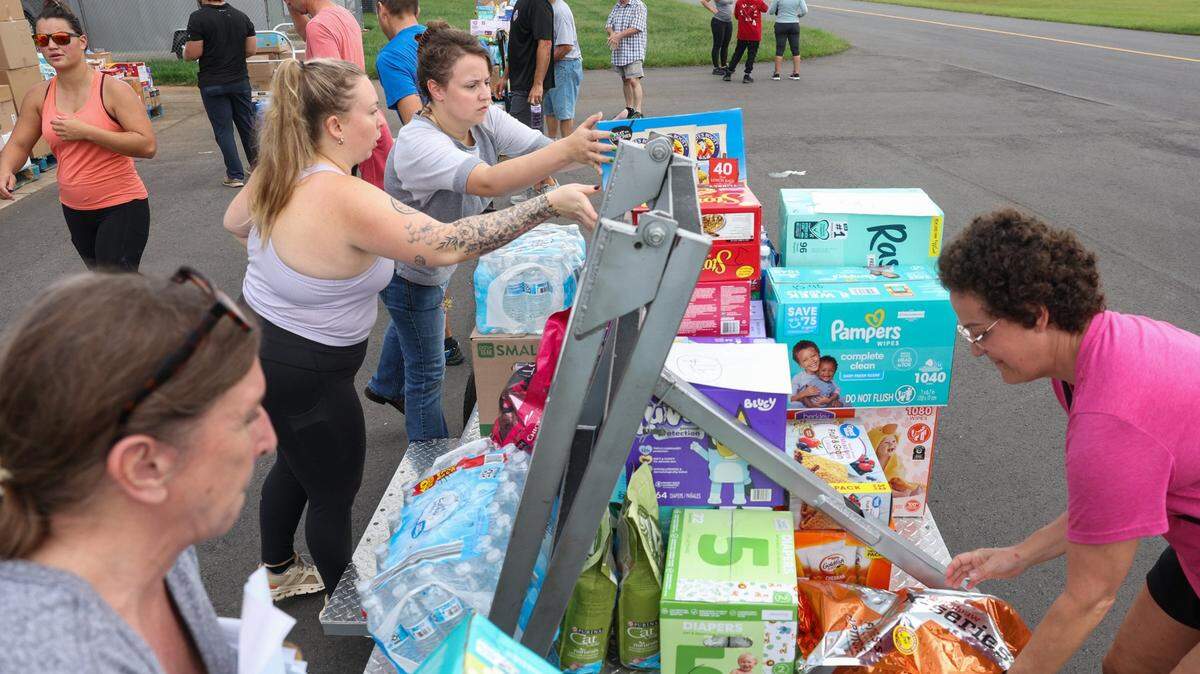
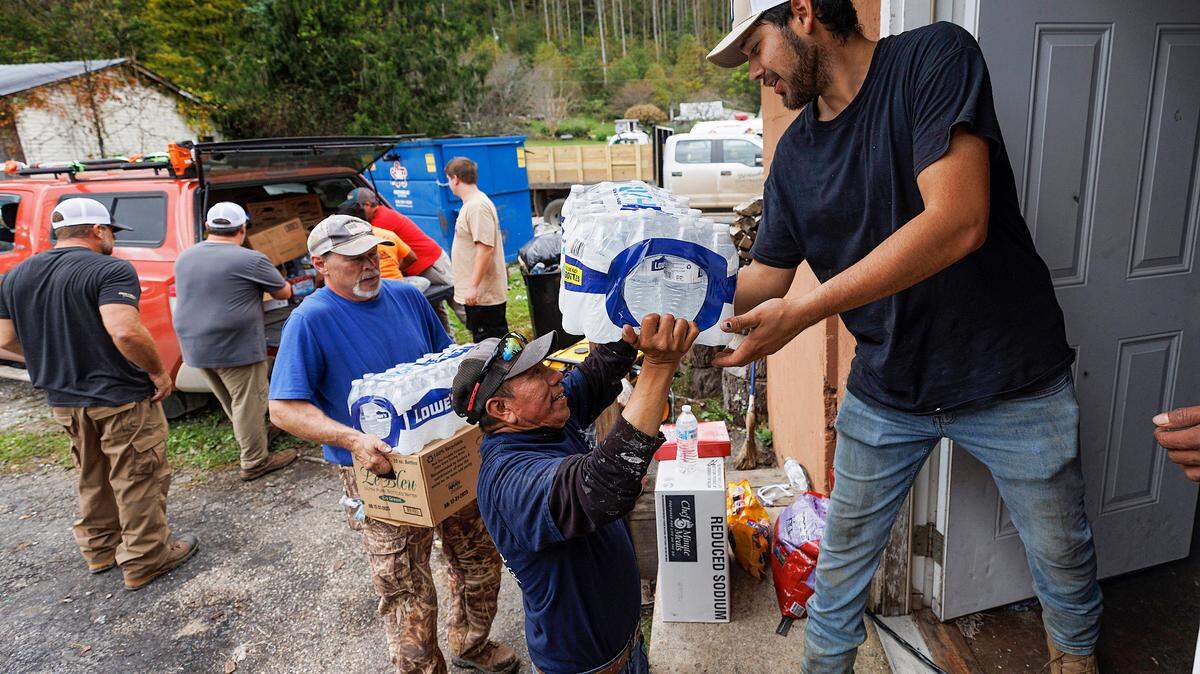
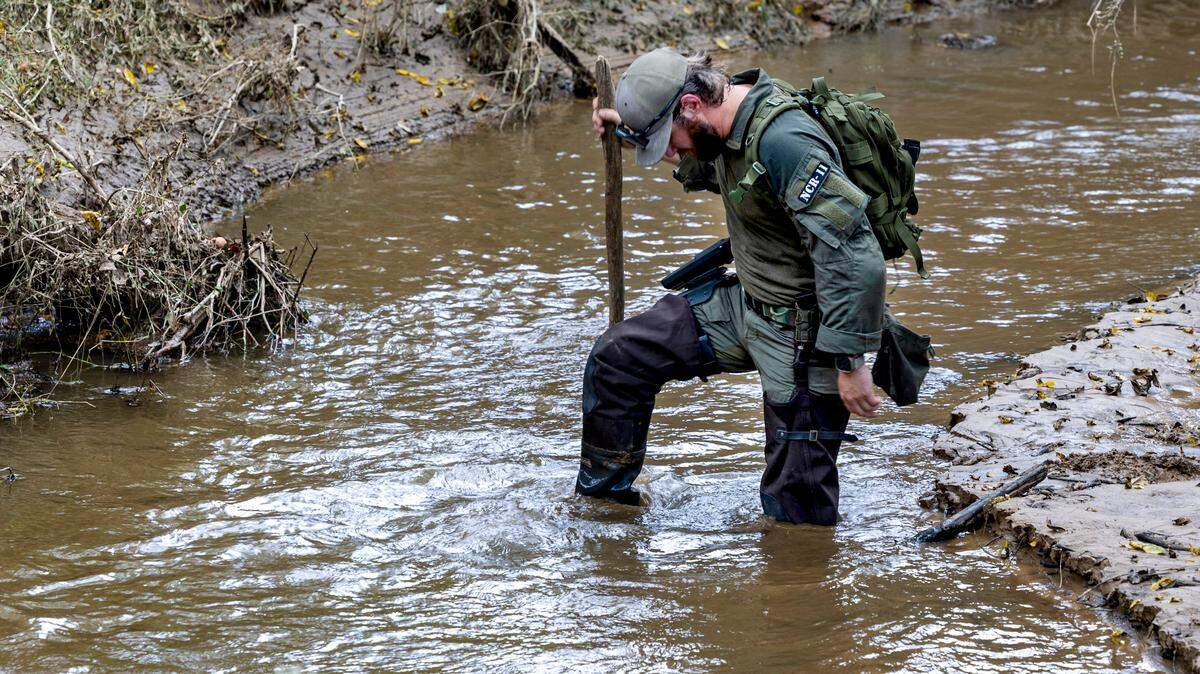
Ray described the response to Helene — including other states, the federal government, the private sector, nonprofits and volunteers — as “the largest whole-of-community response in North Carolina history.”
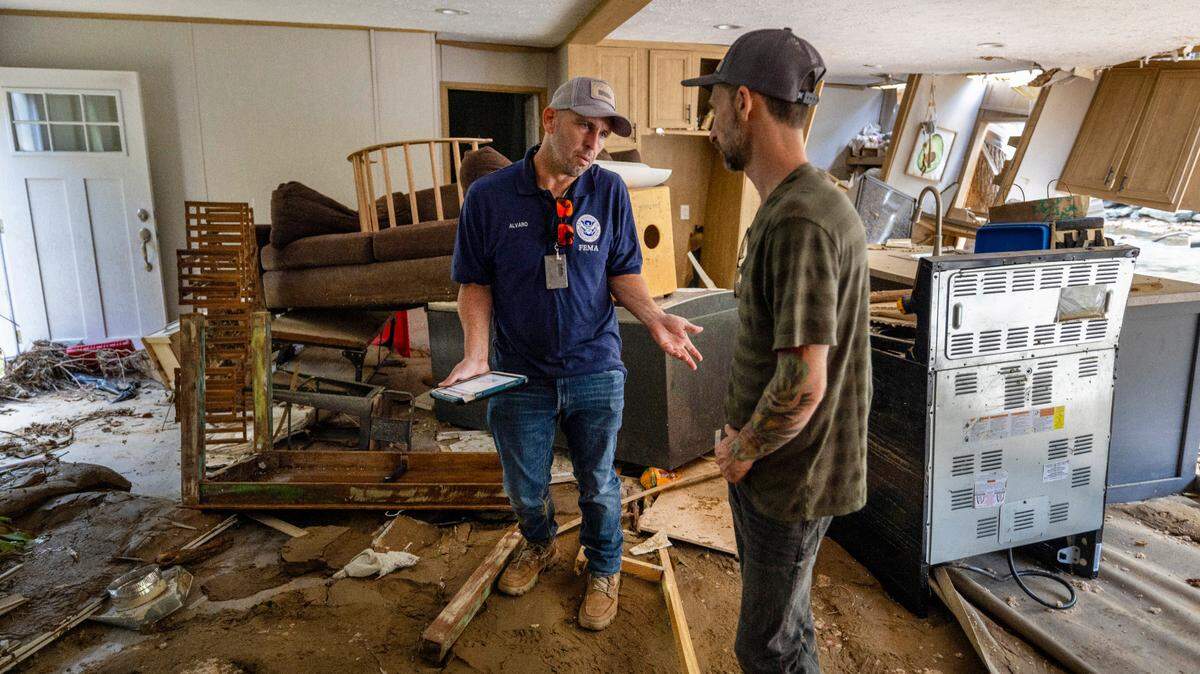
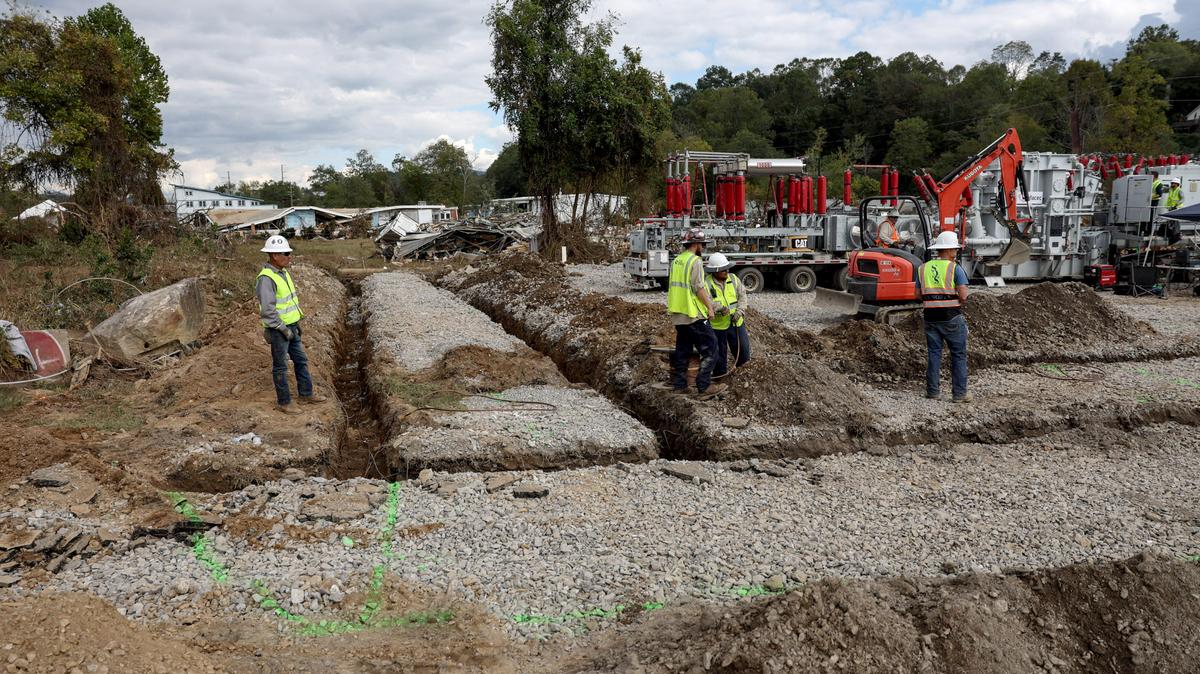
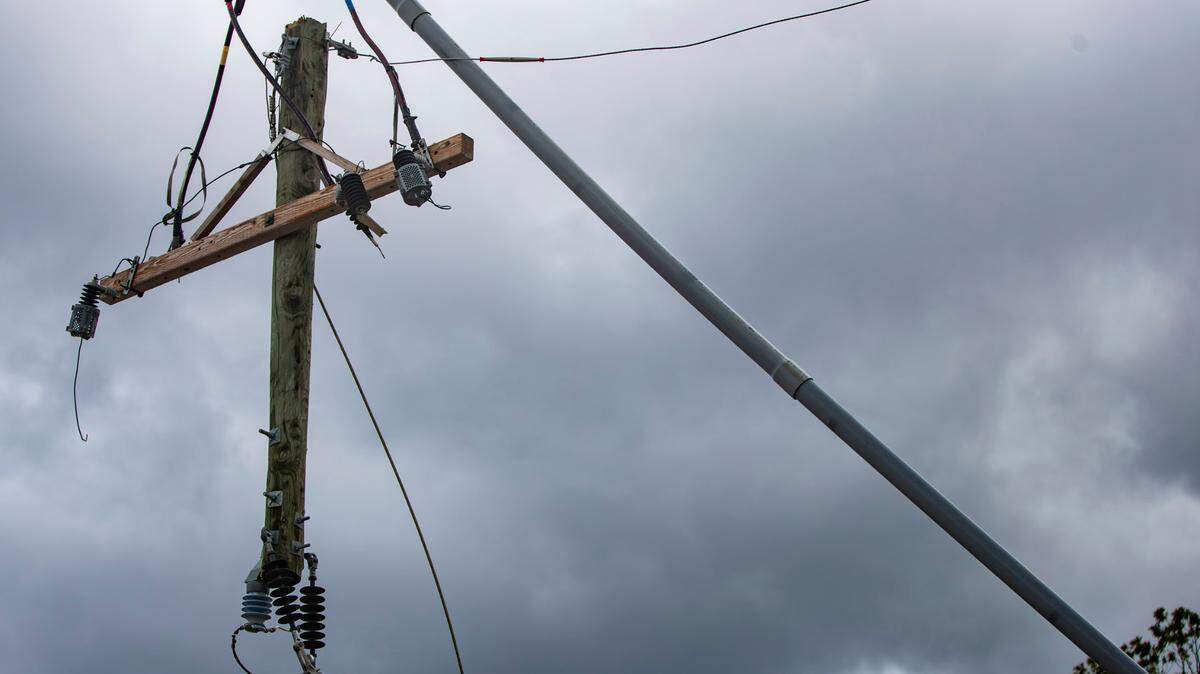
Cooper said there are fewer than 81,000 power outages remaining, down from hundreds of thousands after the storm passed through. He said 80% of AT&T and Verizon outages have been repaired; and FEMA has approved about 126,000 Individual Assistance applications with more than $60 million in aid paid.
The state has confirmed 88 storm-related deaths.
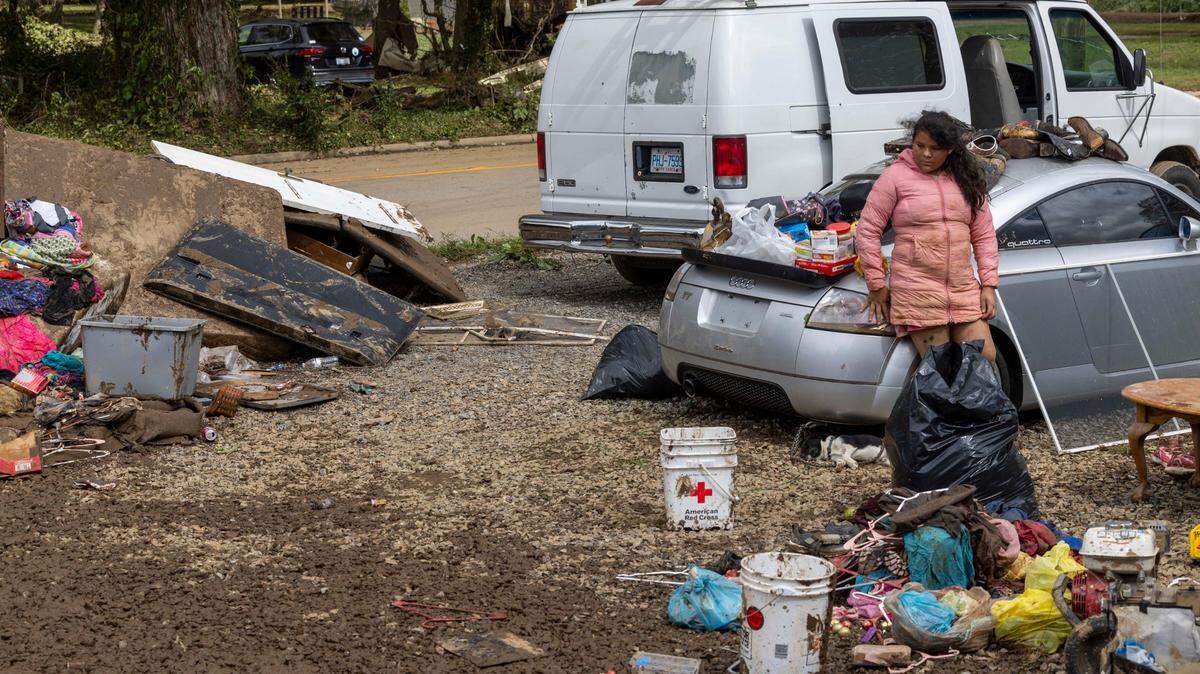
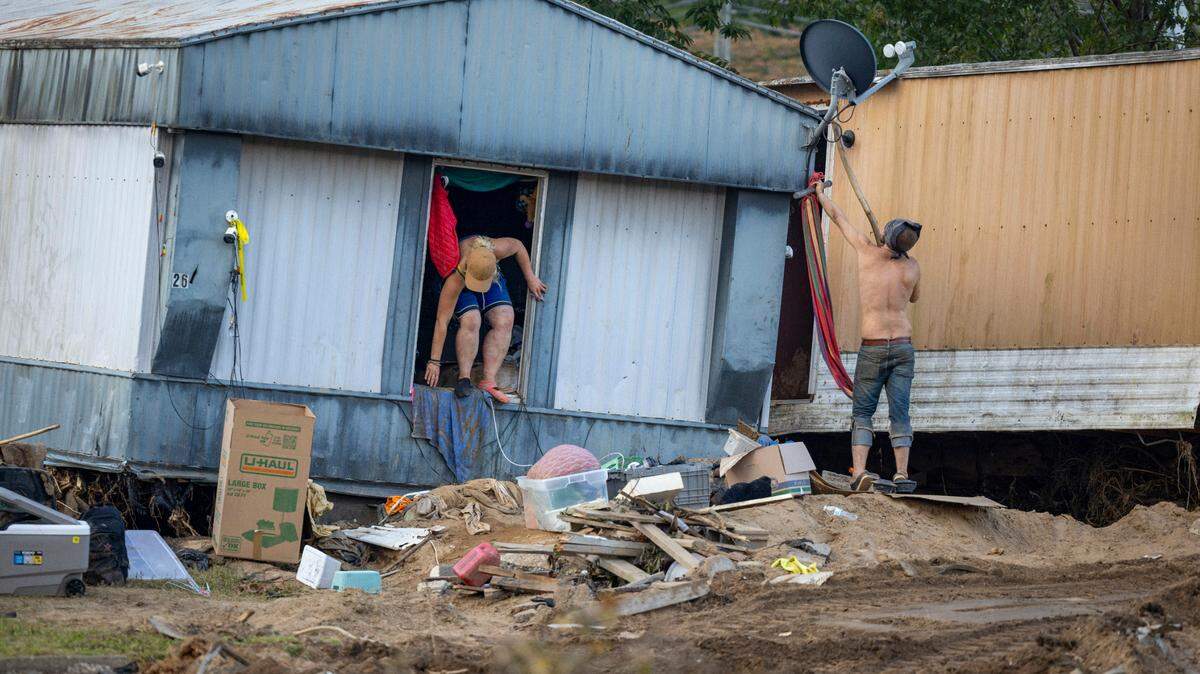
Additionally, there are about 2,600 people staying in hotels through FEMA’s Transitional Sheltering Assistance program.
“It’s clear that we’re still at the beginning of this recovery and much more work remains ahead for Western North Carolina to recover stronger than ever, and it will,” Cooper said.
FEMA head: No resources leaving NC
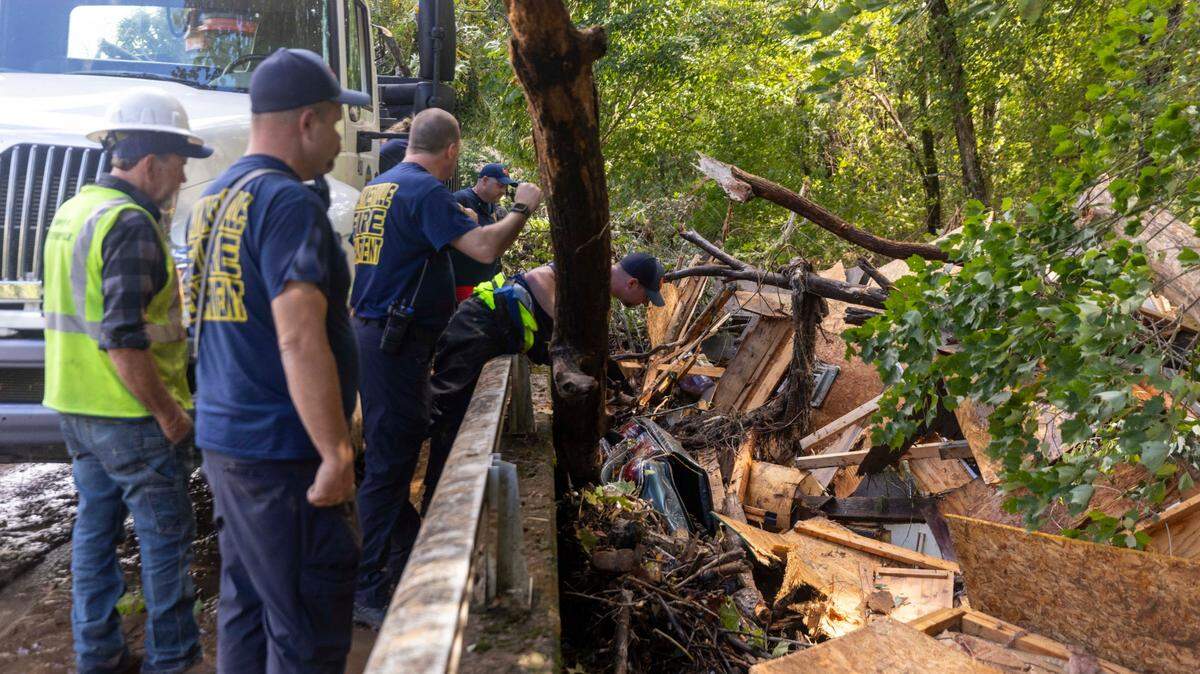
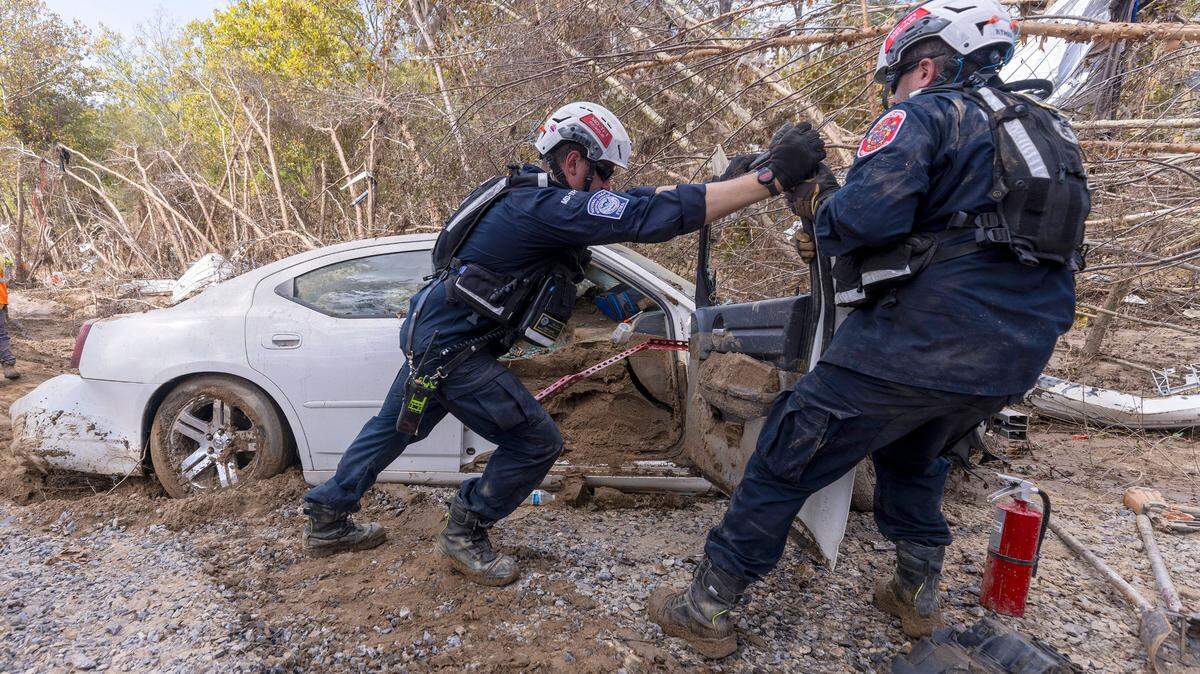
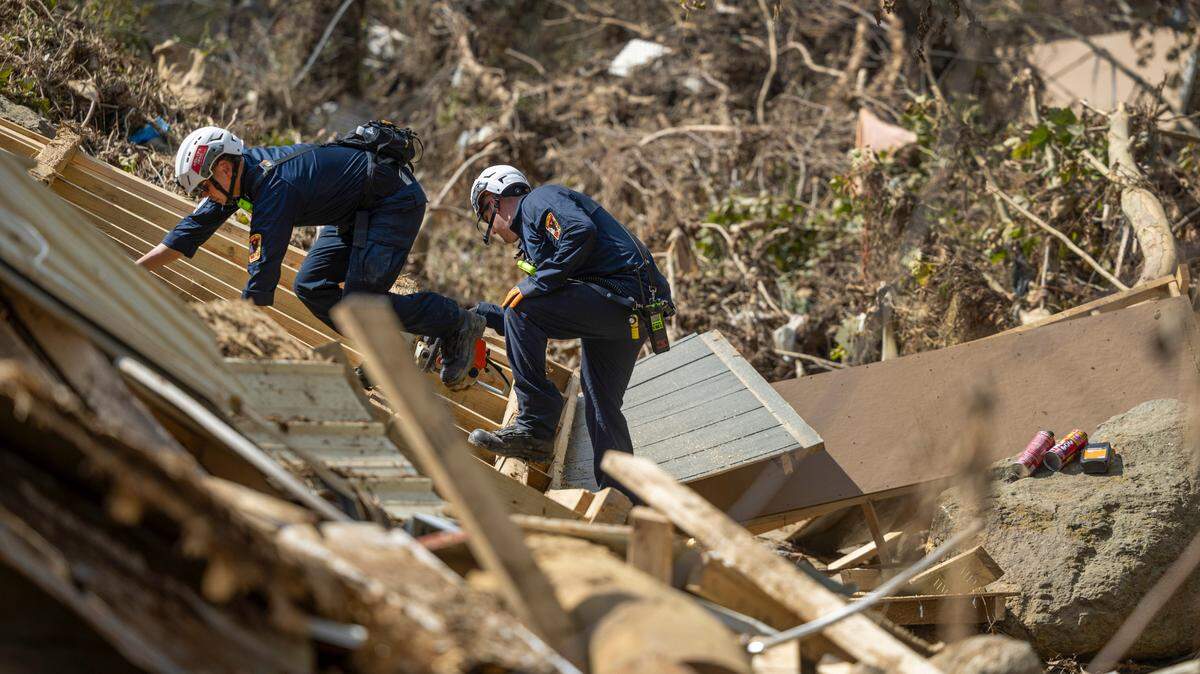
FEMA has more than 900 staff members on the ground in Western North Carolina assisting with the response to Helene.
That staff will stay in North Carolina even after Hurricane Milton makes landfall, Criswell said Wednesday.
“I want to assure the people of North Carolina that while we watch Hurricane Milton approach the coast of Florida, you can be assured that no resources are going to be taken from North Carolina,” Criswell said.
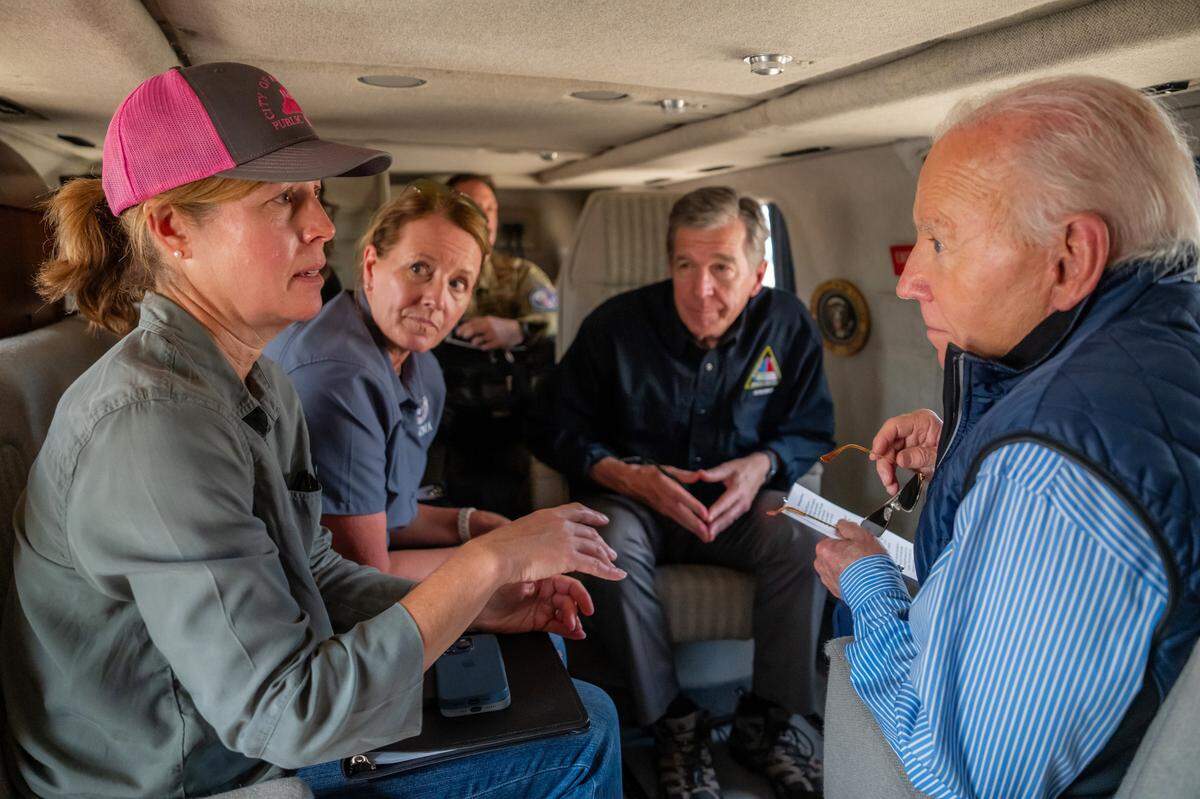
While Criswell is headed to Florida to coordinate the Milton response, she vowed she would return to North Carolina and said FEMA’s regional administrator would remain in North Carolina.
There are already 1,000 FEMA employees in Florida working on Helene and other disasters, Criswell said, with additional search-and-rescue teams headed south. Some people are leaving the Helene response in Georgia, South Carolina and Tennessee to head toward the Milton response, Criswell added.
“We are not moving resources that are actively engaged in the priorities that the governor has set here in North Carolina,” Criswell said.
‘Onslaught of lies and misinformation’
Cooper made a point to call out the rampant rumors about the Helene response that are spreading on social media.
Those rumors have resulted in FEMA and N.C. Emergency Management each creating rumor response web pages, while U.S. Rep. Chuck Edwards, a Republican who represents Western North Carolina, has also sent a press release debunking myths about the Helene response. The News & Observer and Charlotte Observer have also been gathering and fact-checking rumors and disinformation.
“It’s important to point out the onslaught of lies and misinformation that are impacting people there on the ground. This misinformation is confusing to people trying to get help. It’s demoralizing and dangerous for people working so hard to deliver that help,” Cooper said.
Cooper urged people to verify information they have been sent with “respected news sources” or to reach out directly to FEMA or state responders.
Stay off WNC roads
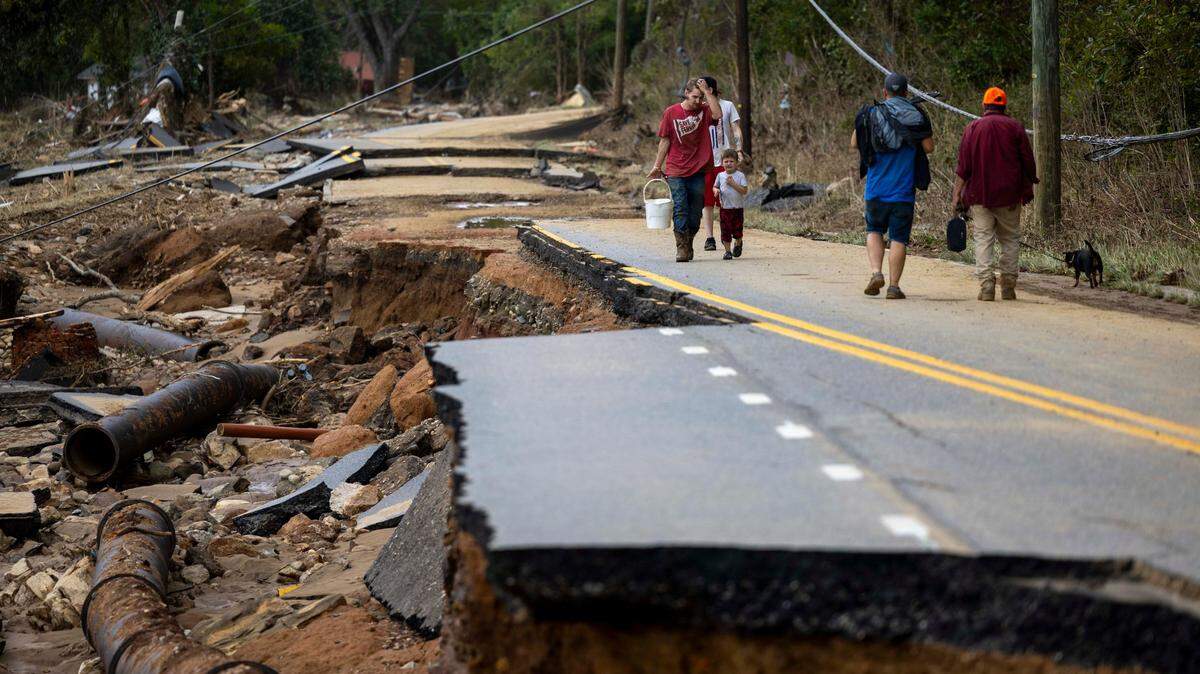
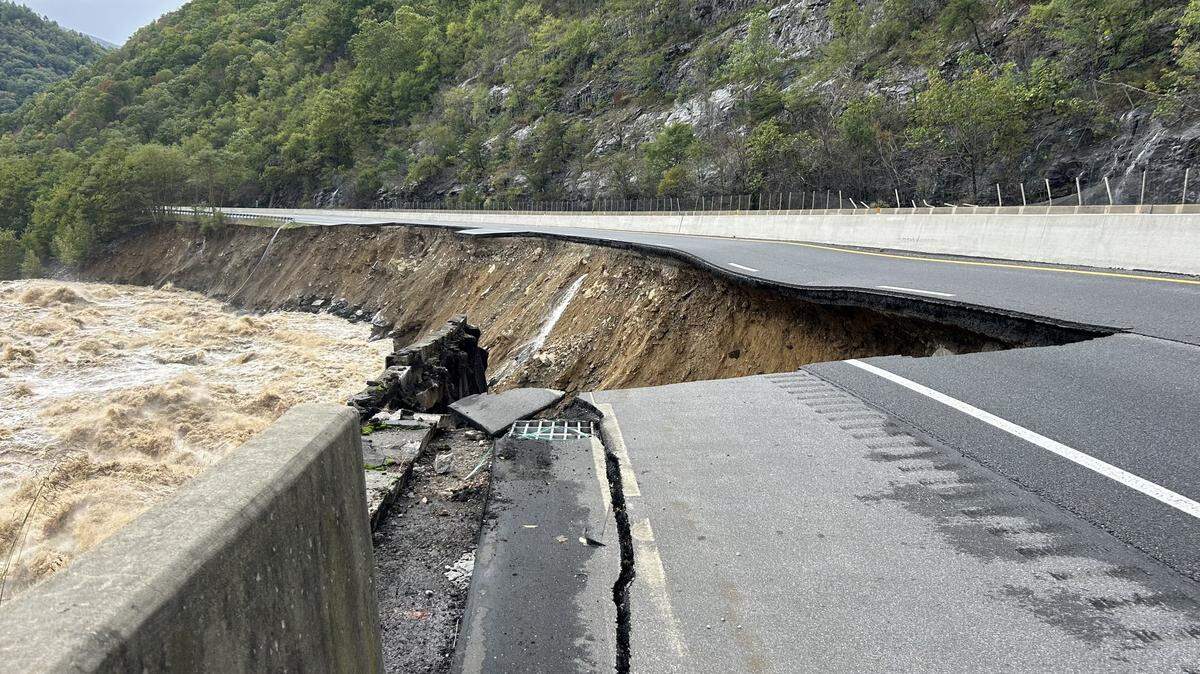
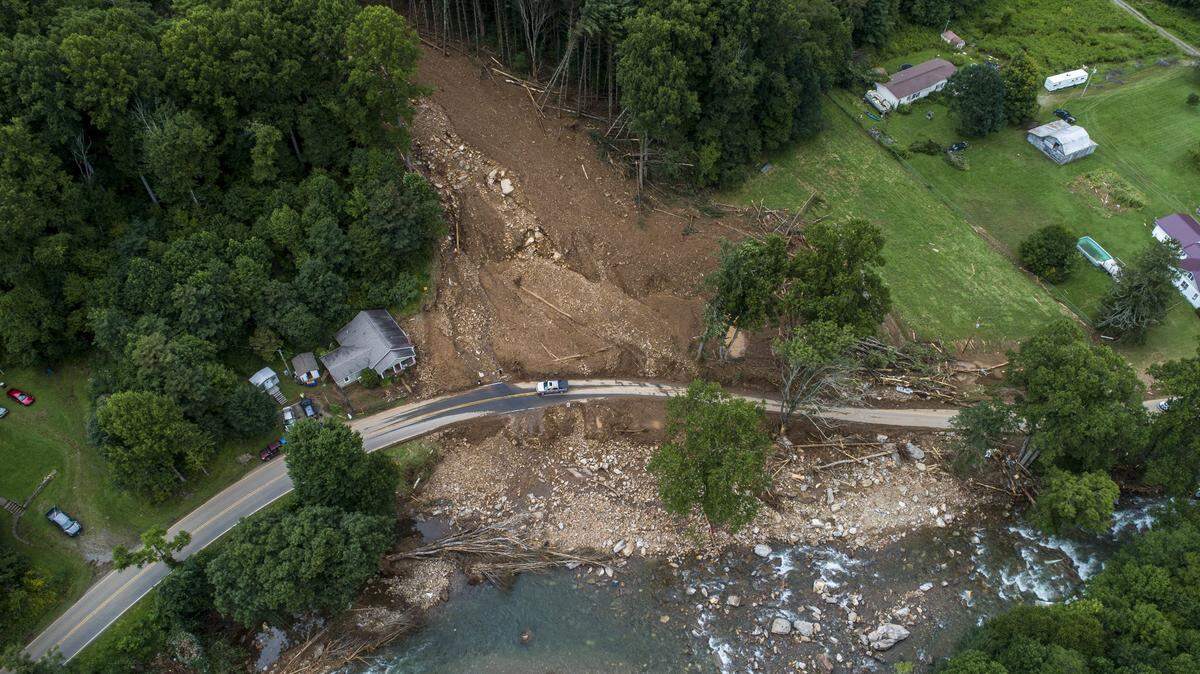
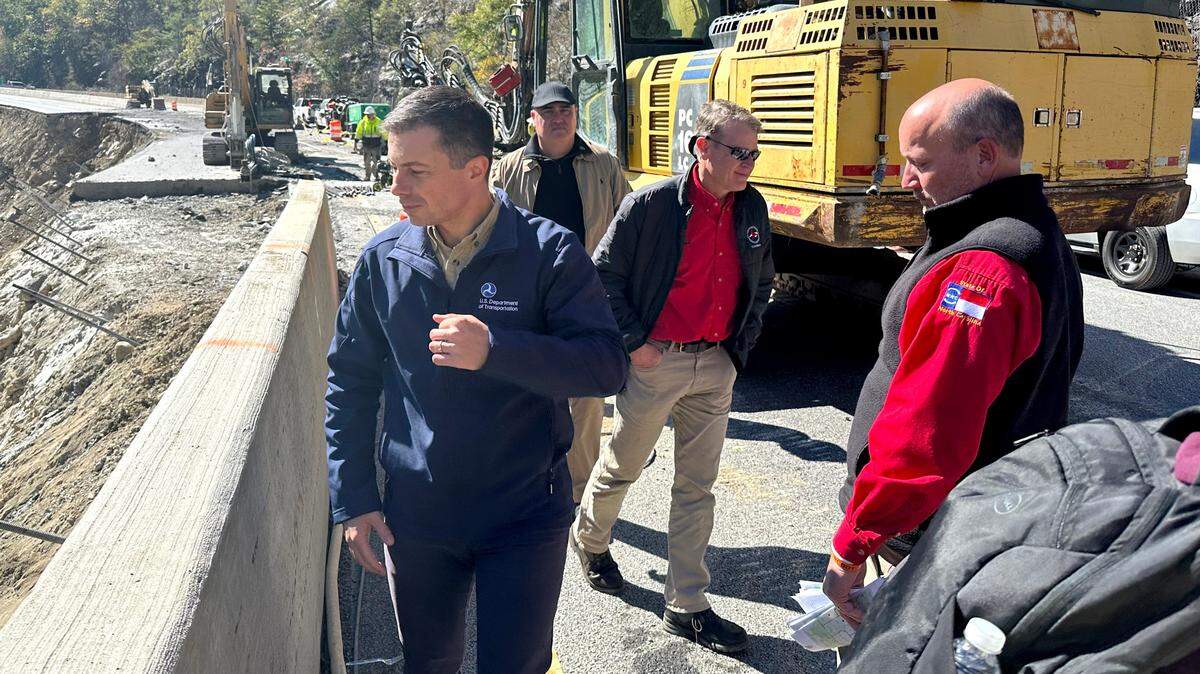
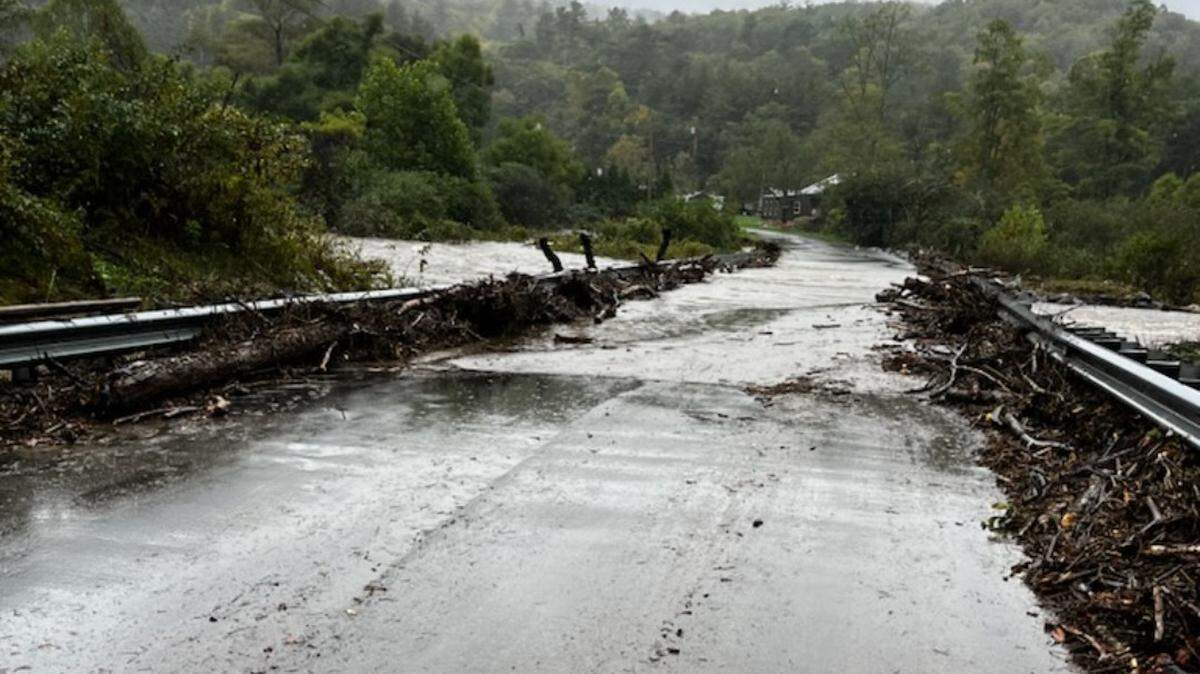
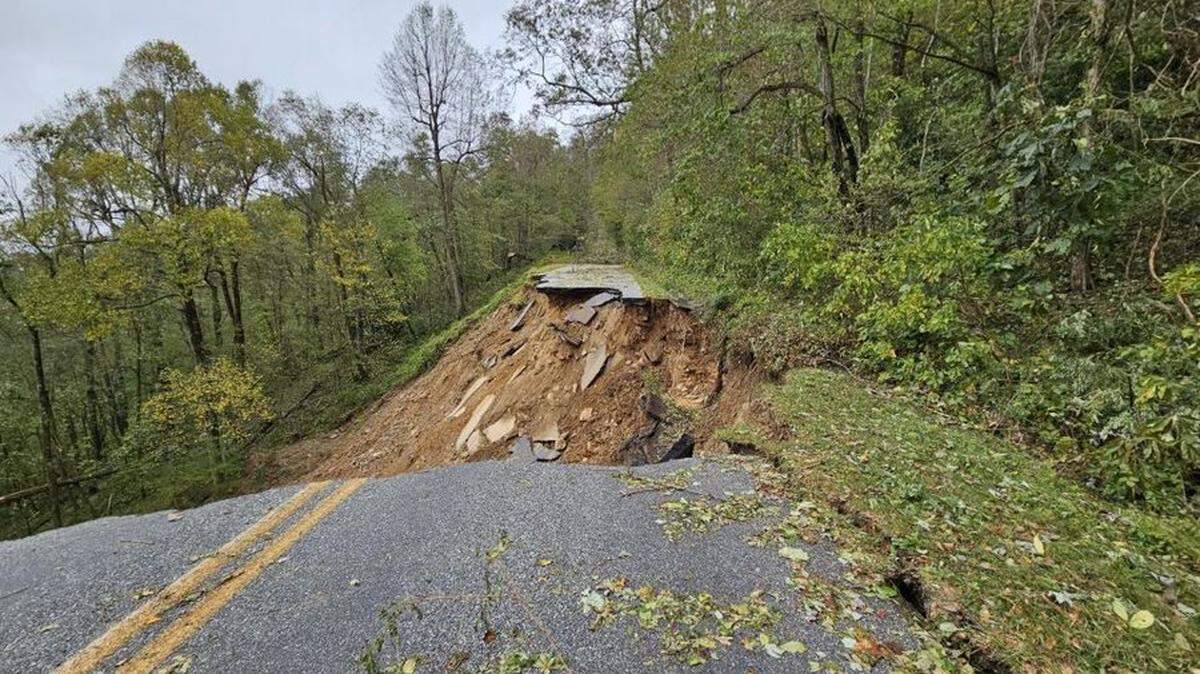
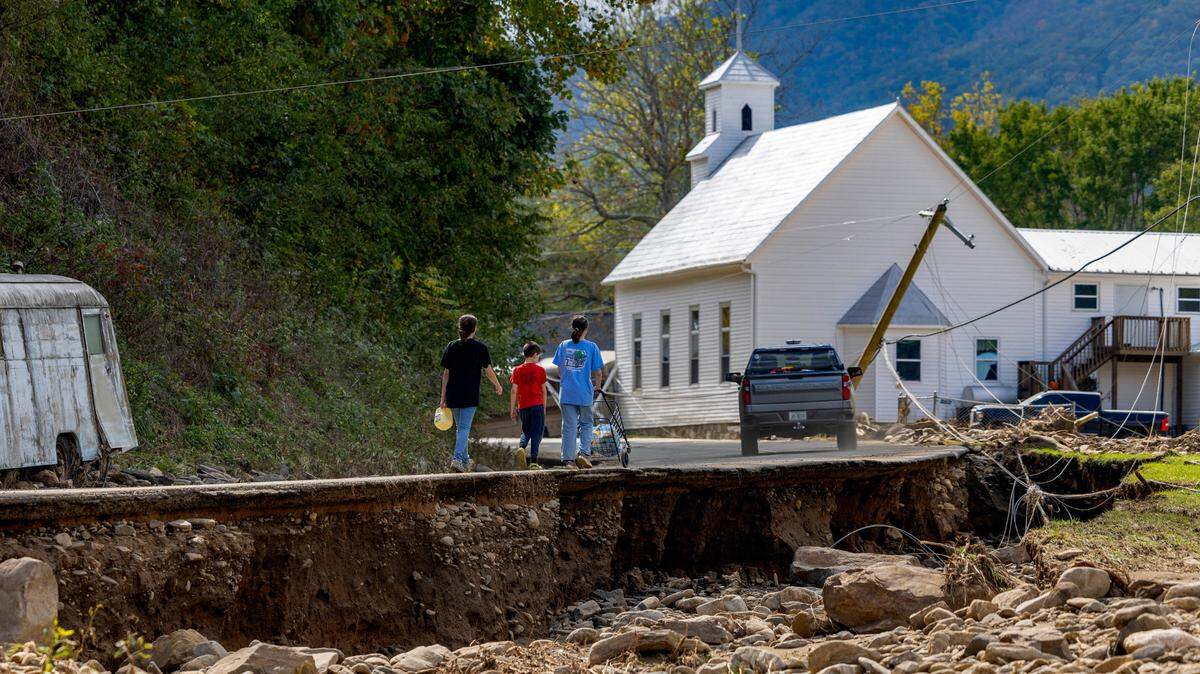
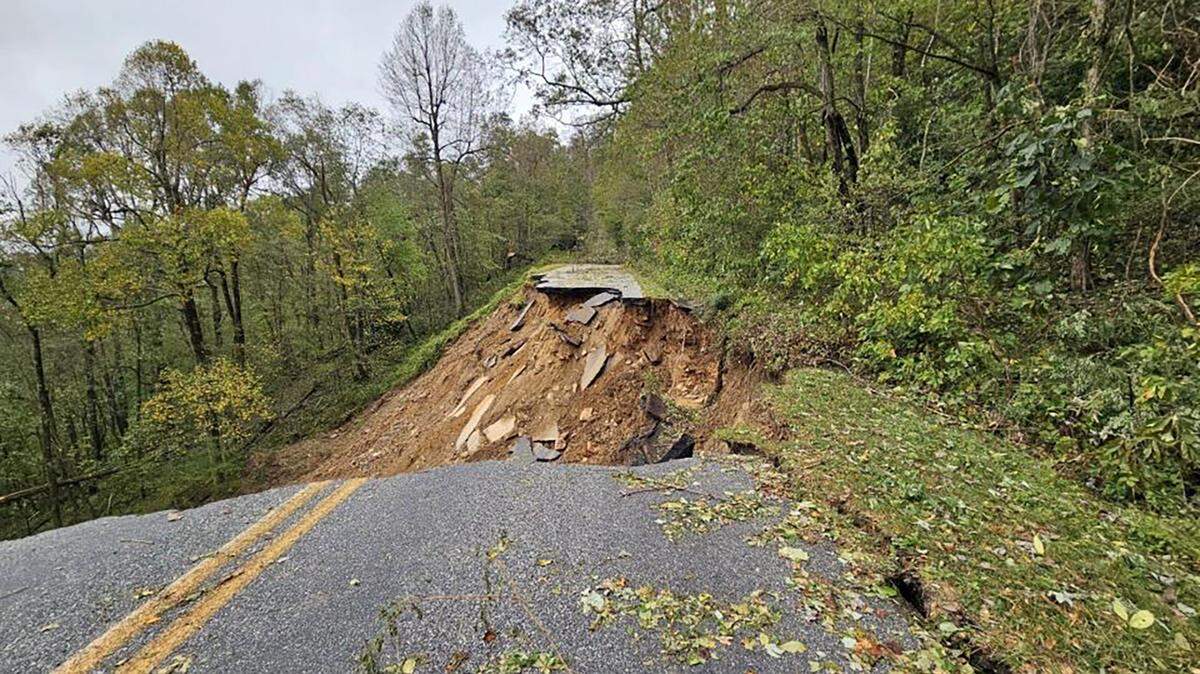
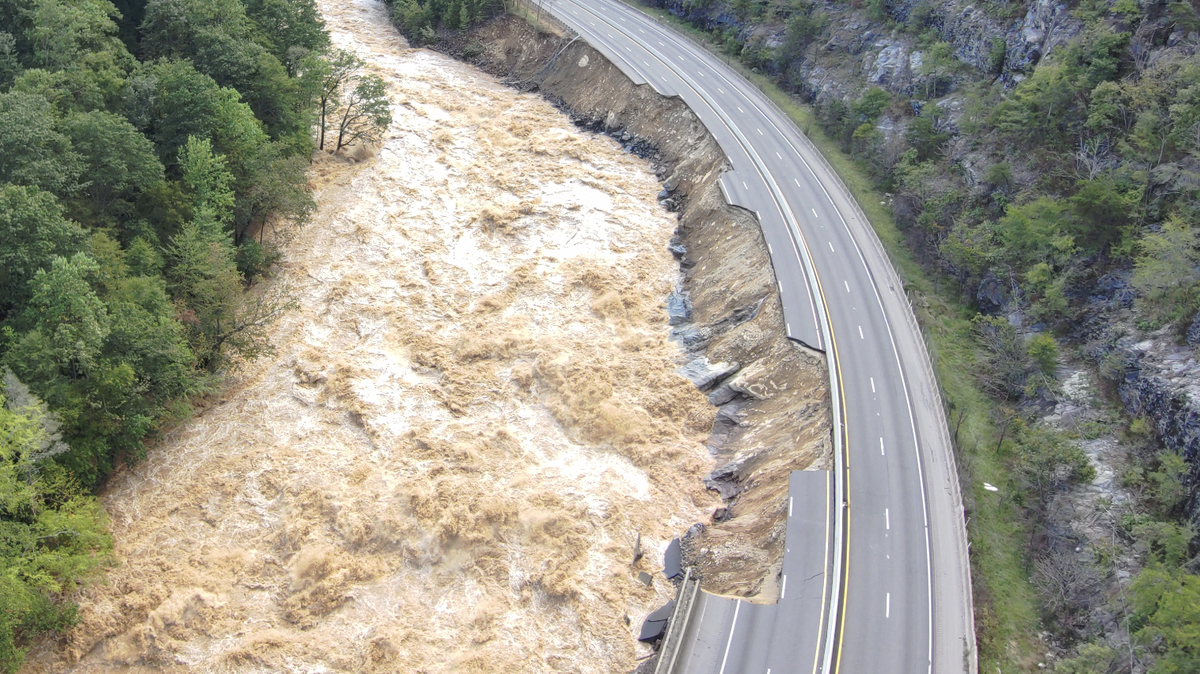
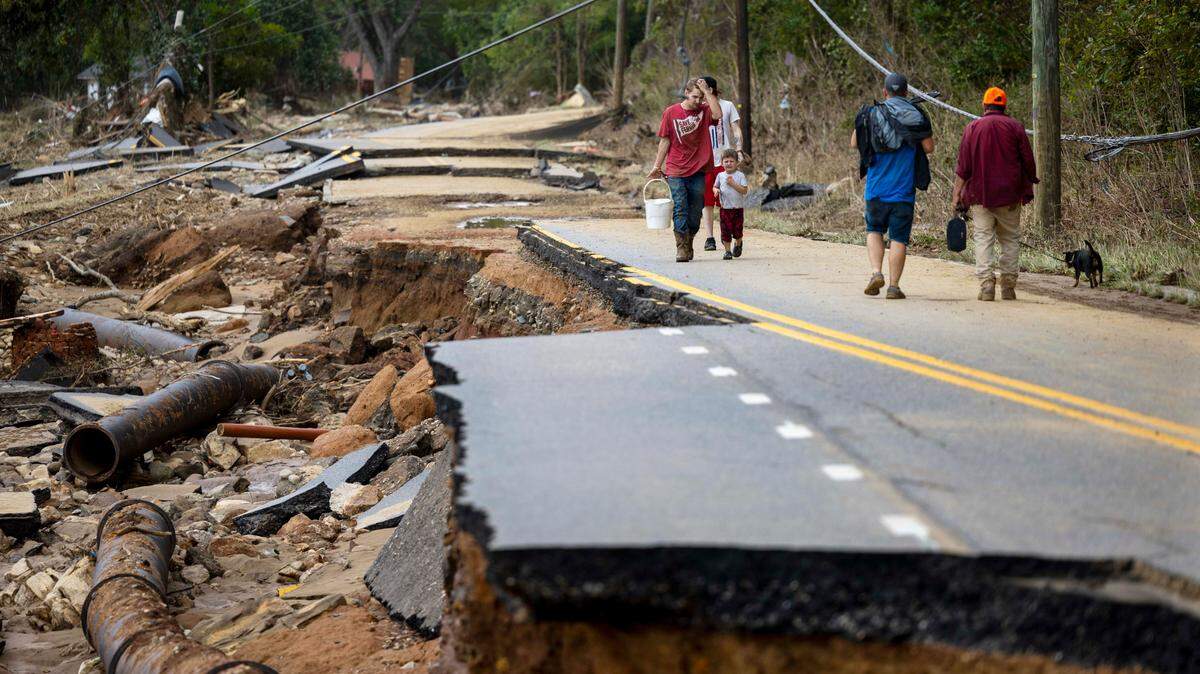
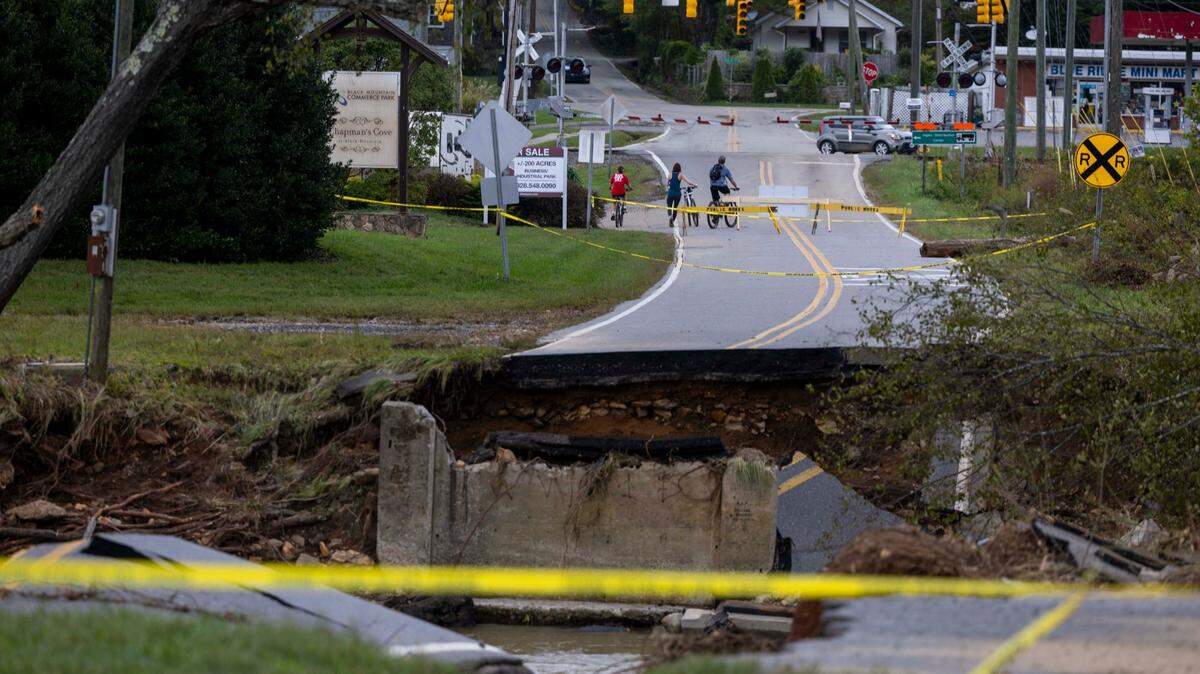
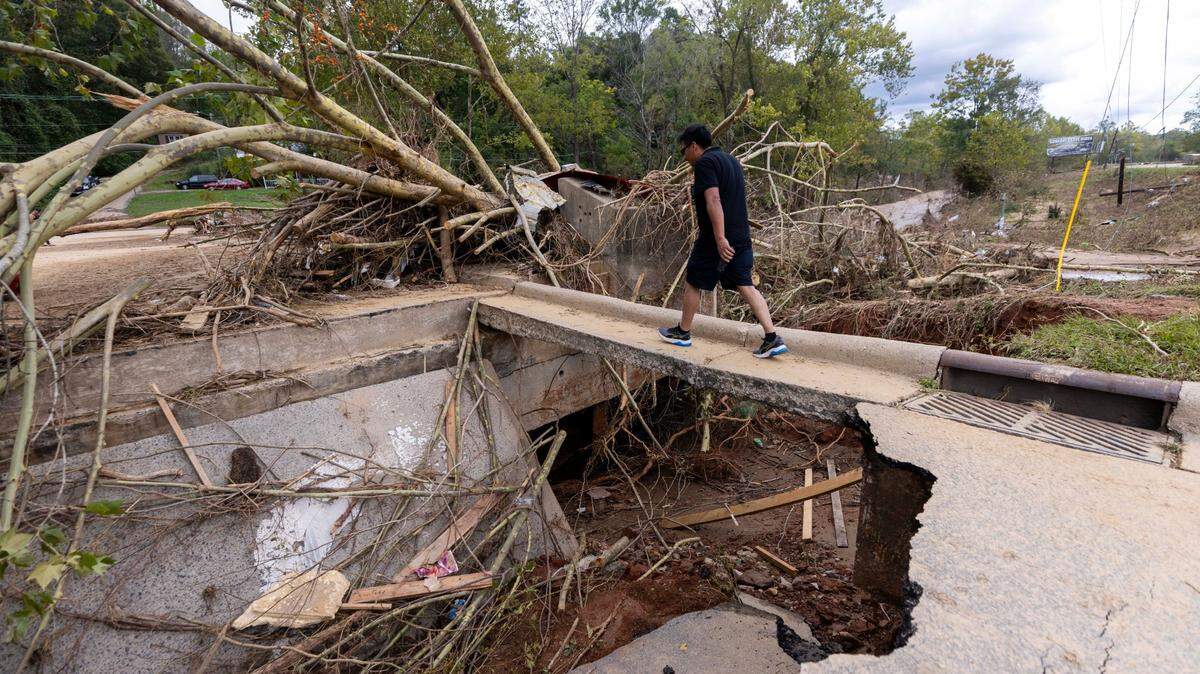
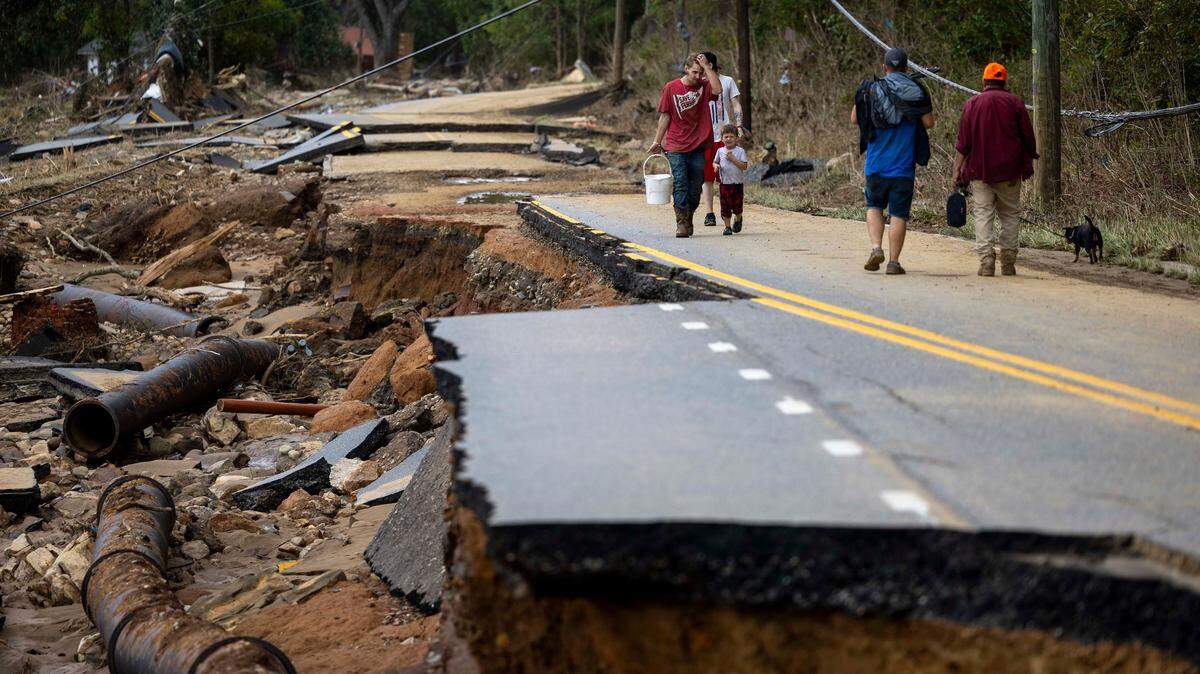
More than 460 roads have reopened, NC Department of Transportation Secretary Joey Hopkins said Wednesday, but more than 600 remain closed due to storm damage.
“This number’s still changing daily as communications improve and we reach more sites,” Hopkins said.
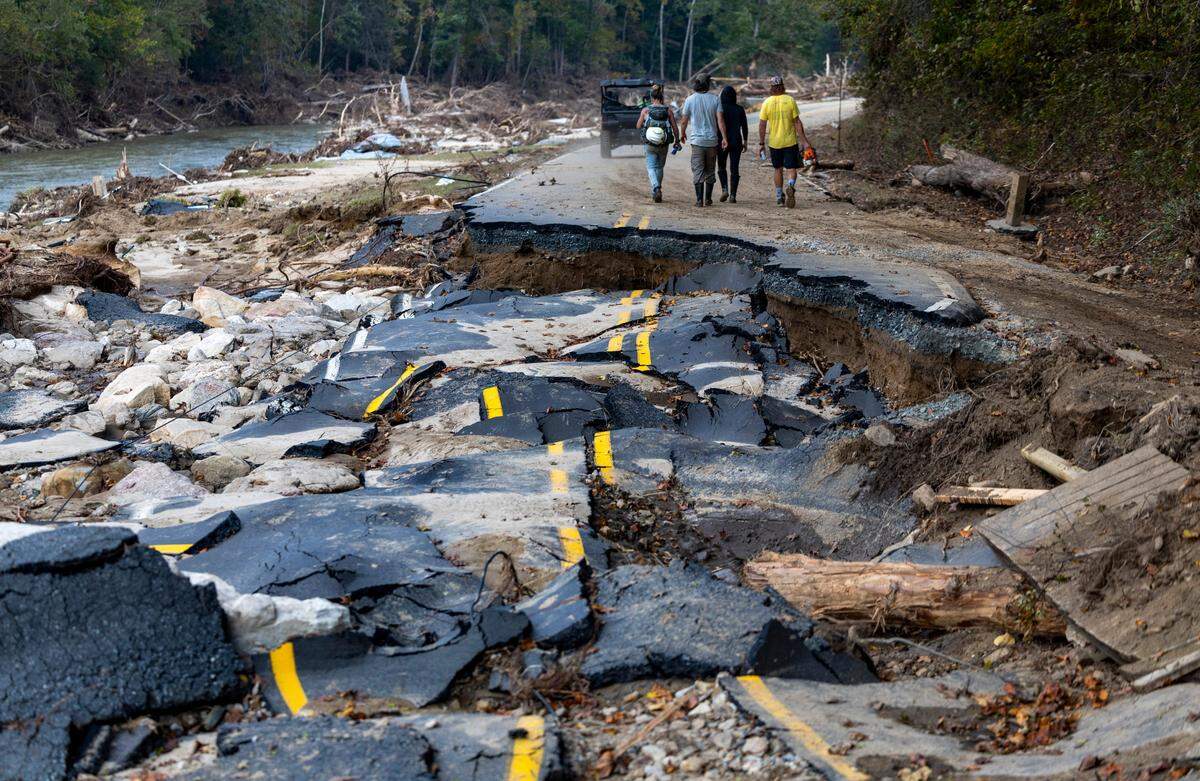
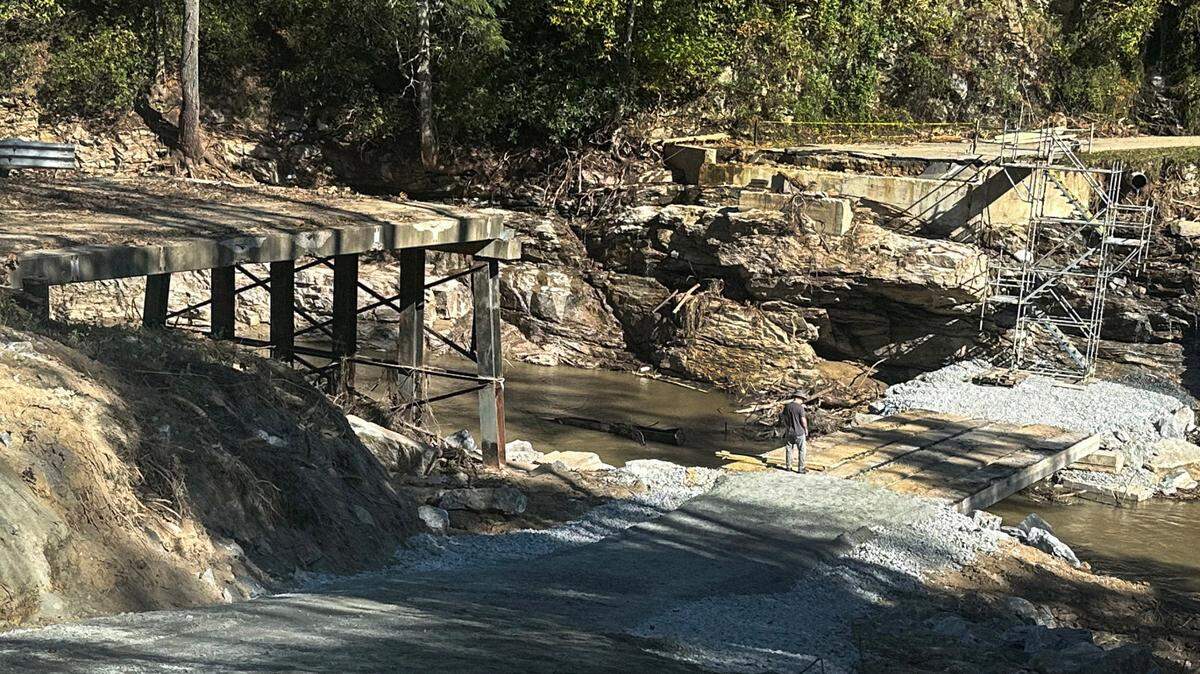
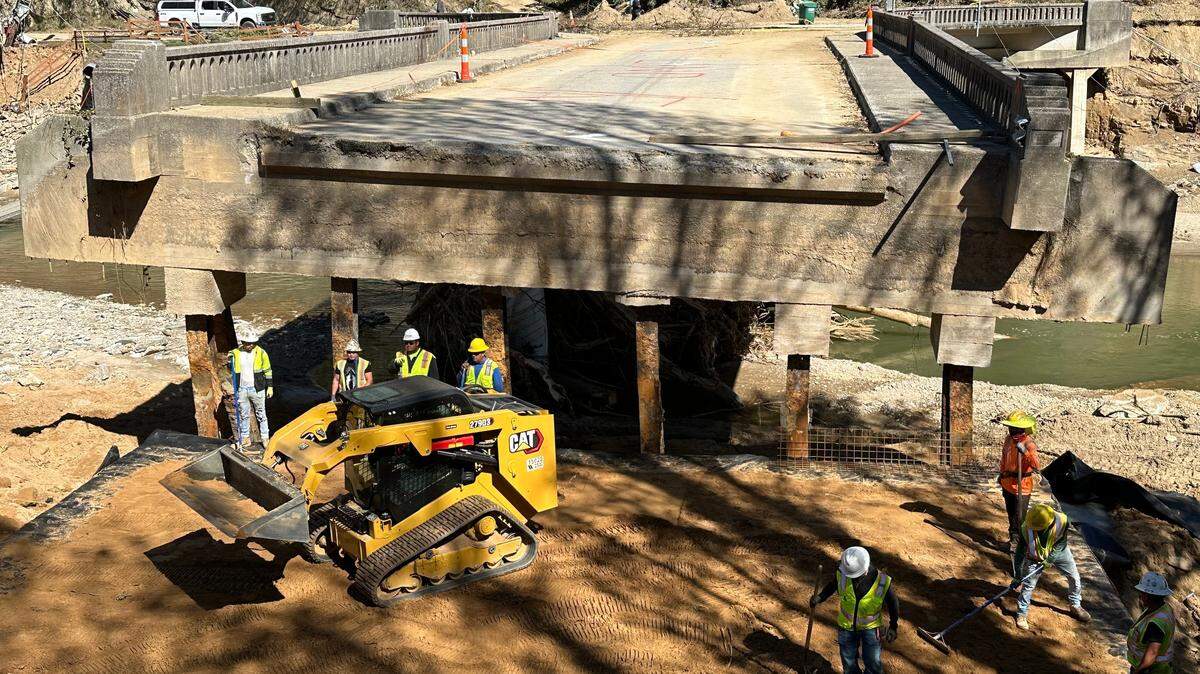
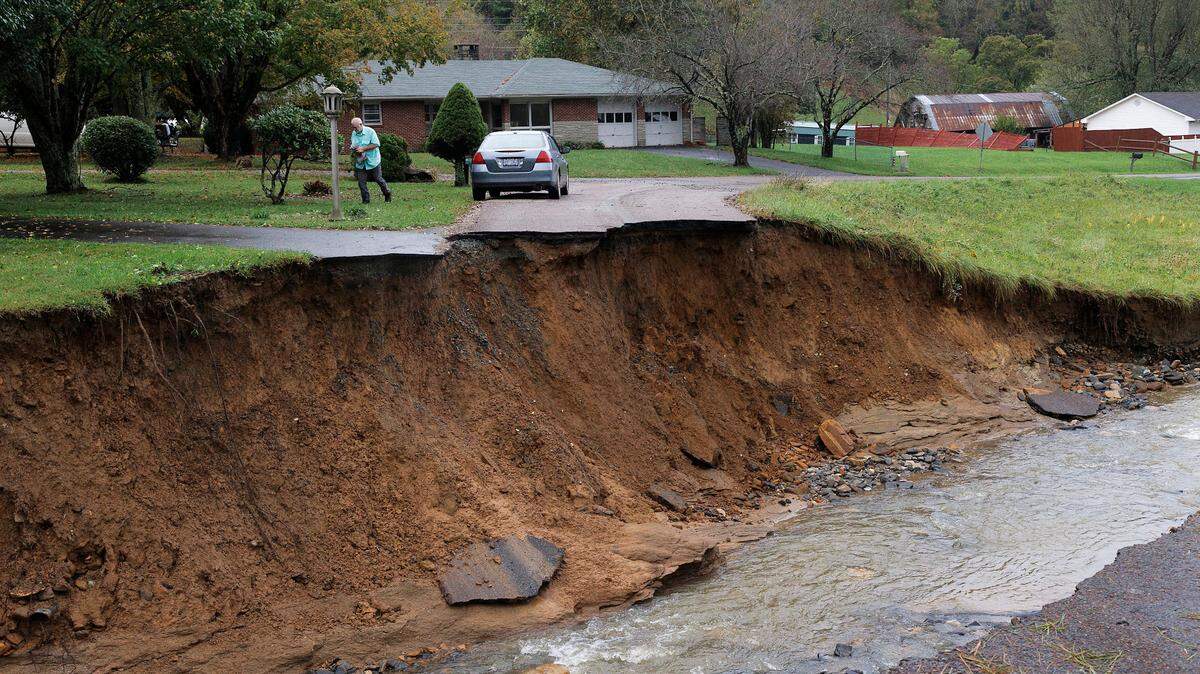
There are 5,800 sites that have sustained damage, Hopkins said, including 500 bridges and 600 culverts. Of those, DOT anticipates that at least 100 bridges will need to be replaced.
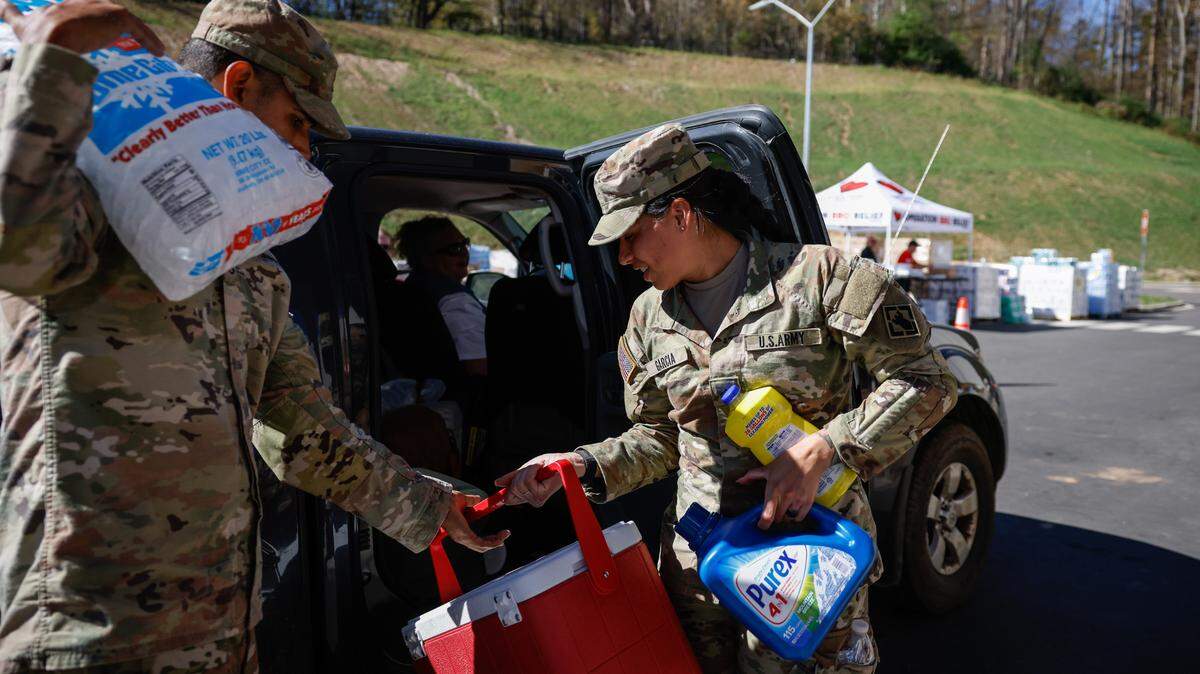
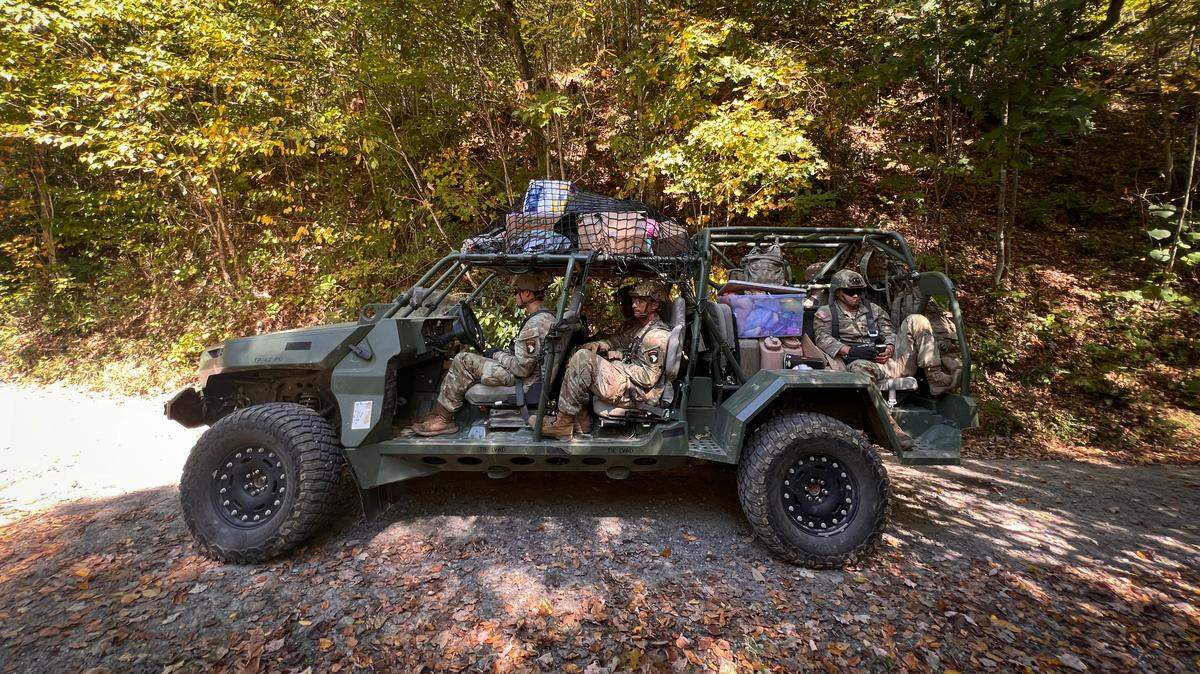
DOT’s response include 2,100 employees, 1,700 of them working in Western North Carolina. There are also hundreds of contract employees, N.C. National Guard and U.S. Army forces helping DOT.
“Non-essential traffic is hindering our efforts to get roads opened back up. Crews are having to stop work to allow traffic to pass through damaged areas. To hep us get roads open, cleared and open as fast as possible, we again ask that traffic use alternative routes,” Hopkins said.
This story was produced with financial support from the Hartfield Foundation and Green South Foundation, in partnership with Journalism Funding Partners, as part of an independent journalism fellowship program. The N&O maintains full editorial control of the work. If you would like to help support local journalism, please consider signing up for a digital subscription, which you can do here.
This story was originally published October 9, 2024 at 5:14 PM.



.jpg)



.jpeg)
.JPG)


















.JPG)