Still no cell service in much of battered western NC. Why is it so tough to fix?

READ MORE
Hurricane Helene Aftermath
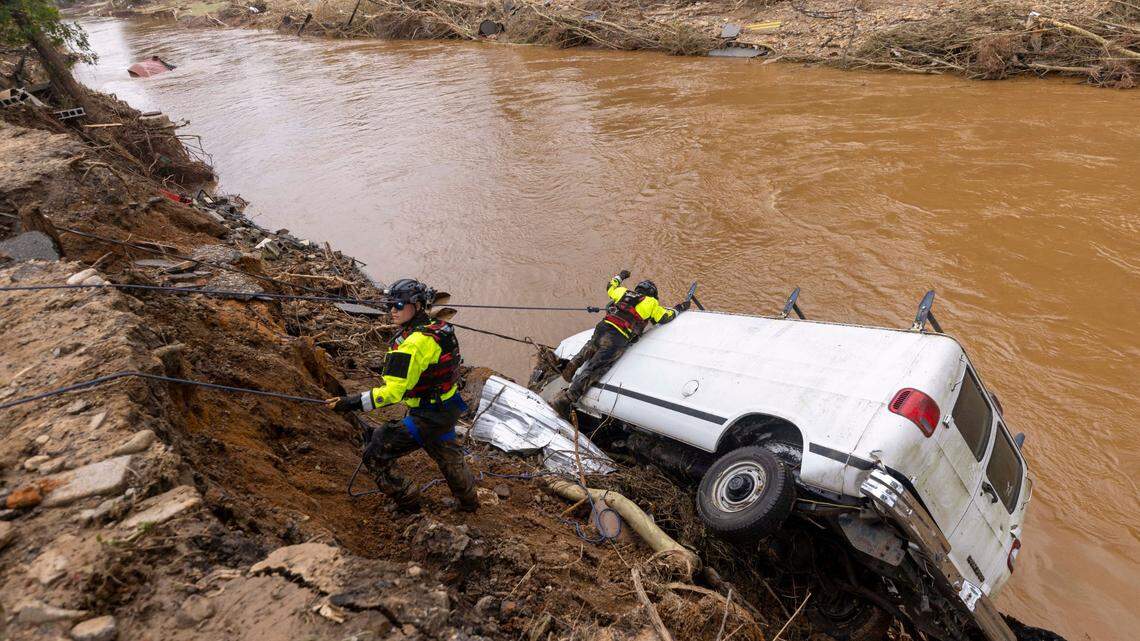
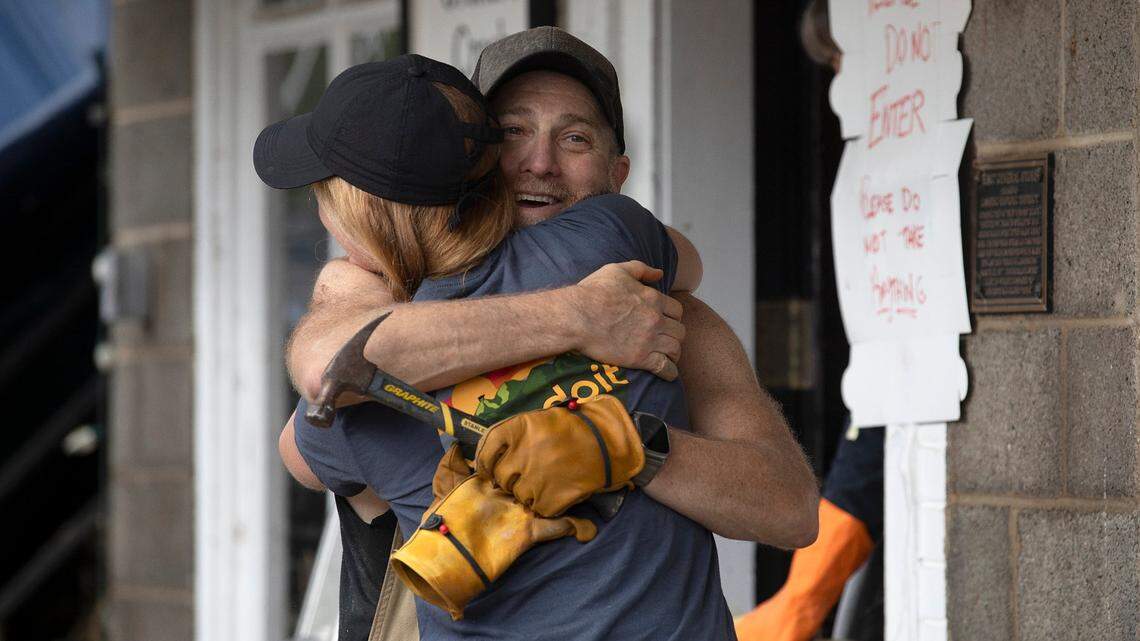
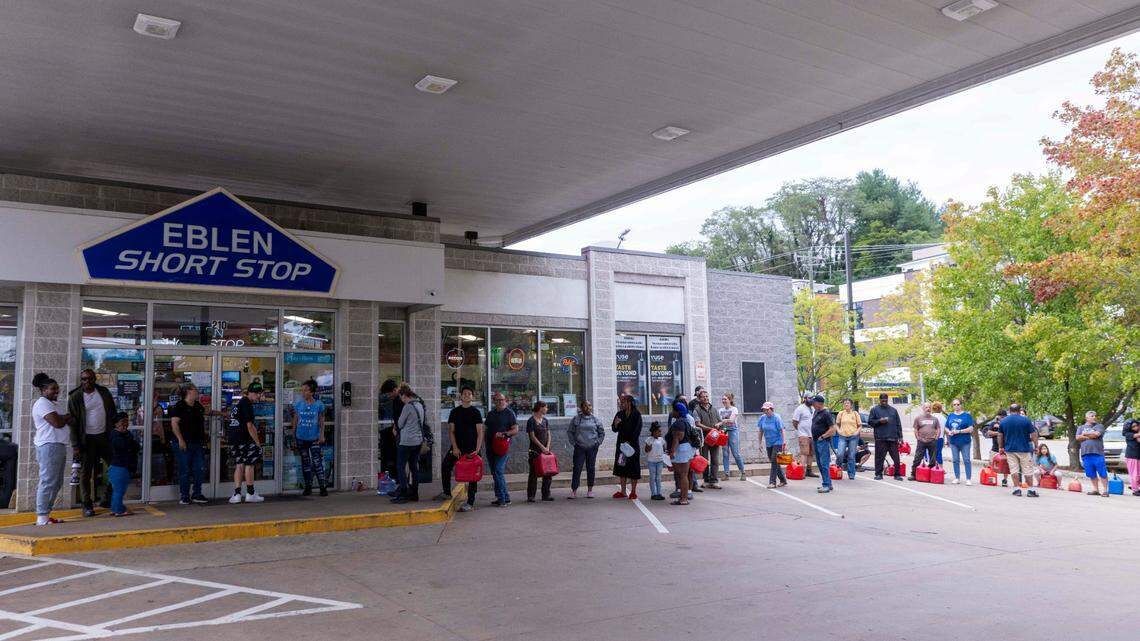
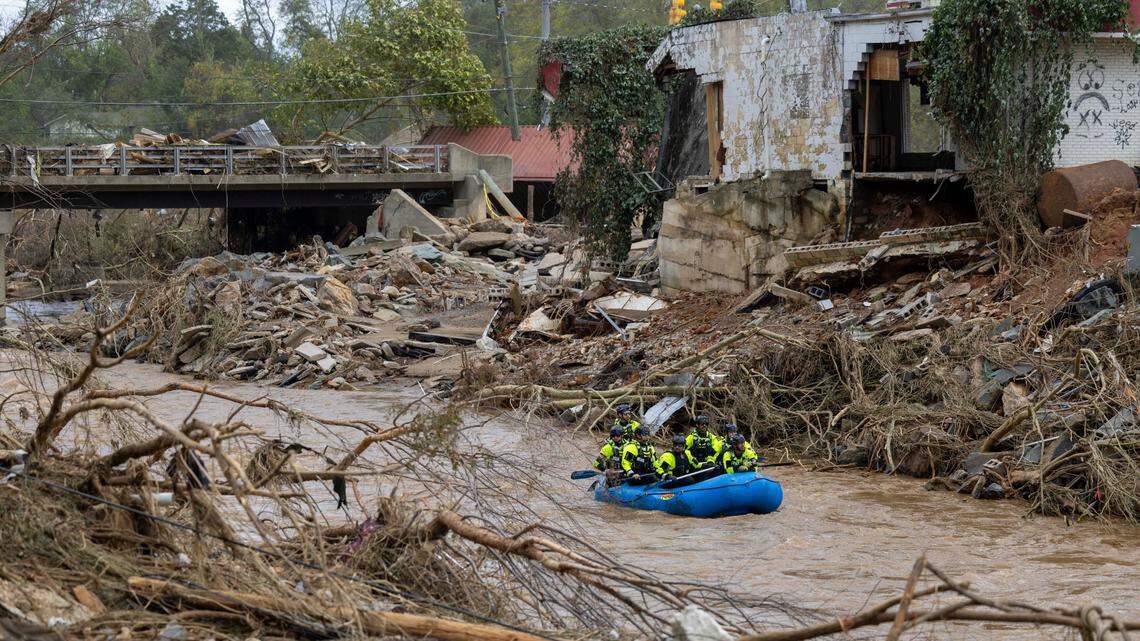
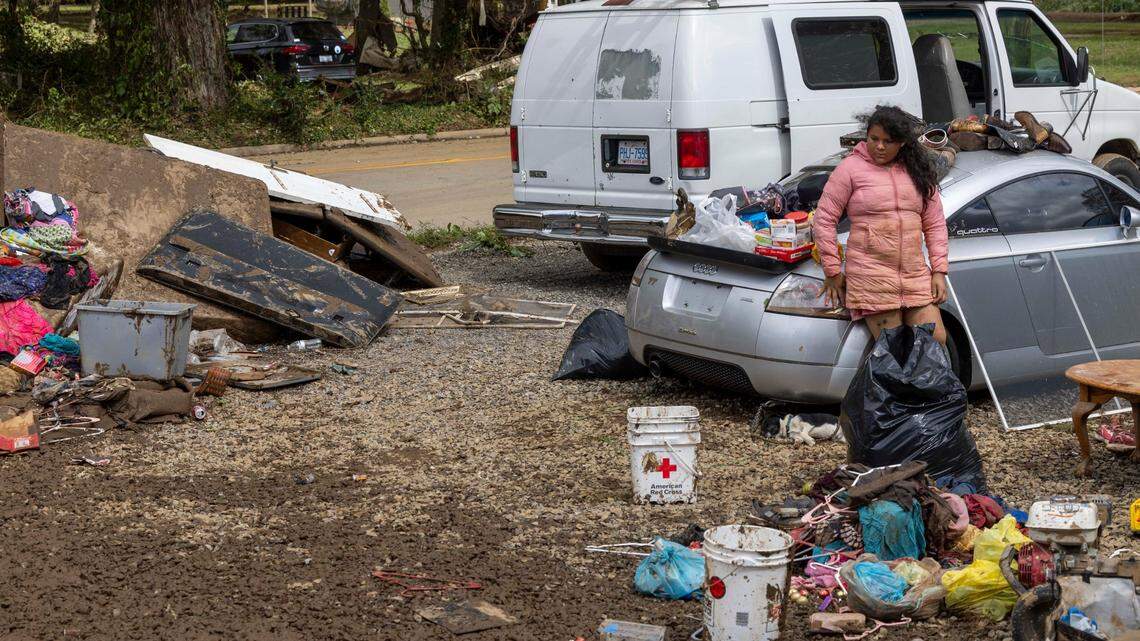
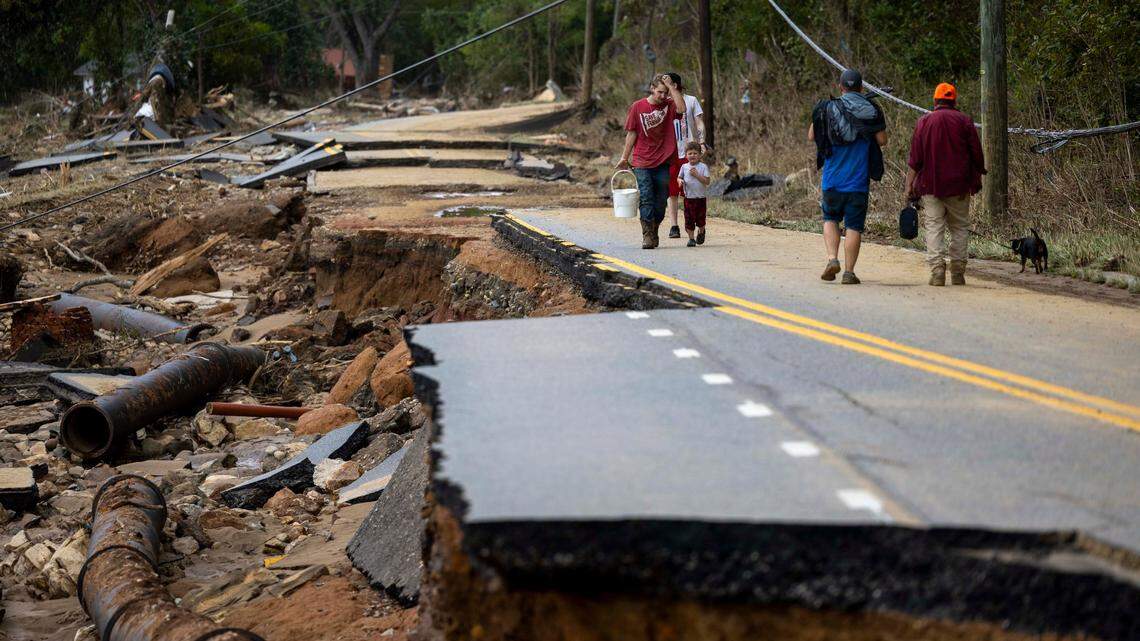
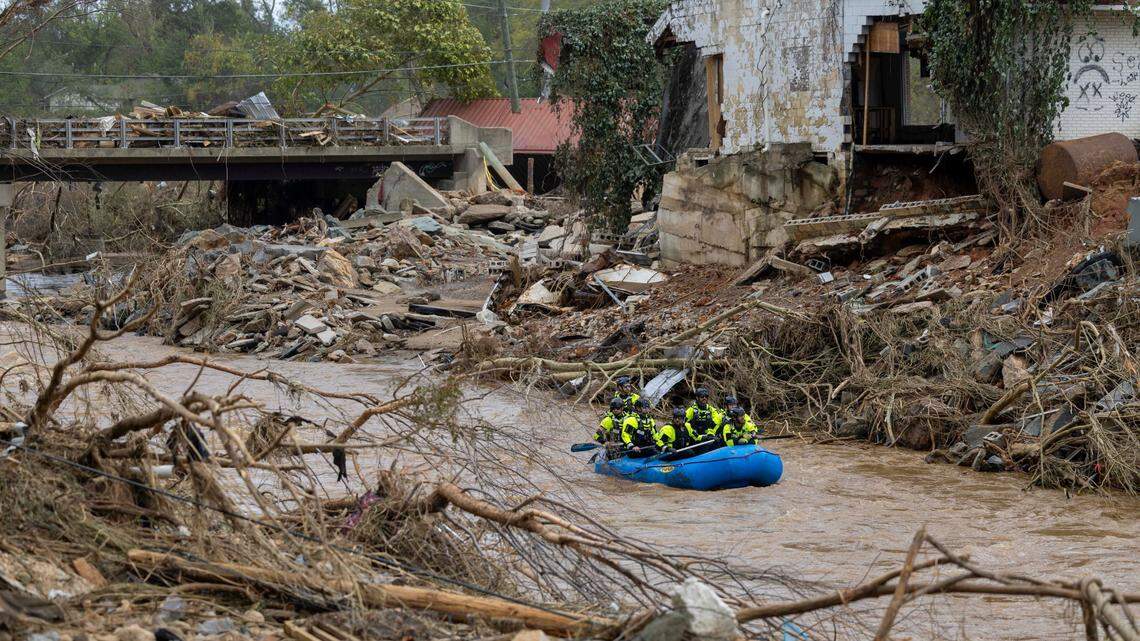
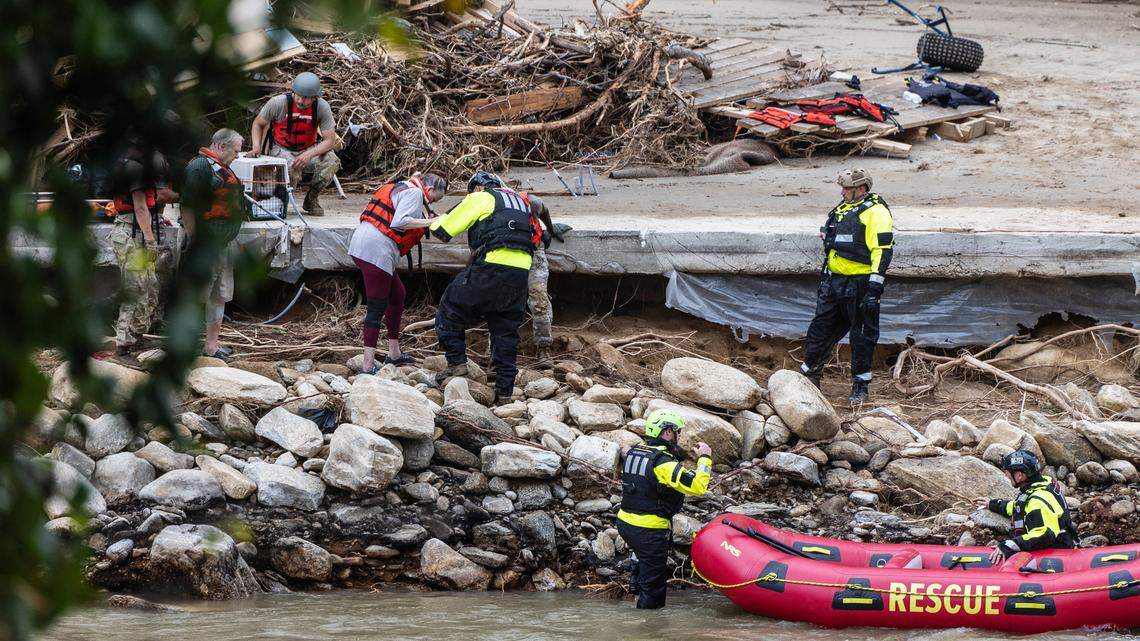
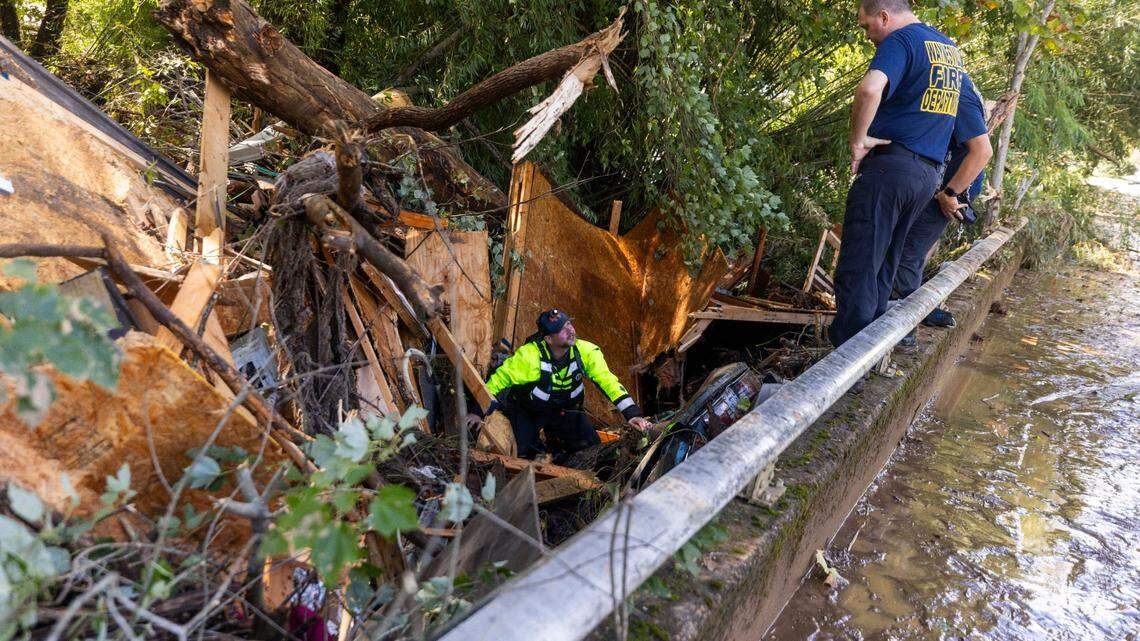
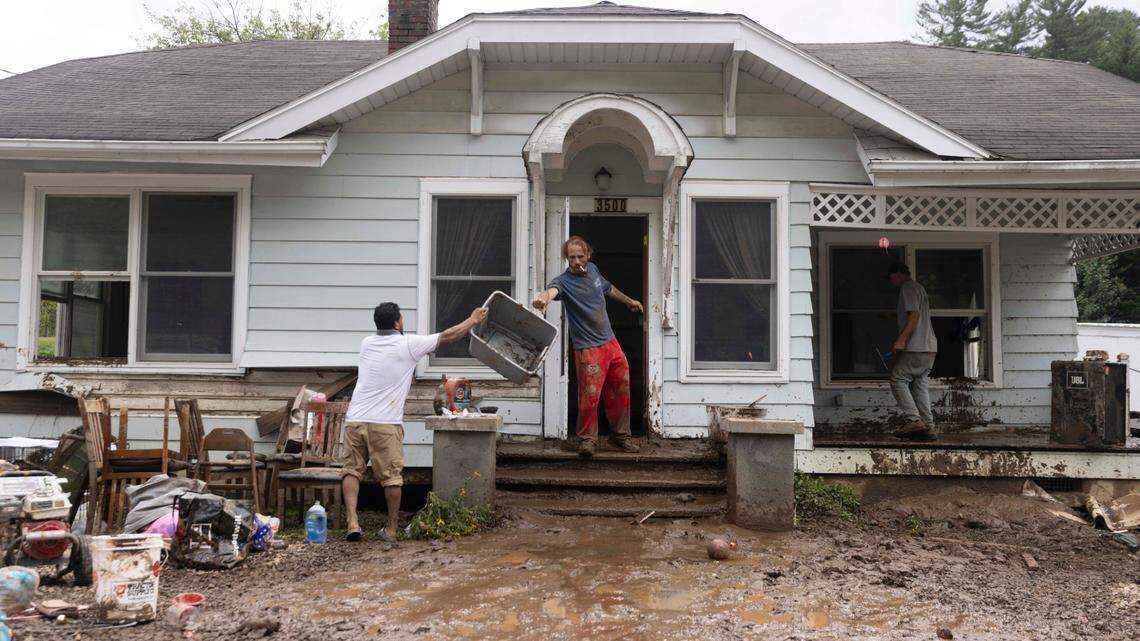
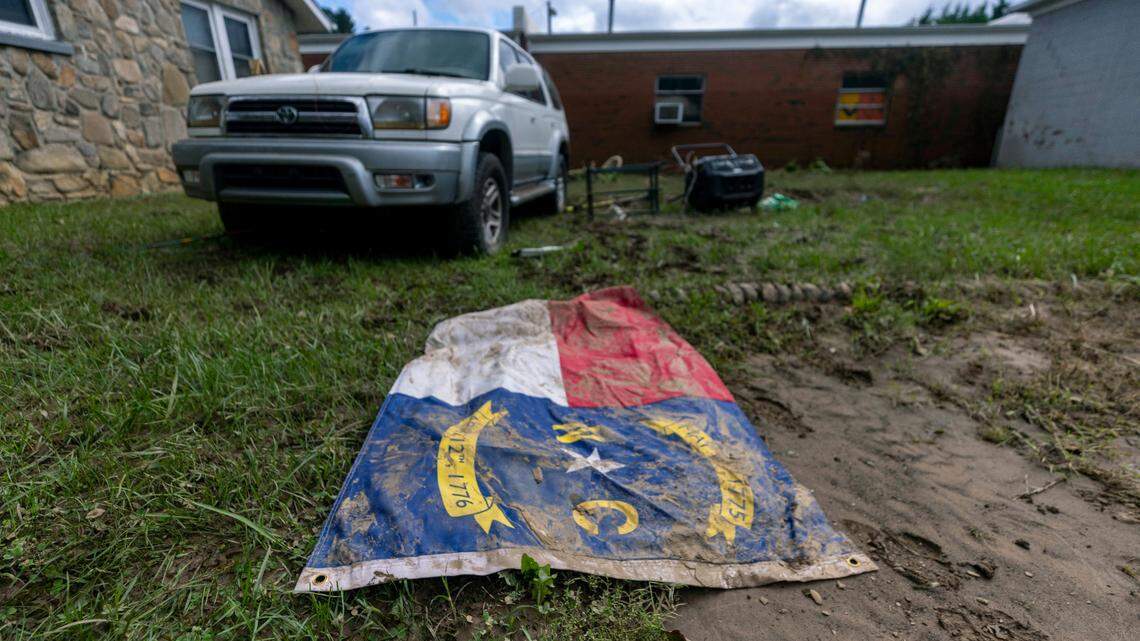
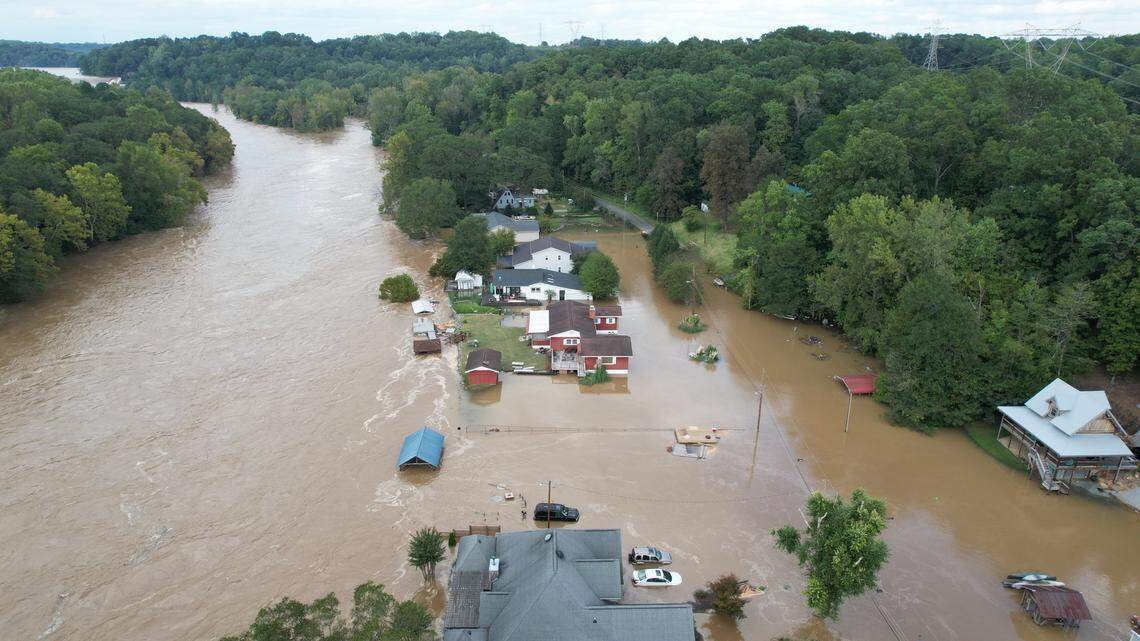
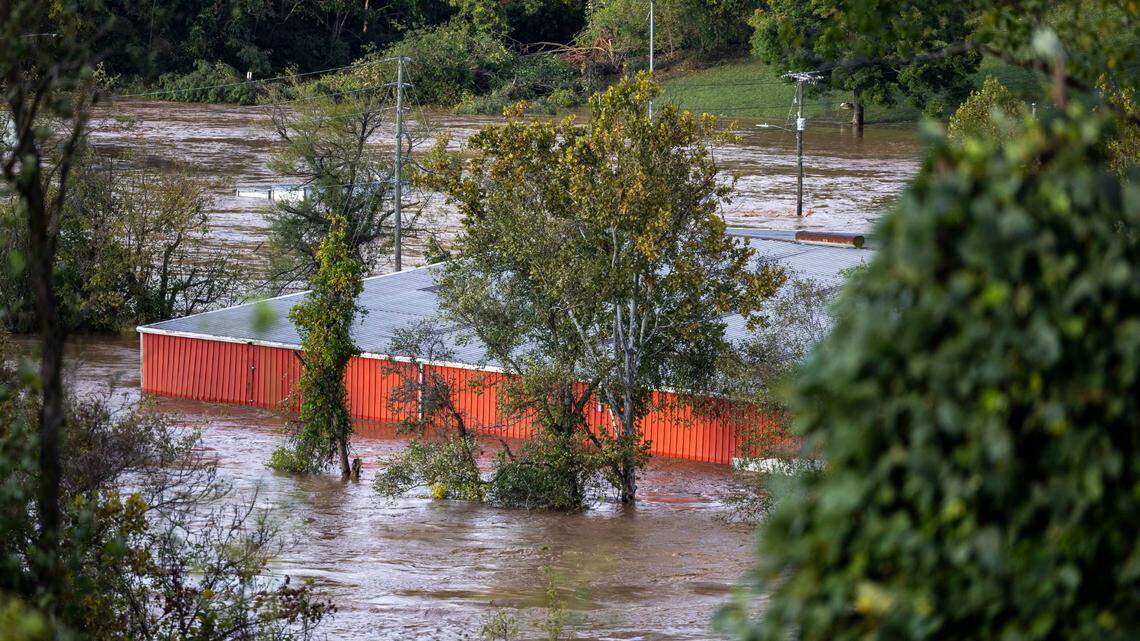
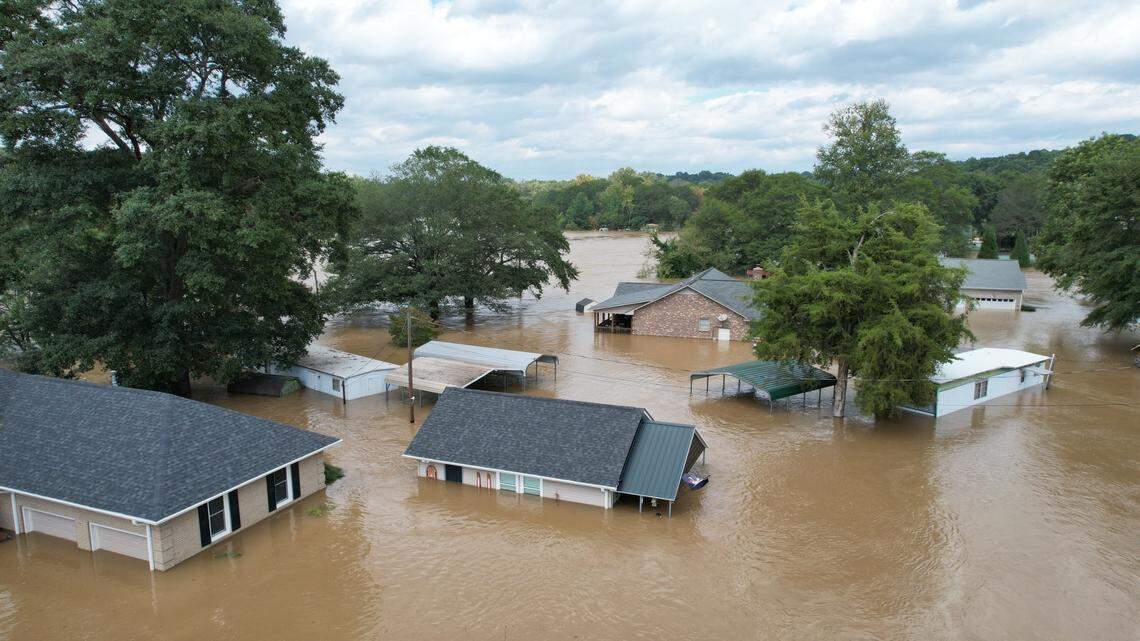
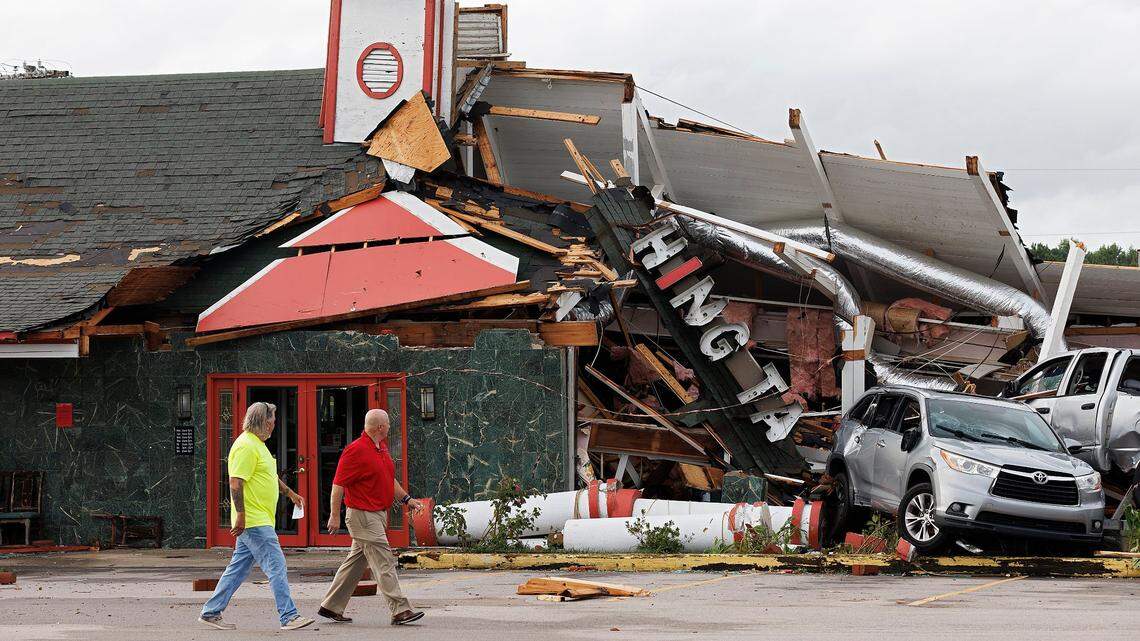
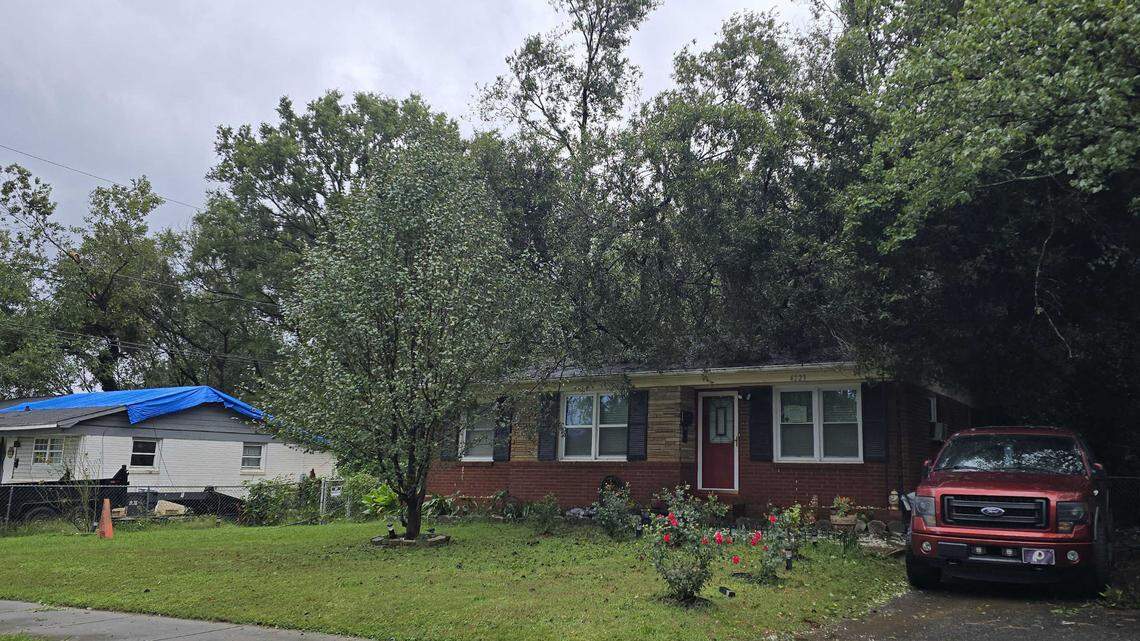
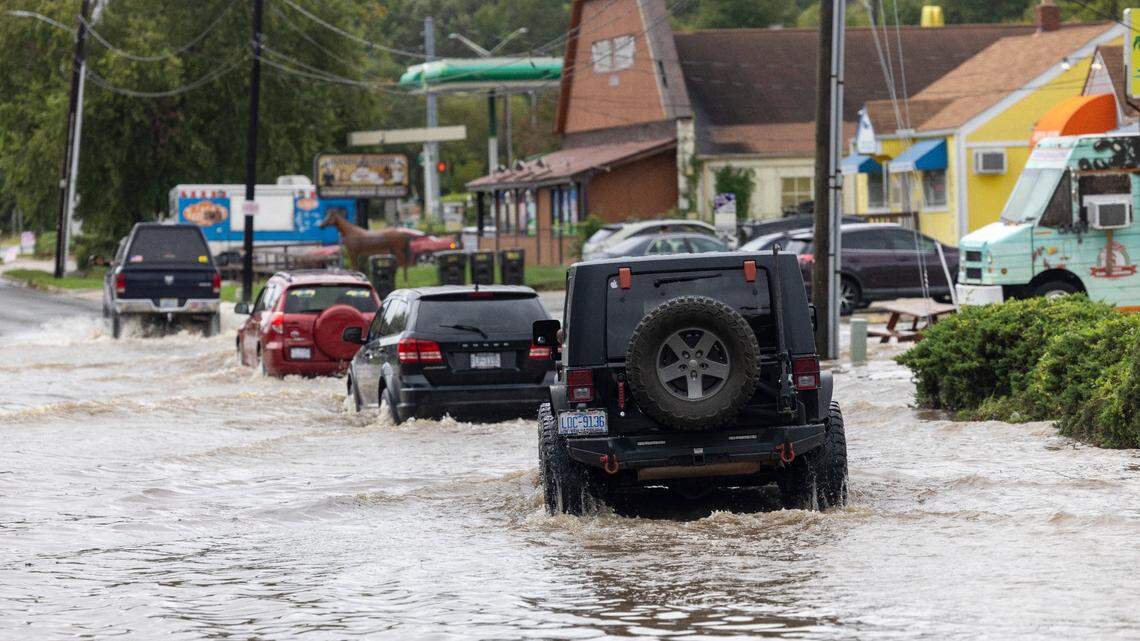
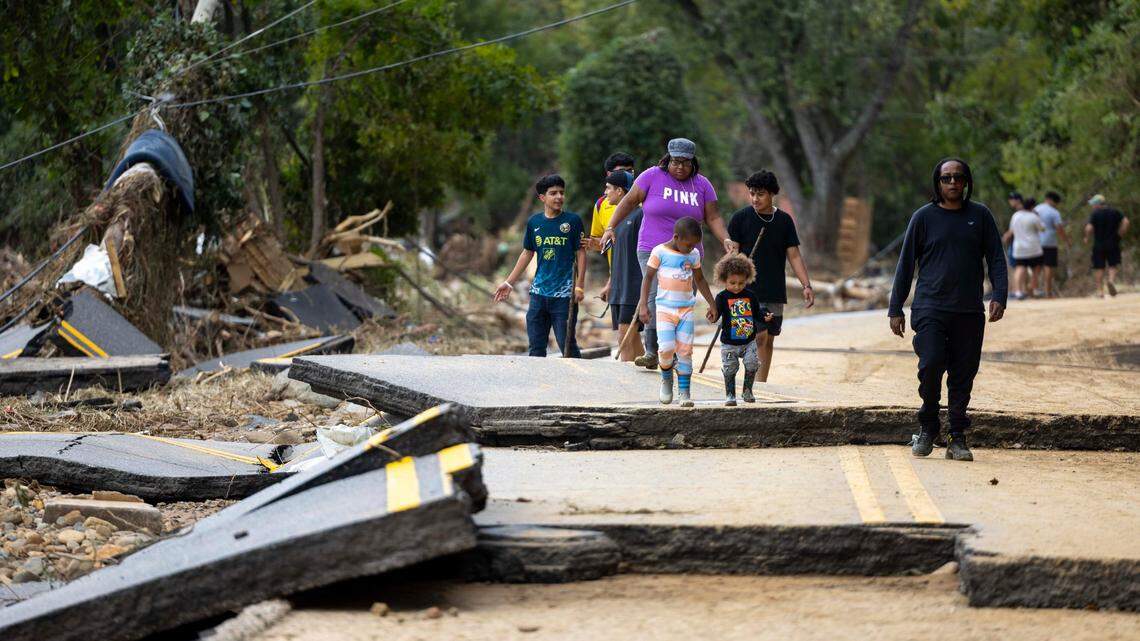
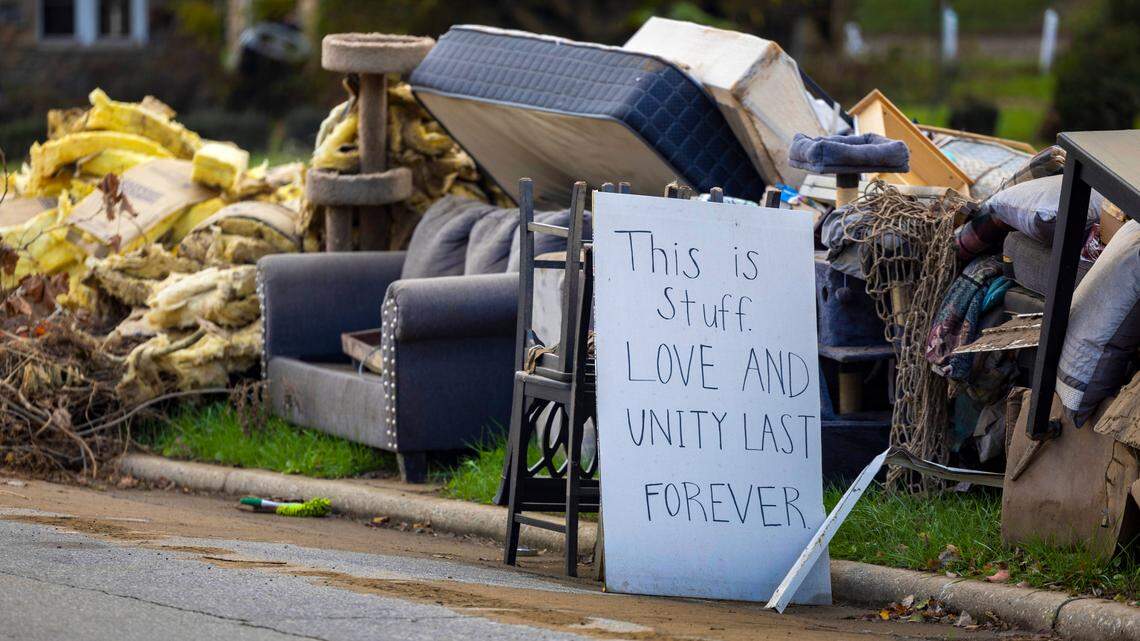
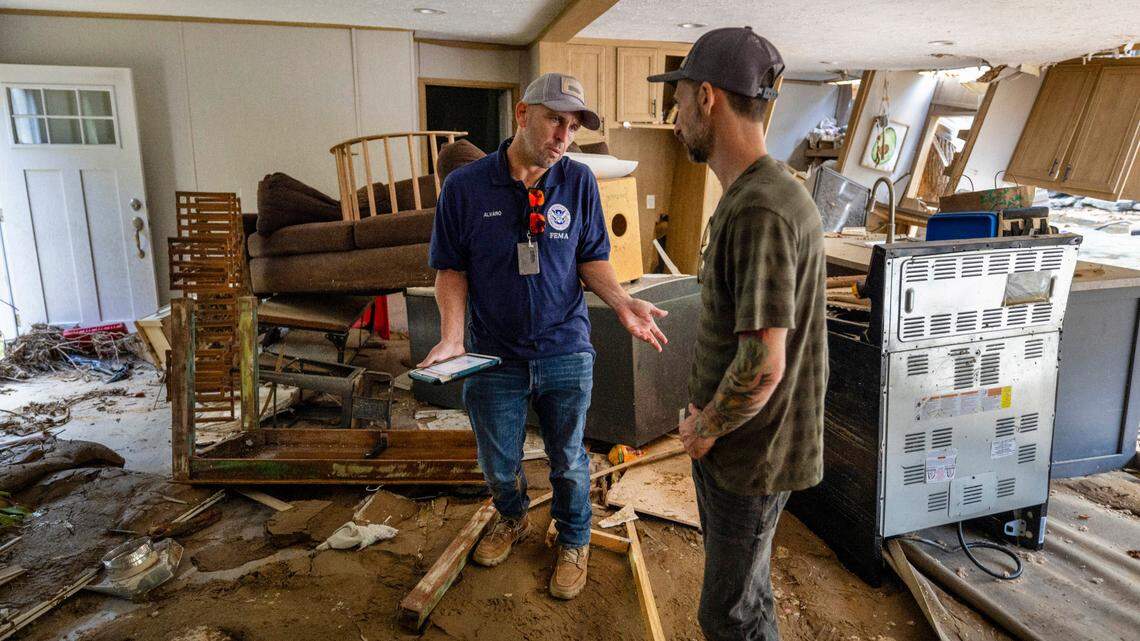
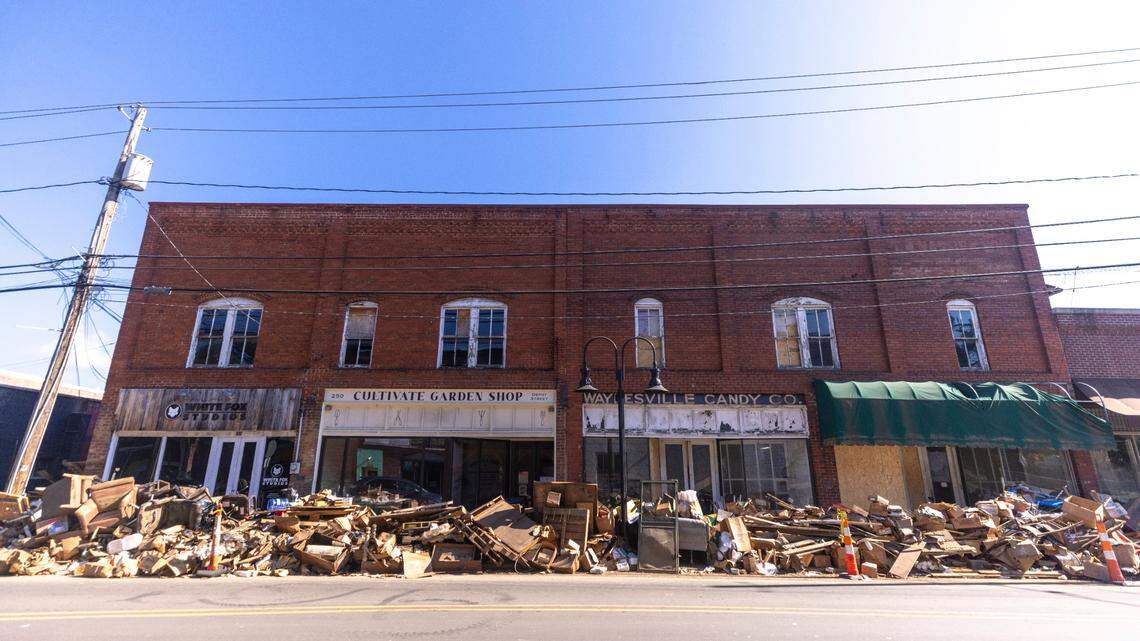
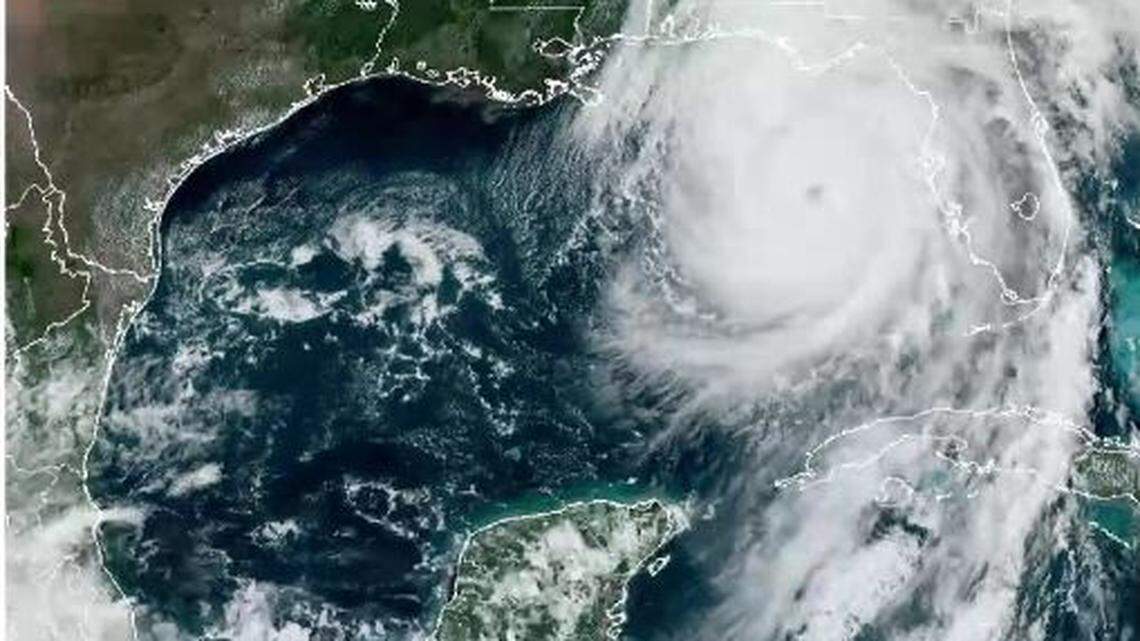
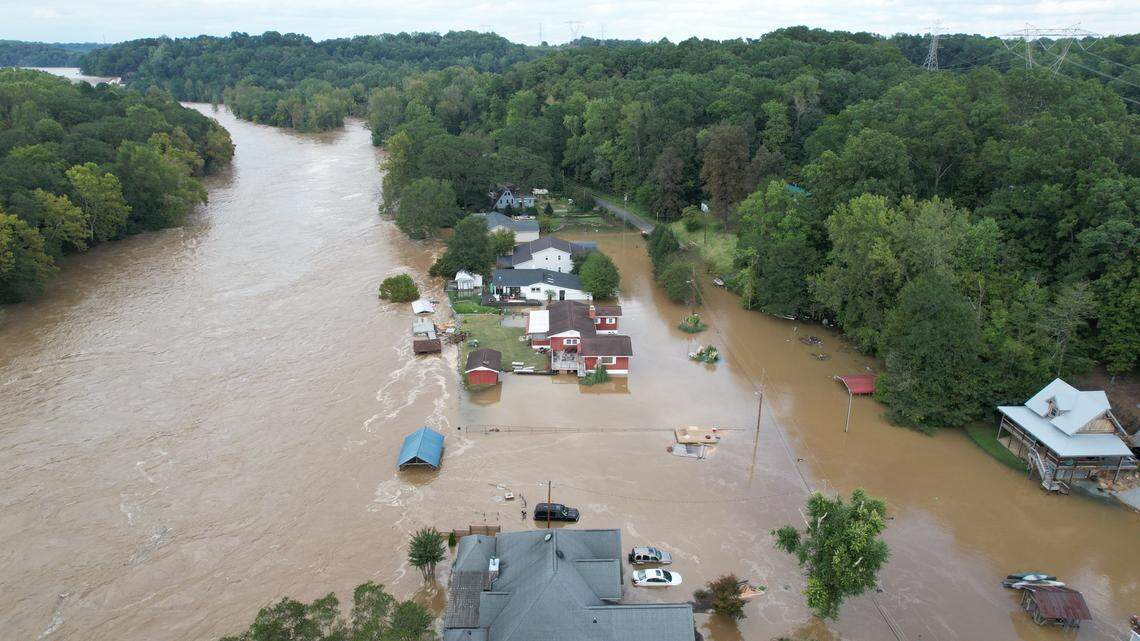
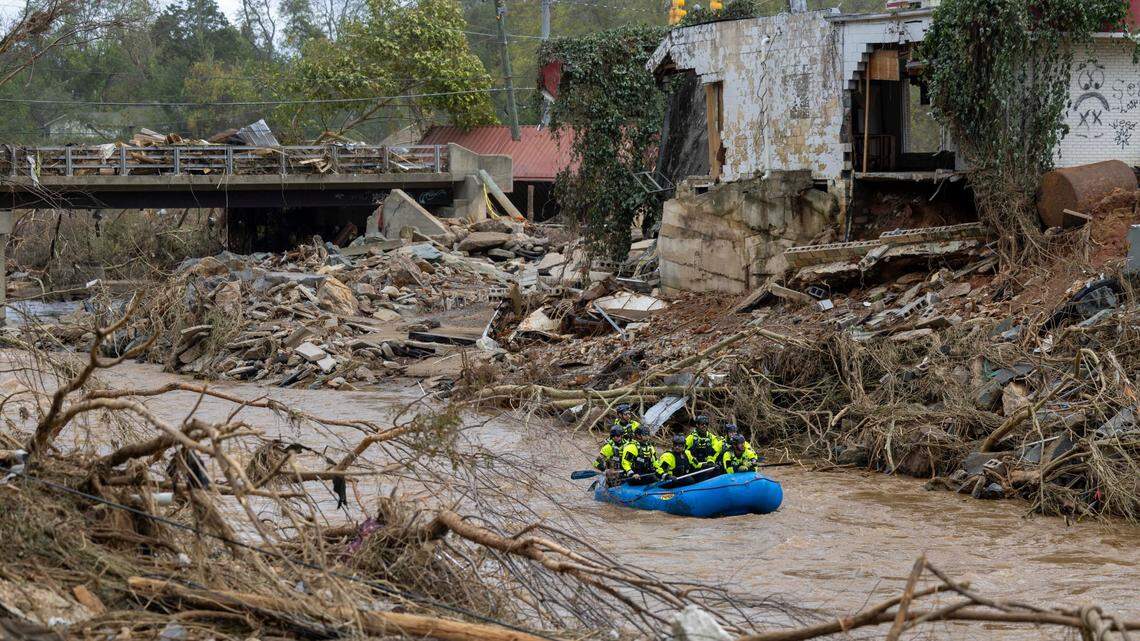
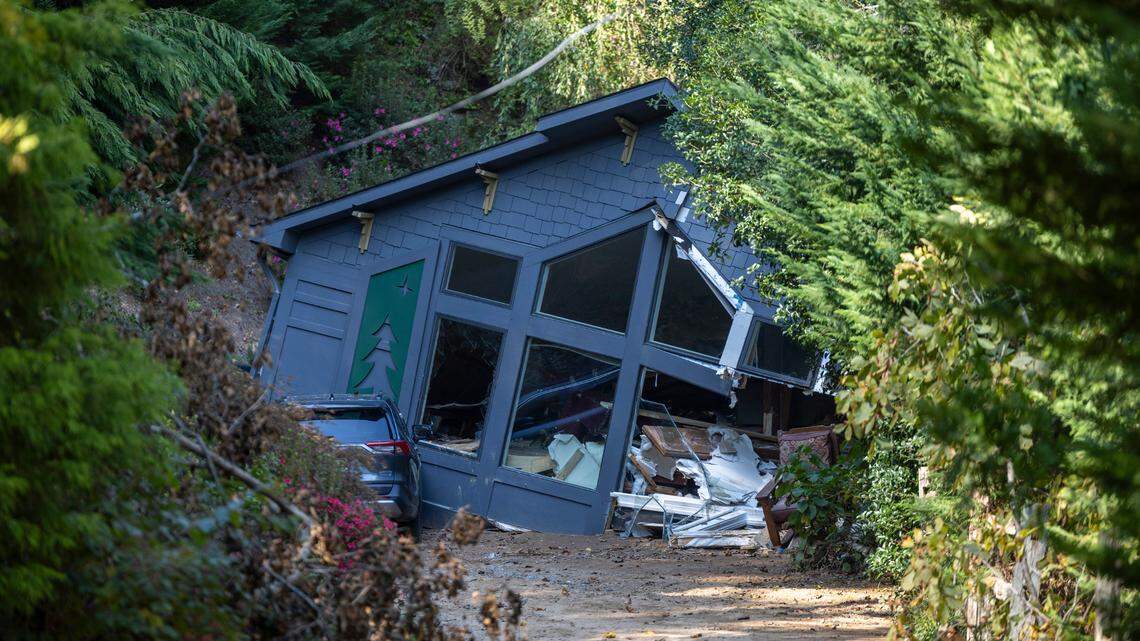
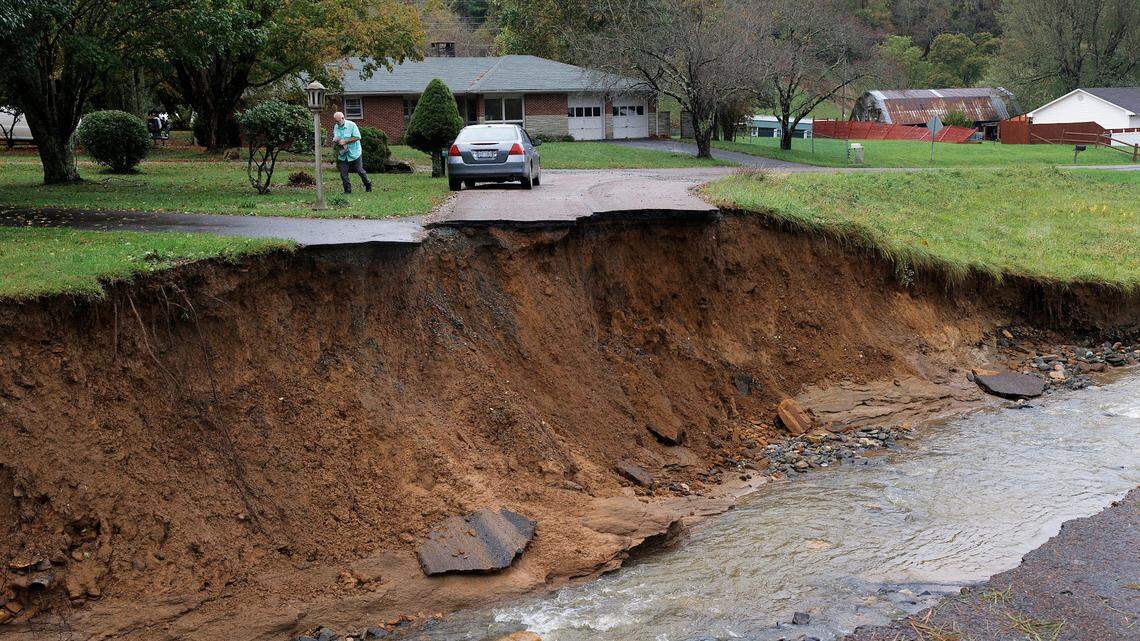
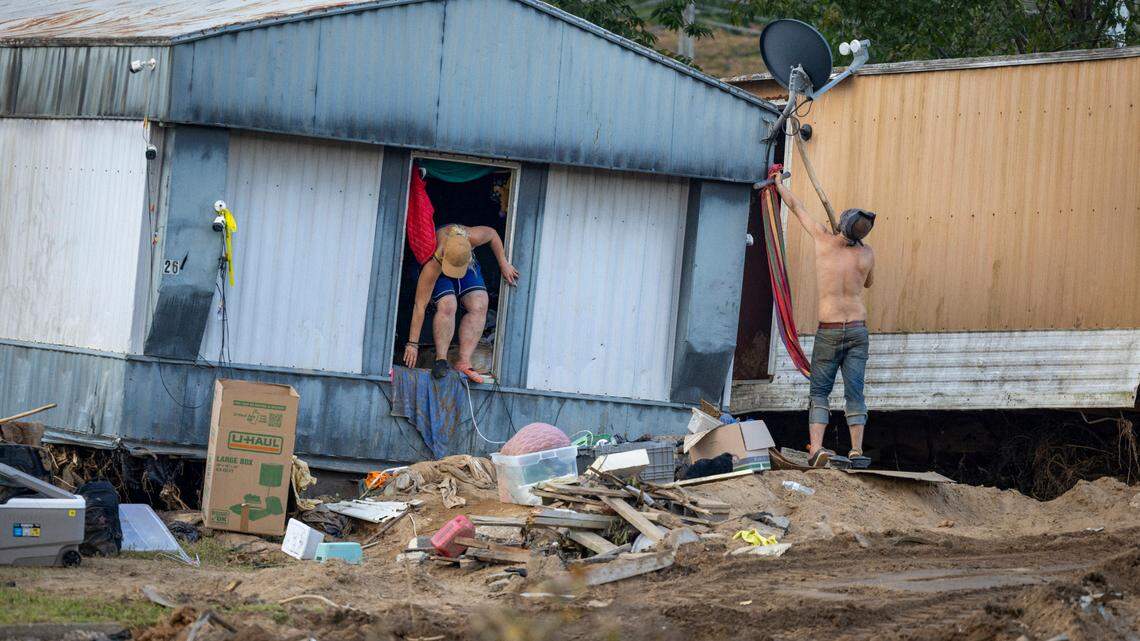
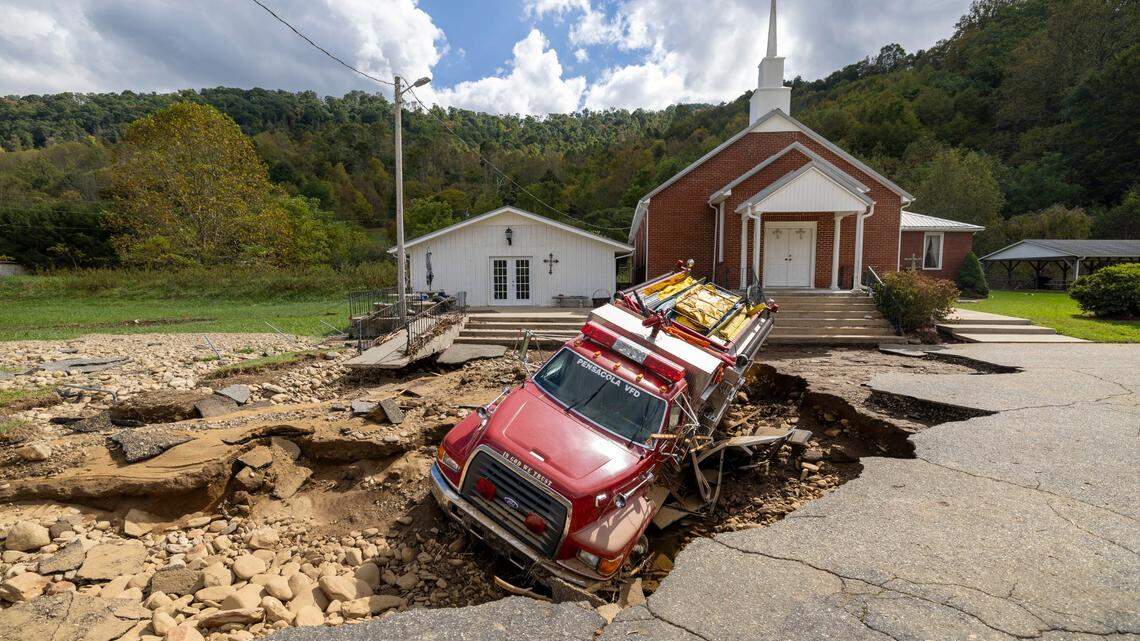
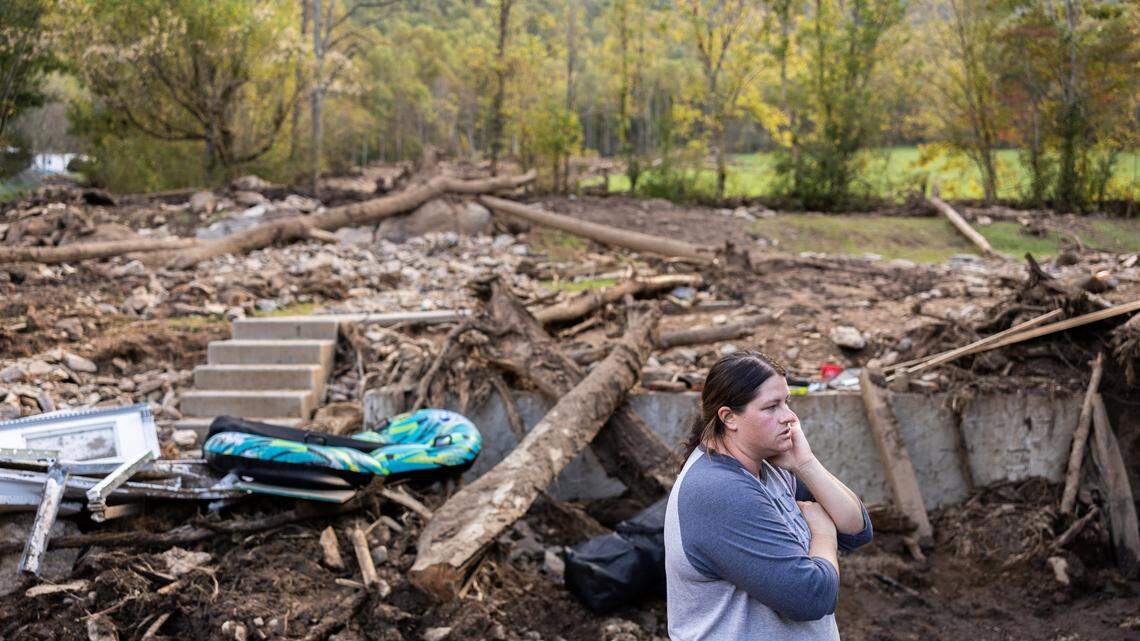
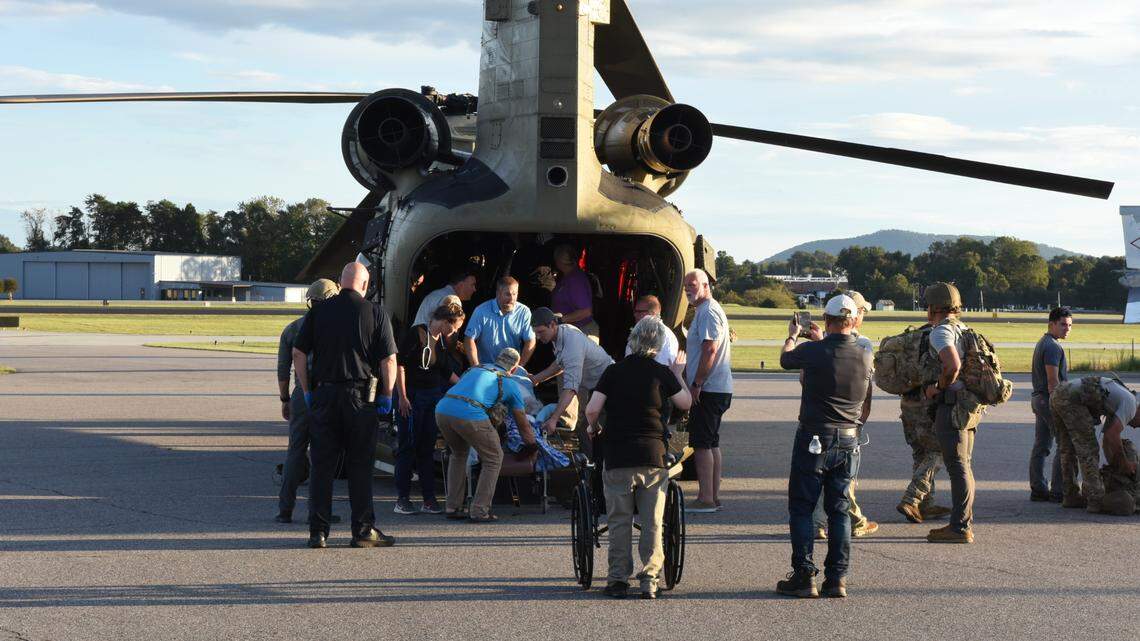
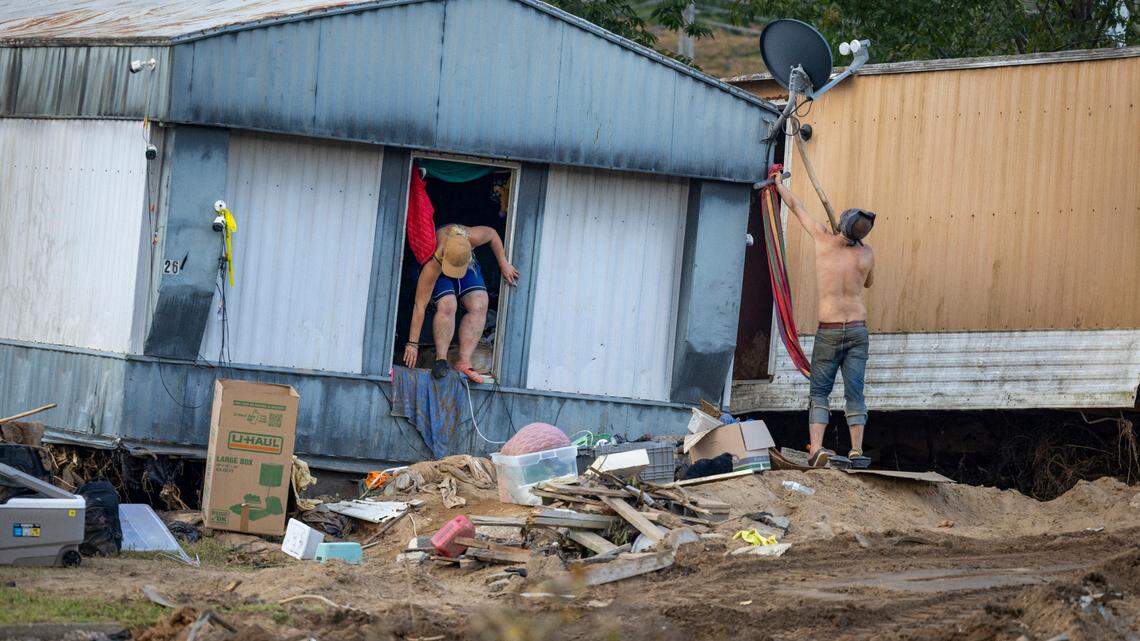
Hurricane Helene swept across the Southeast, causing major flooding and destruction throughout North Carolina. Here is ongoing coverage from The News & Observer and The Charlotte Observer about Hurricane Helene and the aftermath, particularly in Western North Carolina.
Expand All
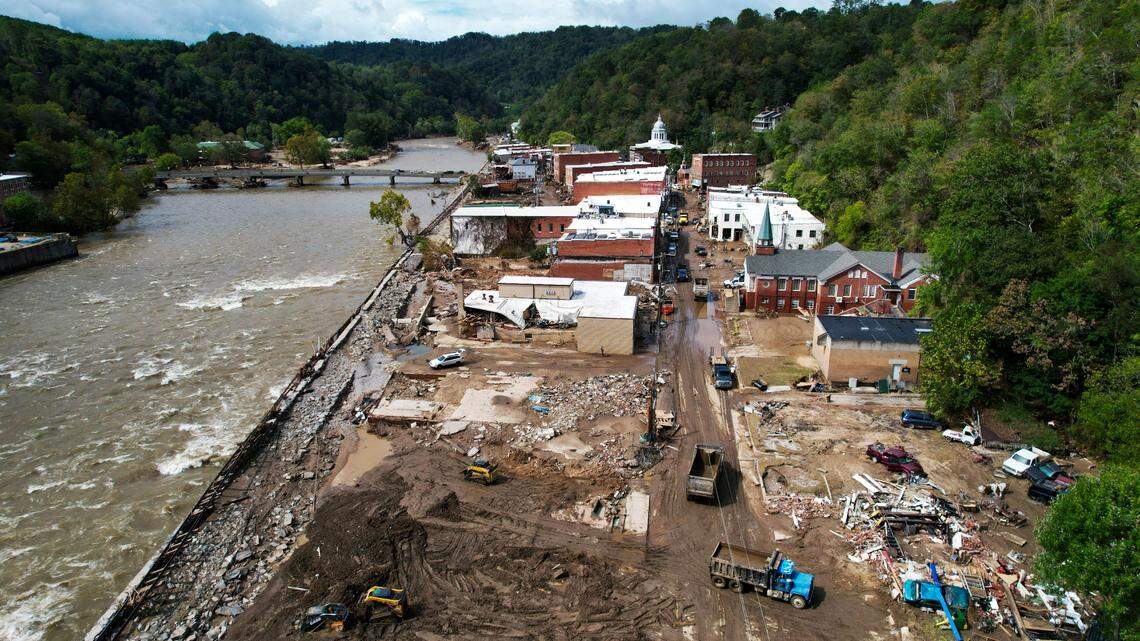
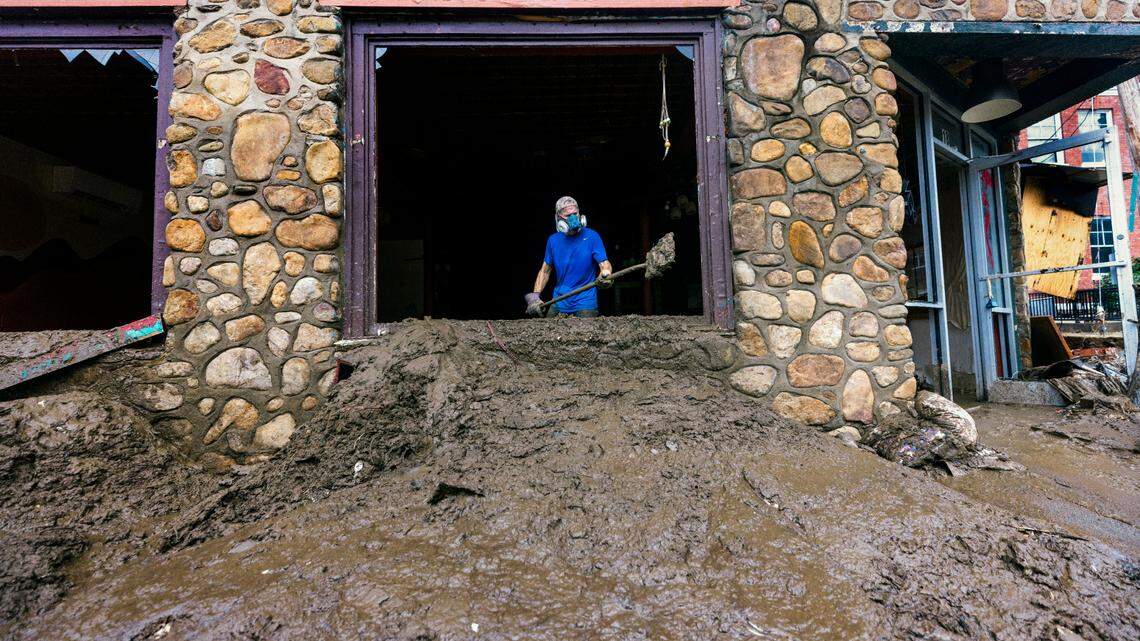
Time and again over the past several days, Canton mayor Zeb Smathers has heard desperate pleas.
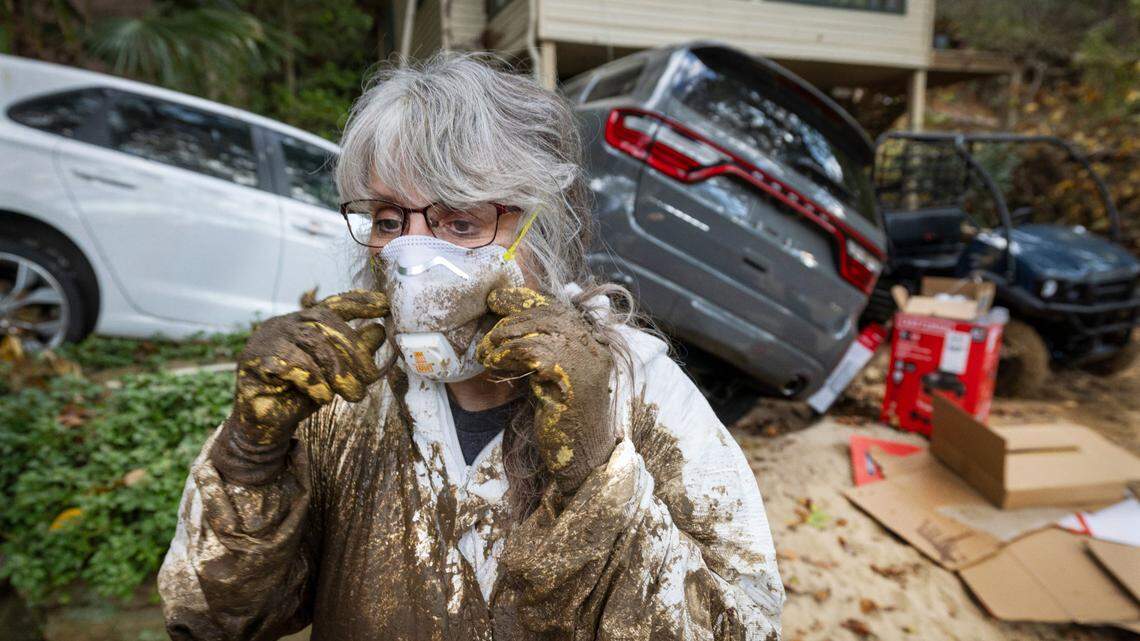
“I’ve had tears fill my eyes (because) of random people reaching out to me, looking for their loved ones, because they cannot communicate,” said Smathers, whose town of 4,400 was among many in western North Carolina ravaged by Tropical Storm Helene.
“I pray that the inability to reach people didn’t cost any lives,” he said.
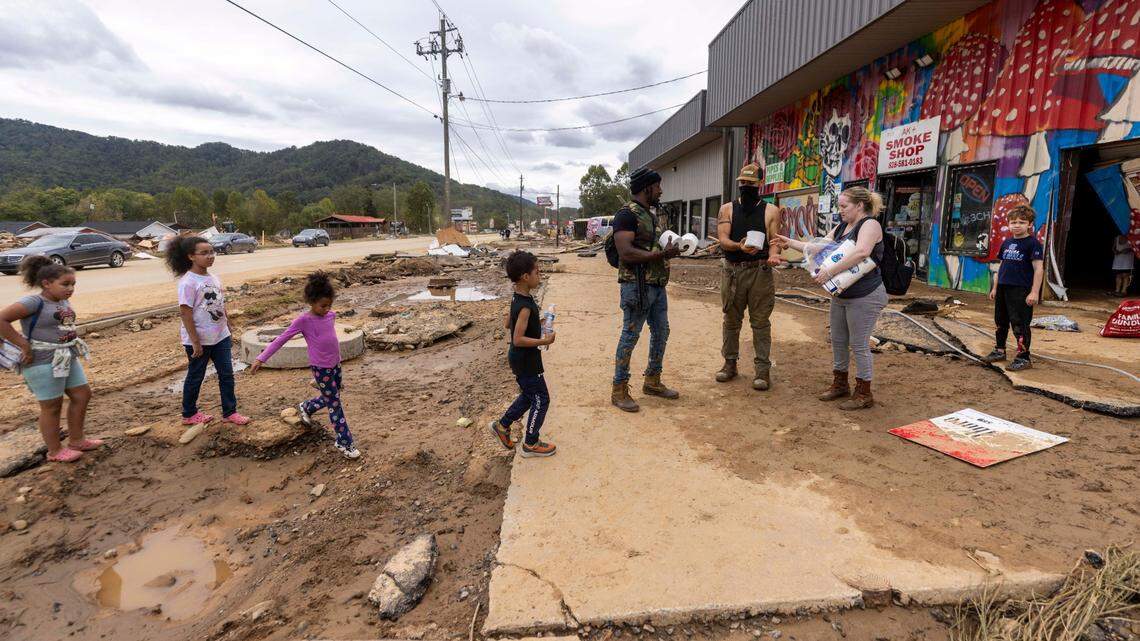
In the hours and days after the storm, widespread cellphone and internet blackouts made a devastating situation worse. Thousands of people couldn’t contact loved ones in western North Carolina. The blackouts also hurt efforts to help during a historic crisis, Smathers said.
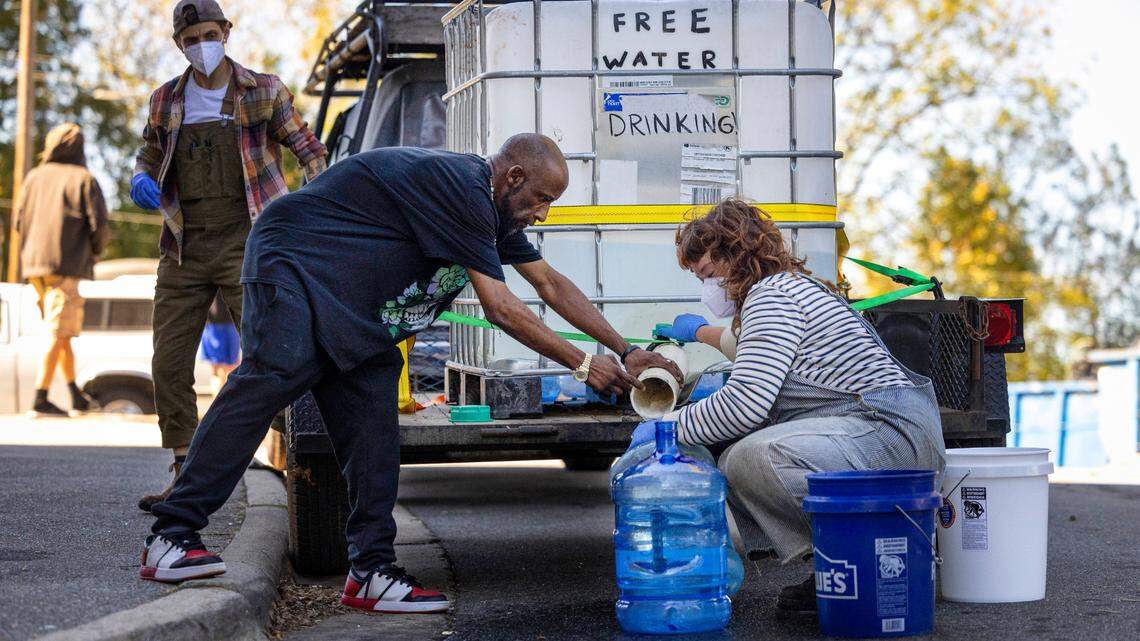
“If I need to say, ‘Hey, you come get water at the police department,’ and I can’t do that… it makes every other problem worse,” said Smathers, who spoke with Charlotte Observer reporters by satellite phone because he didn’t have a cell signal.
Nearly half of cell sites — locations with antennas and other electronic communications equipment vital to cell phone communication — were still out Tuesday in western North Carolina counties affected by the storm, the Federal Communications Commission says. In Buncombe County, more than 60% of cell sites weren’t working. And in Yancey County, more than 90% were out.
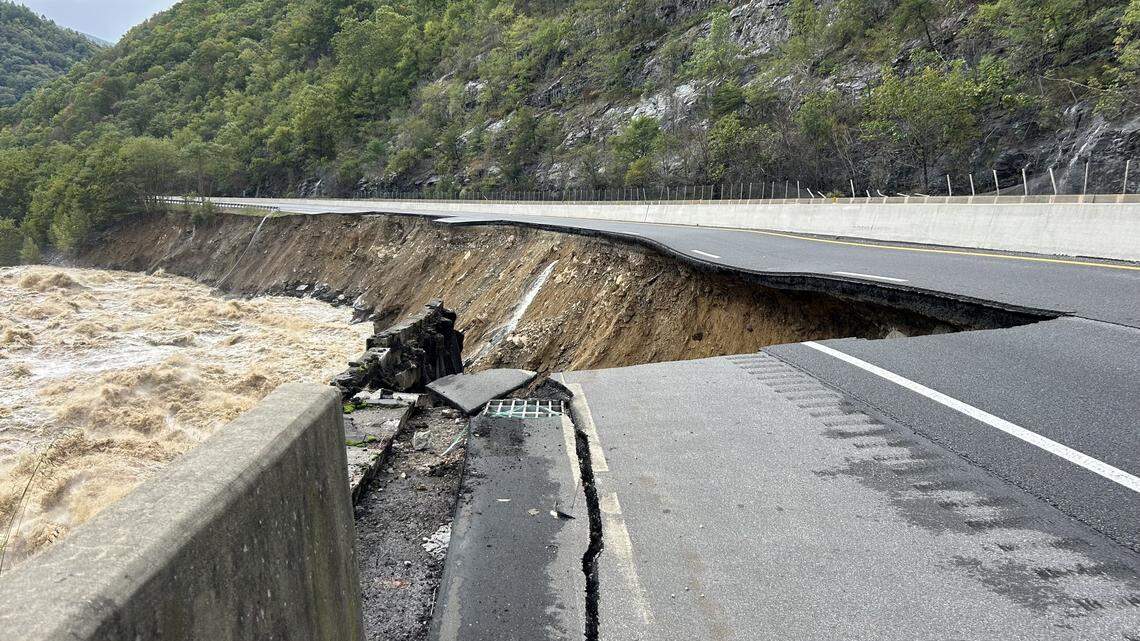
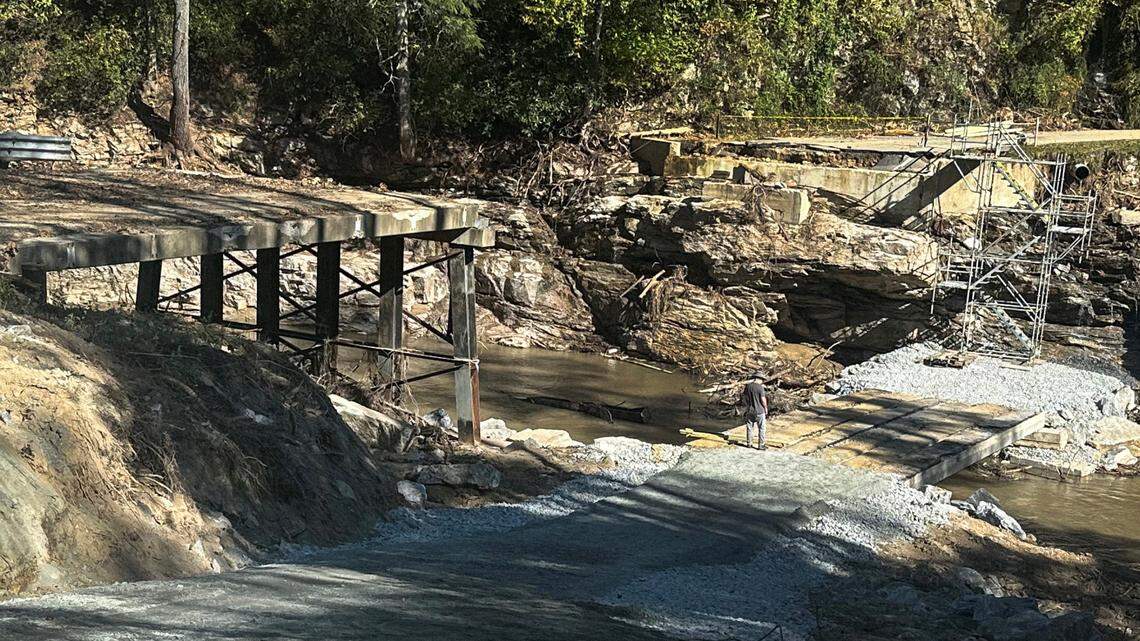
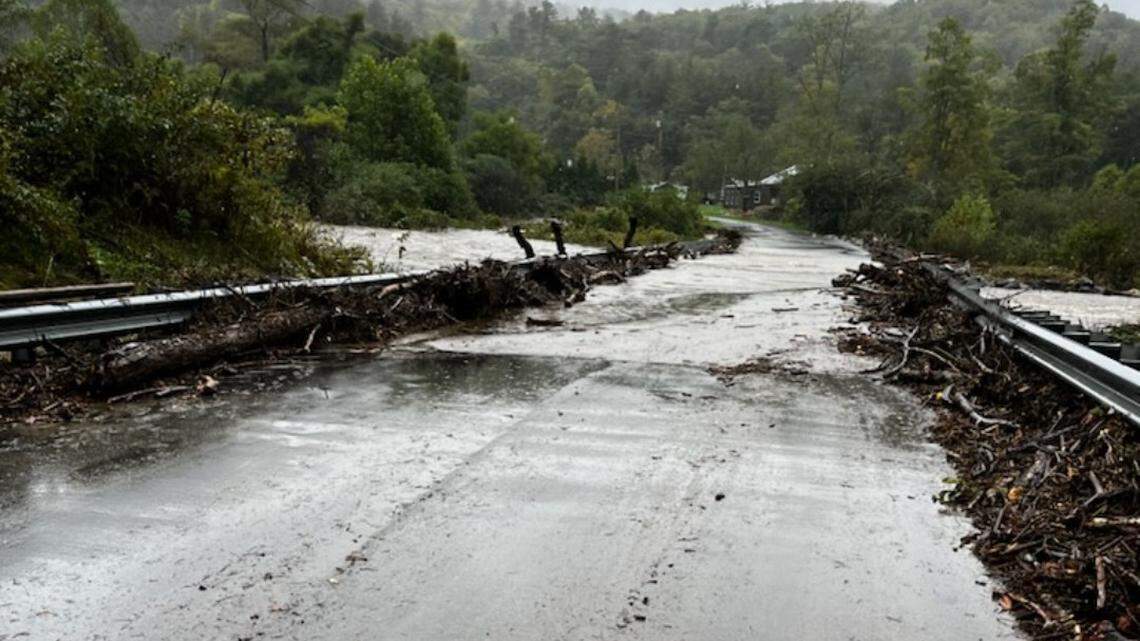
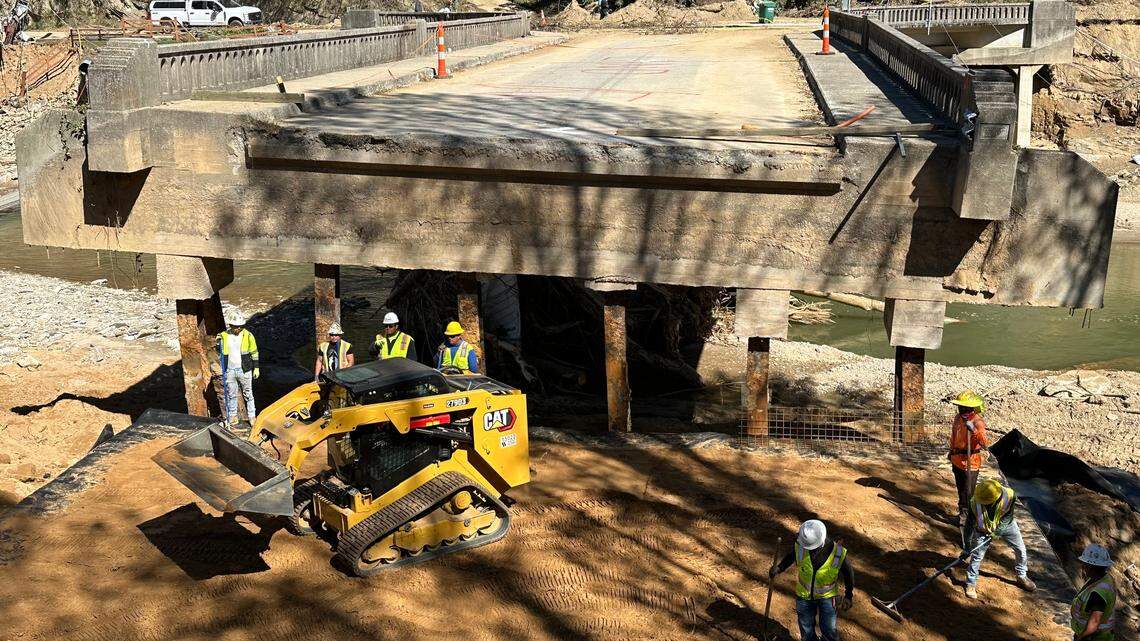
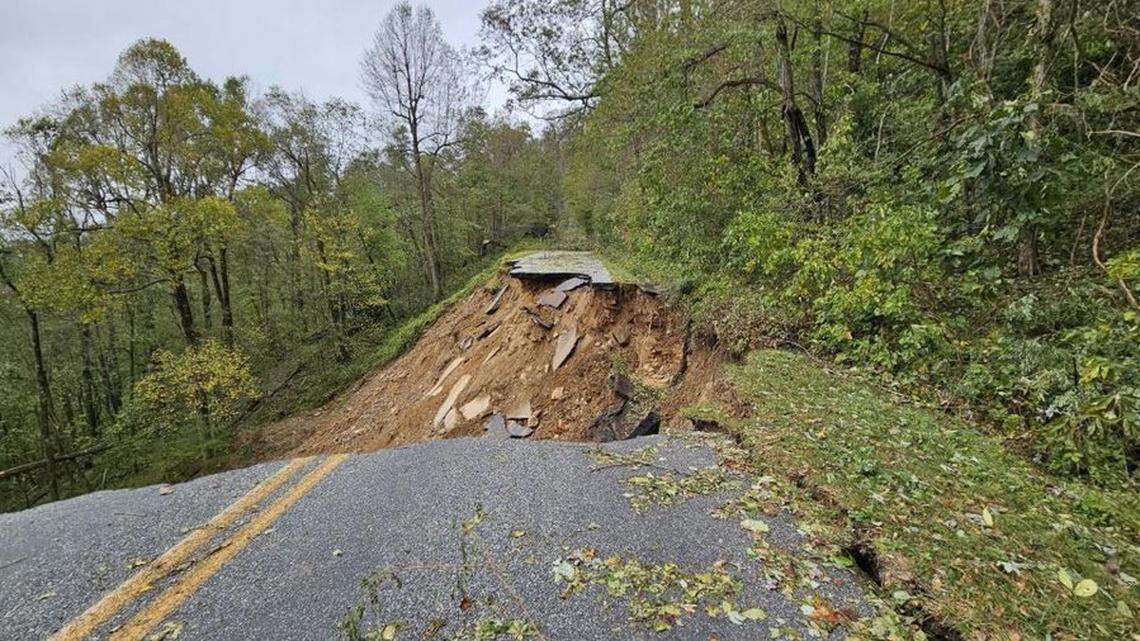
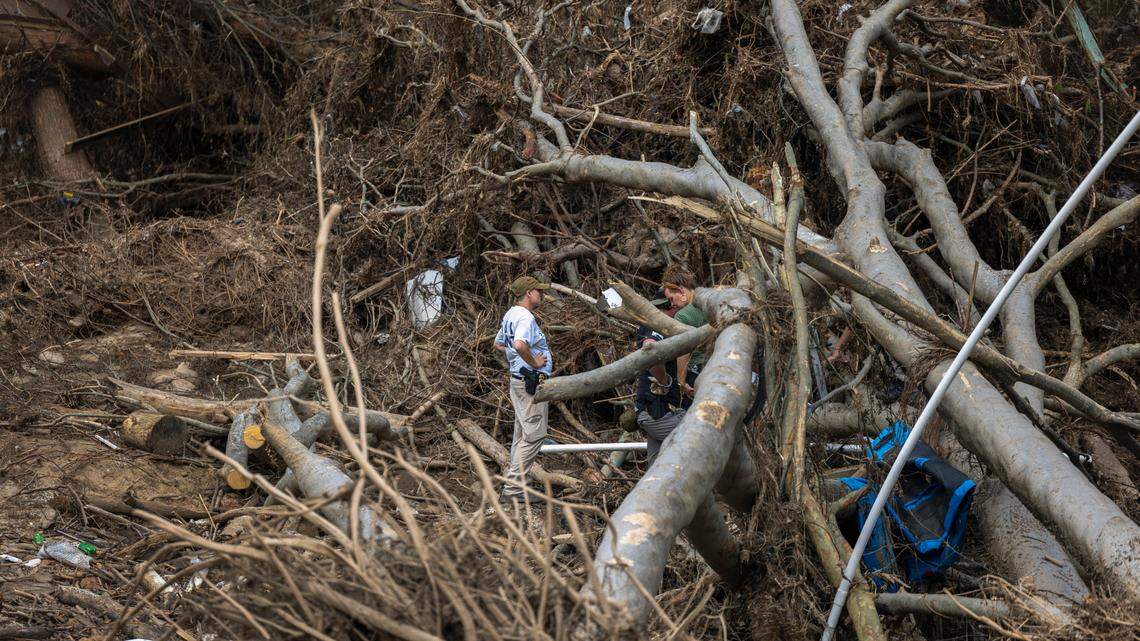
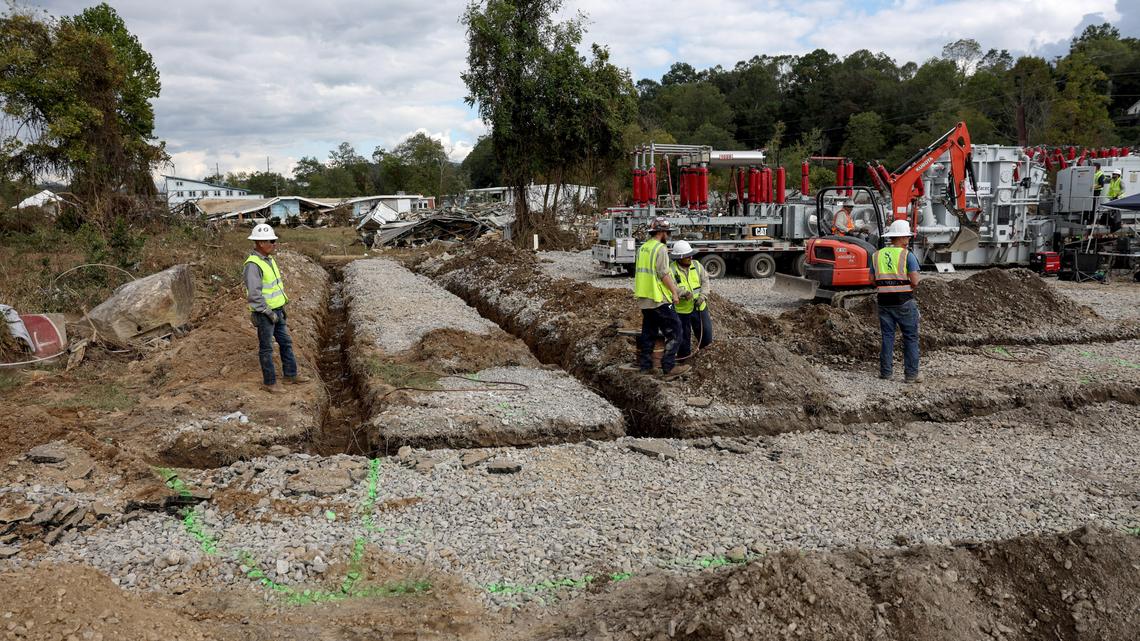
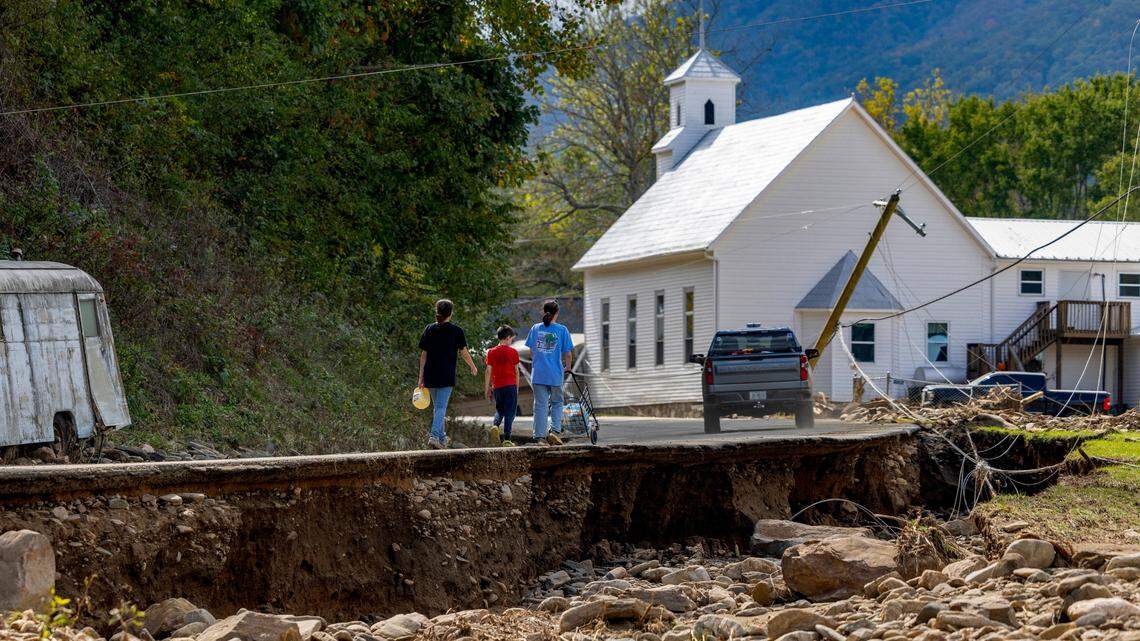
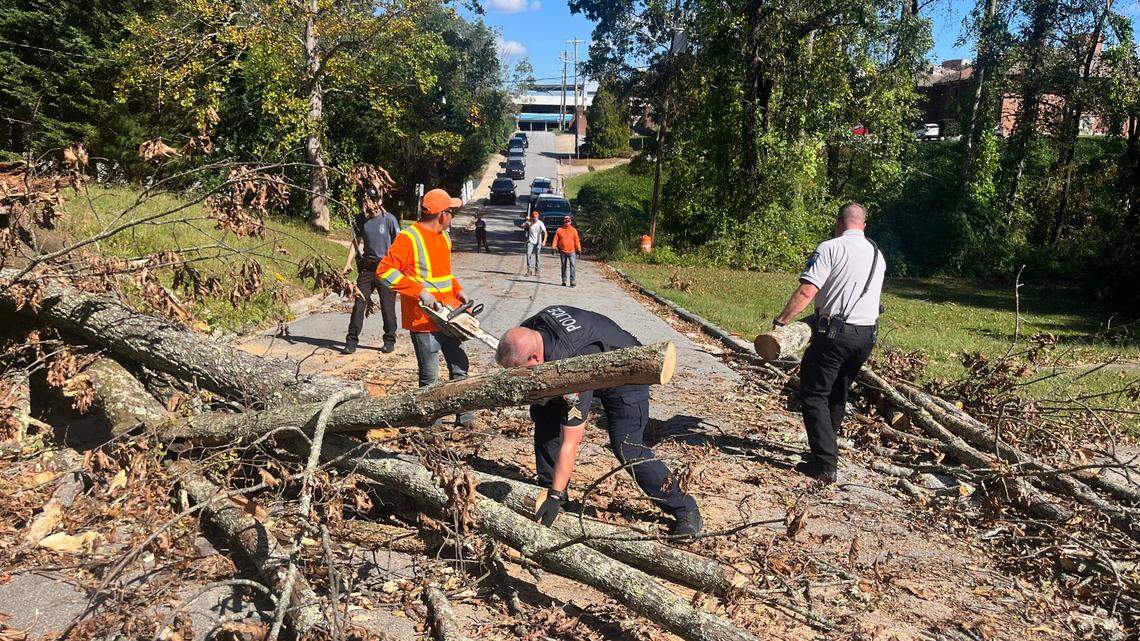
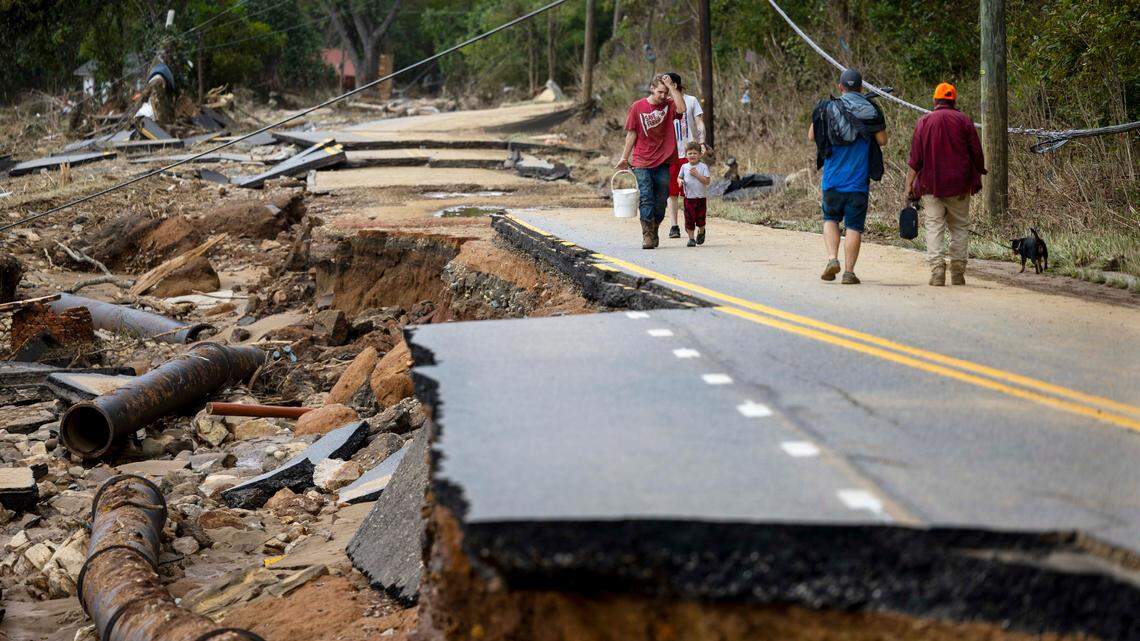
Getting things working again is a huge challenge, one slowed by power outages, flooding, blocked roads and downed power lines, according to Verizon, AT&T and Spectrum. And companies have not predicted when the work would be completed.
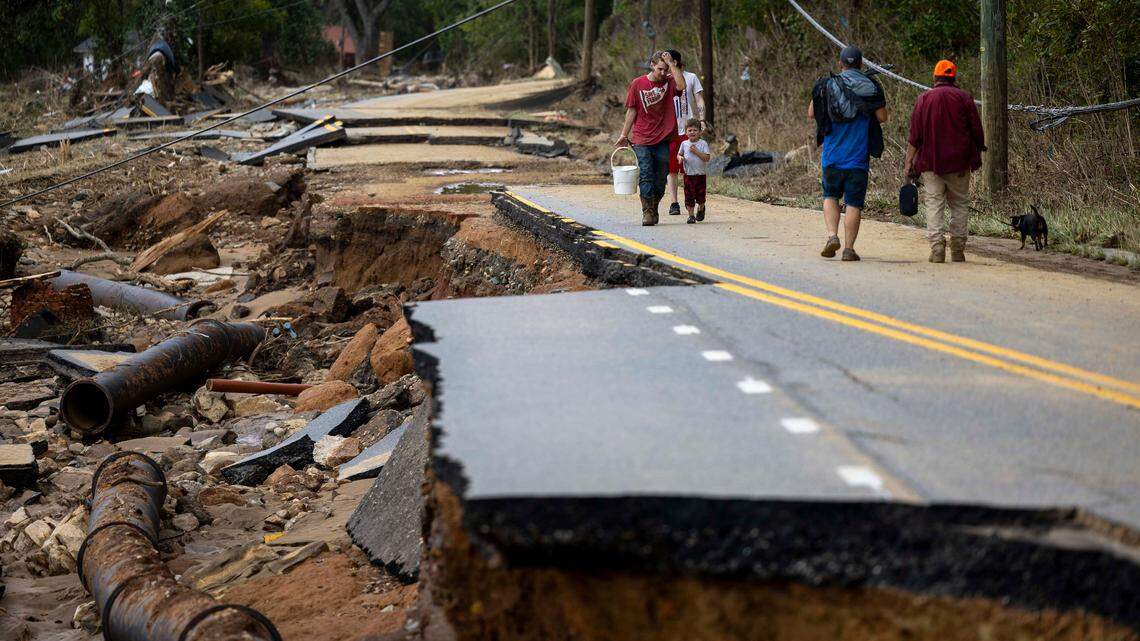
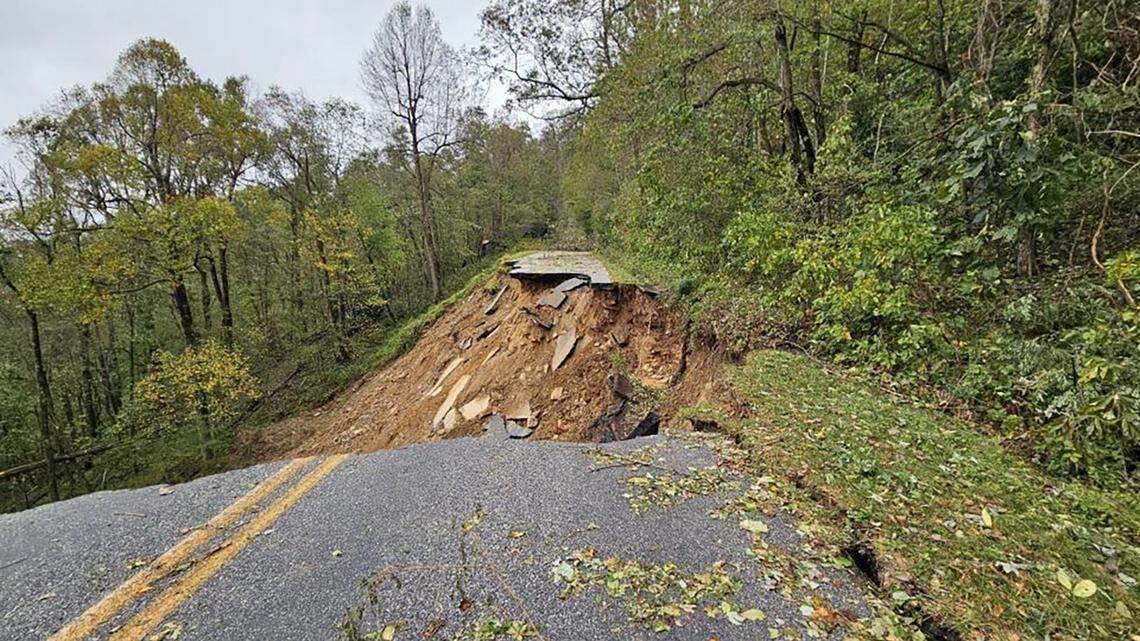
“Access into the region, as well as moving within the area, have been an insurmountable challenge the last few days,” Verizon said in a Sept. 29 update about their repair work.
AT&T said Tuesday it restored more than 60 percent of the cell sites in areas impacted by the storm.
Smathers said he knows cellphone companies are working hard to repair the damage. But he wonders whether they did enough before the storm to prevent widespread outages.
“There are going to be a lot of questions,” he said.
Storm damaged fiber cables
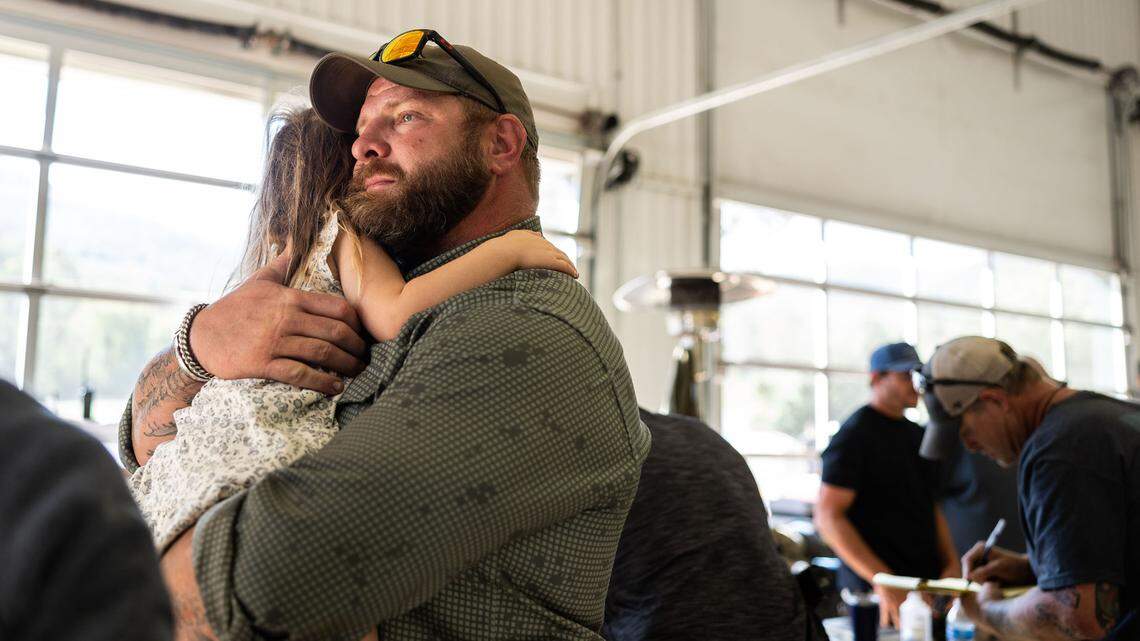
Officials in Buncombe County say they’ve received more than 11,000 requests from people trying to reach loved ones. And many people outside the hardest hit areas have turned to social media to express their worry and desperation.
“‼️Urgent message from a family member re Tropical Storm Helene: Hendersonville NC folks need help with network satellite service,” one person said on X Saturday. “This little town is under water from Helene and they have no contact to the outside world.”
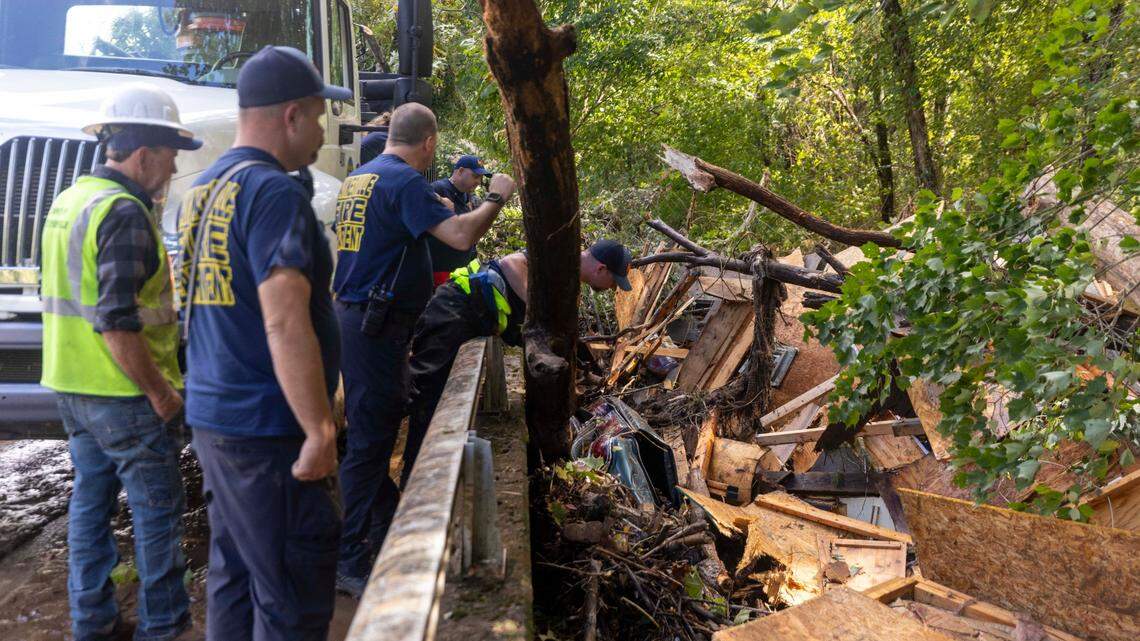
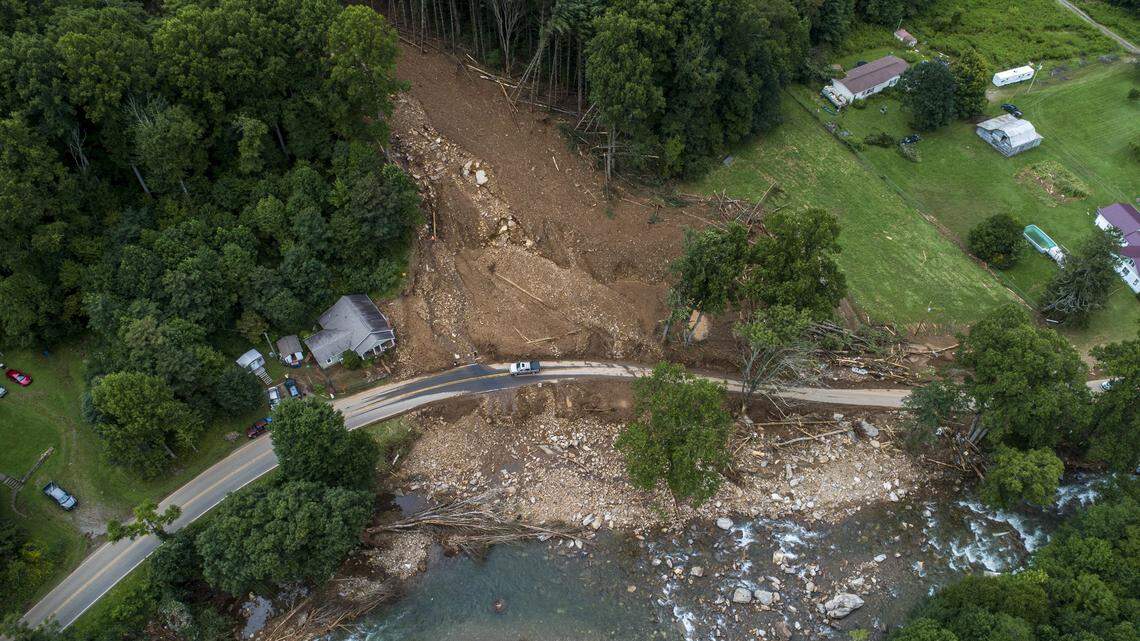
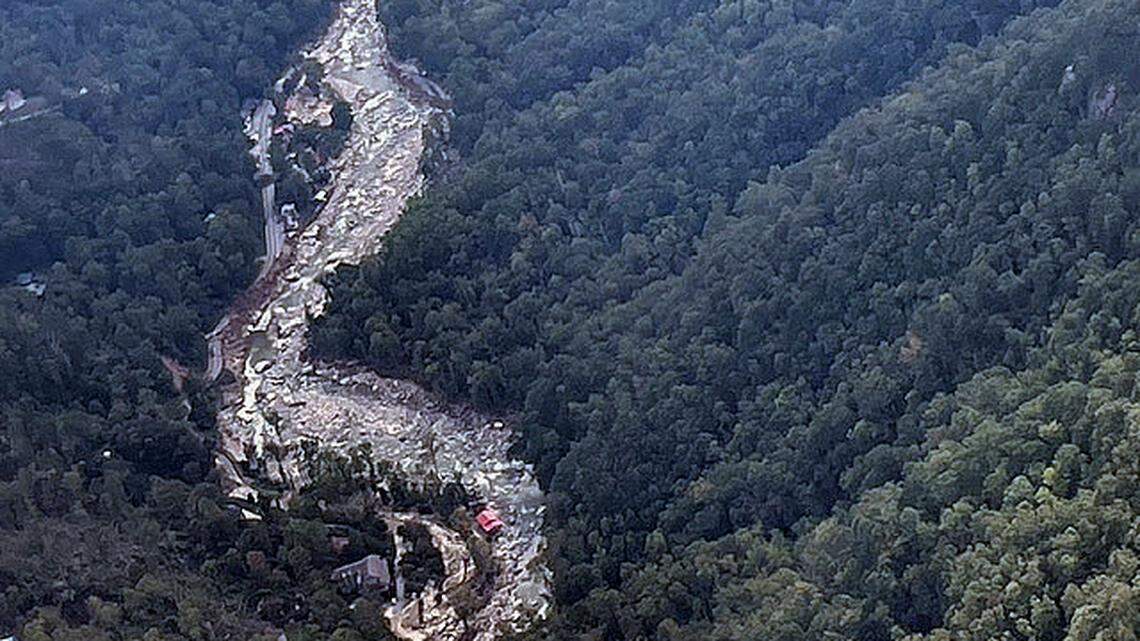
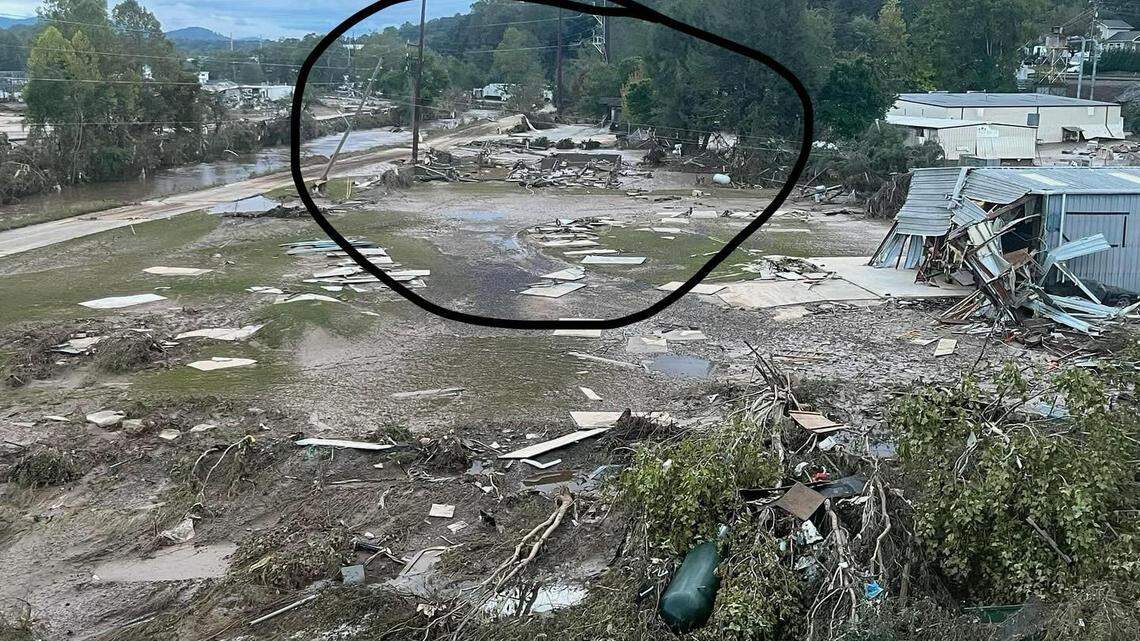
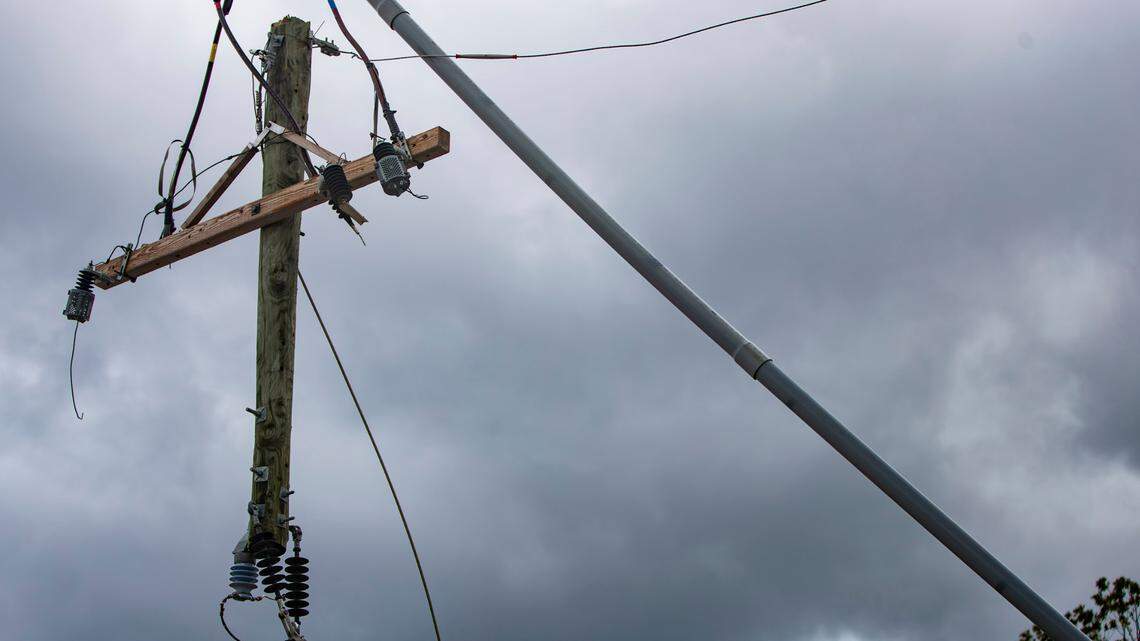
Many communication blackouts in western North Carolina were caused by power outages and damage to the fiber cables that connect cell sites to other parts of the network, Verizon says. Debris, flooding and high winds damaged the fiber cables, according to the company.
“We’re getting reports from AT&T and Verizon,” Gov. Roy Cooper said during a press conference on Monday. “Their initial problems were significant in that landslides cut major fiber lines for them.”
Repairs — and questions — continue
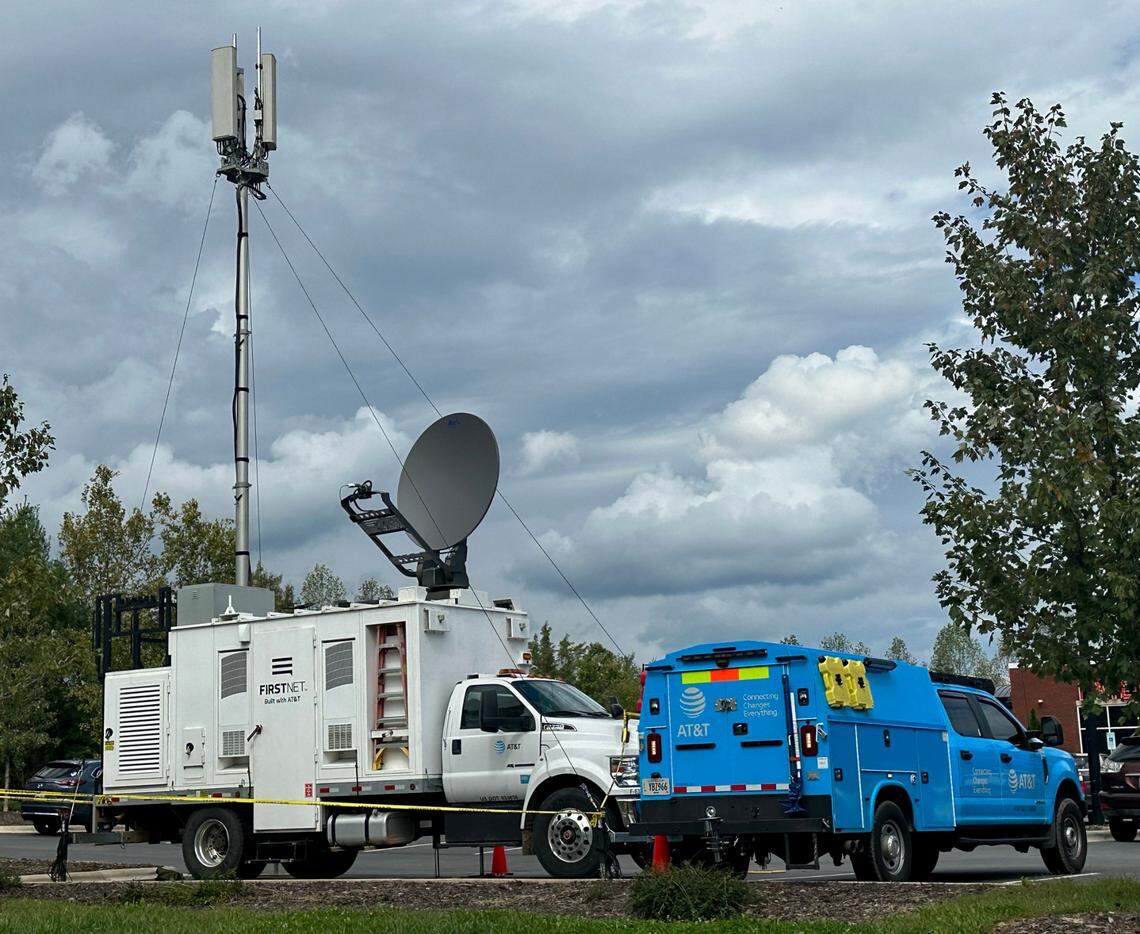
Verizon and AT&T said their teams are working around the clock to make repairs. At the same time, they’ve set up equipment to provide alternative connections.
Dozens of Starlink satellite systems have been shipped to North Carolina in recent days to provide high-speed internet access, FEMA said. Starlink, developed by Elon Musk’s SpaceX company, uses a network of satellites to provide internet access globally.
Spectrum says it has opened more than 33,800 “access points” in the Carolinas where the public can connect to WiFi. (The locations are detailed in Spectrum’s out-of-home WifFi page.)
Verizon and AT&T said they’ve also brought mobile equipment to western North Carolina to restore cellphone service. Both companies have even launched drones to provide cellphone coverage from the sky.
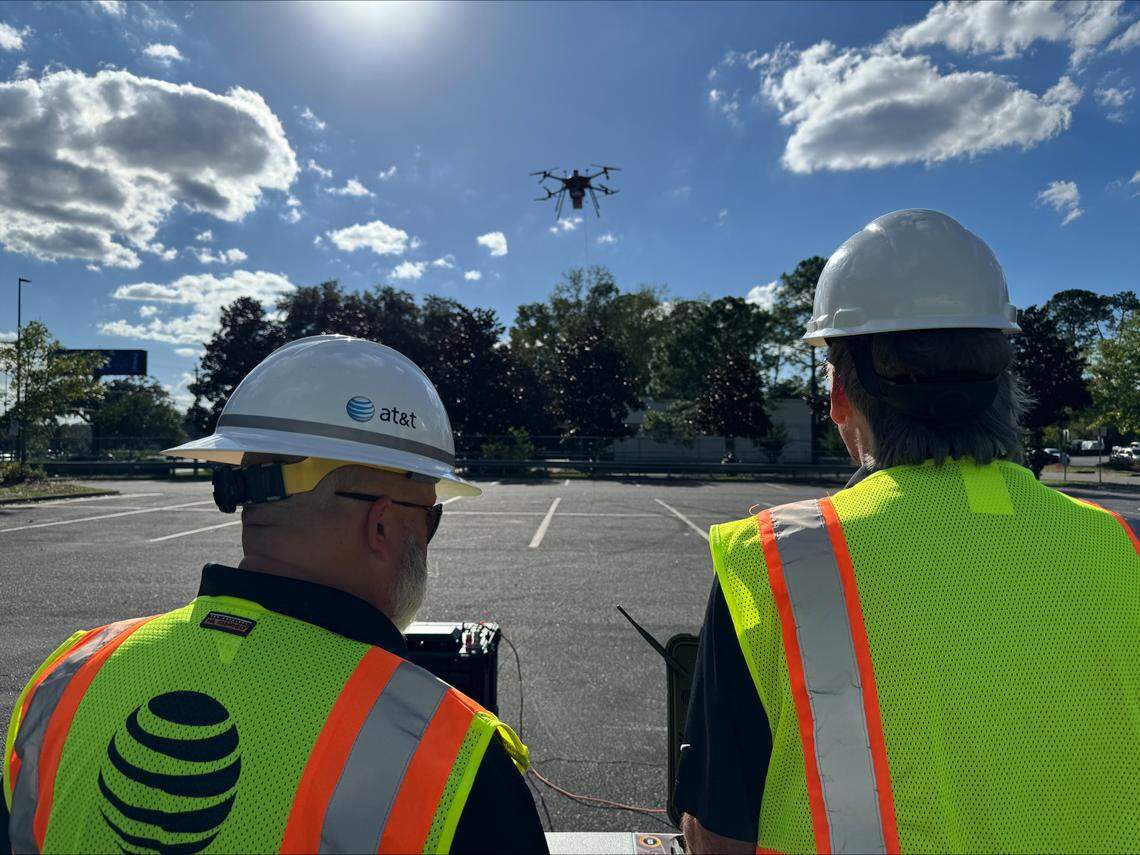
Before the storm, Verizon says it did take steps to prepare. The company put portable communications equipment — including drones and generator-powered cell sites — in places where it could be deployed rapidly if service was interrupted.
But many still struggle to get a phone signal.
Last weekend, an Ingles supermarket on Asheville’s Patton Ave. was closed. But the parking lot was jammed. The reason: It was one of the few sites in that part of town where many could get reliable cellphone service.
And on Tuesday, Mayor Smathers said he saw people in his Haywood County town holding their cellphones in the air as they walked, hoping to find a cell signal.
“It is unacceptable and disgusting that in our time of need, cellular service for the entire region is blocked out,” he said.
This story was originally published October 2, 2024 at 10:56 AM with the headline "Still no cell service in much of battered western NC. Why is it so tough to fix?."
.JPG)





.jpg)

.jpeg)


.JPG)














.JPG)